
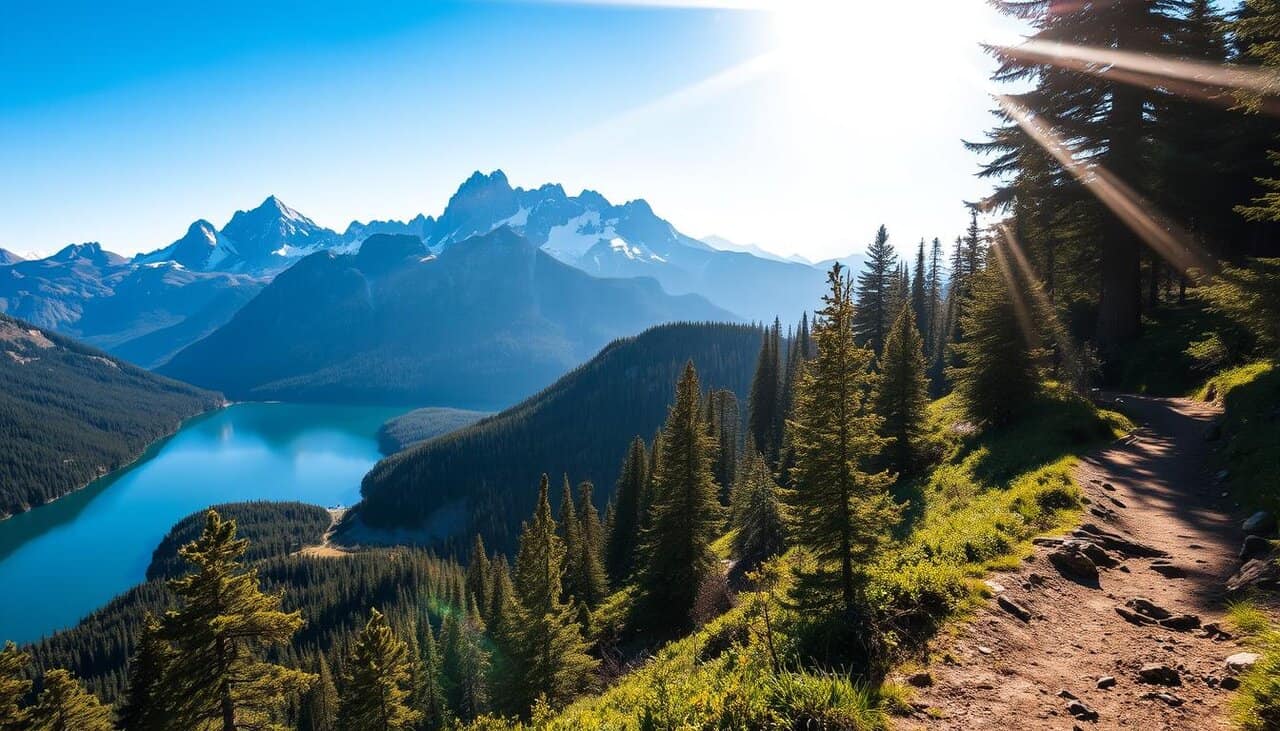
Over 330 million visitors flock to America’s national parks each year, drawn by their breathtaking landscapes and diverse wildlife.
As someone who’s recently taken on the challenge of exploring these natural wonders for the first time, I understand the excitement and overwhelm that comes with planning your first trip.
With so many incredible national parks to choose from, selecting the right one for your first visit can be daunting. That’s why I’ve put together this guide to help you navigate the process and make the most of your trip.
We’ll explore the key factors to consider when choosing your first park, from accessibility and infrastructure to the type of experiences you can expect.
Key Takeaways
- Understand the key factors to consider when choosing your first national park
- Discover the top national parks suitable for beginners
- Learn how to plan a memorable trip to your chosen park
- Get practical advice on making the most of your national park experience
- Start your national parks journey with confidence
Understanding the National Park System
As you plan your first visit to a national park, understanding the broader National Park System can enhance your experience. The National Park System is not just about the 63 designated national parks; it’s a vast network of protected areas that include national monuments, battlefields, seashores, and historic sites.
The 63 National Parks and Beyond
The National Park System encompasses a total of 63 designated national parks, but it extends far beyond that to include over 400 protected sites across the United States. These sites are managed by the National Park Service, which works to preserve natural wonders, diverse ecosystems, and historically significant places for future generations.
Some of the diverse sites within the National Park System include national monuments that preserve historic and natural features, national battlefields that commemorate significant historical events, and national seashores that protect coastal ecosystems. This diversity is highlighted in the following table:
| Type of Site | Description | Examples |
|---|---|---|
| National Parks | Protected areas known for their natural beauty and diverse ecosystems | Yellowstone, Grand Canyon |
| National Monuments | Preserve historic and natural features | Statue of Liberty, Grand Canyon (some parts) |
| National Battlefields | Commemorate significant historical events | Gettysburg, Antietam |
History and Conservation Efforts
The National Park System has a rich history that began in 1872 when Yellowstone became the world’s first national park. This pioneering conservation effort set a precedent for land protection and conservation that has been followed by countries around the world.
“The national parks represent America’s commitment to preserving natural wonders, diverse ecosystems, and historically significant places for future generations to enjoy and learn from.”
The National Park Service manages these lands with a dual mission of preservation and public enjoyment, creating a delicate balance between accessibility and protection. As conservation efforts continue, understanding the history and significance of these protected areas can deepen your appreciation for the natural and cultural heritage they preserve.
What Makes a National Park Ideal for First-Time Visitors
My initial foray into exploring national parks required careful consideration of what makes a park ideal for newcomers. As I planned my trip, several factors stood out as crucial for a smooth and enjoyable experience.
Accessibility from Major Cities and Airports
For a first-time visitor like myself, accessibility is paramount. I looked for national parks that are easily reachable from major cities and airports, reducing travel complications. Many of the national parks are located near significant urban centers or have nearby airports, making them ideal for those unfamiliar with remote destinations or without extensive travel experience.
Developed Infrastructure and Amenities
A well-developed infrastructure is another critical factor. This includes paved roads, clear signage, visitor centers, and maintained trails, which make navigation simpler and more comfortable for newcomers. The availability of basic amenities such as restrooms, food services, water stations, and cell service provides security and comfort for those not accustomed to wilderness experiences.
Impressive Scenery Without Strenuous Effort
 scenic views visible from roadside viewpoints or via short, relatively flat trails allow first-timers to experience natural wonders without requiring advanced hiking skills or specialized equipment. This balance of accessibility and natural beauty makes for an ideal introduction to the national park experience.
By considering these factors, first-time visitors can choose a national park that meets their needs, ensuring a memorable and enjoyable trip.
Which National Park is Best to Visit First? Top Recommendations
Embarking on your national park journey can be daunting, but some parks stand out as ideal for first-timers. With numerous breathtaking destinations across the United States, selecting the perfect introduction to the national park system requires considering factors like accessibility, infrastructure, and the overall experience.
Grand Canyon National Park
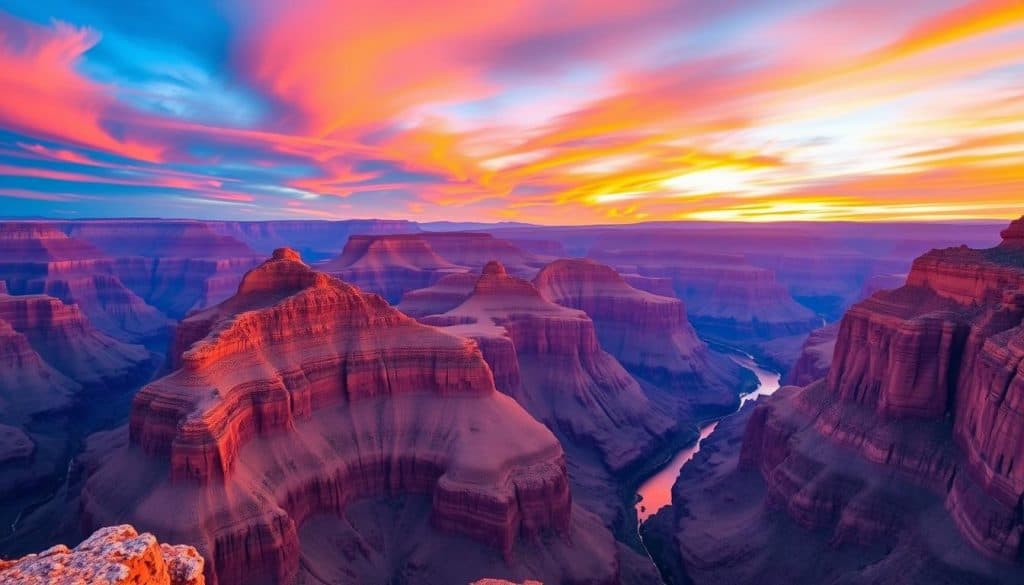
For many, Grand Canyon National Park is the quintessential national park experience. Its awe-inspiring vistas and well-developed infrastructure on the South Rim make it an excellent choice for first-time visitors. The park is easily accessible, with a variety of viewpoints and trails that cater to different interests and mobility levels. Being just a 3-hour drive from Las Vegas adds to its appeal, making it a popular destination for those looking to experience the grandeur of the American West.
Yellowstone National Park
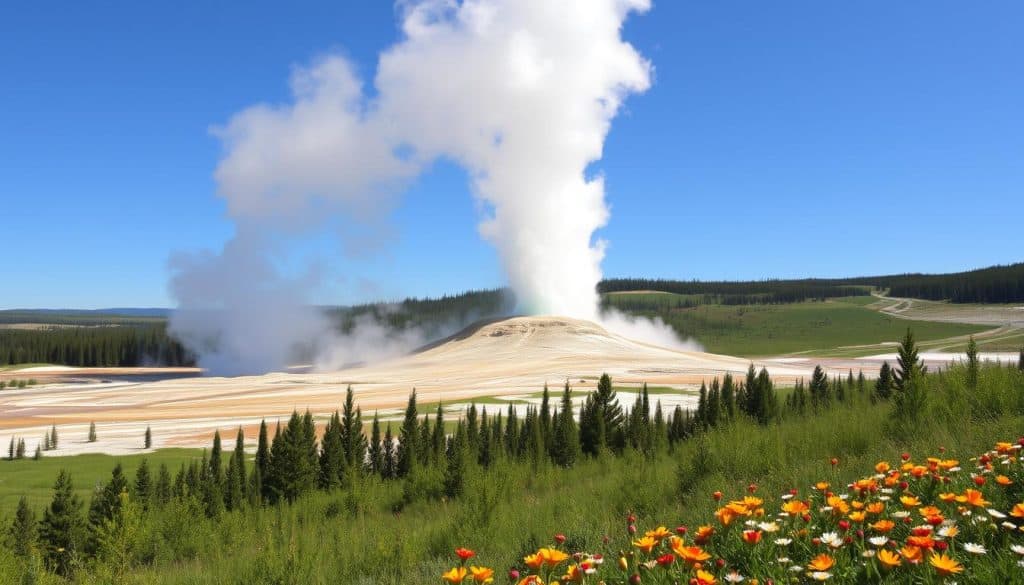
Yellowstone National Park, America’s first national park, offers an unparalleled diversity of landscapes and geological features. From the geysers like Old Faithful to the abundant wildlife, including grizzly bears and wolves, Yellowstone provides a rich and varied experience. The park’s well-maintained roads and accessible viewpoints make it easy for visitors to enjoy its many wonders without needing to embark on strenuous hikes.
Great Smoky Mountains National Park
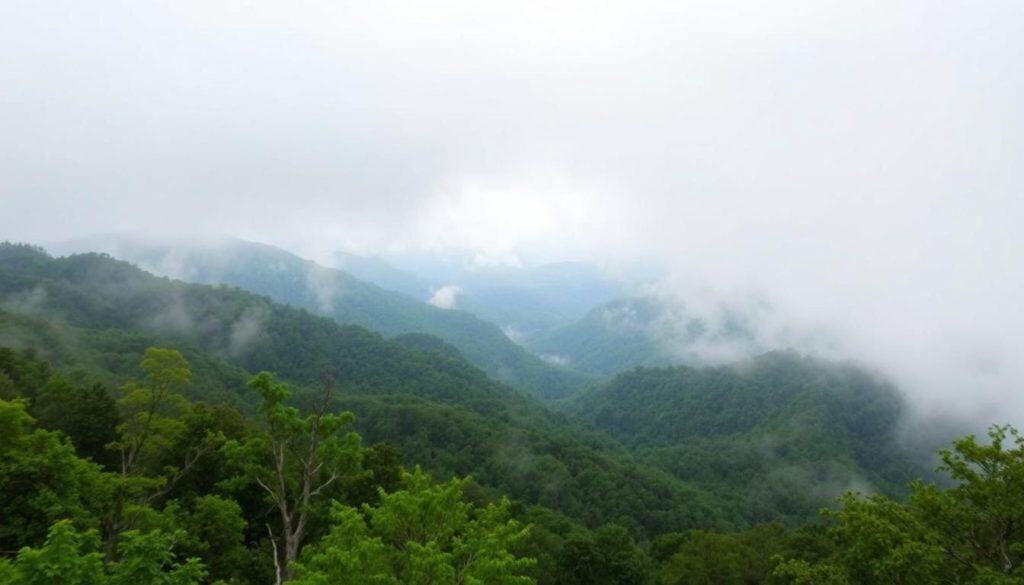
The Great Smoky Mountains National Park is renowned for its beautiful scenery, diverse wildlife, and historic sites. It stands out as a premier destination for first-time visitors due to its accessibility from several major southeastern cities and its gentle, accessible trails. The park’s varied landscapes, from lush forests to vibrant wildflowers, offer a serene and engaging experience for visitors of all ages.
Acadia National Park
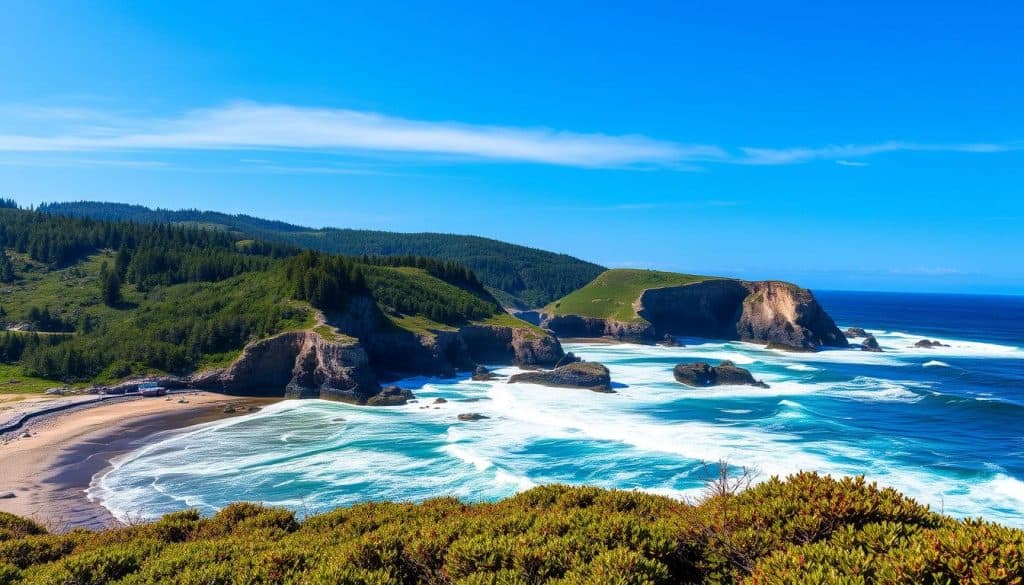
Acadia National Park in Maine offers a unique blend of rugged coastline and mountainous terrain. The Park Loop Road provides an easy and scenic drive through the park, with numerous stops at iconic sites like Thunder Hole and Jordan Cliffs. The nearby town of Bar Harbor adds to the appeal, offering a range of amenities and services for visitors. Acadia’s mix of natural beauty and accessibility makes it an excellent introduction to the national park experience.
Rocky Mountain National Park
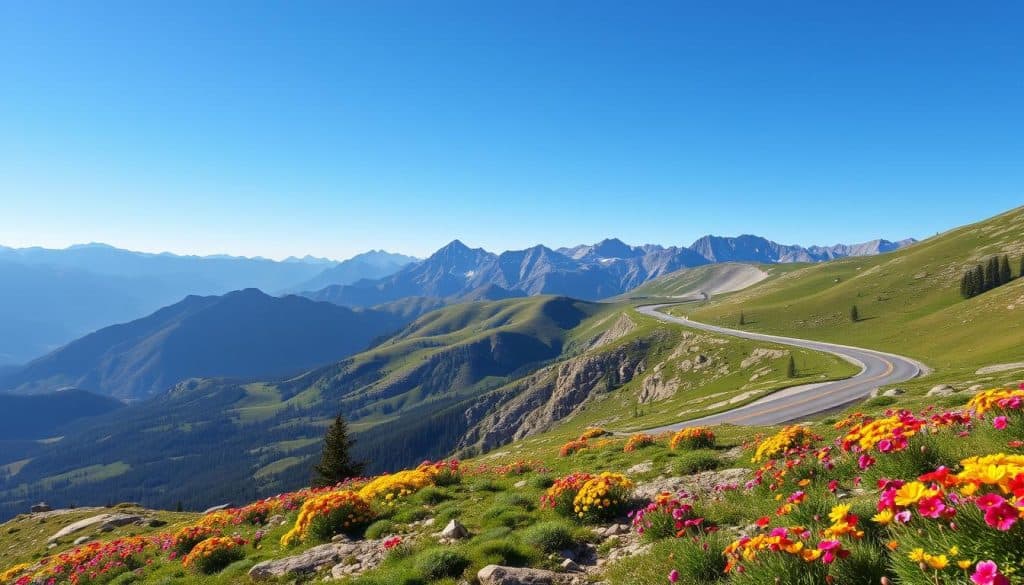
For those looking for a high-altitude experience without the need for strenuous hiking, Rocky Mountain National Park is an ideal choice. Located just a couple of hours from Denver, the park features Trail Ridge Road, the highest continuous paved road in the United States. This allows visitors to enjoy spectacular alpine views from the comfort of their vehicle, with numerous viewpoints and short trails adding to the experience.
White Sands National Park
An image of the white gypsum sand dunes in White Sands National Park.
White Sands National Park in New Mexico is a unique destination that offers an otherworldly experience. The park’s vast field of white gypsum sand dunes provides a surreal landscape that is perfect for exploration, sledding, and photography. Its accessibility from Alamogordo and the relative ease of navigating the park’s scenic drive and short walks make it an excellent choice for families and those seeking a distinctive national park experience.
For more information on these and other national parks, check out our guide on the best-rated national parks to plan your next adventure.
Navigating Park Reservations and Passes
To make the most of your national park experience, you’ll need to grasp the details of entrance fees, annual passes, and reservation systems. Many of the national parks charge an entrance fee, which can range from $15 to $30 per vehicle, typically covering a 7-day access period.
Understanding Entrance Fees and Annual Passes
Most parks charge entrance fees ranging from $15-30 per vehicle, making short visits economical for families or small groups. If you plan to visit more than 2 or 3 national parks in a year, consider purchasing an America the Beautiful Annual Pass ($80), which provides exceptional value by covering entrance fees for the passholder and up to three adults at parks that charge per-person fees.
- The America the Beautiful Annual Pass ($80) is ideal for frequent visitors, covering entrance fees for multiple parks.
- Special pass programs offer free or discounted access for specific groups, including seniors, military members, and people with disabilities.
Reservation Requirements and Systems
Some popular parks have implemented timed entry reservation systems to manage visitor numbers, particularly during peak seasons. Parks like Yosemite, Rocky Mountain, and Acadia require advance planning through recreation.gov, typically available 1-6 months ahead.
- Parks with reservation requirements include Yosemite, Rocky Mountain, Glacier, Arches, and Acadia for specific activities.
- Understanding the difference between entrance reservations and activity reservations is crucial for a smooth visit.
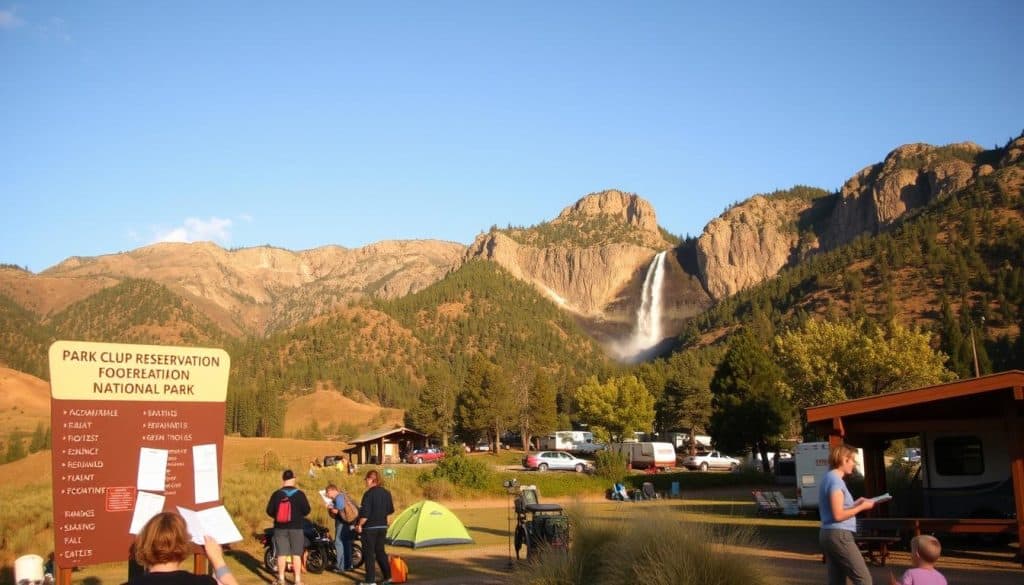
Best Free Activities in National Parks
One of the best aspects of visiting national parks is the array of free activities that allow you to fully immerse yourself in the natural beauty and rich history of these incredible destinations. You can enjoy a range of experiences without incurring additional costs beyond your park entrance fee.
Junior Ranger Programs
Many national parks offer Junior Ranger programs, which are designed to engage children (and adults alike) in educational activities that foster a deeper appreciation for the park’s unique features. By participating in these programs, kids can earn a badge upon completing the required activities, creating a memorable experience and a tangible souvenir.
Ranger-Led Activities and Tours
Ranger-led activities and tours are another fantastic way to explore national parks without incurring extra costs. These programs provide expert insights into the park’s features, wildlife, and history, ranging from short talks to guided walks suitable for various ability levels. You’ll have the opportunity to learn from knowledgeable rangers who are passionate about sharing their expertise.
Visitor Center Museums and Exhibits
Visitor centers in national parks often feature museum-quality exhibits, educational films, and interactive displays that offer valuable insights into the park’s natural and cultural resources. The rangers at these centers can also provide personalized recommendations based on your interests, physical abilities, and available time, helping you make the most of your visit.
Self-Guided Outdoor Activities
For those who prefer to explore at their own pace, national parks offer a range of self-guided activities using free park brochures and maps. You can embark on scenic drives with designated pullouts, short interpretive trails, and other outdoor adventures that allow you to connect with nature and enjoy the park’s beauty.
By taking advantage of these free activities, you can enhance your understanding of the park, create lasting memories, and maximize the value of your visit without incurring additional expenses.
When to Visit: Timing Your First National Park Trip
Your first national park trip will be memorable, but the season you visit can make all the difference. As you plan your adventure, understanding the best time to visit is crucial for a great experience.
Peak Seasons vs. Shoulder Seasons
The national parks are busiest during the summer months when schools are on break and families are on vacation. However, visiting during peak season can mean larger crowds and higher prices. On the other hand, the shoulder seasons – spring and fall – often offer a better balance of decent weather and smaller crowds, making them ideal for first-time visitors who want a more relaxed experience.
For example, visiting during the shoulder season can provide the perfect opportunity to enjoy the parks without the chaos of the peak season. As noted by a seasoned park visitor, “The spring and fall seasons are my favorite times to visit the national parks. The weather is mild, and the crowds are much smaller than in the summer.”
Weather Considerations by Region
Weather patterns vary significantly across different national parks. Desert parks like Death Valley and Joshua Tree are most comfortable during the winter and spring, while northern or mountain parks may have limited access during the winter months. It’s essential to consider the regional climate when planning your trip.
For instance, southwestern parks can be extremely hot during the summer, while southeastern parks often experience high humidity. On the other hand, parks like Acadia and Shenandoah are known for their beautiful fall foliage. As the National Park Service suggests, “Understanding the climate and weather conditions of the park you plan to visit is key to a successful trip.”
By considering these factors and planning accordingly, you can have a more enjoyable and stress-free experience on your first national park trip.
Lodging Options for First-Time Park Visitors
When planning your first national park visit, one of the most crucial decisions is where to stay. The right accommodations can enhance your experience, making it more enjoyable and memorable.
In-Park Accommodations
Many national parks, such as the Grand Canyon, offer the opportunity to stay on site. In-park lodging ranges from historic lodges like Old Faithful Inn in Yellowstone or El Tovar at Grand Canyon to simple cabins and motel-style accommodations. These options provide the advantage of being minutes from major attractions and often offer a unique part of the park experience.
Reservations for in-park accommodations typically open 6-13 months in advance and fill extremely quickly, especially for summer months and holiday periods. It’s essential to plan ahead to secure your preferred lodging.
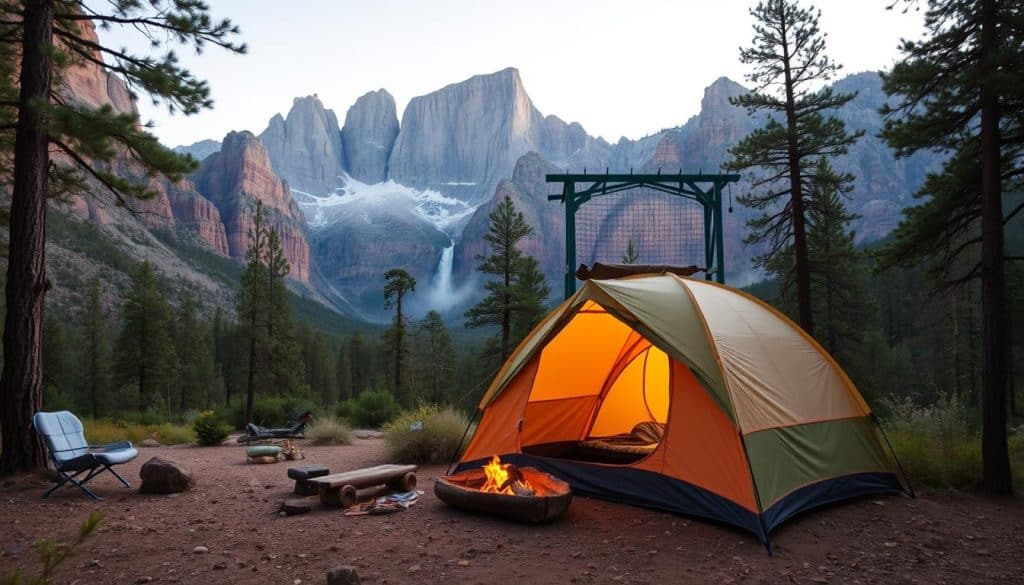
Camping and RV Options
Camping within national parks includes developed campgrounds with varying levels of amenities, from primitive sites to those with electrical hookups. Some parks also offer backcountry camping for more adventurous visitors. RV travelers should research size restrictions and available hookups, as many park campgrounds were designed decades ago.
Nearby Towns and Gateway Communities
For those who prefer not to camp or cannot secure in-park lodging, gateway communities surrounding popular parks offer a wide range of accommodations, from budget motels to luxury resorts. These towns provide a comfortable introduction to park visiting while still allowing full days of exploration within the national park itself.
By considering these options, you can choose the best fit for your first national park visit, ensuring a memorable and enjoyable experience.
Money-Saving Tips for National Park Trips
While national parks are generally budget-friendly, especially during the low season, some costs can add up. To make the most of your visit without breaking the bank, consider a few strategic planning steps.
Food and Supplies Strategy
One of the simplest ways to save money is by packing your own food and supplies before entering the park. In-park restaurants and stores often charge premium prices for basic items. A simple cooler with sandwiches, snacks, and plenty of water can save a family of four $50-100 per day. It’s also wise to purchase groceries and supplies in larger towns before reaching gateway communities, where prices are often inflated.
Transportation Cost Reduction
Consider using transportation alternatives like park shuttles, which are free in many parks, including Zion, Grand Canyon, and Yosemite. This not only reduces fuel costs but also eliminates parking hassles during peak seasons. Combining multiple national parks in one trip when geographically feasible is another cost-effective strategy.
- Pack your own food to avoid overpriced park restaurants.
- Use park shuttles to reduce fuel costs and parking issues.
- Combine trips to multiple national parks when possible.
Conclusion: Starting Your National Park Journey
With so many incredible national parks to explore, your first visit is just the beginning of a lifelong journey. Choosing the right park for your first trip can be a challenge, but by considering your comfort level, physical abilities, and interests, you can ensure a successful and enjoyable experience.
Each national park offers unique experiences and natural beauty that can’t be found anywhere else in the world. To make the most of your trip, consider joining conservation organizations or participating in park volunteer events to deepen your connection to these special places.
By documenting your experiences through photos, journals, or a National Parks Passport book, you’ll create lasting memories of your adventures. The national parks belong to all Americans, representing our shared natural and cultural heritage. Start your journey today and discover the beauty of the U.S. national parks.
FAQ
What’s the best time of year to visit Grand Canyon National Park?
The best time to visit Grand Canyon depends on your preferences. If you like mild weather and smaller crowds, consider visiting during the spring (March to May) or fall (September to November). Summer is peak tourist season, while winters can be cool and less crowded.
Are there any free activities available in national parks like Acadia or Rocky Mountain?
Yes, many national parks offer free activities, such as hiking, wildlife watching, and visiting visitor centers. Some parks also offer free ranger-led programs, like guided walks or talks. Check the park’s website for more information on free activities and events.
How do I plan a trip to a national park during peak season?
To plan a successful trip during peak season, book your accommodations and tours well in advance. Research the park’s website for information on crowds, road closures, and special events. Consider visiting less crowded areas of the park or exploring during early morning or late evening hours.
What’s the difference between a national park and a national monument?
National parks are designated to preserve their natural and cultural resources, while national monuments are typically designated to protect a specific historic or cultural site. Both offer unique experiences and opportunities to explore America’s natural and cultural heritage.
Can I bring my pet to a national park?
Pet policies vary by park, so it’s essential to check the park’s website before your visit. Some parks allow pets in certain areas, like campgrounds or picnic areas, while others may have more restrictive policies. Always clean up after your pet and keep them on a leash.
How do I prepare for hiking in a national park like Great Smoky Mountains or White Sands?
To prepare for hiking, wear comfortable shoes and layers, bring plenty of water and snacks, and check the weather forecast. Research the trail conditions and difficulty level to ensure you’re prepared for the hike. Let someone know your itinerary and expected return time.