
Imagine waking up to the sound of birds chirping in a breathtaking landscape, with nothing but nature surrounding you. Wild camping offers this unique experience, allowing you to connect with the great outdoors.
In the UK, the laws governing wild camping vary significantly across different regions. For instance, Scotland’s ‘right to roam’ laws permit wild camping, while in England and Wales, it’s generally not allowed without the landowner’s permission. However, some national parks like Dartmoor, Exmoor, and Snowdonia offer exceptions.
Understanding these regulations is crucial to ensure a smooth camping trip. You can explore nearly-wild camping options, with over 100 spots available across the UK, offering a mix of freedom and amenities. For more information on the legal restrictions, you can check out resources like Timeout’s guide on wild camping in the.
Key Takeaways
- Understand the legal considerations for wild camping across different UK regions.
- Discover national parks that allow wild camping with certain restrictions.
- Explore nearly-wild camping options for a mix of freedom and amenities.
- Learn about the importance of ‘leave no trace’ principles.
- Find tips for responsible camping practices.
Understanding Free Camping in the UK
Free camping, or wild camping, is a practice that allows campers to set up their tents in remote natural areas without the need for commercial campsites. This form of camping is not just about saving money; it’s about experiencing nature in its purest form.
What is Free Camping?
Free camping refers to camping outside of designated commercial campsites, typically in remote natural areas. It involves setting up your tent in undeveloped locations without amenities like toilets, showers, or electricity. Campers must be self-sufficient and well-prepared, as they won’t have access to the facilities found at traditional campsites.
Benefits of Free Camping
The benefits of free camping are numerous. It offers significant cost savings over commercial campsites, especially for frequent campers or those on extended trips. It also provides unparalleled access to pristine natural environments and the chance to experience true solitude away from crowded campgrounds. Many campers appreciate the deeper connection with nature and the opportunity to see wildlife and landscapes that aren’t accessible from established sites.
- Campers can enjoy more spontaneous travel without the need for advance bookings.
- Free camping allows for a more immersive experience in nature.
- It requires campers to be self-sufficient and prepared.
The Legal Framework for Free Camping
Understanding the legal framework for free camping in the UK is crucial for a stress-free outdoor adventure. The laws governing wild camping vary significantly across different regions, making it essential to know what is allowed and what is not.
Scotland’s Right to Roam
Scotland offers some of the most permissive free camping laws in the UK, thanks to its “Right to Roam” legislation and the Scottish Outdoor Access Code. This means you can camp on most unenclosed land, such as national parks, provided you follow responsible camping guidelines.
England and Wales Regulations
In England and Wales, the rules are more restrictive. Wild camping is generally not allowed without the landowner’s permission. However, there are exceptions, such as Dartmoor National Park, where camping is permitted in designated areas.
Northern Ireland Rules
Northern Ireland has the strictest regulations, with no formal right to wild camp. Camping is generally prohibited without permission from landowners, although some remote areas like the Mourne Mountains offer discreet opportunities.
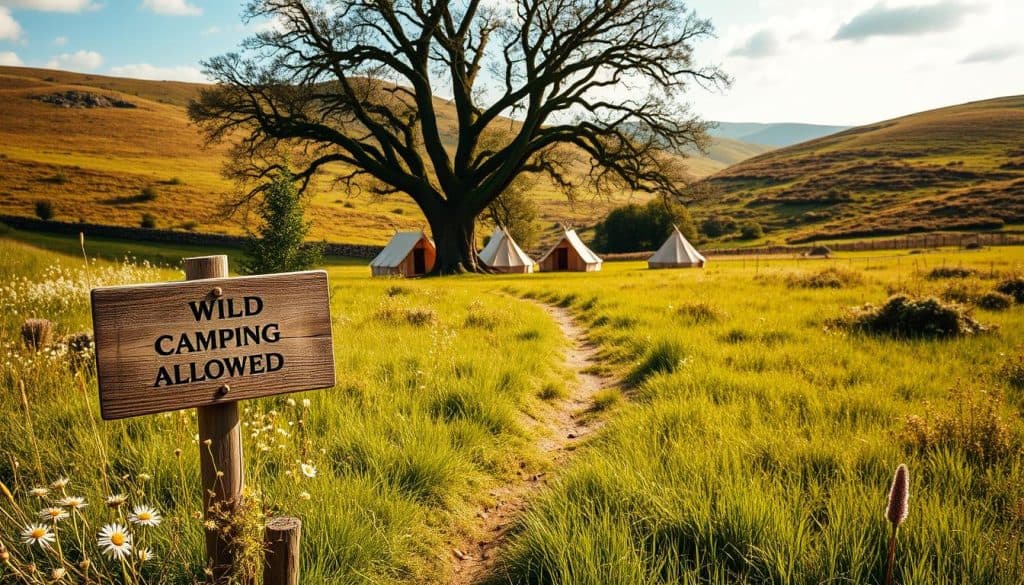
It’s vital to understand these regional differences to avoid conflicts with landowners or authorities. Even in areas where wild camping is permitted, there may be specific restrictions during peak seasons or in environmentally sensitive locations.
Where can you legally camp for free in the UK?
The UK offers numerous stunning spots for free camping, but it’s essential to know where you can legally pitch your tent. Understanding the legal framework and popular locations can make your camping experience enjoyable and stress-free.
Scotland’s Free Camping Spots
Scotland is a camper’s paradise, with its liberal access laws allowing wild camping in many areas. The Scottish Outdoor Access Code provides guidance on responsible camping.
Loch Lomond and The Trossachs
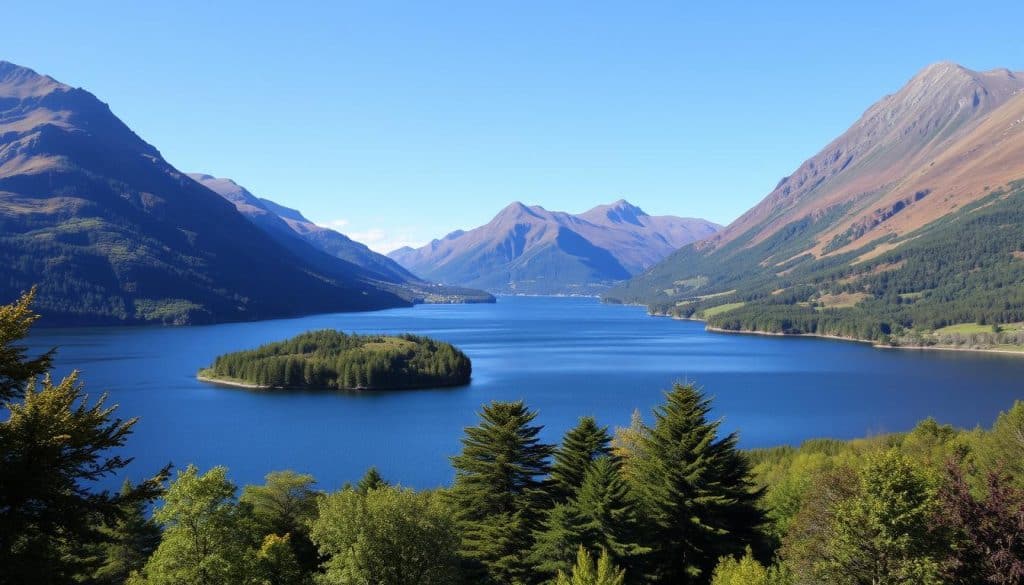
This national park is known for its breathtaking scenery, but be aware that some areas have specific bylaws restricting camping during peak season.
Cairngorms National Park
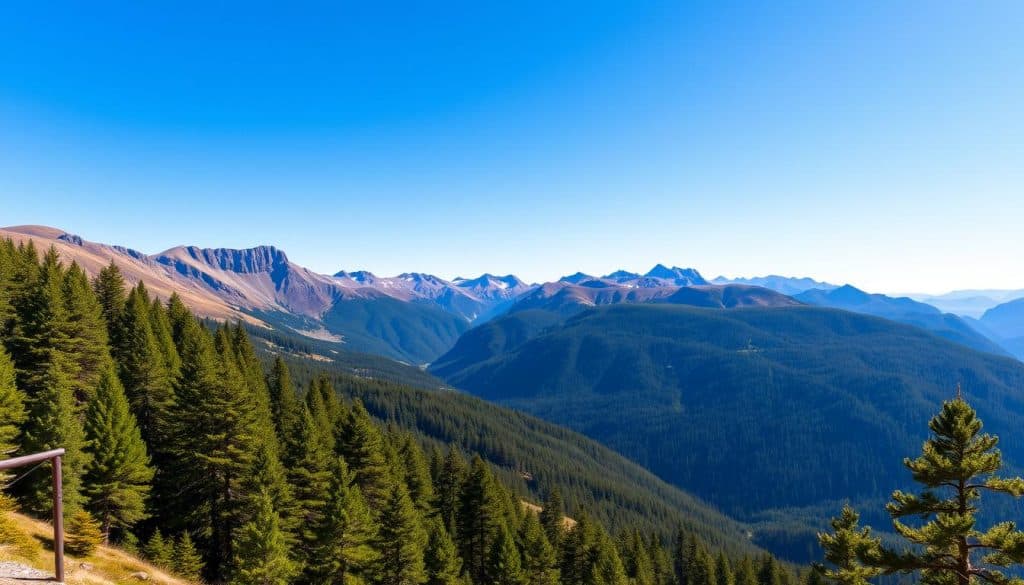
The Cairngorms offers vast, remote areas perfect for wild camping, with dramatic mountain views and diverse wildlife.
England’s Free Camping Locations
While options are more limited in England, there are still some fantastic places to camp for free.
Dartmoor National Park
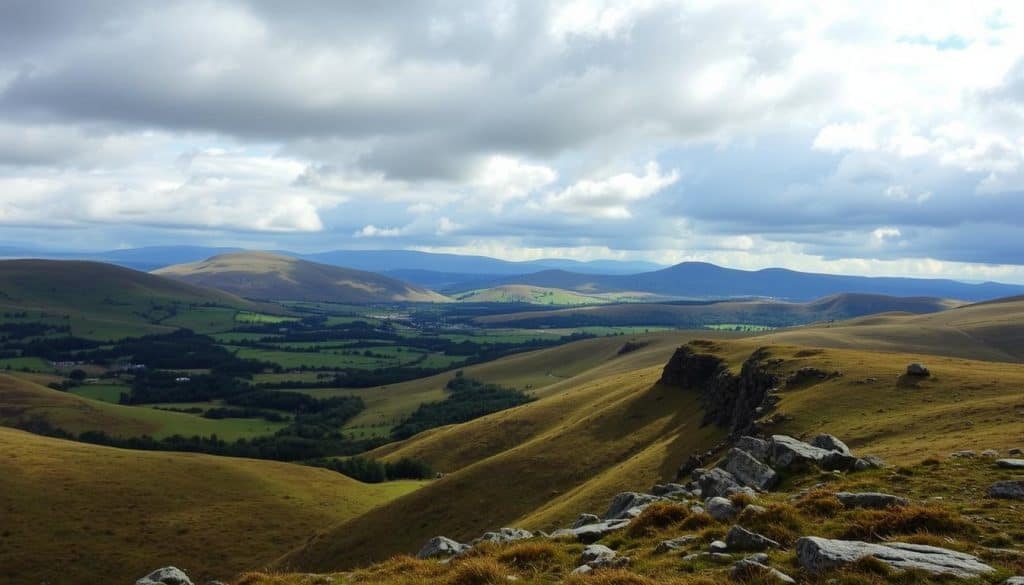
Dartmoor is one of the few places in England where wild camping is allowed, though it’s restricted to designated areas.
Lake District
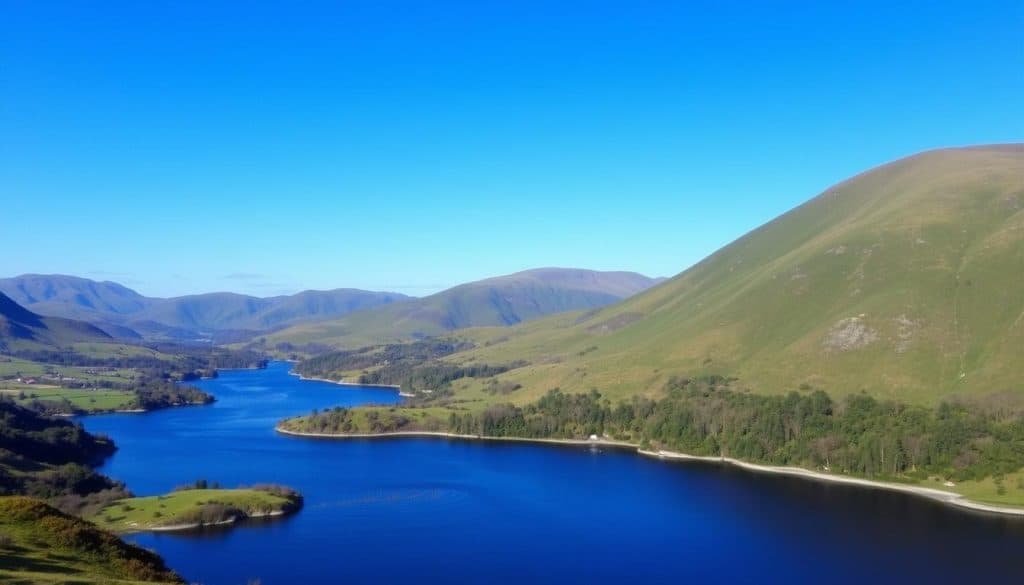
While not officially sanctioned, many landowners in the Lake District tolerate discreet camping in remote areas, provided campers leave no trace.
Wales’ Wild Camping Areas
Wales offers excellent opportunities for wild camping, particularly in its national parks.
Brecon Beacons National Park
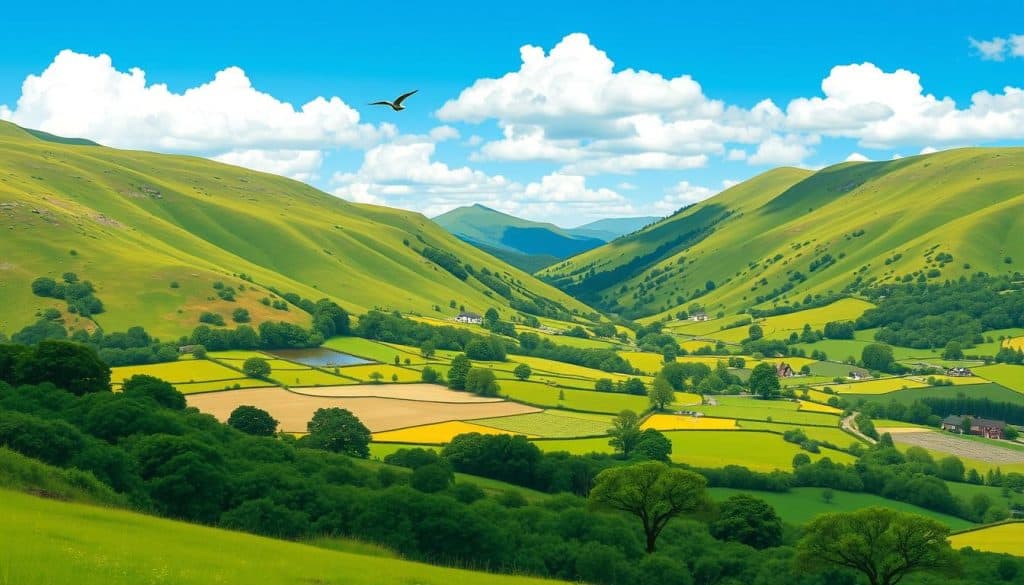
The Brecon Beacons is ideal for stargazing and offers both official wild camping areas and farms that permit camping for a small fee.
Snowdonia National Park

Snowdonia’s rugged landscape makes it a top pick for adventurous campers, with rangers generally tolerating discreet wild camping above the highest farm walls.
Northern Ireland Options
Northern Ireland has its own hidden gems for campers.
The Mourne Mountains
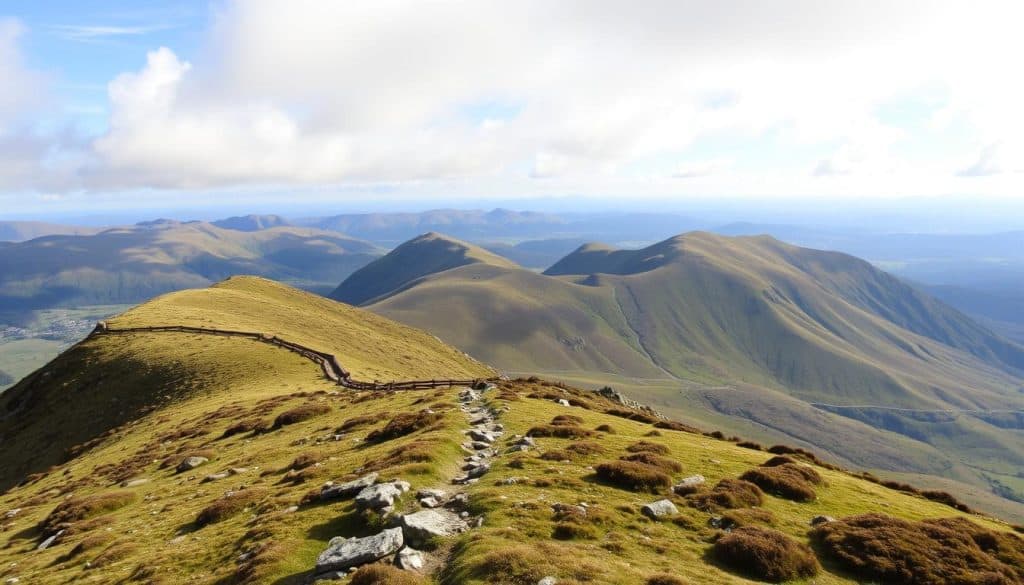
The Mourne Mountains offer beautiful hiking trails and remote areas suitable for discreet camping.
Causeway Coast
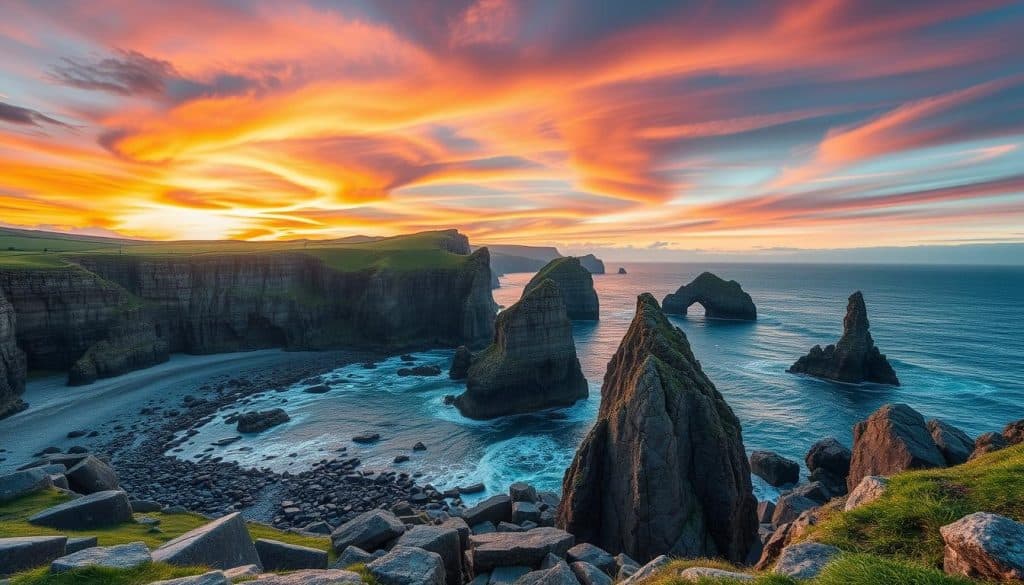
The Causeway Coast provides stunning coastal camping opportunities, but careful site selection is necessary to avoid disturbing local residents.
How to Find Free Camping Spots
Discovering free camping spots in the UK has become more accessible thanks to modern technology and online resources. You can now find the perfect spot to pitch your tent with ease.
Apps and Online Resources
Several apps and online resources can help you find free camping spots. Popular apps like Park4Night, iOverlander, and Campy allow users to discover and review free camping locations throughout the UK. These apps feature user-contributed content, including photos, amenities information, and recent reviews of camping spots.
Social Media Groups and Communities
Joining social media groups and online communities dedicated to wild camping can be incredibly helpful. Facebook groups like “UK Campervan – Wild Camping” and “Wild Camping UK” provide community-vetted recommendations and real-time advice on finding free campsites.
Maps and Navigation Tools
Using detailed maps or GPS tools like Google Maps can help you find remote and legal camping spots. Ordnance Survey maps are invaluable for identifying potential camping spots, with contour lines helping to find flat areas. Digital mapping tools like OS Maps and ViewRanger allow you to download detailed topographic maps for offline use in remote areas.
Essential Preparation for Free Camping
As you prepare for your wild camping trip, it’s essential to consider the essential steps to ensure a safe and enjoyable experience. Proper preparation is key to a successful adventure.
Safety Precautions
Before heading out, let someone know your plans and expected return time. Pack essential safety equipment, including a first aid kit, torch, and a fully charged phone. Be mindful of wildlife and avoid camping in areas prone to flooding or landslides. Find a spot to camp on high ground.
- Research the area thoroughly beforehand
- Be aware of potential hazards like tidal zones or unstable terrain
Leave No Trace Principles
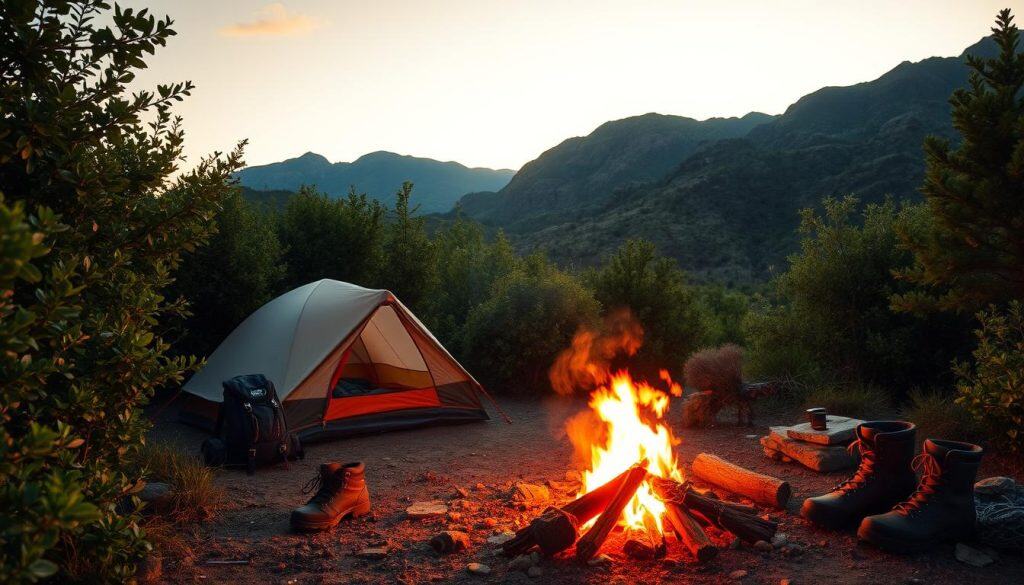
To preserve the natural beauty of the area, follow the “Leave No Trace” principles. Take all your rubbish with you, and avoid lighting open fires unless necessary. Camp away from water sources to protect local ecosystems.
- Position your tent on durable surfaces at least 70 meters from water sources
- Use biodegradable soap for washing and dispose of human waste properly
Conclusion
Embracing the freedom of wild camping in the UK can be a life-changing experience. With varying laws across the four nations, it’s essential to understand the regulations and respect the land.
You can enjoy free camping in the UK’s diverse landscapes, from Scotland’s Highlands to Dartmoor National Park, by being mindful of the environment and local communities.
By following the Leave No Trace principles and obtaining permission where necessary, you can help preserve these areas for future generations.
FAQ
Is wild camping allowed in national parks in the UK?
In Scotland, wild camping is generally allowed, including in national parks. However, in England and Wales, it’s not always permitted, and you should check with the specific national park before setting up your tent.
What are the rules for camping in the Lake District?
The Lake District National Park has specific rules regarding camping. While some areas allow wild camping, others may require permission from landowners or have designated campsites.
Can I camp for free in Brecon Beacons National Park?
Brecon Beacons National Park has designated areas for wild camping, and you can camp for free in these areas, but be sure to follow the park’s guidelines and code of conduct.
Are there any free camping spots near lakes and rivers in the UK?
Yes, there are many beautiful spots near lakes and rivers where you can camp for free, but always check with local landowners or authorities to ensure you’re allowed to camp there.
How do I find free camping locations in the UK?
You can use online resources, such as camping apps, social media groups, and navigation tools, to discover free camping spots and get tips from experienced campers.
What are the Leave No Trace principles, and why are they important?
The Leave No Trace principles are guidelines to minimize your impact on the environment when camping. They include respecting wildlife, disposing of waste properly, and leaving the campsite as you found it.
Do I need permission to wild camp on private land in the UK?
Yes, you typically need permission from the landowner to wild camp on private land. Be sure to ask for permission before setting up your tent to avoid any issues.
Can I camp for free in UK national parks with a large group?
Camping with a large group may require special permission, even in areas where wild camping is generally allowed. Check with the national park authorities or landowners in advance to ensure you’re allowed to camp with your group.