
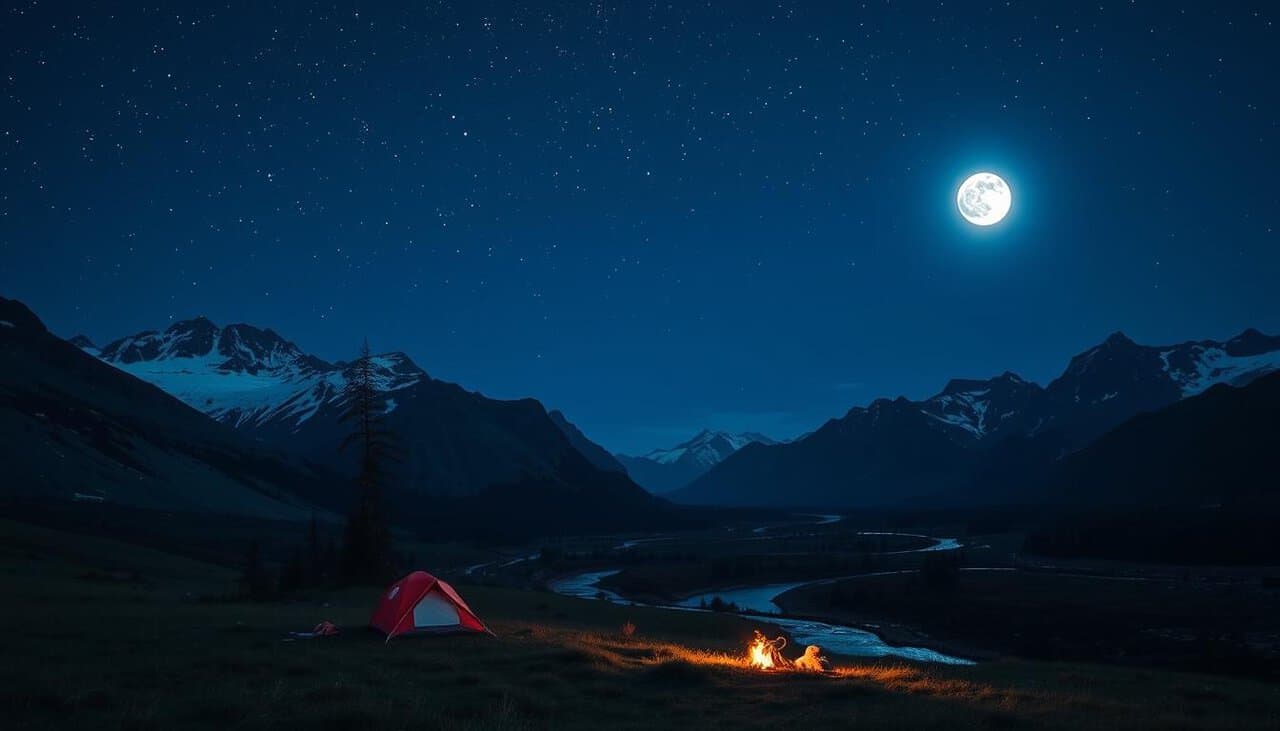
Imagine waking up to the sound of birds chirping in a secluded valley, surrounded by nature’s splendor. For many outdoor enthusiasts, wild camping represents the ultimate adventure and freedom. However, the legality of pitching a tent in remote areas varies dramatically across the globe.
The thrill of wild camping lies in its simplicity and connection with nature. Yet, understanding the rules and regulations in different countries can be confusing.
This guide will explore where you can legally wild camp, from countries with permissive laws to those with more restrictions. Whether you’re a seasoned camper or planning your first trip, we’ll help you navigate the complex landscape.
Key Takeaways
- Understanding global wild camping regulations
- Countries with permissive wild camping laws
- Essential etiquette for responsible wild campers
- Tips for planning your first wild camping adventure
- How to preserve nature while wild camping
Understanding Wild Camping and Its Appeal
The allure of wild camping lies in its promise of adventure and a deep connection with nature. For many, it’s about escaping the confines of traditional campsites and immersing oneself in the wilderness.
What Exactly is Wild Camping?
Wild camping refers to camping in the wilderness, away from designated campsites. It’s about setting up camp in remote areas, often without the amenities found in traditional campsites. This form of camping allows campers to experience nature in its purest form.
As noted by outdoor enthusiasts, “The freedom to roam and camp wherever you please is a fundamental part of the wild camping experience.” This sentiment is echoed by many who have embraced wild camping as a way to reconnect with the natural world.
The Rising Popularity of Wild Camping
Over the past few years, wild camping has seen a dramatic surge in popularity. Several factors have contributed to this trend. The pandemic, for instance, led people to seek safer, socially-distanced outdoor activities. Social media has also played a significant role, with stunning images of remote campsites inspiring a new generation of outdoor enthusiasts.
| Factor | Impact on Wild Camping |
|---|---|
| Post-Pandemic Outdoor Activities | Increased interest in socially-distanced activities |
| Social Media Influence | Inspiration from remote campsite images |
| Demographic Appeal | Crosses age boundaries, appealing to young adventurers and retirees alike |
The growing interest in camping has also led to a boom in lightweight, specialized camping equipment. However, this increased popularity has created challenges, with some destinations experiencing overuse and environmental impact.
The Golden Rules of Wild Camping Etiquette
Embracing the freedom of wild camping requires a deep respect for the natural world and a commitment to preserving it. As you venture into the wilderness, it’s crucial to understand that your actions can have a lasting impact on the environment. By following a set of guiding principles, you can ensure that your wild camping experience is not only enjoyable but also sustainable.
Leave No Trace Principles
One of the core philosophies of wild camping is encapsulated in the Leave No Trace principles. This means being mindful of your footprint – literally and figuratively. It’s about leaving the natural environment in the same state as you found it, without any signs of your presence. This includes disposing of waste properly, not littering, and avoiding any actions that could damage the landscape or disturb wildlife.
- Plan ahead and prepare to minimize your impact.
- Travel and camp on durable surfaces to avoid damaging the terrain.
- Dispose of waste correctly to keep the environment clean.
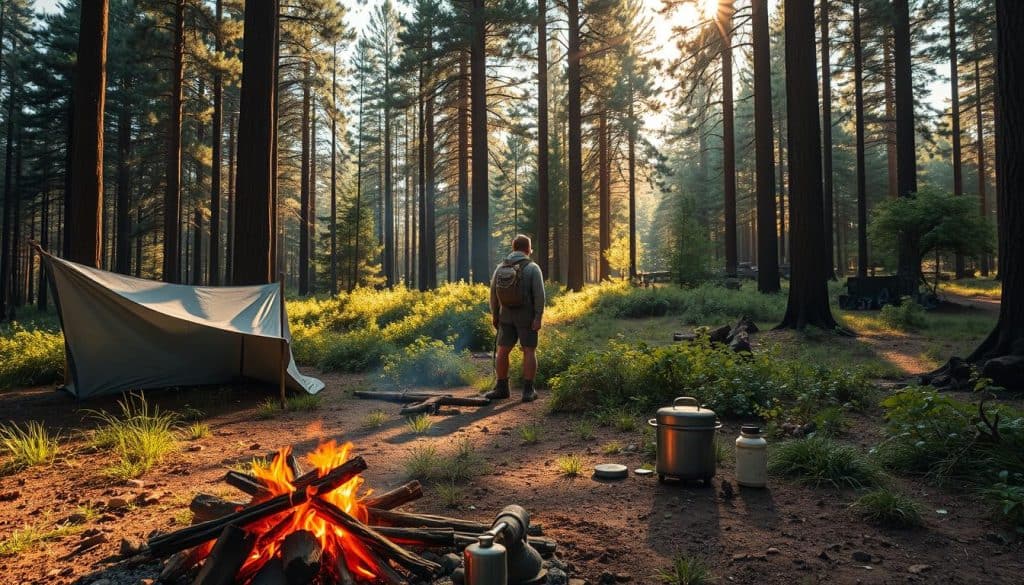
Respecting Time Limits and Local Regulations
Understanding and adhering to local regulations is a critical aspect of wild camping etiquette. This includes being aware of any time limits on how long you can camp in one location, as well as any specific rules related to campfires, waste disposal, and wildlife interaction. By respecting these regulations, you contribute to the preservation of the natural environment and ensure that wild camping remains a viable option for future generations.
Minimizing Your Impact on Nature
Minimizing your impact on nature is at the heart of responsible wild camping. This involves being as unobtrusive as possible – keeping noise to a minimum, avoiding bright lights that disturb wildlife, and choosing muted colors for your gear. When cooking, using a camping stove is preferable to making an open fire, as it leaves no trace and is often permitted in areas where fires are not allowed. By taking these steps, you can enjoy the beauty of nature while preserving its integrity.
As I reflect on my own wild camping experiences, I’m reminded of the importance of being considerate of the natural world. By adopting these practices, you not only enhance your own experience but also contribute to the conservation of the environment. So, as you plan your next wild camping adventure, remember that the beauty of nature is a gift – let’s keep it pristine for years to come.
Where in the World is it Legal to Wild Camp?
The legality of wild camping varies widely across the globe, making research a crucial part of trip planning. As you prepare for your adventure, understanding the legal framework surrounding wild camping is essential to ensure a trouble-free experience.
Understanding “Right to Roam” Laws
“Right to Roam” laws, also known as “freedom to roam,” allow individuals to access and camp on certain public or private lands. Scotland is a prime example, where the Land Reform (Scotland) Act 2003 grants the public a right to be on most land and inland water for activities like camping. However, it’s crucial to understand that these laws are not uniform and vary significantly from one country to another.
The Difference Between Legal, Tolerated, and Prohibited
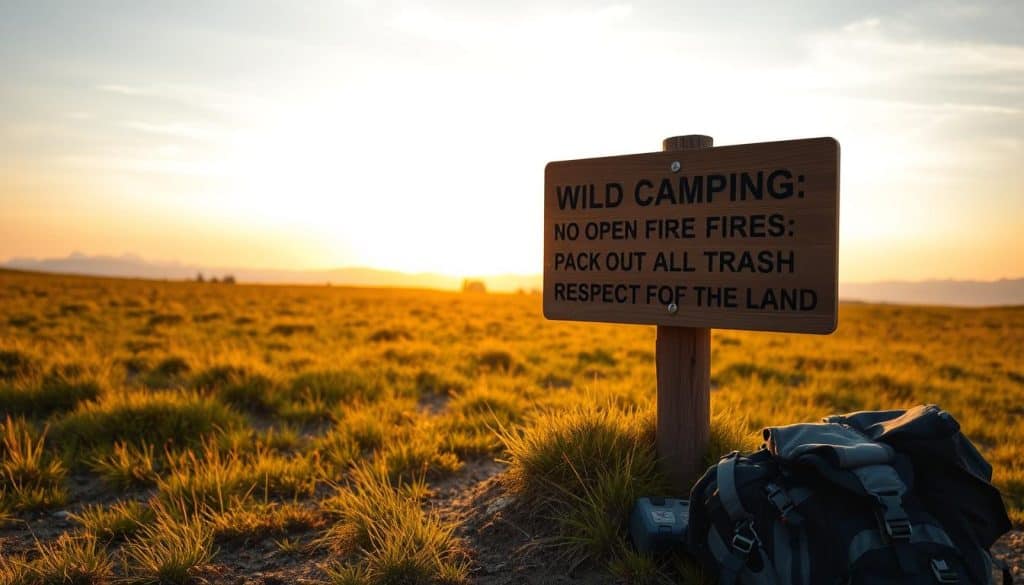
Wild camping can be legal, tolerated, or prohibited, depending on the jurisdiction. In some areas, it’s fully legal and protected by law, while in others, it might be tolerated as long as campers follow certain guidelines. Conversely, some regions strictly prohibit wild camping due to environmental or other concerns. For instance, in many national parks, camping is only allowed in designated campsites. Understanding these distinctions is vital to avoid fines or other penalties.
How to Research Local Regulations Before Your Trip
Researching local regulations requires diligence and the right resources. Start by consulting official government websites and national park authorities, as they typically provide the most current and accurate information. Additionally, local outdoor and hiking associations can offer detailed insights into regional rules and seasonal restrictions. Specialized guidebooks and contacting local tourism offices or park rangers directly can also provide valuable guidance. As one expert puts it,
“The key to a successful wild camping trip is thorough research and a deep respect for the environment and local regulations.”
By doing your due diligence and staying informed, you can enjoy the freedom of wild camping while minimizing your impact on the environment and respecting local laws.
European Countries That Welcome Wild Campers
From rugged landscapes to serene lakeshores, Europe’s wild camping hotspots are a nature lover’s dream. Several countries offer the freedom to camp under the stars, making it an ideal destination for outdoor enthusiasts.
Scotland: The Wild Camping Paradise
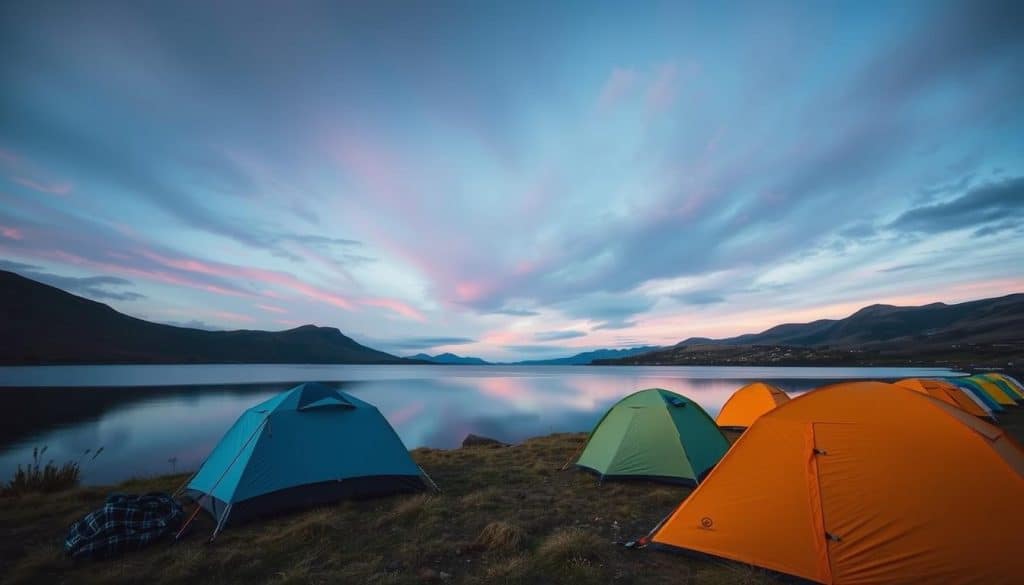
Scotland is renowned for its wild camping laws, thanks to the Land Reform (Scotland) Act 2003, which permits camping in most rural areas. The country’s vast, untouched landscapes make it a paradise for wild campers.
Scandinavia: Norway, Sweden, and Finland
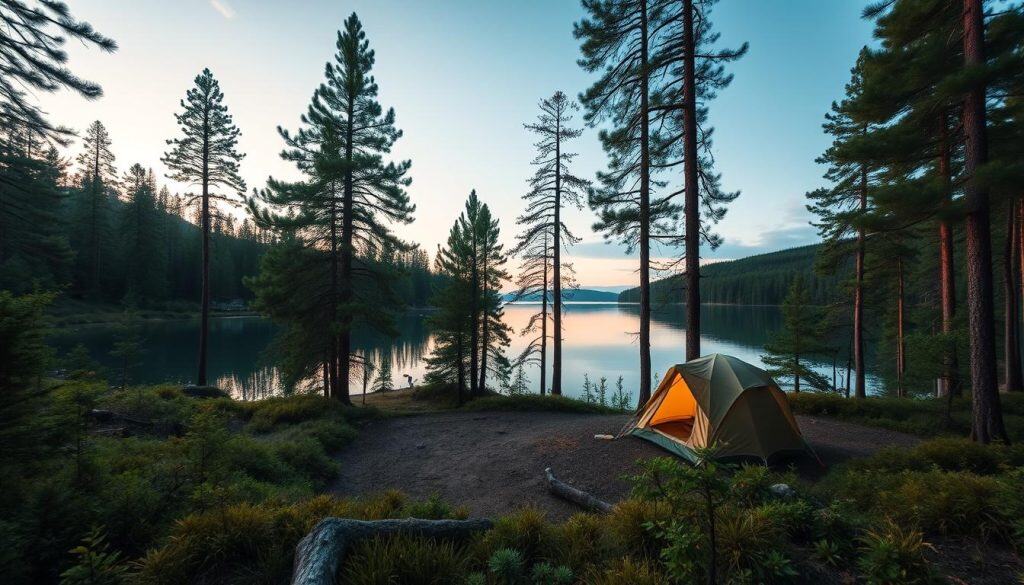
The Scandinavian countries of Norway, Sweden, and Finland are known for their “right to roam” laws, which allow for wild camping in many areas. Norway’s mountains and fjords, Sweden’s forests, and Finland’s lakeland offer diverse camping experiences.
Other European Wild Camping Destinations

Beyond Scandinavia and Scotland, other European countries offer varying degrees of freedom for wild campers. Estonia stands out with its liberal camping policies, allowing camping on public land and in state forests. Countries like Latvia and Lithuania also permit camping in state-owned forests, while parts of Spain and Romania offer opportunities for wild camping, albeit with some restrictions.
Whether you’re drawn to the ancient forests and lakes of Estonia or the vast wilderness of Romania’s Carpathian Mountains, Europe has a wealth of wild camping options. Always research local regulations before you go to ensure a smooth and enjoyable trip.
European Countries with Partial or Restricted Wild Camping
While some European countries welcome wild campers with open arms, others have stricter rules in place. As we explore these countries, it’s essential to understand the local regulations to avoid any issues during your trip.
England and Wales: Dartmoor and Beyond
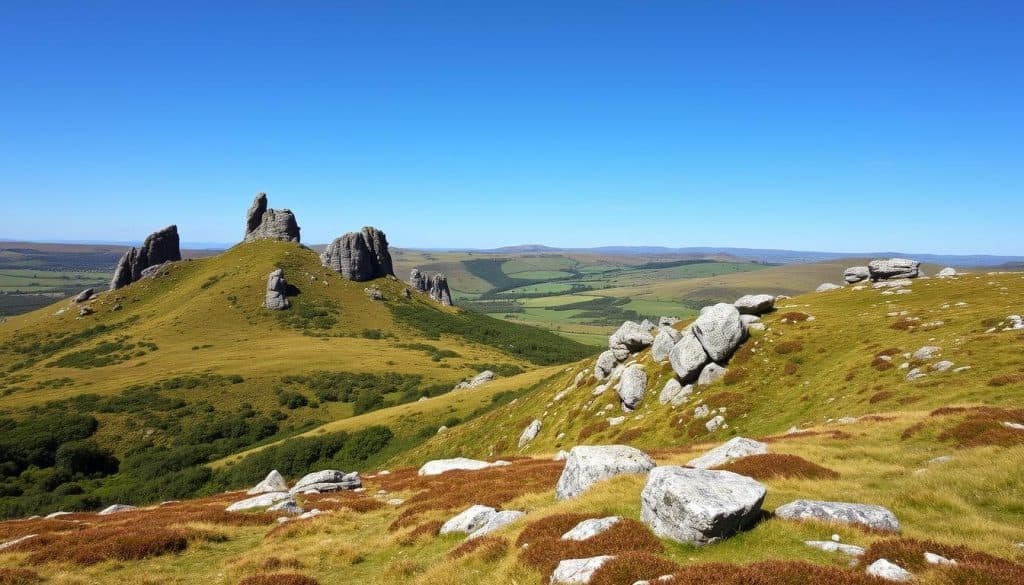
In England and Wales, wild camping is generally restricted, but there are some exceptions. Dartmoor National Park is a notable area where wild camping is permitted, thanks to a long-standing tradition and a recent court ruling that reaffirmed campers’ rights. However, it’s crucial to follow the rules and respect the environment.
France, Spain, and Southern Europe
France and Spain have varying rules regarding wild camping. In France, it’s generally tolerated in certain areas, especially in the countryside, but not always allowed. Spain also has its own set of rules, with some regions being more permissive than others. Understanding local restrictions is key to a successful wild camping experience.
Germany, Switzerland, and Central Europe
In Germany, the rules distinguish between camping with a tent and bivouacking without one. The latter is often tolerated for a single night in remote areas. However, wild camping with a tent is generally prohibited outside designated sites. Switzerland has stringent regulations, with potential fines for illegal camping, especially in protected areas. It’s essential to be aware of the local rules and regulations before setting up camp.
Central European countries generally have stricter approaches to wild camping than their Northern European counterparts. Countries like Germany and Switzerland emphasize the use of official campsites and mountain huts rather than wild camping, reflecting both the higher population density and different cultural approaches to land access.
Wild Camping in North America
North America offers a diverse range of wild camping experiences, from the rugged terrains of the USA to the vast wilderness of Canada. Both countries have a rich tradition of allowing campers to pitch their tents on public lands, but it’s essential to understand the regulations that govern these areas.
USA: Public Lands and Backcountry Camping
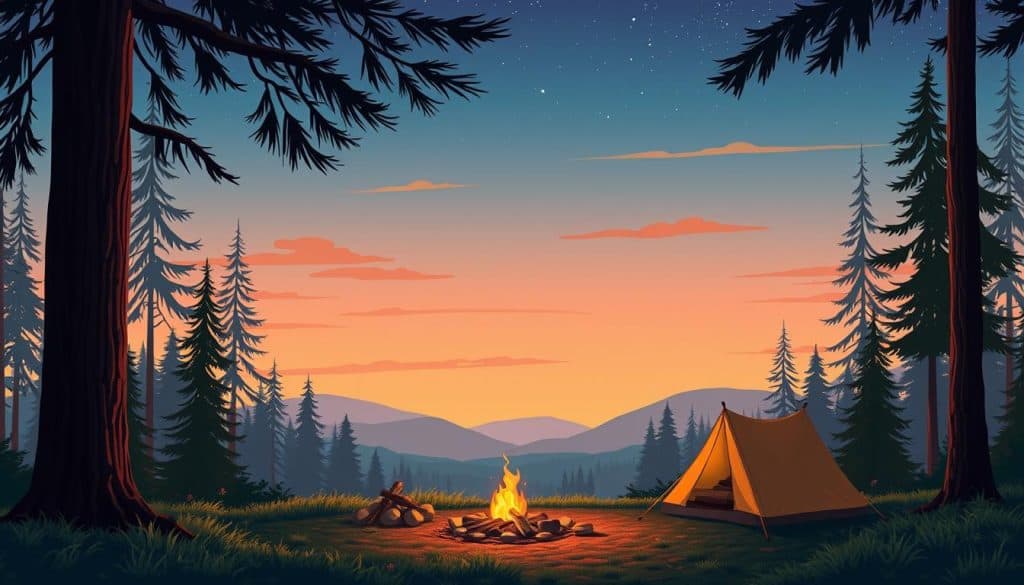
In the USA, public lands managed by national parks, national forests, and the Bureau of Land Management (BLM) offer various camping opportunities. National parks often require permits for backcountry camping and designate specific camping areas. In contrast, national forests and BLM lands tend to be less restrictive, although campers must still follow rules regarding campsite selection and duration of stay.
Canada: Crown Land Camping Opportunities
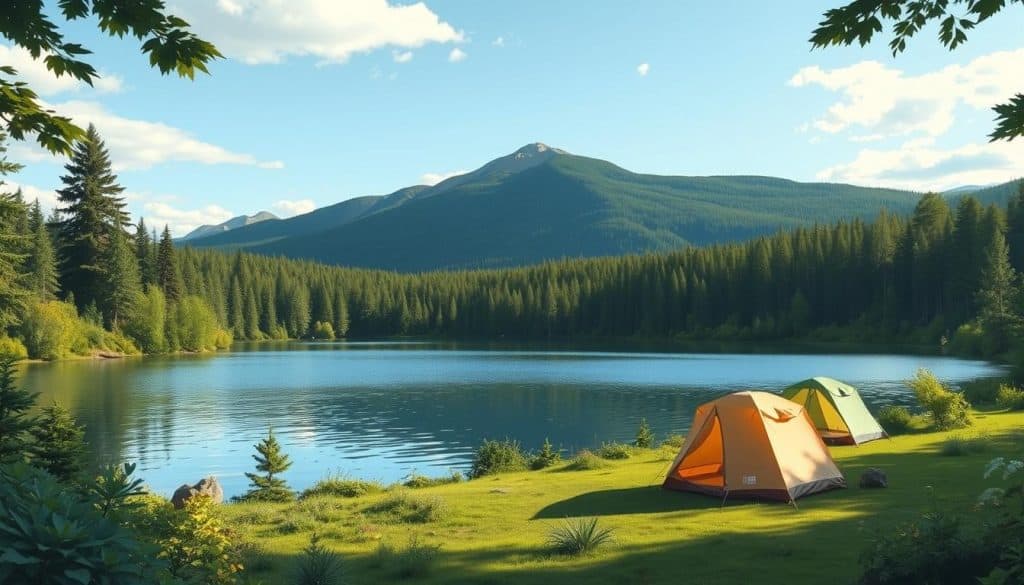
Canada’s Crown Land system provides extensive wild camping opportunities, with about 89% of the country’s land area open to Canadian residents for recreational camping. Non-residents can also camp on Crown Land by purchasing an affordable permit, typically allowing stays of up to 21 days. Canadian National Parks and some provincial parks have more structured camping systems, requiring permits and designated campsites, especially in popular parks like Banff and Jasper.
Wild Camping in Australia, New Zealand, and Beyond
Beyond Europe and North America, Australia, New Zealand, and other global destinations offer unique wild camping experiences. As we explore these regions, it’s crucial to understand the local regulations and cultural nuances that shape the wild camping landscape.
Australia’s State-by-State Regulations
Australia’s wild camping regulations vary significantly from state to state. In some areas, like certain national parks, wild camping is strictly prohibited, while in others, it’s tolerated or even encouraged. For instance, Kakadu National Park in the Northern Territory allows camping in designated areas, but the rules can be quite specific.
It’s essential to research the local laws and guidelines before heading out.
New Zealand and Other Global Destinations
New Zealand is more relaxed when it comes to wild camping, particularly on public conservation land, provided it’s not expressly prohibited. The Department of Conservation (DOC) manages numerous basic campsites throughout the country, ranging from free to low-cost facilities.
Beyond Australia and New Zealand, countries like Mongolia and Kyrgyzstan offer vast, unrestricted wild camping experiences amidst stunning natural beauty.
Essential Gear and Preparation for Wild Camping
The thrill of wild camping is heightened when you’re well-prepared with the essential gear and knowledge. As you plan your trip, it’s crucial to consider what you’ll need to stay safe and comfortable in the wilderness.
Lightweight Equipment Essentials
When it comes to ultralight wild camping gear, every ounce counts. You’ll want to focus on packing lightweight yet durable equipment that serves multiple purposes, such as a water filter or purification tablets to ensure access to safe drinking water. A compact tent and a warm, insulated sleeping bag are also must-haves for a comfortable night under the stars.

Safety and Navigation Tools
For safety in remote areas, reliable navigation tools are indispensable. A physical map and compass should always be your primary navigation aids, supplemented by a fully charged phone for GPS. Additionally, consider packing a whistle, a personal locator beacon, and a basic first aid kit tailored to your destination and activities. Always leave a detailed trip plan with someone reliable, including your intended route and expected return time.

Conclusion: Embracing the Freedom of Wild Camping Responsibly
Embracing the freedom of wild camping responsibly is crucial as it allows us to preserve the beauty of nature for future generations. Wild camping represents one of the last true freedoms in our increasingly regulated world, offering experiences of solitude and connection with nature that are increasingly rare and valuable.
To continue enjoying this freedom, we must adopt responsible behavior, following leave-no-trace principles and respecting local regulations. As wild camping grows in popularity, partly fueled by social media, education about proper etiquette becomes even more critical to prevent overuse and new restrictions.
Ultimately, wild camping is about more than just where you sleep; it’s about embracing a mindful, low-impact way of experiencing the natural world that can transform not just your travels but your relationship with the environment long after you return home. By being considerate of both the environment and other people, we can ensure that this valuable experience remains available for years to come, making every camping trip a positive one.
FAQ
What does "Right to Roam" mean?
“Right to Roam” laws allow individuals to access and camp on certain public or privately owned lands, providing freedom to explore nature.
Can I wild camp on privately owned land?
You can wild camp on privately owned land, but you typically need the landowner’s permission to do so, as laws and regulations vary by country and region.
How can I research local regulations before my trip?
Research local regulations by checking government websites, contacting national park services, or consulting with local outdoor groups to understand specific rules and restrictions.
What are Leave No Trace principles?
Leave No Trace principles are guidelines that promote responsible outdoor behavior, such as disposing of waste properly, minimizing campfire impacts, and respecting wildlife.
Are there any specific safety and navigation tools I should bring?
Essential safety and navigation tools include a map, compass, GPS device, first aid kit, and emergency shelter to ensure a safe and enjoyable wild camping experience.
Can I wild camp for more than one night in the same spot?
The number of nights you can wild camp in the same spot varies depending on local regulations, so it’s crucial to check specific rules and restrictions before your trip.
What are some popular destinations for wild camping in Europe?
Popular destinations for wild camping in Europe include Scotland, Scandinavia, and certain regions in France, Spain, and Germany, which offer scenic landscapes and relatively permissive laws.
How can I minimize my impact on nature while wild camping?
Minimize your impact by following Leave No Trace principles, keeping noise levels down, and being mindful of sensitive ecosystems to preserve the natural environment.