

When planning an RV adventure, it’s easy to get carried away with packing. After all, it seems like an RV offers unlimited storage space compared to car camping or tent camping. However, once you’re on the road, the reality of limited space quickly sets in.
Overpacking is a common pitfall that can make your RV feel cramped and uncomfortable. More critically, it can lead to dangerous weight issues that put additional wear on your tires and potentially void your insurance coverage.
So, how do you strike the right balance between bringing the necessities and avoiding excess? It starts with understanding what items are truly essential for your road trip and which ones you can leave behind.
Key Takeaways
- Understand the risks of overpacking your RV, including cramped living conditions and potential safety hazards.
- Learn how to categorize items into essentials and non-essentials for your trip.
- Discover the importance of weight distribution and space limitations in RV travel.
- Get tips on streamlining your packing process for a more enjoyable RV adventure.
- Make informed decisions about what to bring and what to leave behind.
The Dangers of Overpacking Your RV
Overpacking your RV can lead to a multitude of problems on the road. As you prepare for your next adventure, it’s essential to consider the weight and space limitations of your vehicle.
Weight Concerns and Vehicle Safety
Exceeding your RV’s weight capacity is a serious safety concern. It can lead to tire blowouts, brake failures, and handling issues that put you and others at risk. Moreover, overloading your vehicle can void your insurance coverage in case of an accident.
Space Limitations in Even the Largest RVs
Even the largest RVs have finite storage space. Overpacking can lead to cluttered and disorganized living conditions, creating stress and frustration. Proper weight distribution is crucial for safe towing and driving.
- Safety Risks: Tire blowouts and brake failures due to excess weight.
- Insurance Concerns: Voiding insurance coverage by overloading your RV.
- Cluttered Space: Limited storage space becomes cluttered and disorganized.
Kitchen Items to Leave Behind
The joy of cooking in an RV can quickly turn into a storage nightmare if you’re not careful about what you pack. Being able to cook on the road is one of the most appealing parts of RVing, but it’s crucial to strike a balance between having the necessary kitchen items and overpacking.
Single-Use Kitchen Gadgets and Appliances
Single-purpose kitchen gadgets like avocado slicers and egg separators take up valuable space while offering minimal functionality compared to basic multi-purpose tools. Consider the actual meals you’ll be preparing during your trip and pack only the items specifically needed for those dishes.
Excess Cookware and Dishware
Many RVers make the mistake of packing their entire home cookware collection. Instead, bring just enough cups and dishes for each person plus one extra, and consider collapsible or nesting options that save significant space.
| Item | Essential | Optional |
|---|---|---|
| Medium-sized pot | Yes | No |
| Pan | Yes | No |
| Slap Chop | No | Yes |
| Baking sheet | Yes (if you have an oven) | No |
Specialized Cooking Tools You Rarely Use
Specialized cooking tools like pasta makers and waffle irons are rarely worth the space they consume in an RV kitchen. When creating your packing list, prioritize simplicity and efficiency.
Clothing Mistakes Most RV Travelers Make
RVing is all about freedom, but overpacking your wardrobe can weigh you down. When you’re sharing your closet space with other campers, things can quickly become unwieldy. To avoid this, it’s crucial to pack smart.
One great tip is to ensure every piece of clothing you bring can be worn with at least two or three outfits. Great staples include jeans, yoga pants, and thin tops for layering. As “The key to a successful RV trip is packing lightly and efficiently.”
Too Many Outfit Options
Many RV travelers pack as if they’re going on a fashion-forward vacation, bringing multiple outfit options for each day. However, a capsule wardrobe approach is much more practical. By limiting your clothing options, you’ll save space and reduce stress.
Clothing That Requires Hangers
Clothing that requires hanging takes up valuable vertical space in an RV and is more likely to become wrinkled or damaged during travel. Instead, opt for items that can be folded and stored in drawers or packing cubes.
Impractical Footwear Choices
Footwear is a major space-consumer in RVs. Limit yourself to 2-3 pairs maximum: comfortable walking shoes, sandals for warm weather, and perhaps hiking boots if your trip involves trails. As the saying goes,
“You don’t need a lot of clothes to be fashionable, just the right ones.”
By being mindful of your clothing choices, you can save space, reduce clutter, and make your RV trip more enjoyable. Consider the activities you’ll be doing and pack accordingly. Most RV trips involve casual outdoor activities that require comfortable, versatile clothing rather than specialized outfits.
Toiletries and Personal Items to Minimize
As you prepare for your RV journey, minimizing toiletries and personal items can make a big difference. It’s easy to get carried away with packing multiples of essentials like deodorant, shampoo, conditioner, and toothpaste, especially when they’re on sale. However, these extras can quickly clutter your RV’s bathroom.
Duplicate Toiletry Products
Many campers make the mistake of packing duplicate toiletry items “just in case.” Instead, stick to one of each essential item. Consider multi-purpose products that can serve multiple functions, such as combination shampoo/conditioner or moisturizer with SPF protection.
Full-Size Bathroom Items
Full-size toiletries consume significant bathroom storage space and add unnecessary weight. Transfer essential products to travel-sized containers or purchase travel versions specifically for your RV.
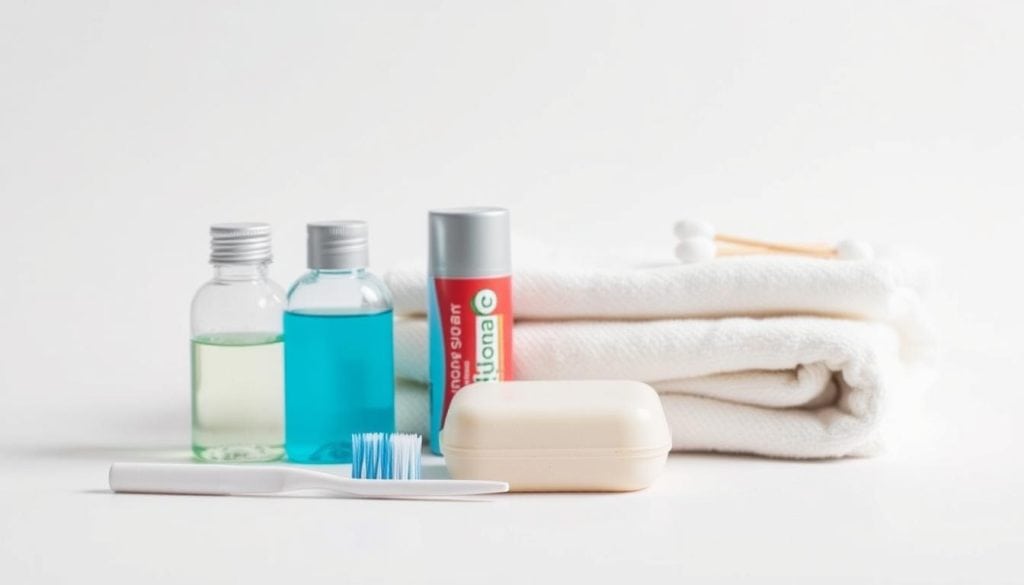
Excessive Beauty Products
Excessive beauty products and styling tools are rarely necessary for the casual atmosphere of camping. Simplify your routine to the bare essentials. Biodegradable and environmentally friendly toiletries are ideal for RV travel, as they’re better for both your black water tank and the natural environments you’ll be visiting.
Instead of packing numerous individual first aid supplies, invest in a compact, well-stocked first aid kit that covers most emergency situations without taking up excessive space in your bags.
Food and Grocery Overpacking Issues
Before embarking on your next road trip, consider your food packing strategy. It’s tempting to stock up on your favorite snacks and ingredients, but overpacking can lead to waste and unnecessary weight in your RV.
One of the main issues is perishable items that won’t last the duration of your trip. Limited refrigerator space and inconsistent cooling can cause these items to spoil faster than expected.
Common Mistakes with Perishables and Packaging
Many RVers make the mistake of bringing food in its original bulky packaging. Transferring items to space-saving containers or bags can help maximize your limited storage space.
Strategies for Smart Food Shopping
Consider meal planning before your trip to bring only the ingredients you’ll actually use. Grocery stores are readily available near most campgrounds, making it unnecessary to pack weeks’ worth of food.
| Food Item | Original Packaging | Space-Saving Alternative |
|---|---|---|
| Cereal | Large Box | Ziplock Bag |
| Snacks | Multiple Small Bags | Single Airtight Container |
| Spices | Large Bottles | Small Refillable Containers |
By adopting smart food shopping strategies, such as buying multi-purpose ingredients and focusing on compact, lightweight options, you can make your road trip more efficient and enjoyable.
Entertainment Items That Take Up Valuable Space
I’ve learned that the right entertainment choices can make or break an RV adventure. When deciding what to bring along, it’s essential to strike a balance between having enough entertainment options and conserving valuable space.
One area where this balance is crucial is with reading materials. Physical books and magazines can quickly add weight and consume storage space. Consider switching to e-readers or tablets that can store thousands of books in a device smaller than a single paperback.
Physical Books and Magazines
Switching to digital reading materials not only saves space but also reduces weight, making your RV more fuel-efficient on the road.
Bulky Game Sets
Large board games with bulky boxes can be replaced with travel-sized versions, card games, or digital alternatives. This swap provides similar entertainment without the storage requirements, keeping your RV light and manageable.
Large Electronics Like TVs
Many RVers install large televisions that consume precious wall space and require additional equipment. Consider whether a tablet or laptop could serve the same entertainment purposes, especially when camping in remote areas with limited connectivity.
| Item | Space Consumption | Alternative |
|---|---|---|
| Physical Books | High | E-reader or Tablet |
| Bulky Game Sets | High | Travel-sized or Digital Games |
| Large TVs | Very High | Tablet or Laptop |

Outdoor Gear to Reconsider
As you prepare for your next RV adventure, take a closer look at your outdoor gear and consider what’s really necessary. I’ve learned from my own experiences that some items, while exciting to pack, often end up being more burden than benefit.
I still remember the nostalgia of my dad lighting a Coleman propane lantern on camping trips, but I’ve since switched to more modern, space-efficient lighting solutions.
Oversized Camping Equipment
Oversized camping chairs, tables, and cooking equipment can consume valuable storage space. Often, these are unnecessary when your RV provides comfortable seating and cooking facilities.
Propane-Powered Lanterns
Traditional propane lanterns are not only bulky but also potentially dangerous and require fuel storage. Modern LED alternatives offer better light with less space and safety concerns.
Bulky Binoculars and Viewing Equipment
Many RVers pack full-sized binoculars that rarely leave the RV due to their weight and size. Compact models or smartphone camera zoom capabilities may better serve occasional wildlife viewing needs.
By reconsidering your outdoor gear, you can free up space for more enjoyable activities on the road, like camping under the stars or enjoying a campfire with a safe and efficient fire starter.
What Should You Not Pack in Your RV? Items You Can Buy at Your Destination
When planning your RV trip, it’s essential to consider what items you can easily purchase at your destination. This approach can significantly lighten your load and make your journey more efficient.
Firewood and Bulky Consumables
Transporting firewood long distances is not only inefficient for space and weight but is also discouraged or prohibited in many areas to prevent the spread of invasive species and diseases. Consider buying firewood at your destination instead.
Location-Specific Items
Location-specific items like beach chairs, snow equipment, or specialized outdoor gear can often be rented or purchased at your destination, saving space in your RV.
Heavy Cleaning Supplies
Heavy cleaning supplies add unnecessary weight. Bring small amounts for immediate needs and purchase more locally if needed.
| Item | Why Not to Pack | Alternative |
|---|---|---|
| Firewood | Heavy, takes up space, and can spread diseases | Buy at destination |
| Beach Chairs | Take up storage space | Rent or buy at destination |
| Full-size Cleaning Supplies | Add unnecessary weight | Buy small amounts, replenish locally |
By being mindful of what you pack and what’s available at your destination, you can make your RV trip more enjoyable and stress-free.
Conclusion: Packing Smart for a Stress-Free RV Adventure
The freedom of RV travel lies in its simplicity and mobility, not in bringing every comfort from home. To make sure you’re traveling light, consider creating a customized RV packing list based on your specific travel style, destination, and trip duration. This will help you avoid both overpacking and forgetting essentials.
Experienced RVers recommend implementing a “one in, one out” rule and the “pack, then reduce by 30%” approach to maintain balance in your camper. After each trip, evaluate what you actually used to refine your packing list for future adventures. By packing smart, you’ll be well on your way to a stress-free and enjoyable road trip experience.
FAQ
How can I avoid overpacking my RV?
To avoid overpacking, make a list of essentials, consider the length of your trip, and the storage space available in your RV. Be ruthless – if you don’t need it, don’t pack it.
What kitchen items can I leave behind when packing for an RV trip?
Consider leaving single-use kitchen gadgets, excess cookware, and specialized cooking tools you rarely use behind. These items take up valuable space and can be a hassle to store.
How can I pack clothing efficiently for an RV trip?
Pack versatile clothing that can be mixed and matched, and avoid clothing that requires hangers. Choose practical footwear that’s suitable for the activities you have planned.
What toiletries should I minimize when packing for an RV trip?
Minimize duplicate toiletry products, full-size bathroom items, and excessive beauty products. Opt for travel-sized toiletries to save space and reduce clutter.
How can I avoid overpacking food and groceries for my RV trip?
Plan your meals, shop for non-perishable items, and avoid bulky packaging. Consider shopping at your destination to reduce the amount of food you need to pack.
What entertainment items can I leave behind to save space?
Consider leaving physical books, bulky game sets, and large electronics like TVs behind. Instead, opt for digital alternatives like e-books and streaming services.
What outdoor gear should I reconsider packing for my RV trip?
Reconsider packing oversized camping equipment, propane-powered lanterns, and bulky binoculars. Look for more compact alternatives or rent equipment at your destination.
Are there items I can buy at my destination instead of packing?
Yes, consider buying firewood, location-specific items, and heavy cleaning supplies at your destination. This can help reduce the amount of space needed for these items in your RV.