
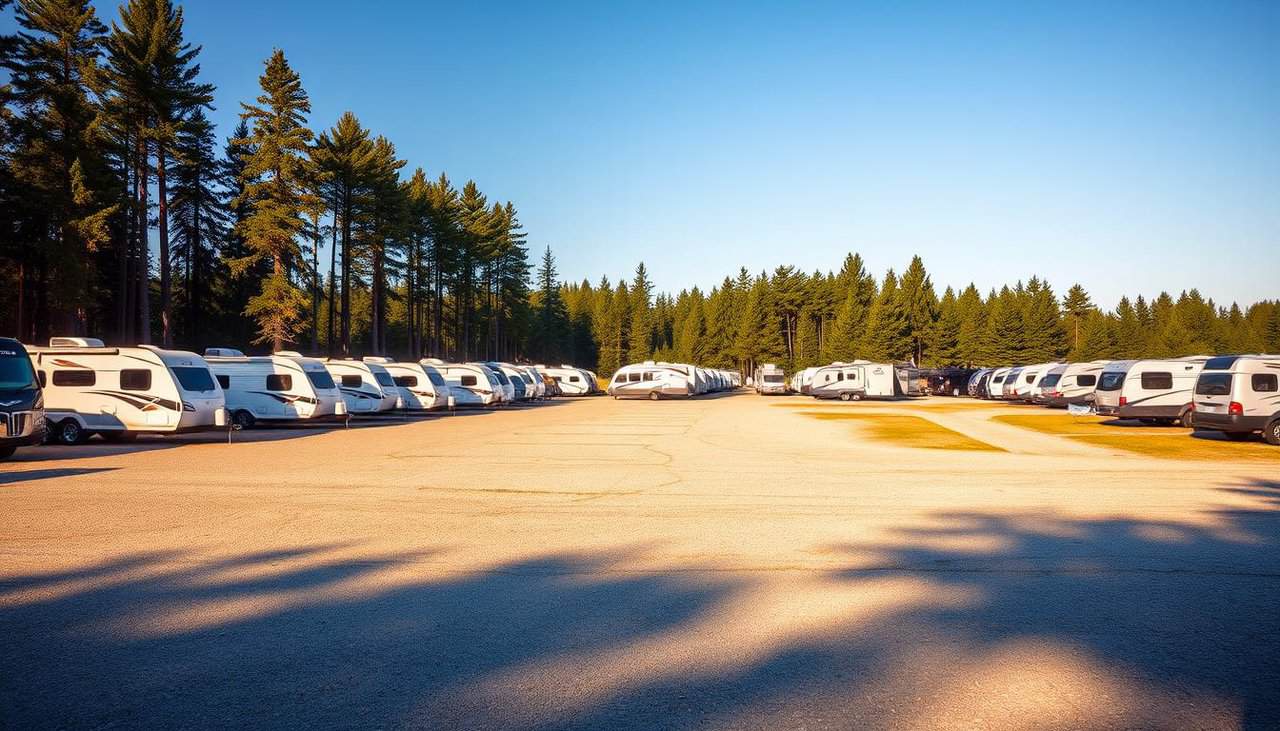
Have you ever returned from a long vacation, only to struggle with finding a suitable spot to park your RV? You’re not alone. Many camper owners face the challenge of preventing tire indentations in their yard and finding enough parking space.
Choosing the right material for parking your camper is crucial. You need to make sure it’s stable, durable, and suitable for your specific needs. In this comprehensive guide, we’ll explore various options for parking your camper or RV, examining how different surfaces affect its longevity and maintenance requirements.
Key Takeaways
- Understand the importance of choosing the right parking surface for your camper.
- Explore various parking options, including natural ground and engineered surfaces.
- Consider factors like weight distribution, seasonal changes, and regional climate variations.
- Learn how different parking surfaces impact your camper’s longevity and maintenance.
- Discover the best parking surface for your specific camper setup.
Understanding the Importance of Proper Camper Parking Surfaces
The surface on which you park your camper is more than just a spot to rest; it’s a crucial factor in maintaining your vehicle’s condition. As someone who’s spent considerable time camping, I’ve learned that the right parking surface can save you a lot of trouble in the long run.
Why Your Parking Surface Matters
Parking on a level surface is essential for your camper’s stability. When the ground is uneven, it can put unnecessary stress on the frame and wheels of your camper. I’ve seen cases where campers were parked on unlevel pads, leading to issues with the tires and even the frame over time.
Common Challenges of Improper Parking
There are several challenges associated with improper camper parking surfaces. For instance, parking on soft or uneven surfaces can cause your tires to sink, creating an unlevel position that stresses your camper’s frame over time. Additionally, improper drainage can lead to standing water under your camper, potentially causing rust and mold.
Other issues include seasonal ground shifts affecting your camper’s stability, and campers parked on loose materials like sand or non-compacted gravel may experience shifting during use. Extended parking on organic materials can also lead to tire damage from constant moisture.
By understanding these challenges, you can take steps to ensure your camper remains in good condition over time. It’s not just about finding a spot to park; it’s about creating a safe and stable environment for your vehicle.
What is the Best Thing to Park a Camper on? Comparing All Options
As a seasoned camper, I’ve learned that the right parking surface is crucial for a worry-free adventure. The type of surface you choose can significantly affect your camper’s stability and longevity. Let’s dive into the various options available and their implications.
Temporary vs. Permanent Parking Solutions
When deciding on a parking surface, one of the first considerations is whether you need a temporary or permanent solution. Temporary solutions, such as gravel or natural ground surfaces, can be cost-effective and suitable for occasional use. On the other hand, permanent solutions like concrete or asphalt provide durability and stability over many years.
Weight Distribution Considerations
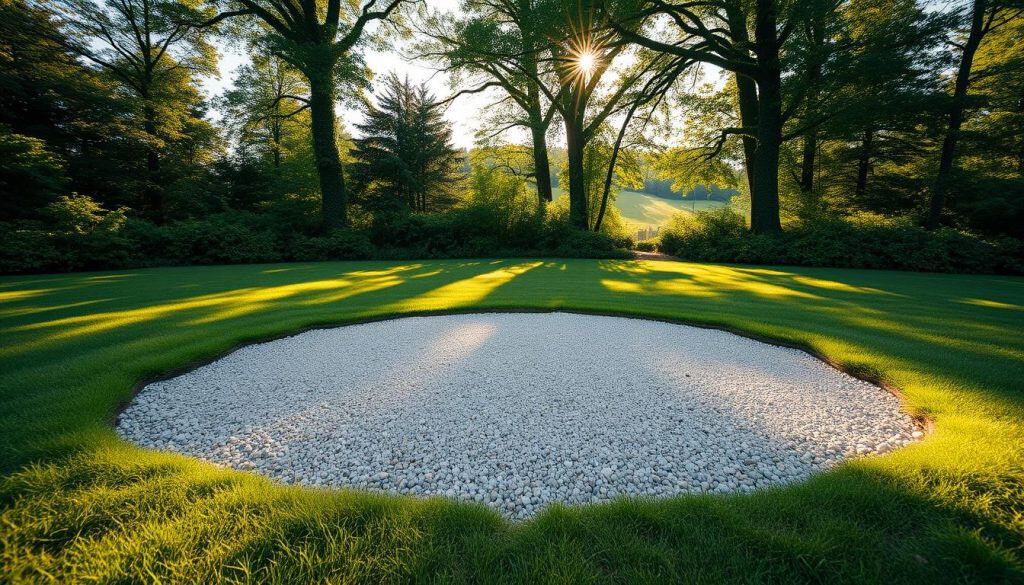
Proper weight distribution is vital to prevent damage to your camper and the parking surface. Surfaces like BaseCore Geocell, when paved with permeable pavers, allow water to drain and prevent ground moisture from collecting under your RV. This is particularly important for maintaining good soil conditions and preventing issues like ice and mud formation.
Weather and Seasonal Factors
Weather and seasonal changes play a significant role in determining the best parking surface for your camper. For instance:
- Freeze-thaw cycles in northern climates can cause improperly installed concrete or asphalt to crack and heave, potentially damaging your camper.
- Regions with heavy rainfall require surfaces with excellent drainage capabilities to prevent water accumulation.
- Hot summer temperatures can cause asphalt to soften and deform under the weight of camper tires.
- Coastal areas face challenges from salt air and sand, necessitating durable and corrosion-resistant materials.
- Seasonal changes affect different surfaces in various ways, meaning what works well in summer might not be ideal for winter.
Considering these factors, surfaces like gravel or permeable pavers can offer advantages in certain conditions due to their drainage properties. Ultimately, the best surface for your camper will depend on your specific needs, climate, and how often you use your camper.
Natural Ground Surfaces for Camper Parking
Choosing the right natural ground surface for your camper is crucial for both the vehicle’s longevity and your overall camping comfort. Natural surfaces can be a cost-effective and aesthetically pleasing option, but they come with their own set of challenges.
Grass and Dirt: The Basic Options
Grass and dirt are the most basic natural surfaces for camper parking. While they can be convenient, they may not provide the stability and drainage that more robust materials offer. For instance, dirt can become muddy and unusable in wet conditions, while grass can be damaged by the weight of the camper. However, with proper preparation and maintenance, these surfaces can serve as a viable short-term solution.
Sand and Gravel: Pros and Cons
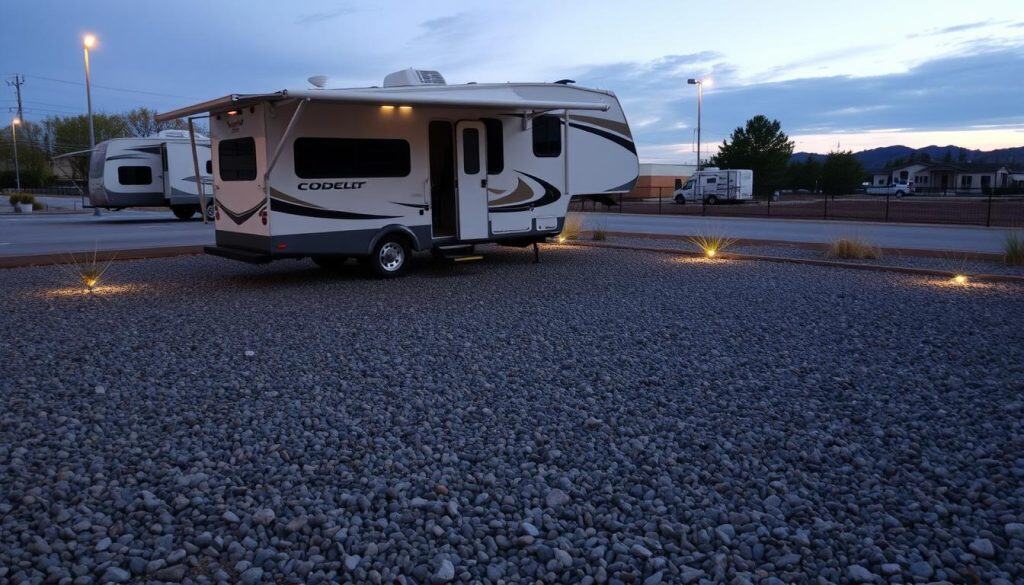
When considering more durable natural materials,sand and gravelemerge as popular options.Angular gravel, in particular, is noted for its better interlocking and stability compared to rounded river rock or pea gravel, making it a superior choice for camper parking. A properly installedgravel baseof 4-6 inches, compacted in layers, can support medium-weight campers while providing excellent drainage. However, both sand and gravel surfaces require regular maintenance, including periodic regrading and addition of new material to maintain a level parking surface.
| Material | Stability | Drainage | Maintenance |
|---|---|---|---|
| Gravel | High | Excellent | Regular regrading and replenishment |
| Sand | Low | Good | Frequent leveling and replenishment |
| Crushed Rock | High | Excellent | Periodic inspection and replenishment |
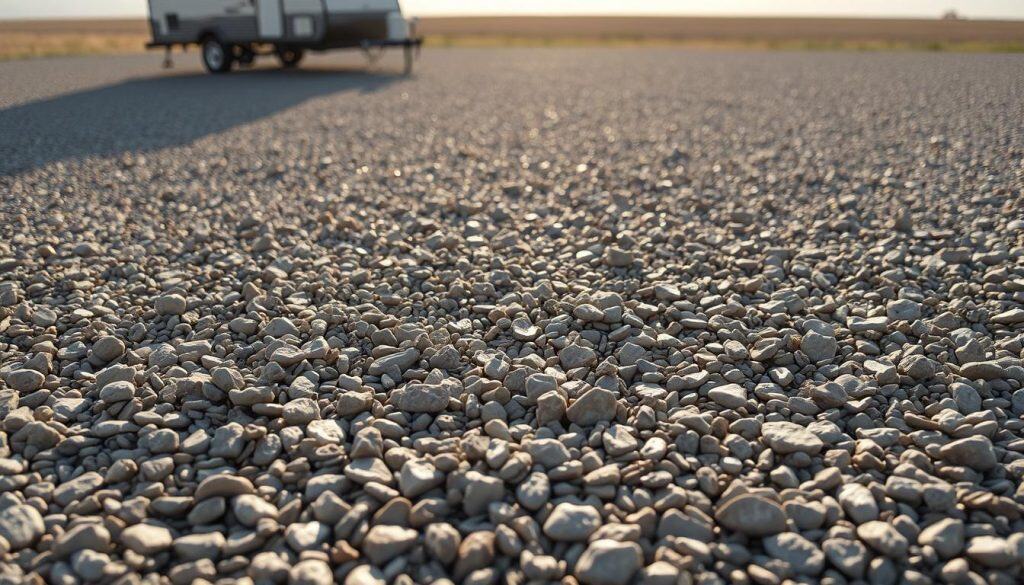
In conclusion, while natural ground surfaces like sand and gravel can be suitable for camper parking, they require careful consideration of their pros and cons. By understanding the characteristics of each material, you can make an informed decision that balances cost, maintenance, and performance.
Engineered Surfaces for Camper Parking
As a seasoned camper, I’ve learned that the right parking surface is crucial for maintaining your vehicle’s condition and ensuring a comfortable stay. Engineered surfaces, such as concrete pads, asphalt, and recycled asphalt, offer durable and long-lasting solutions for camper parking.
Concrete Pads: Durability and Installation
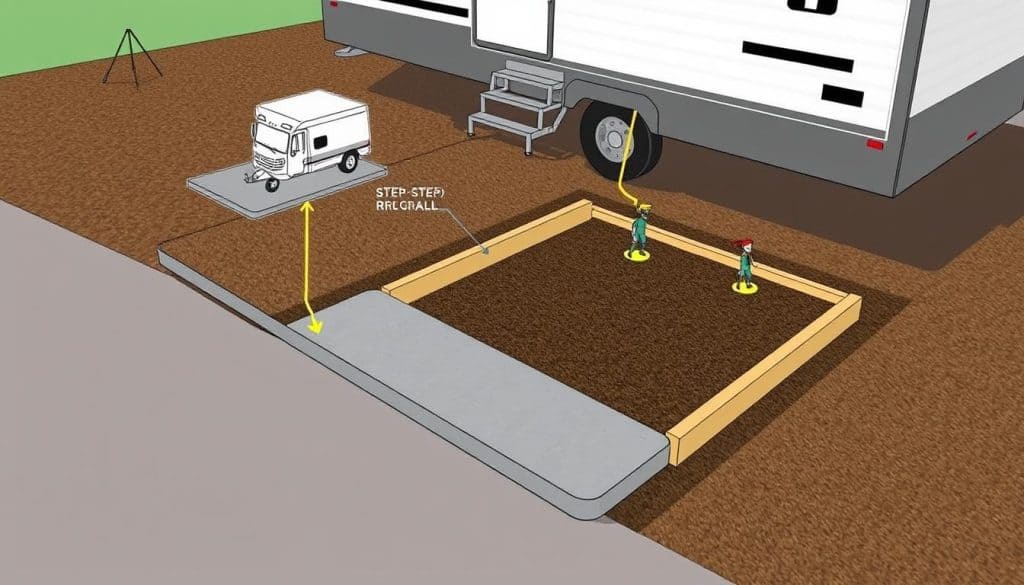
Concrete pads are a popular choice for camper parking due to their exceptional durability and resistance to weathering. A well-installed concrete pad can last for decades with minimal maintenance. The cost of installing a concrete RV pad can vary depending on factors like location, size, and labor costs.
Asphalt Options: Benefits and Limitations
Asphalt is another viable option for camper parking surfaces. It provides a smooth, durable surface that can withstand heavy weights. However, asphalt can be prone to cracking and may require periodic sealing to maintain its integrity.
Recycled Asphalt: An Economical Alternative
Recycled asphalt millings offer many benefits, including a lower cost compared to fresh asphalt or quality gravel. This material compacts firmly over time, creating a semi-solid surface that resists displacement. It’s also relatively low maintenance and provides excellent traction in wet conditions.
Some of the key advantages of using recycled asphalt include its ability to compact firmly, minimal dust creation, and ease of installation for DIY projects. Additionally, it doesn’t stick to shoes or tires like fresh asphalt can during hot weather.
- Recycled asphalt millings are cost-effective and comparable to or less expensive than quality gravel.
- They compact firmly over time, especially during warm weather, creating a semi-solid surface.
- The material requires minimal maintenance and doesn’t create dust problems.
- Installation is relatively straightforward for DIY-minded camper owners.
- Recycled asphalt provides excellent traction in wet conditions.
Specialized RV Parking Solutions
As someone who’s dealt with the hassle of RV parking, I can attest to the importance of a well-designed parking pad. Specialized solutions can make all the difference in maintaining your yard’s integrity while ensuring a stable surface for your camper or RV.
Geocell Systems and Permeable Pavers
I’ve discovered that Geocell systems, like BaseCore Geocell, offer a fantastic solution for RV parking. These systems are installed under your chosen material, allowing you to maintain your yard’s landscape while benefiting from a well-designed parking area. The best pavers for any BaseCore Geocell pad are permeable pavers, which include sand, brick chips, crushed rock, or angular gravel. Angular gravel is a preferable option due to its cost-effectiveness and aesthetic appeal.
Interlocking Plastic Grids
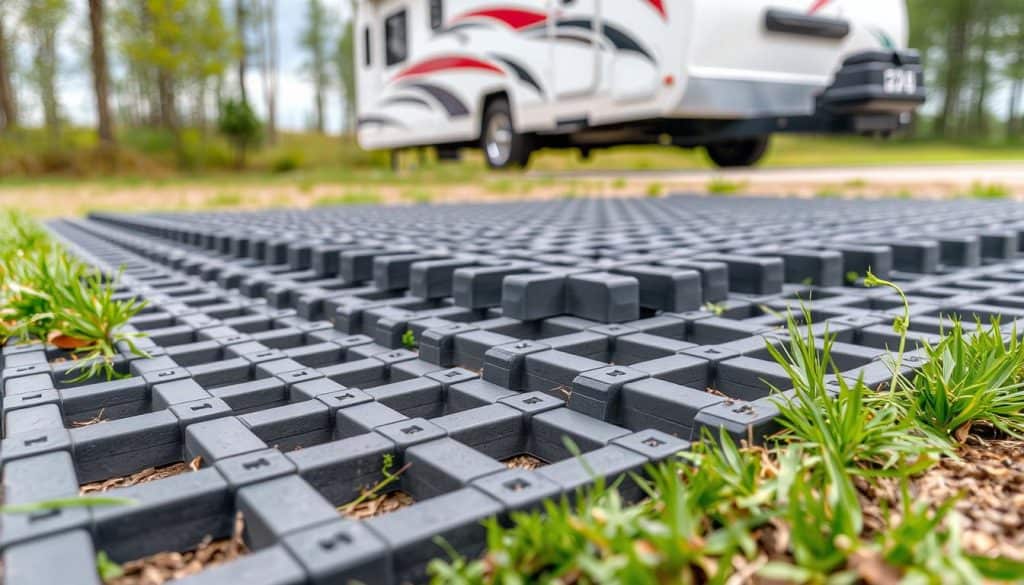
Interlocking plastic grid systems are another effective solution for RV parking. These systems distribute weight more effectively than loose materials while allowing grass to grow through for a more natural appearance. They typically support between 2,000-8,000 pounds per square foot when properly installed, making them suitable for most campers and small to medium RVs.
- Excellent water drainage while preventing erosion and mud formation
- Minimal ground preparation required, typically just leveling and compaction
- Filled with gravel or rock, they create a stable, semi-permeable surface
Essential Tools and Equipment for Parking Your Camper
Having the essential tools and equipment on hand makes all the difference when parking your camper. As someone who’s spent a lot of time on the road, I can attest to the importance of being prepared. The right gear not only makes the parking process smoother but also ensures your safety and the longevity of your vehicle.
Leveling Blocks and Wheel Chocks
Leveling blocks and wheel chocks are must-haves for any camper owner. They help to level your trailer and prevent it from rolling or shifting once parked. I’ve found that using leveling blocks makes a huge difference in ensuring that my camper is stable and secure.
Backup Cameras and Spotting Assistance
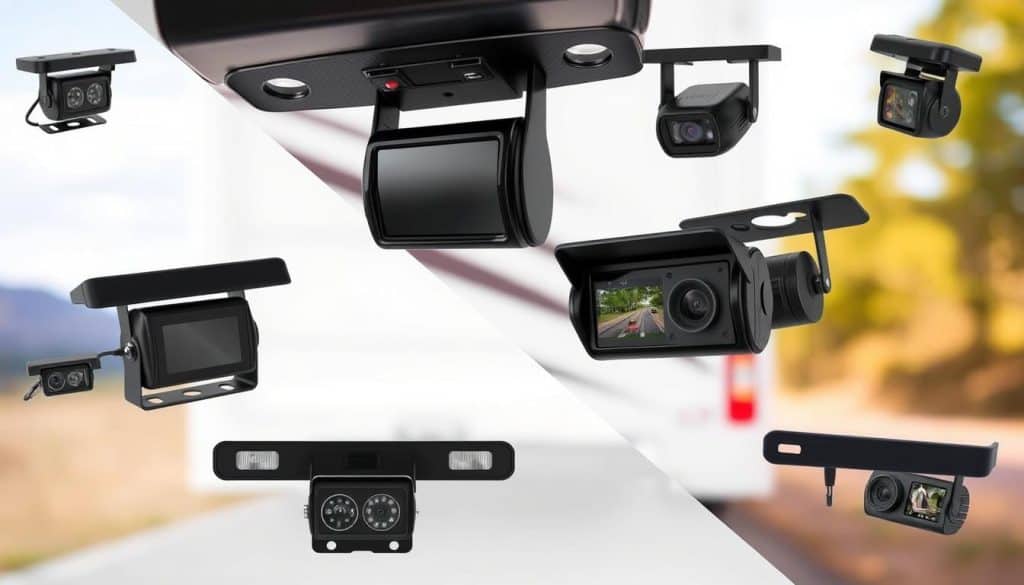
Backup cameras and spotting assistance systems are invaluable when maneuvering your camper into a tight parking spot. They provide an extra layer of safety and can help prevent accidents. I’ve personally benefited from using these systems, especially in crowded campsites.
Stabilizer Jacks and Support Systems
Stabilizer jacks are another crucial piece of equipment for camper owners. They help to reduce movement and sway once your camper is parked and leveled. Most RVs come with built-in stabilizer jacks, but if yours doesn’t, consider investing in some. It’s also important to use permanent jack pads or support blocks to protect both your jacks and the parking surface from damage.
Some key benefits of stabilizer jacks include:
– Reducing movement and sway once your camper is parked and leveled
– Protecting your jacks and parking surface with permanent jack pads or support blocks
– Providing additional support under the frame during extended storage periods
– Offering different types of jacks, such as scissor jacks and hydraulic jacks, to suit your camper’s design and weight distribution
– Following manufacturer guidelines for proper placement and extension to avoid damage to your camper’s frame or components
By investing in these essential tools and equipment, you’ll be able to park your camper with confidence and enjoy a more stable and secure camping experience.
Step-by-Step Guide to Parking and Setting Up Your Camper
When it comes to parking your camper, having a step-by-step guide can make all the difference. Properly parking and setting up your camper is crucial for a comfortable and enjoyable camping experience.
Preparing Your Parking Area
The first thing to consider is the parking area itself. Ensure it’s level and firm enough to support your camper’s weight. Clear the area of any debris or obstacles that could interfere with your setup. This preparation is key to a smooth and safe setup process.
Positioning and Leveling Techniques
Once you’ve prepared the area, it’s time to position your camper. Align your camper with the parking space, taking care not to hit any posts or other obstacles. Use leveling blocks to ensure your camper is perfectly level, which is crucial for the proper functioning of your appliances and overall comfort. Deploy your stabilizing jacks after leveling to provide additional support.
Hookup Procedures and Final Setup
The first thing you’ll want to do is plug into the electricity. Simply match your RV power cable to the correct outlet on the power pedestal. If necessary, use a 30-to-50 amp adapter. Next, connect to the water supply, but make sure to use a water pressure regulator to protect your camper’s plumbing system from excessive pressure. Always connect utilities in the proper sequence: first electrical, then water, and finally sewer connections if available.
| Utility | Connection Sequence | Important Considerations |
|---|---|---|
| Electrical | First | Use surge protection |
| Water | Second | Use a water pressure regulator |
| Sewer | Third (if available) | Ensure proper hose connection |
After completing the hookups, extend your slide-outs only after confirming proper leveling and ensuring adequate clearance. Finally, perform a walk-around inspection to check for any issues with clearance, leveling, or utility connections before settling in.
Conclusion: Making the Right Choice for Your Camper
Choosing the ideal parking surface for your camper involves considering several key factors, including your budget, local climate, camper size, and whether you need a temporary or permanent solution.
Concrete remains a top choice for permanent installations due to its durability and minimal maintenance requirements, despite its higher initial cost. For more budget-friendly options, gravel systems reinforced with geocell or grid technology offer a great balance of performance and value.
When deciding on a parking pad, consider your long-term plans. Investing in a quality pad can increase your property value and serve multiple purposes, such as additional driveway space or recreational areas. Proper installation is crucial, and many DIY-friendly projects can be completed over a couple of summer weekends.
Ultimately, the best parking surface is one that meets your specific needs for load capacity, drainage, and maintenance while protecting your camper investment. By choosing the right surface, you can enjoy a lifetime of summer vacations without worrying about your camper’s stability.
FAQ
What type of surface is ideal for parking a camper?
The ideal surface for parking a camper depends on several factors, including the camper’s size and weight, as well as the terrain and weather conditions. Generally, a level and stable surface like a concrete pad or a well-maintained gravel area is recommended.
Can I park my camper on grass or dirt?
While it’s possible to park a camper on grass or dirt, it’s essential to consider the potential risks, such as soil erosion and uneven terrain. If you do choose to park on grass or dirt, make sure the ground is firm and level to avoid any damage to your camper or the surrounding area.
Are there any benefits to using a specialized RV parking solution?
Yes, specialized RV parking solutions like geocell systems and permeable pavers can provide a stable and durable surface for your camper, while also helping to prevent soil erosion and improve drainage.
How can I ensure my camper is properly leveled?
To ensure your camper is properly leveled, use leveling blocks and stabilizer jacks to adjust the camper’s position and provide additional support. This will help prevent any damage to the camper’s frame or systems.
What are some essential tools and equipment for parking a camper?
Some essential tools and equipment for parking a camper include wheel chocks, backup cameras, and spotting assistance devices. These can help make the parking process safer and more efficient.
Can I park my camper on asphalt or concrete?
Yes, asphalt and concrete are both suitable surfaces for parking a camper, as long as they are in good condition and can support the weight of the camper. However, be aware that asphalt can be prone to cracking and deterioration over time.
How can I prepare my parking area for my camper?
To prepare your parking area, make sure it’s clear of debris and obstructions, and that the surface is level and stable. You may also need to install hookups for water, electricity, and sewage.