

When I first considered traveling in a recreational vehicle, I was surprised to learn that the term “RV” isn’t commonly used in Britain. In fact, the terminology for these vehicles differs significantly between the US and UK.
In America, “RV” is a household term, but in Britain, people use different terms depending on the type of vehicle. You might hear terms like “motorhome,” “campervan,” or “caravan,” each referring to specific types of recreational vehicles.
Understanding these differences is crucial if you’re planning to rent or buy a recreational vehicle in Britain. The variations in terminology reflect broader cultural and historical differences in how these vehicles developed in each country.
Key Takeaways
- The term “RV” is not commonly used in everyday British conversation.
- British people use terms like “motorhome,” “campervan,” and “caravan” depending on the vehicle type.
- Understanding local terminology is important for travelers planning to rent or purchase recreational vehicles in Britain.
- The differences in terminology reflect cultural and historical variations in recreational vehicle development.
- Size, design, and usage patterns of recreational vehicles differ between the US and UK.
Understanding British Terminology for Recreational Vehicles
If you’re planning a trip to Britain in a recreational vehicle, understanding the local terminology is essential. Many people use the terms motorhome, campervan, and RV interchangeably, but there are key differences between them.
In Britain, the term “RV” or “Recreational Vehicle” is not commonly used in everyday conversation. Instead, Brits use more specific terms to describe different types of leisure vehicles. The three main categories are motorhomes, campervans, and caravans. These terms aren’t just different words for the same thing; they actually refer to distinct vehicle types with different features.
British terminology is more precise in distinguishing between vehicle types based on size, construction, and whether they’re self-propelled or towed. For instance, a motorhome is a large, self-contained vehicle, while a campervan is generally smaller and often based on a van chassis. A caravan, on the other hand, is a trailer that needs to be towed by another vehicle.
Understanding these terminology differences can help travelers avoid confusion when researching, renting, or purchasing vehicles in Britain. The British terms have evolved from different historical and cultural contexts compared to American terms and reflect the typically smaller size and different design priorities of European recreational vehicles.
By familiarizing yourself with these terms, you’ll be better equipped to navigate the British recreational vehicle market, whether you’re looking to rent a campervan for a weekend getaway or purchase a motorhome for a longer trip.
Motorhomes: The British Equivalent to American RVs
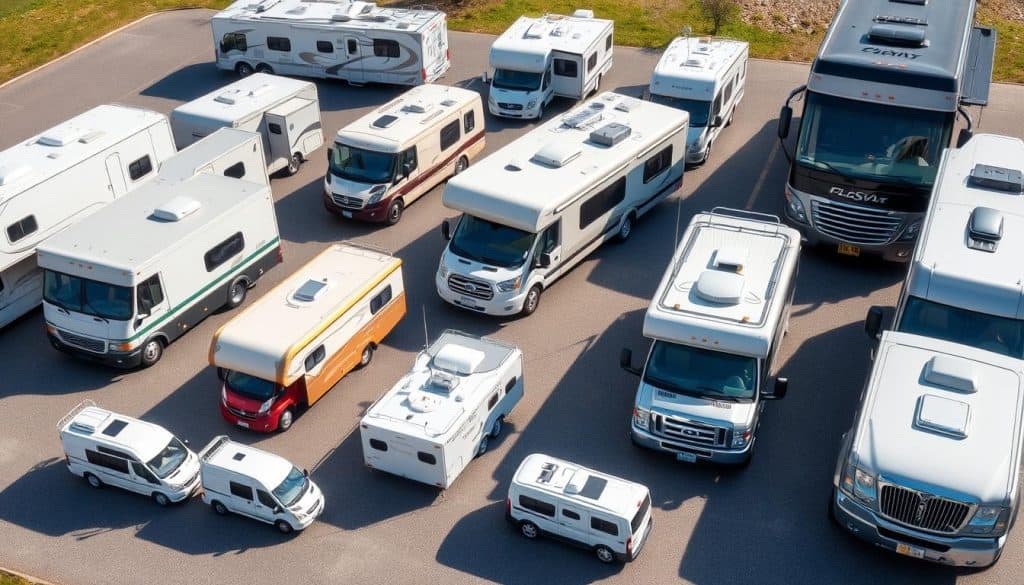
Motorhomes are the British equivalent to American RVs, offering a unique blend of mobility and living space that appeals to many travelers. They come in various sizes and classes, each catering to different needs and preferences.
When exploring the world of British motorhomes, you’ll come across different types, including coach-built motorhomes and A-class motorhomes. Let’s dive into what makes these vehicles special.
Coach-Built Motorhomes
Coach-built motorhomes are a popular choice among British travelers. These motorhomes are built on a chassis and have a custom-built body. They offer a great balance between size and living space, making them ideal for those who want to explore without compromising on comfort.
The cab area in coach-built motorhomes is typically designed to be functional and comfortable, often featuring advanced technology for a smoother drive. These motorhomes are perfect for people who enjoy traveling in style without the need for overly luxurious amenities.
A-Class Motorhomes
A-class motorhomes represent the premium segment of the British motorhome market. They are built on a chassis specially designed for motorhome construction with a custom cab area. These vehicles are the closest British equivalent to American Class A RVs in terms of size and luxury.
- They offer more spacious living quarters with the driver’s cab fully integrated into the living space.
- A-class motorhomes often feature larger bathrooms, more storage, and better insulation, making them ideal for extended trips.
- These vehicles are popular with people planning long journeys or those seeking more luxurious accommodation on the road.
- Despite being large by British standards, A-class motorhomes are generally smaller than typical American Class A RVs.
- They come with a premium price tag, reflecting their high-end features and build quality.
Some A-class motorhomes come in under the 3.5 tonne driving licence limit, making them accessible to drivers without requiring an additional test. However, it’s crucial to consider the size and weight of these vehicles when driving. The lighter the vehicle, the better it is for fuel consumption and maneuverability on grass pitches.

When choosing an A-class motorhome, ensure it has sufficient payload for all your gear. These motorhomes are designed to provide a luxurious travel experience, making them a great option for those who value comfort and space.
Campervans: The Compact British Option
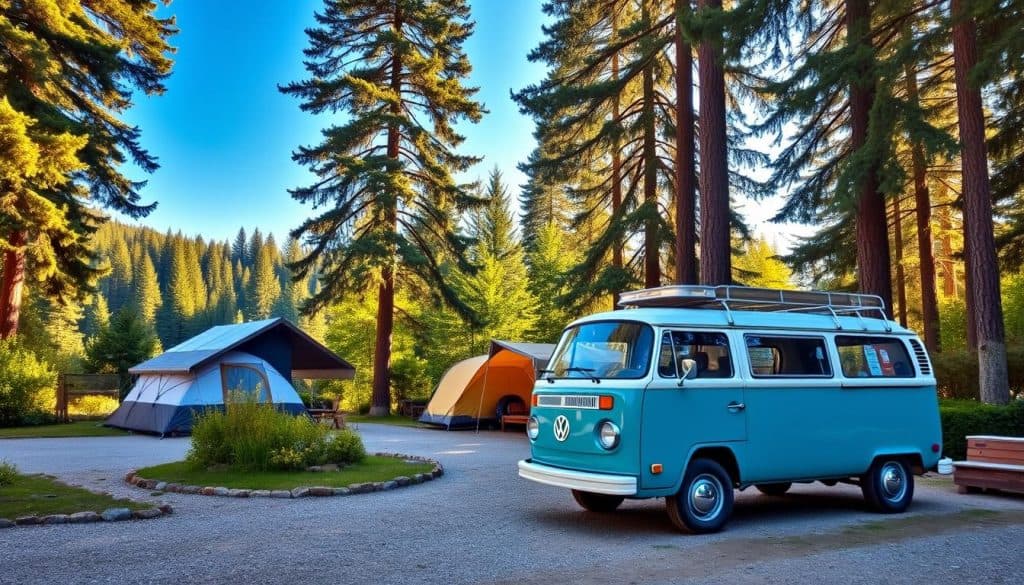
Campervans have become an integral part of British camping culture, offering a unique blend of adventure and comfort on the road. As someone who’s experienced the joy of camping in these compact vehicles, I can attest to their versatility and practicality. Whether you’re a couple looking for a romantic getaway or a small family seeking a fun camping experience, campervans are an excellent choice.
One of the main advantages of campervans is their compact size, which makes them easy to maneuver on British roads. Many models come with pop-top roofs, which provide extra headroom and sometimes even additional bed space. However, some campervans have fixed-height roofs, which can be a drawback if you’re tall. To overcome this, some owners opt for vans with raised roofs, which can be warmer in cold weather and cooler in hot weather, although they may be slightly less aerodynamic.
Classic VW Campervans
The classic VW campervan is an icon of British camping culture. These vehicles have developed a cult following and represent a lifestyle choice as much as a vehicle type. With their compact size, pop-top roofs, and clever interior designs, classic VW campervans combine practicality with nostalgic appeal and distinctive styling.
Despite their age, many classic VW campervans remain in active use due to their durability and dedicated owner community. Modern VW campervans have evolved while maintaining the spirit of the classic models. They are particularly popular with couples and small families who appreciate their versatility and iconic status. Whether you’re a seasoned camper or just starting out, a classic VW campervan is definitely worth considering for your next camping adventure.
As you hit the road in your campervan, you’ll experience the freedom to explore new destinations while enjoying the comforts of home. With their rich history and continued popularity, campervans are sure to remain a staple of British camping culture for years to come.
Caravans: The British Term for Travel Trailers
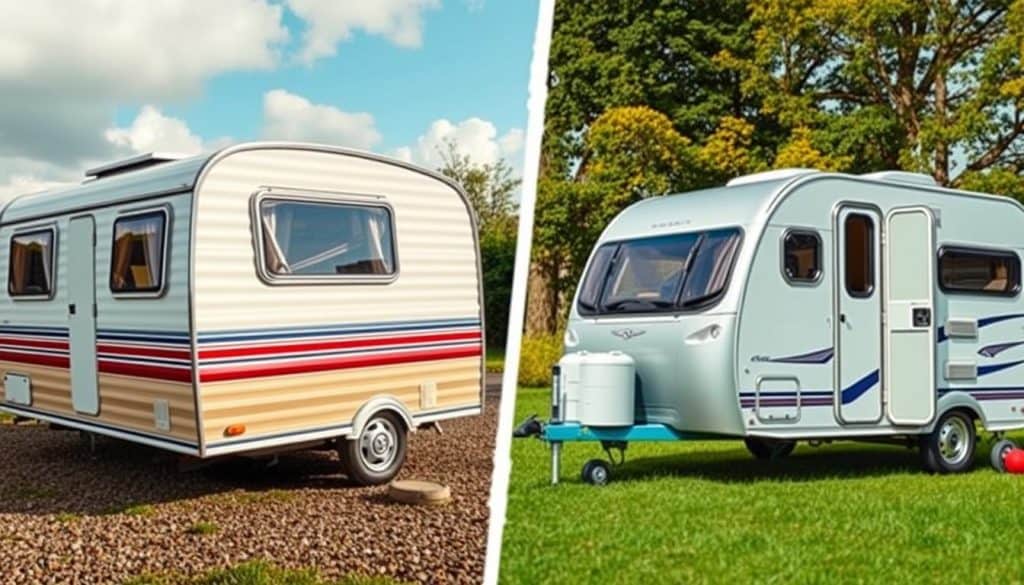
The British terminology for recreational vehicles differs from the American version, with ‘caravan’ being the equivalent of a travel trailer. Caravans vary significantly in size and luxury, ranging from basic models that are little more than a tent on wheels to elaborate units containing several rooms with all the furniture and furnishings of a home.
These trailers can be made of metal or fiberglass, offering a range of options for family holidays or living arrangements. When you tow a caravan, you’re not just moving a vehicle; you’re taking a home with you, albeit temporarily.
Static Caravans and Mobile Homes
Static caravans are larger units that are permanently or semi-permanently installed at holiday parks. Unlike touring caravans, static caravans are designed for longer stays rather than frequent movement. They offer more spacious layouts, full-size appliances, and comprehensive facilities, making them an attractive option for many British families.
These static caravans serve as affordable holiday homes and are often located in dedicated holiday parks with shared amenities and community facilities. At the same time, mobile homes represent the most permanent form of caravan accommodation, often with connections to utilities. They provide a middle ground between traditional caravans and permanent holiday cottages, offering a more stable living arrangement for extended periods.
Whether you’re looking for a temporary getaway or a more permanent living arrangement, understanding the different types of caravans and their uses can help you make an informed decision. With the variety of options available, from touring caravans to static units and mobile homes, there’s a caravan to suit every need and preference.
Key Differences Between British and American Recreational Vehicles
A closer look at recreational vehicles in Britain and America highlights some key differences in design and functionality. One of the primary distinctions lies in the size and type of vehicles preferred in each country.
British roads are generally narrower and more winding than their American counterparts, necessitating smaller recreational vehicles. This is not just a matter of preference; American-sized RVs would face significant challenges on British roads, particularly in rural areas and historic towns.
Size and Road Considerations
The size of recreational vehicles in Britain is influenced by several factors, including road conditions and fuel efficiency. British campgrounds and caravan parks are designed for smaller vehicles with tighter pitch sizes.
- Narrower British roads require smaller, more maneuverable vehicles.
- Fuel efficiency is a greater concern in Britain due to higher fuel costs.
- Parking restrictions and urban access limitations also influence vehicle size preferences.
These practical considerations have shaped the evolution of distinctly British recreational vehicle types. For instance, campervans and smaller motorhomes are more popular in Britain than large RVs.
| Feature | British Recreational Vehicles | American Recreational Vehicles |
|---|---|---|
| Size | Generally smaller and more compact | Often larger and more spacious |
| Fuel Efficiency | More fuel-efficient due to smaller size | Less fuel-efficient, with some models achieving only 8-10 miles per gallon |
| Road Compatibility | Suited for narrower, winding roads | Designed for wider, straighter highways |
British Recreational Vehicle Culture and Usage
British recreational vehicle culture is a rich tapestry of community, tradition, and a love for the outdoors. For many, it’s not just about traveling; it’s about creating lasting memories with family and friends.
The UK is home to an extensive network of caravan parks and camping sites, catering to a wide range of preferences and needs. From basic farm fields to luxury holiday parks with extensive facilities, there’s something for everyone.
Caravan Parks and Sites
Caravan parks and sites are the backbone of British recreational vehicle culture. These sites offer various amenities, including electric hookups, water points, and waste disposal facilities, ensuring a comfortable stay for visitors.
Many sites are strategically located in scenic areas, national parks, and coastal regions, offering breathtaking views and opportunities to connect with nature. Some sites are members-only, while others are open to the public, providing flexibility for caravanners.
| Type of Site | Amenities | Location |
|---|---|---|
| Basic Farm Fields | Basic facilities | Rural areas |
| Luxury Holiday Parks | Extensive facilities, including swimming pools and entertainment | Coastal regions and national parks |
| Members-Only Sites | Exclusive facilities for members | Various locations |
The major caravan and camping clubs, such as the Caravan and Motorhome Club and the Camping and Caravanning Club, operate their own networks of sites with standardized facilities. This not only ensures a consistent experience for members but also fosters a sense of community among caravanners.
Conclusion
In summary, the British use distinct terms for what Americans call RVs, reflecting broader cultural differences. The key terms to know are motorhomes, campervans, and caravans. Unlike in America, “RV” isn’t commonly used in Britain.
British recreational vehicles differ in size, design, and terminology. Understanding these differences is crucial for travelers planning to rent or buy these vehicles in Britain. The terminology reflects different approaches to leisure travel, influenced by road systems and holiday traditions.
Despite these differences, the appeal of freedom and connection to the outdoors remains the same. Whether you call it an RV, motorhome, campervan, or caravan, it serves the same purpose: to tow you to new adventures with the comforts of home.
FAQ
What term do Brits use instead of RV?
In Britain, people often use the terms motorhome or campervan to refer to what Americans call an RV. These vehicles provide a compact living space with basic facilities like a kitchen and sleeping quarters.
Are all RVs considered motorhomes?
Not exactly. While many people use the terms interchangeably, motorhomes typically refer to larger, more luxurious vehicles with extensive living areas and amenities. In contrast, campervans are generally smaller and more compact.
What’s the difference between a motorhome and a caravan?
A motorhome or campervan is a self-contained vehicle with a living area built into it, whereas a caravan (or travel trailer) is a separate unit that’s towed behind a vehicle. Caravans can be static, staying in one place, or mobile, allowing you to tow them to different locations.
Can I rent a motorhome or campervan in Britain?
Yes, you can rent motorhomes and campervans in Britain from various companies. These rentals offer a range of options, from basic to luxurious, and can be a great way to explore the country.
Are there specific parks for RVs in Britain?
Yes, Britain has numerous caravan parks and camping sites that cater to motorhomes, campervans, and caravans. These parks often provide amenities like hookups for water and gas, as well as facilities for waste disposal.
Do I need a special license to drive a motorhome or campervan in Britain?
Generally, you can drive a motorhome or campervan with a standard driver’s license, but there may be restrictions based on the vehicle’s size and your license category. It’s always a good idea to check the specific requirements before renting or buying a vehicle.