
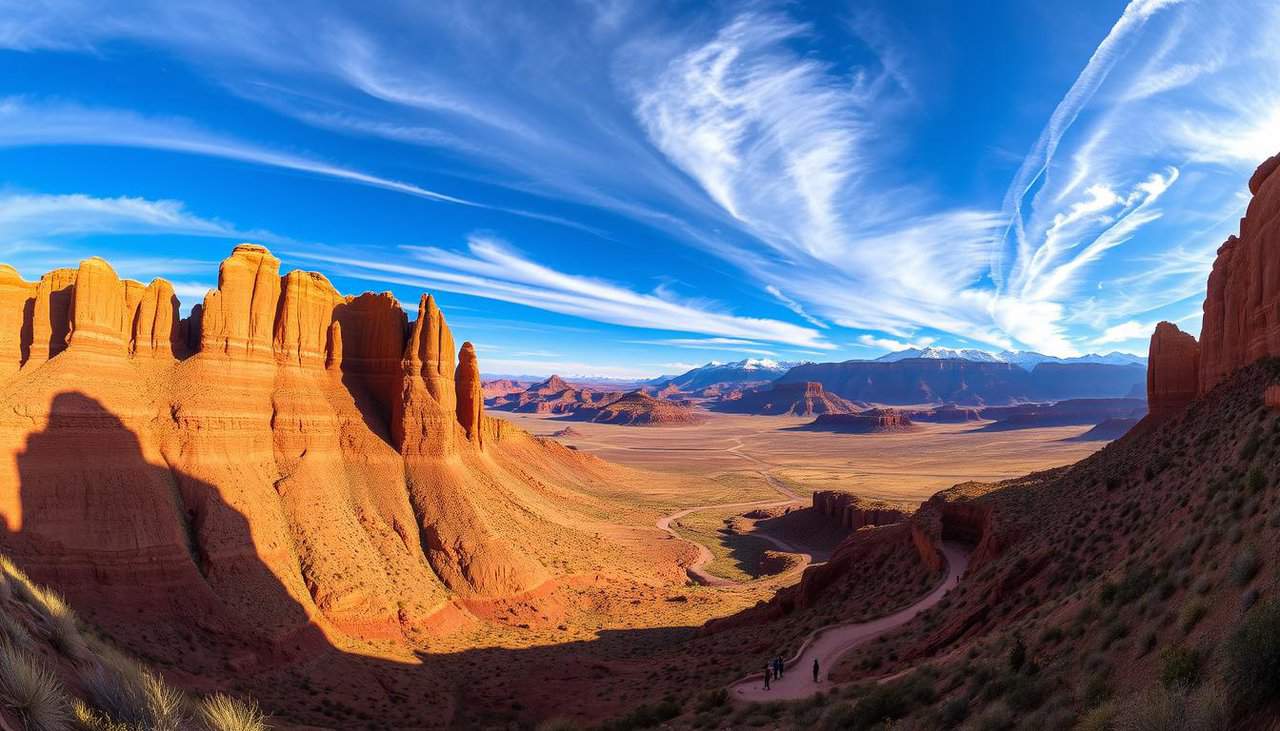
Did you know that Nevada is home to some of the most unique and diverse landscapes in the country? From the lowest point in North America to ancient trees that have stood for thousands of years, this state offers a treasure trove of natural wonders. These protected areas are not just scenic destinations but also vital hubs for wildlife conservation and cultural heritage.
Whether you’re drawn to the rugged peaks of the Great Basin or the vast expanse of Death Valley, each park tells a story of resilience and beauty. Visitors can explore everything from fossil beds dating back 200,000 years to stargazing opportunities under some of the darkest skies in the nation. These parks are a testament to the state’s commitment to preserving its natural and historical legacy.
With millions of visitors every year, these parks continue to inspire awe and adventure. Whether you’re a history buff, nature enthusiast, or thrill-seeker, there’s something for everyone. Let’s dive into what makes these parks so special and why they should be on your must-visit list.
Key Takeaways
- Nevada’s parks feature diverse landscapes, from deserts to mountain peaks.
- These areas are vital for wildlife conservation and cultural preservation.
- Great Basin National Park is home to some of the oldest trees in the world.
- Death Valley includes the lowest point in North America.
- Stargazing opportunities are exceptional in these dark sky-certified parks.
Explore US National Parks In Nevada: History and Natural Wonders
The story of Nevada’s natural wonders is deeply rooted in its cultural and historical past. These lands have witnessed centuries of human activity, from ancient trails to modern conservation efforts. Today, they stand as a testament to the resilience of both nature and humanity.
Rich Historical Background and Cultural Legacy
Nevada’s parks are steeped in history, with many areas connected to early emigrant trails. The California National Historic Trail, for example, winds through the southern part of the state. This route was once a lifeline for pioneers seeking new opportunities in the West.
These trails not only shaped the land but also influenced the development of the parks we know today. Historical events, such as the Pony Express, have left their mark on the region. Visitors can explore these stories through preserved sites and interpretive programs.
Diverse Wildlife and Unique Landscapes
From towering peaks to vast deserts, Nevada’s parks offer a stunning variety of landscapes. Great Basin National Park is home to Wheeler Peak, a mountain that rises over 13,000 feet. In contrast, Death Valley features the lowest point in North America, Badwater Basin.
Seasonal contrasts add to the allure. In winter, snow blankets the higher elevations, while the desert blooms with wildflowers in spring. These parks are also vital habitats for diverse wildlife, from bighorn sheep to rare plant species.
Whether you’re exploring a canyon, hiking to a peak, or relaxing by a lake, these natural wonders offer endless opportunities for discovery. The interplay of history and nature makes these parks truly unique.
Outdoor Adventures and Scenic Experiences
From rugged trails to serene lakes, Nevada offers endless opportunities for exploration. Whether you’re a seasoned hiker or a casual traveler, the state’s diverse landscapes promise unforgettable adventures. With iconic scenery and seasonal activities, there’s something for everyone to enjoy.

Hiking Trails, Park Roads, and Backcountry Routes
Nevada’s trails cater to all skill levels. In Great Basin National Park, the Wheeler Peak Trail offers stunning views of alpine lakes and ancient bristlecone pines. For a more relaxed experience, the Historic Railroad Trail near Lake Mead is a flat, family-friendly route with tunnels and scenic views.
Backcountry routes like the Telescope Peak Trail in Death Valley challenge experienced hikers with steep climbs and breathtaking vistas. These paths allow you to immerse yourself in the raw beauty of Nevada’s wilderness.
Iconic Scenery: Canyons, Peaks, Lakes, and Deserts
The state’s landscapes are as diverse as they are beautiful. Red Rock Canyon, just a short drive from Las Vegas, features towering red cliffs and over 2,000 climbing spots. In contrast, the serene waters of Lake Tahoe provide a peaceful retreat for kayaking and paddleboarding.
Badwater Basin in Death Valley, the lowest point in North America, offers a surreal experience with its vast salt flats. Meanwhile, the Ruby Mountains’ snow-capped peaks are a winter wonderland for skiing and snowshoeing.
Seasonal Activities and Natural Phenomena
Each season brings unique experiences. Spring transforms the desert into a colorful tapestry of wildflowers. Summer is perfect for stargazing in Great Basin, where the dark skies reveal thousands of stars. Fall offers mild weather and fewer crowds, ideal for hiking and camping.
Winter blankets the higher elevations in snow, creating opportunities for snow sports. Plan your visit around these natural phenomena to make the most of your trip. For more tips, check out the best time to visit for seasonal highlights.
| Activity | Location | Best Season |
|---|---|---|
| Hiking | Wheeler Peak Trail | Summer |
| Stargazing | Great Basin | Fall |
| Snow Sports | Ruby Mountains | Winter |
| Wildflower Viewing | Death Valley | Spring |
Essential Information for Planning Your Park Visit
Planning a trip to Nevada’s protected areas? Here’s everything you need to know to make your visit smooth and memorable. From visitor centers to camping options, this guide ensures you’re well-prepared for your adventure.
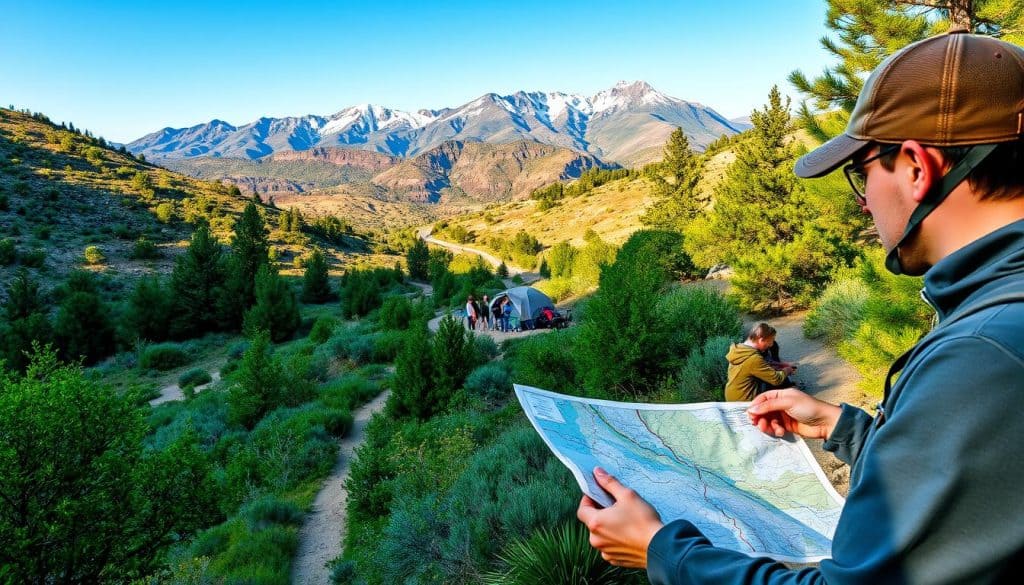
Visitor Centers, Camping Options, and Amenities
Visitor centers are your go-to resource for maps, permits, and expert advice. They often feature exhibits on local conservation efforts and the area’s natural history. Check their operating hours before your trip to make the most of your visit.
Camping options range from primitive sites to full hook-up facilities. Whether you prefer a rustic experience or modern comforts, there’s something for everyone. Here’s a quick overview of available amenities:
| Camping Type | Features | Best For |
|---|---|---|
| Primitive | Basic sites, no utilities | Adventurers |
| Standard | Fire pits, picnic tables | Families |
| Full Hook-Up | Electricity, water, sewer | RV travelers |
Nearby attractions like Lake Mead offer additional recreation opportunities. Boating, fishing, and hiking are popular activities in the area.
Practical Tips for Safety and Accessibility
Safety is a top priority when exploring these areas. Always check current park conditions and road closures before heading out. Weather can change quickly, so pack layers and stay informed.
Accessible routes are available in many parks, ensuring everyone can enjoy the beauty of these landscapes. Look for designated trails and facilities that cater to visitors with mobility challenges.
Here are some essential tips for a safe and enjoyable trip:
- Bring plenty of water, especially in desert areas.
- Wear sturdy footwear for hiking trails.
- Follow conservation guidelines to protect the environment.
“Leave No Trace principles help preserve these natural wonders for future generations.”
For those new to exploring protected areas, check out our guide on beginner-friendly features to enhance your experience.
Conclusion
Nevada’s protected areas offer a perfect blend of natural beauty, history, and modern adventure. From the shimmering water of Lake Mead to the vast sky above the Mojave, these landscapes inspire awe in every season. Whether you’re exploring ancient trails or enjoying summer nights under the stars, there’s always something new to discover.
Careful planning ensures a safe and memorable trip. Respect for the landscape and its cultural heritage is key. Pack wisely, stay informed, and follow conservation guidelines to protect these treasures for future generations.
Ready to explore? Dive into the rich history and vibrant life of these unique destinations. Whether you’re hiking, camping, or simply soaking in the views, your adventure awaits. Start planning your journey today and experience the magic of Nevada’s natural wonders.
FAQ
What is the best time to visit Great Basin National Park?
The ideal time to visit is late spring to early fall. Summer offers warm days for hiking, while fall brings stunning foliage. Winter is quieter but perfect for snowshoeing and stargazing.
Are there any guided tours available in Death Valley?
Yes, ranger-led programs and guided tours are available. These include hikes, talks, and night sky programs. Check the park’s schedule for current offerings.
Can I camp overnight in Lake Mead National Recreation Area?
Absolutely! The area has several campgrounds, both developed and primitive. Reservations are recommended, especially during peak seasons.
What wildlife can I expect to see in Nevada’s parks?
You might spot bighorn sheep, mule deer, and various bird species. Great Basin is known for its bats, while Death Valley is home to desert tortoises and kit foxes.
Are there accessible trails for visitors with mobility challenges?
Yes, many parks offer accessible trails and facilities. Great Basin’s Lehman Caves Visitor Center and Death Valley’s Badwater Basin boardwalk are great options.
How do I prepare for hiking in the Mojave Desert?
Bring plenty of water, wear sun protection, and start early to avoid the heat. Stick to marked trails and carry a map or GPS device.
What are the must-see landmarks in these parks?
Don’t miss Wheeler Peak in Great Basin, Badwater Basin in Death Valley, and the Hoover Dam at Lake Mead. Each offers unique scenery and photo opportunities.
Are pets allowed in Nevada’s parks?
Pets are allowed in certain areas but must be leashed. They’re not permitted on trails or in backcountry zones to protect wildlife and habitats.
What’s the best way to experience the night sky in these parks?
Great Basin is a designated International Dark Sky Park, offering incredible stargazing. Bring a telescope or join a ranger-led astronomy program for an unforgettable experience.
How do I get to these parks from Las Vegas?
Death Valley is about a 2-hour drive, while Great Basin is roughly 4.5 hours away. Lake Mead is just 30 minutes from the city, making it a convenient day trip.