
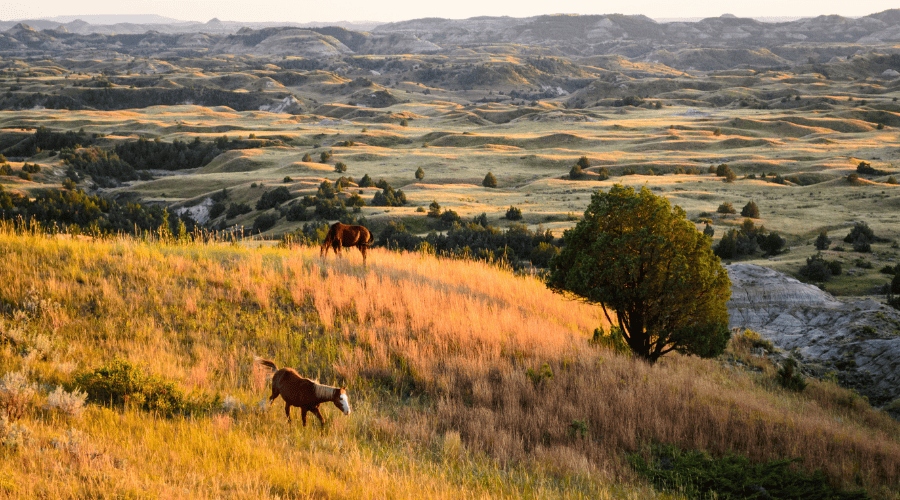
Start your journey in the rugged beauty of Theodore Roosevelt National Park in North Dakota. It is known for diverse wildlife and scenic trails. Visitors find a retreat with freely roaming bison and reminders of the 26th President. The park offers rich history, interesting geologic formations, and hiking for every age and skill level.
Be sure to visit the colorful Painted Canyon and Roosevelt’s Maltese Cross Cabin. Theodore Roosevelt himself saw this land as key to American identity and well-being. With our guide, you’ll fully experience the natural wonders of North Dakota in this park.
Theodore Roosevelt National Park Highlights
- Explore the diverse wildlife and natural beauty of the park.
- Plan your visit around key historic sites like the Painted Canyon and Maltese Cross Cabin.
- Enjoy hiking opportunities suitable for all skill levels.
- Relive the memories of Theodore Roosevelt in a landscape he cherished.
- Use our national park guide for a fulfilling and enjoyable visit.
- Experience North Dakota’s natural wonders in their full splendor.
Best Time to Visit Theodore Roosevelt National Park
Choosing when to visit Theodore Roosevelt National Park is key for a great trip. The park is open all year, showcasing different gems each season. Every season offers something unique for visitors.
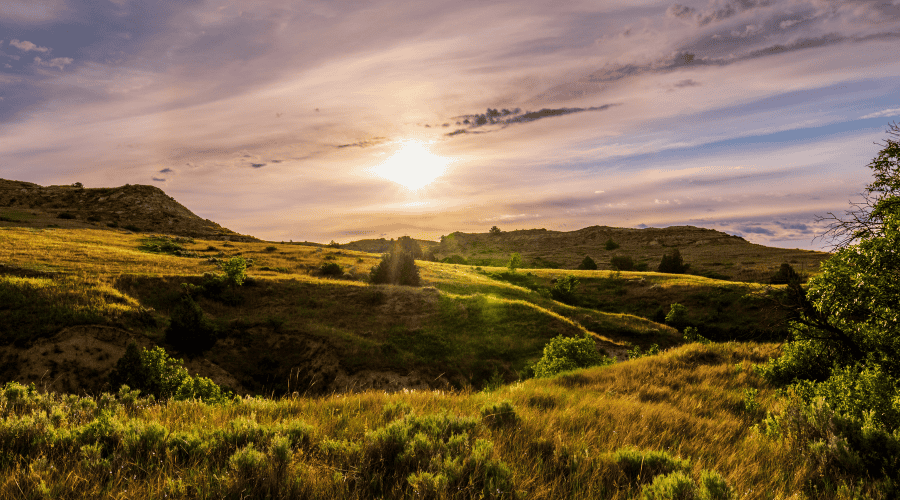
Average Temperatures By Season
The weather at the park changes a lot, affecting what you can do and see. Summer provides warm days perfect for hiking and seeing animals. Spring and fall offer cool weather, beautiful wildflowers, and vibrant leaves. Winter brings cold, quiet beauty with snow and fewer people.
| Season | Average High | Average Low |
|---|---|---|
| Spring | 64°F (18°C) | 37°F (3°C) |
| Summer | 82°F (28°C) | 54°F (12°C) |
| Fall | 65°F (18°C) | 37°F (3°C) |
| Winter | 32°F (0°C) | 12°F (-11°C) |
If you’re planning a trip, either with a group or alone, consider the park’s best times. Look at the weather trends and temperatures. This will make sure your visit is fun and cozy.
Getting to Theodore Roosevelt National Park
It’s easy to visit Theodore Roosevelt National Park, with many travel options available. You can get there by road, air, or train, making the trip memorable. This guide will help you find the best way to travel, depending on your needs.
By Car
Many visitors choose to drive to the park. Taking a road trip allows you to see beautiful scenery and hidden spots. Major roads like I-94 make it simple to get to the park’s North and South Units.
By RV
Traveling by RV to Theodore Roosevelt National Park is perfect for those who like to bring their home on the road. The park has great campgrounds for RVs like Juniper Campground. This is perfect for staying a while and exploring.

By Air
Arriving by plane is also an option. The Dickinson Theodore Roosevelt Regional Airport and Bismarck Municipal Airport welcome several airlines. After landing, it’s a short drive to the park.
By Train
If you like trains, Amtrak can get you close to the park. Riding the train gives you a special view of the area as you head to the park.
Park Entrances
The park has multiple entrances for easy access. The South Unit’s main entrance is through Medora, and the North Unit is near Watford City. Choose your entrance based on what you want to see and do in the park.
| Mode of Transport | Access Points |
|---|---|
| Car | I-94 to North and South Units |
| RV | Campground Access in South and North Units |
| Air | Dickinson Airport, Bismarck Airport |
| Train | Amtrak Stations Nearby |
Top Attractions and Must-See Sights
Theodore Roosevelt National Park is full of amazing sights. You’ll find everything from stunning geological formations to historic cabins and beautiful drives. There’s something here for every visitor to enjoy.
Painted Canyon
The Painted Canyon is a treat for nature lovers. Its colorful layers offer breathtaking views. Don’t forget to check out the Painted Canyon visitors guide for the best spots.
Theodore Roosevelt’s Cabin
Visiting Roosevelt’s Maltese Cross Cabin is like traveling back in time. It gives you a glimpse into the life of the former President. You’ll see artifacts and learn about his conservation work. It’s a must-visit for fans of American presidential history.

Scenic Drives
The park’s scenic drives showcase its incredible landscapes. You can take a 36-mile loop through the South Unit or a 14-mile trip in the North Unit. These drives are perfect for spotting wildlife and enjoying the park’s beauty.
| Attraction | Description |
|---|---|
| Painted Canyon | Known for its beautiful multi-hued geological formations and panoramic views. |
| Roosevelt’s Maltese Cross Cabin | A historical cabin offering insights into Theodore Roosevelt’s life and conservation efforts. |
| Scenic Drives | National park scenic routes offering remarkable views and wildlife sighting opportunities. |
Hiking Trails and Outdoor Activities
Theodore Roosevelt National Park is filled with hiking trails and outdoor fun for everyone. You’ll find easy paths for beginners and tough ones for those who seek a challenge. The park is also great for watching North Dakota wildlife, a treat for nature lovers.
Easy Trails
Are you new to hiking?
Try beginner hikes like the Ridgeline Nature Trail in Theodore Roosevelt National Park. These trails are easy and have stunning views. They let you enjoy nature without too much effort.
Moderate Trails
Looking for a bit more adventure?
The Petrified Forest Loop and other moderate trails mix rough terrain with beautiful scenes. They’re perfect for hikers who want to step up their game yet find the challenge doable.
Challenging Trails
If you’re ready for a challenge, the Caprock-Coulee Trail awaits. It has steep grades and breathtaking overlooks. Seasoned hikers will find these trails both tough and satisfying.

Wildlife Watching
Theodore Roosevelt National Park isn’t just for hiking. It’s a place to see bison, wild horses, elk, and prairie dogs. Your hike becomes a chance to connect with local wildlife.
Camping in Theodore Roosevelt National Park
If you want to dive into nature, national park camping in Theodore Roosevelt National Park is perfect. You can wake up to nature’s sounds here. The park has campsites with things like running water and flush toilets at Cottonwood and Juniper Campgrounds.
For those who prefer quiet and the stars, Theodore Roosevelt backcountry camping is great. But remember, you need a permit for this. No matter your camping style, the park’s nights are amazing for watching stars. You’ll see the sky full of stars because there’s hardly any light pollution.
| Campground | Amenities | Reservations Required |
|---|---|---|
| Cottonwood Campground | Running Water, Flush Toilets | Yes |
| Juniper Campground | Running Water, Flush Toilets | Yes |
| Backcountry Camping | None (Permit Required) | No |
Getting ready for outdoor overnight stays in Theodore Roosevelt National Park is key. Pack gear for all kinds of weather and follow the park’s rules. Also, remember to Leave No Trace to keep the park beautiful for everyone in the future.for everyone in the future.
Travel Tips for a Safe and Enjoyable Visit
Heading to Theodore Roosevelt National Park is an exciting journey. To make it safe and fun, remember some important tips. Knowing the park rules and how to Leave No Trace will make your visit better. It also helps protect the park for others in the future.
Park Regulations
Knowing the rules of the park is key for a good time with nature. Learn about camping rules, how to act around wildlife, and protecting the park’s beauty and history. Following these rules keeps you safe and supports responsible travel, a value important to Theodore Roosevelt.
Leave No Trace Principles
It’s crucial to follow Leave No Trace principles to keep the park clean. Things like taking your trash with you, not taking natural objects, and being respectful to animals are important. By doing these, you help keep the park’s ecosystems safe and beautiful for everyone after you.
Safety Precautions
Being safe is key for a great adventure in Theodore Roosevelt National Park. Always stay on the trails, be ready for different weather, and bring what you need like water, food, and a first-aid kit. Being prepared makes your visit safer and more enjoyable.
Photography Tips for Capturing Stunning Landscapes
Theodore Roosevelt National Park is a great spot for landscape photos. It lets you take amazing outdoor pictures. Try to go at sunrise or sunset for soft, glowing light. This kind of light makes the park look even more beautiful.
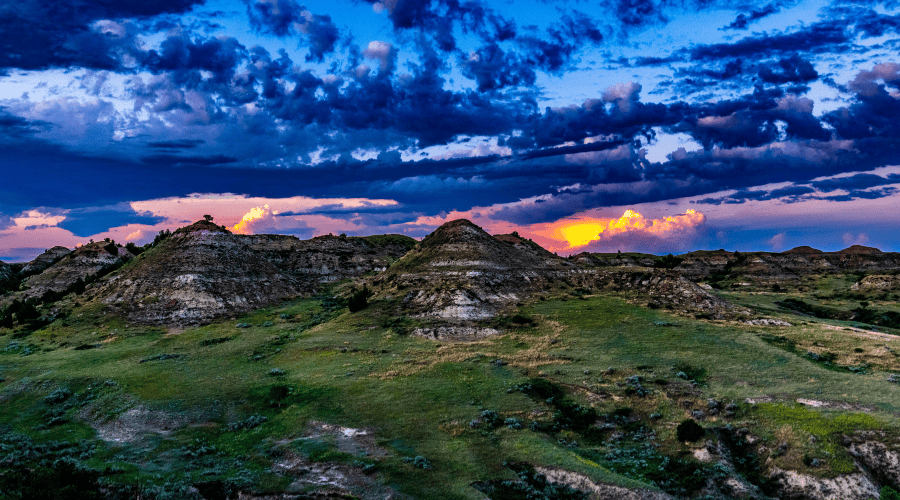
Trying various viewpoints is important. Use things like wildflowers or rocks in the front to make your photos stand out. Keep in mind, the weather here changes a lot. It can add drama to your pictures, especially with good lighting.
A good tripod is a must-have for landscape photographers. It keeps your camera steady. This is especially helpful for night sky shots or time-lapse videos. The park’s scenery is perfect for both new and experienced photographers.
Here’s a quick guide on the best times to take photos in the park:
| Time of Day | Advantages | Ideal Subjects |
|---|---|---|
| Sunrise | Soft and warm light | Wide landscapes, sun rays through trees |
| Midday | High visibility, dynamic clouds | Wildflowers, wildlife |
| Sunset | Golden hues, dramatic shadows | Silhouettes, rock formations |
| Night | Starry skies, Milky Way visibility | Time-lapse sequences, nightscapes |
Using these tips will help you understand how to capture Theodore Roosevelt’s beauty. You’re ready to take stunning landscape photos.
Nearby Attractions and Day Trips
The area around Theodore Roosevelt National Park is full of attractions and day trips. These spots add to the Western feel of the visit. They help you get a full picture of North Dakota’s culture and natural beauty.
Medora
Medora is a historic town that takes you back to the Old West. With its lovely shops and local shows, it’s a place you have to visit. The famous Medora Musical is a highlight, offering Western entertainment against a stunning backdrop.
North Dakota Cowboy Hall of Fame
The North Dakota Cowboy Hall of Fame will take you on a journey through the state’s cowboy history. With fascinating exhibits and events, it celebrates cowboys’ lives and stories. It’s a great place for anyone interested in history or for families to explore.
Little Missouri River
For peace and quiet, try the Little Missouri River. It offers beautiful hikes and kayaking for a nice break from the dry badlands. It’s ideal for nature lovers and those seeking outdoor fun, offering beautiful views and moments of peace.

Best Towns To Use As A Base
When you explore Theodore Roosevelt National Park, picking the right base town is crucial. Medora, Dickinson, and Watford City top the list. They are close to the park and offer different places to stay.
Types of Accommodation Available
In Medora, you can choose from rustic campgrounds to cozy bed-and-breakfasts and luxurious hotels. Dickinson mixes urban amenities with affordable motels and mid-range hotels. Meanwhile, Watford City has a calm vibe with its charming inns and family-run lodges.
For something special, try staying at a local ranch. It offers a genuine and unique North Dakota hospitality experience.
Prices For Accommodation
Knowing what you’ll pay for lodging in North Dakota helps plan your trip. Price swings are based on location, amenities, and season. Right away, you’ll find that stays in Medora tend toward the pricier side, especially in the bustling summer.
Dickinson offers urban convenience at fair prices. On the cheaper end, Watford City tempts with great deals on cozy lodgings. Early bookings can snag you the best rates, especially for summer or eventful times.
| Town | Accommodation Types | Average Lodging Rates |
|---|---|---|
| Medora | Rustic campgrounds, Bed-and-breakfasts, Luxury hotels | $100 – $250+ per night |
| Dickinson | Mid-range hotels, Budget motels | $60 – $150 per night |
| Watford City | Inns, Family-run lodges | $50 – $120 per night |
Picking your town wisely and booking early can make your Theodore Roosevelt National Park visit both comfy and unforgettable.
If you’re thinking of camping during your trip, make sure you follow our National Park Camping Rules Guide to ensure the best experience.
Trip Considerations
A well-planned trip to Theodore Roosevelt National Park depends on understanding seasonal changes. These changes range from visitor numbers to visual transformations. This seasonal travel guide Theodore Roosevelt will help you prepare for a memorable experience.
Average Number of Visitors Per Season
The summer months draw the highest influx of visitors. This gives the park a vibrant atmosphere with bustling trails and campgrounds. Spring and fall host moderate numbers, offering a balanced mix of activity and serenity. Come winter, the park is at its most tranquil, with the fewest tourists and a peaceful, pristine landscape.
What To Expect Visually Per Season
Each season offers its own unique visual allure. Spring brings lush greens and blooming flora, a fresh awakening of natural beauty. Fall bathes the landscape in warm, rich hues of gold and orange. Winter transforms the area into a serene white wonderland, with captivating contrasts that are perfect for photographers. Utilize this visual park guide by season to appreciate the park’s diverse aesthetics throughout the year.
Best Clothing Per Season Temperatures
To make the most of your visit, dressing right for the temperature is crucial. In summer, light clothing and sun protection are key. Spring and fall need layers that you can adjust as temperatures change. Winter visits require warm, insulated clothing to stay comfortable in the cold. Being ready for sudden weather changes ensures a comfortable and enjoyable visit. Remember, having the appropriate attire for national park outings greatly enhances your experience.
FAQ
What are some must-see attractions in Theodore Roosevelt National Park?
Key sights include Painted Canyon and Theodore Roosevelt’s Maltese Cross Cabin. You can also enjoy scenic drives through the South and North Units. These spots showcase the park’s striking natural beauty and rich history.
When is the best time to visit Theodore Roosevelt National Park?
Your best visit time depends on what you like. Summer brings warm weather perfect for hiking and seeing wildlife. In spring and fall, enjoy cooler weather along with beautiful wildflowers and colorful foliage. Winter offers a tranquil scene with snow landscapes and fewer people.
How can I reach Theodore Roosevelt National Park?
You can get to the park by car, RV, plane, and train. Nearby airports include Dickinson Theodore Roosevelt Regional Airport and Bismarck Municipal Airport. The park entrances are in Medora (South Unit) and near Watford City (North Unit).
What types of hiking trails are available in the park?
Trails suit all skill levels. Beginners will enjoy easy trails like the Ridgeline Nature Trail. For those wanting more challenge, the Petrified Forest Loop offers rugged terrain. Experienced hikers can tackle Caprock-Coulee Trail for steep paths and great views.
Where can I camp in Theodore Roosevelt National Park?
Camp at developed spots like Cottonwood and Juniper, equipped with water and toilets. You can also camp in the backcountry with a permit for a unique experience under the stars.
What should I know about park regulations and safety tips?
Learn the rules about camping, wildlife, and preserving nature. Practice Leave No Trace to protect the environment. Stay safe by using marked trails, preparing for weather, and carrying the right supplies for a great visit.
How can I capture the best photographs in Theodore Roosevelt National Park?
Visit at sunrise and sunset for the best light. Try different views, like including flowers or rocks in the foreground. Use a tripod for stable shots of the night sky and changing weather.
What are some nearby attractions and day trip options?
Check out the historic Medora, the North Dakota Cowboy Hall of Fame, and Little Missouri River trips. These places offer more cultural and natural activities to enhance your park visit.
What towns are best to use as a base when visiting the park?
Consider staying in Medora, Dickinson, or Watford City. They have a range of places to stay, from campgrounds to luxury hotels. Prices change based on amenities and time of year.
What trip considerations should I be aware of for visiting the park?
Know the park’s visitor patterns and landscape changes. Summer is busiest, while spring and fall have cooler weather and less crowding. Dress in layers and be ready for sudden weather shifts.