
Did you know that the United States is home to 63 national parks, each with its own unique charm and history? While some, like Yellowstone, span millions of acres, others are much more compact. For instance, Gateway Arch in Missouri covers just 192 acres, making it the smallest in the system. But don’t let size fool you—these parks pack a punch when it comes to beauty and significance.
What makes a national park “small”? It’s not just about acreage. These areas often focus on preserving specific natural wonders or historical landmarks. Despite their modest size, they offer stunning landscapes, rich history, and unforgettable experiences. From the towering Gateway Arch to the serene Hot Springs in Arkansas, these hidden gems are worth exploring.
This article takes you on a virtual tour of these pint-sized treasures. Discover their unique attractions, learn about their conservation efforts, and see why they’re cherished by visitors and the National Park Service alike. Ready to explore? Let’s dive in!
Key Takeaways
- The United States has 63 national parks, each with its own story.
- Gateway Arch in Missouri is the smallest, covering just 192 acres.
- Even small parks offer breathtaking beauty and historical significance.
- The National Park Service plays a key role in preserving these areas.
- These parks are perfect for quick visits or in-depth exploration.
Overview of America’s Pint-Sized Parks
When it comes to national parks, size isn’t the only thing that matters. While some parks span thousands of acres, others are much more compact. These smaller areas often focus on preserving unique natural wonders or historical landmarks, proving that impact isn’t tied to acreage.
Defining “Small” in National Park Terms
What makes a park “small”? It’s all about measurements. Size is typically defined by acres or geographic area. For example, Gateway Arch covers just 192.83 acres, making it one of the tiniest in the system. But don’t let the numbers fool you—these parks are packed with significance.
Each state contributes parks of varying sizes, making every one unique. Whether it’s a towering monument or a serene landscape, these areas showcase the diversity of America’s natural and cultural heritage.
Why Size Doesn’t Diminish Impact
A park’s value isn’t determined by its size. Even the smallest areas can hold immense cultural or natural importance. For instance, Gateway Arch isn’t just a monument—it’s a symbol of westward expansion and American history.
The National Park Service plays a crucial role in preserving these areas, ensuring they remain accessible and protected for future generations. From historical milestones to breathtaking views, these parks prove that great things truly come in small packages.
Smallest National Parks In US: Hidden Gems
Compact in size but rich in history, these parks are must-visit destinations. Two standout examples are Gateway Arch National Park in Missouri and Hot Springs National Park in Arkansas. Both offer unique experiences that prove size isn’t everything.
Gateway Arch National Park: A Monumental Example
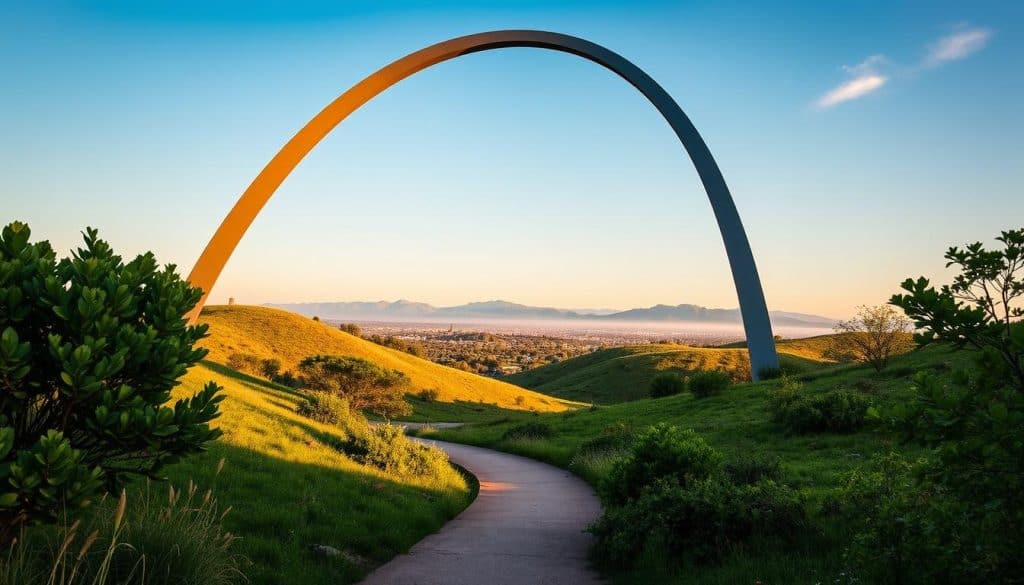
Covering just 192.83 acres, Gateway Arch National Park is a testament to America’s westward expansion. The iconic Gateway Arch stands at 630 feet, symbolizing the spirit of exploration and opportunity. Visitors can ride to the top for panoramic views of St. Louis and the Mississippi River.
Beyond the arch, the park features a museum that delves into the history of the Lewis and Clark Expedition. It’s a place where history comes alive, offering insights into the nation’s growth and challenges.
Hot Springs National Park: Therapeutic and Historical
Established in 1832, Hot Springs National Park is one of the oldest federal reserves in the U.S. Its naturally heated waters have attracted visitors for centuries, seeking relaxation and healing. The park’s historic bathhouses, like the Fordyce Bathhouse, showcase its rich therapeutic legacy.
With 26 miles of trails, the park also offers opportunities for hiking and exploring its lush surroundings. It’s a unique blend of natural beauty and cultural history, making it a favorite among travelers.
| Feature | Gateway Arch National Park | Hot Springs National Park |
|---|---|---|
| Size | 192.83 acres | 5,550 acres |
| Main Attraction | Gateway Arch | Natural Hot Springs |
| Historical Significance | Westward Expansion | Therapeutic History |
| Activities | Museum, Arch Ride | Hiking, Bathhouse Tours |
These parks may be small, but their impact is immense. Whether you’re drawn to the towering Gateway Arch or the soothing waters of Hot Springs, both offer unforgettable experiences that celebrate America’s natural and cultural heritage.
Unique Attractions and Scenic Views
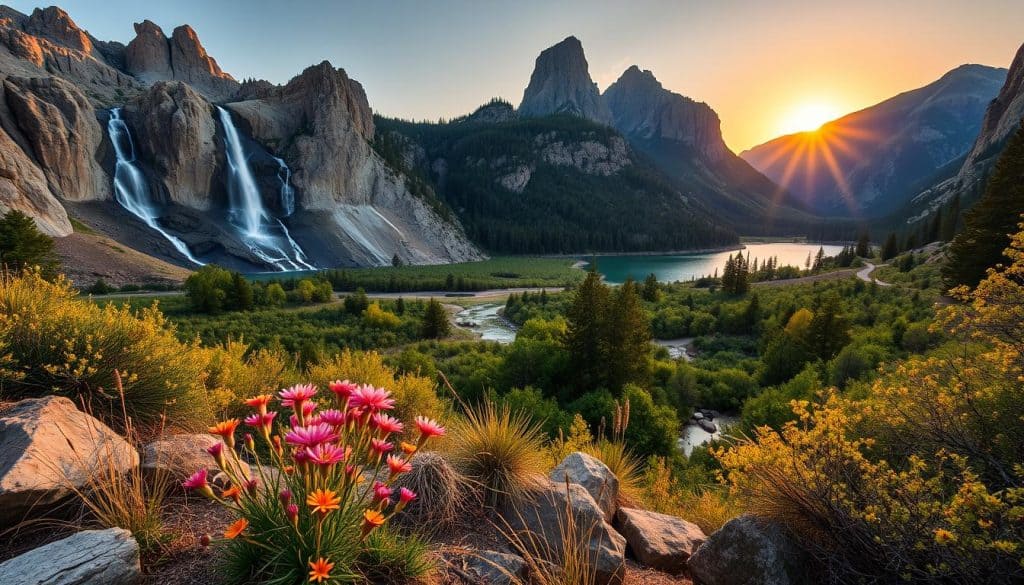
From towering peaks to serene valleys, these parks offer unforgettable scenery. While they may be compact, their landscapes are nothing short of breathtaking. Whether it’s a rugged mountain range or a sparkling lake, these areas showcase nature’s beauty in a small space.
Natural Wonders and Dramatic Landscapes
Imagine standing at the edge of a deep canyon, feeling the cool breeze from a nearby glacier. These parks are home to dramatic features that leave visitors in awe. From the rocky cliffs of Black Canyon to the rolling dunes of White Sands, every view is a masterpiece.
Even in smaller parks, you’ll find diverse ecosystems. Lush forests and open valleys create a perfect backdrop for exploration. These areas prove that you don’t need vast acres to experience nature’s grandeur.
Rare Geological and Ecological Features
What makes these parks truly special are their unique formations. From ancient rock layers to rare plant species, they offer a glimpse into Earth’s history. For example, the gypsum dunes of White Sands change colors with the sun, creating a surreal landscape.
Visitors can also explore ecological diversity in a compact space. Whether it’s a hidden lake or a quiet forest, these parks provide a sanctuary for both nature and people. As one traveler put it,
“It’s like stepping into a postcard.”
History and Legacy of America’s Small National Parks
The roots of the U.S. park system stretch back to the 19th century, marking a turning point in environmental preservation. It all began with the establishment of Yellowstone in 1872, the first of its kind in the world. This groundbreaking move set the stage for a growing commitment to protect the nation’s natural and cultural treasures.
Establishment and Early Conservation Efforts
In the late 1800s, the idea of preserving land for public enjoyment gained momentum. Yellowstone became a symbol of this movement, inspiring the creation of other protected areas. Hot Springs, established in 1832, was another early example, focusing on the therapeutic benefits of its natural springs.
Legislation like the Antiquities Act of 1906 empowered the United States to designate national monuments, further expanding conservation efforts. These early steps reflected a growing pride in the nation’s natural heritage and a desire to safeguard it for future generations.
The Role of Smaller Parks in Conservation History
While large parks like Yellowstone and Death Valley often steal the spotlight, smaller units played a crucial role in shaping the system. Parks like Hot Springs, with its modest acreage, demonstrated that size wasn’t a barrier to significance. They preserved unique features, from historic landmarks to rare ecosystems.
These smaller areas also inspired larger projects. For example, the success of Sequoia and Rocky Mountain parks highlighted the importance of protecting diverse landscapes. Their legacies continue to influence environmental policies today.
| Park | Year Established | Key Contribution |
|---|---|---|
| Yellowstone | 1872 | First national park, set global precedent |
| Hot Springs | 1832 | Early focus on therapeutic resources |
| Sequoia | 1890 | Protection of giant sequoia trees |
| Rocky Mountain | 1915 | Preservation of alpine ecosystems |
The history of America’s protected areas is a testament to vision and dedication. From the grand landscapes of Yellowstone to the intimate charm of smaller parks, these spaces continue to inspire and educate. Their legacy reminds us of the importance of preserving our natural and cultural heritage for generations to come.
Planning Your Visit: Tips and Tricks
Exploring these compact treasures requires thoughtful planning to make the most of your visit. From choosing the right season to packing the essentials, a little preparation ensures a seamless and memorable experience. Whether you’re hiking a scenic trail or soaking in local culture, these tips will help you navigate these intimate spaces with ease.
Best Times to Experience Each Park
Timing is everything when visiting these areas. For example, summer is ideal for parks in the north, like Denali, where the weather is milder and days are longer. Conversely, desert parks like Death Valley are best explored in spring or fall to avoid extreme heat.
If you’re heading to the Virgin Islands, winter offers the perfect escape with warm temperatures and fewer crowds. For a quieter experience, consider visiting in September, when many parks see fewer visitors but still offer stunning views.
Visitor Essentials and Local Attractions
Packing smart is key to enjoying your trip. Bring layers for changing weather, sturdy shoes for hiking, and plenty of water. Don’t forget a map or GPS app, as some areas have limited Wi-Fi. For parks with significant trail systems, like Hot Springs, plan your routes in advance to maximize your time.
Local attractions add depth to your visit. In Gateway Arch, explore the museum to learn about westward expansion. In the Virgin Islands, snorkeling offers a chance to see vibrant marine life. Each park has unique features that make it worth the trip.
| Park | Best Season | Key Activity |
|---|---|---|
| Denali | Summer | Hiking, Wildlife Viewing |
| Death Valley | Spring/Fall | Scenic Drives, Stargazing |
| Virgin Islands | Winter | Snorkeling, Beach Relaxation |
| Hot Springs | Year-Round | Hiking, Bathhouse Tours |
For reservations, visit Recreation.gov to secure campsites or lodging. An annual park pass is a great investment, offering access to all areas for a full year. Remember, these compact spaces may require extra preparation, but the rewards are well worth it.
Preservation and Management by the National Park Service
The National Park Service oversees 433 areas, including some of the most unique and compact spaces in the country. These areas, ranging from a few acres to millions, require tailored strategies to ensure their preservation. Smaller parks, in particular, face unique challenges that demand innovative solutions.
Conservation Efforts and Infrastructure
Managing smaller parks involves balancing visitor access with conservation. For example, parks with caves or delicate ecosystems require specialized care. The National Park Service employs techniques like controlled access and monitoring to protect these areas.
Infrastructure in compact parks is designed to minimize environmental impact. Visitor centers, trails, and facilities are strategically placed to preserve the natural landscape. Programs like interpretive tours educate visitors about the park’s significance, fostering a deeper appreciation for its conservation.
One park ranger shared,
“Our goal is to protect these spaces while making them accessible for everyone. It’s a delicate balance, but it’s worth it.”
Specialized Features and Preservation
Unique features like arches and caves require specific preservation methods. For instance, the Arch National Park unit uses advanced technology to monitor structural integrity. Similarly, parks with caves implement measures to protect delicate formations from human impact.
Volunteers and employees play a vital role in these efforts. From trail maintenance to educational programs, their dedication ensures these spaces remain pristine. Their work highlights the importance of community involvement in conservation.
Legal Frameworks and Future Goals
The National Park Service operates under laws like the Clean Air Act and Endangered Species Act. These frameworks guide efforts to maintain natural resources and biodiversity. Each park develops long-term strategies to address challenges like climate change and habitat loss.
By collaborating with local communities and agencies, the National Park Service ensures these areas thrive for future generations. Their commitment to preservation reminds us of the value of protecting our natural and cultural heritage.
Conclusion
America’s compact protected areas prove that size doesn’t define significance. From the iconic Gateway Arch to the soothing hot springs of Arkansas, these spaces offer unforgettable experiences. Despite their modest acreage, they hold immense cultural and natural value.
These areas are perfect for those seeking a more intimate connection with nature. Whether you’re exploring a serene lake or hiking through lush forests, each visit feels personal and unique. The National Park Service ensures these treasures remain accessible while preserving their beauty.
Planning your trip is key to making the most of your adventure. Visit during quieter seasons, pack essentials, and explore local attractions. For more inspiration, check out the diverse landscapes of California’s nine protected areas.
Ready to explore? These hidden gems await, offering a chance to connect with America’s rich heritage. Start planning your journey today and discover the magic of these remarkable spaces.
FAQ
What makes a park "small" in terms of size?
A park is considered small when it covers a limited acreage compared to larger ones like Yellowstone or Death Valley. These compact areas often focus on specific features, such as a cave, arch, or hot springs, offering a unique experience in a smaller footprint.
Why should I visit smaller parks?
Smaller parks, like Gateway Arch or Hot Springs, pack a punch with their rich history, therapeutic waters, and stunning landscapes. They’re easier to explore fully in a short time, making them perfect for quick getaways or focused adventures.
What are some must-see attractions in these parks?
Don’t miss the towering Gateway Arch in Missouri or the soothing thermal waters in Arkansas. Each park boasts rare geological wonders, from dramatic canyons to lush valleys, ensuring unforgettable scenic views.
When is the best time to visit these parks?
Timing varies by location. For example, spring and fall are ideal for Hot Springs, while summer offers clear skies for exploring the Gateway Arch. Always check local weather and crowd levels for the best experience.
How are these parks preserved and managed?
The National Park Service oversees conservation efforts, ensuring these areas remain pristine. From maintaining trails to protecting ecosystems, their work keeps these hidden gems accessible for future generations.