
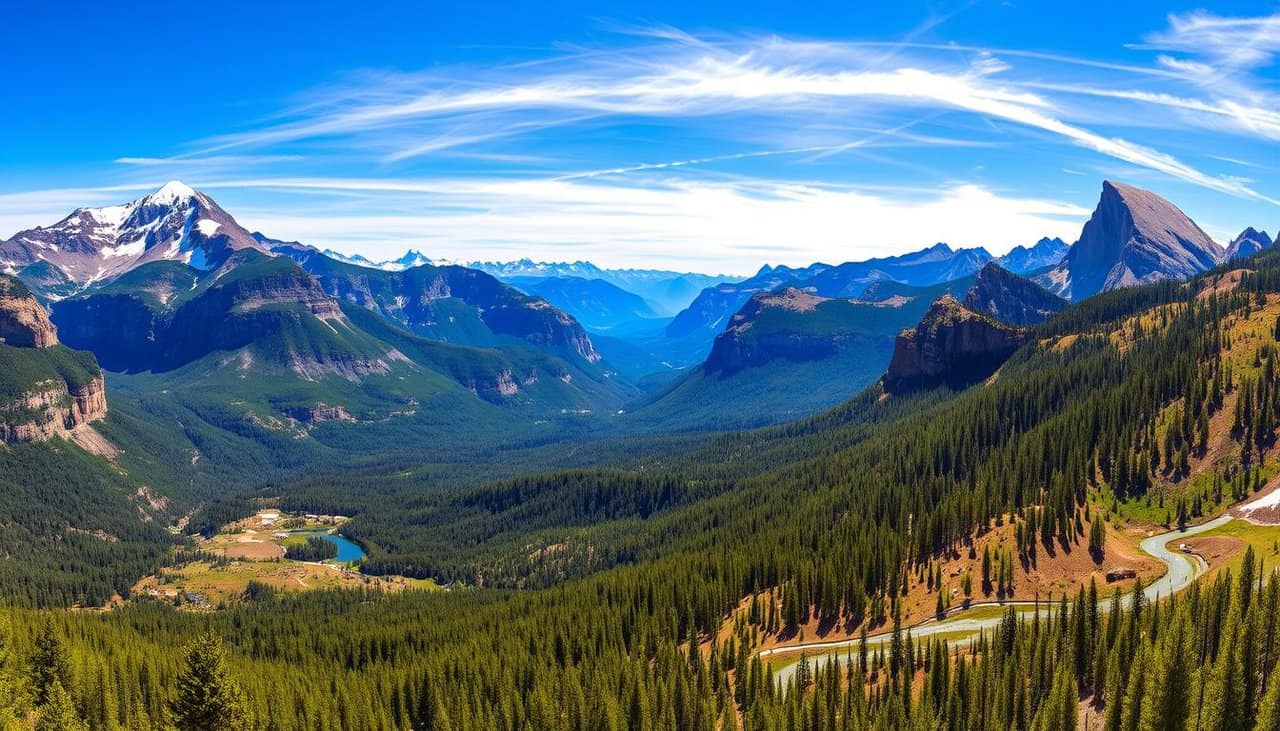
Did you know that since 1904, over 16 billion visitors have explored the wonders of the national park system? In 2023, record crowds flocked to iconic destinations like Great Smoky Mountains and Joshua Tree, showcasing the enduring appeal of these natural treasures.
The National Park Service has been preserving these landscapes for over a century, offering visitors a chance to connect with nature. From towering mountains to serene deserts, these parks provide unforgettable experiences for families, adventurers, and nature lovers alike.
This guide dives into the top destinations and hidden gems within the park system. Whether you’re planning your next trip or simply curious, you’ll discover why these places hold a special place in the hearts of millions.
Key Takeaways
- Over 16 billion visits recorded since 1904.
- Record-breaking visitor numbers in 2023.
- Great Smoky Mountains and Joshua Tree among top destinations.
- National Park Service preserves these natural wonders.
- Perfect for families, adventurers, and nature enthusiasts.
Introduction to America’s National Parks
America’s natural treasures have been protected for over a century, thanks to the National Park Service. Established in 1916, this service has played a vital role in conserving over 85 million acres of diverse terrain. From rugged mountain ranges to serene waterways, these landscapes are a testament to the beauty of America.
The Legacy of the National Park Service
The National Park Service was founded with a mission to preserve and protect the nation’s most iconic places. Over time, it has grown to manage 429 park units, including 63 national parks. These areas span across 30 states, offering visitors a chance to explore everything from deserts to forests.
Each year, millions of people visit these parks, creating lasting memories and connecting with nature. The service has also achieved significant milestones, such as the conservation of historic sites and the restoration of endangered ecosystems.
Iconic American Landscapes and Their Appeal
Some of the most breathtaking views can be found along the North Carolina-Tennessee border. The mountain vistas here are a prime example of the natural beauty preserved by the National Park Service. These landscapes have become symbols of America’s identity, drawing visitors from around the world.
Whether it’s the towering peaks of the Rockies or the serene deserts of the Southwest, each park offers a unique experience. The service ensures that these places remain untouched for future generations to enjoy.
Most Visited National Parks In US
The Great Smoky Mountains National Park continues to set records, drawing millions annually. In 2023, it welcomed over 13 million visitors, solidifying its place as the most popular destination. Its lush forests, cascading waterfalls, and diverse wildlife make it a must-see for nature enthusiasts.

Other iconic destinations also saw impressive numbers. The Grand Canyon attracted nearly 5 million visitors, while Yellowstone and Zion followed closely with 4.5 million and 4.6 million respectively. These parks offer breathtaking views and unforgettable experiences.
Great Smoky Mountains National Park: A Record-Breaker
With its proximity to major cities and stunning scenery, the Great Smoky Mountains remains a top choice for travelers. In 2023, it saw a 3% increase in visitors compared to the previous year. Its accessibility and year-round appeal contribute to its popularity.
“The Great Smoky Mountains is a treasure for both first-time visitors and seasoned explorers.”
Highlights from Grand Canyon, Yellowstone, and Zion
The Grand Canyon continues to awe visitors with its vast, colorful landscapes. Yellowstone’s geysers and wildlife draw millions, while Zion’s towering cliffs and narrow canyons offer unparalleled adventures. Each park provides unique experiences that keep visitors coming back.
Understanding Visitor Trends in Top Destinations
Several factors drive the increasing attendance at these parks. Improved infrastructure, social media exposure, and a growing interest in outdoor activities play significant roles. As more people seek connection with nature, these destinations will likely continue to thrive.
Diverse Landscapes and Unique Outdoor Experiences
From towering peaks to vast deserts, the natural beauty of the U.S. is unmatched. Each region offers its own unique charm, inviting outdoor enthusiasts to explore and connect with nature. Whether you’re drawn to rugged canyons or serene valleys, there’s something for everyone.

From Desert Vistas to Mountain Majesty
The mountains national areas, like Rocky Mountain National Park, are a hiker’s paradise. Alpine lakes and lush meadows create a stunning backdrop for adventure. In contrast, the desert landscapes of the Southwest, such as those in canyon national parks, showcase dramatic rock formations and endless horizons.
Grand Teton National Park is another gem, with its jagged peaks and pristine lakes. The valley views here are nothing short of breathtaking. Similarly, the deep canyons of the Colorado Plateau offer a sense of awe and wonder, perfect for photographers and nature lovers alike.
“The diversity of these landscapes is what makes exploring them so rewarding. Every trail tells a different story.”
Colorado’s mountain national parks are particularly iconic. From the alpine tundra of Trail Ridge Road to the dense forests of the Front Range, the state offers a range of experiences. Whether you’re scaling peaks or strolling through wildflower-filled meadows, the beauty is unforgettable.
For those seeking adventure, the canyon national parks provide thrilling hikes and panoramic views. The towering cliffs and winding rivers create a playground for outdoor enthusiasts. Each terrain type, from deserts to mountains national areas, caters to different interests, ensuring every visitor finds their perfect escape.
Visitor Statistics and Annual Trends
Visitor numbers have surged, reflecting a growing love for natural spaces. In 2023, over 325 million people explored these destinations, marking a 4% increase from the previous year. This upward trend highlights the enduring appeal of these protected areas.
Tracking Millions of Visits: Data Insights
Great Smoky Mountains led the way with 13.29 million visits, while Yosemite and Joshua Tree saw 3.89 million and 3.27 million respectively. These figures show how diverse landscapes attract millions annually. Seasonal trends and natural events also play a role in shaping attendance.
For example, the pandemic saw a spike in visits as people sought outdoor escapes. In 2020, over 237 million visits were recorded, a testament to the resilience of these destinations. As infrastructure improves and awareness grows, these numbers are expected to rise further.
Historical Growth of Park Attendance
Since 1904, over 16 billion visits have been recorded. The early 20th century saw modest numbers, with just 120,690 visits in 1904. By the 1960s, attendance soared past 100 million, reflecting a cultural shift toward outdoor recreation.
Key milestones include the 1930s, when attendance tripled, and the 1970s, when it surpassed 200 million. Today, these areas continue to draw record crowds, with mountain national park destinations like Rocky Mountain and Grand Teton seeing millions annually.
“The growth in visitation underscores the importance of preserving these spaces for future generations.”
For those planning a trip, understanding these trends can help avoid peak times. Explore more about the top destinations to make the most of your adventure.
Practical Tips for Your National Park Adventure
Planning a trip to these natural wonders can be both exciting and overwhelming, but with the right tips, you can make the most of your adventure. Whether you’re exploring the rugged peaks of Teton National or the serene deserts of Joshua Tree National Park, preparation is key to a memorable experience.
Planning Your Visit: Best Times and Essential Tips
Timing is everything when it comes to avoiding crowds. For parks along the Carolina-Tennessee border, like the Great Smoky Mountains, spring and fall offer mild weather and fewer visitors. In Utah, Zion and Bryce Canyon are best explored in late spring or early fall to avoid summer heat.
Arriving early or staying late can also help you beat the crowds. Many parks, including Teton National, are quieter in the early morning hours. This is also the best time to spot wildlife and enjoy stunning sunrise views.
“Smart planning ensures you get the most out of your visit, whether it’s a serene hike or a breathtaking sunset.”
For parks like Joshua Tree National Park, consider visiting during the cooler months. Winter and early spring provide comfortable temperatures for hiking and stargazing. Always check the park’s website for updates on trail conditions and closures.
Packing Essentials and Local Travel Tips
Packing the right gear can make or break your trip. Essentials include sturdy hiking boots, layers for changing weather, and plenty of water. In Utah’s desert parks, a sun hat and sunscreen are must-haves.
For parks in the Carolina-Tennessee region, rain gear is essential, especially during the wetter months. Don’t forget a map or GPS device, as cell service can be unreliable in remote areas.
Finally, respect the environment by following Leave No Trace principles. Pack out all trash, stay on designated trails, and keep a safe distance from wildlife. With these tips, you’re ready for an unforgettable adventure in America’s natural treasures.
Additional Hidden Gems and Less-Known Parks
Beyond the well-trodden paths lie hidden treasures waiting to be discovered. While iconic destinations like Yosemite National Park and the Great Smoky Mountains draw millions, there are over 400 park units offering equally stunning experiences. These lesser-known spots provide quieter, more intimate settings for nature lovers.
Exploring Off-the-Beaten-Path Destinations
For travelers seeking solitude, parks like North Cascades and Canyonlands are perfect. North Cascades, often called the “American Alps,” sees only a fraction of the visitors compared to Yosemite National Park. Its rugged peaks and pristine lakes offer a serene escape. Similarly, Canyonlands in Utah features dramatic landscapes with fewer crowds, making it ideal for adventurers.
These hidden gems are not just about solitude. They offer unique wildlife, stunning scenery, and activities that rival their more famous counterparts. For example, the Thunder Knob Trail in North Cascades provides breathtaking views without the hustle of larger parks.
Why Secondary Parks Offer a Unique Experience
While major parks draw record crowds, smaller destinations often provide more personalized experiences. Parks like Joshua Tree and Black Canyon of the Gunnison offer unparalleled beauty without the long lines. These spots allow visitors to connect deeply with nature, away from the distractions of busy trails.
“Exploring these lesser-known parks feels like discovering a secret world. The tranquility and untouched beauty are unmatched.”
Whether it’s the towering redwoods of Redwood National Park or the serene waters of Voyageurs, these destinations contribute to the full American park experience. They remind us that adventure and discovery are not limited to the most famous names.
So, next time you plan a trip, consider venturing off the beaten path. You might just find your new favorite spot among these hidden treasures.
Conclusion
The allure of America’s protected landscapes continues to captivate millions each year. From the Great Smoky Mountains to the deserts of Joshua Tree, these destinations offer unforgettable experiences. In 2023, record-breaking visitor numbers highlighted the enduring appeal of these natural treasures.
Whether you’re drawn to the lush forests along the North Carolina border or the rugged peaks of the Rockies, there’s something for everyone. Understanding visitor trends and planning ahead can enhance your adventure. This guide provides insights to help you explore both iconic and hidden gems.
Conservation efforts ensure these landscapes remain pristine for future generations. As you plan your next trip, consider the diversity of experiences available. From serene valleys to dramatic canyons, every visit offers a new perspective.
Revisit this guide for updates and inspiration. Your next adventure awaits in these breathtaking destinations. Embrace the beauty and wonder of America’s protected landscapes.
FAQ
What makes Great Smoky Mountains National Park so popular?
The Great Smoky Mountains is famous for its stunning mountain views, diverse wildlife, and rich history. It’s also easily accessible from major cities like North Carolina and Tennessee, making it a top choice for visitors.
Why is the Grand Canyon a must-see destination?
The Grand Canyon offers breathtaking vistas, unique geological formations, and endless outdoor activities. Its sheer size and beauty make it one of the most iconic landscapes in America.
What are the best times to visit Yellowstone National Park?
The best time to visit Yellowstone is during late spring to early fall. This period offers pleasant weather, active wildlife, and access to all park areas, including geysers and hot springs.
What makes Zion National Park unique?
Zion is known for its towering red cliffs, narrow canyons, and adventurous hiking trails like The Narrows and Angels Landing. Its dramatic scenery attracts outdoor enthusiasts year-round.
How can I avoid crowds at popular parks?
Visit during off-peak seasons, arrive early in the morning, or explore lesser-known trails. Parks like Joshua Tree and Teton also offer quieter experiences compared to busier destinations.
Are there any hidden gems among the national parks?
Yes! Parks like Great Basin in Nevada or North Cascades in Washington offer stunning landscapes with fewer visitors. These spots provide a more serene and unique outdoor experience.
What should I pack for a national park trip?
Bring comfortable hiking shoes, layers for changing weather, plenty of water, and a map or GPS. Don’t forget essentials like sunscreen, a first-aid kit, and a camera to capture the beauty of places like Yosemite or Canyonlands.
How does the National Park Service protect these areas?
The National Park Service focuses on conservation, education, and sustainable tourism. They work to preserve natural and cultural resources while ensuring visitors can enjoy these treasures responsibly.