
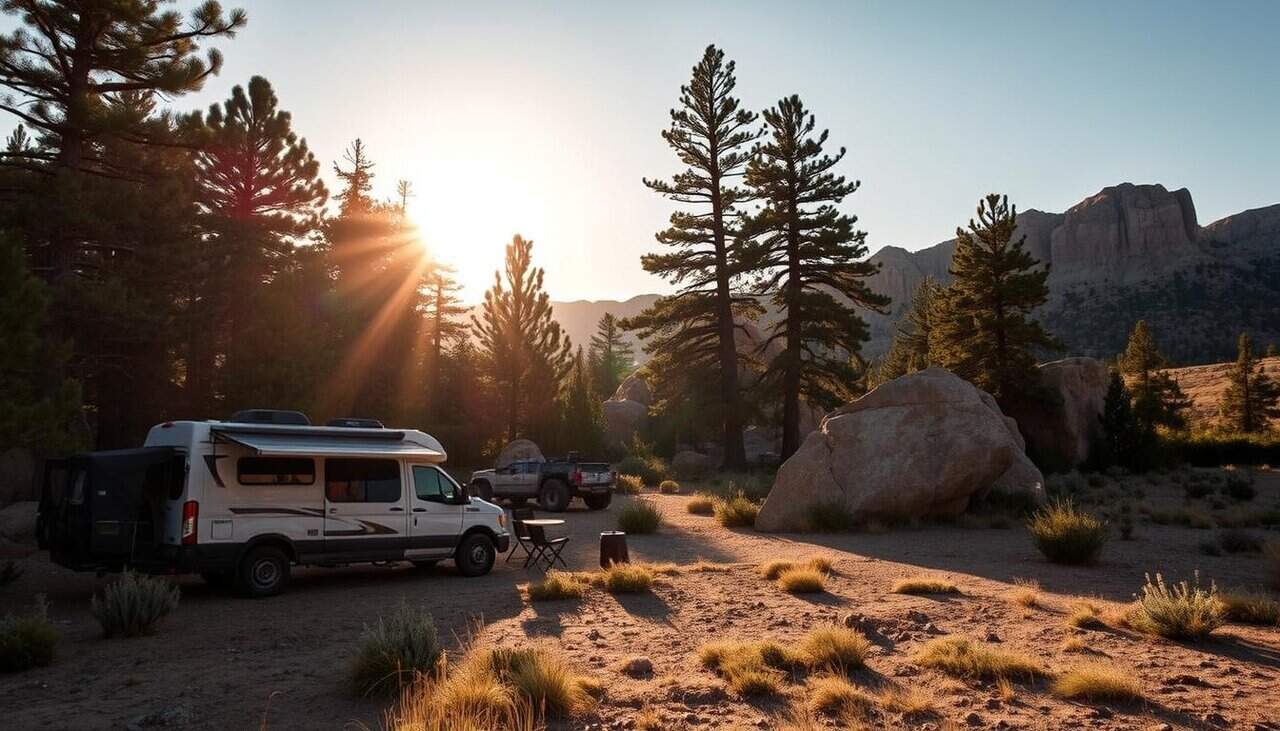
Did you know that over 1 million RV owners in the US are turning to boondocking, or dry camping, as a way to experience the great outdoors without the crowds and costs associated with traditional campgrounds?
As someone who’s spent countless nights under the stars, I can attest to the allure of waking up to nothing but nature around you. Boondocking involves camping on public lands or private property without hookups or amenities, offering a liberating experience for those willing to rough it.
But with great freedom comes great responsibility – and a host of questions about boondocking legality. As this trend continues to grow, it’s essential to understand the rules and regulations surrounding free camping on public lands.
Key Takeaways
- Understanding the basics of boondocking and its growing popularity
- The importance of knowing the laws and regulations surrounding boondocking
- Types of boondocking and where to find suitable sites
- Tips for environmentally responsible boondocking
- How to prepare for a boondocking adventure
Understanding Boondocking: What It Is and Why People Do It
Boondocking offers a unique camping experience that combines adventure with self-sufficiency. As you explore the great outdoors, you’ll find that boondocking allows you to immerse yourself in nature without the constraints of traditional campsites.
Definition of Boondocking
Boondocking refers to camping without hookups or amenities, often on public lands or private properties with permission. This type of camping requires RVs or campers to be self-sufficient, relying on their own water, power, and waste management systems. “Boondocking is about embracing the freedom to roam and camp wherever you please, as long as you’re doing it responsibly.”
Benefits of Boondocking
One of the primary benefits of boondocking is the cost savings. By avoiding campsite fees, you can significantly reduce your camping expenses. Additionally, boondocking provides an opportunity to experience the tranquility of nature, away from the crowds often found in traditional campsites. As one seasoned boondocker notes,
“The peace and quiet of boondocking is something you just can’t put a price on.”
Moreover, boondocking encourages self-reliance and a deeper connection with the outdoors.
Common Misconceptions About Boondocking
Many people believe that boondocking means roughing it without any comforts, but this isn’t necessarily true. With proper planning, you can still enjoy the comforts of home while boondocking, such as having access to water and power. Others think that boondocking is always free, but some areas may require permits or have specific regulations. It’s also a misconception that boondocking is only for experienced campers; with the right preparation and knowledge, anyone can enjoy boondocking.
By understanding the realities of boondocking, you can make informed decisions about your camping experiences.
Is Boondocking Legal in the United States?
Boondocking laws in the U.S. are not uniform, making it vital to understand the regulations before you head out. As someone who’s experienced the thrill of boondocking, I can attest to the importance of being informed about the legal aspects.
General Legal Status of Boondocking
Boondocking, or dry camping, is generally allowed on public lands, but the specific rules can vary significantly. You need to understand that while boondocking is a popular form of camping, it’s not universally permitted across the United States. The key is to research the area you plan to visit and familiarize yourself with local regulations.
By taking the time to understand each state’s laws, you’ll avoid “the knock” of law enforcement letting you know you are in violation. Plus, you might save yourself some money by avoiding the fines and penalties that come along with illegal boondocking.
State-by-State Variations
Different states have different laws regarding boondocking. For instance, some states allow dispersed camping on public lands, while others may have stricter regulations. It’s crucial to check the specific rules for the location you’re planning to visit.
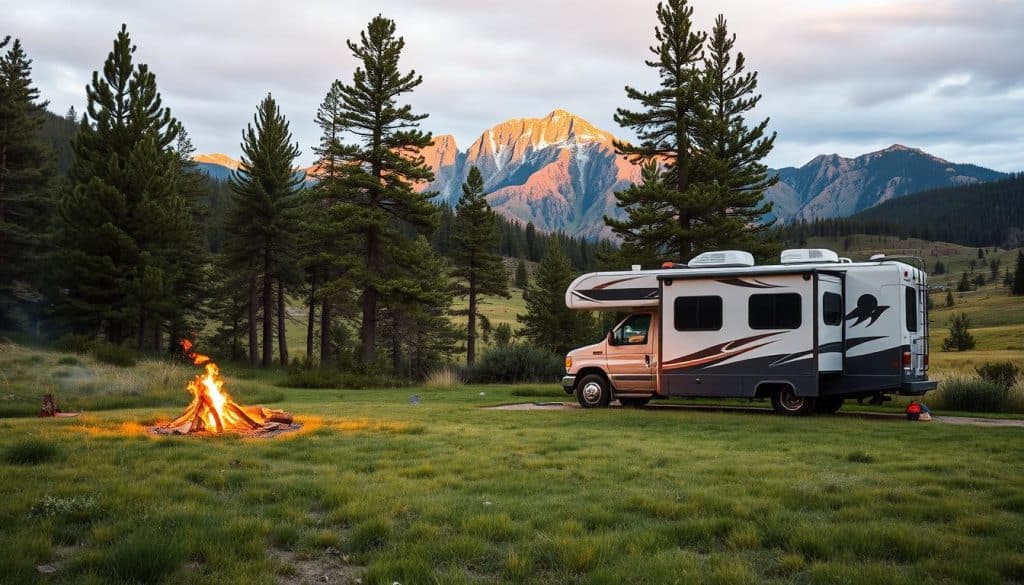
Penalties for Illegal Boondocking
The consequences of illegal boondocking can be severe. Here are some potential penalties:
- Fines can range from $50 to several hundred dollars.
- Repeat offenders may face increased penalties or even vehicle impoundment.
- Illegal boondocking can result in being banned from certain recreation areas.
- You might receive a warning or a citation, depending on the jurisdiction.
- In some cases, you may be required to appear in court.
- Law enforcement approaches vary from educational to punitive.
- Boondocking on private property without permission can lead to trespassing charges.
- Penalties may be more severe in environmentally sensitive areas or during high fire danger.
- Urban areas may have different penalties compared to rural areas.
The best way to avoid these penalties is to thoroughly research and follow all local regulations. By doing so, you’ll not only avoid legal issues but also contribute to the sustainability of boondocking as a recreational activity.
Where Boondocking Is Legal: Public Lands
When it comes to boondocking in the United States, understanding where you can legally camp on public lands is crucial. Public lands offer various opportunities for boondockers, but the rules can be complex.
Bureau of Land Management (BLM) Lands
The Bureau of Land Management manages over 245 million acres of public land, much of which is open to camping. BLM lands are generally more relaxed regarding camping regulations compared to other public lands. Typically, you can camp for up to 14 days within a 28-day period.
To find BLM camping areas, you can visit the BLM website or contact local BLM offices. Many BLM areas allow dispersed camping, which means you can camp outside of developed campsites.
National Forests and Grasslands
National Forests and Grasslands, managed by the US Forest Service, offer numerous boondocking opportunities. The US Forest Service allows dispersed camping in many areas, often along secondary roads.
When camping in National Forests, be sure to follow the guidelines set by the local forest service office, as rules can vary significantly from one forest to another.
Wildlife Management Areas
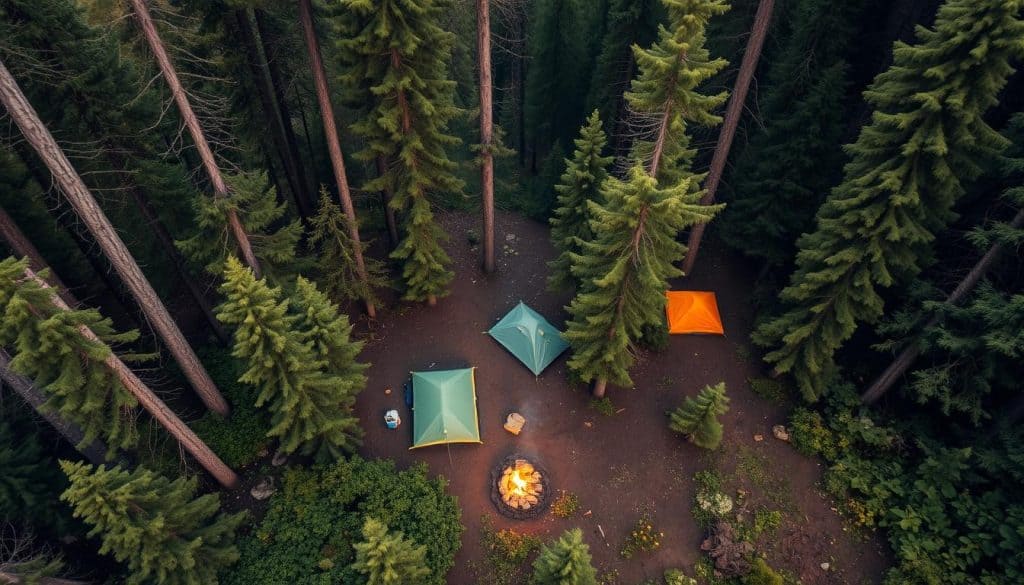
Wildlife Management Areas (WMAs) are lands primarily managed for wildlife habitat and hunting. Boondocking rules in WMAs vary significantly by state and specific area. Many WMAs only permit camping during specific hunting seasons.
- Some WMAs require special permits or have designated camping areas only.
- Research specific WMA camping regulations through state wildlife agencies.
- WMAs often have stricter environmental regulations due to their wildlife conservation mission.
- Minimize your impact in these sensitive wildlife habitats.
Different Types of Legal Boondocking
Boondocking encompasses a range of camping styles, from dispersed camping to dry camping at developed campgrounds. As you explore the various types, you’ll find that each offers a unique experience tailored to different preferences and needs.
Dispersed Camping
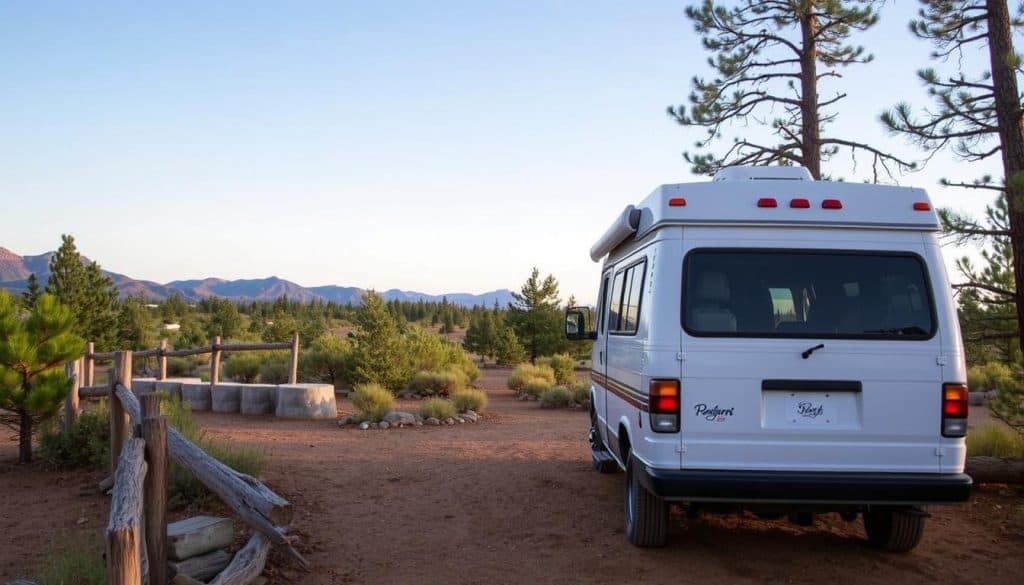
Dispersed camping refers to camping in undeveloped areas without designated campsites or amenities. It’s a more primitive form of camping that allows you to immerse yourself in nature. When dispersed camping, you’ll need to be self-sufficient, bringing your own water, food, and waste management. This type of camping is ideal for those seeking solitude and a true wilderness experience.
Key aspects of dispersed camping include:
- Camping in undeveloped areas without amenities
- Being self-sufficient with resources like water and food
- Immersing yourself in a wilderness environment
Designated Dispersed Camping Sites
Some areas offer designated dispersed camping sites, which provide a bit more structure than primitive dispersed camping. These sites might be located near a water source or offer basic amenities like vault toilets. They still require you to be relatively self-sufficient but offer a more defined camping experience.
Benefits of designated dispersed camping sites include:
- A more defined camping area
- Possible access to basic amenities
- A balance between structure and wilderness experience
Dry Camping at Developed Campgrounds
Dry camping at developed campgrounds means staying at a campground without using hookups. Many developed campgrounds offer non-hookup sites at lower costs, providing access to amenities like restrooms, water, and dump stations. This type of camping is a great introduction to boondocking, as it offers a balance between comfort and self-sufficiency.
Advantages of dry camping at developed campgrounds:
- Access to amenities like restrooms and water
- Lower costs compared to hookup sites
- A more secure environment than remote dispersed camping
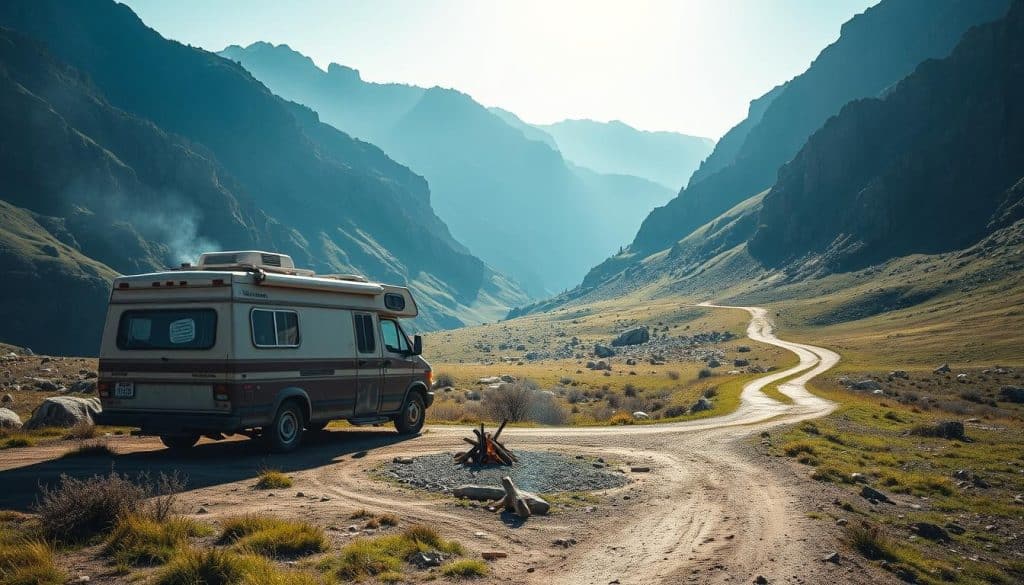
Rules and Regulations for Legal Boondocking
Boondocking offers a unique way to connect with nature, but it’s vital to follow the rules and regulations that keep these areas open to campers. As you venture into the great outdoors, understanding and adhering to these guidelines not only ensures a safe and enjoyable experience for you but also helps in preserving the environment for future generations.
Stay Limits
Most public lands have stay limits to ensure that everyone gets a chance to enjoy the beauty of nature. Typically, these limits range from 7 to 14 days within a certain time frame. It’s crucial to check the specific regulations for the area you’re planning to visit, as these limits can vary significantly.
For example, some Bureau of Land Management (BLM) areas may allow up to 14 days, while national forests might have shorter limits. Always check the local rules to avoid any issues.
Fire Restrictions
Fire safety is a top priority when camping. Many areas have fire restrictions in place, especially during dry seasons. It’s essential to check with local authorities or the land management agency for the most current information on fire restrictions before you start a campfire.
When fires are allowed, make sure to follow best practices: keep your fire contained, monitor wind conditions, and fully extinguish it before leaving it unattended. Remember, the goal is to Leave No Trace.
Waste Disposal Requirements
Proper waste disposal is critical when boondocking. This includes packing out all non-biodegradable waste and disposing of human waste appropriately. In many areas, you’ll need to dig a cathole for solid waste, ensuring it’s at least 200 feet away from water sources and trails.
Wildlife and Environmental Protection Rules
Protecting wildlife and their habitats is paramount. This means storing food and trash securely to avoid attracting animals, not feeding wildlife, and keeping a safe distance. Some areas may have specific restrictions on collecting natural items like firewood or plants.
By following these guidelines and practicing the Leave No Trace principles, you contribute to preserving the natural beauty and ensuring that these areas remain accessible for future campers.
Where Boondocking Is Not Legal
Not all areas in the United States permit boondocking, and it’s crucial to know where it’s prohibited. While the freedom of boondocking is appealing, there are specific locations where it’s strictly not allowed.
National Parks and State Parks
Boondocking is generally not permitted within National Parks and many State Parks. These areas often have designated campsites that require a fee, and the rules are strictly enforced to preserve the environment and ensure visitor safety.
Private Property Without Permission
Boondocking on private property without the owner’s permission is illegal and considered trespassing. Always ensure you have the right to park on private land, as the consequences of trespassing can be severe.
City and County Restrictions
Many municipalities have laws against overnight parking or camping in certain areas, particularly in parking lots or public spaces. These restrictions are often aimed at RVs and other camping vehicles, as they are seen as depriving local businesses of revenue. To avoid issues, it’s essential to research local ordinances before attempting to boondock in or near urban areas.
Some cities have designated safe parking programs for homeless individuals or travelers, while others may have specific areas where overnight camping is tolerated. However, enforcement varies widely, and it’s crucial to respect local rules to avoid conflicts with law enforcement.
When planning your road trip, understanding these restrictions can help you avoid legal issues and find suitable places to boondock. Always check the local rules and regulations regarding boondocking to ensure a smooth journey.
Urban Boondocking Options
Boondocking in urban areas requires a different strategy than its rural counterpart, with options like parking lot camping and moochdocking. Urban boondocking can be a cost-effective way to explore cities while enjoying the comforts of your RV.
Parking Lot Camping
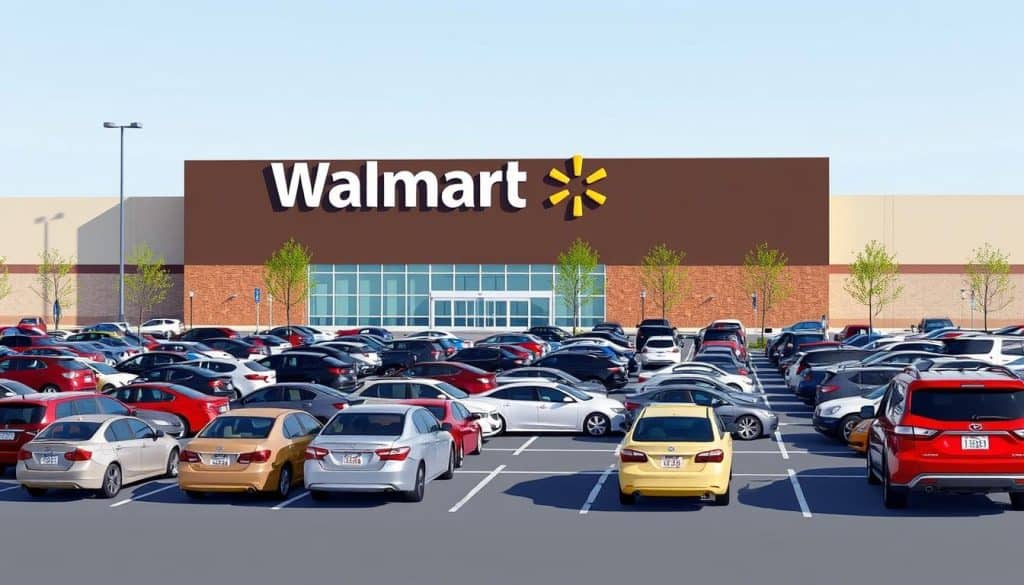
Parking lot camping, often associated with big retail stores like Walmart, is a popular urban boondocking option. Many retailers allow RVers to park overnight in their lots, providing a safe and convenient place to rest. To find out if a specific store allows overnight parking, it’s best to call ahead or check their website.
Moochdocking on Private Property
Moochdocking is the practice of staying on private property with the owner’s permission, often with friends or family. This arrangement provides RVers with access to amenities like water and electricity, making for a more comfortable stay. When moochdocking, it’s essential to be respectful of your hosts’ property and to offer help with chores or other tasks.
Moochdocking not only saves money on camping fees but also offers a chance to connect with locals and gain insider knowledge on the best places to visit. Programs like Boondockers Welcome facilitate moochdocking with strangers, expanding the possibilities for urban boondocking.
When moochdocking, consider the road conditions leading to the property and the available parking space to ensure a smooth arrival.
How to Find Legal Boondocking Sites
If you’re looking to save money on campgrounds by boondocking, you’re probably wondering where to find the best sites. The good news is that there are numerous resources available to help you discover legal boondocking sites across the United States.
Online Resources and Apps
One of the easiest ways to find boondocking sites is by using online resources and apps. There are several apps available that cater specifically to boondockers, providing information on free camping sites, dispersed camping areas, and more. Some popular options include apps that allow you to filter search results based on your vehicle type and preferences.
Maps and Guidebooks
Maps and guidebooks are another valuable resource for finding boondocking sites. The U.S. Forest Service provides detailed maps of national forests and grasslands, many of which offer dispersed camping opportunities. Guidebooks specific to boondocking can also offer insider tips on the best areas to explore.
Local Ranger Stations and Visitor Centers
For the most up-to-date information on boondocking opportunities, visiting local ranger stations and visitor centers is invaluable. Rangers know the area intimately and can provide insights into current conditions, closures, and any specific regulations you need to be aware of. They can also recommend boondocking sites based on your vehicle type and preferences, making your trip planning much easier.
Moreover, rangers can advise on seasonal considerations and wildlife activity, ensuring that you’re well-prepared for your boondocking adventure. Whether you’re looking for information on camping regulations or just need some local tips, rangers are a wealth of knowledge.
Essential Equipment for Legal Boondocking
When venturing into boondocking, it’s crucial to be prepared with the right equipment. Boondocking, or dry camping, requires more forethought than staying in a developed campground with access to hookups. You’ll need to know how much electricity and water you and your fellow campers use daily and how much waste you create.
Water and Power Management
Managing water and power is critical for a successful boondocking trip. Consider investing in an RV solar power system to generate electricity. These systems allow you to harness the sun’s energy, reducing your reliance on generators or external power sources.
For water management, it’s essential to monitor your usage closely. Install low-flow fixtures and be mindful of your daily consumption to make the most of your storage capacity.
Waste Management Solutions
Proper waste management is vital for both legal compliance and environmental protection. When boondocking in areas without facilities, consider using portable toilet options. For human waste disposal, methods include catholes and pack-out systems. It’s also crucial to manage your RV’s black tank effectively during extended boondocking stays.
For gray water, you’ll need to adopt management approaches that comply with regulations. This might involve using holding tanks and disposing of the water at designated dump stations. Don’t forget to minimize and manage trash during your trip by using biodegradable products and following the Leave No Trace principles.
To leave trace behind, it’s essential to handle food waste properly to avoid attracting wildlife. Locate dump stations and trash disposal facilities near your boondocking area to ensure you’re disposing of waste correctly.
Conclusion: Responsible Boondocking in the United States
As we wrap up our exploration of boondocking in the United States, it’s clear that this style of camping offers a unique blend of adventure and freedom. Boondocking can be a fun and exciting way toexperience the outdoorsand save money on camping fees. However, it’s crucial to find safe and legal campsites to avoid fines and penalties.
To enjoy boondocking, you must understand the rules and regulations surrounding it. The legal status of boondocking varies across different types of public lands, including Bureau of Land Management (BLM) lands, National Forests, and Wildlife Management Areas. By researching and following local regulations for each boondocking location, you can ensure a smooth trip.
PracticingLeave No Traceprinciples is also vital to preserve access to these beautiful areas for future generations. Proper preparation and equipment make for safer and more enjoyable boondocking experiences, regardless of theweather conditions. Whether you’re a seasoned RVer or just starting out, boondocking provides unique opportunities to experience natural areas away from crowds.
By being mindful of stay limits and other regulations, you can help ensure continued access to these amazing sites. So, pack up, head out, and enjoy the freedom of boondocking, knowing you’re part of a community that values the great outdoors andresponsible campingpractices.
FAQ
What is dispersed camping, and how does it relate to boondocking?
Dispersed camping refers to camping outside of developed campsites, often without amenities like hookups or flush toilets. It’s a type of boondocking that allows you to camp on public lands, such as national forests or Bureau of Land Management (BLM) areas.
Can I boondock on national park lands?
While some national parks allow dispersed camping or backcountry camping, others may have restrictions or require permits. It’s essential to check with the specific national park you plan to visit for their rules and regulations.
How do I find free camping sites on public lands?
You can use online resources like the BLM’s land and mineral records system or websites dedicated to free camping, such as FreeCampsites.net. You can also check with local ranger stations or visitor centers for information on dispersed camping areas.
What are the rules for campfires while boondocking?
Fire restrictions vary depending on the location, time of year, and weather conditions. Always check with local authorities or land management agencies for specific fire restrictions and follow any guidelines or regulations.
Can I boondock on private property?
Boondocking on private property is only allowed with the owner’s permission. You can try contacting local farmers, ranchers, or property owners to ask if they allow camping on their land.
How long can I stay at a boondocking site?
Stay limits vary depending on the location and land management agency. For example, BLM lands often have a 14-day stay limit, while national forests may have different rules. Always check with local authorities for specific stay limits.
What are some essential items to bring when boondocking?
You’ll want to bring a reliable water supply, a portable toilet or waste management system, and a power management system, such as solar panels or a generator. Don’t forget to pack essentials like food, clothing, and a first aid kit.
Can I use my RV or camper for boondocking?
Yes, many RVers and campers enjoy boondocking. Just make sure your vehicle is equipped for dry camping, with adequate water and power storage, and that you’re prepared for the challenges of boondocking.