
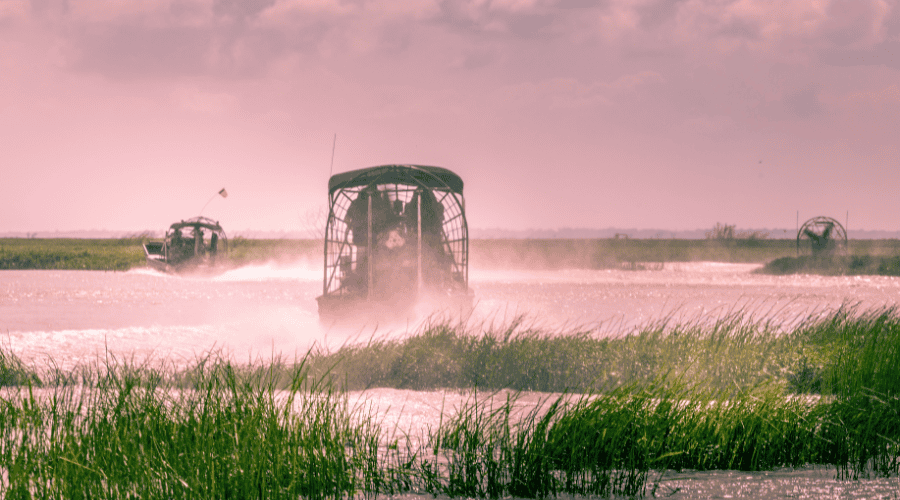
Florida is known for its warm weather and different ecosystems, boasting 3 national parks . These parks range from dense swamps to colorful coral reefs and old Spanish forts. They offer adventures and relaxation for various interests.
Everglades National Park
The Everglades is the biggest subtropical wilderness in the U.S., covering 1.5 million acres7. It’s full of marshes and mangroves, perfect for bird watching, kayaking, and seeing unique plants and animals. It’s a key spot on any Florida national parks map.
Dry Tortugas National Park
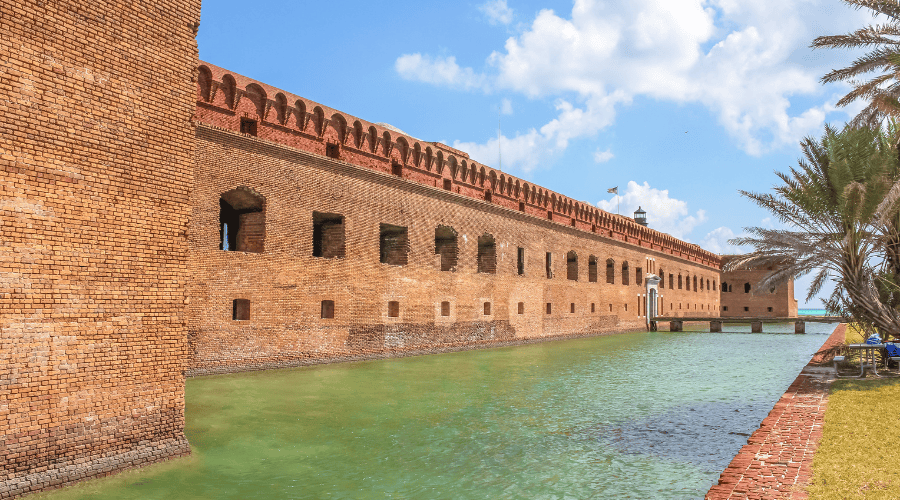
Dry Tortugas has over 100 square miles of clear blue waters and sandy islands, with the must-see Fort Jefferson8. It’s 70 miles from Key West and mostly water, making it great for snorkeling and diving7. Its remoteness offers a distinct Florida outdoor experience.
Biscayne National Park
Near Miami sits Biscayne National Park, rich in marine life and 95% water7. It’s the biggest “water park” in the National Park Service. Visitors enjoy the coral reefs, mangroves, and blue waters through boating, diving, and kayaking8. It’s highlighted on maps as a key marine adventure site.
Each park is a haven for various habitats, historical sites, and fun activities. They are essential for anyone who loves nature.
Key Takeaways
- Florida hosts three National Parks: Everglades, Dry Tortugas, and Biscayne2.
- Entrance fees for Florida national parks are $20 or less per vehicle1.
- America the Beautiful Pass offers access to various federal recreational sites for $791.
- Everglades National Park is renowned for diverse wildlife, particularly during the dry season2.
- Biscayne National Park is perfect for exploring both land and underwater vistas, especially in winter2.
- Dry Tortugas can only be reached by boat or seaplane and has limited amenities3.
- Timucuan Ecological & Historic Preserve provides camping options managed by local agencies1.
Overview of Florida’s National Parks
Florida is home to 11 parks, all looked after by the National Park Service4. The national parks are Biscayne, Dry Tortugas, and Everglades National Parks4. These places highlight Florida’s amazing natural diversity and help protect unique ecosystems.
Biscayne National Park, close to Miami, is mostly underwater, making it perfect for snorkeling and scuba diving4. Big Cypress National Preserve covers over 729,000 acres of swamps in Ochopee, providing a home for the American alligator45.

Everglades National Park is the biggest subtropical wilderness in America. It stretches over Miami, Naples, and Homestead. The Everglades offer a large wetlands area that serves as home to many creatures5. Together, these parks form a network of nature reserves across Florida, offering a variety of outdoor activities.
History enthusiasts can visit Castillo de San Marcos National Monument for $15 per person, which is good for seven days6. It offers a look into ancient fortifications. Jacksonville’s Timucuan Ecological & Historic Preserve and Fort Caroline National Memorial provide free admission and access to 6,000 years of human history and key battles65. These sites combine Florida’s natural beauty with rich cultural history.
The Canaveral National Seashore, located in Titusville, boasts untouched seashores and activities like fishing and surfing5. You can enter for $20 per vehicle, which lasts for seven days. This makes it a great spot to experience Florida’s natural allure4.
Visiting Florida’s national parks offers enriching experiences and helps in conserving these special places. Whether you’re into exploring wild areas or enjoying water sports, these parks have something for everyone to enjoy and protect.
Other National Parks and Monuments
Florida has more to explore beyond these parks. Canaveral National Seashore offers 24 miles of natural coastline8. Big Cypress National Preserve has over 700,000 acres for exploring and stargazing9. Historic sites like Castillo de San Marcos and Fort Matanzas add to Florida’s rich past9. Florida’s variety of parks and monuments caters to both adventurers and history buffs.
Exploring Everglades National Park
Everglades National Park is a UNESCO World Heritage site that spans over 1.5 million acres in South Florida10. It includes land and water areas, offering a home to many animals. Here, you can see alligators, turtles, fish, and birds in their own world, showing off Florida’s beauty11. This park also stretches into Monroe, Miami-Dade, and Collier counties12.
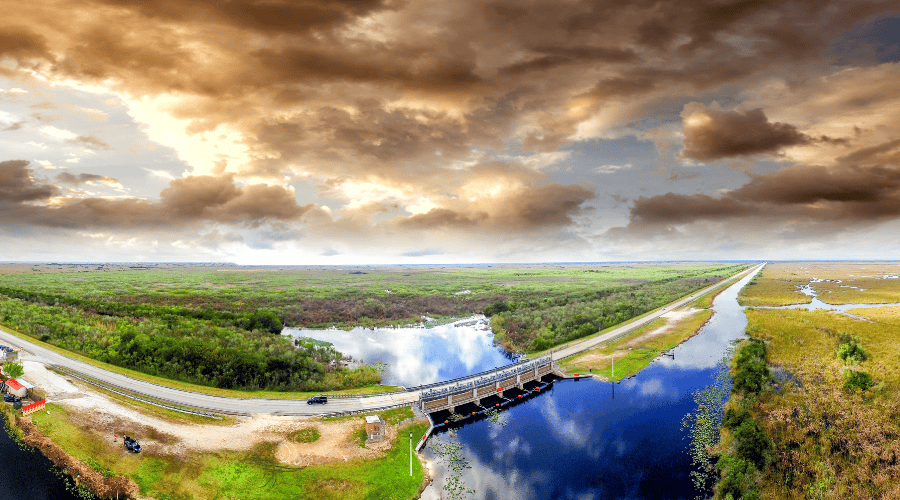
Everglades National Park has places like Shark Valley, Royal Palm, and Flamingo for visitors to see. Shark Valley has a 15-mile loop road great for watching wildlife11. From an observation tower in Shark Valley, you get a full view of the Everglades from 65 feet up, offering amazing scenes11.
At Royal Palm and Flamingo, visitors find animals, places to camp, and spots for picnics. Flamingo, 38 miles from the entrance, leads to Florida Bay. It has campgrounds, a marina, places to launch boats, and trails for hiking and canoeing11. The area’s weather is hot and wet in summer, mild in winter, and has afternoon thunderstorms, perfect for exploring all year12.
The park has visitor centers at Shark Valley, Gulf Coast, and Homestead with nature talks and hikes. Naturalists lead canoe trips and tram tours, teaching about Florida’s nature and the park’s ecosystem11. Biking, birding, and kayaking are fun ways for visitors to enjoy Everglades National Park.
Hell’s Bay, at the park’s southern tip, is great for chickee camping. The Shark Valley Visitor Center, between Miami and Naples, offers unique explorations10. Here, you learn the importance of the park in protecting Florida’s nature.
Discovering Dry Tortugas National Park
Dry Tortugas National Park is an amazing place, only reachable by sea or air13. It spans over 64,701 acres and lies around 68 miles west of Key West, Florida, in the Gulf of Mexico14.
Accessing the Park
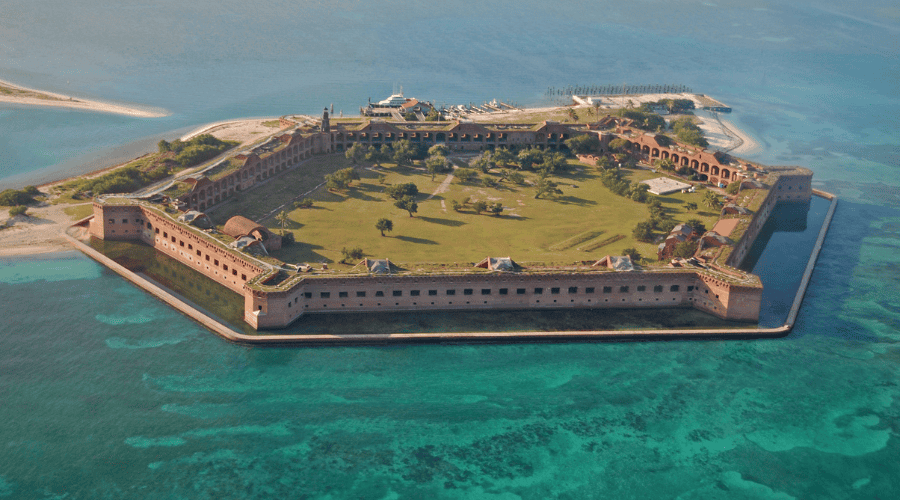
To get there, you can take a two-hour ferry or a seaplane from Key West13. This journey opens the door to a stunning and secluded Florida wilderness. One key highlight is Fort Jefferson, the biggest stone fort in the Western Hemisphere, started in 184615.
Things to Do in Dry Tortugas
There’s a lot to do in the park. You can snorkel in clear waters by the coral reefs, the world’s third-largest15. Fans of boating and fishing will love it here too. Bird watchers can see up to 80,000 nesting sooty terns on Bush Key15. Also, the park helps protect four endangered turtle species, which are now increasing in numbers15.
Camping in Dry Tortugas
Camping here offers a rare chance to enjoy this area’s secluded beauty. Garden Key, a 42-acre island, provides camping spots14. With a total land area of 144 acres, campers have plenty of room to roam14.
Adventures in Biscayne National Park
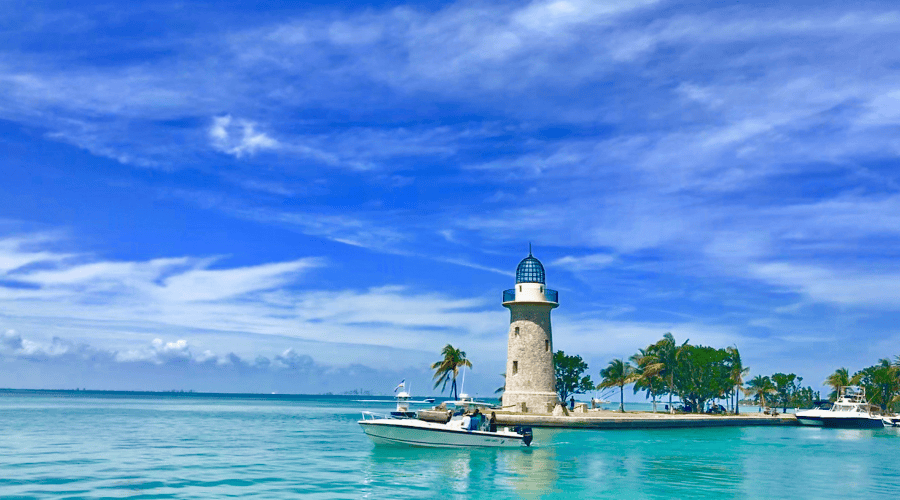
Biscayne National Park is just 20 miles south of Miami16. It gives you a unique look at life under the water, unlike any other US national parks16. Over 95% of the park is underwater, making snorkeling and scuba diving top activities1617. You can see colorful coral reefs and ancient shipwrecks1617. It’s also home to the northernmost coral reefs in the United States, drawing marine life fans16.
Underwater Treasures of Biscayne
The park is part of the world’s third-largest barrier reef, with more than 50 shipwreck sites18. You can see six shipwrecks up close by snorkeling or scuba diving on the Maritime Heritage Trail17. These sites give you a glimpse into the park’s vast maritime history.
Marine life here includes sea turtles, dolphins, and manatees16. Snorkeling and diving in these waters offer an experience you’ll never forget. The Biscayne National Park Institute has all the info you need for your underwater adventure, including tours and rental equipment.
Popular Activities in Biscayne
Besides diving, Biscayne National Park has loads to do on the water like paddling and sailing1718. Visitors also love seeing wildlife while boating or kayaking to places like Stiltsville, known for its historic stilt houses18.
People enjoy how easy it is to rent gear and marvel at the diverse wildlife, from manatees to sharks, jellyfish, and more16. To find out the best activities, you can read more about what to do in Biscayne National here.
The visitor center on land talks about the park’s 10,000 years of human history17. It shows how the area went from a pirates’ hangout to a national park in 1980.
Check out the park’s website for tips and plans for your visit. Don’t miss the serene picnic areas by the water for relaxing views of Biscayne Bay.
Lastly, try a half-day paddleboard tour to really see the park’s unique ecosystems16. For a full day of adventure, look at the 1-day itinerary in Biscayne National Park. It’s a great way to enjoy everything the park offers.
Historical Sites and Monuments in Florida’s National Parks
Florida’s national parks hold many historic places, important in American history. At Castillo de San Marcos National Monument in St. Augustine, you see the oldest stone fort in the U.S., finished by the Spanish in 1565. This fort has played a big part in many historical battles19.
The National Historic Landmarks in Florida showcase different kinds of sites including military and archaeological spots. Fort Matanzas is known for its Spanish colonial fortifications. Here, visitors can learn about Florida’s colonial history through living history demos and tours20.
De Soto National Memorial is also key, marking where Hernando de Soto landed in 1539. It tells a deep story of early European exploration in America. Likewise, Fort Caroline National Memorial shows the French attempt to settle in Florida, offering reenactments and learning programs19.
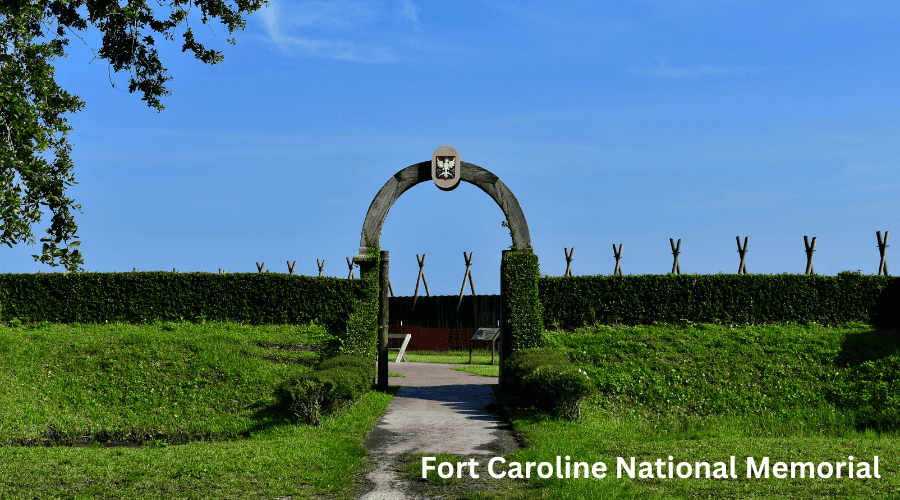
In the state parks, managed by the Florida Department of Environmental Protection, six of the 47 National Historic Landmarks are found. These include places known for specific architectural styles and their military importance20. Florida’s National Register of Historic Places lists about 1,600 properties and districts. Only about 2.6% are National Historic Landmarks (NHLs) which get help from tax breaks and grants20.
Florida’s historical sites offer endless opportunities to learn and explore. Visiting landmarks like Castillo de San Marcos or De Soto National Memorial teaches us about American history. It also keeps these places safe for future generations to learn from.
For more on these historic monuments, check out the list of national parks in Florida and Florida’s best national parks and monuments..
Outdoor Recreation Opportunities in Florida’s National Parks
Florida is a goldmine for those who love the outdoors, with its national parks providing many activities. Locals and visitors alike can enjoy hiking, bird-watching, canoeing, and fishing. These activities show why outdoor fun in Florida is unmatched.
The *Canaveral National Seashore* has peaceful beaches and chances to see wildlife in Titusville and New Smyrna Beach21. The *Gulf Islands National Seashore* is known for its white sandy beaches and historical forts across Florida’s panhandle21. These places attract eco-tourists all year, offering adventures that teach as well.
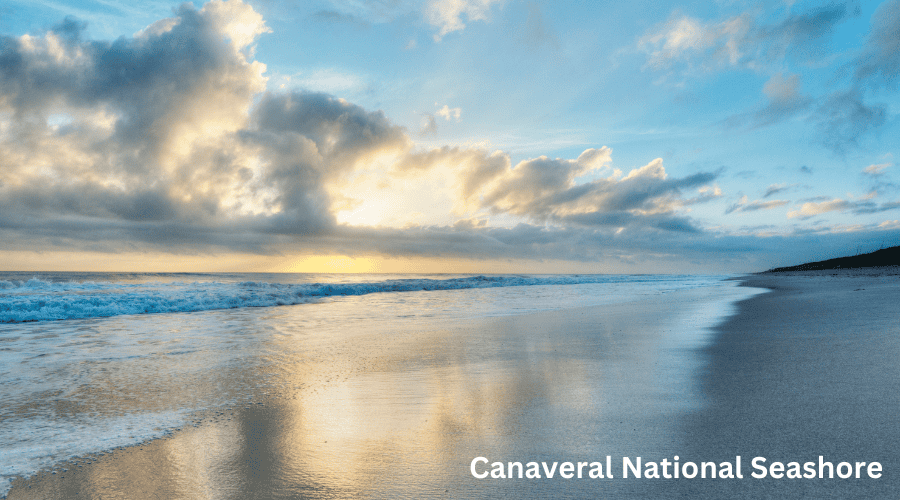
*Timucuan Ecological and Historic Preserve* mixes nature with history, offering unspoiled marshes, dunes, and old plantations21. This place combines natural beauty with cultural history, perfect for outdoor activities in Florida.
Florida’s national parks are also economically important. The outdoor industry, covering 35 activities, brings in $145 billion. It supports 1.2 million jobs and generates $10 billion in taxes22. Spending by visitors and locals contributes $90 billion to this22. Investing in parks and facilities is essential.
Moreover, Florida’s parks create $60 billion in spending, key to the state’s economy22. The *Florida Outdoor Recreation Inventory* keeps detailed records, ensuring top-notch management and development22. These records are updated every five years for planning purposes22.
Florida’s parks cover over 2,475,000 square acres, ready for exploration23. *Everglades National Park* alone is 1.5 million acres and a UNESCO site21. Ranger-led kayaking trips offer free, unique experiences23.
The parks have amazing engagement initiatives. From searching for new fungi to watching stars, there’s always something new23. Whether it’s exploring Biscayne’s underwater trail or Big Cypress’s ecosystems, Florida ensures an unforgettable outdoor adventure.
Florida National Parks Map and Road Trip Itinerary
Are you planning a road trip through Florida’s national parks? You’ll find a mix of landscapes and adventures. Florida is home to three main national parks: Everglades, Dry Tortugas, and Biscayne24. A detailed Florida National Parks map will help you navigate these natural wonders.
Starting in a major city like Orlando is a great idea. You can see places like Cape Canaveral National Seashore and then head to Everglades National Park. The Everglades span 1.5 million acres and have four visitor centers. Here, you can spot wildlife such as alligators and various birds24.
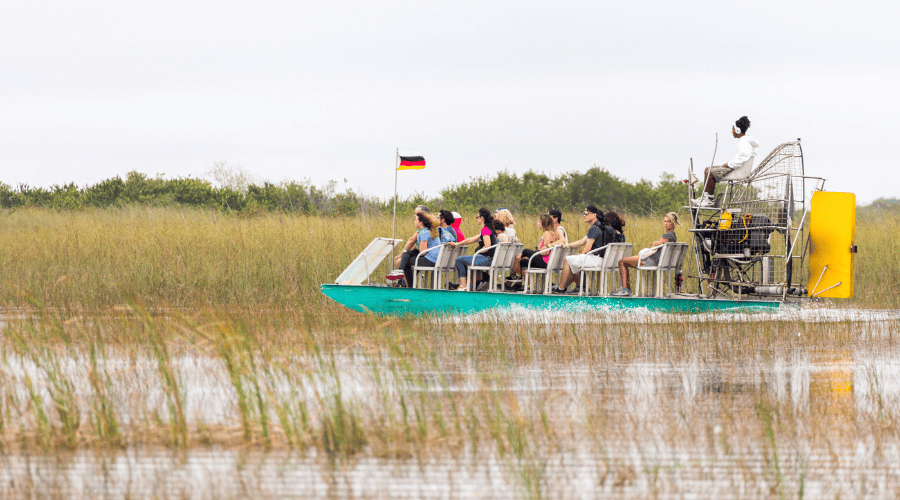
The best time to visit Southern Florida’s parks is from mid-December to mid-April24.
Next, consider visiting Dry Tortugas National Park. It’s a remote park known for camping and historic sites. You’ll need a boat or seaplane to get there. This park is an important part of Florida’s nature reserves, showcasing beautiful marine life and coral reefs.
Biscayne National Park is your final stop. It’s perfect for those who love underwater activities like snorkeling and diving. Including Everglades, Dry Tortugas, and Biscayne in your itinerary offers a chance to experience each park’s unique beauty, ecosystems, and activities25.
| National Park | Main Attractions | Best Time to Visit |
|---|---|---|
| Everglades National Park | Wildlife, Airboat Tours, Camping | Mid-December to Mid-April24 |
| Dry Tortugas National Park | Snorkeling, Historic Forts, Camping | Mid-December to Mid-April24 |
| Biscayne National Park | Diving, Snorkeling, Boating | Mid-December to Mid-April24 |
For an even greater adventure, think about going beyond Florida. The trip from Florida to Virginia is 789 miles long. It lets you visit Shenandoah National Park, which welcomed nearly 1.6 million visitors in 202126. Going further, you reach New River Gorge National Park in West Virginia. This park covers 70,000 acres of rugged land26. Each park offers a look into America’s natural beauty and historic sites.
Preserving Florida’s Natural Wonders and Wildlife
Florida’s national parks house unique ecosystems and diverse wildlife. The Everglades National Park covers over 1.5 million acres of wetlands. It is the largest subtropical wilderness in the U.S. and home to more than 350 bird species27. This park is also a safe haven for the American alligator and Florida Panther, thanks to various conservation efforts.
Dry Tortugas National Park offers a unique escape, located at the far end of the Florida Keys. It’s closer to Cuba than to the American mainland, only reachable by boat or seaplane2827. There, protecting the untouched nature involves controlling human activities and fixing natural habitats.
Florida’s efforts to preserve natural wonders get support from programs like Preservation 2000 and Florida Forever. These programs have acquired over 2.5 million acres for conservation29. By taking stronger conservation steps and planning carefully, we can save another 5.8 million acres from being developed. This is crucial for the state’s landscapes and wildlife29. Also, land referenda in counties such as Alachua and Brevard show strong public backing for these conservation aims29.
FAQ
How many national parks are there in Florida?
Florida has 11 national parks, each with unique natural and historical offerings.
What are some of the national parks in Florida?
Florida’s national parks include Everglades, Dry Tortugas, Biscayne, and Castillo de San Marcos.
What activities can I do in Everglades National Park?
Everglades National Park lets you bike, bird-watch, kayak, and see animals like the Florida Panther. Places to explore include Shark Valley, Royal Palm, and Flamingo.
How can I access Dry Tortugas National Park?
You can get to Dry Tortugas National Park by sea or air. Take a ferry, seaplane, or bring a private boat.
What are the popular activities in Biscayne National Park?
Biscayne National Park offers snorkeling, diving, boating, and kayaking. Visit Stiltsville or the visitor center to learn more.
Are there any historical sites in Florida’s national parks?
Yes, you’ll find important historical sites like Castillo de San Marcos, the oldest US masonry fort, and De Soto National Memorial. Other places include Fort Matanzas and Fort Caroline National Memorial.
What outdoor recreation opportunities are available in Florida’s national parks?
The parks offer hiking, birding, canoeing, fishing, and beachcombing. Visit Canaveral National Seashore and Gulf Islands National Seashore for these activities.
How can I plan a road trip to visit all of Florida’s national parks?
Plan a road trip covering over 1,200 miles to see all Florida’s national parks. It can start from cities like Orlando and visit the Everglades and Dry Tortugas. Use available maps and itineraries for guidance.
What efforts are being made to preserve Florida’s national parks?
Preservation in Florida’s parks aims to protect ecosystems and wildlife. Efforts include saving endangered species and restoring habitats. These help control human impacts for conservation.
Source Links
- https://nationalparksnearme.com/florida-national-parks/ – 11 EPIC Florida National Parks Worth Visiting (Helpful Guide)
- https://www.dirtyshoesandepicviews.com/blog/florida-national-parks-one-week-itinerary – The Ultimate Florida National Parks One Week Itinerary — Dirty Shoes & Epic Views
- https://www.parkrangerjohn.com/florida-national-parks/ – Florida National Parks
- https://parksexpert.com/florida-national-parks/ – How Many National Parks in Florida?: 11 Fabulous Florida National Parks
- https://www.drytortugas.com/florida-national-parks-list/ – Florida National Parks List
- https://www.floridarambler.com/florida-parks-forests-wildlife-refuges/national-parks-in-florida/ – National parks in Florida: 11 treasures, even some you haven’t visited
- https://www.cntraveler.com/gallery/national-parks-florida – 11 State and National Parks in Florida Everyone Should Visit
- https://www.southernliving.com/florida-national-parks-7108005 – 11 Florida National Parks You Should Plan To Visit And Explore
- https://www.thewildlifediaries.com/6-national-parks-in-florida-you-have-to-visit/ – 6 Amazing National Parks in Florida You Have to Visit
- https://www.visitflorida.com/things-to-do/outdoors-and-adventure/parks/everglades-national-park/ – How to Explore the Florida Everglades National Park
- https://www.nps.gov/ever/planyourvisit/placestogo.htm – Places to Go – Everglades National Park (U.S. National Park Service)
- https://www.national-park.com/list-of-national-parks-in-florida/ – List of National Parks in Florida
- https://klaratheexplorer.com/2018/04/08/florida-beyond-the-beach-dry-tortugas-biscayne-and-everglades-national-park/ – Florida’s National Parks: Dry Tortugas, Biscayne & Everglades
- https://en.wikipedia.org/wiki/Dry_Tortugas_National_Park – Dry Tortugas National Park
- https://www.nationalgeographic.com/travel/national-parks/article/everything-you-need-to-know-about-dry-tortugas-national-park – Discover the curious history of Dry Tortugas National Park
- https://www.biscaynenationalparkinstitute.org/ – Biscayne National Park Institute | Biscayne National Park, FL
- https://www.earthtrekkers.com/best-things-to-do-in-biscayne-national-park/ – 10 Best Things to Do in Biscayne National Park
- https://www.parksandpeaks.com/national-parks/1-day-in-biscayne-national-park – 1 Day in Biscayne National Park – Parks & Peaks with Peter
- https://www.afar.com/magazine/floridas-best-national-parks-and-monuments – Florida’s Best National Parks and Monuments
- https://en.wikipedia.org/wiki/List_of_National_Historic_Landmarks_in_Florida – List of National Historic Landmarks in Florida
- https://www.seamagazine.com/national-parks-in-florida-a-comprehensive-guide-for-outdoor-enthusiasts – National Parks in Florida: A Comprehensive Guide for Outdoor Enthusiasts
- https://floridadep.gov/parks/florida-scorp-outdoor-recreation-florida – SCORP: Outdoor Recreation in Florida
- https://floridanationalparks.org/exploration/ – Pillar – Exploration – The Alliance for Florida’s National Parks
- https://bearfoottheory.com/florida-national-parks-itinerary/ – Ultimate 7-Day Florida National Parks Itinerary
- https://matadornetwork.com/read/mapped-optimal-road-trip-see-us-national-parks/ – The Optimal Itinerary for a US National Park Road Trip, Mapped
- https://www.outsideonline.com/adventure-travel/national-parks/east-coast-national-parks-road-trip/ – The Ultimate East Coast National Parks Road Trip
- https://us.easirent.com/floridas-natural-wonders-explore-the-states-national-parks-and-preserves/ – Florida’s Natural Wonders: Explore the State’s National Parks and Preserves
- https://ocean.floridamarine.org/boating_guides/florida_keys/pages/national_parks.html – Managed Areas – National Parks
- https://1000fof.org/priorities/land/ – Conserving Land