
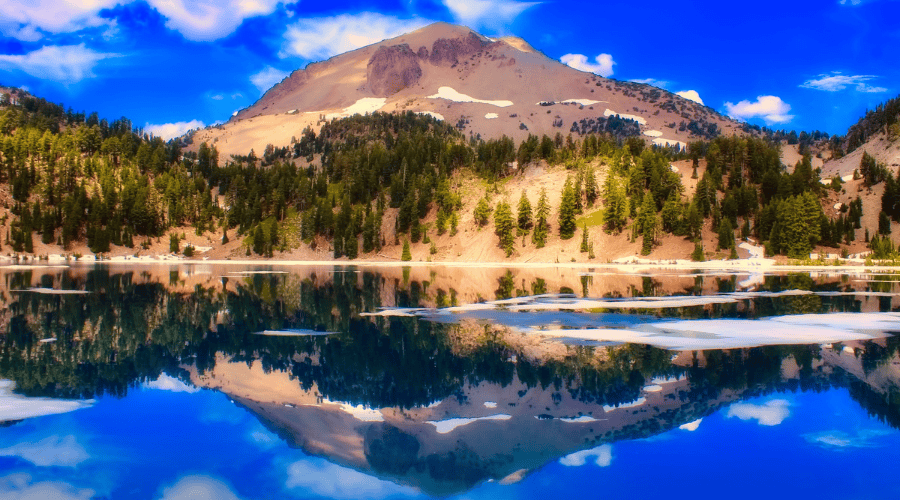
California is known for its beautiful and diverse landscapes. It is a favorite spot for those who love the outdoors. The state is proud to have nine national parks, more than any other state in the U.S. These parks vary from untouched islands to vast deserts. The nine national parks parks are Death Valley, Yosemite, Sequoia, Channel Islands, Joshua Tree, Kings Canyon, Lassen Volcanic, Redwood and Pinnacles.
By using the California National Parks Map, explorers can find the best parks for their adventures. These parks are taken care of by the National Park Service. They are important for protecting nature and our history. They make up a vital list of California’s national parks.
California Highlights
- California has nine national parks.
- The parks cover over 6,310,000 acres combined.
- Death Valley National Park is the largest in the Lower 48 states.
- The California National Parks Map is a great planning tool.
- National Parks in California offer diverse landscapes and seasons.
Overview of National Parks in California
California, also called the Golden State, is famous for its beautiful natural scenery. It has many national parks, more than any other state. These parks cover different areas like islands, deserts, and mountains. Each park is special in its own way.
Total Number of National Parks
There are nine national parks in California, which is the highest number in the U.S4. Some of these parks are Yosemite, Sequoia, and Death Valley, among others. Each park has something different to offer. For instance, Death Valley is the lowest and hottest place in North America, with temperatures hitting over 120°F in summer5.
Geographical Spread
These parks stretch from the south near Mexico all the way to the north at Oregon. Channel Islands National Park is off the coast and has unique plants and animals5. Redwood National Park, towards the north, has huge trees and beautiful beaches, covering over 139,000 acres, including state parks5. About 3.3 million people visit Yosemite each year for its famous cliffs and waterfalls4.
To sum up, California’s national parks offer a wide variety of landscapes. Visitors can see volcanic craters in Lassen Volcanic National Park or the huge sequoias in Sequoia & Kings Canyon National Parks5. These parks make California a perfect place for adventure lovers.
Channel Islands National Park
Off the coast of Southern California lies Channel Islands National Park. It includes five of the eight California Channel Islands: Anacapa, Santa Cruz, Santa Rosa, San Miguel, and Santa Barbara6. The park was created on March 5, 1980. It covers over 249,500 acres, protecting a mix of life, culture, and history67. This park reveals the unique nature of Southern California.
Location and Features
Within this park, there are more than 2,000 species of plants and animals. Of these, 145 are not found anywhere else6. The park’s 249,561 acres, half of which are underwater, are famous for vibrant marine life and kelp forests8. On Santa Cruz Island, you can find trails and sea caves perfect for hiking and kayaking87.
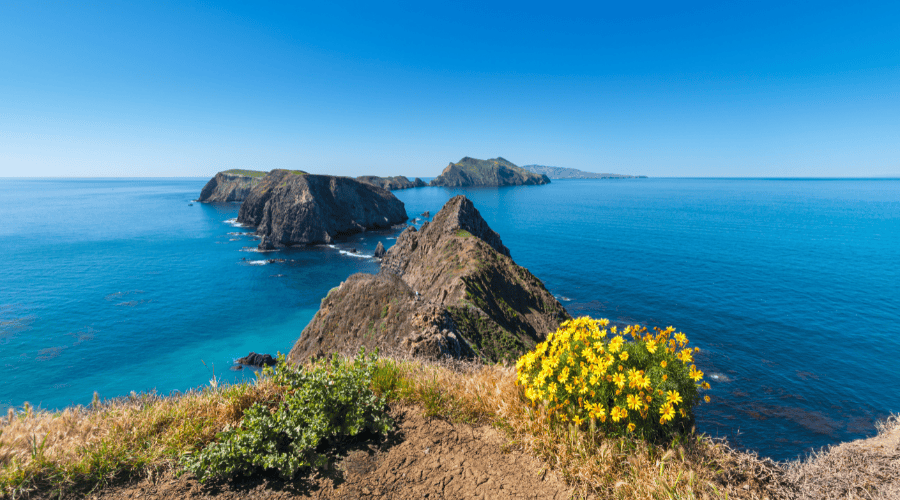
Visitors can see 27 types of whales in the Santa Barbara Channel, including humpbacks and orcas7. Anacapa Island offers great bird watching and photo scenes7.
Climate and Best Time to Visit
Anacapa Island’s weather is mostly warm in summer, as per the Köppen system8. The best visiting times are spring and fall, with gentler weather. When visiting, wear layers for the changeable weather and sturdy shoes for walking.
Death Valley National Park
Death Valley National Park lies in southeastern California and southwestern Nevada. It’s known for its extreme conditions and stunning sights. Spanning 3,422,024 acres, it’s the largest national park in the lower 48 states, with over 93% protected as wilderness9. It’s a place of diversity, home to salt flats, mountain peaks, and more.
Landscape and Climate
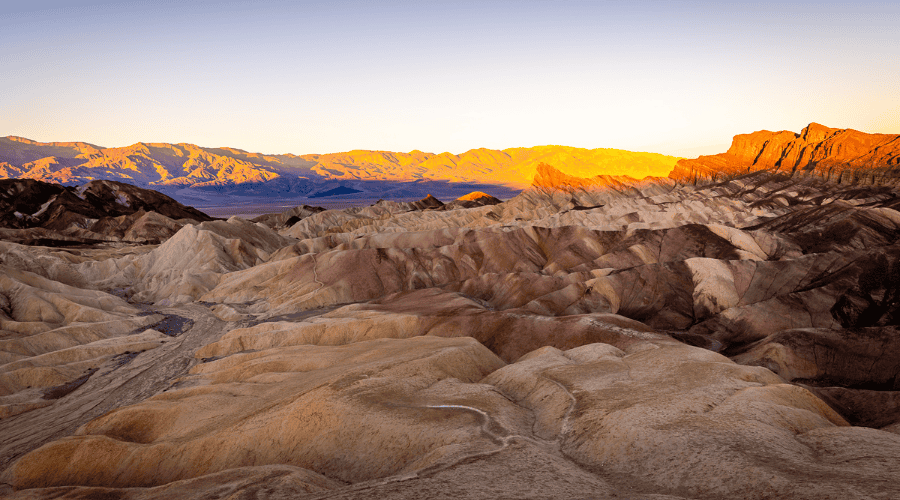
Badwater Basin, the lowest point in North America, is a highlight at 282 feet below sea level10. The park also features sand dunes, canyons, and mountains like the Panamint Range. Telescope Peak, in this range, reaches 11,049 feet9.
Death Valley holds the record for the highest temperature on Earth at 134 °F9. It only gets about 1.5 inches of rain annually, with some areas remaining dry for years9. The varied altitudes mean different climates from hot valleys to cooler mountains.
Visitor Information
Over 1.1 million people visited Death Valley in 20229. When visiting, especially in summer, wearing sun protection and drinking plenty of water are key. The cooler seasons of winter and spring offer more comfortable times for exploration.
As a certified dark sky park, Death Valley offers incredible stargazing, free from light pollution9. Despite extreme lows and highs, its beauty and diversity are compelling reasons to visit.
Thinking of visiting? Here’s how far it is from other national parks:
| National Park | Distance from Death Valley |
|---|---|
| Joshua Tree National Park | Four hours southeast |
| Sequoia National Park | Six hours west |
| Yosemite National Park | Approximately nine hours northwest |
Joshua Tree National Park
Joshua Tree National Park lies where the Mojave and Colorado deserts meet. It has amazing views and many interesting plants and animals. The park is famous for its Joshua Trees and starry skies. It covers a large area with different kinds of desert life.
Unique Flora and Fauna
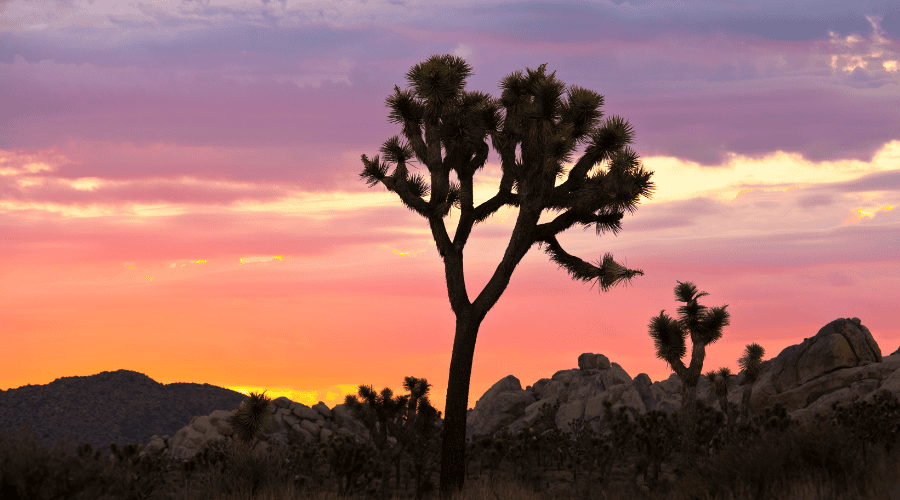
You’ll find special plants like creosote bushes and juniper/pinyon pines in the park11. These plants have adapted to live in the dry desert. The park also protects the desert tortoise, which is at risk of becoming endangered12. To keep the area safe, campfires are only allowed in certain spots12.
The Joshua Tree is famous for its distinctive look. The park also has lizards, birds, and small mammals. They all manage to survive in the tough desert conditions of California.
Seasonal Variations
The park’s weather changes a lot during the year. The best times to visit are spring and fall12. Spring invites more visitors, so it can get pretty busy12.
First known as a national monument in 1936, it became a national park in 1994. Joshua Tree National Park spans 795,156 acres11. Its beautiful landscapes, unique plants and animals, and changing seasons make it a great place to visit.
Kings Canyon National Park
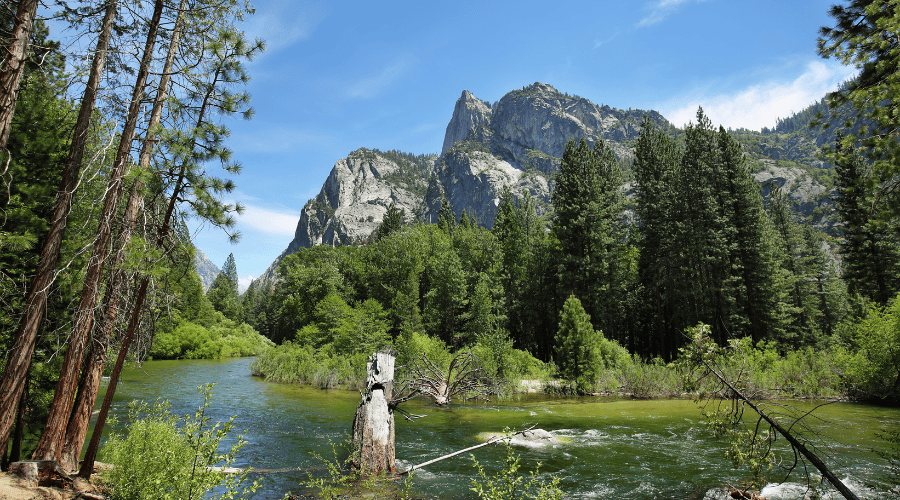
In the Sierra Nevada mountains, you’ll find Kings Canyon National Park, a place full of natural beauty and history. It’s known for its high cliffs, deep canyons, and green scenery. The park was created on March 4, 1940. However, its history goes back further because of its ancient giant sequoias and natural wonders.
History and Significance
On March 4, 1940, Kings Canyon became a national park, building on General Grant National Park from 189013. It spans 461,901 acres, with a lot of it being pristine wilderness13. This history highlights the park’s dedication to protecting its landscapes and giant trees for the future.
The park is home to the world’s largest tree by volume, the General Sherman Tree14. This giant sequoia is a symbol of nature’s beauty and attracts people worldwide. Most of Kings Canyon is untouched wilderness, preserved for everyone to enjoy13.
Recreational Opportunities
The park has four lodges for visitors who want to explore the area14. You can do lots of outdoor activities like fly-fishing, horseback riding among the giant trees, exploring Crystal Cave, and climbing Moro Rock15. In the summer, you can stay at campgrounds by reservation to fully enjoy the park’s beauty14.
There are also many hiking trails for different levels of hikers. You can see quiet meadows and deep canyons. The highest point is 13,100 feet, perfect for breathtaking views15. A $35 car pass or $20 pass for walkers or bikers lets you enter Sequoia and Kings Canyon National Parks and start your adventure15.
Lassen Volcanic National Park
Lassen Volcanic National Park was created on August 9, 1916. It covers 106,452 acres in northeastern California16. This park showcases California’s volcanic scenery. You can explore it best in summer. That’s when the snow has melted in some parts.
The park’s wonders include steam vents and warm springs. These sights attract many visitors every year. In 2018, almost half a million people visited16. The park is also known for its over 200 lakes, allowing for swimming in most17. You can also find boating opportunities, with rentals available at Manzanita Lake17.
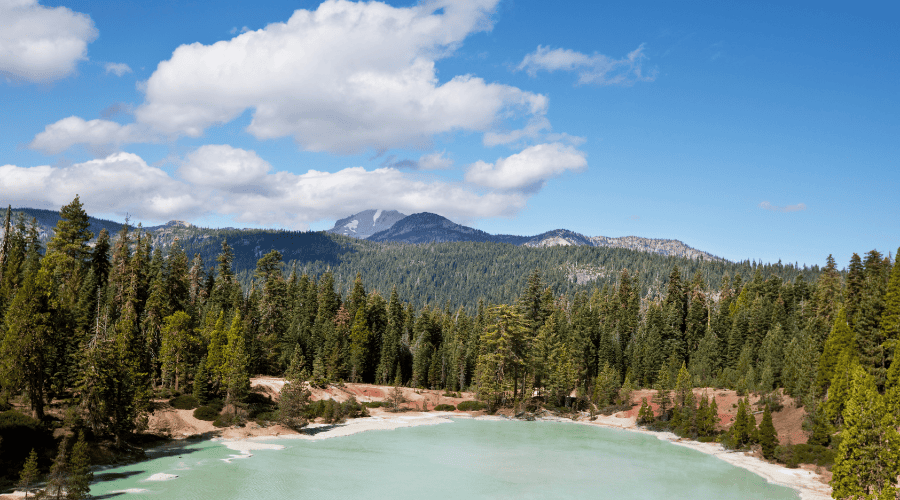
Lassen Volcanic National Park is home to a vast range of plants and animals17. There are over 700 types of flowers, 300 vertebrates, and 350 invertebrates here17. The park offers educational activities, including ranger talks and a Junior Ranger Program.
This park is important in the network of national parks in Northern California and Southern Oregon. It’s part of seven park sites18. Close to other spots, it’s a great stop on a larger trip. Lava Beds National Monument and Crater Lake National Park are nearby18.
In winter, the park offers snowshoeing, skiing, and camping17. Note that the visitor center might close during the week. Still, you’ll find water and warm restrooms available17. You might also see snow algae, which turns the snow a reddish color.
Exploring the volcanic landscape, enjoying hot springs, or observing diverse wildlife, this park is engaging. For even more attractions, visit nearby attractions.
Sequoia National Park
Sequoia National Park was established on September 25, 1890. It covers 404,064 acres (1,635.19 km2). More than one million people visited it in 202219. It’s a top spot for nature lovers, known for its huge sequoia trees. The General Sherman Tree, the largest tree by volume, is here. It stands at 274.9 feet tall and is over 2,000 years old20. Around the bottom, it measures 102.6 feet20.
The park is huge, at 629 square miles (1,629 square km), and it’s always open. You can visit any day without needing a reservation2021. Most of the park, 84%, is pure wilderness19.
You’ll find the stunning Mineral King Valley here, a place shaped by glaciers20. The park, along with Kings Canyon, has 202,430 acres of ancient forests19. The General Sherman Tree draws many visitors, showing the majesty of California’s sequoias.
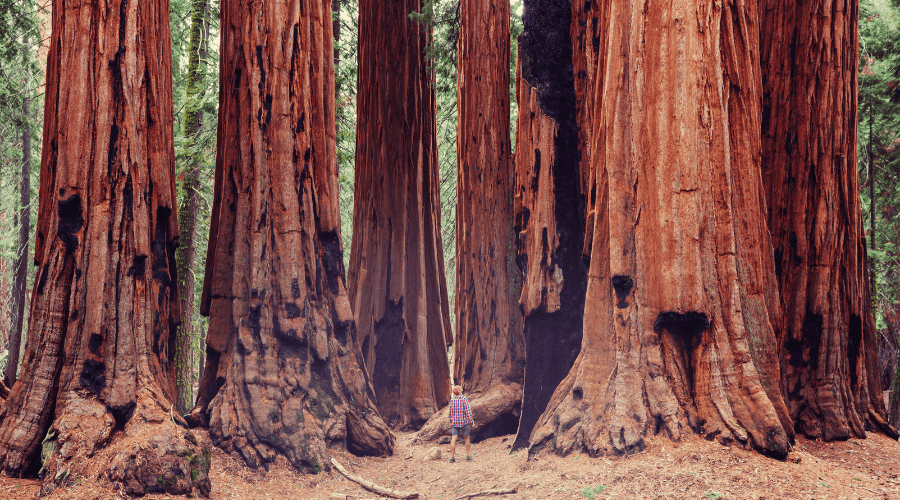
Beware of black bears while exploring. Follow food storage rules to stay safe21. Crystal Cave will be closed in 2024 due to damage from wildfires and weather21. Still, Sequoia National Park amazes guests with its natural wonders and giant trees.
Redwood National Park
Redwood National Park is a place of wonder along the northern California coast. It is part of the Redwood National and State Parks area. This area also includes Jedediah Smith, Del Norte Coast, and Prairie Creek Redwoods State Parks22. The park is famous for almost half of the world’s tallest trees, the coastal California redwoods23. Designated a World Heritage Site in 1980, it is a crucial refuge for these towering trees22.
Location and Climate
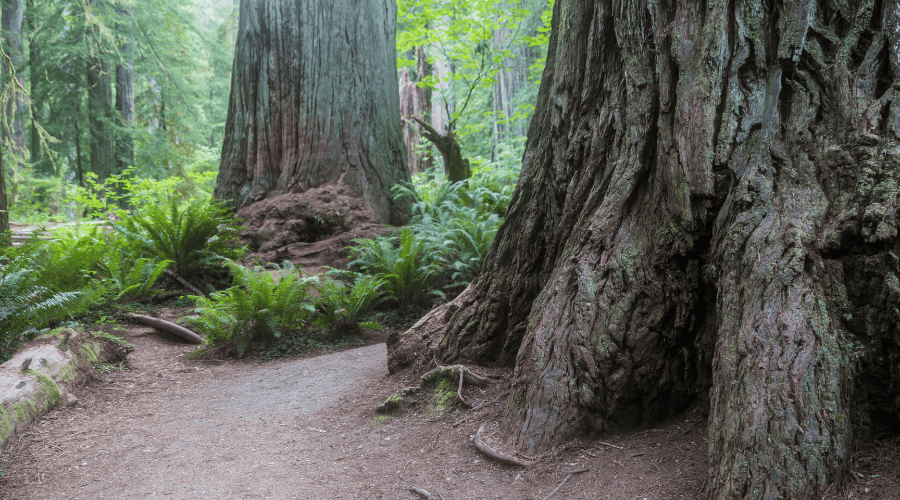
Located along 37 miles of beautiful California coastline, Redwood National Park provides amazing landscapes and diverse ecosystems2224. The weather here is mostly cool with rainy winters and mild, foggy summers22. This weather is perfect for hiking in the lush, green forests. Here, some trees are up to 2,000 years old23.
Adventure Activities
For those who love adventure, Redwood National Park has over 200 miles of trails for hiking, biking, and riding horses23. You can walk through ancient forests and see the tallest redwood, which is 379 feet tall, in the Redwood Creek area23. There are also scenic drives that show off the redwoods’ beauty. They offer great views for photos22. Through these activities, you’ll get to see the beauty and greatness of this special national park.
Pinnacles National Park
Pinnacles National Park, established on January 10, 2013, is located in central California, about 80 miles southeast of San Jose. Spanning 26,606 acres (107.7 km²), the park is renowned for its unique geological formations, including towering spires, monoliths, and talus caves, which were formed by volcanic activity over 23 million years ago.
The park’s history is deeply intertwined with its geological past and the cultural heritage of the Native American tribes who once inhabited the region. Pinnacles was initially designated as a national monument in 1908 by President Theodore Roosevelt and was later elevated to national park status in 2013.
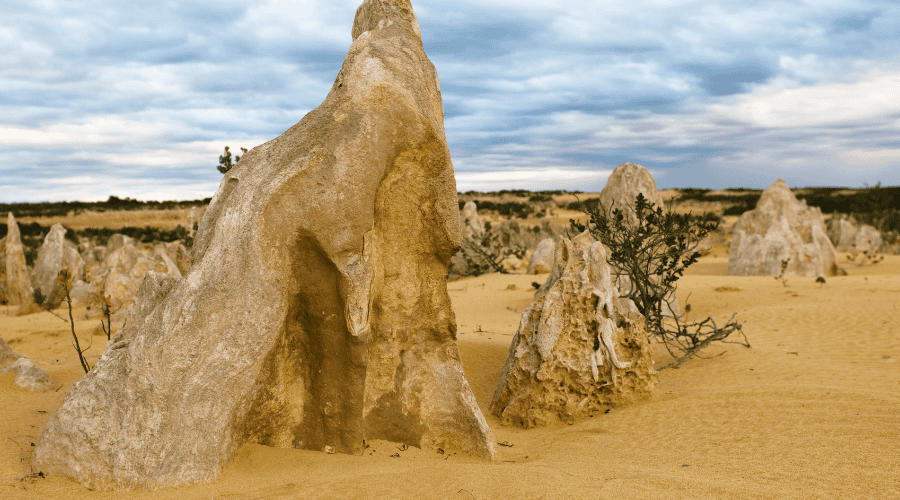
The park also plays a crucial role in wildlife conservation, particularly for the endangered California condor. Visitors frequently spot these majestic birds soaring above the rugged terrain, making Pinnacles a prime destination for birdwatchers and wildlife enthusiasts. Additionally, the park is home to a diverse array of flora and fauna, and during spring, it becomes a vibrant tapestry of wildflowers.
Adventure Activities
Pinnacles offers various recreational activities, including exploring its numerous caves and enjoying stargazing opportunities thanks to its remote location, which affords clear night skies free from city light pollution. This landscape provides a stunning backdrop for rock climbing and hiking, with over 30 miles of trails that cater to all levels of hikers.
Getting To Pinnacles National Park
Access to Pinnacles is available through two main entrances: East and West, although no road directly connects them through the park. The best times to visit are in the spring and fall when the weather is mild, and the wildflowers are in full bloom.
For those traveling from other states, the nearest major cities are San Jose, approximately 80 miles to the northwest, and Monterey, about 50 miles to the west. San Jose International Airport (SJC) and Monterey Regional Airport (MRY) are the closest airports, offering domestic flights and connections. From these cities, the park is best accessed by car, with rental services available at both airports.
Yosemite National Park
Yosemite National Park, established on October 1, 1890, is one of California’s most iconic natural landmarks. Located in the Sierra Nevada mountains, it spans 748,436 acres, showcasing breathtaking granite cliffs, waterfalls, giant sequoias, and diverse ecosystems.

History and Significance
Yosemite’s rich history dates back thousands of years with the indigenous Ahwahneechee people. It became a national park due to the efforts of conservationists like John Muir. Yosemite is celebrated for its conservation milestones, including the establishment of the National Park Service in 1916.
Main Attractions
Yosemite Valley is the park’s most famous area, featuring landmarks like El Capitan, Half Dome, and Yosemite Falls. Glacier Point offers panoramic views of the valley, while Mariposa Grove is home to over 500 mature giant sequoias, including the Grizzly Giant.
Recreational Activities
Yosemite offers a variety of recreational activities. Hiking trails range from easy walks to challenging climbs, including the famous Half Dome hike. Rock climbing is popular, particularly on El Capitan. Visitors can also enjoy camping, fishing, and wildlife watching. In winter, Badger Pass Ski Area offers skiing and snowboarding.
Visitor Information
Yosemite National Park receives over 4 million visitors annually. The park is accessible year-round, though some areas may be closed due to snow in winter. The best times to visit are spring and fall when the weather is mild, and the park’s natural beauty is at its peak.
FAQ
How many national parks are there in California?
California proudly hosts nine national parks. Each park has unique landscapes and offers various outdoor adventures.
What is the list of national parks in California?
The national parks in California are Channel Islands, Death Valley, Joshua Tree, Kings Canyon, Lassen Volcanic, Pinnacles, Redwood, Sequoia, and Yosemite.
Where are the national parks in California located?
California’s national parks stretch from the south to the north. They cover coastlines, deserts, mountains, and forests.
What are some famous national parks in California?
Yosemite is famous for its granite cliffs and waterfalls. Joshua Tree is known for its unique trees and stargazing.
How can I explore the Channel Islands National Park?
Channel Islands National Park consists of five islands. It’s perfect for marine exploration, hiking, and enjoying the outdoors during clear weather.
What should I know before visiting Death Valley National Park?
Death Valley is extremely hot and dry, stretching into Nevada. Dress to protect from the sun and stay hydrated, especially in summer.
When is the best time to visit Joshua Tree National Park?
The best time for Joshua Tree National Park is during spring and fall. Expect mild weather, beautiful blooms, and starry skies.
What makes Kings Canyon National Park significant?
Kings Canyon is home to giant sequoias like the General Sherman Tree. It’s a place for hiking, camping, and spotting wildlife.
What are the features of Lassen Volcanic National Park?
Lassen Volcanic Park is known for its geothermal attractions. Summer is the best time to see its fumaroles and hot springs.
What attractions does Sequoia National Park offer?
Sequoia National Park features the massive General Sherman Tree. It offers hiking and explores ancient sequoias and canyons.
Why is Redwood National Park unique?
Redwood National Park protects the tall coast redwoods. Enjoy its rainy winters and mild summers while hiking through lush forests.
Source Links
- https://www.national-park.com/national-parks-in-california/ – List of National Parks in California
- https://en.wikipedia.org/wiki/National_parks_in_California – National parks in California
- https://thewanderclub.com/blogs/blog/california-national-parks-guide – A Look at the 9 Unique California National Parks
- https://www.wellplannedjourney.com/national-parks-in-california/ – 16 Best National Parks in California
- https://www.americansky.co.uk/california-holidays/top-10-national-parks-in-california – Top 10 national parks in California
- https://www.nps.gov/chis/planyourvisit/index.htm – Plan Your Visit – Channel Islands National Park (U.S. National Park Service)
- https://www.nationalgeographic.com/travel/national-parks/article/channel-islands-national-park – Dive into the Watery Remains of Shipwrecks at This National Park
- https://en.wikipedia.org/wiki/Channel_Islands_National_Park – Channel Islands National Park
- https://en.wikipedia.org/wiki/Death_Valley_National_Park – Death Valley National Park
- https://roads.porsche.com/en/national-parks-california – National Parks California: Natural Monuments | ROADS
- https://en.wikipedia.org/wiki/Joshua_Tree_National_Park – Joshua Tree National Park
- https://www.nps.gov/jotr/planyourvisit/basicinfo.htm – Basic Information – Joshua Tree National Park (U.S. National Park Service)
- https://en.wikipedia.org/wiki/Kings_Canyon_National_Park – Kings Canyon National Park
- https://www.nps.gov/seki/ – Sequoia & Kings Canyon National Parks (U.S. National Park Service)
- https://www.visitcalifornia.com/experience/things-do-sequoia-kings-canyon-national-parks/ – See the Best of Sequoia & Kings Canyon National Parks
- https://en.wikipedia.org/wiki/Lassen_Volcanic_National_Park – Lassen Volcanic National Park
- https://plumascounty.org/get-outside/places-to-visit/lassen-volcanic-national-park/ – Lassen Volcanic National Park | Plumas County California
- https://www.nps.gov/lavo/planyourvisit/nearbyattractions.htm – Nearby Parks – Lassen Volcanic National Park (U.S. National Park Service)
- https://en.wikipedia.org/wiki/Sequoia_National_Park – Sequoia National Park
- https://www.britannica.com/place/Sequoia-National-Park – Sequoia National Park | Map, Location, & Facts
- https://www.nps.gov/seki/planyourvisit/basicinfo.htm – Basic Information – Sequoia & Kings Canyon National Parks (U.S. National Park Service)
- https://www.nps.gov/redw/planyourvisit/basicinfo.htm – Basic Information – Redwood National and State Parks (U.S. National Park Service)
- https://www.nps.gov/redw/faqs.htm – Frequently Asked Questions – Redwood National and State Parks (U.S. National Park Service)
- https://en.wikipedia.org/wiki/Redwood_National_and_State_Parks – Redwood National and State Parks