
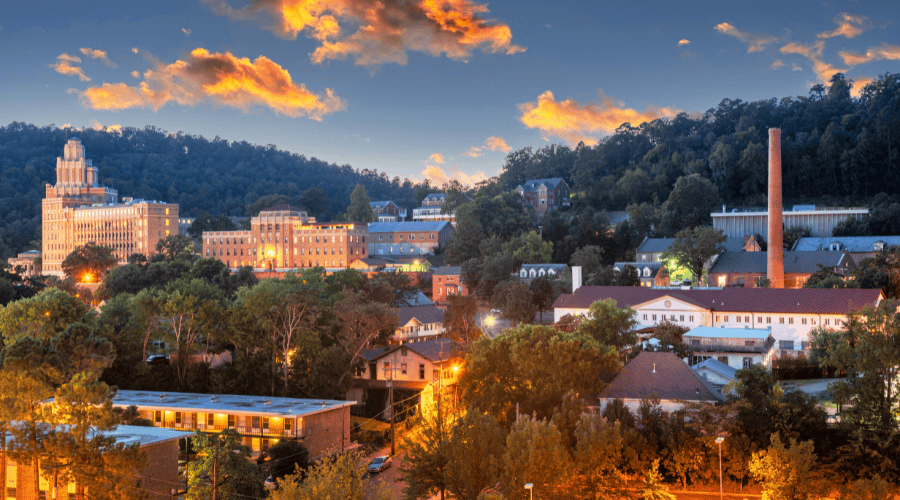
Arkansas is proud to have 7 national parks. Each offers a glimpse into the state’s vast natural and cultural wealth.
From the President William Jefferson Clinton Birthplace Home National Historic Site to landmarks like Little Rock Central High School, Fort Smith, Hot Springs, Buffalo National River, Arkansas Post National Memorial and Pea Ridge National Military Park, there’s certainly a lot to see.
We’ll share our favorites from our visit in the fall of 2022.
These parks boast everything from healing thermal springs to significant historic sites13. With scenic rivers and historic battlefields, they offer a wide range of experiences.
Any visit will not just excite adventurers but also take them on a trip through important events in America’s past.
By the way, we also have guides on the best national parks to visit in the fall, the best east coast national parks and also a guide on the best national parks in Kentucky.
Arkansas Highlights
- Arkansas is home to 7 national parks123.
- Each park offers a unique experience from thermal springs to historic battlefields12.
- Landscapes include the Ozark Mountains and significant cultural landmarks13.
- These parks provide both outdoor adventures and historical reflections13.
- Popular sites include Hot Springs National Park and Little Rock Central High School Historic Site.
Introduction to Arkansas’s National Parks
Arkansas’s national parks showcase the state’s stunning natural beauty and diverse ecosystems. They offer a glimpse into Arkansas’s rich natural and cultural past. These parks are windows to the beauty and history of the area.
Beauty and Diversity
Arkansas’s national parks are like a beautifully crafted mosaic. From Hot Springs National Park to the untouched Buffalo National River, they show the state’s ecological variety. The state is home to six National Park Service sites and three related sites, each unique in its natural beauty and historical importance4.
Hot Springs National Park has attracted visitors to its healing waters since April 20, 1832, and became a National Park in 19214. The Buffalo National River, established on March 1, 1972, showcases unspoiled waterways and breathtaking views. It was recognized as a National Wild and Scenic River in 19924. Exploring these sites helps protect vital ecosystems, reminding us of the natural and enduring riches of Arkansas.
The Significance of National Parks
Arkansas’s parks play a key role in preserving unique natural habitats, wildlife, and historical sites. Petit Jean State Park, established in 1923, was the state’s first effort to conserve its natural and historic treasures5. With fifty-two state parks managed by the Arkansas Department of Parks, Heritage, and Tourism, conservation is a major endeavor here6.
Places like Fort Smith National Historic Site, founded on September 13, 1961, have significant historical value4. These parks not only protect the land but also provide educational and recreational activities like hiking and camping. They ensure that these wonderful places can be enjoyed by future generations.
Whether it’s the hot springs, historical sites, or the beautiful rivers and mountains, exploring Arkansas’s national parks is a truly enriching experience. It brings you closer to nature and history.
Hot Springs National Park: The Famous Thermal Springs
Hot Springs National Park is a famed jewel in Arkansas. It’s known for therapeutic thermal springs. With a history rich in stories, it offers fun activities. The park spreads out over a vast area. It has 47 natural hot springs. This makes it a perfect spot for those looking for relaxation and adventure.
History of Hot Springs
It was set aside in 1832 and became a national park in 192178. The town of Hot Springs, around the park, was formed in 1851. It was a popular summer destination early in the 20th century8. The springs have been famous for ages because of their healing qualities9.

Things to Do at Hot Springs National Park
There’s a lot to do here. Bathing in the Buckstaff and Quapaw Bathhouses mixes old and new pleasures7. With 26 miles of trails, hiking is great for everyone9. Seeing Bathhouse Row offers a glimpse into the park’s history9. The Fordyce Bathhouse is now a visitor center9. Need a place to stay? Gulpha Gorge has camping all year9.
Seasonal Weather at Hot Springs
The park experiences humid summers and gentle winters. This weather allows visitors to enjoy the park all year round. Hike, soak in the thermal waters, or explore scenic drives any time. During winter, the park is quieter, perfect for a peaceful visit9.
Exploring Buffalo National River
The Buffalo National River is the first National River in the nation. It shows off Arkansas’s beautiful natural heritage. This 135-mile river is known for its beauty, making it a top park in Arkansas USA1011. Since 1972, it has drawn over 800,000 visitors each year1012.
The First National River
The Buffalo National River was the first of its kind in America. It’s managed by the National Park Service and covers 94,293 acres. This includes clean waters and peaceful views10. Before it was a national river, two state parks were created along its banks. These were Buffalo River State Park in 1938 and Lost Valley State Park in 196610. It’s an important site for Arkansas’s natural spots.
Activities to Enjoy
Buffalo National River has a lot to offer, from easy paddling to exciting rapids11. There are over 100 miles of trails for hiking, paths for horseback riding, and three wilderness areas10. The Rockin’ Z Ranch lets people ride horses across big areas of land. It’s a special way to see the scenery12. Its diverse terrain makes it stand out among national parks in Arkansas USA.
Weather at Buffalo National River
The weather changes with the seasons at Buffalo National River. These changes offer unique views, from fall colors to spring’s greenery. It makes each visit to this Arkansas heritage site different and beautiful. The park headquarters in Harrison, Arkansas, can give updates on the weather and information for visitors1012.
Discover Fort Smith National Historic Site
Fort Smith National Historic Site is a key spot in Arkansas’ national parks. It keeps alive almost 80 years of rich history. It shares stories from the early frontier life, from the start of the first Fort Smith in 1817 to Judge Isaac C. Parker’s rule over Indian Territory by 189613.
Historical Significance
This site is one of Arkansas’ proudest historical parks. It became a National Historic Landmark on December 19, 196014. Plus, it got added to the National Register of Historic Places on March 7, 198614.
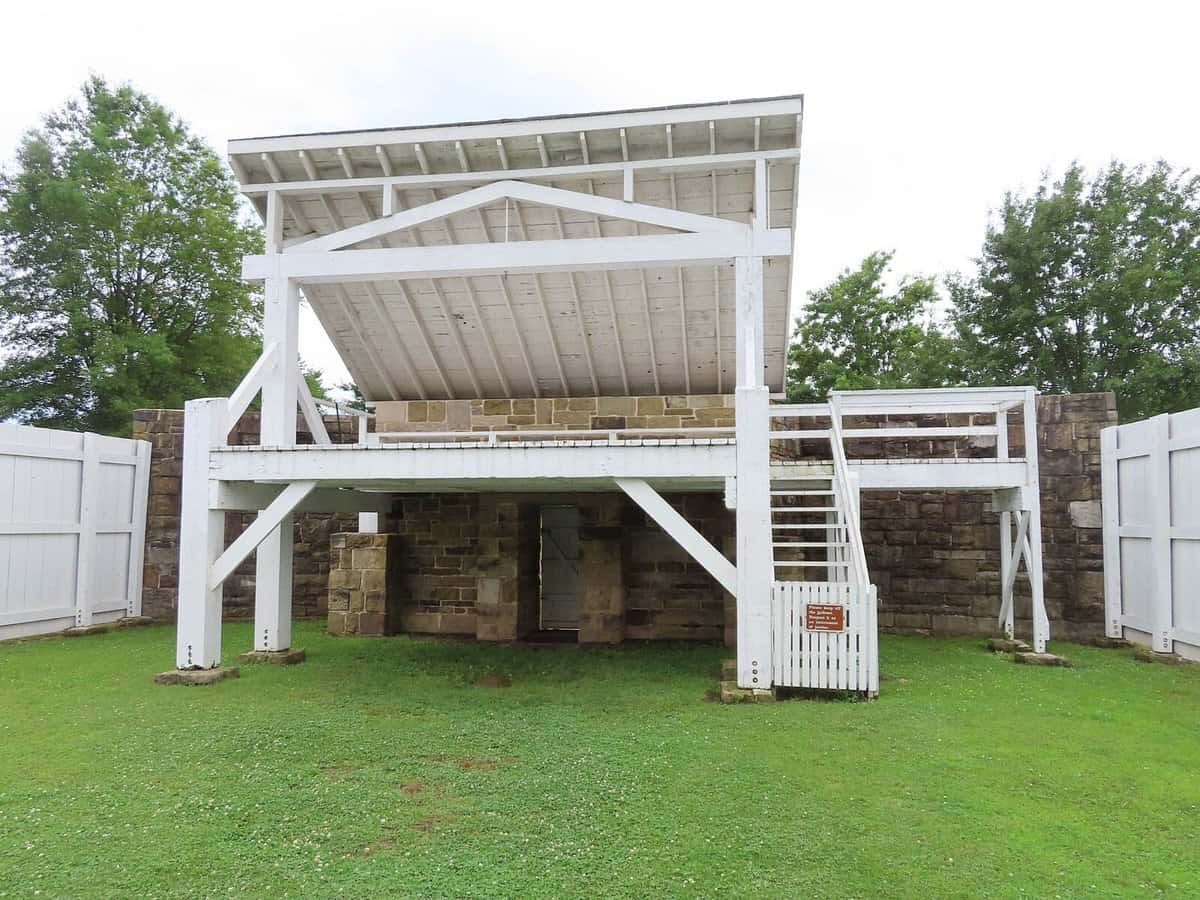
The complex historical tapestry of Fort Smith is woven into its numerous exhibits and structures, including the notorious Fort Smith Gallows and the preserved buildings like the Historic Barracks, Courthouse, and Jail complex.
Entry is free starting February 1, 2024. Fort Smith shifted from a military point to a justice center over time15.
Must-See Attractions
Exploring Fort Smith National Historic Site means seeing many historical spots. Belle Point, the Trail of Tears Overlook, the Commissary, and the Fort Smith Gallows are key attractions. The Visitor Center in the Historic Barracks/Courthouse/Jail Buildings is where you start your deep dive into the past15.
- A 0.3-mile walking trail starts at the Trail of Tears Overlook. It takes you through a key chapter in American history15.
- The Visitor Center is open from 9 AM to 5 PM. It offers detailed exhibits about the frontier’s history15.
- The site focuses on accessibility. It provides handicap access, group tours, a gift store, and free parking15.
Don’t miss Fort Smith National Historic Site when visiting Arkansas’ national parks. It brings to life important stories and keeps structures from the nation’s history. It’s a must-visit in the historical parks of Arkansas.
Understanding the Importance of Arkansas Post National Memorial
The Arkansas Post National Memorial is a key historical site in Arkansas. It showcases the colonial and territorial history of the state. Established by Congress in 196016, it’s a major landmark.
Historical Background
The Memorial marks the first European colony in the Mississippi River Valley. Founded in 1686, it had around 500 people by 1810. This included French settlers, enslaved African Americans, and free people of color16.
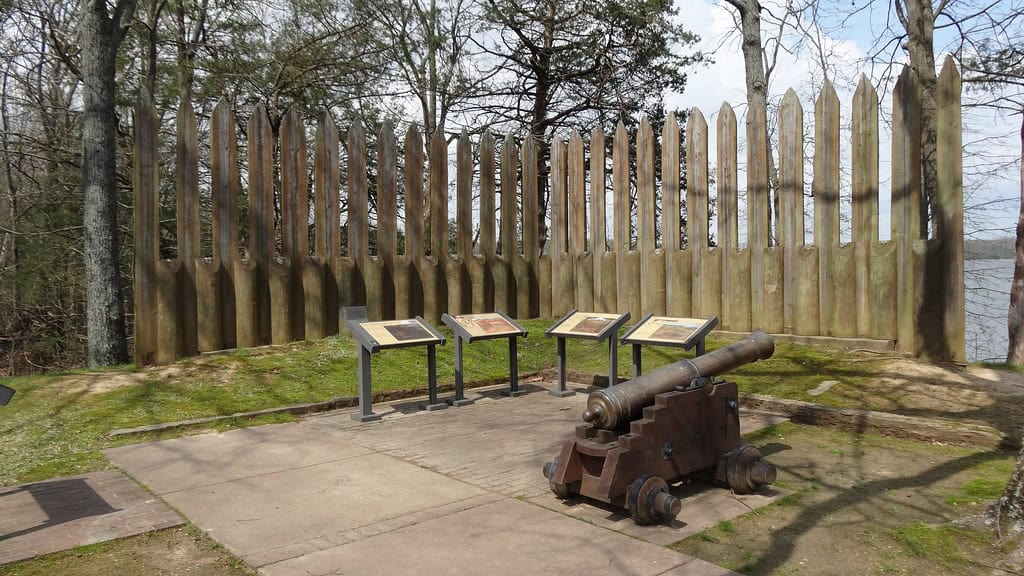
It also served as the capital of Arkansas from 1819 to 182116. Confederate troops built Fort Hindman here. Union forces captured it on January 10, 186316. Over 300 years, the area has seen many changes because of nature and human actions. This makes it an important part of Arkansas national park guides16.
Visitor Experience
At the Arkansas Post National Memorial, visitors can explore a vast history. The site has 389.2 acres of land, woods, and water. The Memorial Unit offers an engaging experience outdoors16. The Osotouy Unit is quieter, located 5 miles by air or 30 miles by road from the main unit1617.
At the visitor center and museum, you can learn about the past. Fishing and hiking are also fun activities here. Efforts are being made to improve the site and bring in more visitors, despite budget limits and its remote location17. It’s a must-see for anyone interested in Arkansas national parks.
How Many National Parks in Arkansas
Arkansas is home to seven National Park Service sites. Each one offers different attractions and activities. They include historical landmarks, scenic rivers, and battlefields. These parks show the state’s rich heritage.
Hot Springs National Park is famous for its healing thermal springs used for thousands of years18. The Buffalo National River, stretching over 150 miles through the Ozark Mountains, was the first national river in the U.S19.. It’s perfect for canoeing, hiking, and fishing1.
The Fort Smith National Historic Site shows 19th-century military life along the Arkansas River19. In the southeast, the Arkansas Post National Memorial marks the first European settlement in the lower Mississippi Valley. It covers over 600 acres19.
Little Rock Central High School National Historic Site focuses on the Civil Rights Movement and was honored in 199819. Pea Ridge National Military Park commemorates the Civil War Battle of Pea Ridge. It offers a unique view of American history19. Finally, the birthplace of the 42nd U.S. President is preserved at the President William Jefferson Clinton Birthplace Home National Historic Site in Hope, Arkansas19.
Finding out about Arkansas’s national parks is like exploring America’s history and natural beauty. Each park allows visitors to connect with the past and enjoy today. Arkansas is a great place for those who love nature and history.
Learn more about these amazing places in the Arkansas National Parks guide. Discovering the state’s seven parks lets you dive into its rich cultural and natural heritage18.
Central High School National Historic Site: A Civil Rights Landmark
Central High School in Little Rock is a key symbol of the civil rights fight. The school, opening in 1927, was then the priciest high school in the U.S., costing $1.5 million2021. It was designed to be bigger and more costly than any other, with room for over 1,800 students in 100 classrooms21.
Historic Events
For its first 30 years, only white students could attend Central High School20. In September 1957, the Little Rock Nine, a group of African American students, tried three times to join the school. On their successful third try, the 101st Airborne ensured their entry on President Eisenhower’s command20. Yet, they faced a tough year of harassment despite this protection20. To avoid forced racial integration, four local high schools were closed for a year after a special vote20.
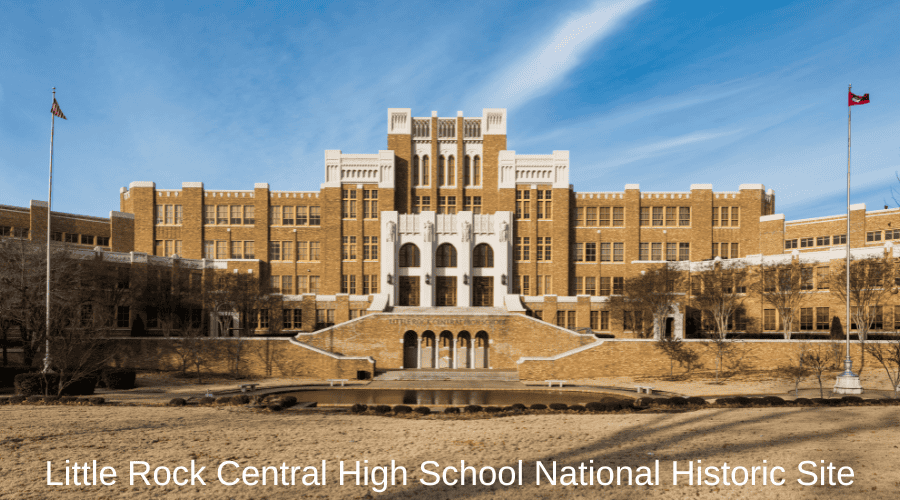
Little Rock Central High School was recognized for its importance in 1977 and named a National Historic Landmark in 198221. NHL sites must meet one of six criteria, proving their exceptional historical, architectural, or cultural value22. This process highlights its key role in civil rights landmarks in Arkansas.
Visitor Information
The school, serving 9th to 12th graders, is not usually open for tours. However, visitors can book ranger-led tours of its front area20. The visitor center showcases many exhibits, helping people learn more about this critical time. In 2007, nearly 2,000 people came to honor the Little Rock Nine and the school’s civil rights role21. Also, the Tiger Foundation benefits from Act 808 of 2023, which offers a special license plate for the site21.
Funding from the African American Civil Rights Grant Program has helped keep the site vital. It was used to fix and replace windows on the main building20. These efforts help remember the Little Rock Nine’s courage, making the site an essential part of Arkansas’s cultural heritage parks.
Pea Ridge National Military Park: A Civil War Battlefield
Pea Ridge National Military Park is in Benton County, Arkansas. It’s a key Civil War site, showing where Union and Confederate forces fought in March 1862. Established on July 20, 1956, the park’s 4,300 acres mark the Battle of Pea Ridge. This battle was crucial for the Union to control Missouri2324.
Battle History
The Battle of Pea Ridge happened on March 7 and 8, 1862. It was a big conflict in the West, and the Union’s win helped secure Missouri. Set up by Congress in 1956 and on the National Historic Register since 1966, the park shows its importance2324.
Union and Confederate veterans gathered here for reunions, dedicating monuments to the fallen. These traditions add a rich historical layer to the park23.
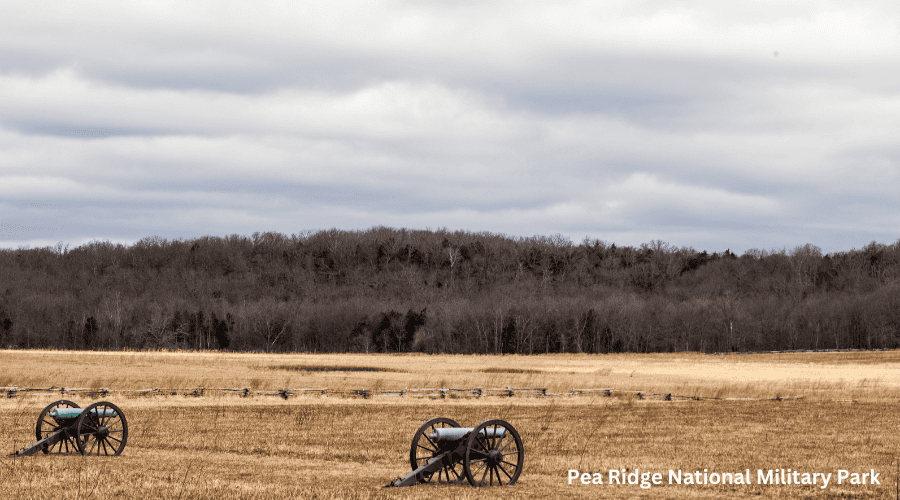
Things to See and Do
At Pea Ridge National Military Park, visitors can see lots, like the visitor center and museum. There are also historical buildings, like Elkhorn Tavern, and exhibits to explain the battle’s impact. You can take a driving tour or hike to see this Civil War site in Arkansas23. A recent $1 million renovation made the museum even better, with hands-on displays24.
The park also covers parts of the Trail of Tears. This spot remembers the forced move of the Cherokee Nation24. With its many sights and learning options, Pea Ridge National Military Park is a must-visit for those interested in the Civil War or Arkansas’ national parks.
President William Jefferson Clinton Birthplace Home National Historic Site
The President William Jefferson Clinton Birthplace Home National Historic Site sits at 117 S. Hervey St., Hope, Arkansas. It honors the early part of President Bill Clinton’s life25. Designed in 1917 by H. S. Garrett, this house is a key site among historical homes Arkansas25. Clinton was born here on August 19, 1946, and lived here until he was four25. It became an official part of the National Park System on December 14, 2010, marking its significance25.
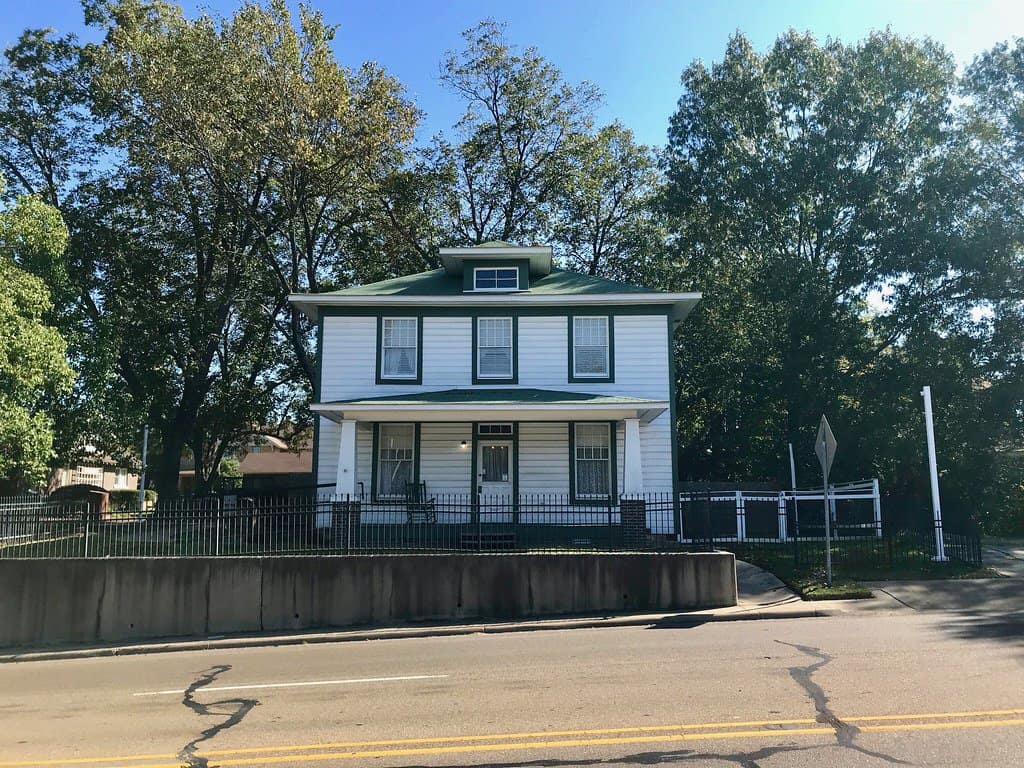
The Clinton Birthplace Foundation, Inc., maintains the 2½-story home. It features an “American foursquare” design26. Park Rangers offer guided tours here26. The Visitor Center next door has displays about the 42nd President’s life and career26.
This place offers a deep look into Clinton’s formative years. Added to the National Register of Historic Places on May 19, 1994, it showcases his rise from Hope, Arkansas to the presidency2526.
The house was opened as a museum on June 1, 1997, and stands as an educational site27. After a fire, it was restored and reopened on July 30, 2016. This highlights the value of preserving historical homes Arkansas27. Efforts by the Clinton Birthplace Foundation aim to secure $1.5 million for upkeep, with 40% dedicated to maintenance27.
| Year Built | Architect | Style | Rooms |
|---|---|---|---|
| 1917 | H. S. Garrett | American Foursquare | 6 |
This site showcases the dreams and successes of those who lived here. It’s a proud symbol within Arkansas national parks and historical homes Arkansas.
National Scenic and Historic Trails in Arkansas
Exploring Arkansas’ national parks lets you find amazing National Scenic and Historic Trails. The Trail of Tears is a key highlight. It marks the Cherokee Nation’s forced journey, crossing states like Arkansas. This trail has sites for reflecting on this tough part in American history.
Arkansas boasts 16 state parks with diverse trails, including the impressive Monument Trails28. These trails meet the needs of all hikers, from beginners to advanced28. Also, four trails are marked as National Recreation Trails because they’re important and loved by many28. Most trails are nature paths, letting you explore Arkansas’s rich natural life28.
For those who love mountain biking, Devil’s Den State Park and Woolly Hollow State Park have great trails for you28. The 9.2-mile Enders Fault Mountain Bike Trail at Woolly Hollow offers both fun and challenge28. These biking paths show the beauty of Arkansas and its dedication to outdoor fun.
FAQ
How many national parks are in Arkansas?
Arkansas boasts 7 national parks. Each park offers a glimpse into the state’s rich natural and historic tapestry.
What makes Arkansas’s national parks unique?
The parks stand out for their breathtaking landscapes, diverse ecosystems, and rich history. They range from thermal springs and Civil War sites to important cultural landmarks like Little Rock Central High School.
What activities can I do at Hot Springs National Park?
Hot Springs National Park invites you to soak in historic bathhouses. You can also hike beautiful trails, visit the Fordyce Bathhouse Visitor Center, and enjoy the healing thermal springs.
What is special about Buffalo National River?
Buffalo National River holds the title of America’s first National River. It’s famous for untouched waters and high limestone cliffs. Paddling, hiking, and camping are popular activities here.
Why is Fort Smith National Historic Site significant?
This site highlights America’s frontier days. It shares tales of Judge Isaac C. Parker and the Trail of Tears. It also tells the story of westward expansion.
What can visitors expect at Arkansas Post National. Memorial?
At Arkansas Post National Memorial, explore colonial and Civil War history. The site offers a visitor center, museum, and outdoor activities like fishing and hiking.
What is the significance of Central High School National Historic Site?
It marks a key event in civil rights history. It celebrates the Little Rock Nine’s stand against school segregation.
What does Pea Ridge National Military Park preserve?
Pea Ridge preserves a key Civil War battleground in the West. It features historic trails, exhibits, and tours that educate visitors.
What can you see at President William Jefferson Clinton Birthplace Home National Historic Site?
Tour Bill Clinton’s childhood home here. The site shares stories and exhibits of his early years.
What are the National Scenic and Historic Trails in Arkansas?
The Trail of Tears is a noteworthy trail here. It commemorates the Cherokee Nation’s forced move, offering places for reflection on this dark chapter.
Source Links
- https://www.national-park.com/list-of-national-parks-in-arkansas/ – List of National Parks in Arkansas 2024
- https://www.dirtinmyshoes.com/arkansas-national-parks/ – Arkansas’ National Parks: There’s Only One, but it’s Unique!
- https://www.parkrangerjohn.com/arkansas-national-parks/ – Arkansas National Parks
- https://nationalparkobsessed.com/national-parks-of-arkansas – National Parks of Arkansas
- https://en.wikipedia.org/wiki/List_of_Arkansas_state_parks – List of Arkansas state parks
- https://encyclopediaofarkansas.net/entries/arkansas-department-of-parks-and-tourism-5712 – Encyclopedia of Arkansas
- https://www.nps.gov/hosp/planyourvisit/thermal-springs.htm – Experience the Water – Hot Springs National Park (U.S. National Park Service)
- https://en.wikipedia.org/wiki/Hot_Springs_National_Park – Hot Springs National Park
- https://www.nationalparks.org/connect/blog/warm-winter-hot-springs-national-park – Warm Up This Winter at Hot Springs National Park
- https://encyclopediaofarkansas.net/entries/buffalo-national-river-7/ – Encyclopedia of Arkansas
- https://parksexpert.com/national-parks-in-arkansas/ – 7 Astounding National Parks in Arkansas
- https://www.eurekasprings.com/buffaloriver/ – Buffalo National River – a natural treasure – by EurekaSprings.Com
- https://www.arkansasrestareas.com/national-parks/ – National Parks | Arkansas Rest Areas
- https://encyclopediaofarkansas.net/entries/fort-smith-national-historic-site-4522/ – Encyclopedia of Arkansas
- https://fortsmith.org/fort-smith-national-historic-site – Fort Smith National Historic Site | Fort Smith – Arkansas
- http://npshistory.com/publications/foundation-documents/arpo-fd-overview.pdf – Arkansas Post National Memorial Foundation Overview
- http://npshistory.com/publications/arpo/lrip-2009.pdf – ARPO.Final.indd
- https://morethanjustparks.com/arkansas-national-parks/ – 7 EPIC Arkansas National Parks (Helpful Guide + Photos)
- https://everything-everywhere.com/national-park-service-sites-in-arkansas/ – National Parks in Arkansas
- https://www.nps.gov/places/central-high-school.htm – Little Rock Central High School (U.S. National Park Service)
- https://encyclopediaofarkansas.net/entries/little-rock-central-high-school-national-historic-site-5423/ – Encyclopedia of Arkansas
- https://www.arkansasheritage.com/arkansas-preservation/properties/national-historic-landmarks – National Historic Landmarks
- https://en.wikipedia.org/wiki/Pea_Ridge_National_Military_Park – Pea Ridge National Military Park
- https://encyclopediaofarkansas.net/entries/pea-ridge-national-military-park-3367/ – Encyclopedia of Arkansas
- https://en.wikipedia.org/wiki/President_William_Jefferson_Clinton_Birthplace_Home_National_Historic_Site – President William Jefferson Clinton Birthplace Home National Historic Site
- https://www.jnpa.com/703/partner-clinton-birthplace.htm – Clinton Birthplace Home National Historic Site | Jefferson National Parks Association
- https://encyclopediaofarkansas.net/entries/clinton-birthplace-531/ – Encyclopedia of Arkansas
- https://www.arkansasstateparks.com/trails – Arkansas State Park Trails | Arkansas State Parks