

Imagine waking up to breathtaking vistas, surrounded by nature, with no crowds or expensive campsites in sight. Boondocking, or wild camping, is a rapidly growing trend among RV enthusiasts, offering the freedom to roam and camp without the constraints of traditional campsites.
As someone who’s experienced the thrill of boondocking, I can attest that it transforms a regular road trip into an unforgettable adventure. With the right guidance, you can explore America’s natural beauty while saving money on accommodations.
This comprehensive guide will walk you through the ins and outs of wild camping in an RV, including where to find free camping spots, legal considerations, and responsible camping practices. For more information on where to camp and stay overnight in your RV, check out this resource: Swap The Road’s Camping Guide.
Key Takeaways
- Understanding the concept of boondocking and its benefits
- Finding free camping spots on public lands managed by the BLM and US Forest Services
- Learning about membership programs like Harvest Hosts and Boondockers Welcome
- Understanding the rules and regulations for boondocking in different states
- Practicing responsible camping to minimize your impact on the environment
Understanding Wild Camping in the USA
Freedom camping, or boondocking, is a term that’s gained popularity among RV travelers in the USA. It refers to camping outside of designated campgrounds, typically without hookups or amenities. As you explore the vast landscapes of America, understanding the concept and regulations surrounding wild camping is essential.
What is Wild Camping or Boondocking?
Wild camping, or boondocking, means parking your RV outside of traditional campgrounds, often for free and without access to amenities like water, electricity, or sewage. This self-sufficient way of camping allows travelers to immerse themselves in nature, away from the crowds and noise of developed campgrounds. Boondocking is a term commonly used in the RV community to describe this type of camping experience.
The Appeal of Free Camping
So, why do many RVers prefer boondocking? The reasons are varied, but significant cost savings, unparalleled access to nature, and a sense of adventure and freedom are among the top attractions. Boondocking allows travelers to experience America’s wilderness in a more intimate way, often with better views and more privacy than traditional campgrounds. It’s a way to disconnect from the hustle and bustle of daily life and reconnect with the natural world.
Legal Considerations Across States
The legal framework for wild camping in the USA varies significantly by state and land management agency. Before setting up camp for the night, it’s crucial to research local rules and regulations. Ignorance of these regulations isn’t an acceptable excuse if you’re found camping illegally. Some states have specific laws governing boondocking, while others may have more relaxed rules. Understanding these regulations will help you avoid any potential issues during your trip.
Where Can You Wild Camp in an RV in the USA?
The freedom to wild camp in an RV is readily available across the United States, with multiple public lands at your disposal. As an RV enthusiast, I’ve had the pleasure of exploring various camping options, and I’m excited to share my experiences with you.
One of the most appealing aspects of wild camping in the USA is the availability of public lands that allow you to camp for free. However, it’s essential to understand the rules and regulations associated with these lands to ensure a smooth and enjoyable experience.
Bureau of Land Management (BLM) Lands
The Bureau of Land Management (BLM) manages millions of acres of public land, offering some of the best opportunities for free RV camping in the western states. BLM lands typically allow boondocking for up to 14 days in a 28-day period, making them ideal for extended stays in beautiful, remote areas. I’ve spent many nights camping on BLM lands, and I can attest to the fact that they offer a unique and liberating experience.
It’s worth noting that BLM lands are different from BLM-managed developed campgrounds, which may charge fees but offer more amenities. When camping on BLM lands, you’ll need to be self-sufficient and prepared for a more primitive experience.
National Forests and Grasslands
In addition to BLM lands, National Forests and Grasslands provide millions of acres of public lands where free camping is generally permitted. Similar to BLM lands, there are time restrictions, typically allowing you to camp for up to 14 days within a certain period. I’ve had some of my most memorable camping experiences in National Forests, and I’m happy to share some tips for finding the most scenic and accessible spots.
When camping in National Forests, be sure to follow the rules and regulations, and take care to minimize your environmental impact. As the saying goes, “Take nothing but memories, leave nothing but footprints.”
“The clearest way into the Universe is through a forest wilderness.” –
Other Free Camping Opportunities
While BLM lands and National Forests are top choices for wild camping, there are other options to consider. Some Walmart parking lots, truck stops, and certain businesses allow overnight parking, although these aren’t true “wild camping” experiences. Additionally, programs like Harvest Hosts and Boondockers Welcome offer unique camping opportunities on private land, typically requiring membership fees.
Regardless of where you choose to camp, it’s essential to be mindful of your impact on the environment and local communities. By being a responsible camper, you can help preserve these opportunities for future generations.
Rules and Regulations for RV Wild Camping
When venturing into wild camping with your RV in the USA, it’s crucial to understand the rules and regulations that govern this practice. As you explore the vast public lands available for boondocking, being aware of these regulations will not only ensure a smooth camping experience but also help in preserving these areas for future campers.
Time Limitations (14-21 Day Rules)
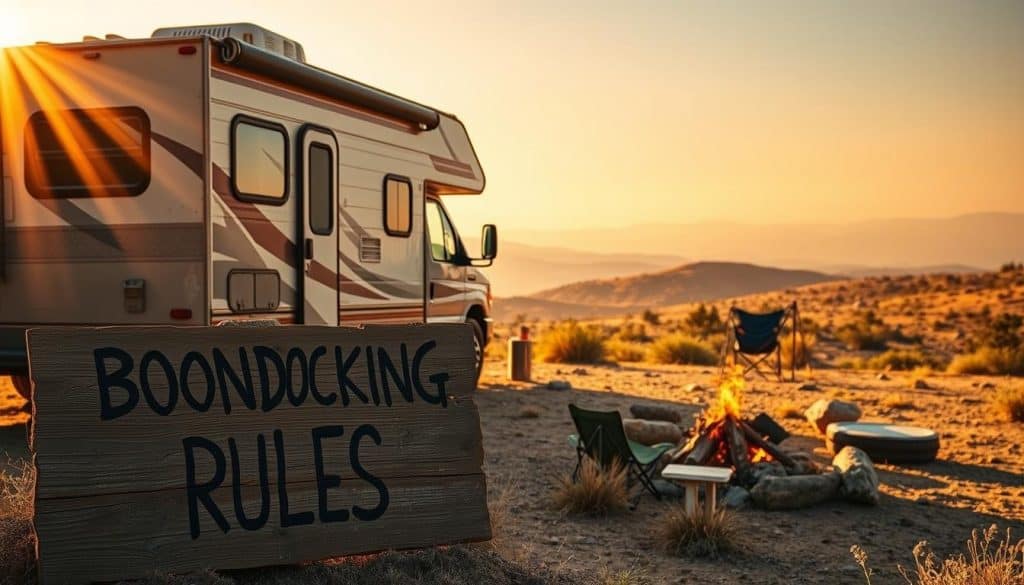
The Bureau of Land Management (BLM) and National Forests have specific time limits for camping. Typically, dispersed camping is allowed for a period not to exceed 14 days within a 28 consecutive day period. This rule is designed to prevent permanent residency and ensure fair access to public lands for all visitors. For instance, after spending 14 days in one area, campers are usually required to move at least 25 miles away from their original campsite.
Environmental Regulations
Environmental regulations play a crucial role in maintaining the pristine condition of camping areas. Campers are expected to follow proper waste disposal practices, adhere to fire restrictions, and protect vegetation. These regulations vary by location, so it’s essential to check with local authorities before setting up camp. For more information on environmental regulations in national parks, you can visit national park camping rules.
State-Specific Considerations
Different states have varying regulations regarding wild camping. Western states generally offer more boondocking opportunities than eastern states. For example, California has stricter fire regulations, while Arizona has popular boondocking areas with special rules. Understanding these state-specific considerations is vital for a hassle-free camping experience.
| State | Boondocking Rules | Fire Restrictions |
|---|---|---|
| California | 14-day limit on BLM lands | Stricter fire regulations during dry seasons |
| Arizona | Popular areas may have special rules | Fire bans during extreme heat |
| Alaska | 12-month limit on some public lands | Strict regulations on waste disposal |
By understanding and respecting these rules and regulations, campers can enjoy the freedom of wild camping while contributing to the preservation of these beautiful areas.
Responsible Wild Camping Practices
To keep the great outdoors open for future generations, adopting responsible wild camping practices is essential. As campers, we have a significant role in preserving the natural beauty and resources of the areas we visit.
Leave No Trace Principles
The Leave No Trace principles serve as a foundation for responsible wild camping. These seven principles guide us in minimizing our impact on the environment. They remind us that pack it in, pack it out is not just a slogan, but a way of life when boondocking. By following these principles, we can help preserve the natural areas for future campers.
Water and Waste Management
Proper water and waste management are critical aspects of responsible wild camping. When boondocking, it’s essential to conserve water by using water-saving devices and taking navy showers. We should also be mindful of how we manage our waste. This includes handling black and gray water tanks properly and never dumping them on public lands. A simple practice like doing dishes away from waterways can significantly reduce our environmental footprint.
| Water Conservation Tips | Waste Management Practices |
|---|---|
| Use water-saving devices | Handle black water tanks properly |
| Take navy showers | Never dump waste on public lands |
| Reuse gray water when appropriate | Do dishes away from waterways |
Safety and Wildlife Considerations
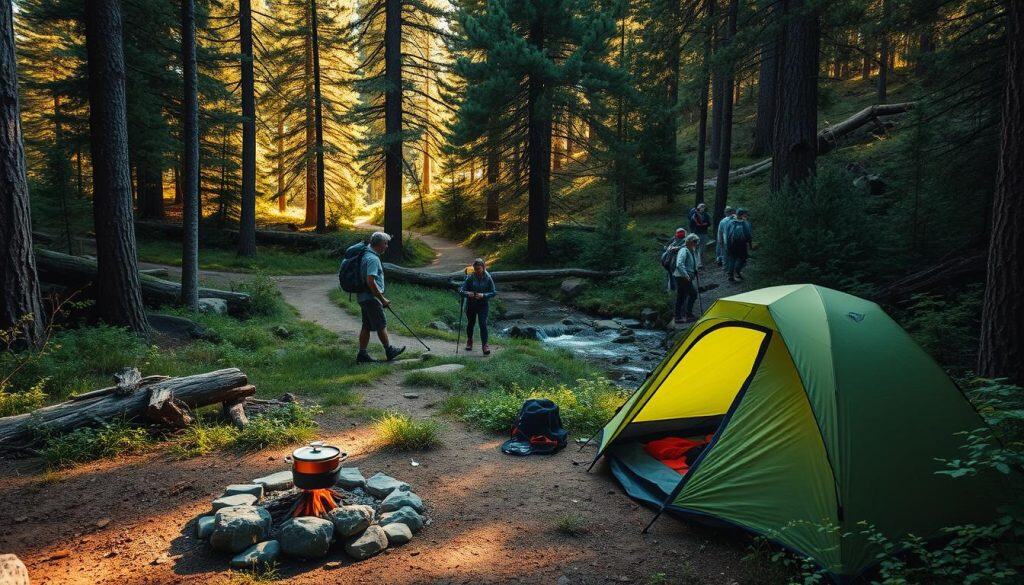
Safety and wildlife considerations are also vital when wild camping. This includes being aware of fire safety, weather conditions, and emergency preparedness. We must store food properly to avoid attracting wildlife to our campsites and maintain a safe distance from animals. By being mindful of these factors, we can ensure a safe and enjoyable camping experience for ourselves and others.
Resources for Finding Wild Camping Spots
Wild camping in the USA can be a fantastic experience, and I’m here to share my favorite resources for finding the best spots. Whether you’re a seasoned camper or just starting out, having the right tools can make all the difference in planning your trip.
Apps and Websites
Several apps and websites can help you find wild camping spots. Some of my go-tos include Campendium, iOverlander, FreeCampsites.net, and The Dyrt. These platforms allow you to filter for free campsites, read reviews from other campers, and view photos of potential camping spots before arriving.
These digital resources often provide crucial information about road conditions, cell service availability, and amenities (or lack thereof) at various boondocking locations. For instance, you can find details on whether a campsite has access to water, restrooms, or picnic tables.
| Resource | Description | Features |
|---|---|---|
| Campendium | A comprehensive guide to campsites | Reviews, photos, and detailed information |
| iOverlander | A community-driven platform for finding camping spots | User-generated content, map views |
| FreeCampsites.net | A dedicated resource for free camping spots | Listings of free campsites, user reviews |
Local Information Centers
In addition to digital resources, visiting local ranger stations and information centers can provide valuable insights into road closures, camping regulations, and conditions. Physical maps like Motor Vehicle Use Maps (MVUMs) from the Forest Service are also invaluable when digital coverage is spotty.
By combining these resources, you can ensure a well-planned and enjoyable wild camping experience. Joining online communities and forums dedicated to boondocking can also provide real-time information and advice from experienced campers.
Conclusion
Wild camping in an RV offers the freedom to roam America’s landscapes. By understanding regulations and practicing responsible camping, you can enjoy boondocking on public lands, saving money and experiencing nature’s beauty. This way, your road trip becomes an unforgettable adventure, creating memories that last a year.
FAQ
What is dispersed camping, and how does it differ from traditional camping?
Dispersed camping, also known as boondocking, is camping on public lands without the amenities found at traditional campsites. It allows campers to stay in more secluded areas, often for free, but with fewer facilities.
How long can I stay on Bureau of Land Management (BLM) lands?
The length of stay on BLM lands varies, but typically, campers are allowed to stay for up to 14 days within a 28-day period. This time limit helps ensure that these areas remain available for other visitors.
Are there any specific rules I should follow when boondocking on National Forests?
Yes, when boondocking on National Forests, be aware of the 14-day limit within a 30-day period, and follow guidelines such as staying on designated roads and respecting the environment.
How do I find free camping spots on public lands?
Utilize online resources such as the BLM website, FreeCampsites.net, and Campendium to discover free camping areas on public lands. Additionally, local information centers and visitor centers can provide valuable insights and maps.
What are some essential tips for managing water and waste while boondocking?
When boondocking, conserve water by taking shorter showers and turning off the faucet while brushing teeth. For waste management, use portable toilets or pack out human waste, and always dispose of trash and gray water properly.
Are there any specific safety considerations I should be aware of when wild camping?
Yes, be mindful of your surroundings, keep a safe distance from wildlife, and follow safety guidelines such as storing food and trash securely. It’s also a good idea to let someone know your itinerary and expected return time.
What are Leave No Trace principles, and why are they important?
Leave No Trace principles are guidelines that promote minimizing human impact on the environment. They include practices such as disposing of waste properly, respecting wildlife, and not damaging vegetation. Following these principles helps preserve the natural beauty of camping areas for future generations.