
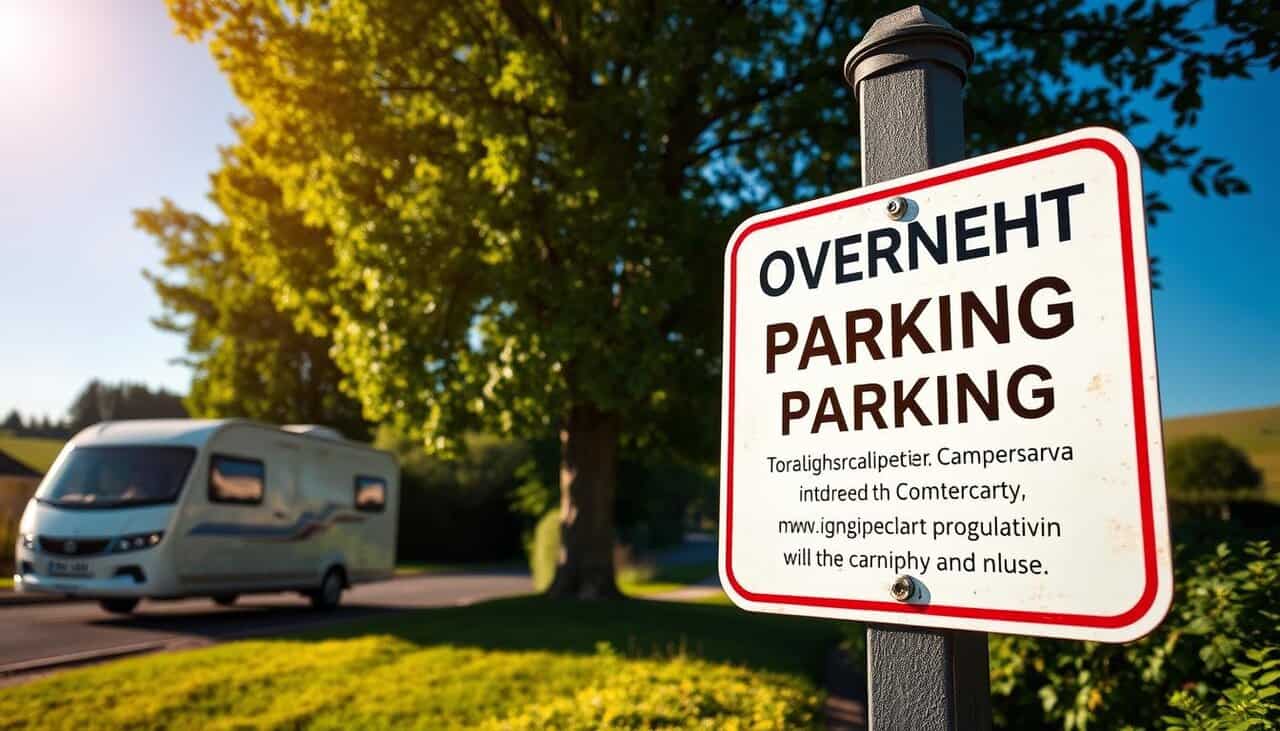
As a seasoned campervan enthusiast, I’ve often found myself wondering about the legality of sleeping in my vehicle on the side of the road in the UK. The laws surrounding this issue are surprisingly ambiguous, leaving many vehicle owners uncertain about where they can park up for the night.
Local authorities own most roads and highways in the UK, and each has its own set of regulations regarding overnight parking and sleeping in vehicles. This means that what’s allowed in one area might be prohibited in another, making it crucial to understand the rules before setting off on your campervan adventure.
I’ve learned the hard way that failing to research the laws and regulations can result in fines, being moved on in the middle of the night, or creating problems with local communities. In this guide, I’ll walk you through everything you need to know about sleeping in your campervan at the side of the road in the UK.
Key Takeaways
- Understand the laws and regulations surrounding campervan parking in the UK
- Research local authorities’ rules on overnight parking and sleeping in vehicles
- Be aware of the potential consequences of not following the regulations
- Plan ahead to avoid fines and other issues
- Respect local communities and their rules
Understanding the Legal Landscape
Navigating the complex world of campervan laws in the UK can be a daunting task, but understanding the legal landscape is crucial for a stress-free journey. As I explored the regulations surrounding campervans, I discovered that the legal framework is multifaceted and requires careful consideration.
Key Laws and Regulations
Under current UK law, a motorhome, campervan, or similar vehicle is often defined similarly to a caravan. Section 29 (1) of the Caravan Sites and Control of Development Act 1960 defines a caravan as: ‘Any structure designed or adapted for human habitation which is capable of being moved from one place to another (whether being towed, or by being transported on a motor vehicle or trailer)’. This definition has significant implications for campervan owners, as many laws applicable to caravans also apply to campervans.
The legal framework governing campervans is complex, with no single law addressing roadside sleeping. However, several key regulations and laws provide guidance on the use of campervans. For instance, local authorities have the power to create and enforce their own regulations regarding overnight stays in vehicles.
| Regulation | Description | Impact on Campervan Owners |
|---|---|---|
| Caravan Sites and Control of Development Act 1960 | Defines a caravan and outlines regulations for caravan sites | Many laws applicable to caravans also apply to campervans |
| Local Authority Regulations | Local authorities can create and enforce regulations regarding overnight stays in vehicles | Campervan owners must check with local authorities for specific regulations |
| Traffic Regulation Orders | Varying regulations across different parts of the UK | Campervan owners must be aware of local Traffic Regulation Orders to avoid fines |
Definition of Camping vs. Parking
A critical distinction exists between “parking” and “camping,” and understanding this difference is essential for campervan owners. You might be legally parked, but still breaking rules if you’re deemed to be camping rather than simply parking. The key to avoiding issues is to understand the local regulations and definitions.
“The critical distinction between ‘parking’ and ‘camping’ is important to understand – you might be legally parked but still breaking rules if you’re deemed to be camping rather than simply parking.”
As I researched the laws and regulations surrounding campervans, I found that the distinction between camping and parking is often at the discretion of local authorities. Therefore, it’s essential to check with the specific council where you plan to stay to ensure compliance with local regulations.
Can You Sleep in Campervan at Side of Road UK?
While there’s no single national law that explicitly prohibits sleeping in campervans on public roads, local regulations can vary significantly. This makes it crucial to understand the specific rules in the area you’re planning to visit.
The Grey Area of Roadside Sleeping
The distinction between “parking” and “camping” is often at the heart of the issue. If you’re simply parked and not setting up any camping gear, you’re likely okay. However, the moment you start extending awnings, cooking, or otherwise making your campervan more habitable, you might be considered to be “camping” rather than just “parking.”
It’s a grey area because the law doesn’t clearly define what constitutes camping versus parking. This ambiguity can make it challenging for campervan owners to know whether they’re complying with local regulations.
Local Authority Restrictions
Most roads in the UK are owned by local authorities, which set their own rules regarding overnight parking and sleeping in vehicles. Some areas may have specific signs indicating no overnight parking, while others might have more general restrictions on camping or sleeping in vehicles.
To avoid any issues, make sure to check for local authority restrictions before settling in for the night. You can usually find this information on the local council’s website or by contacting them directly. Even if there are no explicit signs or rules, it’s still possible to be asked to move on if residents complain.
Understanding and respecting these local regulations is key to avoiding any potential problems when sleeping in your campervan at the side of the road in the UK.
Regional Differences Across the UK
As you travel across the UK in your campervan, you’ll notice that the rules around sleeping by the roadside vary significantly from one region to another. Understanding these regional differences is crucial for a stress-free trip.
England and Wales Regulations
In England and Wales, the rules are quite strict when it comes to wild camping in a campervan. Generally, it’s not permitted without the permission of the landowner. Most land is privately owned, and you could be considered trespassing if you park up without permission. This means you need to plan ahead and find designated campsites or obtain permission from landowners.
Scotland’s More Permissive Approach
Scotland, on the other hand, has a more permissive approach thanks to the Land Reform Act of 2003, which allows public access to unenclosed land. However, this right doesn’t explicitly extend to motorized vehicles like campervans. The Scottish Outdoor Access Code refers to “non-motorized recreation,” meaning that while tent camping might be permitted in many areas, the same rules don’t necessarily apply to campervans. As a campervan user, it’s essential to be aware of these nuances.
“The Scottish Access Code allows for public access to unenclosed land, but it’s crucial to understand that this doesn’t automatically mean you’re allowed to camp with your campervan.”
It’s also worth noting that while Scotland is popular for wild camping, the code specifies “lightweight camps, small numbers, only for two or three nights,” and it’s generally associated with non-motorized recreation.
Northern Ireland Considerations
Northern Ireland follows similar regulations to England and Wales, requiring landowner permission before parking overnight. It’s vital to respect local communities and environments, regardless of the specific rules in each region.
| Region | Wild Camping Rules for Campervans |
|---|---|
| England and Wales | Generally not permitted without landowner permission |
| Scotland | More permissive for non-motorized recreation; specific rules for campervans |
| Northern Ireland | Requires landowner permission |
By understanding these regional differences, you can better plan your campervan trip across the UK, ensuring a more enjoyable and stress-free experience.
Legal Alternatives to Roadside Parking
As a seasoned campervan traveler, I’ve discovered that there are numerous legal alternatives to roadside parking, providing safe and comfortable overnight spots for your campervan. Rather than risking the uncertainties of parking at the side of the road, these alternatives offer peace of mind and a more enjoyable travel experience.
Official Campsites and Camping Parks
Official campsites and camping parks are among the most popular legal alternatives. They offer comprehensive facilities, including electric hookups, water, waste disposal, and often showers and toilets. These amenities not only enhance your camping experience but also provide a safe and secure environment. You can find a wide range of campsites across the UK, catering to different budgets and preferences. For a list of certified locations, you can visit UK Stopover Listings.
Pub Stopovers and Permitted Parking
Pub stopovers have become increasingly popular across the UK. Many pubs welcome campervan owners to stay overnight in their car parks, usually with the expectation that you’ll purchase food or drinks. This arrangement creates a win-win situation for both parties. Some pubs clearly signpost their policy on campervan overnight stays. The website ukpubstopovers.co.uk is a valuable resource for finding pubs that offer stopovers. It’s worth noting that there are regulations governing the number of caravans allowed on a single stopover site, as per the 1960 Caravan Sites and Control of Development Act.
Apps and Websites for Finding Legal Spots
The advent of apps and websites like Park4Night, Brit Stops, and Camper Contact has revolutionized the way campervan owners find legal overnight parking spots. These platforms allow users to discover hidden gems and safe places to stay, often with user reviews and ratings to guide your choice. Additionally, clubs like The Camping and Caravanning Club and the Caravan and Motorhome Club offer thousands of certified locations across the country, providing more rustic but legal camping space with basic facilities.
By exploring these legal alternatives, campervan travelers can enjoy a more relaxed and enjoyable journey, knowing they have a safe and legal place to stop for the night.
Parking in Public Spaces
When traveling in a campervan, understanding the rules for parking in public spaces is crucial. Publicly owned car parks, such as those owned by local councils or private companies like NCP (National Car Parks), often have strict regulations about overnight parking and camping.
These regulations can vary significantly across different car parks. For instance, some may allow overnight parking but not overnight camping, as this changes how the car park is used. It’s essential to understand these distinctions to avoid any issues during your stay.
Car Parks and Their Restrictions
Public car parks across the UK have varying policies regarding overnight stays in campervans. Understanding these restrictions before you arrive can save a lot of hassle. Many council-owned car parks explicitly prohibit overnight camping while allowing overnight parking. This subtle distinction means you might be able to park but not sleep in your vehicle.
| Car Park Type | Overnight Parking | Overnight Camping |
|---|---|---|
| Council-owned | Allowed | Not Allowed |
| Private | Varies | Varies |
Height barriers are common in many car parks, designed to prevent larger vehicles like campervans from entering. Always check online or call ahead if you’re planning to use a public car park for any length of time.
Motorway Service Stations
Motorway service stations can be a convenient option for overnight stops during long journeys. Many allow campervan parking for a fee of around £10-20, though the environment isn’t always ideal for a peaceful night’s sleep.
“Some service stations have dedicated areas for overnight parking separate from the main car park. In my experience, these areas are often shared with long-distance truck drivers and can be noisy but are generally safe and legal places to spend the night.”
When using motorway services, be aware of the restrictions and fees associated with overnight parking. It’s also worth noting that some services may have specific areas designated for larger vehicles.
Wild Camping in Your Campervan
Wild camping in a campervan can be a thrilling experience, but it’s essential to know the regulations. As someone who has explored the UK in a campervan, I’ve learned that understanding the rules can make all the difference between a peaceful night’s sleep and an unwanted visit from the authorities.
Definition and General Rules
Wild camping refers to camping in natural or remote areas outside of designated campsites. While it can be a liberating experience, it’s generally not legal in most of the UK without the landowner’s permission. In fact, setting up camp in a field without permission can lead to trespassing charges and cause inconvenience to the landowner.
Some key points to consider when wild camping in a campervan include:
- Ensuring you have the landowner’s permission to camp on their land
- Leaving no trace by taking all waste with you and avoiding damage to vegetation
- Respecting local wildlife and communities by keeping noise levels down
Beach Camping Considerations
Beach camping in a campervan presents unique challenges, such as tide considerations and soft sand that can trap vehicles. Beaches are also among the most closely monitored areas for unauthorized overnight stays. If you’re considering beach camping, make sure to check local regulations and be mindful of your impact on the environment.
Wild Camping Etiquette
If you do obtain permission to wild camp, following proper etiquette is crucial. This includes arriving late and leaving early, keeping noise to a minimum, and not lighting fires unless explicitly permitted. Being self-contained with your own water, toilet facilities, and waste storage can also minimize your impact on the site and make it more likely that landowners will grant you permission in the future.
By being respectful of the land, wildlife, and local communities, you can help ensure that wild camping remains a viable option for campervan enthusiasts.
Safety and Security When Sleeping Roadside
I’ve learned that the key to a good night’s sleep in a campervan is choosing a safe and secure location. When considering where to park for the night, there are several factors to take into account to ensure your safety and the security of your vehicle.
Choosing Safe Locations
When looking for a place to sleep in your campervan, it’s essential to select a location that is not only legal but also safe. Opt for well-lit areas with other campers or vehicles nearby. Avoid isolated spots that could make you more vulnerable to security risks. Designated campsites, rest areas, or places where overnight parking is allowed are generally good options.
Vehicle Security Measures
To enhance the security of your campervan, always lock your doors and windows before going to sleep. Consider investing in additional security measures such as motion-activated lights, alarms, or steering wheel locks to deter potential thieves. These precautions can significantly reduce the risk of theft or vandalism.
Personal Safety Tips
Letting someone know where you’re planning to stay is a good practice for personal safety. Keep your phone charged and accessible, and have a plan in place for what to do if you’re asked to move on during the night. Many experienced campervan owners also recommend keeping your keys and a flashlight within easy reach while you sleep.
| Safety Aspect | Tips |
|---|---|
| Choosing Safe Locations | Opt for well-lit areas, avoid isolated spots, use designated campsites or rest areas. |
| Vehicle Security | Lock doors and windows, consider motion-activated lights, alarms, or steering wheel locks. |
| Personal Safety | Inform someone about your stay, keep phone charged, have an emergency plan. |
Practical Tips for Comfortable Overnight Stays
To ensure a restful night’s sleep in your campervan, consider a few practical tips. I’ve learned through experience that making your campervan feel like home can greatly enhance your overall travel experience.
Creating a Comfortable Sleeping Space
Creating a comfortable space to sleep in your camper is essential, especially when you’re parked at the side of the road. I’ve refined my setup over many trips to ensure a good night’s rest. Using a good quality mattress topper can make a significant difference, regardless of whether you have a rock and roll bed, a fixed bed, or need to convert your seating area each night.
For instance, in VW campers, the rock and roll bed is a common feature. However, for some, it may not provide enough bed space. In such cases, an air mattress can be a good alternative, although it requires electricity to inflate and regular pumping up to maintain comfort.
Temperature Control in Your Campervan
Temperature control can be challenging in a campervan. I use thermal window covers to keep heat in during cold nights and improve privacy, while small battery-operated fans help circulate air on warmer nights. This simple setup has greatly improved my ability to regulate the temperature inside my campervan.
Essential Items for Overnight Stops
There are several essential items I never travel without. Blackout curtains or window covers are crucial for privacy and better sleep. A carbon monoxide detector is also vital for safety when using heating, and earplugs help block out unexpected road noise. Maintaining some of my home comforts and bedtime routines also helps me sleep better, regardless of where I’m parked.
| Essential Item | Purpose |
|---|---|
| Blackout Curtains/Window Covers | Privacy and Better Sleep |
| Carbon Monoxide Detector | Safety When Using Heating |
| Earplugs | Blocking Out Road Noise |
Conclusion
Ultimately, understanding the UK’s campervan parking landscape is crucial for a stress-free adventure. As we’ve explored, the rules surrounding sleeping in a campervan at the side of the road are not straightforward.
The absence of explicit national laws doesn’t mean you can park anywhere; local authority regulations and camping restrictions play a significant role. To avoid any issues, it’s best to opt for official campsites or designated camping areas when on the road.
When back home, consider parking your campervan on your drive or checking if your street allows overnight parking. For extended periods of inactivity, secure storage facilities are a good option. By being mindful of the rules and respecting local communities, you can enjoy your campervan adventures while preserving the freedom to travel for others.
FAQ
Is wild camping allowed in the UK?
Wild camping is generally not allowed in England and Wales without the landowner’s permission, but Scotland has more relaxed laws regarding wild camping.
What are the rules for overnight parking in a campervan?
Overnight parking rules vary across the UK; some local authorities have specific bylaws prohibiting overnight stays in certain areas, while others may permit it.
Are there designated campsites for campervans?
Yes, there are many official campsites and camping parks across the UK that cater specifically to campervans, offering various amenities and services.
Can I use car parks for overnight stays?
Some car parks allow overnight stays, but many have restrictions or time limits, so it’s essential to check the signs or contact the local authority before staying overnight.
How can I find safe and legal places to park my campervan overnight?
You can use various apps and websites to find permitted parking areas, official campsites, and other safe locations for overnight stays.
What safety precautions should I take when sleeping roadside?
When sleeping roadside, choose a well-lit and secure location, keep your valuables out of sight, and be mindful of your surroundings to ensure personal safety.
Are there any specific regulations for campervans in Scotland?
Scotland has more permissive laws regarding wild camping, allowing campervans to park and camp in certain areas, but it’s still essential to follow local guidelines and respect the environment.
What are the key considerations for beach camping in a campervan?
When beach camping, be aware of local regulations, respect the environment, and take necessary precautions to secure your vehicle and belongings.
How can I create a comfortable sleeping space in my campervan?
To create a comfortable sleeping space, consider using blackout curtains, investing in a comfortable mattress, and controlling the temperature inside your campervan.