
Did you know Yellowstone National Park is closed to cars for almost half the year? This fact shows how important timing is when planning a trip to West USA national parks. I’ll share tips on the best seasons and how to plan your visit.
The West USA is home to beautiful national parks, each with its own best time to visit. For example, Yosemite needs vehicle reservations in July because it gets very crowded. Joshua Tree gets very hot in summer. These facts show why planning is key to enjoying your trip.
Spring in southern Utah is quieter than summer. It’s great for biking, climbing, and canyoneering in Moab. Summer, however, is busy, with over half a million visitors in June and July at Zion National Park.
Key Takeaways
- Yellowstone closes to car traffic from November to April
- Yosemite requires vehicle reservations in July due to high visitor numbers
- Joshua Tree experiences extreme heat in summer
- Spring in southern Utah offers fewer crowds and diverse activities
- Zion National Park sees peak visitation in June and July
- Each park has unique seasonal characteristics affecting the visitor experience
Understanding the Importance of Timing Your National Park Visit
Planning a trip to the West USA national parks is all about timing. The right time can make your trip unforgettable. Let’s explore what makes each season special in these parks.
Weather Considerations
Weather is key to a great national park trip. Each park has its own climate. For example, Death Valley gets over 100°F in summer, while Yellowstone is snowy in winter.
Crowd Levels and Peak Seasons
Summer and holidays are the busiest times in most parks. To avoid crowds, go during shoulder seasons. Spring and fall are quieter and nicer weather-wise.
Road Closures and Accessibility
Some roads close in winter, making parts of the park hard to reach. For example, Glacier National Park’s Going-to-the-Sun Road is closed from late September to mid-June. Always check park websites for road closure info before you go.
| Park | Best Time to Visit | Peak Season | Road Closure Period |
|---|---|---|---|
| Yellowstone | May-September | June-August | November-April |
| Yosemite | April-October | July-August | November-March (partial) |
| Glacier | July-September | July-August | October-June |
Keep these factors in mind when planning your trip. Each park has its own best time to visit. Choose the season that fits your style and interests.
Best Time to Visit West USA National Parks: Seasonal Breakdown
I’ve visited many west USA national parks, and I’ve learned that timing is key. Each season offers a special experience. It’s important to plan your trip well.
Spring brings mild weather and wildflowers. It’s great for hiking and seeing wildlife. Summer is busy, with warm weather perfect for outdoor fun. Fall has beautiful foliage and fewer people, while winter turns parks into snowy scenes.
If you’re bringing toddlers, consider spring or fall. These seasons have nice weather and not too many people. It makes exploring easier with little ones.
| Season | Advantages | Best Parks |
|---|---|---|
| Spring | Wildflowers, mild weather | Yosemite, Joshua Tree |
| Summer | Warm temperatures, all facilities open | Yellowstone, Glacier |
| Fall | Autumn colors, fewer crowds | Grand Canyon, Zion |
| Winter | Snow activities, solitude | Bryce Canyon, Rocky Mountain |
Some parks like Hawaii Volcanoes are good all year, but others may have limited access in some seasons. Always check park websites for the latest info before you go.
Spring: Wildflowers and Mild Weather
Spring brings new life to West USA national parks. It’s a great season with mild weather and beautiful wildflowers. This is the best time for visiting national parks that are good for toddlers.
Ideal Parks for Spring Visits
Joshua Tree National Park is amazing from February to April. It’s filled with colorful wildflowers and unique rocks. Death Valley National Park also comes alive in spring, with cooler temperatures perfect for hiking.

Spring Hiking Opportunities
Zion and Bryce Canyon national parks are great for spring hiking. In May, you’ll see lots of wildflowers and nice weather. The trails are quieter, making for a peaceful hike. Pinnacles National Park in California is a secret spot, with most wildflowers blooming from March to May.
Wildlife Viewing in Spring
Spring is the best time to see wildlife. Many animals start moving around after winter. In Olympic National Park, look out for Roosevelt Elk or birds on the move. Channel Islands National Park is great for watching nesting birds and sea creatures.
| Park | Best Spring Months | Highlights |
|---|---|---|
| Joshua Tree | February – April | Wildflowers, comfortable temperatures |
| Death Valley | March – April | Desert blooms, cooler hiking weather |
| Zion & Bryce Canyon | May | Wildflowers, pleasant hiking conditions |
| Pinnacles | March – May | 80% of wildflowers in bloom |
Summer: Peak Season Adventures
Summer is the busiest time for visiting West USA national parks. The warm weather and fully open facilities make it great for family camping trips. It’s an excellent season for those planning to visit national parks with their families.
In Alaska, summer is when you can see bears and whales up close. But, places like Death Valley get very hot. For families, summer is perfect. Kids can join junior ranger programs and explore interactive visitor centers.
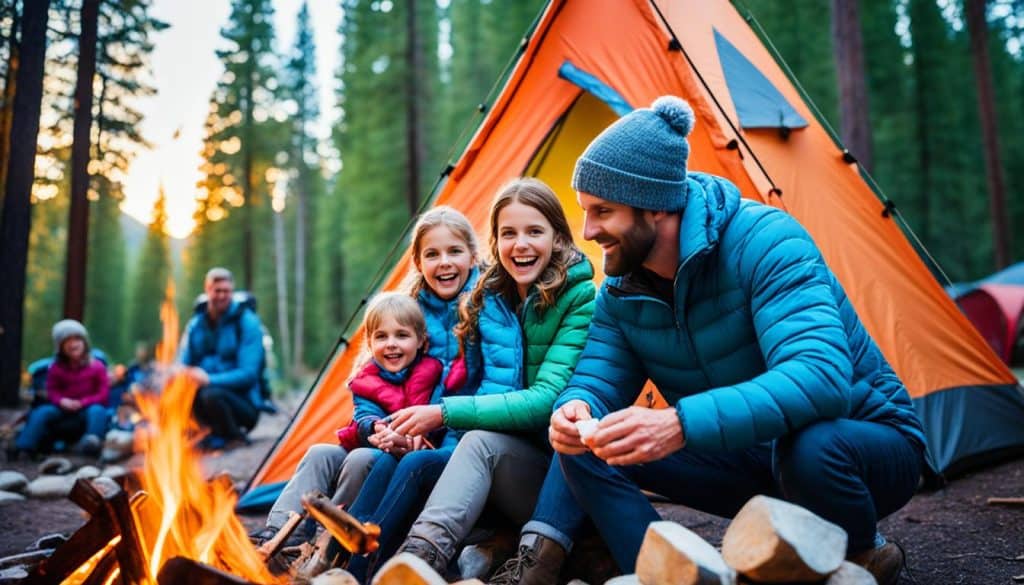
Summer has many kid-friendly hiking trails. Yellowstone, Grand Teton, and Sequoia are great places to start. These parks have trails for all ages and abilities. Don’t forget to book your stay early, as spots go fast.
“Summer in national parks is like a grand adventure. The trails are open, the wildlife is active, and the memories are waiting to be made.”
Here are some tips for a great summer visit:
- Arrive early to beat the crowds
- Use park shuttle services when available
- Pack plenty of water and sunscreen
- Check for any timed entry reservations required
| Park | Best Summer Activities | Peak Visitor Month |
|---|---|---|
| Yellowstone | Geyser watching, wildlife viewing | July |
| Grand Teton | Hiking, boating | August |
| Sequoia | Giant tree tours, stargazing | July |
In 2023, over 300 million people visited national parks, a 4% increase from before. This shows how popular these parks are. So, planning ahead is key for a great summer trip to our beautiful national parks.
Fall: Autumn Colors and Fewer Crowds
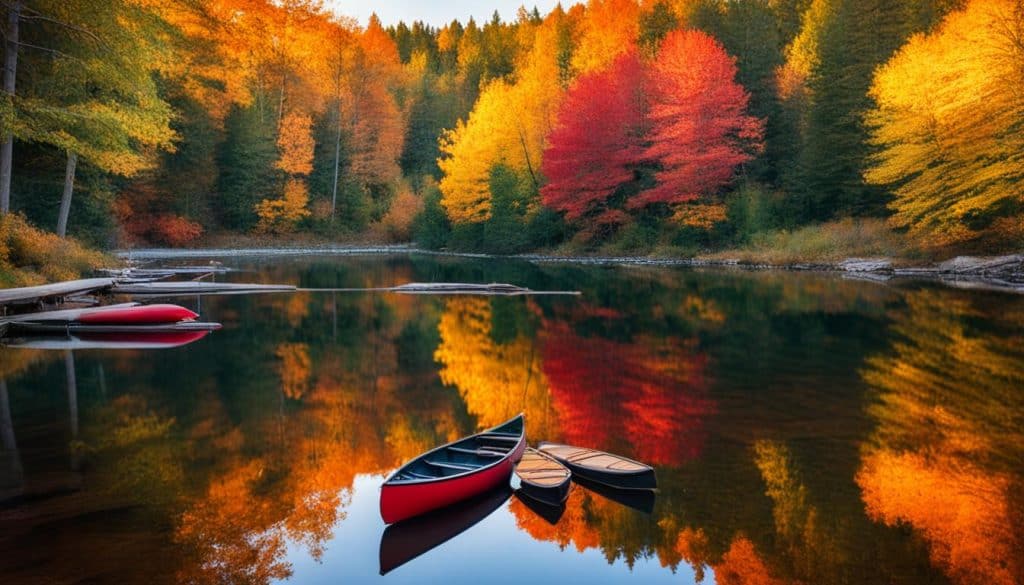
Fall national park visits are magical. The crisp air, stunning autumn foliage, and fewer crowds make it perfect. It’s great for families with young children who want to enjoy nature without the crowds.
Best Parks for Fall Foliage
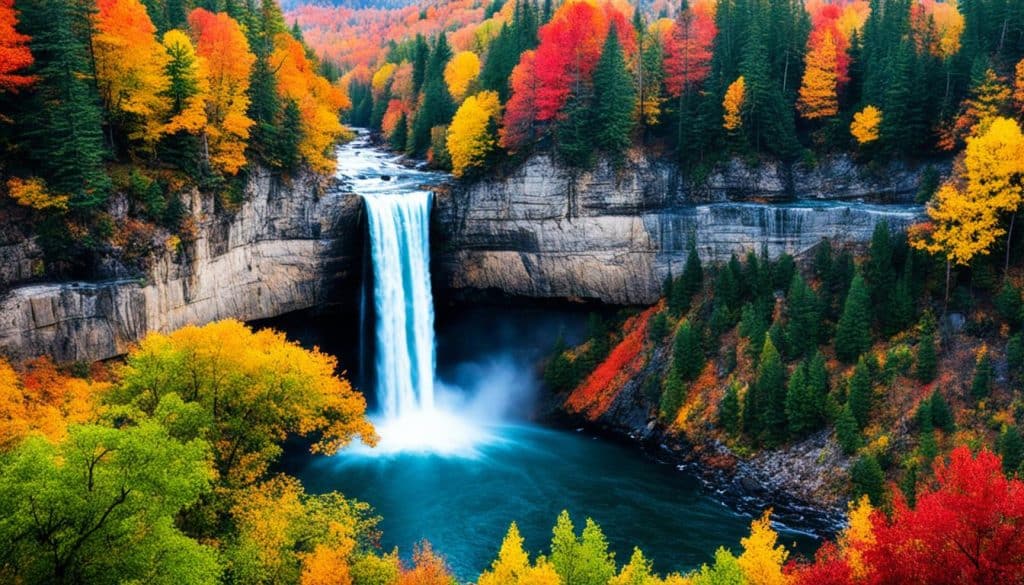
Timing is everything for vibrant fall colors. Great Smoky Mountains National Park shines with reds and golds in mid-October. Acadia National Park in Maine paints a breathtaking canvas from late September to October. Zion National Park surprises with its fall colors between October and November, offering a unique desert palette.
Autumn Wildlife Activities
Fall is a great time for wildlife viewing. In Rocky Mountain National Park, you might see elk during their rutting season in September. Yellowstone’s bison are active before winter, making for incredible sightings against the golden landscape.
Comfortable Hiking Conditions
Autumn’s mild temperatures make hiking perfect. I suggest the Alum Cave Trail in Great Smoky Mountains for stunning vistas. In Zion, The Narrows offers a unique fall hiking experience through shallow waters framed by colorful canyon walls.
| National Park | Peak Fall Colors | Family-Friendly Hike |
|---|---|---|
| Great Smoky Mountains | Mid-October | Laurel Falls Trail |
| Acadia | Early to Mid-October | Jordan Pond Path |
| Zion | Mid-October to Early November | Emerald Pools Trail |
Fall turns these parks into wonderlands of color and tranquility. It’s the perfect time for families with young children. The weather is comfortable, and the experiences are unforgettable.
Winter: Snowy Landscapes and Solitude
Winter national park visits are magical. They offer a peaceful beauty with snow all around and fewer people. Mount Rainier National Park in Washington is a winter dream, getting 54 feet of snow each year. Just imagine the untouched white beauty.
For those who love extreme winter fun, Denali National Park in Alaska is ideal. Winter starts early there, with temperatures dropping to -40°F. But don’t worry! You can enjoy dog sledding and see the northern lights there.
Yellowstone, our first national park, turns into a winter wonderland. Most roads close, but you can still get around by snowcoach or snowmobile. It’s a great chance to see animals and hot geysers in the snow.
Many parks have nature trails that are easy to walk on with a stroller in winter. Crater Lake National Park, with its 44 feet of snow a year, has guided snowshoe walks. It’s a great way to teach kids about winter nature.
- Yellowstone: Wildlife viewing and geyser watching
- Denali: Dog sledding and aurora borealis
- Crater Lake: Family-friendly snowshoe walks
- Mount Rainier: Stunning snow-covered landscapes
Winter visits to national parks are special and offer amazing views. Just make sure to check park websites for road closures and safety tips before you go!
Tips for Avoiding Crowds in Popular West USA National Parks
I’ve visited many national parks and learned how to avoid crowds. My 7-month road trip across the U.S. taught me a lot. I now know how to enjoy these beautiful places without the crowds.
Early Morning and Late Evening Visits
Starting early is a good idea. I try to be on the trails before 9 am, when most people arrive. Or, I go for hikes after 4 pm when it’s quieter. This is especially good for activities with toddlers, since they’re often up early.
Exploring Less-Visited Areas
Going off the beaten path can lead to quieter spots. Harder hikes usually have fewer people. I always ask park rangers for tips on less crowded places.
Utilizing Park Shuttle Services
Many parks have shuttle services to help with traffic. I use these to avoid parking problems and relax more. It’s a good way to see the park and help the environment.
| Strategy | Best Time | Benefits |
|---|---|---|
| Early Visit | Before 9 am | Quiet trails, wildlife sightings |
| Late Visit | After 4 pm | Fewer crowds, beautiful sunset views |
| Off-Season | Oct, Feb, Apr | Less crowded, comfortable temperatures |
Weekdays, especially Tuesdays and Wednesdays, are usually quieter. For the best visit, plan for spring or fall. The weather is mild, and there are fewer people.
Family-Friendly Seasons for National Park Visits
I’ve looked into many national parks for families with young kids. Summer is often the best time to go. Schools are out, and the weather is warm, making it great for outdoor fun. Parks have junior ranger programs and interactive centers that keep kids learning and interested.
Spring and fall are also good times for families who want cooler weather and fewer people. Parks like Acadia or Bryce Canyon are perfect then. They have easy trails and amazing views that kids love.
When planning your trip, look for parks with:
- Stroller-accessible trails
- National park playgrounds
- Educational programs for young children
Zion National Park is great for families. In April, it’s nice and cool for hiking. Kids as young as 8 can try canyoneering there. The Grand Canyon’s South Rim is open all year and has hikes and mule rides for kids 9 and up.
Every park has its own special things to see and do, no matter the season. You might see wildflowers in Great Smoky Mountains in spring or snow on Crater Lake in summer. There’s always something magical for families to find.
Conclusion: Planning Your Perfect West USA National Park Adventure
I’ve looked into the best times to visit West USA national parks. I’m excited to share what I’ve learned for your trip planning. From the Grand Canyon to Zion, each park has its own best times.
Spring brings wildflowers, summer is peak adventure time, fall shows off stunning colors, and winter offers serene snowy scenes.
When planning your visit, think about the weather, how crowded it will be, and how easy it is to get there. For family trips, summer might seem perfect, but consider shoulder seasons too. Spring and fall often have great weather and fewer people.
A well-planned trip can take you over 1000 miles through 3 states in just 7 days. With an America the Beautiful Pass ($80), you’ll save money and visit more parks. Don’t forget to pack hiking boots, a day pack, and sunscreen.
Whether you’re camping at Mather Campground or watching the sunrise at Mather Point, your West USA national park adventure is ready for you!
FAQ
What is the best time to visit West USA national parks?
The best time to visit West USA national parks depends on what you like and the parks you want to see. Each season has its own special experiences, like spring wildflowers or winter snow activities.
Why is timing so important when visiting national parks?
Timing matters a lot when planning a trip to national parks. Weather, crowds, and road conditions change with the seasons. Most parks have the best time to visit based on these factors.
How does weather affect national park visits?
Weather greatly impacts your visit to national parks. The best temperatures vary by park and season. Extreme temperatures can make outdoor activities tough.
When are the peak crowd seasons for national parks?
The summer months and holidays are the busiest times for most American national parks. This means more people can affect your visit.
Are there any road closures in national parks due to weather?
Yes, some parks close roads in the snow, limiting access to certain areas. For example, Going-to-the-Sun Road in Glacier National Park opens from mid to late-June to late September.
Which national parks are best for spring visits?
Spring is great for visiting desert parks like Death Valley when it’s cooler and wildflowers bloom. Yosemite, Zion, and Bryce Canyon are also lovely in spring.
What can families expect during summer visits to national parks?
Summer is the busiest but also the best time for families. All facilities are open, and there are many activities like junior ranger programs, hiking, camping, and wildlife watching.
Where can I see beautiful fall foliage in national parks?
Grand Teton and Rocky Mountain parks are stunning in September and October. They offer amazing autumn colors and good hiking weather.
Are there any winter activities in national parks?
Yes, winter has special activities like wolf tracking and viewing thermal features in Yellowstone. You can also go cross-country skiing or snowshoeing in Zion and Rocky Mountain.
How can I avoid crowds when visiting popular national parks?
To avoid crowds, visit during shoulder seasons or on weekdays. Explore less-visited areas, use park shuttles, and hike deeper into the backcountry for solitude.
Which seasons are most family-friendly for national park visits?
Summer is usually the best season for families, with everything open and lots of activities. Spring and fall are also good, with nicer weather and fewer people.