
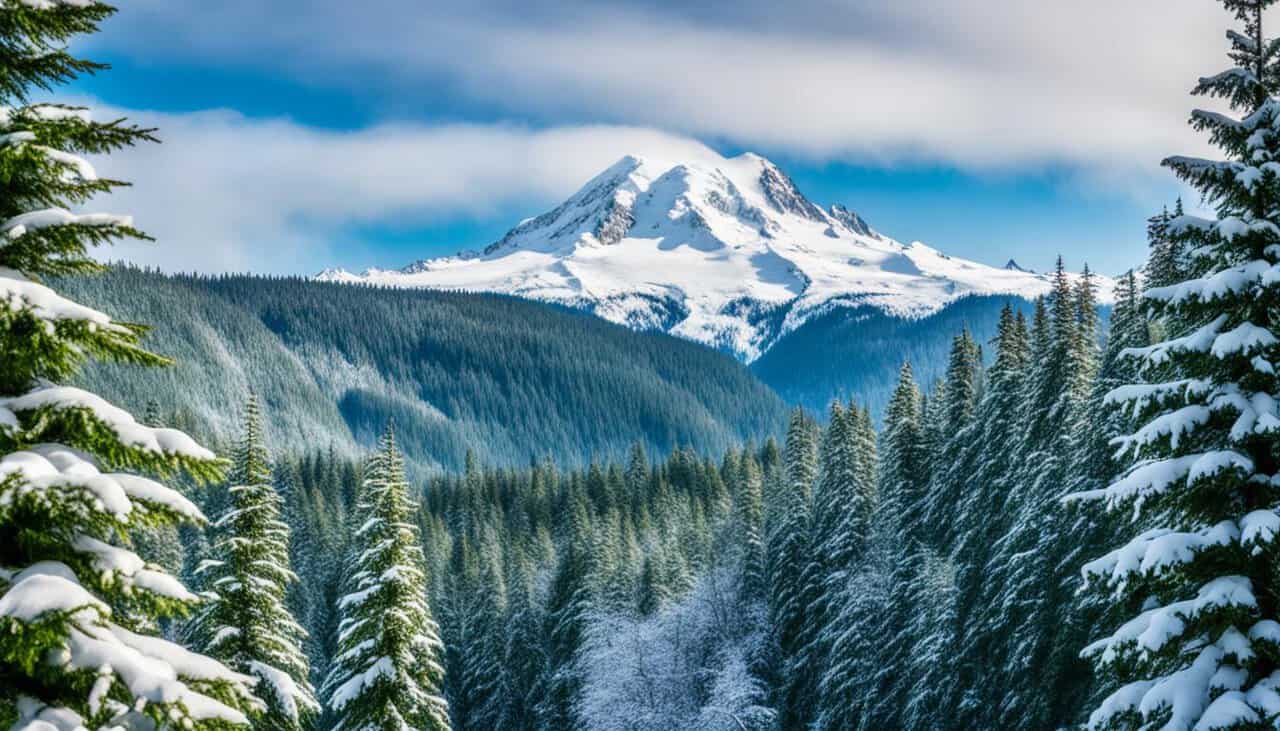
Olympic National Park, Washington’s top park, draws nearly 3 million visitors each year. This shows how much people love Washington’s natural beauty. I’ll show you the best times to visit Washington State National Parks, highlighting their diverse landscapes and seasonal highlights.
Washington is home to three amazing national parks: Olympic, Mount Rainier, and North Cascades. Each park has its own unique features, from green rainforests to snowy mountains and wild coastlines. The best time to visit varies, but mid-summer to early October is usually the best.
July and August are great for visiting mountain areas and seeing wildflowers. But the parks are beautiful all year. Fall offers stunning colors, with mountains turning red and yellow. Winter is perfect for skiing and snowshoeing, and spring brings mild weather and blooming cherry blossoms.
Key Takeaways
- Olympic National Park is the most visited, with nearly 3 million annual visitors
- Mid-summer through early October offers the best overall conditions
- July and August are ideal for mountain access and wildflower viewing
- Fall showcases vibrant foliage across Washington’s national parks
- Winter provides opportunities for snow sports in higher elevations
- Spring brings mild weather and blooming flowers at lower elevations
- An America the Beautiful Pass ($80) grants year-round access to all Washington national parks
Introduction to Washington’s National Parks
I’m excited to share my knowledge about Washington’s national parks. These natural wonders offer incredible outdoor adventures in Washington for nature lovers and thrill-seekers alike. Let’s explore the three main parks: Olympic, Mount Rainier, and North Cascades.
Overview of Washington’s National Parks
Washington state is home to three stunning national parks, each with its own charm. Olympic National Park spans nearly a million acres, featuring diverse landscapes from rainforests to beaches. Mount Rainier National Park is home to the iconic 14,411-foot volcano, while North Cascades National Park is known as “The American Alps” with its jagged peaks and numerous glaciers.
Unique Features of Each Park
Each park offers distinct experiences for visitors. Olympic National Park’s Hoh Rainforest receives an astounding 12 to 14 feet of rain annually. Mount Rainier features the challenging 93-mile Wonderland Trail, perfect for avid hikers. North Cascades, though less visited, boasts over 300 glaciers and 400 miles of hiking trails, including part of the Pacific Crest Trail. For those planning a national park vacation, Washington’s parks offer diverse landscapes and activities.
| National Park | Unique Feature | Recommended Activity |
|---|---|---|
| Olympic | Hoh Rainforest | Hiking Many Trails Loop |
| Mount Rainier | Wonderland Trail | Wildflower viewing at Paradise |
| North Cascades | Over 300 glaciers | Scenic drive along Diablo Lake |
Importance of Timing Your Visit
Timing is crucial when visiting these parks. Summer offers the best weather for hiking and camping, but it’s also the busiest season. Fall brings stunning foliage, while winter allows for snow sports at Mount Rainier. Spring showcases wildflower blooms. When creating your Washington state camping guide, consider seasonal closures and weather patterns to make the most of your trip. Proper national park vacation planning ensures access to all areas and optimal experiences in these breathtaking landscapes.
Climate and Weather Patterns in Washington State
Washington state’s climate is as varied as its landscapes. I’ve looked into the pacific northwest weather and found it interesting. In western Washington, summer days rarely go above 80°F, and winters stay mild, not going below 45°F. The eastern parts get up to 300 days of sunshine a year, showing the big difference in seasons.
The Olympic Peninsula’s rainforests get up to 150 inches of rain a year. The Cascade Mountains get around 200 inches of snow in winter. This variety in the landscape creates different climates all over the state.

| Season | Temperature Range | Precipitation | Notable Features |
|---|---|---|---|
| Spring (Mar-May) | 45°F – 65°F | Moderate | Wildflowers, orchard blossoms |
| Summer (Jun-Aug) | 70°F – 80°F | Low | Peak tourist season, camping |
| Fall (Sep-Nov) | 50°F – 70°F | Increasing | Fall colors, wine tasting |
| Winter (Dec-Feb) | 35°F – 45°F | High | Skiing, cozy indoor activities |
Knowing these patterns is key to planning trips to national parks and other spots. Whether you’re hiking in spring or skiing in winter, Washington’s climate has something for everyone all year.
Best Time to Visit Washington State National Parks
I’ve visited Washington’s national parks in every season, and each has its own charm. Let’s look at the best times to see these natural wonders.
Summer (June – August)
Summer is the busiest time for visiting Washington’s national parks. The weather is warm, and the skies are clear, making it great for hiking and sightseeing. Mount Rainier’s wildflower meadows are a sight to see, filled with colors.
But, be ready for crowds. I suggest coming early or during the week to skip the long lines at places like Paradise.
Fall (September – November)
Fall might be the best season for visiting Washington parks. The parks are less crowded, and the leaves turn beautiful colors. It’s perfect for taking photos and enjoying quiet hikes.
The Longmire area in Mount Rainier looks stunning in autumn. It’s a National Historic Landmark District.
Winter (December – February)
Winter turns Washington’s national parks into a snowy wonderland. It’s ideal for snowshoeing and sledding at Paradise in Mount Rainier. The Carbon River area offers a unique rainforest experience.
Just remember, some roads might be closed due to snow.
Spring (March – May)
Spring brings new life to the parks. Wildflowers bloom, and waterfalls are full from snowmelt. It’s a great time to see the subalpine meadows at Sunrise in Mount Rainier.
Spring weather can be unpredictable, so bring layers and be ready for rain.
| Season | Highlights | Considerations |
|---|---|---|
| Summer | Full accessibility, warm weather | Crowded, book early |
| Fall | Fall colors, fewer crowds | Cooler temperatures |
| Winter | Snow activities, serene landscapes | Limited access, road closures |
| Spring | Waterfalls, early wildflowers | Unpredictable weather |
Seasonal Highlights in Olympic National Park
I love exploring Olympic National Park all year. It’s the 13th largest park in the US, offering many different experiences. From hiking at Hurricane Ridge to visiting the Hoh Rainforest, each season has its own charm.
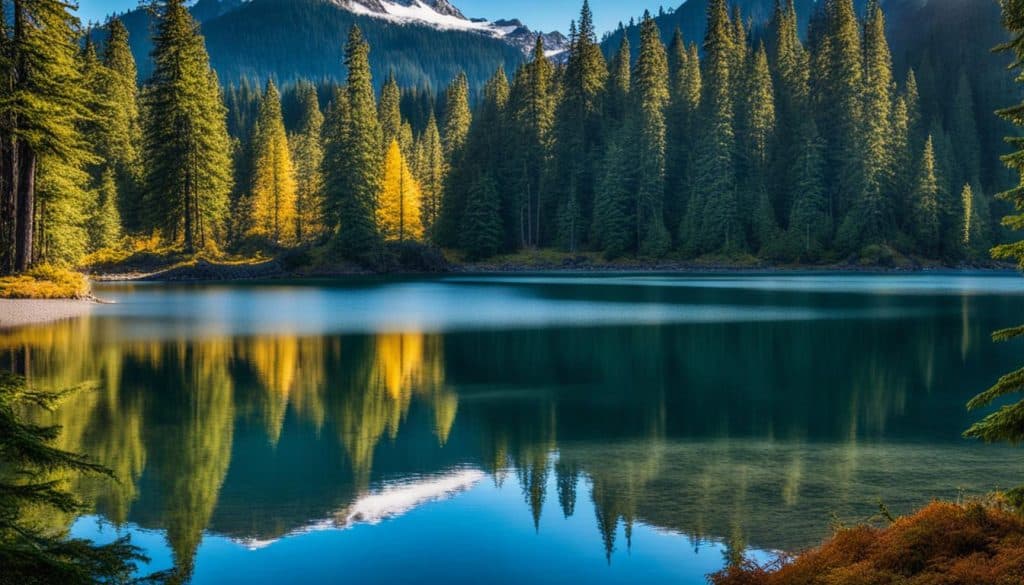
Summer is the best time for adventures in Olympic National Park. The weather is mild, with highs in the upper 60s. It’s ideal for hiking and exploring. I suggest spending at least two nights to see everything.
A three-day trip lets you find hidden spots like Ozette Lake and Shi-Shi Beach. These places are truly special.
Fall brings beautiful colors to the forests. By October, temperatures drop to the 50s. It’s perfect for scenic drives and watching wildlife.
Winter turns Hurricane Ridge into a winter sports paradise with 30-35 feet of snow. The coast is amazing for storm watching.
Spring brings new life to the park. Here’s a look at average temperatures in different areas:
| Location | March (High/Low) | April (High/Low) | May (High/Low) |
|---|---|---|---|
| Hurricane Ridge | 32°F / 19°F | 37°F / 21°F | 44°F / 28°F |
| Quinault Rainforest | 51°F / 36°F | 56°F / 39°F | 63°F / 44°F |
| Rialto Beach | 51°F / 38°F | 55°F / 41°F | 61°F / 45°F |
Olympic National Park is huge. It takes about three hours to drive from Seattle to Hurricane Ridge, and four hours to reach the coast. Plan your trip well, using multiple bases to cut down on driving and enjoy more of the park.
Mount Rainier National Park Through the Seasons
I love exploring Mount Rainier National Park all year. Each season has its own charm and activities. Let’s look at the seasonal highlights of this beautiful park.
Wildflower Blooms in Paradise
Summer is magical in Paradise. The meadows come alive with vibrant wildflowers. I try to visit in early to mid-July for the best blooms. It’s a sight that attracts nature lovers and photographers.
Fall Foliage Viewing
Fall turns the park into a warm-colored canvas. Early fall is great for hiking. The trails are less crowded, and the air is crisp. The changing leaves contrast beautifully with Mount Rainier’s snow.
Winter Activities and Snow Sports
Winter covers the park in snow, offering many activities. Paradise gets about 67 feet of snow a year! I like snowshoeing and cross-country skiing here. Don’t forget snow chains for driving from November 1 to May 1.
| Season | Highlights | Temperature Range (°F) |
|---|---|---|
| Summer | Wildflower blooms, hiking | 40s to low 80s |
| Fall | Foliage viewing, fewer crowds | 30s to 60s |
| Winter | Snow sports, scenic views | 20s to 40s |
| Spring | Waterfalls, early blooms | 30s to 60s |
No matter the season, Mount Rainier National Park is unforgettable. Plan your visit to enjoy its seasonal wonders.
Exploring North Cascades National Park Year-Round
I adore North Cascades National Park for its stunning views and year-round activities. It boasts over 300 glaciers and 400 miles of trails. This makes it a dream spot for those who love the outdoors.
Summer and early fall are the best times for hiking in the North Cascades. The main hiking season is from late April to October. July and August are the busiest months. During these months, I enjoy hiking trails like Cascade Pass and Sahale Arm. Some trails at high elevations may still have snow in July.
Diablo Lake Vista Point is one of my top spots. The lake’s blue waters make for amazing photos. For something unique, try visiting the Stehekin Valley. It’s only reachable by boat, plane, or hiking.
Winter adds a special touch to the park. The North Cascades Highway (Highway 20) closes from November to May due to snow. But, lower areas are great for cross-country skiing and snowshoeing.
| Season | Activities | Notes |
|---|---|---|
| Summer/Early Fall | Hiking, camping, sightseeing | Busiest season, all areas accessible |
| Late Fall | Hiking, fall foliage viewing | Less crowded, some road closures |
| Winter | Cross-country skiing, snowshoeing | Limited access, Highway 20 closed |
| Spring | Wildflower viewing, early hiking | Road reopening, snow at higher elevations |
With just 40,000 visitors in 2023, North Cascades is a hidden treasure. It’s less crowded than its neighbors. Whether it’s a day trip or a longer visit, this park promises unforgettable moments in every season.
Crowd Levels and Peak Seasons
Summer, especially July and August, brings a lot of visitors to Washington national parks. Olympic National Park is the busiest, welcoming over 3 million people each year. To avoid the crowds, plan your visit during the off-peak times.
Busiest Months in Each Park
From June to August, the parks are packed. At Olympic, places like Hurricane Ridge and Hoh Rain Forest are very crowded. You might wait up to 2 hours to get in.
Mount Rainier’s Paradise area is full of people looking for wildflowers. But, North Cascades is quieter, with only 30,000 visitors a year.
| Park | Peak Season | Busiest Areas |
|---|---|---|
| Olympic | June – August | Hurricane Ridge, Hoh Rain Forest |
| Mount Rainier | July – August | Paradise, Sunrise |
| North Cascades | July – September | Visitor Centers, Popular Trails |
Tips for Avoiding Crowds
Shoulder seasons, like late spring or early fall, are the best times to visit. Weekdays are quieter than weekends. Arrive early in the morning or late in the afternoon to avoid crowds.
At Olympic, getting there before 10 am helps secure parking at popular spots.
For a quiet visit, explore the parks’ less crowded areas. Winter is great for snow activities and watching storms along the coast. Proper planning is essential for a peaceful experience.
Planning Your Visit: Accommodation and Reservations
Washington national park lodging varies by park. Olympic National Park has lodges like Lake Quinault and Kalaloch. Mount Rainier is home to the famous Paradise Inn. Camping in Washington parks is also popular, with many campgrounds available.
It’s smart to book national park reservations early, especially for summer. Lodge bookings open up to a year ahead. Campground spots are available six months before. I’ve seen Kalaloch Campground in Olympic fill up fast, so plan early.
For a budget-friendly choice, think about the America the Beautiful Pass. It covers fees for all three parks and is great for visiting multiple parks. Whether you’re tackling the 26-mile Enchanted Valley trail or visiting Madison Falls, having your stay planned makes things easier.
Each park area has its own charm. From the green Hoh Rainforest to the breathtaking views at Hurricane Ridge, good planning means you’ll have a comfy place to stay. Don’t forget to bring hiking boots and raincoats – the weather in the Pacific Northwest can change quickly!
FAQ
What are the three national parks in Washington state?
Washington state has three national parks: Olympic National Park, Mount Rainier National Park, and North Cascades National Park.
When is the best time to visit Washington’s national parks?
Summer (June-August) is the best time to visit, with warm weather and clear skies. It’s perfect for exploring. But, the best time depends on what you want to do and which park you visit.
What are some popular activities in Olympic National Park?
At Olympic National Park, you can hike the Hurricane Ridge trails, explore the Hoh Rainforest, visit Rialto Beach, and go whale watching along the coast.
When can I see wildflowers in Mount Rainier National Park?
For wildflowers, head to Mount Rainier National Park from mid-July to mid-August. The Paradise and Sunrise areas are great spots.
Can I visit North Cascades National Park in winter?
Yes, you can visit North Cascades National Park in winter. Enjoy cross-country skiing and snowshoeing at lower elevations. The North Cascades Highway closes from November to May due to snow.
When is the peak season for Washington’s national parks?
Summer is peak season, especially in July and August. Olympic National Park gets the most visitors, followed by Mount Rainier and North Cascades.
How can I avoid crowds in Washington’s national parks?
To dodge crowds, visit in late spring or early fall. Stick to less crowded areas, go on weekdays, or visit early morning or late afternoon.
What accommodation options are available in Washington’s national parks?
You can stay at lodges like Lake Quinault Lodge (Olympic), Paradise Inn (Mount Rainier), or camp in many places. Make summer reservations early.