

Did you know summer in Southwest USA National Parks can get over 100°F (37.8°C)? This fact shows why it’s key to plan your visit well. I’ve been to these parks a lot and can show you the best times to go without getting too hot.
The Southwest is full of amazing sights, like the Grand Canyon and Sedona’s red rocks. Each park has its best times to visit, but spring and fall are top choices. These months have mild weather and fewer people, ideal for outdoor fun.
Think about the weather in these parks when you plan your trip. Spring (March to May) and fall (September to November) are the best times. Temperatures are between 40°F to 70°F (4.4°C to 21.1°C), great for hiking, taking photos, and seeing wildlife without the summer heat or winter cold.
Key Takeaways
- Spring and fall are the best times to visit Southwest USA National Parks
- Summer can get very hot, over 100°F (37.8°C) in many places
- Each season in the Southwest has its own special things to see and do
- Grand Canyon temperatures are nice in spring and fall, from 40°F to 70°F (4.4°C to 21.1°C)
- Sedona is nice all year, with temperatures from 30°F to 80°F (-1.1°C to 26.7°C)
- Winter is great for peaceful visits and stargazing in the desert
Introduction to Southwest USA National Parks
I love exploring the Southwest USA’s national parks. These stunning landscapes offer unique southwest outdoor adventures that captivate visitors all year. From vast deserts to towering canyons, the region’s diverse ecosystems are perfect for nature lovers.
Overview of the Southwest Region
The Southwest has many national parks, each with its own unique character. Death Valley, created in 1994, covers over 3.4 million acres and has extreme temperatures. Great Basin, founded in 1986, spans 77,180 acres and shows off diverse landscapes from deserts to glacial lakes.
Timing Your Visit
Choosing the right time to visit is key for a great experience. Summer is the busiest season but also the hottest. I like visiting in April-May or September-October. These months have nice weather and fewer tourists.
Diverse Landscapes and Ecosystems
The Southwest’s national parks are full of incredible biodiversity. Death Valley is home to over 1,000 plant species, including ancient bristlecone pines. Great Basin has Lehman Caves with rare shield formations and Native American rock art. Each park offers unique hiking trails and stunning views.
“The Southwest’s national parks are a testament to nature’s artistry, sculpted by time and the elements into awe-inspiring landscapes.”
Thinking of a Southwest road trip? Get a National Parks Pass for $80. It lasts a year and can save you over $100 on entry fees. Remember, popular hikes like Angels Landing in Zion need permits, so plan ahead for your southwest outdoor adventures.
Climate Considerations for Southwest National Parks
I’ve visited many southwest national parks, and the weather is key to planning your trip. The area’s varied landscapes lead to different weather patterns, impacting hiking trails and your experience.
The Southwest makes up one-fifth of the U.S. and is mostly forests and shrublands. This vast area means the weather can change a lot across the parks.
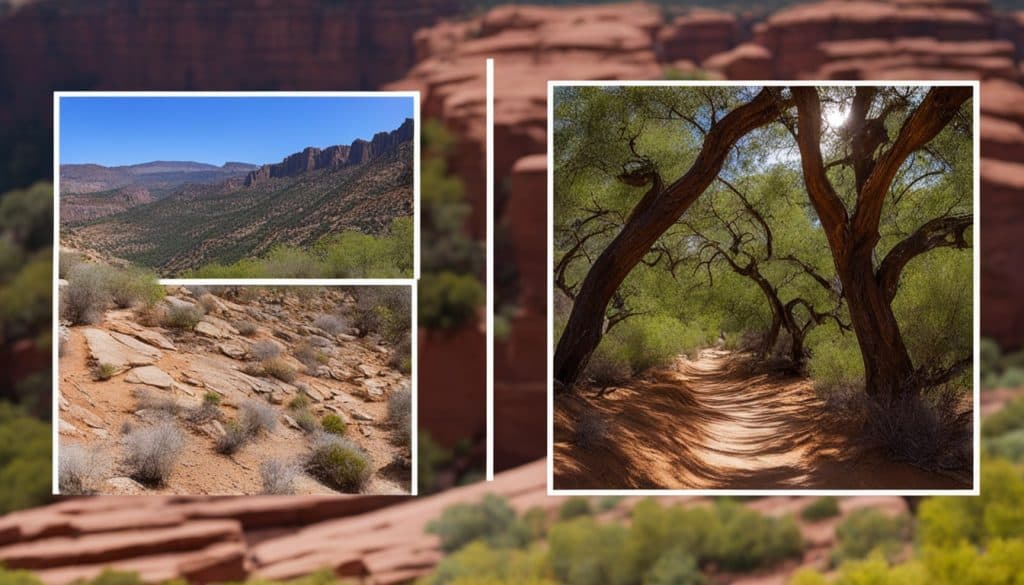
Temperatures in the Southwest swing a lot. Arizona and New Mexico are the warmest, while Utah and Colorado are cooler. Arizona has seen a record high of 128°F, and Utah a low of -69°F.
| State | Record High (°F) | Record Low (°F) |
|---|---|---|
| Arizona | 128 | -40 |
| Utah | 117 | -69 |
| Average | 66.6 | 37.0 |
How much rain the area gets changes with elevation. Utah gets about 13.4 inches a year, while Colorado gets 15.7 inches. This affects the trails and the best times to visit.
The region faces big weather challenges. Thunderstorms and tornadoes are common east of the Rockies, especially in the Great Plains. These can change hiking plans and make it hard to get to the parks.
Climate change is a big worry. The Southwest is going through its driest period in 1,200 years, with human actions making up 42% of the soil moisture loss. This hurts the unique ecosystems and landscapes of the parks.
Best Time to Visit South West USA National Parks
I’ve spent a lot of time in the Southwest’s national parks. I can tell you that the best time to go is during the shoulder seasons. These periods are perfect for enjoying the outdoors.
Spring (March to May)
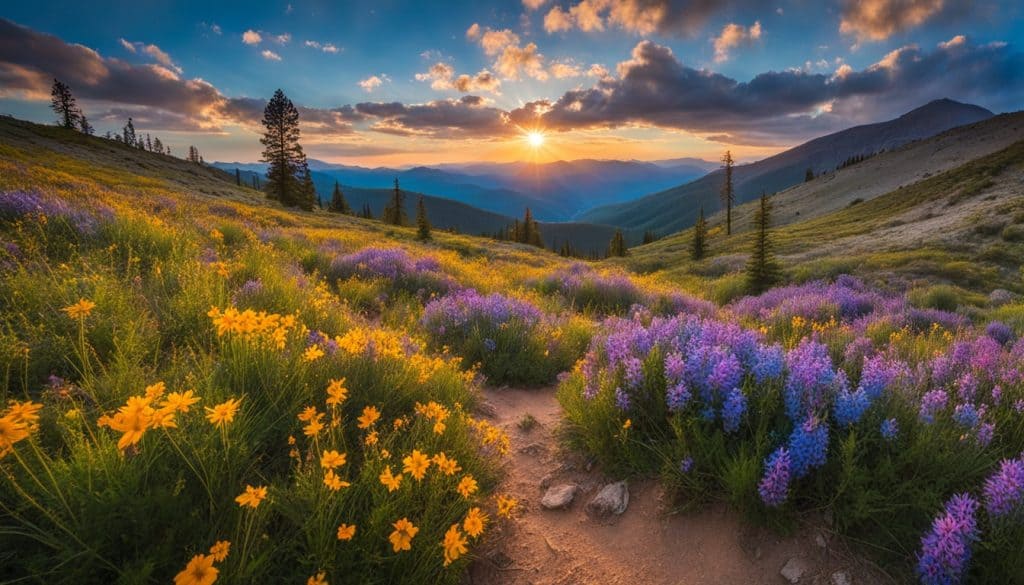
Spring brings new life to the Southwest. From late March to early May, the weather is mild, great for hiking and seeing sights. Wildflowers bloom, making the scenery colorful. It’s a great time for taking photos and seeing wildlife.
Fall (September to November)
Fall is my top choice for outdoor fun in the Southwest. After the summer heat, the days are pleasant, and nights are cool. The leaves turn golden, making the scenery even more beautiful. And, there are fewer people after Labor Day, so you can enjoy more space.
Advantages of Shoulder Seasons
Spring or fall visits have many benefits:
- Fewer crowds at popular spots
- Lower prices for places to stay
- Great weather for being outside
- Special experiences like wildflowers or fall colors
| Season | Temperature Range | Crowd Level | Unique Experiences |
|---|---|---|---|
| Spring | 50-75°F | Moderate | Wildflower blooms |
| Fall | 55-80°F | Low | Fall foliage |
The best time to visit South West USA national parks changes a bit by park and what you like. But, spring and fall are usually the best for a great outdoor adventure.
Summer in Southwest National Parks
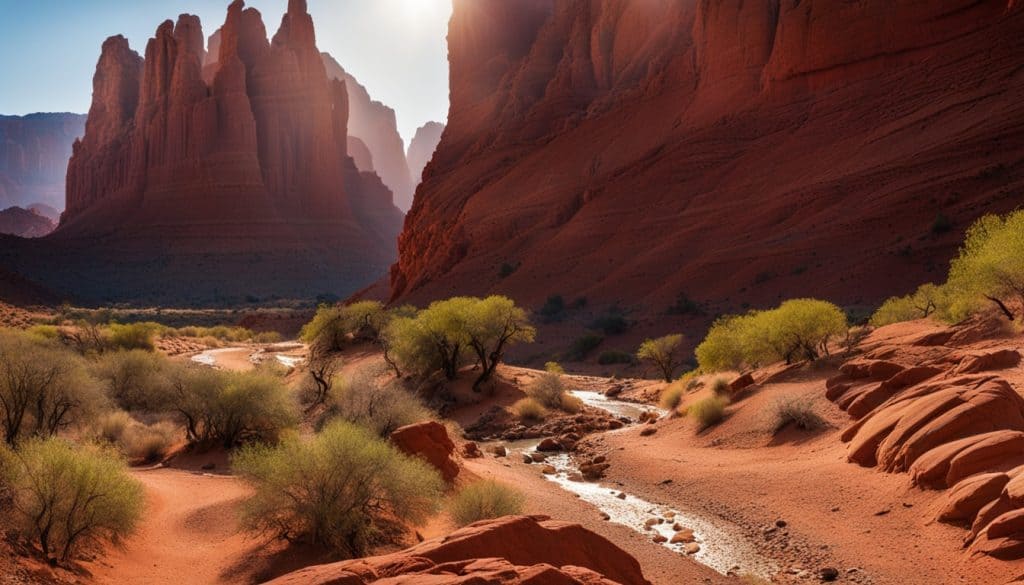
Exploring southwest national park tours in summer is unique. Arizona’s temperatures often hit 100°F, making it hard to enjoy the outdoors. Yet, parks are full of visitors during school breaks.
To stay cool, I start my hikes early. Many parks have summer programs and guided tours. These are great for learning and staying cool. I always carry water, sunscreen, and protective clothing.
Summer nights at southwest camping sites are more enjoyable. The air cools down, making it perfect for stargazing. Some parks even have night sky programs.
| Park | Summer Temp (°F) | Best Time to Visit |
|---|---|---|
| Grand Canyon | 80-95 | Early Morning |
| Zion | 90-100 | Evening |
| Bryce Canyon | 70-80 | Midday |
Summer isn’t great for long hikes, but it’s perfect for water activities. Parks like Lake Powell have lakes and rivers for cooling off. Indoor attractions like visitor centers offer cool places to learn and relax.
“Summer in the Southwest is like nature’s oven, but with proper planning, it can still be an unforgettable adventure.”
Winter Adventures in the Southwest
Winter in the Southwest changes the landscape in magical ways. I enjoy exploring this area when it’s cold. It’s full of unique outdoor adventures and beautiful places for photography. The crisp air and snow make everything feel serene, perfect for nature lovers and photographers.
Snow-covered Landscapes
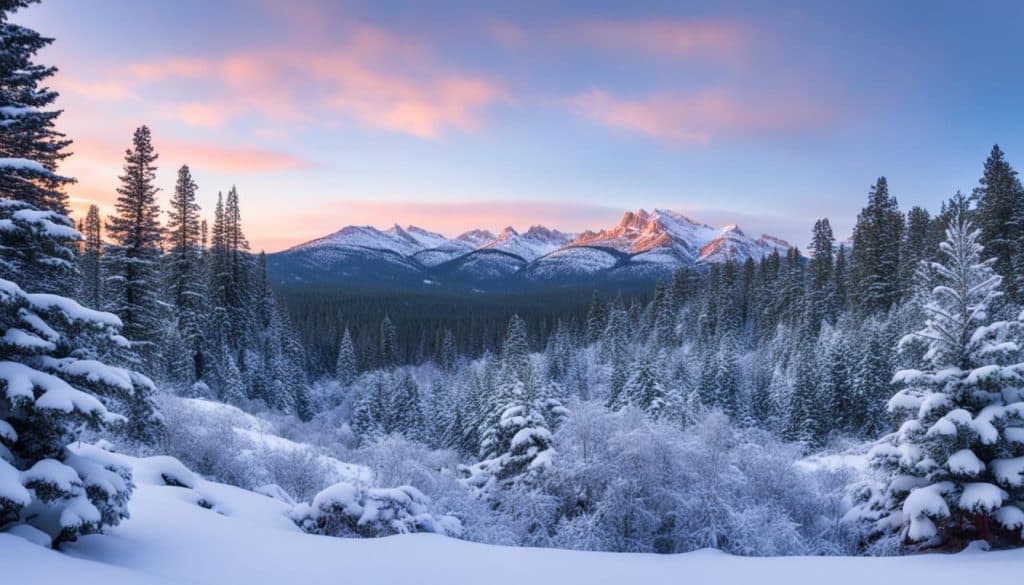
Higher places in the Southwest get snow, making spots like Sedona and the Grand Canyon look like winter wonderlands. I’ve seen temperatures drop to 7°F at sunset in the Grand Canyon on New Year’s Day. But the beauty of snow on red rocks and canyons is amazing.
Winter Activities and Attractions
Winter is a great time to visit the Southwest because it’s less crowded. Most parks stay open all year, except the North Rim of the Grand Canyon, which closes from mid-October to mid-May. Hiking in winter is nicer, with temperatures sometimes reaching 50°F in places like Valley of Fire State Park in Nevada.
Photography Opportunities
For photographers, winter in the Southwest is a dream. Snow-covered landscapes offer stunning contrasts, especially in slot canyons like Antelope Canyon X. This spot is less crowded and shows off colorful sandstone formations. But, you need a Navajo guide to get there, which helps local conservation.
| Winter Activity | Location | Description |
|---|---|---|
| Scenic Drive | Valley of the Gods | 17-mile loop, 3 hours from Page, AZ |
| Slot Canyon Hike | Buckskin Gulch | 50-foot walls, ancient petroglyphs |
| Historical Exploration | Chaco Canyon, NM | 13 sites with ancient buildings |
Winter in the Southwest is a mix of adventure and peace. It’s great for finding solitude in nature or capturing unique photos. This season offers an unforgettable experience in a diverse landscape.
Grand Canyon National Park: Optimal Visiting Periods
Spring and fall are the best times to visit Grand Canyon National Park. These seasons are perfect for hiking the national park trails. Temperatures are between 50-60°F on the South Rim, great for outdoor fun.
Spring has fewer people and nice weather. The South Rim trails are open, but the North Rim is closed due to snow. Fall also has fewer visitors and temperatures like spring.
Summer brings the most tourists, with temperatures over 80°F on the South Rim and even hotter in the canyon. Make sure to drink plenty of water and be ready for the heat if you visit then.
“The Grand Canyon is a hiker’s paradise, but timing is everything.”
Winter offers a special experience with snow and fewer people. Daytime highs are around 40°F on the South Rim, but drop to the teens at night. Some areas are closed, but you can camp in Mather Campground and Trailer Village RV Campground.
| Season | Temperature Range (°F) | Crowd Level | Unique Features |
|---|---|---|---|
| Spring | 50-60 | Moderate | Wildflowers blooming |
| Summer | 70-85 | High | Long daylight hours |
| Fall | 50-60 | Moderate | Colorful foliage |
| Winter | 20-40 | Low | Snow-covered views |
Exploring Sedona’s Red Rock Country
I adore Sedona’s pleasant climate all year, making it ideal for outdoor fun. This Arizona spot draws nearly four million visitors each year. It’s clear why they come.
Year-round Pleasant Climate
Sedona’s weather is welcoming all year. It goes from 30°F in winter to 80°F in summer. Spring and fall are my top picks, perfect for hiking and exploring.
Best Months for Outdoor Activities
Spring and fall are the best for outdoor lovers. Sedona boasts over 200 hiking trails, a dream for hikers. I suggest the Cathedral Rock Trail for stunning views. Or, try a Pink Jeep Tour for a thrilling ride through tough terrain.
Spiritual Experiences and Vortexes
Sedona is famous for its vortexes, places of spiritual energy. The Airport Mesa Loop trail gives a 360-degree view and is a top vortex spot. For a mix of spirituality and architecture, check out the Chapel of the Holy Cross.
| Season | Temperature (°F) | Activities |
|---|---|---|
| Spring | 60-75 | Hiking, Jeep Tours |
| Summer | 75-90 | Swimming, Early Morning Hikes |
| Fall | 60-75 | Hiking, Scenic Drives |
| Winter | 30-50 | Stargazing, Mild Hikes |
Don’t skip the southwest scenic drives, like Oak Creek Canyon. This 16-mile gorge is one of America’s most scenic drives. Whether you want adventure or peace, Sedona’s red rock country has it all.
Utah’s Bryce Canyon National Park: Seasonal Guide
I’ve visited Bryce Canyon National Park in every season, and it’s amazing all year. It’s known for the world’s largest hoodoos and offers different experiences with the weather. The park’s rim is at 8,000 to 9,100 feet, so the climate changes a lot throughout the year.
Summer, from June to September, is when most visitors come. It’s warm, with temperatures between 60-80°F, perfect for hiking and seeing the 12 hoodoo amphitheaters. Don’t miss the Bryce Canyon Astronomy Festival in June or the Geology Festival in July. Fall is cooler and less crowded, making it my top choice. Be ready for near-freezing nights and possible snow in October and November.
Winter turns Bryce Canyon into a snowy wonderland. It’s great for photography, even with the cold. The park offers snowshoe hikes with free rentals and the Winter Festival. Spring brings warmer temperatures, rising to 40-60°F, with snow still falling in March. As the snow melts, the hoodoos become more visible, offering great photo spots.
Bryce Canyon goes through over 200 freeze-thaw cycles a year, shaping its unique landscape. Whether you’re hiking in summer or snowshoeing in winter, each season shows a different side of this natural wonder. Just remember to check the visitor center hours and pack right for the season you visit.
FAQ
What is the best time to visit Southwest USA National Parks?
The best times to visit Southwest USA National Parks are spring (March to May) and fall (September to November). These seasons offer mild temperatures, fewer crowds, and optimal conditions for outdoor activities like hiking.
Why is timing important when visiting Southwest National Parks?
Timing your visit is crucial for the best experience in Southwest National Parks. Weather conditions change with the seasons. The diverse landscapes, from deserts to high mountains, offer unique experiences all year.
What are the climate considerations for Southwest National Parks?
Summers in the Southwest can be very hot, often over 100°F in deserts. Winters are cooler, with snow in high places. Spring and fall are mild, perfect for hiking and outdoor fun.
What are the advantages of visiting during the shoulder seasons?
Visiting in spring and fall means pleasant weather, wildflowers in spring, and fall colors. You’ll also find fewer people, making trails and attractions more enjoyable.
What should I expect when visiting Southwest National Parks in summer?
Summer is hot, often over 100°F in deserts. It’s also busy due to summer holidays. Early morning hikes are best to avoid the heat. Some parks have summer programs and tours.
What are some winter attractions and activities in the Southwest?
Winter brings cold and snow, especially at high elevations. This creates beautiful scenes for photos and a peaceful experience. Try snowshoeing, cross-country skiing, or stargazing in the clear skies. Places like Antelope Canyon are less crowded.
When is the best time to visit Grand Canyon National Park?
Spring and fall are best for visiting the Grand Canyon. Temperatures are between 40 to 70°F, perfect for hiking trails like Bright Angel and South Kaibab. Sunrise and sunset are stunning during these months.
What is the best time to explore Sedona’s Red Rock Country?
Sedona is great all year, with temperatures from 30 to 80°F. Spring and fall are best for hiking Cathedral Rock Trail or jeep tours. It’s famous for its spiritual vortexes and stunning red rocks, great for photos and drives all year.
When should I plan a visit to Bryce Canyon National Park?
Bryce Canyon has something special in every season. Summer is warm, ideal for scenic trails. Fall is cooler and less crowded. Winter brings snow, but some areas might be hard to reach. Spring is mild, with the park’s famous hoodoos and natural amphitheaters becoming more accessible as snow melts.