
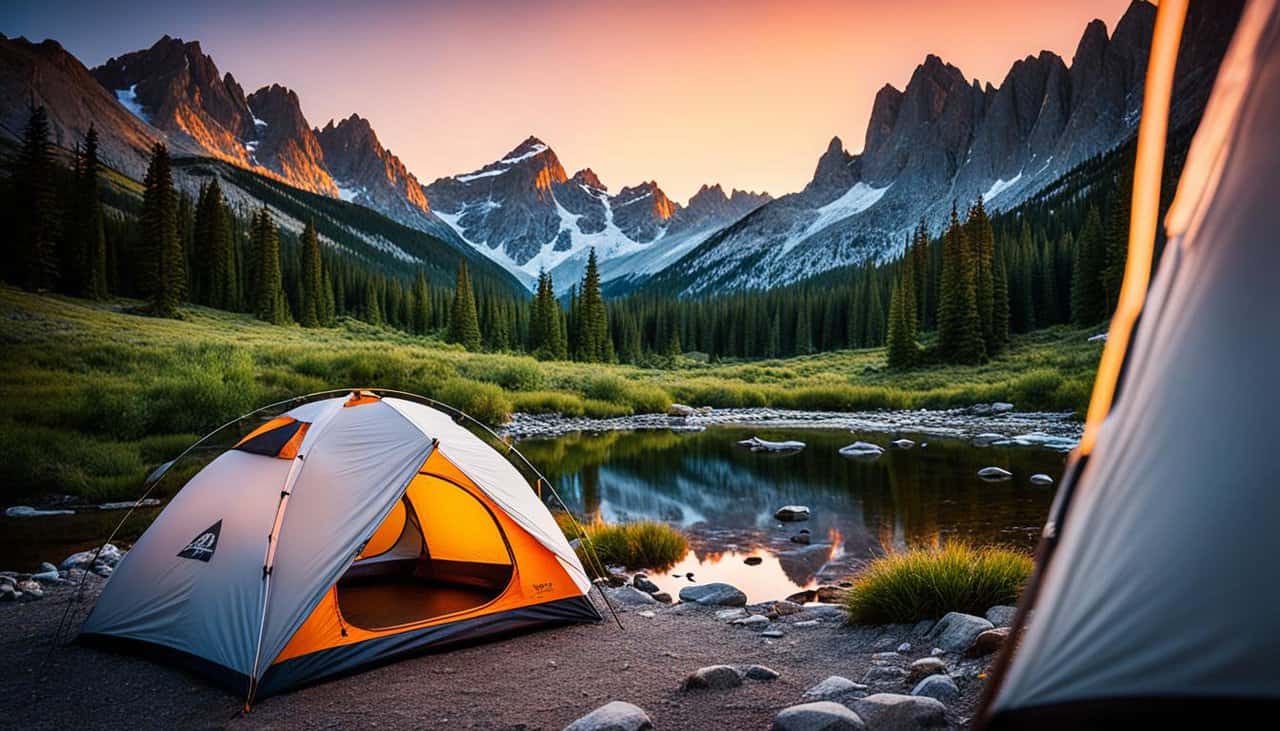
Did you know North Cascades National Park gets only about 30,000 visitors a year? It’s a hidden gem in the Northwest USA. This makes it perfect for those who love nature and want to avoid crowds. I’ll share the best times to visit these parks and discover their secrets.
The Pacific Northwest is home to many national parks, each with its own best times to visit. You can see the rugged coast of Olympic National Park or climb the tall peak of Mount Rainier. Knowing when the weather is best helps plan your trip and enjoy the amazing hiking trails.
Visiting places like Crater Lake or Redwood National Park at the right time makes a big difference. I’ll show you when to go to each park for the best experience. This way, you can enjoy your Northwest adventure to the fullest.
Key Takeaways
- Summer offers the best weather for outdoor activities
- Spring and fall provide mild weather and fewer crowds
- Winter presents unique opportunities for snow activities
- Each park has its own seasonal highlights
- Consider purchasing an annual national park pass for multiple visits
Introduction to the Northwest’s National Parks
I’m thrilled to talk about the Northwest’s stunning national parks. These places are full of diverse landscapes, from rugged coasts to lush forests and tall mountains. You’ll find famous parks like Olympic, Mount Rainier, North Cascades, Crater Lake, and Redwood.
There’s no shortage of outdoor fun in these parks. You can hike through green forests, see wildflowers in meadows, and enjoy clear lakes that mirror the mountains. Keep an eye out for wildlife like elk, black bears, and bald eagles.
When it comes to camping, there’s something for everyone. You can stay in cozy lodges or set up your tent in rustic spots. Remember to book your stay early, especially from June to September when it gets busy.
“The Pacific Northwest is a paradise for nature lovers, offering unparalleled beauty and adventure in its national parks.”
Each park has its own special features. Olympic National Park is a UNESCO World Heritage Site known for its rich biodiversity. Mount Rainier is famous for its beautiful meadows and snowy peak. North Cascades offers breathtaking mountain views, and Crater Lake’s deep blue waters will amaze you.
Planning a road trip? Here’s a great route:
- Start in Seattle
- Explore Olympic National Park
- Visit Mount Rainier
- Drive to Portland
- End at Crater Lake
The best time to visit is from July to October, when the weather is perfect. So, grab your hiking boots and camera – amazing adventures are waiting for you in the Northwest’s national parks!
Best time to visit north west usa national parks
I’ve explored the Northwest’s national parks in all seasons, and each offers unique experiences for northwest park road trips. Let’s dive into the advantages of visiting during different times of the year.
Peak season advantages
Summer is the best time for family vacations in the Northwest. From June to August, you’ll enjoy warm weather and full access to park facilities. It’s perfect for hiking, camping, and outdoor activities. But remember, crowds are larger and prices higher during this popular season.
Off-season benefits
Winter visits offer a magical experience. Snowshoeing in Mount Rainier or cross-country skiing in North Cascades provide unique adventures. Crowds thin out, and accommodation rates drop. It’s ideal for those seeking tranquility and winter sports enthusiasts.
Shoulder season opportunities
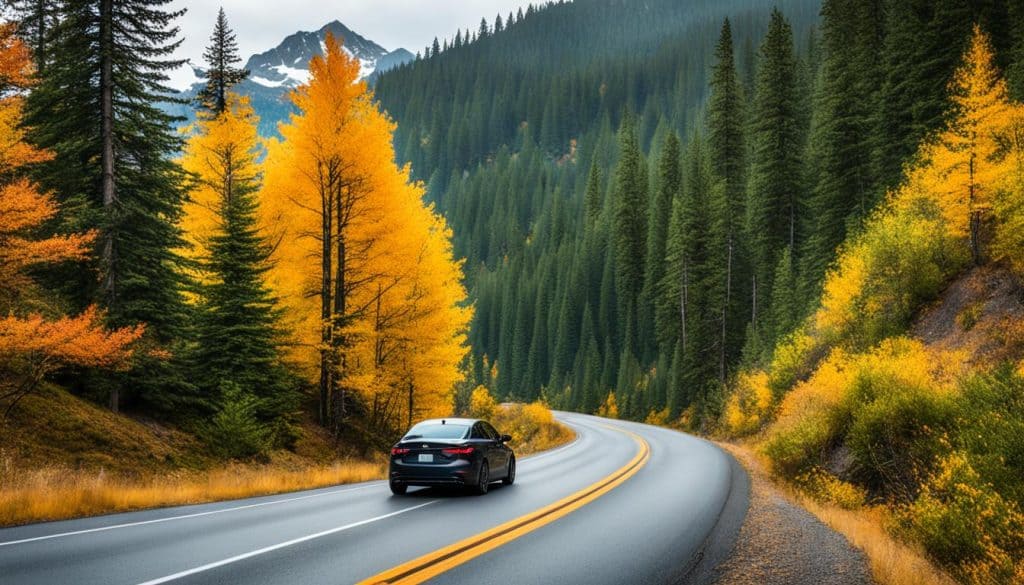
Spring and fall are my favorite times for scenic drives through northwest parks. You’ll find a balance of good weather and fewer visitors. Spring brings wildflower blooms, while fall offers spectacular foliage. These seasons are perfect for photography and enjoying nature’s transitions.
| Season | Advantages | Best For |
|---|---|---|
| Summer (Jun-Aug) | Warm weather, full access | Hiking, camping, family trips |
| Winter (Dec-Feb) | Snow activities, fewer crowds | Skiing, snowshoeing, solitude |
| Spring (Mar-May) | Wildflowers, mild weather | Photography, nature walks |
| Fall (Sep-Nov) | Fall colors, cool temperatures | Scenic drives, leaf peeping |
Planning your visit? Consider your interests and budget. Summer trips cost more, with an average daily expense of $106. Off-season travel can save money on accommodations, which typically average $35 per day. Whatever season you choose, the Northwest’s parks promise unforgettable experiences.
Olympic National Park: Seasonal Highlights
I love exploring Olympic National Park all year. It’s huge, covering over a million acres, and each season brings something special. From the coast to the high mountains, the weather shapes different worlds.
Summer is the best time for outdoor fun in Northwest parks. Trails are open, and the weather is great for adventures. I suggest spending three days to see places like Hurricane Ridge and Sol Duc Falls.

Spring is when you’ll see waterfalls and wildflowers. It’s less crowded than summer. Fall shows off the park’s colorful leaves and animals. Winter turns the park into a snowy paradise, perfect for quiet walks and snow sports.
“Olympic National Park is a year-round destination. Each season offers a unique perspective on its natural wonders.”
For places to stay, consider Port Angeles or Forks. The Olympic Lodge is close to Hurricane Ridge. Woodland Inns in Forks has cozy cabins near the coast.
| Season | Highlights | Weather |
|---|---|---|
| Spring | Waterfalls, Wildflowers | Mild, Some Rain |
| Summer | Hiking, Lake Activities | Warm, Dry |
| Fall | Foliage, Wildlife Viewing | Cool, Increasing Rain |
| Winter | Snow Sports, Quiet Trails | Cold, Wet, Snowy |
Olympic National Park is big, so you’ll drive a lot. Plan well to enjoy your visit, no matter when you go.
Mount Rainier National Park: Weather and Visitation Patterns
Mount Rainier National Park is a paradise for outdoor lovers all year round. It has diverse landscapes and changing weather, offering unique experiences in every season. Let’s look at the best times to visit this iconic trail in the northwest US.
Summer Wildflower Blooms
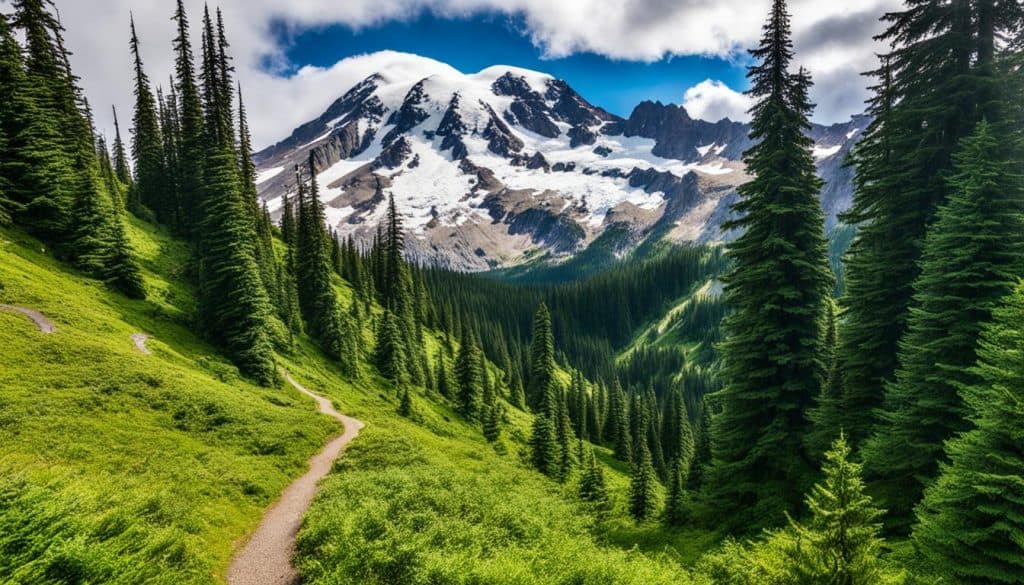
July and August are the peak seasons at Mount Rainier. These months have the warmest and driest weather, ideal for seeing the park’s wildflower meadows. In 2022, over 2.3 million people visited, many during this time. Always pack extra layers and rain gear, as the weather can change fast.
Winter Snowshoeing and Skiing
Winter turns Mount Rainier into a snowy paradise. With an average of 630 inches of snow at Paradise, it’s perfect for snowshoeing and skiing. The snow-covered landscapes are beautiful, and winter sports are thrilling. Just remember, most camping spots are closed in winter.
Fall Foliage Viewing
Fall at Mount Rainier shows off stunning foliage against the mountain’s grandeur. It’s less crowded than summer, making it great for peaceful hikes and photos. The Wonderland Trail, a 93-mile loop, is especially beautiful in autumn. Be ready for cooler weather and early snow at high elevations.
Mount Rainier offers endless adventure with its 236,380 acres of wilderness. Whether you’re hiking in summer or skiing in winter, this park shows the Pacific Northwest’s beauty in every season.
North Cascades National Park: Ideal Visiting Months
Planning my northwest park road trips, I’ve learned that timing is key for North Cascades National Park. This park is special, unlike others in the area.
The best months to visit North Cascades are from June to September. The weather is warm and nice, with temperatures from 60°F to 80°F. These months are also the safest for hiking and exploring the park.
Fall is getting more popular. From September to November, there are fewer people and temperatures are between 40°F to 60°F. The fall colors make it a stunning time for outdoor fun.
| Season | Temperature Range | Highlights |
|---|---|---|
| Spring | 40°F to 60°F | Wildflowers, rushing waterfalls |
| Summer | 60°F to 80°F | Peak season, ideal hiking conditions |
| Fall | 40°F to 60°F | Autumn colors, fewer crowds |
| Winter | 20°F to 40°F | Alpine wonderland, limited access |
In 2021, North Cascades had only 17,855 visitors. It’s one of the least crowded national parks in the USA. This makes it perfect for those who want a peaceful wilderness experience.
“North Cascades National Park is a hidden paradise for nature lovers seeking solitude and breathtaking landscapes.”
Winter, from December to March, is tough with cold weather and closed roads. The North Cascades Highway might not open until May. Spring has some restrictions but is great for seeing wildflowers and waterfalls.
Crater Lake National Park: Seasonal Attractions
Crater Lake National Park is a treasure that shines all year round. It’s a place where each season brings its own special charm. The park’s high elevation means the weather changes with the seasons, affecting what you can do and see.
Summer Activities on the Lake
Summer (July-September) is the busiest time at Crater Lake. With temperatures in the 70s, it’s ideal for boat tours, swimming, and hiking. In 2016, over 750,000 people visited, most during these months. The Cleetwood Cove trail is a highlight, offering a thrilling 30-foot cliff jump into the lake.

Winter Wonderland Experiences
Winter turns Crater Lake into a snowy dreamland. Activities like cross-country skiing and snowshoeing are popular. But, be careful on the roads, which can be icy and snowy. It’s a good idea to watch a safety video before driving in winter. Only the west and south entrances are open all year.
Spring and Fall Tranquility
If you want a peaceful visit, try the shoulder seasons. May, June, and October have fewer people. Spring brings wildflowers as the snow melts. Fall displays the landscape in stunning colors. Just be ready for possible facility closures and changing road conditions.
| Season | Average High | Average Low | Notable Features |
|---|---|---|---|
| Spring (May) | 50°F | 28°F | 20 inches snowfall, wildflowers begin |
| Summer (July-Sept) | 70s°F | 40s°F | Peak visitation, all activities available |
| Fall (Oct) | 55°F | 35°F | Fall colors, fewer crowds |
| Winter (Dec-Feb) | 35°F | 19°F | Snow activities, limited access |
The 33-mile Scenic Rim Drive offers stunning views all year. It captures the beauty of scenic drives in Northwest parks. Remember to check the Air Quality Index in summer and fall due to wildfire smoke. Crater Lake National Park is a natural wonder in every season.
Redwood National and State Parks: Year-round Appeal
I love exploring Redwood National and State Parks, a perfect spot for family vacations. These parks cover 139,091 acres, blending ancient forests with pristine coastline. In 2022, they welcomed 458,400 visitors, fewer than Yosemite or Yellowstone, offering tranquility.
The parks are open all year, thanks to their diverse landscapes and rich history. They are home to 45% of the remaining old-growth coast redwoods, with some trees over 2,000 years old. Native American tribes like the Yurok, Tolowa, and Chilula have lived here for thousands of years, using redwoods for boats and houses.
Summer is great for outdoor activities in northwest parks. But each season has its own charm. Spring brings wildflowers and rushing streams. Fall has mild weather and fewer people. Winter is green and beautiful, with gray whales migrating.
| Season | Highlights | Activities |
|---|---|---|
| Spring | Wildflowers, rushing streams | Hiking, photography |
| Summer | Warm weather, clear skies | Camping, beach exploration |
| Fall | Mild weather, fewer crowds | Scenic drives, wildlife viewing |
| Winter | Lush forests, whale migration | Storm watching, whale spotting |
For families, I suggest the Junior Ranger program. It’s a great way to get kids into nature and history. And don’t forget to collect National Park cancellation stamps as unique souvenirs of your visit.
Planning Your Northwest National Parks Road Trip
I’m excited to share my tips for an unforgettable northwest park road trip! With careful planning, you can explore the region’s natural wonders in 10 to 14 days. The total drive time for this adventure is about 34 hours, so let’s break it down into manageable chunks.
Multi-park itinerary suggestions
Start your journey in Seattle, just 2 hours from Olympic National Park. From there, it’s a 4-hour drive to North Cascades, followed by a 3.5-hour trek to Mount Rainier. Don’t miss Crater Lake National Park, boasting the deepest lake in the U.S. at 1,949 feet. Plan at least one full day in each park, with 2-3 days for larger ones.
Transportation considerations
Renting a campervan offers flexibility for your northwest park camping experience. It’s wise to limit daily driving to 4-6 hours, allowing ample time to soak in the sights. Arrive at parks before 8 a.m. to maximize your visit, especially during peak summer months.
Lodging and camping options
Northwest park accommodations range from rustic lodges to campsites. Book early, as reservations for park lodging can fill up 6 months in advance. Some parks offer first-come, first-serve campsites, but these are snapped up quickly. Remember, the U.S. National Park System spans 85 million acres, so there’s plenty to explore!
FAQ
What is the best time to visit Northwest USA National Parks?
The best time to visit depends on what you like and what you want to do. Summer (June-August) is great for hiking and camping because of the perfect weather. Spring (April-May) and fall (September-October) are less crowded and have nice weather too. Winter (November-March) is special for snow sports in some parks.
What kinds of accommodations are available in Northwest National Parks?
You’ll find many places to stay, from budget-friendly to luxury. There are lodges, cabins, and hotels inside or near the parks. For those who love camping, there are campgrounds. Plus, there are towns nearby with more places to stay.
What outdoor activities can I do in Northwest National Parks?
You can enjoy hiking, camping, and watching wildlife. You can also take scenic drives, boat trips, fish, and ski in the winter. The parks have forests, mountains, coastlines, and lakes for exploring.
Are the parks accessible during the winter months?
Yes, most parks are open all year, but some roads and places might be closed in the snow. Winter is great for snowshoeing, cross-country skiing, and other snow sports in certain parks.
Can I visit multiple Northwest National Parks on a road trip?
Absolutely! A 10-14 day road trip lets you see many parks. Start in Seattle and visit Olympic, Mount Rainier, North Cascades, Crater Lake, and end in Portland. Renting a campervan gives you freedom, and book your places to stay early, especially for summer.
What are some highlights of visiting Olympic National Park in different seasons?
Summer is perfect for hiking and seeing the park’s variety of ecosystems. Spring has wildflowers and waterfalls. Fall shows off the beautiful leaves and animals. Winter is great for snow sports and quiet walks in the forest.
When is the best time to see wildflowers at Mount Rainier National Park?
July and August are the best months for wildflowers at Mount Rainier. But, you can also see them in late spring and early fall if the weather is good and you’re at high elevations.