
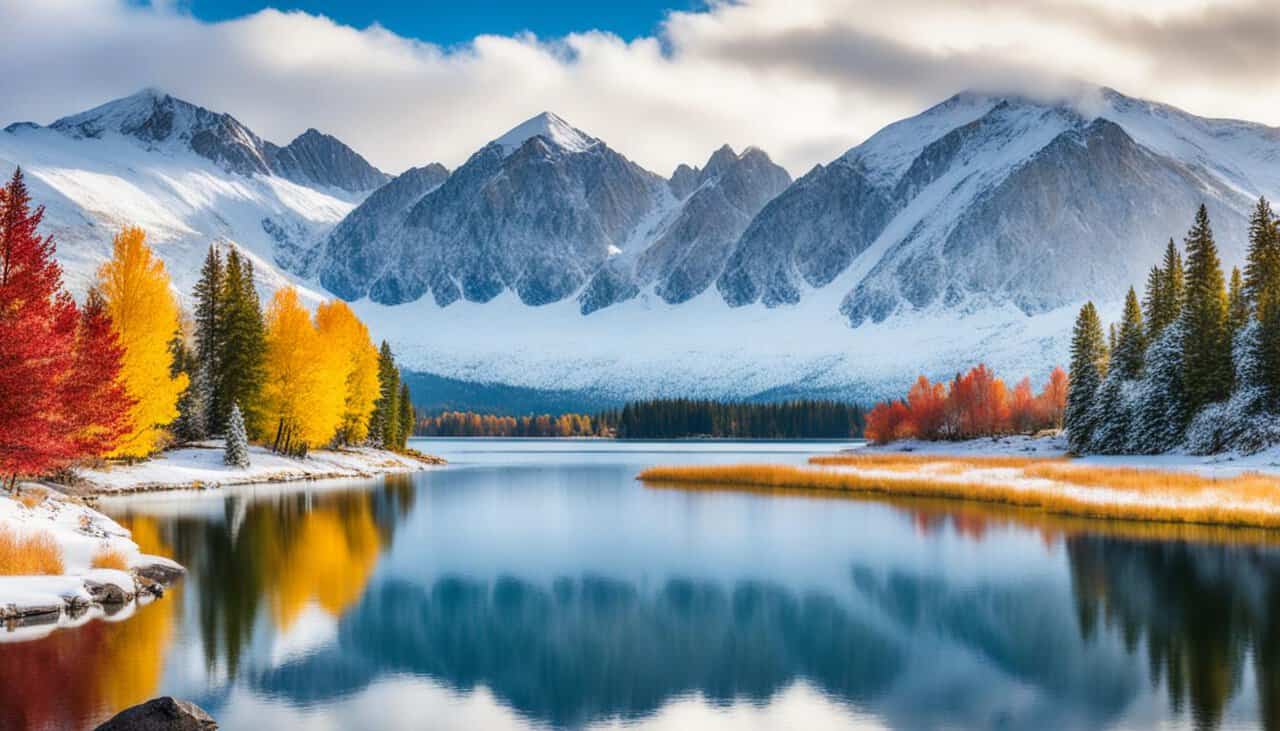
Jasper National Park covers a huge 4,247 square miles in Alberta. It and its sister park, Banff, welcome over four million visitors every year. I’m excited to share tips on the best time to visit these parks. Here, nature’s beauty and adventure meet in every season.
Banff is Canada’s oldest national park, drawing visitors for over 140 years. Its history and nature make it a top spot. But when is the best time to go? Let’s look at what each season offers in these parks.
These parks have something for everyone, from skiing in winter to hiking in summer. The weather in Banff and Jasper affects your visit. Spring is great for seeing wildlife, and fall shows off amazing foliage.
May, June, and September are the best months to visit. You’ll enjoy warm weather, lower hotel prices, and fewer people. But don’t skip other seasons – they have their own special activities.
Key Takeaways
- Jasper National Park covers 4,247 square miles of wilderness
- Banff National Park attracts over four million visitors yearly
- May, June, and September offer warm weather and lower prices
- Each season in Banff and Jasper provides unique experiences
- Weather patterns greatly influence park activities and accessibility
- Consider crowd levels when planning your visit
Seasonal Overview of Banff and Jasper
I’ve visited Banff and Jasper National Parks in every season, and each has its own charm. The best time to go depends on what you like. Let’s look at what you can expect all year round.
Winter Wonderland (December – March)
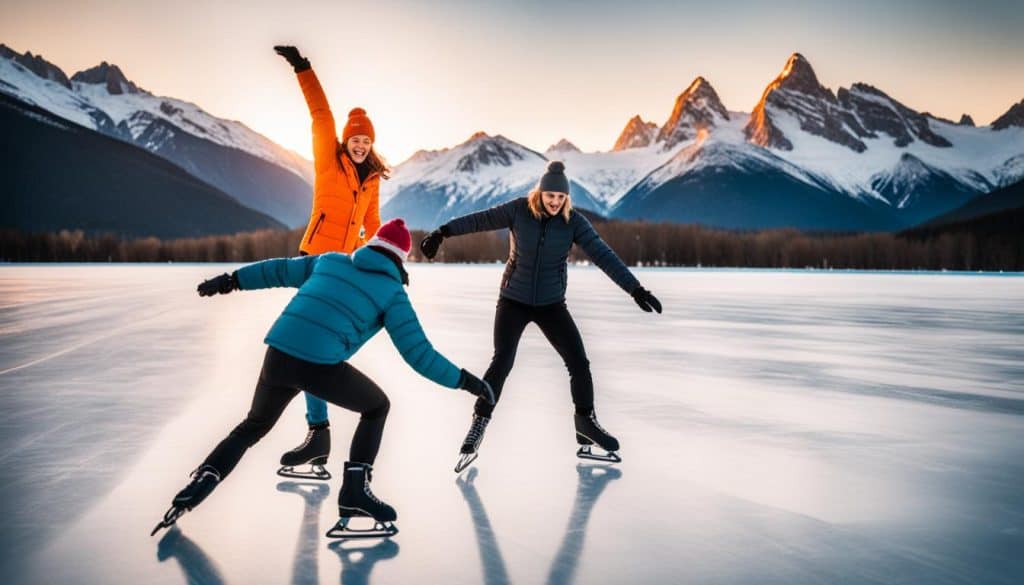
Winter turns Banff and Jasper into snowy dreamlands. You’ll find top-notch skiing and snowboarding. The snow-covered scenery is ideal for ice skating on frozen lakes and dog sledding.
Spring Awakening (April – May)
Spring brings life back to the parks. It’s great for seeing wildlife as they come out. You’ll see flowers bloom and animals move around more. Plus, it’s a good time to visit because prices for places to stay are lower.
Summer Adventure (June – August)
Summer in Banff and Jasper is lively and full of action. It’s the perfect time to see the natural sights and enjoy activities like hiking and canoeing. But, be ready for higher prices for places to stay.
Fall Foliage (September – November)
Fall in Banff is calm and beautiful. The parks are less crowded, offering stunning views. It’s great for seeing wildlife and enjoying the fall colors. Many think fall is the best time to visit for its calm and beauty.
| Season | Highlights | Activities |
|---|---|---|
| Winter | Snowy landscapes | Skiing, snowboarding, ice skating |
| Spring | Wildlife emergence | Wildlife watching, hiking |
| Summer | Vibrant nature | Hiking, canoeing, Rocky Mountaineer train |
| Fall | Colorful foliage | Photography, peaceful hikes |
Best Time to Visit Banff and Jasper National Parks
Choosing the best months for hiking in Banff and Jasper depends on what you like. June to early October is great for outdoor fun. The weather is nice, with temperatures between 15°C and 25°C, perfect for exploring beautiful landscapes.
If you love winter, December to April is perfect. The parks become a snowy paradise, ideal for skiing and snowboarding. Temperatures in January are between -11°C and -6°C, giving you a real winter feel with fewer people around.
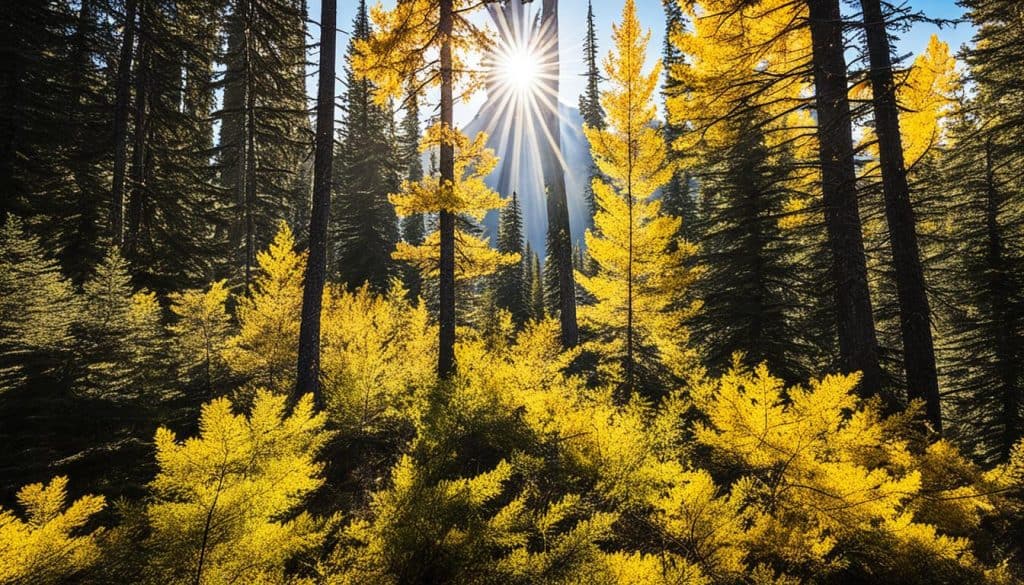
Spring adds a special touch to the parks. May brings temperatures from 2°C to 15°C, making it a top choice for hiking in Jasper and Banff. You’ll see nature come alive and enjoy fewer visitors.
Fall is a secret treasure. September to November offers stunning leaves and wildlife watching. It’s quieter, giving you a closer look at nature.
| Season | Temperature Range | Crowd Levels | Best For |
|---|---|---|---|
| Winter (Dec-Mar) | -11°C to -2°C | Low to Moderate | Skiing, Snowboarding |
| Spring (Apr-May) | -2°C to 15°C | Low | Hiking, Wildlife Viewing |
| Summer (Jun-Aug) | 15°C to 25°C | High | Hiking, Paddleboarding |
| Fall (Sep-Nov) | 0°C to 15°C | Moderate | Fall Foliage, Wildlife |
Popular spots like Moraine Lake can get crowded. In 2023, Parks Canada had to limit personal vehicles because of too many visitors. Plan early and think about visiting in the early morning to enjoy your trip fully.
Winter Activities in Banff and Jasper
Winter turns Banff and Jasper National Parks into snowy wonderlands. I love visiting in this season for its unique charm and exciting activities. The weather in Banff National Park is perfect for winter sports, with highs around 25°F (-4°C) and lows of 7°F (-14°C).
World-class Skiing and Snowboarding
Skiing and snowboarding are top attractions. The Ski Big 3 three-day pass costs about $400 CAD. It gives you access to world-class slopes. February and March are the best months for winter sports, but expect higher prices for accommodations.
Ice Skating on Frozen Lakes
Ice skating on frozen lakes like Lake Louise is magical. It’s just a 40-minute drive from Banff, making it a great day trip. Jasper National Park also offers beautiful skating spots.
Dog Sledding and Snowshoeing Adventures
Dog sledding and snowshoeing are great ways to see the snowy wilderness. They let you experience the parks’ beauty up close. For a different view, the Banff Gondola takes you to Sulphur Mountain’s summit for $58 CAD per adult.
| Activity | Cost (CAD) | Duration |
|---|---|---|
| Ski Big 3 Pass | $400+ | 3 days |
| Banff Gondola | $58+ | 10 minutes |
| Mt. Norquay Tubing | $42 | Varies |
Remember, you need winter tires or chains on Icefields Parkway and Highway 93S. Gas stations are few, so plan your trip well. Despite the cold, winter in Banff and Jasper offers unforgettable experiences and stunning views.
Summer Highlights in the Canadian Rockies

I love exploring the Canadian Rockies in summer. The warm weather and long days are perfect for outdoor fun. Banff and Jasper National Parks offer unforgettable experiences.
Hiking trails are alive with colorful wildflowers and amazing views. June to September is great for canoeing on Lake Louise or biking through green forests. You can also see bears, elk, and bighorn sheep.
The Icefields Parkway connects Banff and Jasper, showing off stunning views. Turquoise lakes and snow-capped peaks make every turn picture-perfect. Camping under the stars is magical, thanks to the long daylight.
“Summer in the Rockies is nature’s grand show. Every mountain, lake, and trail tells a story.”
Here’s a quick guide to summer activities in Banff and Jasper:
| Activity | Banff National Park | Jasper National Park |
|---|---|---|
| Hiking | Lake Louise Trails | Sulfur Skyline Trail |
| Water Activities | Canoeing on Moraine Lake | Whitewater Rafting |
| Scenic Drives | Bow Valley Parkway | Maligne Lake Road |
| Wildlife Viewing | Johnston Canyon | Maligne Valley |
Summer is the busiest time. Book your stay early and be ready for crowds. The beauty of Banff and Jasper in summer is unforgettable.
Fall: The Hidden Gem Season
Fall in the Canadian Rockies is a hidden gem. Summer crowds leave, and Banff and Jasper National Parks become a magical place of colors and peace.
Stunning Fall Foliage
The fall foliage in Banff reaches its peak around the third week of September. This short period is perfect for seeing Larch trees turn golden. Hiking through this area, especially in the Larch Valley, is amazing. The crisp air and clear skies are ideal for taking photos.
Wildlife Viewing Opportunities
Fall is the best time to see wildlife. Animals get ready for winter, so they’re more active and easy to spot. I’ve seen elk, bighorn sheep, and sometimes bears in the fall. But, the Lake Louise Gondola closes late in September, limiting where you can see wildlife.
Fewer Crowds and Lower Prices
Visiting in the fall means fewer people around. It’s easier to find places to stay without booking early, with many showing vacancy signs by mid-September. Prices also go down, making it a great time to visit without spending a lot.
As fall goes on, the weather gets cooler. October highs are around 10°C (50°F), and November drops to 1°C (34°F). Some places like the Sunshine Gondola close by mid-September, and high trails may get snowed in. The road to Moraine Lake also closes after Thanksgiving weekend, so you’ll need other ways to get there.
Even with these changes, fall in the Canadian Rockies is perfect. It’s a time of beauty, peace, and good prices. It’s my favorite season to see the magic of Banff and Jasper National Parks.
Spring in Banff and Jasper: Nature’s Rebirth
Spring in the Canadian Rockies is a sight to behold. Banff National Park, with its 2,500 square miles, comes alive after winter. The snow melts, feeding powerful waterfalls that create a stunning view.
In Jasper National Park, over 11,000 square kilometers of land sees new life. Animals wake up, and baby animals take their first steps. It’s a magical time for those who love nature and photography.

Spring brings a mix of activities. Some ski slopes stay open, while hiking trails clear up. The Tunnel Mountain hike in Banff is a 3-mile round trip with breathtaking views of the valley below.
The Jasper Skytram takes visitors up to 2,263 meters. From there, I see the snow-covered peaks and green valleys. It shows how spring changes the Rockies.
“Spring in the Canadian Rockies is like watching a masterpiece unfold before your eyes. It’s nature’s own rebirth story.”
Early spring has unpredictable weather but is great for exploring with fewer people. The Golden Triangle road trip, covering Banff, Yoho, and Kootenay National Parks, is perfect in mid-to-late May. This trip shows off spring’s beauty, from wildflowers to waterfalls.
Weather Patterns and What to Expect
Planning your trip to Banff and Jasper National Parks means knowing the weather. I’ve gathered key info to help you get ready for your Rocky Mountain journey.
Temperature Ranges Throughout the Year
In Banff and Jasper, the temperature changes a lot with the seasons. Winters get very cold, sometimes as low as 5°F. Summers are mild, with highs around 75°F. Spring and fall have temperatures between 30°F and 60°F.
Precipitation and Snowfall
From November to March, the parks get a lot of snow, about 30-40 inches a month. When summer comes, you might see some rain showers, making everything green and fresh.
Daylight Hours Across Seasons
The amount of daylight changes a lot during the year. In December, there are about 8 hours of sunlight. But in June, you get nearly 17 hours, great for long outdoor activities.
| Season | Banff National Park Weather | Jasper National Park Weather |
|---|---|---|
| Winter (Dec-Feb) | Cold, snowy, 5°F to 30°F | Cold, snowy, 5°F to 25°F |
| Spring (Mar-May) | Variable, 30°F to 60°F | Variable, 25°F to 55°F |
| Summer (Jun-Aug) | Warm, occasional rain, 50°F to 75°F | Warm, occasional rain, 45°F to 70°F |
| Fall (Sep-Nov) | Cool, variable, 30°F to 60°F | Cool, variable, 25°F to 55°F |
Always check the latest weather forecast before you go. The changing weather in Banff and Jasper makes each season special, offering unique experiences all year round.
Crowd Levels and Peak Seasons
Planning my trips to Banff and Jasper National Parks means thinking about crowd levels and peak seasons. The best time to visit depends on what you like and what you want to do. Let’s look at the crowd patterns and temperatures all year to plan your trip.
Summer, especially July and August, is the busiest in the Canadian Rockies. You’ll find warm weather and beautiful views, but be ready for higher prices and more people. For a quieter trip, try the shoulder seasons.
September and October are known as the “secret months” in Banff. The fall colors are stunning, and there are fewer people around. It’s perfect for hiking and seeing wildlife. Winter has its charm too, especially in December, which is festive. January and February are great for skiing with fewer people around.
Spring is a hidden treasure for visiting Banff and Jasper. April and May have fewer people and mild weather, making it great for enjoying nature. Plus, some ski resorts stay open until mid-May, so you can ski in the warmer months.
| Month | Crowd Level | Average Temperature Range (°C) | Notes |
|---|---|---|---|
| January | Low | -11 to -6 | Winter wonderland |
| April | Low | -2 to 10 | Spring awakening |
| July | Very High | 7 to 22 | Peak summer season |
| October | Moderate | -2 to 10 | Fall foliage peak |
Popular spots like Lake Louise are always busy. For a peaceful visit, go early in the morning, no matter the season.
Special Events and Festivals
Thinking about when to visit Banff and Jasper National Parks? Consider their special events and festivals. These parks have unique celebrations all year. They offer amazing experiences along with the stunning nature.
Jasper in January Festival
I start the year with the Jasper in January Festival. It’s a winter wonderland event with great deals on places to stay and things to do. The weather is cold, averaging 5°F (-15°C), perfect for those who love winter sports.
Banff Summer Arts Festival
Summer means the Banff Summer Arts Festival. It’s a celebration of music, dance, and art. The weather is warm, up to 75°F (24°C), great for outdoor shows and art galleries. It’s a cultural highlight set against the beautiful mountains.
Jasper Dark Sky Festival
The Jasper Dark Sky Festival is in October. The weather is mild, between 44°F to 59°F (7°C to 15°C), perfect for stargazing. The festival celebrates Jasper’s dark sky preserve. It offers astronomy events and talks.
These festivals make visiting Banff and Jasper National Parks even more exciting. Planning your trip around these events makes it more rewarding.
Conclusion
Thinking about the best time to visit Banff and Jasper National Parks, I see how amazing they are all year. These parks cover 4.3 million acres and are full of natural beauty. June and early fall are great because the weather is good and there aren’t too many people.
Winter, from December to April, is perfect for snow sports. But, fall, in September and October, is also special. It’s great for hiking, like on the Larch Valley Trail when the trees change color. It’s also a good time to check out other national parks in North America, each with its own charm.
Weather can change fast. In September, Banff gets up to 18°C during the day but drops to 2°C at night. Always pack layers for the changing weather. Whether you’re taking the Banff Gondola or enjoying Lake Minnewanka, planning is important for a great visit to these beautiful parks.
FAQ
What is the best season to visit Banff and Jasper National Parks?
Fall (September-November) is a top choice for visiting Banff and Jasper. You’ll see beautiful fall colors, enjoy nice weather, and find fewer people around. Each season has its own charm, so pick what you like to do and see.
When are the ideal months for hiking in Banff and Jasper?
For hiking in Banff and Jasper, May, June, and September are best. These months have warm weather, easy-to-reach trails, and fewer people. This is unlike the busy summer months of July and August.
What are some popular winter activities in Banff and Jasper?
In Banff and Jasper, winter brings fun like skiing and snowboarding. You can also ice skate, go dog sledding, snowshoeing, ice climbing, snowmobiling, and hiking in the snow. The parks turn into a winter wonderland.
What can visitors expect during the summer months in Banff and Jasper?
Summer (June-August) in Banff and Jasper means lots of outdoor fun and stunning views. You can hike, canoe, watch wildlife, bike, climb rocks, ride horses, and drive the Icefields Parkway. It’s a great time to enjoy nature.
Why is fall considered a hidden gem season in Banff and Jasper?
Fall (September-November) is a secret treasure in Banff and Jasper. You’ll see amazing fall colors, more wildlife, fewer people, and lower hotel prices. It’s the perfect mix of weather, beauty, and crowd levels.
What makes spring in Banff and Jasper special?
Spring (April-May) in Banff and Jasper is a time of new beginnings. Snow melts, waterfalls and rivers get stronger, wildflowers start to bloom, and baby animals appear. It’s a beautiful sight.
What kind of weather can visitors expect in Banff and Jasper?
Banff and Jasper’s weather changes a lot throughout the year. Winter gets down to about 5°F, while summer hits up to 75°F. Spring and fall have temperatures from 30°F to 60°F. Most snow falls from November to March.
When are the peak crowd seasons in Banff and Jasper National Parks?
The busiest times in Banff and Jasper are summer (July-August) and winter holidays (December-January). To dodge the crowds, try visiting in early spring or late fall.
What are some notable events and festivals held in Banff and Jasper?
Big events include the Jasper in January festival, Banff Summer Arts Festival, Jasper Dark Sky Festival, Ice Magic ice carving, SnowDays winter festival, and TRIBUTE Craft Spirits Celebration.