
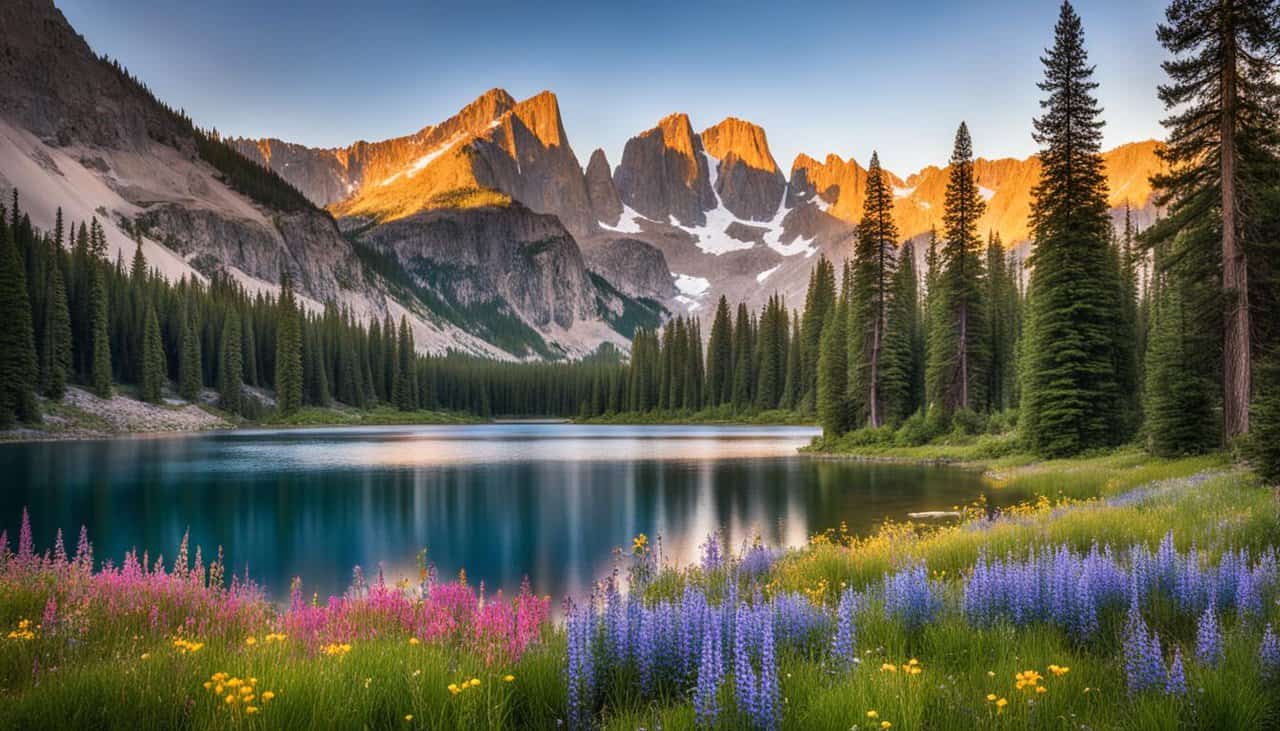
I’m excited to talk about the best national parks on the west coast. These places show off nature’s beauty and variety. From California’s grand Yosemite to Washington’s green Olympic National Park, these parks offer amazing experiences.
Did you know Yosemite National Park is the top spot on the West Coast?
It’s famous for its stunning sights and is close to big cities in California. Olympic National Park is also a hit, bringing in almost 3 million visitors every year. These parks highlight the area’s natural beauty, from huge sequoias to wild coastlines.
We’ll share our favorites when we visited in spring 2020.
The best national parks in the west have special features. Crater Lake in Oregon is the deepest lake in America, and Sequoia National Park has the biggest tree, the General Sherman.
Each park offers adventures, like hiking in Mount Rainier or exploring Death Valley’s harsh desert.
By the way, if you’re looking to visit any other areas, you can check out our guides for the best National Parks in the North West, or the best National Parks in the South West, the western area of the United States has some of the most breathtaking views you could ever imagine.
Key Takeaways
- Yosemite is the most visited West Coast national park
- Olympic National Park sees nearly 3 million visitors yearly
- Sequoia National Park houses the world’s largest tree
- Crater Lake is America’s deepest lake
- Death Valley is the largest park in the contiguous U.S.
- West Coast parks offer diverse landscapes and ecosystems
- Each park provides unique outdoor adventures and experiences
Exploring the Best National Parks on the West Coast
I set out on a grand journey across the west coast, covering 3,900 miles in California, Oregon, and Washington. This 19-night trip took me through 12 stunning national parks and 6 national recreational areas and monuments. I saw everything from Joshua Tree’s hot deserts to Olympic’s misty forests.
My trip began and ended in Los Angeles, California. I saw everything from hot deserts to high mountains, volcanic sites to untouched coastlines. The hiking trails showed off the area’s amazing variety of life.
Did you know that California, Oregon, and Washington have 13 of the 63 national parks in the U.S.? California has 9 national parks, the most of any state!
“The West Coast’s national parks are nature’s masterpieces, each telling a unique story of our planet’s history and beauty.”
Here’s a breakdown of entrance fees for some scenic national parks west coast:
| National Park | Entrance Fee (per vehicle) |
|---|---|
| Yosemite | $35 |
| Joshua Tree | $30 |
| Crater Lake | $30 |
| Death Valley | $30 |
| North Cascades | Free |
If you love nature, adventure, or just want to get away, the West Coast’s national parks are perfect. They offer unforgettable moments from giant sequoias to wild coastlines. Each park shares a special part of our planet’s amazing variety.
Yosemite National Park: California’s Crown Jewel
Yosemite National Park is California’s gem. It was protected in 1864 and covers almost 1,200 square miles. I’m amazed by its high cliffs and waterfalls. It’s a top spot for camping and outdoor fun on the west coast.
Majestic Waterfalls and Granite Cliffs
Half Dome and El Capitan attract rock climbers worldwide. Yosemite Falls, the tallest in North America, is stunning. In spring, the waterfalls are at their best.
Giant Sequoias in Mariposa Grove
Mariposa Grove is home to over 500 giant sequoias. Walking among these huge trees is awe-inspiring. The General Sherman Tree is the largest living tree, showing nature’s power.
Wildlife Spotting Opportunities
Yosemite is full of wildlife. I’ve seen black bears, mule deer, and many birds. For the best wildlife watching, go on hikes in the early morning or late afternoon.
| Activity | Best Time | Notes |
|---|---|---|
| Waterfall Viewing | Spring | Peak snowmelt period |
| Camping | Summer | Reservations required |
| Wildlife Spotting | Dawn/Dusk | Quiet trails recommended |
Yosemite has diverse landscapes and lots of wildlife. It’s perfect for outdoor adventures on the west coast. Don’t forget to book your spots and permits early for popular activities like Half Dome hikes and overnight trips.
Olympic National Park: Washington’s Diverse Wonderland
Olympic National Park is a true gem among west coast ecotourism spots. It covers nearly a million acres and showcases a wide variety of landscapes. Each visit amazes me with its beauty.
The park has everything from rugged coasts to lush rainforests and snowy peaks. It’s perfect for nature lovers. With over 70 miles of coastline, I often get lost in its beauty.
The wildlife here is diverse too. I’ve seen Roosevelt elk, black bears, and mountain goats. Bird lovers will find over 300 species to spot.
“Olympic National Park is like three parks in one – mountains, rainforest, and coast. It’s the most diverse national park in America.”
Here are some highlights of my Olympic National Park experiences:
- Hiking through old-growth temperate rainforests
- Kayaking on serene alpine lakes
- Stargazing in the vast wilderness areas
- Exploring the park’s numerous rivers and waterfalls
Olympic National Park offers both adventure and peace. It’s a top spot for west coast nature lovers. Millions visit each year, making it a leading ecotourism destination.
Crater Lake National Park: Oregon’s Azure Marvel
Crater Lake National Park is a true gem among west coast hiking trails. Its stunning beauty and rich history amaze me. It offers breathtaking outdoor adventures.
Formation and Geology of Crater Lake
About 7,700 years ago, Mount Mazama erupted and collapsed, creating Crater Lake. It’s the deepest lake in the U.S., at 1,943 feet deep. The lake’s intense blue color comes from its purity and depth.
Scenic Rim Drive and Viewpoints
The 33-mile Rim Drive is a must-do. It has 30 scenic overlooks with stunning lake views. I love stopping to capture the changing light on the water.
Boat Tours and Island Exploration
For a unique view, take a boat tour to Wizard Island. This cinder cone island looks surreal from the lake. The tours offer insights into the park’s geology and ecology.
| Activity | Duration | Highlights |
|---|---|---|
| Rim Drive | 2-3 hours | 30 scenic overlooks, photography opportunities |
| Boat Tour | 2 hours | Wizard Island visit, lake history |
| Hiking | Varies | Ponderosa pine forests, spring wildflower meadows |
Crater Lake National Park welcomes about 700,000 visitors each year. It’s not as crowded as some parks, but its beauty is unmatched. The park’s landscapes and unique features make it a top spot for nature lovers and photographers.
Redwood National and State Parks: Land of Giants
I’ve seen many nature spots along the west coast, but the Redwood National and State Parks stand out. This place covers 131,983 acres and is home to some of the world’s tallest trees. Walking among these giants, I felt tiny as I saw trees over 360 feet tall!
The story of these parks is just as amazing as the trees. They started with 56,201 acres in 1968 and have grown a lot since. Now, they protect 45% of California’s old-growth redwoods, thanks to conservation efforts.
During my trip, I discovered some cool facts about these trees:
- The tallest known redwood in the park reaches a staggering 379 feet
- Some redwoods can live up to 2,000 years
- The average age of these trees is 500-700 years old
Even though it’s not as crowded as other parks, the Redwood parks are still a must-see. You can enjoy scenic drives, hiking, and more. There’s something for everyone who loves nature.
| Park Feature | Statistic |
|---|---|
| Total Acreage | 131,983 acres |
| Old-growth Forest | 38,982 acres |
| Tallest Known Redwood | 379 feet |
| Average Annual Visitors | 436,940 |
Leaving the park, I felt thankful for the conservation work. It’s great to see efforts to restore and replant trees. This way, future generations can also enjoy these amazing natural wonders.
Death Valley National Park: Extreme Desert Landscapes
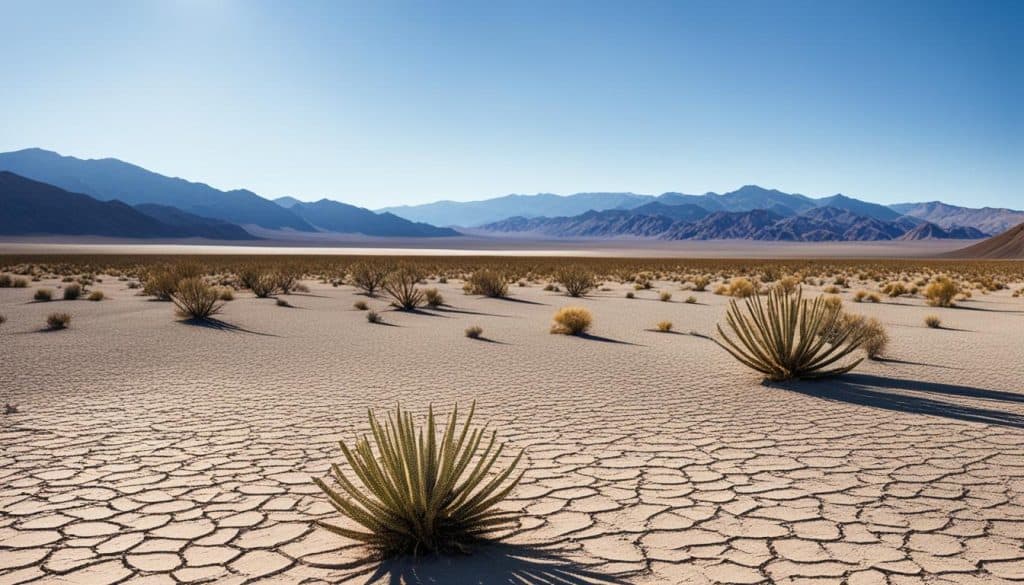
I’ve seen many west coast ecotourism spots, but Death Valley National Park is special. It covers 5,270 square miles, making it the biggest national park in the lower 48 states. Its extreme landscapes offer unique outdoor adventures.
Badwater Basin: Lowest Point in North America
Badwater Basin is a key feature of the park. It’s the lowest point in North America, 282 feet below sea level. The area’s salt flats make it look like another world, both beautiful and strange.
Unique Flora and Fauna Adaptations
Death Valley is tough but supports a wide range of life. Animals like jackrabbits, bobcats, and coyotes live here. The park shows how nature can survive in extreme places.
Stargazing in an International Dark Sky Park
At night, Death Valley turns into a dream spot for stargazers. It’s an International Dark Sky Park, offering some of the clearest skies in the country.
| Death Valley Facts | Details |
|---|---|
| Size | 3.37 million acres |
| Annual Visitors (2018) | 1,678,660 |
| Entrance Fee | $30 per vehicle |
| Best Time to Visit | Winter (January – April) |
Death Valley National Park is a mix of extreme landscapes and natural wonders. It’s great for exploring Badwater Basin, watching wildlife, or stargazing. This park offers unforgettable adventures on the west coast.
Mount Rainier National Park: Iconic Pacific Northwest Beauty
I’m thrilled to talk about my time at Mount Rainier National Park. It’s a true treasure among west coast hiking trails. At the heart of the park is a massive 14,410-foot volcano, surrounded by diverse landscapes that amaze visitors all year.
The park is full of hiking trails, like the famous Wonderland Trail that goes around the mountain. For a tough hike, try the 6-mile Skyline Loop Trail. It has a 1,800 ft climb and offers amazing views.
The best time to visit is from July to October, when the trails are clear of snow and wildflowers bloom. The park is split into five main areas: Longmire, Paradise, Ohanapecosh, Sunrise, and Carbon River/Mowich. Each spot has its own attractions and camping spots.
Looking for a place to stay? The park has the National Park Inn and Paradise Inn for lodging. For camping, choose from three main campgrounds: Cougar Rock, Ohanapecosh, and White River. Cougar Rock has 173 sites and is first-come, first-served.
| Campground | Number of Sites | Reservation |
|---|---|---|
| Cougar Rock | 173 | First-come, first-served |
| Ohanapecosh | Varies | Recommended |
| White River | Varies | Recommended |
Make sure to see the park’s stunning waterfalls like Christine Falls, Narada Falls, and Myrtle Falls. These waterfalls show off the park’s geological history and are great for photos.
“Mount Rainier National Park is a testament to nature’s raw beauty and power, offering visitors a chance to witness the majesty of an active volcano up close.”
Whether you love hiking or just enjoy nature, Mount Rainier National Park is unforgettable. It’s a must-see in the iconic Pacific Northwest.
Sequoia National Park: Home to the Largest Trees on Earth
Visiting Sequoia National Park is always a wonder. It’s one of the top west coast nature reserves. Here, you find some of the biggest trees on Earth.
The Giant Forest and General Sherman Tree
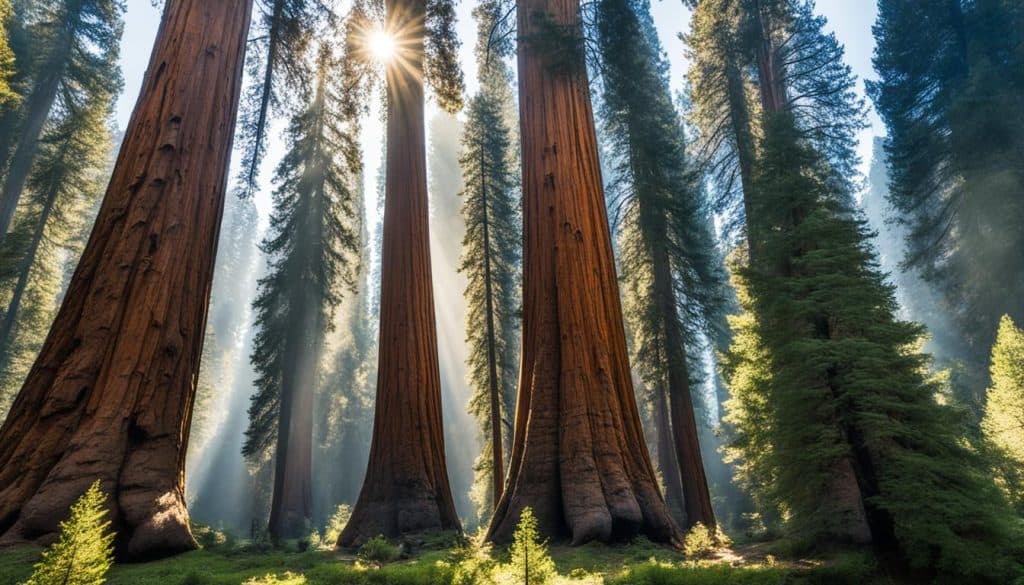
The Giant Forest is a highlight of Sequoia National Park. It houses five of the world’s ten largest trees, including the General Sherman Tree. This giant reaches 275 feet high and has a base 36 feet wide. It’s the biggest tree by volume, with 52,508 cubic feet inside.
Hiking and Wildlife Viewing Opportunities
For those who love outdoor adventures, Sequoia National Park has many trails. The Congress Trail takes you through ancient sequoia groves. The Moro Rock trail offers amazing views of the Sierra Nevada.
While hiking, watch for black bears, mule deer, and various birds. They are part of the park’s wildlife.
Scenic Drives Through Ancient Groves
The Generals Highway is a scenic drive you can’t miss. It goes through ancient sequoia groves and offers beautiful views. These trees have been around for thousands of years.
Some sequoias can live up to 3,400 years. They’ve seen many climates and fires.
| Tree | Height | Volume |
|---|---|---|
| General Sherman | 275 feet | 52,508 cubic feet |
| General Grant | 267 feet | 46,608 cubic feet |
| President Tree | 240 feet | 45,000 cubic feet |
Sequoia National Park is a true wonder of nature. It offers unforgettable experiences. Here, you can connect with some of the oldest and largest living things on Earth.
Joshua Tree National Park: Desert Meets Oasis
I found a true gem in Joshua Tree National Park. It’s a mix of two desert types. Since 1994, it has been a place for nature lovers and those seeking adventure.
Joshua Tree is a top spot for ecotourism on the west coast. It drew 3.3 million visitors in 2023. The park has Joshua trees in the Mojave Desert and the Colorado Desert’s rugged beauty. You can enjoy rock climbing or stargazing here.
Visiting Keys View was amazing. It offers wide views of the Santa Rosa Mountains and San Jacinto Mountain. You can even see the San Andreas Fault below. It shows off California’s stunning nature.
“Joshua Tree National Park is where two deserts meet, creating a landscape that’s both surreal and breathtaking.”
The park has many hiking trails for adventurers. The Hidden Valley loop is a favorite. It’s a one-mile trail that takes about an hour to finish. It’s great for seeing wildlife and the park’s famous rock formations.
| Feature | Mojave Desert | Colorado Desert |
|---|---|---|
| Elevation | Above 3,000 feet | Below 3,000 feet |
| Temperature | 11°F cooler on average | Warmer |
| Iconic Flora | Joshua Trees | Cholla Cactus, Ocotillo |
| Best Time to Visit | Spring (March-April) | Winter (November-March) |
Joshua Tree is perfect for nature photographers, rock climbers, or anyone wanting a unique national park experience. It’s a top spot for exploring the American West’s scenic beauty.
Conclusion: Embracing the Natural Wonders of the West Coast
I’ve looked into the best national parks on the west coast, and I’m amazed. They range from Yosemite’s huge cliffs to Death Valley’s stark beauty. These parks have something for everyone.
California’s national parks brought in over $3 billion to the state’s economy in 2019. This shows how vital it is to keep these places safe. Yosemite saw a big jump in visitors, going up by 88% from 2010 to 2020.
The west coast parks show off nature’s beauty on a huge scale. You can see the world’s largest trees in Sequoia and the deepest lake in Crater Lake. These places remind us to protect our natural world. Thinking about these wonders, I’m thankful for those who created our national park system.
FAQ
What are some of the best national parks to visit on the West Coast?
Top national parks on the West Coast include Yosemite, Olympic, Crater Lake, Redwood, Death Valley, Mount Rainier, Sequoia, and Joshua Tree.
What outdoor activities can I enjoy in West Coast national parks?
Enjoy hiking, camping, wildlife viewing, rock climbing, stargazing, kayaking, and scenic drives and viewpoints.
What are some of the unique geological features in West Coast national parks?
Parks feature granite cliffs in Yosemite, the deepest lake in the U.S. at Crater Lake, and towering sequoia trees. Death Valley has extreme desert landscapes, and Mount Rainier shows volcanic activity.
Can I see wildlife in West Coast national parks?
Yes! You’ll find diverse wildlife like black bears, elk, mountain goats, coyotes, bighorn sheep, and various birds. Always keep a safe distance and follow park rules.
Are there any dark sky parks on the West Coast for stargazing?
Death Valley National Park is an International Dark Sky Park. It’s perfect for stargazing because of its remote location and little light pollution.
What are some of the best hiking trails in West Coast national parks?
Popular trails include the Wonderland Trail at Mount Rainier, the Congress Trail in Sequoia, the Rim Drive at Crater Lake, and the Coastal Trail in Olympic National Park.
Can I go camping in West Coast national parks?
Yes, many parks offer campgrounds and backcountry camping. This lets you dive deep into nature.
Are there any unique ecotourism opportunities in West Coast national parks?
Absolutely! Parks like Redwood, Olympic, and Joshua Tree have ecotourism. They let visitors explore different ecosystems, learn about conservation, and enjoy the natural beauty.