
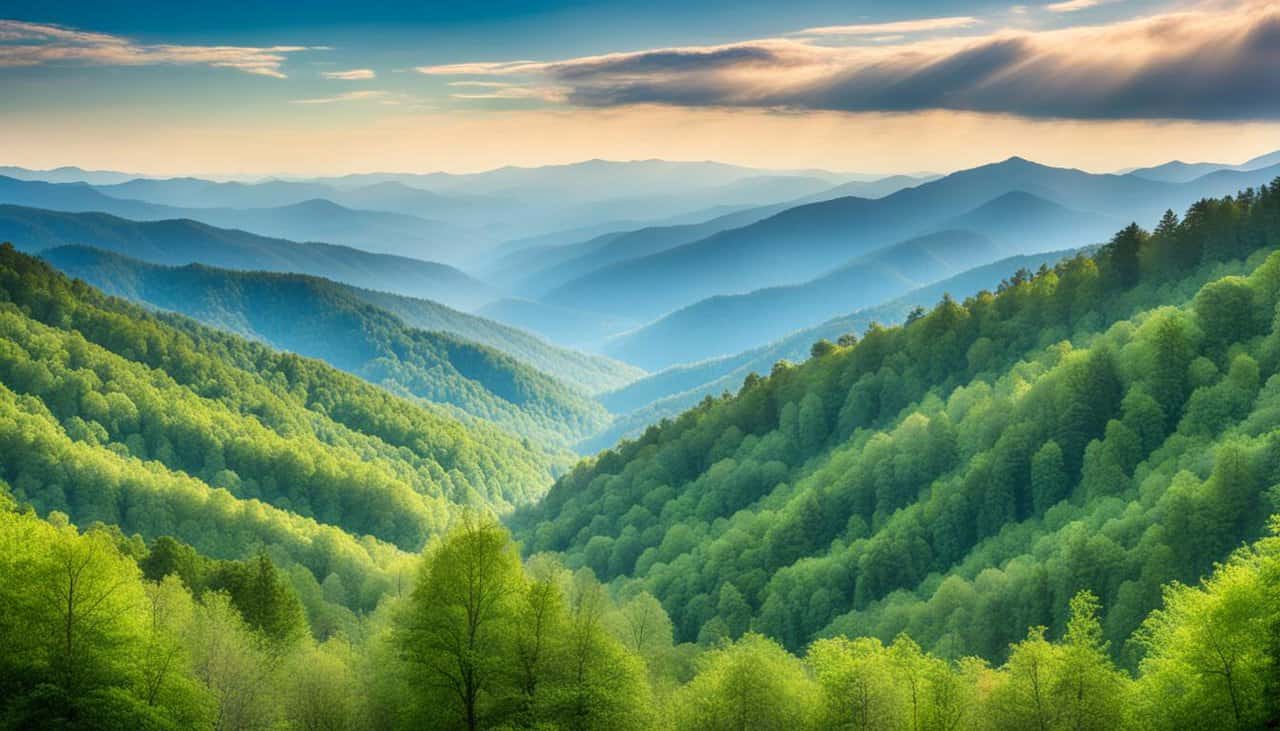
I’ve had the chance to visit many of the best national parks in the south east. I’m excited to share my adventures with you. From the misty peaks of the Great Smoky Mountains National Park to the vast wetlands of Everglades National Park, the southeast is full of natural wonders.
These parks are more than just beautiful places. They are living museums of American history and nature. You can hike through ancient forests, paddle in clear waters, or spot rare wildlife. Each park offers a unique adventure.
My travels took me from the underground world of Mammoth Cave in Kentucky to the tropical paradise of Dry Tortugas off the Florida coast. I learned that each season has its own magic in these parks. Fall and winter are especially stunning.
Key Takeaways
- The southeast boasts diverse national parks from mountains to wetlands
- Great Smoky Mountains and Everglades are must-visit destinations
- Each park offers unique experiences in different seasons
- Proper planning is crucial for the best park experience
- An annual park pass can save money for frequent visitors
- Local park rangers are excellent sources of insider tips
- Many parks offer both land and water-based activities
Exploring the Natural Wonders of the Southeast
National parks in the southeast are full of diverse landscapes and wildlife. They range from misty mountains to swampy wetlands. These parks show off nature’s beauty in its purest form.
The Great Smoky Mountains National Park sits on the border of North Carolina and Tennessee. It’s known for its majestic elk and many hiking trails. For something different, I enjoy visiting the Everglades in Florida. It’s America’s largest subtropical wilderness.
South Carolina’s Congaree National Park is one of the newest national parks. It’s filled with an ancient bottomland hardwood forest. It’s great for canoeing and kayaking.
The variety of camping options in these parks is amazing:
| Park | Campgrounds | Amenities |
|---|---|---|
| Everglades | 2 drive-in | Flushing toilets, showers, potable water |
| Congaree | 2 designated, several backcountry | Vault-style bathrooms, no running water |
| Great Smoky Mountains | 10 developed, numerous backcountry | Modern amenities, permits required for backcountry |
These parks offer more than just camping. You can see alligators in Louisiana’s Atchafalaya Swamp or watch birds in South Carolina’s Cape Romain Wildlife Refuge. The southeast’s national parks truly show the beauty of America’s nature.
Great Smoky Mountains National Park: The Crown Jewel
I’ve always been drawn to the breathtaking beauty of Great Smoky Mountains National Park. This park spans over 800 square miles across North Carolina and Tennessee. It’s a paradise for outdoor lovers like me. With over 12 million visitors each year, it’s the most visited national park in America.
Diverse Flora and Fauna
The park’s rich biodiversity amazes me. It’s home to over 66 species of mammals and 200 species of birds. The elevation range of more than 5,000 feet from valley to peak creates diverse ecosystems. Each one has its own unique charm.
Popular Hiking Trails
With over 800 miles of maintained trails, Great Smoky Mountains National Park is perfect for hikers. I’ve explored many of its 150 official trails, each offering a unique adventure. Some of my favorites include:
- Alum Cave Bluffs
- Rainbow Falls
- Chimney Tops
Scenic Drives and Viewpoints
The park’s scenic drives are as captivating as its hiking trails. I love taking leisurely drives through the park, especially in fall. The foliage is stunning from mid-October to early November. For the best views, I recommend:
| Scenic Drive | Length | Highlights |
|---|---|---|
| Newfound Gap Road | 31 miles | Panoramic views, diverse forests |
| Cades Cove Loop Road | 11 miles | Historic buildings, wildlife viewing |
| Roaring Fork Motor Nature Trail | 5.5 miles | Waterfalls, old-growth forest |
Whether you’re seeking adventure on hiking trails or peaceful scenic drives, Great Smoky Mountains National Park offers unforgettable experiences for every nature lover.
Everglades National Park: A Subtropical Paradise
I love exploring the Everglades National Park, a true subtropical wilderness in Florida. It’s the third-largest national park in the lower 48 states, covering 1,508,976 acres. This place is a paradise for nature lovers, with a wide variety of wildlife.
When I visit, I see over 350 bird species. Snowy egrets and roseate spoonbills are a sight to behold. For those who love wildlife, the Everglades offers great opportunities. I’ve seen alligators and endangered species like the Florida panther and West Indian manatee.
The park’s ecosystems are diverse and fascinating. You’ll find freshwater sloughs and marl prairies, each with its own story. These ecosystems change with the water levels, making the landscape dynamic.
“The Everglades is not just a park, it’s a living, breathing entity that showcases nature’s resilience and beauty.”
There’s something for everyone in the Everglades, whether you like hiking, cycling, or fishing. I’ve enjoyed biking the 15-mile trail in Shark Valley and fishing in the Ten Thousand Islands. Over a million people visit each year, showing how much people love this place.
Congaree National Park: Ancient Forests and Wetlands
Congaree National Park in South Carolina is a hidden gem among national parks. It’s home to the largest intact expanse of old-growth bottomland hardwood forest in the Southeast US. This unique ecosystem covers 41.1 square miles, offering visitors a glimpse into a world that’s remained largely unchanged for thousands of years.
Old-Growth Bottomland Hardwood Forest
The park’s old-growth forest is a marvel. It boasts champion trees, including a 167-foot loblolly pine and a 157-foot sweetgum. These giants are part of why Congaree is designated as a UNESCO Biosphere Region. Walking among these ancient trees, I feel like I’ve stepped back in time.
Canoeing and Kayaking Opportunities
Water enthusiasts will love Congaree’s canoe trails. The Cedar Creek Canoe Trail stretches 15 miles through the park. It’s perfect for a day trip or a longer adventure. As I paddle, the quiet waters reflect the towering trees above, creating a serene experience.
Unique Wildlife Viewing
Congaree is teeming with wildlife. On my visits, I’ve spotted deer, raccoons, and even armadillos. The park is also home to bobcats, otters, and various bird species. For a special treat, visit in May or June to witness the mesmerizing synchronous fireflies.
| Feature | Details |
|---|---|
| Park Size | 41.1 square miles |
| Tallest Tree | 169-foot loblolly pine |
| Canoe Trail Length | 15 miles |
| Average Annual Floods | 30 |
| Popular Trail | 2.6-mile Boardwalk Loop |
Congaree National Park offers a unique blend of ancient forests, winding canoe trails, and diverse wildlife. It’s a place where nature’s rhythms remain undisturbed, inviting visitors to step into a world of wonder and discovery.
Mammoth Cave National Park: Underground Wonders
I’ve always been drawn to the secrets beneath our feet. Mammoth Cave National Park in Kentucky is a perfect example. It’s home to the world’s longest cave system, with over 400 miles of tunnels. This place is a dream for those who love exploring underground.
The caves stay at a steady 54°F all year. This makes them a unique place to visit. For over 200 years, people have been exploring these caves, celebrating 200 years of tours in 2016.
When I visit, I see there are tours for all interests and fitness levels. You can choose from easy tours to more challenging ones. The Mammoth Cave Visitor Center is where all these adventures begin.
| Tour Name | Difficulty | Duration |
|---|---|---|
| Discovery Tour | Easy | 1.25 hours |
| Cleaveland Avenue Tour | Moderate | 2 hours |
| Domes and Dripstones Tour | Strenuous | 2 hours |
| Introduction to Caving Tour | Very Strenuous | 3.5 hours |
But there’s more than just caves to see. I love hiking the 7.2 miles of trails around the Visitor Center. These trails let me see the park’s beauty above and below ground.
Dry Tortugas National Park: Remote Island Getaway
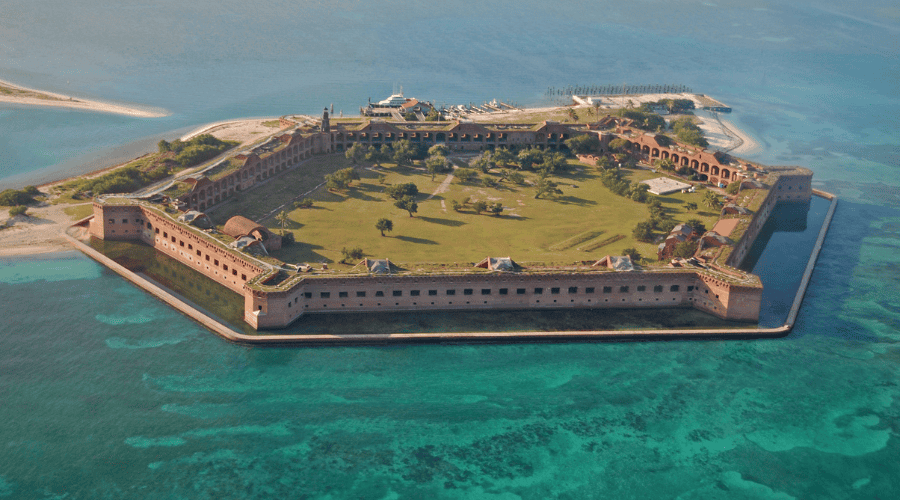
I found a hidden gem 70 miles west of Key West – Dry Tortugas National Park. This remote paradise has seven islands with crystal-clear waters and vibrant coral reefs. It was made a national park in 1992 and is one of the least visited places because it’s so far away.
Fort Jefferson: A Historical Marvel
At the heart of Dry Tortugas National Park is Fort Jefferson on Garden Key. It’s the biggest all-masonry fort in the Western Hemisphere, made of 16 million bricks with over 2,000 archways. From 1861 to 1873, it was a prison, holding four men who helped plan President Lincoln’s assassination.
Snorkeling and Diving Adventures
Dry Tortugas is known for some of North America’s best snorkeling. I explored waters that were 5-15 feet deep, full of marine life. The park’s beaches, with their crystal blue waters, are perfect for starting underwater adventures.
Birdwatching Paradise
Dry Tortugas is a key stop for migrating birds, part of the Great Florida Birding Trail. From March to September, it’s home to nearly 80,000 sooty terns and 5,000 brown noddies. Bush Key, a 30-acre island, is closed to visitors during nesting season to protect these birds.
| Island | Size | Notable Feature |
|---|---|---|
| Loggerhead Key | 49 acres | Largest island |
| Garden Key | 17 hectares | Home to Fort Jefferson |
| Bush Key | 30 acres | Bird nesting site |
| Long Key | 8,000 sq meters | Connected to Bush Key by sandbar |
Best National Parks in the South East: Hidden Gems
I’ve found some amazing hidden gem national parks in the southeastern US. They offer unique outdoor adventures away from crowded places.
Congaree National Park in South Carolina is a true wonder. It has old-growth forests with some of the tallest trees in the eastern US. Kayaking here lets me see diverse wildlife up close.
Mammoth Cave National Park in Kentucky is perfect for cave lovers. It has over 400 miles of caves, making it the longest cave system in the world. The underground tours are fascinating, showing us a mysterious world below.
Biscayne National Park in Florida is an underwater paradise. It protects aquamarine waters, emerald islands, and vibrant coral reefs. Snorkeling here feels like swimming in a giant aquarium.
- Congaree: Kayaking and wildlife watching
- Mammoth Cave: Underground exploration
- Biscayne: Snorkeling and island hopping
These hidden gems show the diverse landscapes of the southeastern US. From ancient forests to underground and underwater wonders, they offer unforgettable adventures. They are perfect for nature lovers and explorers.
Biscayne National Park: Underwater Marvels
I’m excited to talk about my visit to Biscayne National Park, a hidden treasure near Miami. It’s a dream spot for those who love nature and adventure. Spanning nearly 173,000 acres, it’s the biggest marine park in the U.S. National Parks system.
The park’s marine world is incredible. It boasts the third-largest offshore reef globally, full of colorful reefs and diverse sea life. I was stunned to find out that the park supports thousands of wildlife species, including 600 native fish types.

Exploring the park’s underwater sights was a big highlight for me. You can join guided snorkeling and scuba tours to see live reefs and shipwrecks covered in coral. I saw lots of colorful fish, sea turtles, and even yellow stingrays!
If you’d rather stay dry, kayaking and paddleboarding are great ways to see the park’s mangrove forests and lagoons. These places are vital for 70% of the fish in Biscayne Bay.
| Ecosystem | Percentage of Park | Key Features |
|---|---|---|
| Marine Waters | 95% | Coral reefs, fish species |
| Mangrove Forests | 4% | Bird habitats, fish nurseries |
| Florida Keys | 1% | Snorkeling, hiking trails |
Whether you’re an experienced diver or just starting out, Biscayne National Park is a journey you won’t forget. It’s a top spot for anyone wanting to see the beauty of underwater life in the Southeast US.
Hot Springs National Park: Nature’s Spa Retreat
I found a hidden gem in Arkansas – Hot Springs National Park. This 5,500-acre oasis combines natural beauty with historic charm. It’s the oldest federal reserve in the U.S., welcoming visitors since 1832.
Therapeutic Thermal Springs
The park’s main draw is its thermal springs. I enjoy soaking in the mineral-rich waters at Quapaw or Buckstaff Bathhouses. These historic spots on Bathhouse Row have been pampering guests for over a century. The entry fees range from $25 to $45, but the relaxation is priceless.
Scenic Hiking Trails
When I’m ready to explore, Hot Springs National Park has many hiking trails. The Sunset Trail, an 8.9-mile loop, is great for beginners. For a quick nature fix, I often take the 0.3-mile Tufa Terrace Trail to see the Hot Water Cascade. The park’s Northwoods Trails system boasts over 31.5 miles for hiking and biking.
Historic Bathhouse Row
Bathhouse Row is a must-see with its eight stunning bathhouses built between 1892 and 1923. I always stop at the Fordyce Bathhouse Visitor Center to learn about the springs’ geology. For a unique experience, I visit Superior Bathhouse Brewery, where they use spring water in their beers. The 0.7-mile Grand Promenade behind Bathhouse Row offers a peaceful stroll through history.
FAQ
What are the best national parks to visit in the Southeast US?
Top national parks in the Southeast include Great Smoky Mountains National Park and Everglades National Park. Congaree National Park, Mammoth Cave National Park, and Dry Tortugas National Park are also great spots. Don’t miss Biscayne National Park, Hot Springs National Park, and Cumberland Island National Seashore.
What types of landscapes and ecosystems can be found in these national parks?
These parks offer a wide range of landscapes. You’ll find mist-covered mountains, ancient forests, and subtropical wilderness. There are coral reefs, underground caves, and thermal hot springs too. Each park is home to unique ecosystems and a variety of plants and animals.
What outdoor activities are popular in these national parks?
Hiking and camping are big hits in the Southeast national parks. You can also enjoy wildlife viewing, scenic drives, and canoeing/kayaking. Snorkeling, scuba diving, birdwatching, and learning about the parks’ history and culture are popular too.
Are there any tips for planning a visit to these national parks?
Yes, plan ahead by checking the weather and road conditions. Get an annual national park pass and pack the right gear. Don’t forget to bring plenty of water. Use apps and ask park rangers for tips to make your trip better.
What are some of the unique features of Big Cypress National Preserve?
Big Cypress National Preserve in Florida is home to vast wetlands, prairies, and cypress forests. It’s perfect for hiking, canoeing, and wildlife watching. You might even see the endangered Florida panther.
What makes Cumberland Island National Seashore special?
Cumberland Island National Seashore in Georgia boasts untouched beaches, maritime forests, and diverse wildlife. It’s where you can find feral horses. The island offers hiking, camping, and birdwatching for visitors.