
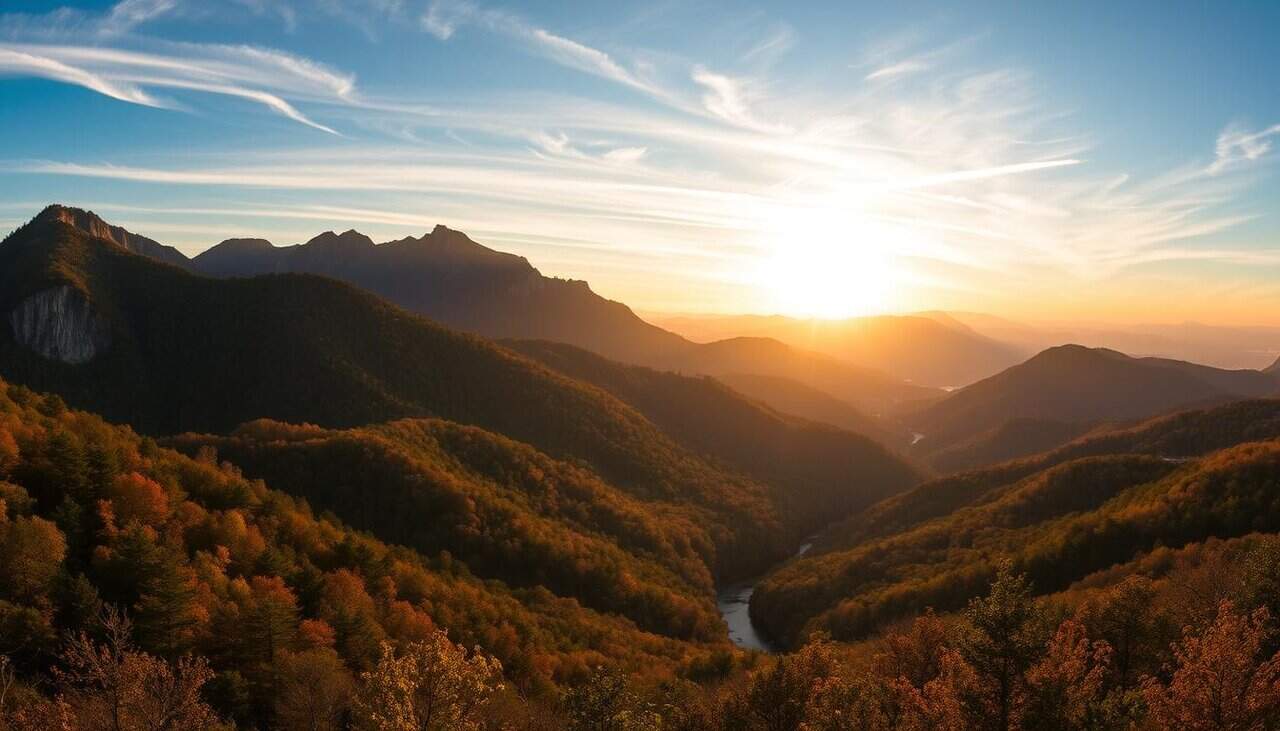
I still remember my first visit to the Great Smoky Mountains, and it’s a memory that has stayed with me to this day. As it turns out, I’m not alone in my appreciation for this natural wonder – with over 12 million visitors annually, it’s the most visited national park in the United States.
Straddling Tennessee and North Carolina, the park’s strategic location makes it easily accessible to a large population. Its stunning natural beauty, rich biodiversity, and cultural heritage are just a few factors that draw visitors from across the country and around the world. In 2022, the park experienced its second busiest year ever with 12,937,633 visits, marking the fourth time it has exceeded 12 million yearly visits.
The park’s popularity is even more impressive when compared to other iconic national parks – it receives more visitors than Yellowstone, Yosemite, and Grand Canyon combined. As we explore the reasons behind its enduring appeal, you’ll discover what makes this park a must-visit destination for so many.
Key Takeaways
- The Great Smoky Mountains National Park is the most visited national park in the United States.
- The park attracts over 12 million visitors annually.
- Its strategic location on the Tennessee-North Carolina border contributes to its popularity.
- The park’s natural beauty, biodiversity, and cultural heritage are key draws.
- The park has experienced record-breaking visitation numbers in recent years.
America’s Most Visited National Park
In 2022, Great Smoky Mountains National Park experienced its second busiest year ever, with a staggering 12,937,633 visits. This remarkable figure not only highlights the park’s enduring appeal but also underscores its position as a leading destination within the United States national park system.
Record-Breaking Visitation Numbers
The park’s visitation numbers have been consistently high, with over 12 million visitors annually in recent years. This trend is a testament to the park’s broad appeal and the diverse experiences it offers to its visitors.
- Over 12 million annual visitors
- Fourth time exceeding 12 million yearly visits
- Consistent growth in visitation numbers
Comparison to Other Famous National Parks
What’s even more striking is that Great Smoky Mountains National Park receives more visitors than iconic parks like Yellowstone, Yosemite, and Grand Canyon combined. This comparison puts into perspective the park’s immense popularity and its standing within the national park landscape.
As noted by the National Park Service, managing such large crowds while preserving the natural environment is a significant challenge. The park’s administrators must balance the benefits of tourism with the need to protect its natural and cultural resources.
Why is Great Smoky Mountains National Park so popular?
With millions of visitors each year, the question arises: what makes the Great Smoky Mountains National Park so popular? The answer lies in a combination of factors that make it an ideal destination for outdoor enthusiasts and families alike.
No Entrance Fee
One significant reason for the park’s popularity is its free admission policy. The history behind this policy is rooted in the park’s establishment. When the government was trying to attain the land, they asked the states of North Carolina and Tennessee to deed over Newfound Gap Road. Tennessee added a clause to ensure that there would never be tolls on the road, which led to the park’s free admission policy. This makes the park more accessible to visitors of all economic backgrounds, significantly contributing to its high visitation numbers.
Accessibility to Two-Thirds of the U.S. Population
The Great Smoky Mountains National Park is strategically located within a day’s drive of approximately two-thirds of the U.S. population. It’s less than one hour from Knoxville, TN, and about 1.5 hours from Asheville, NC. Many other larger cities like Atlanta, Charlotte, Chicago, and Washington D.C. are also within driving distance, making it an easily accessible destination for weekend getaways and family vacations. For more information on planning your visit, you can check out resources like Smoky Mountains Most Visited National Park.
Highway 441: A Major Thoroughfare
U.S. Highway 441 is a major roadway that traverses the park, connecting the towns of Cherokee, North Carolina, and Gatlinburg, Tennessee. This significant commerce route contributes to the park’s high visitation numbers, with some people crossing through the park simply to travel between these two towns. The highway also provides access to popular attractions like Newfound Gap and Kuwohi (Clingmans Dome).
Gateway Towns: Gatlinburg and Cherokee
The towns of Gatlinburg and Cherokee offer additional attractions, accommodations, and amenities that complement the park experience and extend visitors’ stays in the region. These gateway towns have developed symbiotic relationships with the park, creating a complete vacation destination that appeals to a wide range of travelers. For those looking to explore more national parks, you might find Best National Parks for Beginners helpful.
| City | Driving Time from Great Smoky Mountains National Park |
|---|---|
| Knoxville, TN | 1 hour |
| Asheville, NC | 1.5 hours |
| Atlanta, GA | 4 hours |
| Charlotte, NC | 4.5 hours |
Natural Wonders and Cultural Heritage
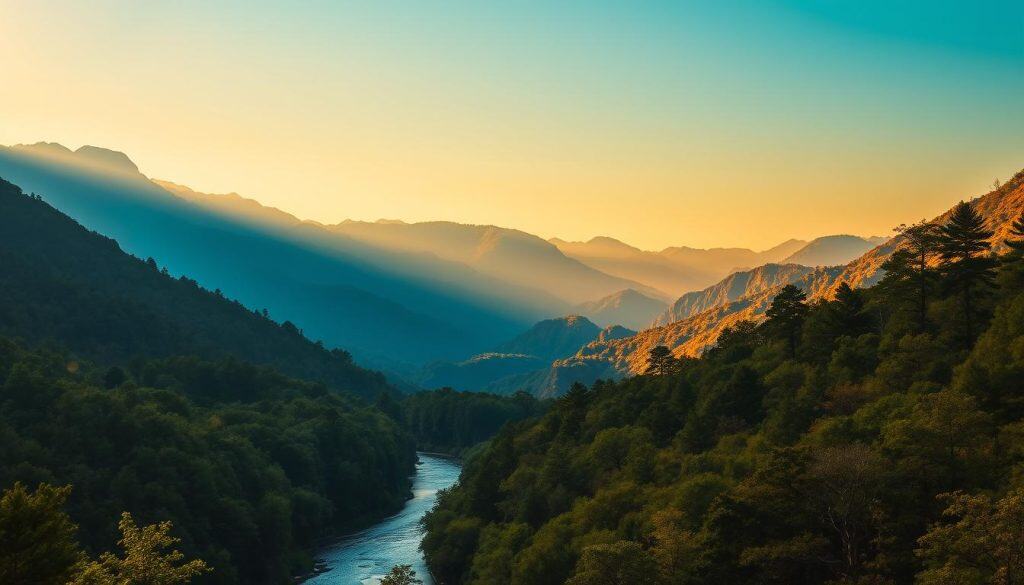
As you step into the Great Smoky Mountains National Park, you’re immediately immersed in a world of breathtaking landscapes and rich history. The park is a haven for nature lovers and history enthusiasts alike, offering a diverse range of experiences that cater to different interests.
Abundant Wildlife Viewing Opportunities

The Great Smoky Mountains National Park is renowned for its abundant wildlife, including approximately 1,500 black bears that roam freely within the park. This makes it an ideal destination for wildlife enthusiasts and photographers. The park is also known as the “Salamander Capital of the World” with over 30 species of salamanders.
Breathtaking Landscapes and Scenic Vistas
The park boasts stunning landscapes that range from mist-covered mountains to lush forests and flowering meadows. One of the most iconic spots is Kuwohi (Clingmans Dome), the highest point in the park, offering panoramic views of the surrounding mountains and valleys.
Kuwohi (Clingmans Dome)
Standing at an elevation of 6,643 feet, Kuwohi is accessible via a steep half-mile hike or a paved road. The observation tower at the top provides a stunning view of the sunrise and sunset, making it a popular spot for photography enthusiasts.
Waterfalls and Hiking Trails
The park features over 800 miles of hiking trails, including a section of the famous Appalachian Trail. Visitors can enjoy scenic vistas, waterfalls, and mountain streams, offering something for hikers of all skill levels.
Rich Historical Sites
One of the park’s most visited destinations is Cades Cove, attracting 2 million visitors annually. The cove is home to a high concentration of historical buildings and landmarks, including the John Oliver cabin and the John Cable Grist Mill, which date back to the 19th century.
Cades Cove
Cades Cove offers a glimpse into early Appalachian life with its well-preserved historic structures and scenic beauty. Visitors can explore the historic cabins, churches, and grist mills, making it an educational and enriching experience.
Historic Structures and Cultural Significance
The historic structures within the park, such as the three beautiful churches, not only showcase the architectural skills of the early settlers but also provide insight into the cultural and religious practices of the time.
Planning Your Visit to the Smokies
To make the most of your visit to the Smokies, it’s essential to be well-prepared and informed about the park’s offerings and regulations. The Great Smoky Mountains National Park is a unique destination that offers a wide range of experiences, from hiking the Appalachian Trail to exploring the region’s cultural heritage.
When planning your trip, consider the parking tag requirement implemented by the National Park Service for vehicles parked longer than 15 minutes. You can purchase daily, weekly, or annual passes, which directly support park maintenance and conservation efforts. For more information on hiking trails, you can visit our guide to the best hikes in US national.
Visit during the fall foliage season or spring wildflower blooms for spectacular views, or opt for the relative tranquility of winter visits. By being mindful of these factors, you can have a more enjoyable and meaningful experience in this beloved national park.
FAQ
What makes the Smokies a top destination for outdoor enthusiasts?
The park’s diverse landscapes, including forests, mountains, and wildflowers, offer endless opportunities for hiking, wildlife viewing, and exploration.
Are there any entrance fees to visit the park?
No, the park does not charge an entrance fee, making it an accessible destination for visitors from all over the world.
What are some must-see attractions within the park?
Some popular attractions include Cades Cove, a historic valley with preserved log cabins and churches, and Clingmans Dome, the highest point in the park with breathtaking views.
Can I see wildlife in the park?
Yes, the park is home to a wide variety of wildlife, including black bears, elk, and white-tailed deer, making it a great destination for nature lovers and photographers.
How do I plan a visit to the Smokies during peak season?
To avoid crowds, consider visiting early in the morning or later in the evening, and be sure to check the park’s website for up-to-date information on parking and trail conditions.
Are there any guided tours or programs available in the park?
Yes, the National Park Service offers a range of guided programs and tours, including ranger-led hikes and educational programs, to help visitors make the most of their visit.
Can I visit the park year-round?
Yes, the park is open year-round, although some facilities and roads may be closed during the winter months due to weather conditions.