
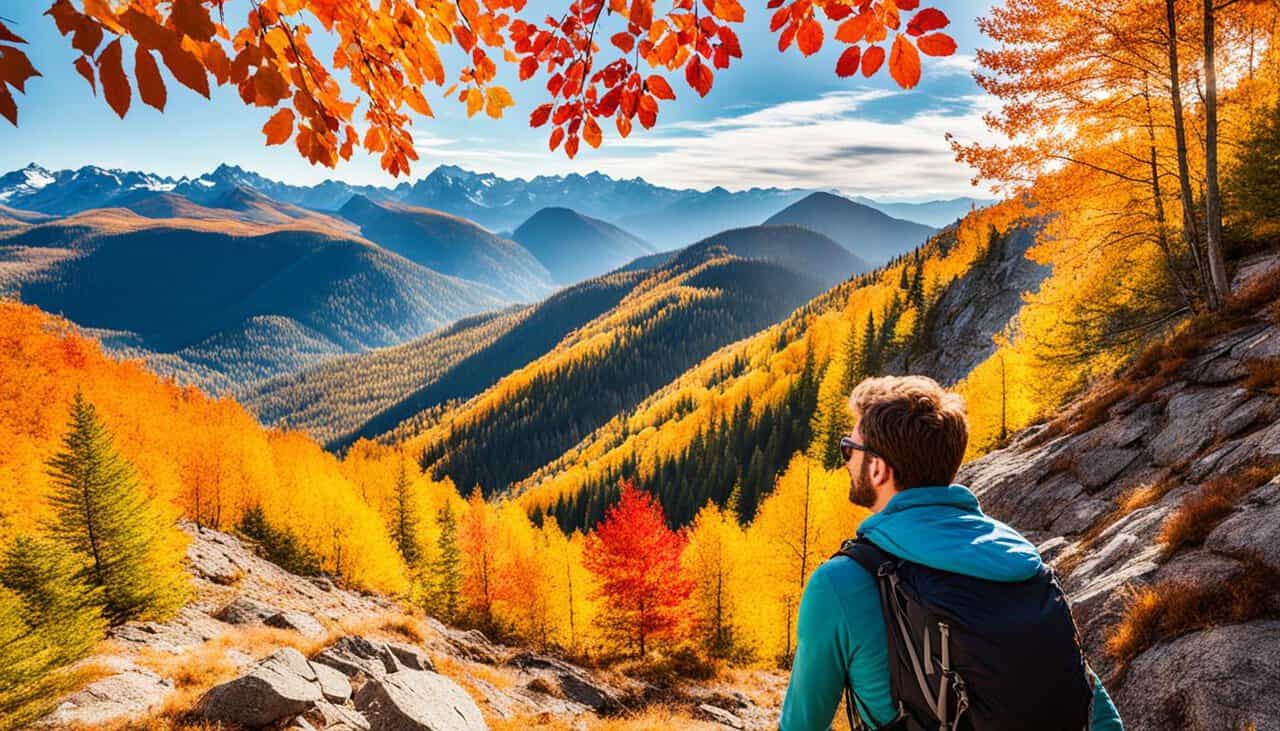
Finding the best time to hike in national parks is a mix of research and adventure. Whether you’re heading to Yosemite’s scenic trails or Zion’s rugged paths, timing matters. Weather, crowd levels, and road access play big roles in planning your trip.
The National Park Service saw over 300 million visitors in 2023. Parks like Arches and Glacier now need timed entry reservations during busy times. Planning ahead is key to enjoying your hike.
Choosing the right months to visit can make all the difference. With moderate weather and open roads, your hiking experience will be better. So, get ready to hit the trails during the green-lined months for an unforgettable adventure.
Key Takeaways
- The optimal hiking season varies widely among different parks.
- Over 300 million people visited national parks in 2023, requiring strategic planning to avoid crowds.
- Timed entry reservations are essential for popular parks like Arches, Glacier, and Yosemite during peak periods.
- Moderate weather conditions and open trails enhance the hiking experience.
- Visiting national parks during off-peak seasons can provide a more peaceful and enriching adventure.
Introduction to Hiking in National Parks
Exploring trails in national parks is a beloved activity. But, the best time for your visit can make a big difference. Weather, park access, and wildlife should guide your choice of when to go. This knowledge helps you enjoy your hike more, making it unforgettable.
National parks have everything from high mountains to vast deserts and lush rainforests. With 63 national parks in the U.S., there’s a trail for every hiker. These parks offer amazing hiking spots for all levels of experience.
Knowing the best trails is key to a great hike. Whether it’s a short walk or a long backpacking trip, there’s a trail for you. For example, Acadia National Park has trails like Beehive Loop and Cadillac Mountain for all levels of hikers.
- Adjust to new heights to avoid altitude sickness, which can be serious.
- Always carry the 10 Essentials, including water, food, and a personal locator beacon.
- Have a backup plan for bad weather.
- Be careful in coastal parks where tides can change quickly, trapping you.
- Protect yourself from bugs and the sun by using insect repellent and wearing the right clothes.
| Pass Type | Description |
|---|---|
| America the Beautiful Pass | Cost-saving pass for entrance fees at national parks and over 2,000 sites for a year. |
| Senior Pass | For U.S. citizens or permanent residents over 62. |
| Access Pass | Free lifetime pass for U.S. citizens or permanent residents with disabilities. |
| Military Pass | Free annual pass for U.S. military members and their dependents. |
| 4th Grade Pass | Free annual pass for U.S. 4th graders to visit national parks. |
Summer is the peak time to visit national parks, but each season has its own charm. Book your park stays up to six months early, especially for lodges or cabins. Arriving early helps avoid long lines and makes your trip smoother.
Factors Influencing the Best Time to Visit
Choosing the ideal times for hiking in national parks involves several key factors. These include weather, crowd levels, and access to roads and trails. Knowing these will help make your trip memorable and fun.
Weather Conditions
Weather is crucial in picking the best time to hike. Aim for ideal weather to avoid harsh conditions. For example, the Grand Canyon is best in spring or fall to dodge the summer heat.
Winter is a great time for Joshua Tree and Everglades, offering mild weather for exploring.
Crowd Levels
To enjoy a peaceful hike, avoid busy times. Parks like Yosemite and Zion are crowded in summer and spring break. Shoulder months like April or October are quieter.
February and September are also good times with fewer people and better hikes.
Road and Trail Accessibility
Seasonal closures can block roads and trails. Heavy snow in winter or muddy trails in spring can be a problem. Plan to visit when these areas are open and safe.
Always check the park’s access status to avoid surprises on your hike.
| National Park | Best Visit Months | Peak Crowd Times |
|---|---|---|
| Yosemite | April, October | Summer holidays, Spring breaks |
| Grand Canyon | Spring, Fall | Summer |
| Everglades | Winter | Summer |
Keep these factors in mind to plan your trip well. This way, you’ll enjoy the best conditions, fewer crowds, and easy access to trails.
Best Time to Visit National Parks for Hiking
Finding the best time to visit national parks for hiking means looking for good weather, fewer people, and easy trails. Spring and fall are usually the best seasons.
In these seasons, the weather is nice, and nature looks beautiful with flowers in spring or colorful leaves in fall. Late April is great for seeing wildflowers in Great Smoky Mountains National Park. Late September is the time to see elk bugle and enjoy the aspen forests in Rocky Mountain National Park.
Here’s a quick overview of optimal visiting times for some of the top national parks:
| National Park | Optimal Time | Details |
|---|---|---|
| Great Smoky Mountains National Park | Late April, Late October – Early November | Wildflower viewing and fall foliage |
| Grand Canyon National Park | Mid-May – June | North Rim open, before monsoon season |
| Zion National Park | Late June – August | Access to The Narrows |
| Rocky Mountain National Park | Late September | Elk bugling and aspen viewing |
| Acadia National Park | Right after Labor Day | Avoid summer crowds |
Summer hiking in high-altitude parks like Yosemite is great, but spring and fall are usually better. Spring or fall in Joshua Tree National Park lets you avoid the heat. You can also enjoy stargazing, as it’s an International Dark Sky Park.
Whether you’re seeing desert cactus flowers in Saguaro National Park or the northern lights in Acadia National Park in November, knowing when to go makes your trip unforgettable.
Summer Hikes: Advantages and Challenges
Summer hiking has its own set of benefits and challenges for outdoor lovers. The long daylight hours mean more time to explore and enjoy nature. But, hikers must be ready for the heat and crowds at popular spots.
Advantages of Summer Hiking
Summer hiking has many perks. The daylight lets you enjoy more of nature’s beauty. Trails in high places or northern areas open up as snow melts. This means more trails to choose from and stunning views.
Summer also makes it easier for families to go on trips together. Kids and seniors can join in on the fun. Places like Yellowstone have trails that everyone can use, including those in wheelchairs.
Challenges of Summer Hiking
Summer hiking comes with its own set of challenges. The heat, especially in desert areas, needs careful planning to avoid health problems. It’s important to carry enough water and electrolytes to stay hydrated.
Also, summer is when trails get crowded, which can ruin the peaceful hike many seek. Places like Utah’s parks get a lot of visitors during the summer.
Lastly, think about your health. Altitude sickness can hit 25% of people over 8,000 feet. Symptoms include confusion, fever, and a fast heartbeat. Being prepared and acclimated is key for a safe hike.
Spring and Fall: The Shoulder Seasons
Spring and fall are great times to visit national parks. They offer nice weather, fewer people, and beautiful sights. If you love wildflowers in spring or fall colors, these seasons are perfect for hiking.
Spring Hiking
Spring brings life back to national parks with cooler weather and beautiful landscapes. Trails are covered with wildflowers, making them look stunning. It’s a great time to visit Death Valley National Park, where it’s cooler than in the summer.
Spring is also good for Zion and Bryce Canyon National Parks. The weather is just right for hiking, and there are fewer people around.
Fall Hiking
Fall is a beautiful time for visiting national parks. You’ll see amazing autumn colors and enjoy mild weather. The Grand Canyon and Rocky Mountain National Park are great places to go in the fall.
In September and October, the Grand Canyon is warm but not too hot. It’s perfect for exploring. The Rocky Mountains are also cooler, with beautiful golden trees around. Just remember, some trails might close early because of snow, so check before you go.
Shoulder season hiking in spring and fall is ideal for nature lovers. You get to see the beauty of national parks with fewer people and lower prices.
Winter Hiking: A Unique Experience
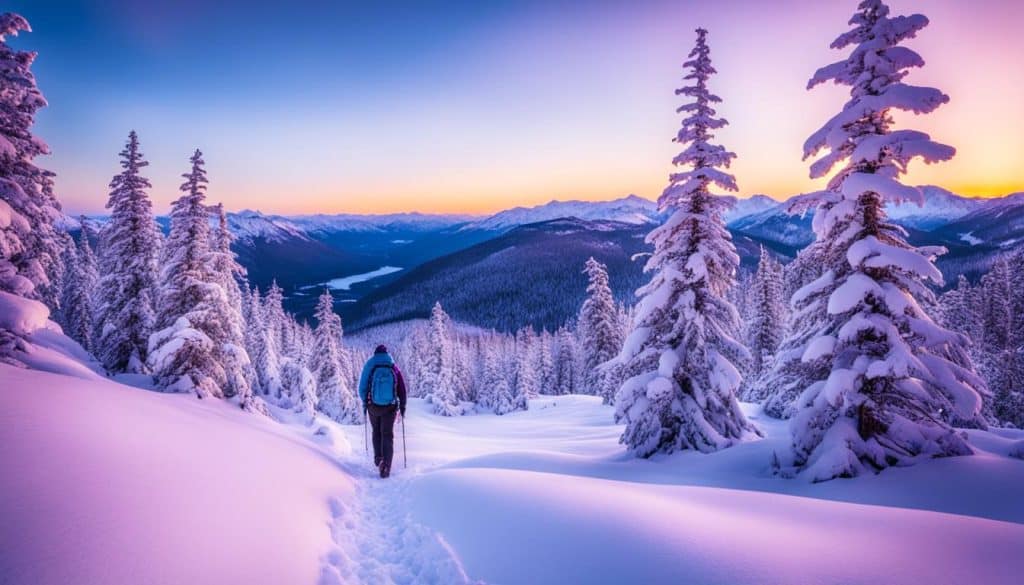
Winter turns national parks into peaceful, snowy scenes. It offers a special and calm hiking experience. For those who love adventure, winter is a great time to enjoy nature’s quiet beauty.
| National Park | Winter Highlights | Average Daytime Highs (°F) |
|---|---|---|
| Mount Rainier | Receives an average of 54 feet of snow annually. | Notable snow depth |
| Denali | Starts experiencing snow as early as August. | Below freezing in many spots |
| Yellowstone | Steeped in history, it’s been part of the National Park System since 1872. | Varies widely |
| Rocky Mountain | Boasts the highest elevations, making it a popular spot for winter. | Freezing temperatures |
| Zion | Daytime temperatures of 50-60°F with heavy precipitation in winter. | 50-60 |
Winter hiking is special beyond these parks too. Saguaro National Park in Arizona has daytime temperatures of 65-75°F. Pinnacles National Park in California sees highs of 60-70°F. Even in southern U.S. areas, winter hiking is beautiful. Biscayne and Everglades National Parks in Florida have highs from the mid-70s to upper 70s in winter.
Getting ready for winter hiking is key. Make sure you have snowshoes or crampons, warm clothes, and enough water. With the right gear, you can fully enjoy the winter beauty of our national parks.
Top National Parks for Spring Hikes
Spring is a magical time to explore the great outdoors, especially in some of the most pristine spring hiking destinations across the United States. During this season, national parks come alive with vibrant wildflower displays and rejuvenated wildlife. Let’s take a closer look at some of the best national parks with wildflower blooms that offer unforgettable spring hiking experiences.
Great Smoky Mountains National Park is a prime example, boasting over 1,500 flowering species — more than any other North American park. This makes it one of the most spectacular pristine spring hiking destinations. In addition to the wildflowers, the park is home to over 400 species of wildflowers that bloom in April and May, creating a colorful tapestry of nature.
Shenandoah National Park is another must-visit location. With Skyline Drive providing a panoramic view of the natural beauty, hikers can enjoy both scenic drives and invigorating walks. This location is perfect for experiencing the transformation of the landscape as spring progresses.
In the west, Yosemite National Park offers impressive waterfalls as the mountain snow melts in April. Its renowned trails, such as the Sentinel Dome and Taft Point Loop, provide breathtaking views of Yosemite Valley. The park covers 1,200 square miles, giving hikers ample space to explore.
| National Park | Key Features | Entrance Fee |
|---|---|---|
| Great Smoky Mountains | 1,500+ flowering species, 500,000 acres | $0 (no entrance fee) |
| Shenandoah | Skyline Drive, April wildflower blooms | $30 per vehicle |
| Yosemite | Waterfalls, 1,200 square miles | $35 per vehicle |
Theodore Roosevelt National Park in North Dakota is equally enchanting in spring. With over 400 species of wildflowers blooming in April and May, this destination provides a rich palette of colors and fragrances. This park is a testament to the beauty of national parks with wildflower blooms.
Heading south, Capitol Reef National Park in Utah is renowned for its unique orchards and stunning rock formations. Spring in Capitol Reef means you can hike through canyons and orchards filled with blossoming fruit trees, making it one of the most pristine spring hiking destinations.
Each of these national parks offers a unique and vibrant spring hiking experience. Whether it’s the diverse flora of the Great Smoky Mountains or the scenic beauty of Shenandoah, there’s something for every nature enthusiast to discover during the spring season.
Top National Parks for Summer Hikes
Summer is the peak season for exploring the wonders of national parks in the U.S. The trails come alive with colorful plants, strong animals, and stunning views. These top parks offer unforgettable adventures in different landscapes.
Certain parks, despite warm weather and occasional crowded paths, offer unparalleled scenic trails and dynamic wildlife encounters during the summer months.

Yosemite National Park in California has 278 trails over 4,729 miles. Each trail gets a high rating of 4.56 out of 5. It’s a favorite for those who love the best of summer hiking.
Rocky Mountain National Park in Colorado has 235 trails over 1,970 miles, rated at 4.5 out of 5. The high trails offer amazing views and a chance to see wildlife, making it a top choice for summer hikes.
Denali National Park in Alaska is huge and has mild summer weather with highs of 67°F. It gets about 3 inches of rain, but summer is perfect for exploring its vast wilderness.
Yellowstone National Park in Wyoming has 267 trails over 3,507 miles. With an average rating of 4.2, hikers find a variety of trails and enjoy the geothermal features and wildlife.
| National Park | Trails | Total Miles | Average Rating |
|---|---|---|---|
| Sequoia National Park | 98 | 1,624 | 4.48 |
| Grand Canyon National Park | 133 | 1,562 | 4.32 |
| Kings Canyon National Park | 68 | 1,583 | 4.47 |
| Great Smoky Mountains National Park | 348 | 4,354 | 4.38 |
Planning hikes for early morning or late evening can avoid the heat and crowds. With good planning, a summer hike in these parks can be rewarding and full of nature’s beauty during the peak season.
Best National Parks to Visit in Fall
Autumn is a great time for hiking in national parks. The beautiful fall foliage and cooler weather make it perfect for adventures. Let’s explore two parks that are a must-visit in autumn.
Rocky Mountain National Park
Rocky Mountain National Park in Colorado is a fall highlight. The golden aspens stand out against the evergreens, creating a stunning view. This beauty peaks in September, ideal for hiking in autumn.
Visitors can also see elk bugling during this time. It’s a unique experience you won’t want to miss.
Acadia National Park
Acadia National Park in Maine has some of the most beautiful fall foliage trails. The colors, from reds to yellows, peak from late September to early October. It’s close to Bar Harbor, making it easy to get to.
The cool weather and fewer people make hiking there peaceful. It’s a top spot for autumn hiking.
Conclusion
Exploring America’s national parks shows that the best time to visit is personal. Each park has its own best season. For example, the Great Smoky Mountains are best in spring, attracting 12.1 million visitors a year. Yosemite National Park is peaceful in winter, welcoming about 4.4 million visitors.
Planning a trip to a national park means thinking about the weather, crowds, and how easy it is to get there. Yellowstone and Zion are busy in the warmer months, with 4 million and 4.5 million visitors each year. But, the Grand Canyon and Yosemite are quieter in winter, offering stunning views.
If you love fall colors or Yellowstone’s hot springs, plan carefully. Choosing the right time makes your visit better and connects you with nature. Let’s enjoy every season and its beauty as we explore these amazing places.
FAQ
What is the optimal hiking season for national parks?
The best time to hike in national parks is usually in spring and fall. These seasons have nice weather, fewer people, and beautiful sights like wildflowers and fall colors.
When are the peak hiking months in national parks?
Summer is when most people hike in national parks because of the long days and open trails. But, it’s also the busiest time and can be very hot, especially in desert areas.
What are the ideal times for hiking in national parks to avoid crowds?
To skip the crowds, go hiking in spring and fall. These seasons have great weather and not as many people as summer.
How do weather conditions influence the best time to visit national parks?
Weather like high temperatures and rain can make trails hard to get to and uncomfortable. Try to visit when it’s not too hot or too cold.
What factors should be considered for trail and road accessibility in national parks?
Look out for trails and roads that close in the off-season due to snow, repairs, or natural events. The National Park Service often updates their websites with the latest info on what’s open.
What are the advantages of summer hiking in national parks?
Summer hiking means long days, open trails, and lots of wildlife. It’s great for high-altitude parks like Yosemite and the Rocky Mountains.
What challenges should we expect during summer hikes in national parks?
Summer hikes can be tough because of the heat, especially in desert areas, and crowded trails. It’s important to plan well and stay hydrated.
What makes spring and fall the best shoulder seasons for hiking in national parks?
Spring and fall are the best times because it’s not too hot or cold, and there are fewer people. Spring brings wildflowers and active animals, while fall offers beautiful leaves and easy hiking.
Why is winter hiking in national parks considered unique?
Winter turns parks into quiet, snowy places with peaceful trails and special views. You need the right gear and to know how to stay safe in winter.
Which national parks are best for spring hikes?
Great places for spring hikes are the Great Smoky Mountains and Shenandoah National Park. They’re known for their beautiful wildflowers and nice spring weather.
What are prime summer hiking trails in national parks?
Top summer hiking spots are Yosemite National Park and Rocky Mountain National Park. These parks have lots of trails and amazing views that are open in the summer.
What are the best national parks to visit in fall for hiking?
For fall hiking, check out Rocky Mountain National Park and Acadia National Park. They have great fall colors, nice weather, and special events like elk bugling in the Rockies.