

As an outdoor enthusiast, I’m always on the lookout for the next great hiking adventure. With over 40% of Americans participating in outdoor activities, it’s no surprise that hiking has become a favorite pastime for many.
The US is home to some of the world’s most spectacular trails, from the rugged mountains of Colorado to the breathtaking canyons of Arizona. But which state stands out as the ultimate hiking destination?
As we explore the top-ranked states for hiking, we’ll examine factors like trail diversity, accessibility, and scenic views. Whether you’re a seasoned hiker or just starting out, this guide will help you plan your next adventure in America’s most beautiful landscapes.
Key Takeaways
- Top-ranked states for hiking across America
- Factors that contribute to great hiking experiences
- Signature hiking destinations in each state
- Terrain preferences and skill levels for hikers
- Seasonal considerations for planning hiking trips
The Appeal of Hiking in America
The US boasts an incredible variety of hiking trails, from coastal routes to mountain peaks, making it a dream destination for hikers. As you explore the great outdoors, you’ll discover that hiking offers more than just scenic views; it provides a chance to connect with nature and challenge yourself physically.
Health Benefits of Hiking
Hiking is an excellent way to improve your physical health while enjoying the beauty of nature. Regular hiking can boost cardiovascular health, strengthen muscles, and enhance mental well-being. Studies have shown that spending time outdoors can reduce stress levels and improve mood. Whether you’re hiking through forests, along lakes, or up mountains, the experience can be incredibly rejuvenating.
Diverse Landscapes Across the United States
The United States is renowned for its diverse landscapes, offering hikers a wide range of experiences. You can hike through the majestic mountains of Colorado, explore the arid beauty of the desert landscapes in Utah, or trek through the lush forests of the Pacific Northwest. With over 60 national parks and countless trails, the options are endless.
From alpine mountains to coastal trails and desert canyons, America’s diverse hiking landscapes offer something for every kind of hiker. The country’s varied climate zones allow for year-round hiking opportunities across different regions. Whether you’re looking for a leisurely stroll or a challenging summit, the US has a trail that’s perfect for you.
How We Ranked the Best States for Hiking
When evaluating the best states for hiking, we looked at multiple criteria that affect hikers throughout the year. To create a comprehensive ranking, we considered factors that contribute to a positive hiking experience.
Number of Trails and Trail Reviews
The availability of trails is a crucial factor in determining a state’s hiking appeal. We analyzed the number of trails in each state and considered the feedback from hikers through trail reviews. States with a higher number of trails and positive reviews scored higher in our ranking.
Trail Difficulty and Accessibility
Trail difficulty and accessibility are essential considerations for hikers. We evaluated the range of trail difficulties and the accessibility of trails for hikers of all skill levels. States offering a diverse range of trails, from easy to challenging, and ensuring accessibility received higher scores.
Trail Ratings and Quality
The quality of trails significantly impacts the hiking experience. We assessed trail ratings based on reviews and maintenance reports. States with well-maintained trails and high ratings from hikers were ranked higher.
Weather Conditions and Precipitation
Weather conditions and precipitation play a significant role in determining the hiking season and overall experience. And because very few folks enjoy rain with their parade, we also considered the amount of annual precipitation each state gets. Our analysis included:
- Annual precipitation rates and their impact on hiking conditions
- States with extended hiking seasons due to favorable weather patterns
- The distribution of rainfall throughout the year
Here’s a summary of our findings in a tabular format:
| Criteria | Importance | Impact on Ranking |
|---|---|---|
| Number of Trails | High | Increased trail options improve ranking |
| Trail Difficulty | Medium | Diverse trail difficulties enhance ranking |
| Weather Conditions | High | Favorable weather conditions boost ranking |
| Trail Ratings | High | Higher trail ratings improve state ranking |
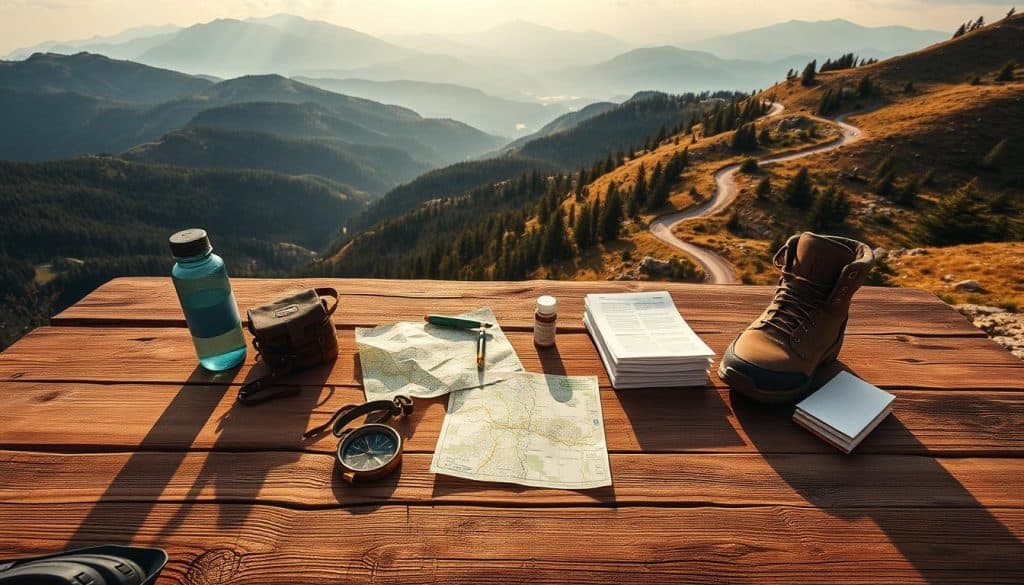
By considering these factors, we were able to create a comprehensive ranking of the best states for hiking. Our analysis highlights the importance of diverse trails, favorable weather conditions, and high-quality trail maintenance.
Colorado: The Ultimate Hiking Destination
The state’s unique geography, characterized by towering peaks and serene lakes, positions Colorado as the ultimate hiking destination. With its diverse landscapes and abundant sunshine, Colorado attracts hikers from all over the world.

Rocky Mountain National Park Highlights
Rocky Mountain National Park is a crown jewel among Colorado’s hiking destinations, offering over 60 mountain peaks above 12,000 feet. The park’s trails range from easy strolls to challenging climbs, ensuring that there’s something for every hiker. You can explore the park’s many wonders, including alpine lakes, meadows, and forests, by visiting sites like Bear Lake and Alberta Falls.
For more information on hiking trails across US national parks, you can visit Enjoy National Parks.
14,000-Foot Peaks and Alpine Lakes
Colorado is famous for its “Fourteeners,” peaks that exceed 14,000 feet in elevation. Hiking these mountains is a thrilling experience, with trails like Mount Evans and Longs Peak offering breathtaking views. Additionally, the state’s alpine lakes, such as Maroon Lake and Blue Lakes, provide serene hiking destinations amidst stunning natural beauty.
Best Time to Hike in Colorado
The best time to hike in Colorado largely depends on your preferences and the trails you choose. Generally, mid-June through September offers the most reliable weather for high-elevation hiking. July and August are ideal for wildflower viewing, while fall (late September to mid-October) is perfect for witnessing the spectacular aspen colors. Colorado’s low annual precipitation rate of 15.9 inches per year and over 300 days of sunshine make it an attractive destination for hikers.
- Mid-June through September: Most reliable weather for high-elevation hiking
- July and August: Peak wildflower viewing opportunities
- Late September to mid-October: Spectacular aspen colors
- Winter and spring: Requires specialized equipment and avalanche awareness
- Shoulder seasons: More accessible due to abundant sunshine
Utah: Red Rock Wonderland
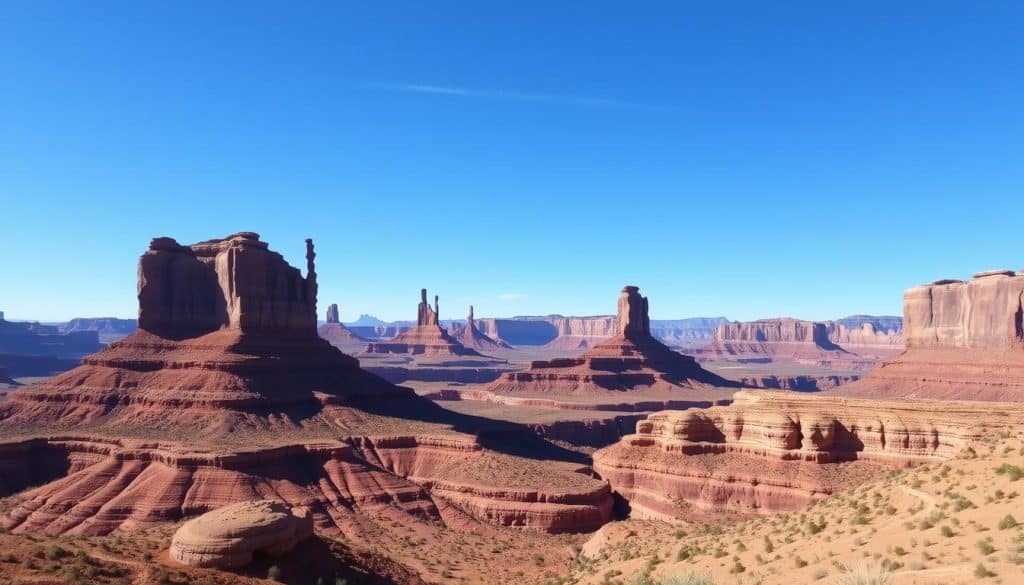
From the rugged terrain of its national parks to the breathtaking beauty of its slot canyons, Utah offers an adventure like no other. As you explore the state’s diverse landscapes, you’ll discover that Utah is a hiker’s paradise, with numerous trails that cater to all skill levels.
The “Mighty Five” National Parks
Utah is home to five national parks, each offering a unique hiking experience. You can explore the rugged terrain of Zion National Park, hike through the scenic landscapes of Arches National Park, or visit the majestic Bryce Canyon National Park. With so many options to choose from, you’re sure to find a hike that suits your interests and abilities.
Grand Staircase-Escalante National Monument
In addition to its national parks, Utah is also home to the Grand Staircase-Escalante National Monument, a vast and rugged area that offers endless opportunities for hiking and exploration. You can hike through the 14-mile Escalante Canyon, explore the scenic Coyote Gulch, or visit the narrow slot canyons at Peek-a-Boo and Spooky Slots.
Slot Canyon Adventures
Utah’s slot canyons are a must-visit destination for any serious hiker. You can explore the narrow passageways of Antelope Canyon, hike through the longest slot canyon in the world at Buckskin Gulch, or visit the scenic Wire Pass. Be sure to check the weather forecast before heading out, as flash floods can be a real danger in these areas.
Whether you’re a seasoned hiker or just starting out, Utah’s diverse landscapes and numerous trails make it an ideal destination for anyone looking to connect with nature and challenge themselves physically. So why wait? Start planning your hiking adventure in Utah today!
California: Diverse Hiking Paradise
As the most beautiful state in the country, California boasts an incredible range of hiking trails that showcase its diverse landscapes.

Yosemite National Park Trails
Yosemite National Park is a crown jewel of California’s hiking destinations, offering trails for every skill level. You can hike to the top of Half Dome, explore the Mist Trail, or simply enjoy the scenic views of El Capitan. With its granite cliffs, waterfalls, and giant sequoia groves, Yosemite is a hiker’s paradise.
Coastal Hiking Routes
California’s coastline offers some of the most spectacular hiking routes in the country. You can hike along the Big Sur coastline, exploring rugged cliffs and hidden coves, or enjoy the more leisurely trails of the San Francisco Bay Area. The diversity of California’s coastal ecosystems means you can experience everything from redwood forests to salt marshes and sandy beaches.
Desert and Mountain Diversity
California is home to both the highest peak in the contiguous United States, Mt. Whitney, and the lowest point, Death Valley. This diversity of landscapes means you can hike through desert badlands, alpine meadows, and mountain peaks all within the same state. Joshua Tree National Park, with its unique rock formations and surreal desert landscapes, is a must-visit destination for any hiker.
From the Sierra Nevada range, which offers endless hiking opportunities including the 211-mile John Muir Trail, to the extreme environment of Death Valley, California’s desert and mountain diversity is unmatched. You can experience the unique hiking experiences through badlands, salt flats, and colorful canyons that Death Valley has to offer.
Washington: Evergreen Hiking Haven
The Evergreen State lives up to its name with its lush green forests, majestic mountains, and endless hiking trails. Washington state is a hiker’s paradise, offering diverse landscapes that cater to all levels of hiking enthusiasts.
Mount Rainier and Cascade Range
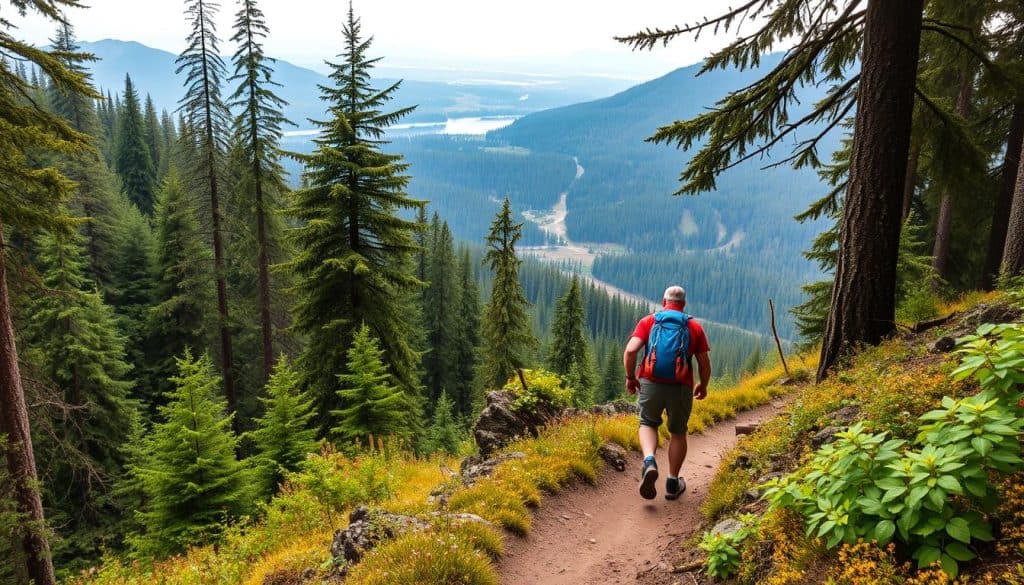
Washington is home to Mt. Rainier, a 14,410-foot stratovolcano, planted in the Cascade Mountain Range. The mountain offers numerous hiking trails that range from easy day hikes to more challenging multi-day backpacking trips. The Cascade Range is known for its beautiful forests and diverse wildlife.
The trails in this region offer breathtaking views of the surrounding landscape and the opportunity to explore the unique alpine ecosystems.
Olympic Peninsula Rainforests
The Olympic Peninsula is home to some of the most unique and diverse ecosystems in the country. Olympic National Park protects the largest temperate rainforest in the continental United States, with the Hoh Rain Forest being a prime example. This area receives up to 14 feet of rain annually, creating a lush, moss-draped landscape unlike anywhere else in America.
The Hall of Mosses Trail offers an accessible 0.8-mile loop through old-growth rainforest with trees over 500 years old. The 17.5-mile Enchanted Valley Trail takes hikers through forests to a valley known as “the Valley of 10,000 Waterfalls.”
Arizona: Grand Canyon State Trails
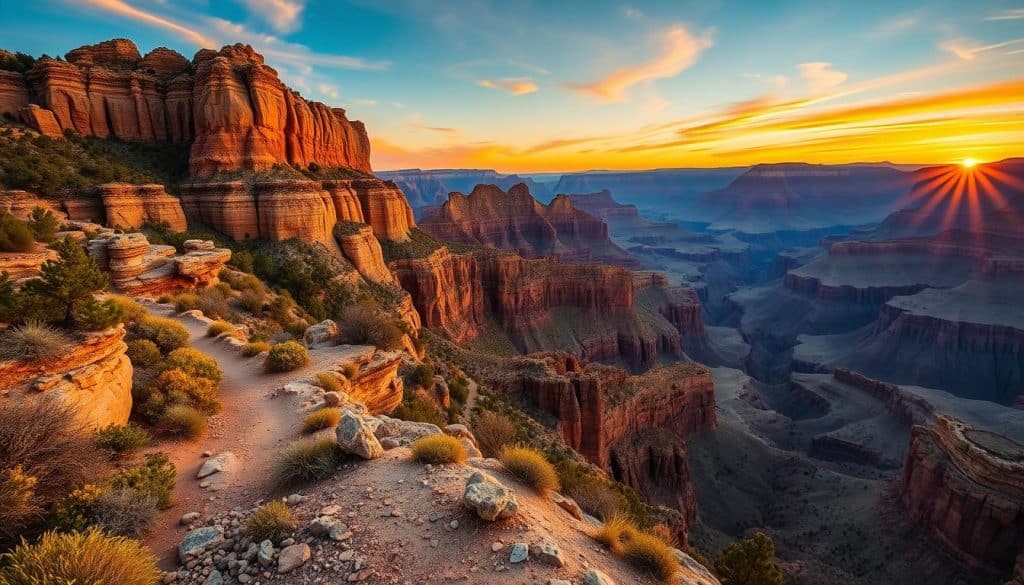
The Grand Canyon State offers more than just desert scenery; it’s a hiker’s paradise with trails for every level. With half of Arizona’s trails rated above 4.5 stars by other hikers, you’re in for a treat. The state’s diverse landscapes, from the arid desert to the majestic Grand Canyon, provide a unique hiking experience.
Grand Canyon Hiking Routes
The Grand Canyon is one of Arizona’s most iconic natural wonders, offering numerous hiking trails for visitors. You can explore the South Rim’s popular trails, such as the Bright Angel Trail, or venture into the more remote areas of the North Rim. With trails ranging from easy day hikes to multi-day backpacking trips, the Grand Canyon has something for every hiker.
For a more challenging hike, consider the Grand Canyon Rim-to-Rim trail, which takes you through diverse ecosystems and offers breathtaking views. Whether you’re a seasoned hiker or just starting out, the Grand Canyon’s trails are sure to leave a lasting impression.
Desert Hiking Experiences
Arizona’s desert landscapes offer a unique hiking experience, with saguaro forests, red rock formations, and ancient petroglyphs to discover. Desert hiking in Arizona is particularly popular in the spring when wildflowers bloom, transforming the landscape into a colorful spectacle.
Some popular desert hiking destinations in Arizona include Sedona’s red rock country, with over 200 trails and spectacular views; Saguaro National Park, showcasing the iconic giant cactus; and the Superstition Mountains, offering rugged wilderness hiking with legendary lost gold mine stories. You can also explore the best national parks to hike in the US on this page.
As you explore Arizona’s trails, you’ll discover the state’s diverse natural beauty and rich cultural heritage. Whether you’re hiking through the desert or exploring the Grand Canyon, Arizona is a hiker’s paradise that has something for everyone.
New York: More Than Just City Life
You don’t have to leave New York state to experience the great outdoors, with hiking trails galore. While the Big Apple may be the state’s most famous export, the Empire State has much more to offer beyond its iconic city. With just under 1 million hiking reviews across the state, and 43 percent of the trails rated “easy,” New York is an accessible destination for hikers of all levels.
Adirondack Mountains
The Adirondack Mountains offer a unique hiking experience with their rugged terrain and breathtaking views. As one of the largest state parks in the country, the Adirondack Park provides endless opportunities for exploration. With numerous trails ranging from easy to challenging, hikers can enjoy the beauty of the Adirondacks year-round.
The area is known for its 46 High Peaks, many of which offer stunning views and a sense of accomplishment for those who reach the summit. Whether you’re a seasoned hiker or just starting out, the Adirondacks have something to offer.
Catskills and Hudson Valley Trails
The Catskill Mountains and Hudson Valley are another haven for hikers, with over 350 miles of marked trails in the Catskills alone. The region is rich in history and natural beauty, featuring iconic hikes like Devil’s Path and Breakneck Ridge. The Hudson Valley is also home to numerous historic estates with maintained trail systems, combining cultural heritage with outdoor adventure.
The Long Path, a 358-mile trail stretching from the George Washington Bridge to Albany, connects many of these shorter trail systems, offering hikers a chance to explore the region’s diverse landscapes. With its mix of challenging hikes and scenic views, the Catskills and Hudson Valley are a must-visit destination for any hiking enthusiast.
Wyoming: Wild and Untamed Trails
With its vast wilderness and breathtaking landscapes, Wyoming offers an unparalleled hiking experience. As you explore the trails, you’ll discover why Wyoming is a favorite among outdoor enthusiasts.
Yellowstone National Park
Wyoming is home to a significant portion of Yellowstone National Park, which boasts some of the most spectacular hiking trails in the country. The park’s diverse geothermal features, including Mammoth Hot Springs and the Heart Lake Trail, offer hikers a unique experience.
The Heart Lake Trail, in particular, is a must-visit, with its serene lakes and surrounding mountains creating a picturesque landscape.
Grand Teton National Park
Grand Teton National Park is another gem in Wyoming, featuring the iconic Teton Range that rises dramatically 7,000 feet above the valley floor. The 40-mile Teton Crest Trail is a premier backpacking route, offering consistent alpine views and access to pristine lakes like Delta, Taggart, Bradley, and Jenny.
The Cascade Canyon Trail is another popular choice, providing access to Hidden Falls and Inspiration Point with relatively moderate effort. The park’s proximity to Yellowstone National Park allows hikers to experience two distinct mountain ecosystems in one trip.
Montana: Big Sky Country Hiking
As one of the least densely populated states, Montana provides an unspoiled hiking environment. With just over 1 million residents, the natural beauty of “Big Sky Country” remains nearly untouched, offering hikers a chance to experience the great outdoors in its purest form.
Glacier National Park Highlights
Glacier National Park is a crown jewel of Montana’s hiking destinations. The park boasts over 700 miles of trails, ranging from easy day hikes to more challenging multi-day backpacking trips. One of the park’s most popular trails is the Highline Trail, which offers breathtaking views of the surrounding mountains and valleys.
The park is also home to the Continental Divide Trail, a 1,000-mile trail that spans from Canada to Mexico. Within Glacier National Park, hikers can experience the unique alpine scenery and diverse wildlife that make Montana’s wilderness areas so remarkable.
Montana’s Wilderness Areas
Montana is home to 16 designated wilderness areas, protecting over 3.5 million acres of pristine backcountry. The Bob Marshall Wilderness Complex is one of the largest, encompassing over 1.5 million acres of remote hiking opportunities. Hikers can explore the Absaroka-Beartooth Wilderness, which features Montana’s highest peak, Granite Peak, and numerous alpine lakes.
These wilderness areas not only provide challenging hiking trails but also serve as critical habitats for a variety of wildlife, including grizzly bears and wolves. As you hike through Montana’s wilderness areas, you’ll experience the true essence of the American wild.
Oregon: Pacific Northwest Beauty
Oregon is a hiker’s paradise, offering diverse landscapes that range from rugged coastlines to mountainous forests and deserts. As you explore the state’s numerous trails, you’ll discover why it’s a favorite among outdoor enthusiasts.
Crater Lake National Park
One of Oregon’s crown jewels is Crater Lake National Park, known for its deep, crystal-clear lake. The park offers several hiking trails that range from easy to challenging, providing breathtaking views of the lake and surrounding landscape.
Visitors can hike the Cleetwood Cove Trail, a steep descent to the lake’s shoreline, or explore the Rim Trail, which offers panoramic views of the lake.
Columbia River Gorge Trails
The Columbia River Gorge is another highlight of Oregon’s hiking scene, featuring over 90 waterfalls on the Oregon side alone. The Eagle Creek Trail is a popular choice, taking hikers behind Tunnel Falls and past numerous other cascades through a lush forest.
The Columbia River Gorge also offers the 30-mile Gorge Trail system, which connects multiple waterfalls and viewpoints along the Historic Columbia River Highway. As you hike through the gorge, you’ll experience the transition from lush forests to drier terrain with open vistas and vibrant wildflower displays in the spring.
Alaska: Last Frontier Hiking
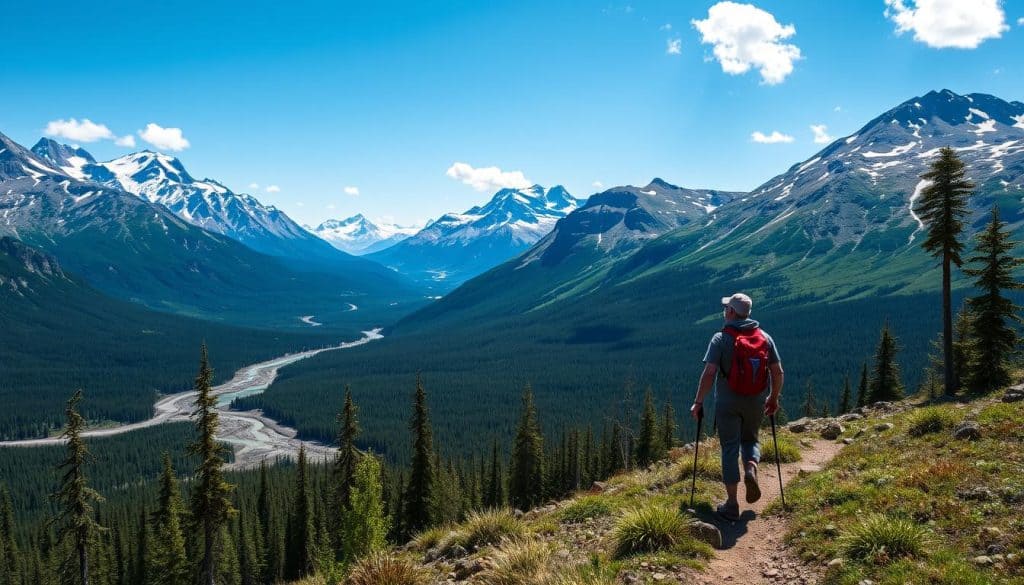
As the last frontier, Alaska beckons hikers with its promise of uncharted territories and breathtaking vistas. With its vast wilderness, diverse landscapes, and abundant wildlife, Alaska is a hiker’s paradise.
Denali National Park
Denali National Park is a must-visit destination for any serious hiker. The park offers a range of trails that cater to different skill levels, from easy day hikes to more challenging multi-day treks. One of the most popular trails is the Harding Icefield Trail, which climbs 3,000 feet over 4 miles, offering stunning views of the 700-square-mile icefield.
The park’s diverse wildlife, including grizzly bears, moose, and caribou, adds an extra layer of excitement to the hiking experience. As you hike through Alaska’s pristine wilderness, you’ll feel a deep connection to nature.
Glacier Hiking Experiences
Alaska offers unique opportunities for glacier hiking, an adventure available in few other US locations. Exit Glacier in Kenai Fjords National Park provides accessible hiking trails to view an active glacier up close. For a more immersive experience, guided hiking tours on Matanuska Glacier allow visitors to safely explore ice caves, crevasses, and moulins.
Glacier hiking typically requires specialized equipment like crampons and ice axes. Fortunately, guided tours are available for all experience levels, ensuring that you can enjoy this thrilling adventure safely.
Which US state has the best hiking? The Verdict
The best US state for hiking is subjective, varying based on the type of terrain and the time of year you plan to hike. As we’ve explored various states, from Colorado’s Rocky Mountains to Alaska’s vast wilderness, it’s clear that each offers unique hiking experiences.
When considering the best state for hiking, it’s essential to look at the terrain type and how it aligns with your preferences and abilities. Let’s examine the top states by terrain type.
Top States by Terrain Type
Different states offer diverse terrains that cater to various hiking preferences. Here’s a breakdown of top states by terrain type:
| Terrain Type | Top States | Notable Features |
|---|---|---|
| Mountainous | Colorado, Wyoming, Montana | High-elevation trails, alpine lakes, and mountain peaks |
| Desert | Arizona, Utah | Unique rock formations, slot canyons, and arid landscapes |
| Coastal | California, Oregon | Scenic coastal routes, beaches, and ocean views |
| Forest | Washington, Montana | Lush rainforests, diverse wildlife, and dense foliage |
For more information on planning your hiking trip according to the best time to visit national parks, check out this resource on the best time to visit national parks for.
Seasonal Considerations
Seasonal changes significantly impact hiking experiences across different states. Understanding these variations can help you plan your trip:
- Summer: Offers the most accessible high-elevation hiking in states like Colorado, Montana, and Wyoming.
- Winter: Desert states like Arizona and Utah provide excellent winter hiking when other regions are snow-covered.
- Fall: New England states are particularly attractive for autumn hiking due to the fall foliage.
- Spring: California and the desert Southwest are known for their exceptional spring wildflower displays.
States with varied elevations, such as California and Arizona, offer year-round hiking opportunities. By considering the season and terrain, you can choose the best state for your hiking adventure.
Essential Hiking Tips for Any State
Whether you’re a seasoned hiker or just starting out, knowing the essential hiking tips can make all the difference in your journey. As you prepare for your next adventure, understanding the basics of hiking can significantly enhance your outdoor experience.
Safety Precautions
When heading out on a hike, safety should be your top priority. This includes checking the weather forecast beforehand, understanding your map, and telling someone about your hiking plans. It’s also crucial to pace yourself and be aware of your surroundings, including watching for wildlife.
Packing Essentials
Packing the right gear is vital for a successful hike. Essentials include water, snacks, extra layers, sunscreen, and bug repellent. Make sure to pack according to the trail’s difficulty and weather conditions. Bringing a first-aid kit and a map can also be lifesavers in case of emergencies.
Trail Etiquette
Following proper trail etiquette is not only about being courteous to other hikers but also about preserving the natural environment. Key principles include:
- Following Leave No Trace principles: plan ahead, stay on designated trails, and dispose of waste properly.
- Yielding to uphill hikers when traveling downhill.
- Keeping noise levels down to respect wildlife and other hikers.
- Stepping to the same side of the trail when allowing others to pass.
By adhering to these guidelines, you contribute to a more enjoyable and sustainable hiking experience for everyone.
Planning Your Ultimate Hiking Trip
With so many incredible hiking destinations across the United States, crafting your ultimate hiking trip requires some thoughtful planning. As you consider your options, you’ll want to think about the best time to visit each state and how to combine multiple destinations into a single, memorable trip.
When to Visit Each State
The ideal time to visit various states for hiking depends on their unique climate and weather conditions. For instance, states like Colorado and Wyoming are best visited during the summer months when the high-altitude trails are accessible. In contrast, states like Arizona and Utah are more comfortable to visit during the spring or fall to avoid the intense summer heat. Understanding these seasonal variations will help you plan a more enjoyable hiking experience.
| State | Best Time to Visit | Popular Hiking Destinations |
|---|---|---|
| Colorado | Summer | Rocky Mountain National Park |
| Utah | Spring, Fall | Zion National Park, Arches National Park |
| Arizona | Spring, Fall | Grand Canyon National Park |
Combining Multiple States in One Trip
One of the joys of hiking in the United States is the ability to combine multiple states into a single trip. For example, the “Grand Circle” road trip allows you to explore Utah’s five national parks along with the Grand Canyon in Arizona. Similarly, the Pacific Northwest offers a unique opportunity to visit Washington, Oregon, and Northern California in one trip. By planning your route carefully, you can experience a diverse range of hiking trails and landscapes.
By considering the best times to visit and how to combine destinations, you can create a hiking trip that is both memorable and tailored to your preferences.
Hiking for Different Experience Levels
With so many incredible hiking destinations in the US, it’s crucial to select trails that align with your hiking experience. Whether you’re a beginner looking for a gentle stroll or an expert seeking a challenging climb, the right trail can make all the difference in your hiking adventure.
Beginner-Friendly States and Trails
If you’re new to hiking, states like New York offer excellent beginner-friendly trails. The Adirondack Mountains and Catskills provide numerous gentle hikes with scenic views, perfect for those just starting out. These trails allow you to build your confidence and endurance in a beautiful setting.
Intermediate Hiking Destinations
For those with some hiking experience, destinations like Oregon’s Columbia River Gorge offer a mix of moderate trails with rewarding views. The gorge features a variety of hikes that are challenging enough to be engaging but not so difficult that they’re intimidating. You’ll find trails that wind through lush forests and offer stunning vistas.
Expert-Level Challenges
Experienced hikers will find plenty of challenges in states like Colorado and California. Colorado’s Fourteeners, such as Mount Elbert, provide high-altitude experiences that test even the most seasoned hikers. California’s Mount Whitney, the highest peak in the contiguous US, is another expert-level challenge. Additionally, Wyoming’s Wind River Range and Arizona’s Havasupai Trail offer remote and demanding hikes that require advanced navigation and backcountry skills.
Conclusion
America’s hiking trails are as varied as they are breathtaking, offering something for every kind of outdoor enthusiast. While Colorado consistently ranks as America’s premier hiking destination, each state offers unique experiences worth exploring.
The best hiking state ultimately depends on personal preferences for terrain, climate, and accessibility. From mountain summits to desert canyons, coastal views, or forest solitude, trails across the US offer lifetime adventures for dedicated hikers.
Proper preparation and respect for nature ensure safe and enjoyable hikes regardless of location. The growing popularity of hiking across the United States has led to improved trails maintenance and accessibility.
Conservation efforts remain crucial to preserving these natural spaces for future generations of hikers. No matter which state you choose, America’s hiking opportunities provide unparalleled chances to connect with nature.
In conclusion, the diverse landscapes across the US states provide hikes for every season, skill level, and interest. Whether you’re a beginner or an experienced hiker, there’s a trail waiting for you.
FAQ
What are the top hiking trails in Colorado?
Colorado offers numerous exceptional hiking trails, including those in Rocky Mountain National Park, such as the Bear Lake Trail and the Dream Lake Trail, as well as the challenging 14,000-foot peaks like Mount Elbert and Mount Massive.
How do I prepare for hiking in Utah’s national parks?
To prepare for hiking in Utah’s national parks, such as Zion and Arches, make sure to pack layers for changing weather, bring plenty of water and sun protection, and choose trails that match your skill level, like the Narrows or Delicate Arch Trail.
What are the best times to hike in California’s diverse landscapes?
California’s diverse landscapes offer hiking opportunities year-round, but the best times vary by region: spring and fall are ideal for the Sierra Nevada mountains, while coastal trails like those in Big Sur are best hiked in spring or early summer.
Are there beginner-friendly hiking trails in Washington’s national parks?
Yes, Washington’s national parks, such as Olympic National Park, offer many beginner-friendly trails, including the Hurricane Ridge Trail and the Quinault Rainforest’s Ike’s Loop Trail, which provide stunning scenery without requiring extensive hiking experience.
How challenging are the hikes in Arizona’s Grand Canyon National Park?
The Grand Canyon offers hikes ranging from easy day hikes like the Rim Trail to more challenging multi-day backpacking trips like the Grand Canyon Rim-to-Rim Trail, so it’s essential to choose a hike that matches your physical abilities and experience.
What hiking opportunities are available in New York’s Adirondack Mountains?
The Adirondack Mountains offer a wide range of hiking trails, from easy strolls around Lake George to more challenging summit hikes like Mount Marcy, the highest peak in New York, providing something for every skill level and interest.
Are there guided hiking tours available in Wyoming’s national parks?
Yes, Wyoming’s national parks, including Yellowstone and Grand Teton, offer guided hiking tours led by experienced rangers and outfitters, which can be a great way to explore these beautiful areas while learning about their natural and cultural history.
What are the most scenic hiking trails in Montana’s Glacier National Park?
Glacier National Park is renowned for its stunning mountain scenery, and some of the most scenic hiking trails include the Going-to-the-Sun Road corridor trails, such as the Trail of the Cedars and the Hidden Lake Trail, as well as more challenging hikes like the Grinnell Glacier Trail.
How do I plan a hiking trip to Alaska’s Denali National Park?
Planning a hiking trip to Denali National Park requires careful preparation, including obtaining any necessary permits, packing appropriate gear for the season, and choosing trails that match your experience level, such as the Wonder Lake Trail or the challenging Mount Foraker hike.
What are some essential items to pack for a hiking trip?
Essential items to pack for a hiking trip include comfortable hiking boots, layers for changing weather, a map and compass or GPS device, first aid kit, and plenty of water and snacks, as well as a personal locator beacon (PLB) or satellite phone if venturing into remote areas with no cell service.