
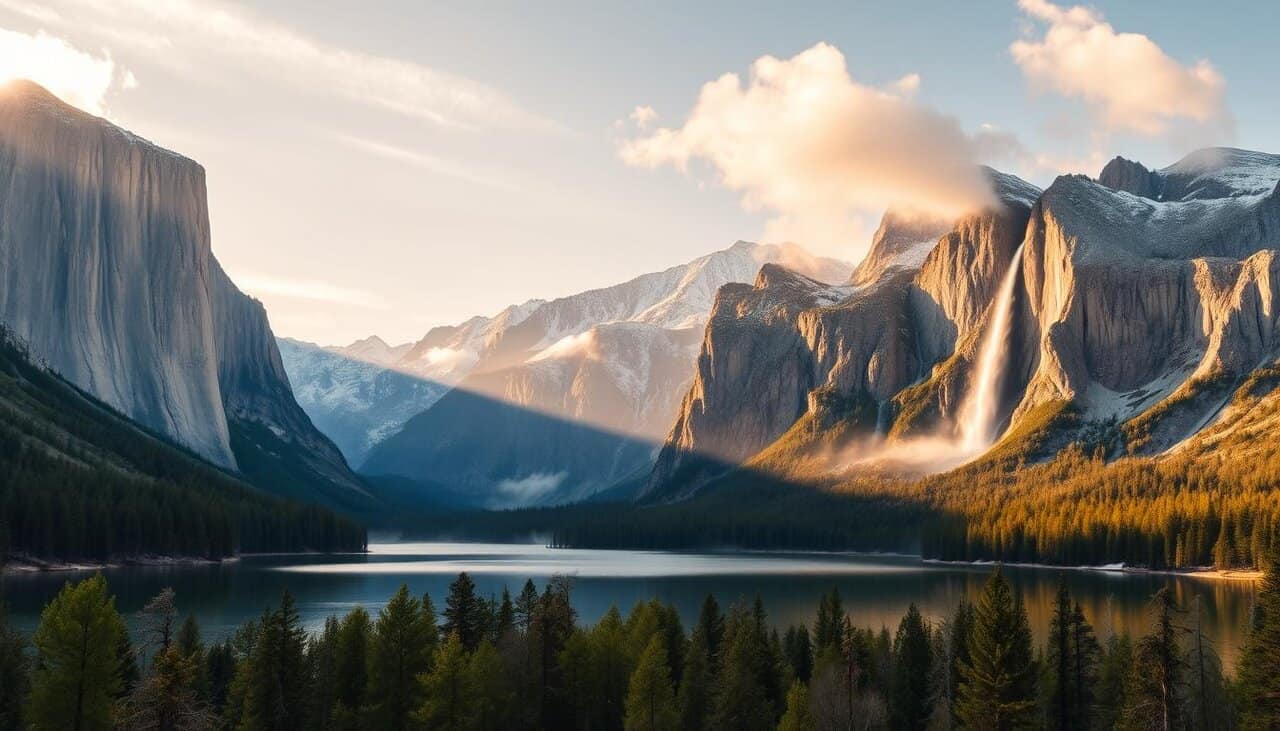
Did you know that Yosemite National Park is open throughout the year, but the vast majority of visitors show up during the 5-month period from May to October? This means that from November to April, the park is largely crowd-free and wonderfully quiet.
As someone who’s visited Yosemite during every season, I can attest that each offers something uniquely magical – from thundering spring waterfalls to tranquil winter snowscapes. If you’re planning to visit Yosemite for hiking or other activities, the time of your visit can make or break your experience.
The park transforms dramatically throughout the year, with accessibility, weather conditions, and natural attractions varying significantly from month to month. In this ultimate guide, I’ll walk you through everything you need to know about the best times to plan your trip based on your personal preferences and priorities.
Key Takeaways
- Yosemite is open year-round, but peak visitor season is from May to October.
- Each season offers unique experiences, from spring waterfalls to winter snowscapes.
- Timing your visit depends on your priorities, whether it’s avoiding crowds or enjoying specific activities.
- The park’s accessibility and natural attractions vary significantly throughout the year.
- Planning ahead is crucial to making the most of your Yosemite adventure.
Yosemite Through the Seasons
Yosemite National Park is a year-round destination, offering unique experiences with each changing season. The park’s diverse landscape and climate mean that every visit can be a new adventure, regardless of when you choose to go.
Spring in Yosemite (March-May)
Spring brings Yosemite to life with waterfalls reaching their peak flow as the winter snow melts away. The valley floor transforms into a colorful canvas with wildflowers blooming and temperatures warming to a comfortable range (32-73°F). May is considered the best month to visit Yosemite during this season.
Summer in Yosemite (June-August)
Summer offers the most reliable weather with warm days (48-90°F) and clear blue skies. It’s the perfect time to explore the entire park, including high country trails and Tioga Road. Although it’s the peak tourist season, all facilities and trails are fully operational.
Fall in Yosemite (September-November)
Fall treats visitors to gorgeous autumn colors, particularly in late October, with comfortable temperatures (31-87°F) and fewer crowds after Labor Day. It’s an ideal time for those seeking a more serene experience in Yosemite Valley.
Winter in Yosemite (December-February)
The peaceful winter season transforms Yosemite Valley into a snow-covered wonderland with temperatures ranging from 26-56°F. It offers unique photography opportunities and winter activities like cross-country skiing and snowshoeing.
Each season presents a completely different Yosemite experience, making it a destination that rewards repeat visits. Whether you’re drawn to the vibrant colors of spring, the warmth of summer, the autumn foliage, or the serene landscapes of winter, Yosemite has something to offer at any time of the year.
Best Months to Visit Yosemite for Avoiding Crowds
The key to a peaceful Yosemite experience lies in understanding the park’s visitor patterns. Yosemite National Park attracts millions of visitors each year, but the crowds are not evenly distributed throughout the year.
Peak Season Crowds (May-October)
Approximately 75% of Yosemite’s annual visitors arrive between May and October, with July and August being the busiest months. During this time, the park’s campsites and hotels are full, trails are heavily trafficked, and facilities are impacted. If you’re planning to visit during peak season, be prepared for large crowds and long wait times.
Off-Season Tranquility (November-April)
If you’re looking for a more serene experience, consider visiting Yosemite during the off-season months of November through April. The park transforms into a peaceful wilderness with dramatically fewer visitors. January is typically the quietest month, but be prepared for winter conditions and limited accessibility to certain areas.
Reservation Requirements and Planning Tips
Yosemite now implements a reservation system during peak season months to manage overcrowding. To avoid disappointment, plan ahead and make your reservations early. Even during busy periods, you can minimize crowds by arriving early, visiting popular attractions on weekdays, and exploring less-visited areas. If you’re planning to camp, be aware that reservations for campgrounds fill quickly for the April-September period.
By understanding Yosemite’s visitor patterns and planning accordingly, you can have a more peaceful and enjoyable experience in this beautiful national park.
When to Visit Yosemite for Natural Phenomena
As a nature enthusiast, I’ve found that timing is everything when planning a trip to Yosemite. The park’s diverse landscapes offer a range of breathtaking experiences throughout the year, from roaring waterfalls to vibrant wildflowers and spectacular fall colors. To make the most of your visit, it’s essential to plan around the natural phenomena that interest you most.
Waterfall Season
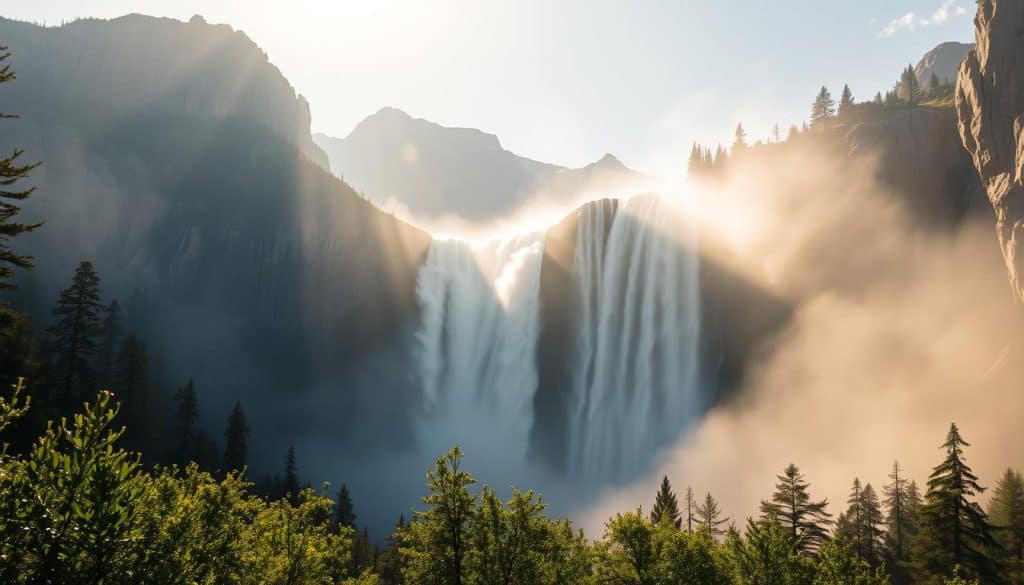
If you’re drawn to Yosemite’s iconic waterfalls, the best time to visit is between April and June. During this period, the snowmelt creates thundering cascades, with May being the peak month for waterfall enthusiasts. I still remember experiencing the deafening roar and refreshing mist of Yosemite Falls at its peak flow in May. By late summer, many waterfalls, including Yosemite Falls, diminish to a trickle or dry up completely.
Wildflower Blooms
For those who love wildflowers, Yosemite is a paradise between May and August. The park’s varied elevations mean that different areas bloom at different times. Lower elevations are the first to burst with color, while Tuolumne Meadows reaches its peak in mid-summer. This staggered blooming schedule ensures a prolonged display of vibrant flowers throughout the park.
Fall Colors
The park’s fall foliage is another highlight, reaching its peak during the last two weeks of October through the first week of November. The valley transforms into a canvas of gold, orange, and red, creating a photographer’s dream scene with fewer crowds than the summer months. It’s an ideal time to visit if you prefer a more serene experience.
Firefall at Horsetail Falls
In February, Yosemite offers a unique natural phenomenon known as the “firefall” at Horsetail Falls. When the setting sun hits the waterfall at the right angle, it creates the illusion of flowing lava down El Capitan’s eastern face. This rare event requires specific conditions: sufficient snowmelt to feed the falls, clear skies at sunset, and a visit during the roughly two-week window when the angle is perfect.
Planning your visit around these natural phenomena creates a more purposeful and rewarding Yosemite experience, giving you specific moments to anticipate and remember. Whether you’re chasing waterfalls, wildflowers, or the firefall, Yosemite has something to offer every nature lover throughout the year.
Weather Considerations for Your Yosemite Visit
Yosemite’s diverse climate can significantly impact your visit, making weather a key consideration. The park’s vast elevation range, from 2,000 to 13,000 feet, means that temperatures can vary by 20-30 degrees between the valley floor and higher elevations on the same day. This variability, combined with seasonal changes, requires careful planning to ensure a smooth and enjoyable trip.
Temperature Ranges by Month
Understanding Yosemite’s temperature fluctuations is essential for packing appropriately and choosing the right activities. Here’s a breakdown of average temperature ranges by month:
January: 26-50°F, February: 28-56°F, March: 32-60°F, April: 35-66°F, May: 43-73°F, June: 48-82°F, July: 55-90°F, August: 53-90°F, September: 47-87°F, October: 39-75°F, November: 31-59°F, December: 26-48°F.
Notably, winter months (December-February) average 26-56°F, while summer (June-August) reaches 48-90°F. This significant variation means that visitors must be prepared for cold mornings and evenings, even during the warmer months.
Precipitation Patterns
Yosemite’s precipitation is highly seasonal. 95% of annual precipitation falls between October and May, with the heaviest concentration (75%) occurring from November through March. If you’re looking to avoid rain and snow, the period from June through September offers the driest and most predictable weather conditions, though this coincides with peak tourist season.
Road Closures and Accessibility
Road closures can significantly impact your visit, particularly during winter. While Yosemite Valley remains accessible year-round, scenic routes like Tioga Road and Glacier Point Road typically close from November through late May due to snow. It’s crucial to check the current road conditions on the National Park Service website before your trip to plan accordingly.
Best Times for Popular Yosemite Activities
As a seasoned visitor to Yosemite, I’ve learned that the key to enjoying this beautiful park lies in understanding the best times for various activities. Yosemite National Park offers a wide range of experiences, from hiking and camping to photography and winter sports, each with its optimal time.
Hiking and Backpacking
For hiking and backpacking enthusiasts, the best time to visit Yosemite is from June through September, when trails are open up to 10,000 feet and higher in the Tuolumne Meadows area. The iconic Half Dome cables typically go up the week before Memorial Day weekend and come down after Columbus Day in October. Spring hiking, particularly in May and June, offers spectacular waterfalls and wildflowers, but be prepared for high, fast-flowing rivers during snowmelt.
Camping and Lodging

While some valley campgrounds in Yosemite remain open year-round, the most desirable locations like Tuolumne Meadows Campground are only accessible during summer months, typically from late May through September. For those planning to camp, it’s essential to make Yosemite camping reservations well in advance, as these spots fill up quickly.
Photography Opportunities
Photography opportunities in Yosemite vary dramatically by season. Winter storms create dramatic cloud formations over El Capitan and Half Dome, while spring offers roaring waterfalls. Summer provides reliable blue skies, and fall delivers golden light and colorful foliage, making each season unique for photographers.
Winter Activities
Winter transforms Yosemite into a different world, offering opportunities for cross-country skiing, snowshoeing, ice skating at Curry Village, and downhill skiing at Badger Pass, typically open from December through March. Many visitors overlook winter activities, but the sight of iconic formations like Half Dome dusted with snow against a bright blue sky offers some of the most memorable experiences in the park.
Conclusion: Planning Your Perfect Yosemite Trip
As we’ve explored the various seasons, it’s clear that Yosemite has something special to offer every time of year. The best time to visit Yosemite depends on your priorities, whether that’s avoiding crowds, witnessing specific natural phenomena, or participating in certain activities.
If you’re looking to maximize accessibility, summer months (June-September) offer full access to all park areas, including Glacier Point and Tuolumne Meadows. However, this comes with significantly more visitors. For a more peaceful experience, consider visiting between November and April, when crowds are dramatically smaller, but be prepared for winter conditions.
The best times to visit are often considered to be late May/early June for peak waterfalls and September/October for pleasant weather and beautiful fall colors. When planning your trip, consider your must-see attractions and be flexible with your plans. For those interested in winter activities, Yosemite offers a serene landscape, and if you’re planning a winter visit, you might also be interested in exploring other national parks during winter.
No matter when you choose to visit Yosemite National Park, its grandeur remains awe-inspiring throughout the year, offering a different lens through which to experience one of America’s most beloved wilderness treasures.
FAQ
What’s the best time to see waterfalls in Yosemite?
The peak waterfall season is from April to June, with Yosemite Falls typically at its fullest in May. The flow is dependent on snowmelt, so it’s best to check current conditions before your trip.
Is Yosemite open year-round?
Yosemite National Park is open 24/7, but some roads and facilities may be closed due to weather conditions, especially during winter months. Tioga Road and Glacier Point Road are seasonal and typically closed during winter.
How can I avoid crowds in Yosemite?
Visiting during the off-season (November to April) can help you avoid crowds. Additionally, consider exploring areas outside of Yosemite Valley, such as Tuolumne Meadows, for a more serene experience.
What’s the weather like in Yosemite during the summer?
Summer temperatures in Yosemite can be warm, with highs often reaching the 80s and 90s (°F) in Yosemite Valley. Be prepared for potential thunderstorms and heat.
Can I hike Half Dome year-round?
No, the Half Dome hike is typically open from late May to early October, depending on snow conditions. Permits are also required for the hike, and they’re highly sought after, so plan ahead.
Are there any special events or phenomena I should plan my trip around?
Yes, the Firefall at Horsetail Falls in February is a unique natural spectacle. Additionally, the wildflower blooms from May to August and the fall colors in October and November are worth planning for.
How do I check road conditions before my trip?
You can check the official Yosemite National Park website or call their information line for up-to-date information on road conditions, including Tioga Road and other park roads.
What’s the best way to get around Yosemite without a car?
Yosemite offers a free shuttle service within Yosemite Valley and to other areas of the park during peak season. You can also use the park’s bike rental service or take a guided tour.