
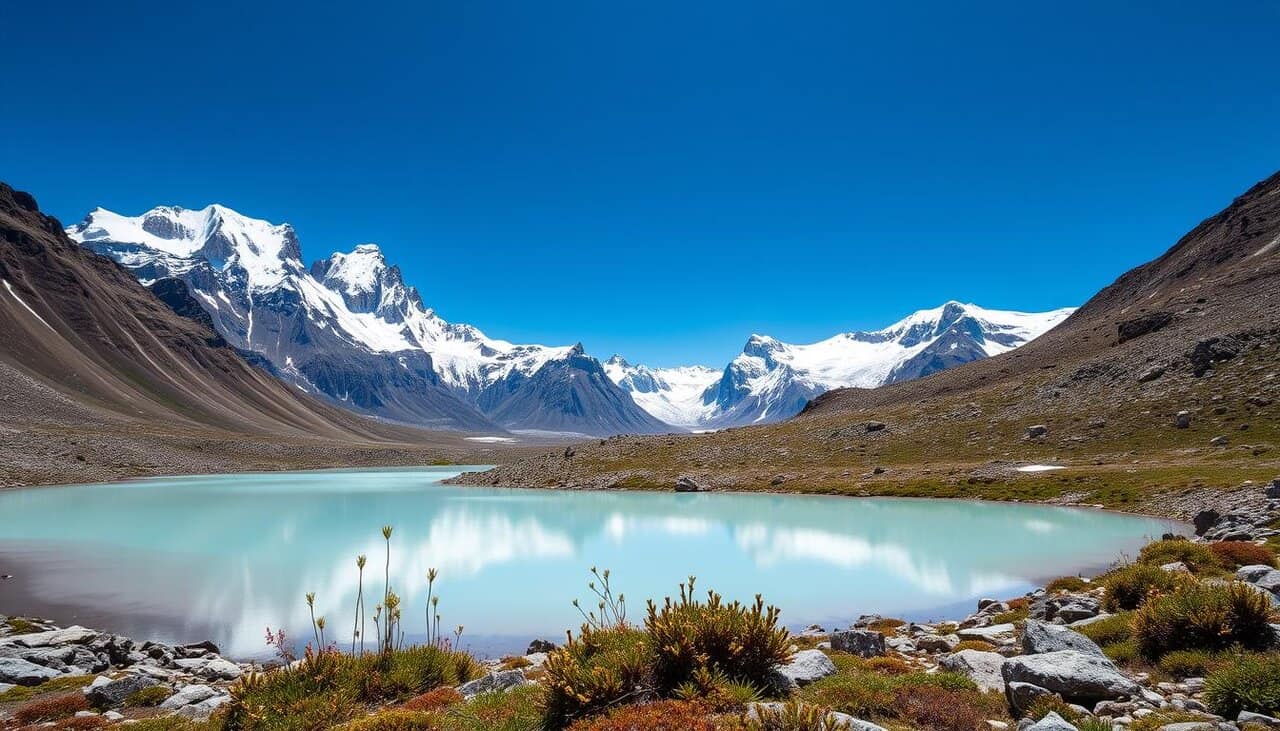
I still remember the first time I heard about Gates of the Arctic National Park in Alaska. It’s a vast wilderness area that receives an astonishingly low number of visitors each year – just 11,907 recreational visits, to be exact.
This remote national park is a far cry from the crowded trails and scenic viewpoints of more popular parks like Zion or Grand Canyon. Yet, for those willing to venture off the beaten path, it offers an unparalleled wilderness experience.
As someone who’s always drawn to the idea of exploring untouched landscapes, I find it fascinating that some national parks remain largely visited by few. The National Park Service manages over 400 sites, but the number of visitors varies greatly across them.
Key Takeaways
- America’s least visited national parks offer unique, crowd-free experiences.
- Gates of the Arctic National Park is the least visited, with only 11,907 visits.
- Remote locations and challenging access contribute to low visitor numbers.
- These parks require more planning and self-sufficiency from visitors.
- They reward travelers with unspoiled wilderness and unique natural features.
Understanding National Park Popularity
From the bustling trails of popular national parks to the tranquil landscapes of the lesser-known ones, the visitor experience can differ significantly. As we explore the factors that contribute to a national park’s popularity, it becomes clear that the National Park Service plays a crucial role in measuring visitation.
How the National Park Service Measures Visitation
The National Park Service tracks visitation through various methods, including counting visitors at entrance points and monitoring trail usage. This data helps park managers understand visitor patterns and make informed decisions about resource allocation and conservation efforts.
The Contrast Between Popular and Unpopular Parks
The contrast between popular parks like Zion and Grand Canyon, which implement timed entry systems to manage crowds, and the least visited parks, which offer solitude and untouched wilderness, creates a diverse range of experiences across the national park system.
Popular parks often have extensive infrastructure, including visitor centers and developed trails. In contrast, less visited parks provide opportunities for self-reliance and immersion in wild landscapes. Understanding these differences is essential for balancing visitor access with the preservation mission of the National Park Service.
What is the most unpopular national park?
Located in the remote Alaskan wilderness, Gates of the Arctic National Park is America’s least visited national park. This vast and untouched region offers a true wilderness experience for those brave enough to venture into its expansive landscape.
Gates of the Arctic National Park: America’s Least Visited Park
Gates of the Arctic National Park is a vast expanse of wilderness, covering over 8.4 million acres. It is a place where visitors can experience the raw beauty of nature without the trappings of modern civilization. The park is characterized by its rugged terrain, glaciers, and diverse wildlife.
Why Gates of the Arctic Receives So Few Visitors
The park’s extreme remoteness and lack of infrastructure are significant deterrents for most potential visitors. To visit, one must either fly in via bush plane or hike in from the Dalton Highway, requiring a high level of self-sufficiency and wilderness survival skills. The challenging Arctic climate further limits the visitor season, primarily to June through August.
- The park’s inaccessibility due to the absence of roads and infrastructure.
- The necessity for visitors to be completely self-sufficient.
- The unpredictable and harsh Arctic weather conditions.
These factors combined create a significant barrier to entry, making Gates of the Arctic National Park a destination for only the most dedicated and experienced wilderness enthusiasts.
The Top 5 Least Visited National Parks
Among the many national parks in the U.S., there are five that stand out for their extreme remoteness and low visitor numbers. These parks offer unique experiences for those willing to venture off the beaten path.
North Cascades National Park
North Cascades National Park is known for its rugged landscape and diverse wildlife. Located in Washington State, it offers numerous hiking trails and opportunities for kayaking and camping. With over 400 miles of trails, visitors can explore the park’s vast wilderness.
Kobuk Valley National Park
Kobuk Valley National Park, situated in Alaska, is famous for its sand dunes and the Kobuk River. The park is a haven for caribou, bears, and wolves. Its remote location makes it one of the least visited national parks.
Lake Clark National Park
Lake Clark National Park, also in Alaska, boasts stunning mountain vistas, rivers, and lakes. The park is home to a diverse range of wildlife, including bears, moose, and salmon. Visitors can enjoy hiking, fishing, and camping in this pristine environment.
National Park of American Samoa
The National Park of American Samoa is a unique cultural and natural destination. It protects coral reefs, rainforests, and volcanic mountains. The park offers opportunities for snorkeling, diving, and hiking, providing a glimpse into the rich biodiversity of the Pacific.
Isle Royale National Park
Isle Royale National Park is an isolated archipelago in Lake Superior, accessible only by boat or seaplane. The park is renowned for its hiking trails, campgrounds, and the study of predator-prey relationships between wolves and moose. With 165 miles of hiking trails and over 30 campgrounds, it offers a true wilderness experience.
| Park Name | Annual Visitors | Unique Feature |
|---|---|---|
| North Cascades National Park | Approx. 19,000 | Rugged landscape and diverse wildlife |
| Kobuk Valley National Park | Approx. 11,000 | Sand dunes and Kobuk River |
| Lake Clark National Park | Approx. 14,000 | Mountain vistas, rivers, and lakes |
| National Park of American Samoa | Approx. 4,500 | Coral reefs, rainforests, and volcanic mountains |
| Isle Royale National Park | Approx. 28,806 | Isolated archipelago with wolf and moose populations |
Alaska: Home to America’s Most Remote Parks
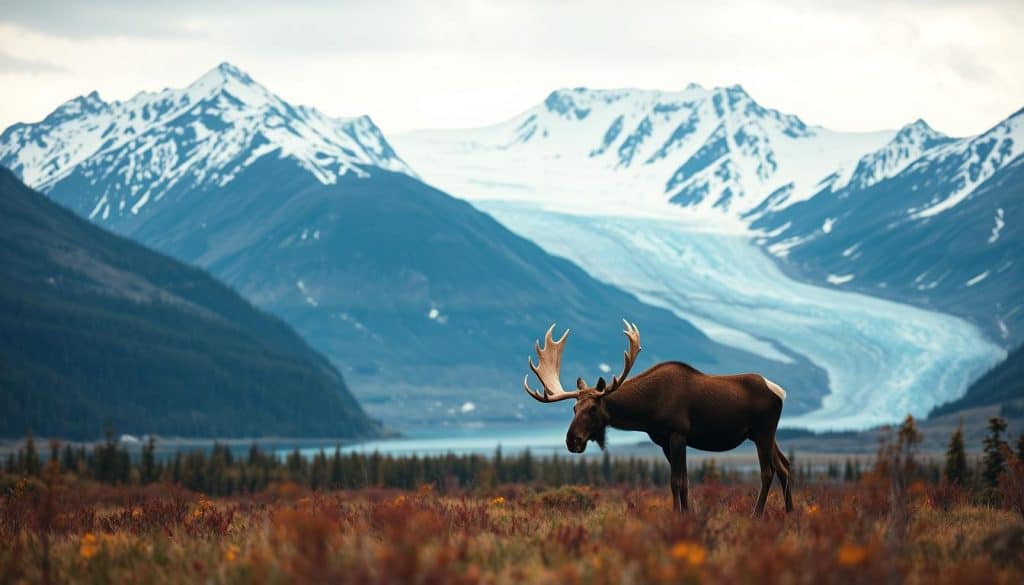
Alaska dominates the list of least visited national parks, and for good reason. The state’s vast and remote wilderness areas are characterized by their inaccessibility and harsh conditions.
Why Alaska Dominates the Least Visited List
The vast majority of land within Alaska’s national parks is designated as wilderness, with intentionally limited development – no roads, no trails, and no facilities. This makes Wrangell-St. Elias National Park, for example, a true adventure destination. Visitors must be self-sufficient and prepared for true wilderness conditions.
- Accessing these parks typically requires chartering bush planes from small Alaskan communities, with costs ranging from $500 to $1,500 per person.
- Weather conditions can change dramatically, causing flight delays or cancellations.
The Challenges of Accessing Alaska’s Wilderness Parks
Visitors must possess wilderness skills and be prepared for unexpected situations. For more information on planning your visit, check out the best time to visit Alaska’s national.
| Park Name | Access Method | Visitor Preparation |
|---|---|---|
| Wrangell-St. Elias National Park | Bush plane or boat | Wilderness skills, satellite communication |
| Gates of the Arctic National Park | Bush plane | Self-sufficiency, wilderness skills |
| Denali National Park | Road access (limited) | Preparedness for changing weather |
Hidden Gems of the Lower 48 States
You don’t have to travel to Alaska to experience the serenity of less crowded national parks. The Lower 48 states are home to numerous hidden gems that offer unique experiences without the crowds.
Let’s explore some of these lesser-known national parks:
Dry Tortugas National Park
Located in Florida, Dry Tortugas National Park is a remote island park accessible only by ferry or seaplane. It boasts pristine beaches, coral reefs, and historic Fort Jefferson. With about 64,000 annual visitors, it’s a tranquil destination for those seeking solitude and adventure.
Great Basin National Park
Nestled in Nevada, Great Basin National Park offers a mix of 5,000-year-old bristlecone pine trees, limestone caverns, and glacier-carved peaks. The park receives around 170,000 visitors each year, making it a peaceful retreat.
Voyageurs National Park
Voyageurs National Park in Minnesota is known for its vast lakes and forests. Visitors can explore the park’s waterways by boat, observing wildlife such as beavers and bald eagles. With approximately 218,000 annual visitors, it’s less crowded than many other national parks.
Congaree National Park
Congaree National Park in South Carolina is a haven for nature lovers. It protects the largest remaining tract of old-growth bottomland hardwood forest in North America. Here are some of its unique features:
- The park is home to trees that reach record heights, some among the tallest in the eastern United States.
- A 2.4-mile elevated boardwalk trail allows visitors to explore the unique floodplain ecosystem.
- The park features over 25 miles of hiking trails, offering deeper exploration opportunities.
- Periodic flooding from the Congaree and Wateree rivers is essential to the park’s ecosystem.
- Congaree is one of the few places in the world where you can witness synchronous fireflies.
With around 242,000 annual visitors, it’s a relatively less crowded destination compared to more famous national parks. For more information on planning your visit to national parks like Congaree, check out our guide on thebest national parks to visitin.
The Unique Appeal of Less Crowded Parks
One of the most significant advantages of visiting less crowded national parks is the chance to experience wilderness in its purest form. You can immerse yourself in the natural beauty of these areas without the distractions that come with more popular destinations.
Wilderness Experiences Without the Crowds
Less crowded parks allow you to have a more personal and intimate experience with nature. You can hike, camp, and explore without the noise and commotion of large crowds. This solitude can be incredibly rejuvenating, allowing you to reconnect with the natural world.
Wildlife Viewing Opportunities
Less visited parks often provide superior wildlife viewing opportunities as animals are less habituated to human presence. Visitors may observe more natural behaviors and have more intimate encounters with wildlife in these uncrowded environments.
- Observing natural behaviors in wildlife
- Quietly viewing wildlife without competition
- Protecting critical habitats for rare species
- Witnessing extraordinary natural events
- Experiencing ecosystems with minimal human disturbance
| Park Type | Wildlife Behavior | Visitor Experience |
|---|---|---|
| Less Crowded Parks | More natural behaviors | Intimate encounters with wildlife |
| Crowded Parks | Altered behaviors due to human presence | Distractions from large groups |
For more information on planning your visit to national parks, you can check out our guide on the best national parks to visit in.
Planning Your Visit to Less Popular Parks
Visiting remote national parks requires meticulous planning and preparation. As you consider exploring these less crowded destinations, it’s crucial to understand the unique challenges they present.
Before diving into the specifics, it’s worth noting that less popular parks often lack the infrastructure of their more visited counterparts. This means that visitors must be self-sufficient and prepared for the unexpected.
Timing is Everything
Determining the best times to visit these parks is vital. Researching the optimal visiting season can make a significant difference in your experience. For instance, some parks are more accessible during certain times of the year due to weather conditions or park regulations. You can find more information on the best time to visit national parks for to plan your trip accordingly.
Preparation is Key
When it comes to visiting less popular national parks, preparation is crucial. Here are some essential tips to keep in mind:
- Research the park thoroughly, understanding its unique environment and potential hazards.
- Pack appropriate gear, including layers for changing weather conditions and emergency supplies.
- Bring reliable navigation tools, as cellular service is often limited or non-existent.
To further illustrate the importance of preparation, consider the following table outlining basic supplies and their significance:
| Supply | Purpose |
|---|---|
| Navigation Tools | Essential for finding your way in areas with no cellular service |
| Emergency Communication Devices | Critical for calling for help in case of an emergency |
| First Aid Kit | Provides necessary medical supplies in case of accidents |
By understanding the importance of timing and preparation, you can ensure a safe and enjoyable visit to these unique national parks. Remember, the key to a successful trip is being prepared for the challenges that come with visiting remote areas.
Conclusion
The beauty of America’s national parks lies not just in the popular ones, but also in the lesser-visited destinations. While Gates of the Arctic National Park remains America’s least visited national park, all of these parks offer extraordinary experiences for those willing to venture beyond the familiar.
By exploring these hidden gems, you can enjoy authentic wilderness experiences and opportunities for solitude, helping to preserve the wilderness character of these special parks.
FAQ
What makes a national park unpopular?
Factors such as remote locations, limited accessibility, and harsh weather conditions contribute to a national park being considered unpopular. For instance, Gates of the Arctic National Park in Alaska is one of the most remote parks, making it challenging for visitors to access.
Are less visited national parks worth visiting?
Absolutely! Less visited national parks offer unique experiences, such as wilderness adventures and wildlife viewing opportunities, without the crowds found in more popular parks. You can enjoy serene landscapes and connect with nature in a more intimate way.
How do I prepare for visiting a remote national park?
Preparation is key when visiting remote national parks. Ensure you have the necessary gear, plan your itinerary according to the park’s accessibility, and check the weather forecast. It’s also essential to be self-sufficient and prepared for emergencies.
Can I still have a fulfilling experience in a less visited national park?
Yes, you can! Less visited national parks, such as Dry Tortugas National Park and Great Basin National Park, offer a range of activities, including hiking trails, camping, and exploring unique landscapes. With proper planning, you can have a memorable and enriching experience.
Are there any national parks in the lower 48 states that are less crowded?
Yes, there are several national parks in the lower 48 states that are less crowded. Voyageurs National Park in Minnesota and Congaree National Park in South Carolina are examples of hidden gems that offer unique experiences without the crowds.
How do I find information about visiting a less visited national park?
You can start by visiting the National Park Service website, which provides information on all national parks, including those that are less visited. You can also contact the park directly for specific information on visiting, accommodations, and activities.