

Visiting a national park is a dream for many, but the costs can be staggering. Did you know that some national parks come with a hefty price tag, making them expensive national parks that are worth considering?
I recall planning a trip to one of America’s most beautiful national parks, only to be surprised by the additional costs beyond the entrance fee. Transportation, accommodations, and activities can quickly add up, making a visit to some parks a costly endeavor.
As we explore the true cost of visiting these natural wonders, you’ll understand what makes some parks more expensive than others. By the end of this article, you’ll be better equipped to plan your next adventure.
Key Takeaways
- Understanding the total cost of visiting a national park
- Factors that contribute to the expense of a national park visit
- Examples of national parks with high associated costs
- Tips for planning a cost-effective national park trip
- Insights into the varying costs of different national parks
Understanding National Park Costs
As you plan your national park adventure, it’s crucial to understand the various costs associated with your visit. The beauty of these natural wonders is undeniable, but the expenses can add up quickly if you’re not prepared.
Most national parks charge an entrance fee, which can vary significantly from one park to another. To get the most up-to-date information on fees, you can check the official National Park Service website or visit a park’s specific page, such as Yosemite National Park’s fees page.
Entrance Fees Explained
Entrance fees are a primary source of revenue for national parks, and they can differ based on the park and the time of visit. Here are some key points to consider:
- The fees vary widely across different national parks, with some charging as much as $35 per vehicle, while others are free.
- Most entrance fees are valid for 7 days, allowing you to visit the park multiple times within that period.
- The National Park Service employs different fee structures, including per-vehicle, per-person, and motorcycle fees.
Understanding the fee structure is essential to budgeting for your trip. For instance, if you’re planning to visit with a large group, a per-vehicle fee might be more cost-effective than individual fees.
Additional Costs Beyond Entrance Fees
Beyond the entrance fee, there are several other expenses to consider when planning your national park visit. These include:
- Transportation costs to and from the park, as well as any internal transportation fees.
- Accommodation costs, which can range from camping fees to hotel stays.
- Food and beverage expenses, as dining options within the parks can be limited.
- Equipment rentals, such as bikes or camping gear.
- Special activities or tours, which may have additional fees.
Some parks offer an America the Beautiful Pass for $80 annually, which can provide access to all federal recreation sites and be an excellent value for frequent visitors.
By understanding these costs upfront, you can better plan your national park visit and make the most of your experience.
What Makes a National Park Expensive?
The expense of visiting a national park is influenced by a multitude of factors, including transportation, accommodation, and activities. When planning a trip to one of these beautiful destinations, understanding these costs is crucial to budgeting effectively.
Transportation Costs
Getting to a national park can be a significant expense, especially for parks located in remote areas. Some parks are accessible only by plane or boat, which can dramatically increase the overall cost of a visit. For instance, visiting remote national parks often requires chartering a plane or boat, adding substantial costs to the trip.
To give you a better idea, here’s a breakdown of typical transportation costs to various national parks:
| National Park | Primary Mode of Transport | Average Cost |
|---|---|---|
| Dry Tortugas | Ferry or Seaplane | $175-$200 |
| Isle Royale | Ferry or Seaplane | $60-$150 |
| Channel Islands | Boat | $60-$100 |
Accommodation Options
Accommodation within national parks ranges from luxury lodges to basic campgrounds. In-park lodging typically commands premium prices due to its prime location and limited availability. For example, staying at a lodge within Yellowstone or Yosemite can be quite expensive, with prices ranging from $200 to over $500 per night.
Activities and Tours
Many national parks offer specialized activities and guided tours that add substantial costs to a visit but provide unique experiences and access to areas not otherwise available. These can include guided hikes, kayaking tours, or wildlife viewing excursions. The cost of these activities can vary widely, from $50 to $200 per person, depending on the park and the type of activity.
For example, in parks like Glacier National Park or Zion National Park, guided hikes can range from $50 to $100 per person. Equipment rentals for activities like kayaking or snorkeling can add another $20 to $100 per day.
Understanding these costs upfront can help you plan your visit more effectively and make the most of your national park experience.
Biscayne National Park: The Most Expensive Park for Boaters
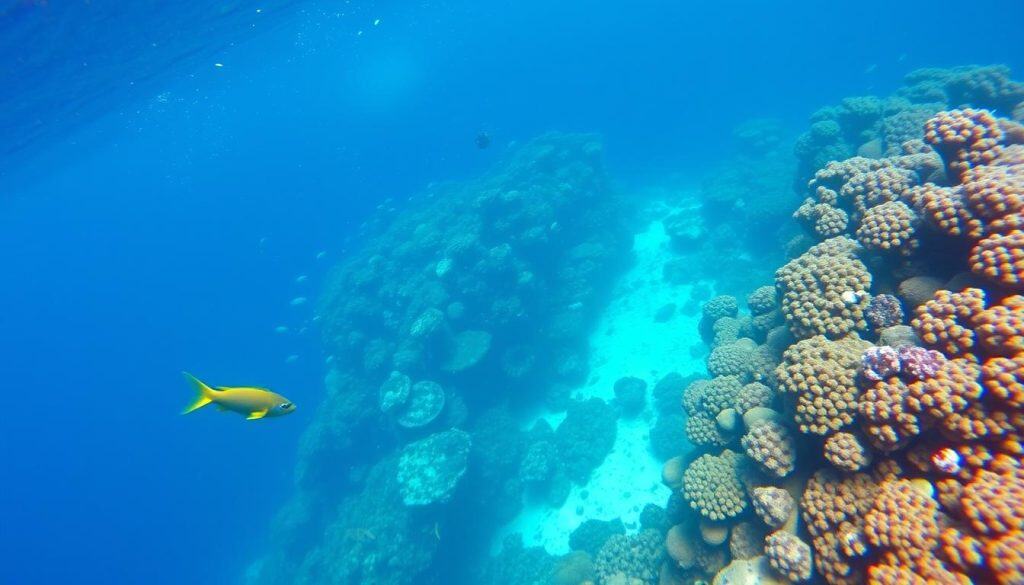
For those who love the water, Biscayne National Park is a gem, but it comes with a hefty price tag, especially for boaters. As someone who’s experienced the beauty of this park firsthand, I can attest to its uniqueness and the costs associated with visiting.
Why It’s Expensive
Biscayne National Park in Florida is unique among national parks as it’s 95% underwater, making boat access essential for experiencing its true beauty. While the park has no entrance fee, the necessity of boat transportation makes it potentially the most expensive park in the continental United States to fully experience.
Boat rentals start at approximately $500, immediately placing this park in the highest cost category for visitors who want to explore beyond the visitor center. Additionally, camping within park boundaries costs around $25 per night, adding $50 for a weekend trip on top of transportation expenses.
Cost Breakdown
A standard weekend visit with boat rental can easily exceed $550, making it prohibitively expensive for many potential visitors. Here’s a breakdown of the costs:
- Boat rental: starts at $500
- Camping within park boundaries: $25 per night (e.g., $50 for 2 nights)
- Total: $550
However, there are ways to reduce the expense. Budget-conscious visitors can consider joining guided tours rather than renting private boats, staying at nearby hostels instead of camping, or using kayaks if they have sufficient paddling skills.
During my visit, I stayed at a local hostel for $30, took a day trip to the park, and got out on the water for a guided adventure with the Biscayne National Park Institute. This approach not only saved me money but also provided a unique and enriching experience.
Despite the high costs, Biscayne offers unparalleled access to coral reefs, mangrove forests, and marine wildlife that many consider worth the expense. If you’re planning to visit, consider your options carefully to make the most of your trip.
Dry Tortugas National Park: Remote Island Paradise
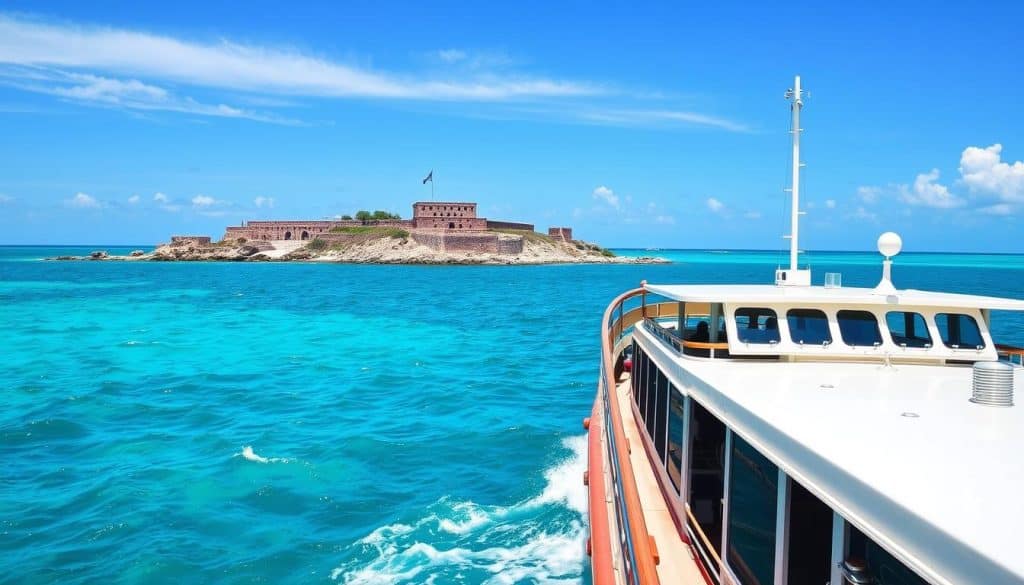
For those who crave adventure and isolation, Dry Tortugas National Park is a must-visit destination. Located 70 miles west of Key West in the Gulf of Mexico, this park is one of the most remote national parks in the United States.
Dry Tortugas is only accessible by ferry or seaplane, with the ferry being the more economical option at approximately $200 per person round-trip. For a couple, this translates to $400, a significant upfront cost.
Transportation Costs
The cost of reaching Dry Tortugas National Park is a major factor in its overall expense. The ferry ticket, which is around $200 per person, is a significant outlay, especially considering that it’s a round-trip cost.
Transportation costs can be a challenge, but they’re unavoidable if you want to experience the park’s pristine coral reefs and historic Fort Jefferson.
Camping and Entrance Fees
Once you arrive, the entrance fee is $15 per person, although this is typically included in the ferry ticket price. Camping costs are relatively modest at $15 per night, making a weekend stay total around $30 for two people.
Despite the high total cost, which can exceed $430 for two people for a weekend, the experience is well worth it. You’ll have access to some of the most isolated and undisturbed beaches in the national park system, and the limited daily visitors ensure a less crowded experience.
The tranquility and natural beauty of Dry Tortugas make it a unique and valuable experience for those willing to invest in it.
Isle Royale National Park: Lake Superior’s Hidden Gem
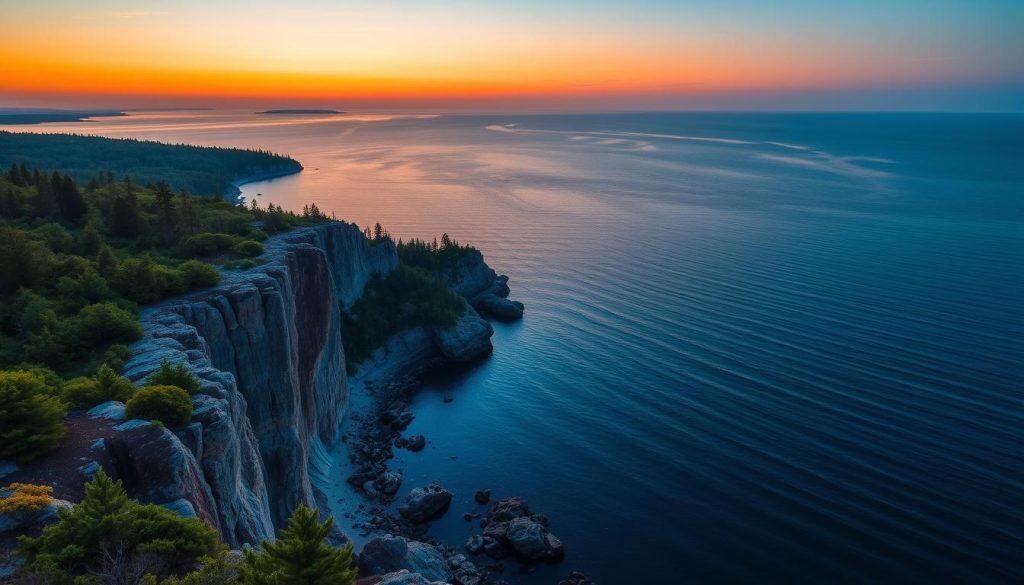
For those seeking solitude and untouched wilderness, Isle Royale National Park is a must-visit destination. Located in the vast waters of Lake Superior, this remote island park offers a unique experience for nature lovers and adventure seekers alike.
Ferry and Seaplane Expenses
One of the significant costs associated with visiting Isle Royale National Park is transportation. Since the park is an island, visitors must either take a ferry or a seaplane to reach it. The ferry is the more economical option, with a round-trip ticket costing $70 per person. For a family or group of two, this amounts to $280 for a round-trip journey.
The seaplane, while more expensive, offers a thrilling alternative. However, the cost can be substantially higher than the ferry, making it less accessible to budget-conscious travelers.
Total Visit Cost Analysis
When planning a visit to Isle Royale National Park, it’s essential to consider all the costs involved. The entrance fee is $7 per person per day, which can add up to $42 for a three-day visit for two people. While camping permits are free, the total cost for a weekend visit, including ferry tickets, can amount to approximately $322.
Despite the costs, the experience offers unparalleled solitude and a chance to witness untouched wilderness. The park’s remote location and limited accessibility mean that visitors can enjoy a truly isolated experience, far removed from the crowds found in more accessible national parks.
Key Facts About Isle Royale National Park:
- Located in Lake Superior, it’s one of the least visited national parks due to its remote location.
- Charges $7 per person per day, unlike most parks that have a flat 7-day entrance fee.
- Transportation to the island is either by ferry ($70 each way per person) or seaplane.
- Camping permits are free, but the total cost for a visit can be around $322 for two people over a weekend.
- The park is open from mid-April to late October, limiting visitation due to harsh winter conditions.
- Offers a unique wilderness experience with opportunities to see moose, wolves, and other wildlife.
Channel Islands National Park: California’s Costly Coast

The Channel Islands National Park, a series of islands off the Southern California coast, offers breathtaking natural beauty, but the cost of accessing this beauty is substantial. While the park itself does not charge an entrance fee, the mandatory boat transportation to the islands significantly adds to the overall expense.
Transportation to the Islands
The most common way to visit the Channel Islands is by taking a boat service from either Ventura or Oxnard, California. The cost of a round-trip ticket on these ferries can range from $66 to $121 per person, depending on the specific island destination within the park.
Here are some key points to consider when planning your visit to Channel Islands National Park:
- Channel Islands National Park preserves five islands off the coast of Southern California, offering a glimpse into the region’s untouched natural beauty.
- The lack of an entrance fee is a plus, but the cost of boat transportation makes it one of the more expensive national parks to visit.
- Ferry service costs between $66 and $121 per person for a round trip, varying by island.
- No private vehicles or bicycles are allowed on the islands, preserving their pristine condition.
- A weekend visit for two can cost $158 or more just for transportation, not including camping fees of about $15 per night.
- The islands are home to unique wildlife, such as the island fox, found nowhere else in the world.
- For a more budget-friendly experience, consider a day trip to the closest island, Anacapa.
To minimize costs, visitors can opt for a single-day trip to Anacapa Island, which is the most economical option while still providing access to the park’s stunning coastal scenery and diverse wildlife. Planning your visit during the off-season or looking into package deals that include transportation and camping fees can also help reduce the overall cost.
Visiting Channel Islands National Park is an adventure that requires some financial investment, but the experience of exploring one of California’s most pristine and untouched regions is well worth the cost.
Parks with the Highest Entrance Fees
Several national parks in the U.S. are known for their stunning landscapes and high entrance fees. These parks, while expensive, offer unforgettable experiences that justify the cost.
The maximum entrance fee for a 7-day pass is $35 per vehicle, and several of America’s most iconic national parks charge this amount. Let’s take a closer look at some of these parks and their associated costs.
Yellowstone National Park
As America’s first national park, Yellowstone National Park is a must-visit destination. The entrance fee is $35, and camping costs around $27 per night. For a weekend visit, you can expect to pay approximately $89, including $54 for camping over two nights.
Grand Teton National Park
Adjacent to Yellowstone, Grand Teton National Park also charges $35 for entrance. The camping fees are slightly higher at $31 per night, making the total cost for a weekend visit about $97.
Glacier National Park
Glacier National Park in Montana charges the same $35 entrance fee. However, it offers more affordable camping at $10 per night, bringing the total weekend cost to around $55.
Zion National Park
Zion National Park in Utah charges $35 for entrance and requires a $1 shuttle reservation per person. With camping fees of $20 per night, a weekend visit will total about $77.
These parks justify their higher entrance fees through their popularity and the costs of managing millions of annual visitors. Despite the higher costs, they remain among the most visited national parks due to their iconic landscapes and bucket-list status for many travelers.
- Yellowstone National Park: $35 entrance fee, $27 per night camping
- Grand Teton National Park: $35 entrance fee, $31 per night camping
- Glacier National Park: $35 entrance fee, $10 per night camping
- Zion National Park: $35 entrance fee, $20 per night camping, $1 per person shuttle reservation
What is the Most Expensive National Park to Visit?
The true cost of visiting a national park lies in understanding the various components that contribute to the overall expense. When considering a trip to one of America’s beautiful national parks, it’s essential to look beyond the entrance fee.
Comparing Total Costs
When comparing the total costs of visiting national parks, we must consider not just entrance fees but also transportation, accommodation, and accessibility factors. For instance, while Biscayne National Park might top the list for the continental United States at approximately $550 for a weekend visit with boat rental, it’s not the most expensive overall. Other parks like Dry Tortugas, Isle Royale, and Channel Islands also come with significant price tags, ranging from $188 to $430 for basic access.
The True Winner: Gates of the Arctic
The true winner for the most expensive national park to visit is Gates of the Arctic in Alaska. Gates of the Arctic stands out due to its extreme remoteness and lack of infrastructure. With no entrance fee, the costs lie in accessing the park. Visitors can either fly in via air taxi, which can cost between $500-$1,500 per person, or hike in from the Dalton Highway. A typical visit can easily exceed $2,000-$5,000 per person when including transportation, guided services, and specialized equipment.
| National Park | Entrance Fee | Transportation Cost | Total Cost |
|---|---|---|---|
| Biscayne National Park | $30 | $520 (boat rental) | $550 |
| Dry Tortugas National Park | $30 | $400 (ferry or seaplane) | $430 |
| Isle Royale National Park | $7 | $315 (ferry or seaplane) | $322 |
| Channel Islands National Park | $30 | $158 (boat service) | $188 |
| Gates of the Arctic | $0 | $2,000-$5,000 (air taxi) | $2,000-$5,000 |
The extreme remoteness of Gates of the Arctic preserves it as one of the last truly wild places in America, offering an unparalleled wilderness experience for those who can afford it.
Expensive National Parks in the East
Eastern national parks, while more accessible than their western counterparts, can still pack a financial punch. The unique ecosystems and high demand for these parks contribute to their costs. Let’s explore two of the most notable examples: Acadia National Park and Everglades National Park.
Acadia National Park
Acadia National Park, located on Maine’s Atlantic Coastline, is renowned for its stunning landscapes and diverse ecosystems. Visitors can enjoy epic hiking trails, beautiful beaches, and majestic forests. However, the park’s popularity and the cost of maintaining its infrastructure contribute to its expense.
The entrance fee for Acadia National Park is $30 per vehicle, with camping costs around $22 per night. For a weekend visit, the total can amount to approximately $74. Moreover, accommodation costs outside the park, particularly in nearby Bar Harbor, can be extremely high during peak summer months, with hotel prices ranging from $200 to $400 per night.
Everglades National Park
Everglades National Park in Florida is another expensive destination, known for its unique wetland ecosystem and diverse wildlife, including the iconic American Alligator. The park offers extensive hiking trails and airboat tours, providing visitors with a thrilling experience.
The entrance fee for Everglades National Park is $30 per vehicle, with camping costs at $25 per night, totaling around $80 for a weekend visit. While the entrance fee is substantial, the real costs come from specialized activities like airboat tours, which typically range from $30 to $60 per person.
Both Acadia and Everglades National Parks offer free entrance days throughout the year, which can help budget-conscious travelers save on admission costs. Additionally, their proximity to major population centers can reduce overall transportation costs for many visitors.
- Eastern national parks tend to be more accessible than their western counterparts but can still be expensive due to high demand and limited space.
- Acadia National Park charges a $30 vehicle entrance fee, with camping costs of approximately $22 per night.
- Everglades National Park has a $30 entrance fee, with camping at $25 per night.
- Specialized activities like airboat tours in the Everglades can range from $30-$60 per person.
- Both parks offer free entrance days, helping to reduce costs for budget-conscious travelers.
When planning a visit to these parks, it’s essential to consider all the costs involved, from entrance fees to accommodation and activities. By doing so, you can better budget for your trip and enjoy the natural beauty that these parks have to offer.
Expensive National Parks in the West
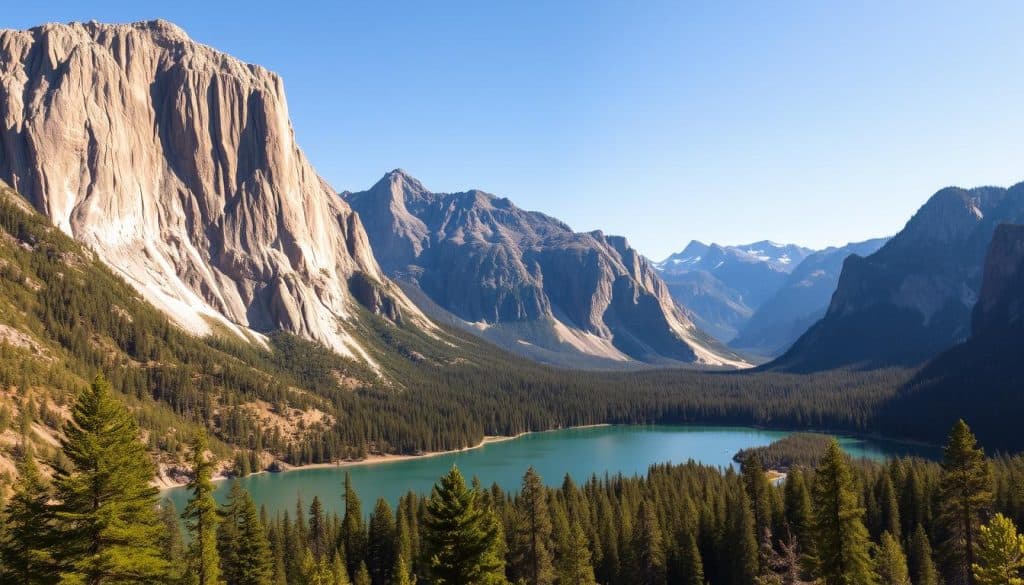
From the granite cliffs of Yosemite to the alpine lakes of Rocky Mountain National Park, western national parks are a treasure trove of natural beauty, but they can be expensive to visit. The allure of these parks lies in their dramatic landscapes and extensive hiking trails, which attract millions of visitors each year.
Let’s take a closer look at two of the most popular western national parks: Yosemite National Park in California and Rocky Mountain National Park in Colorado. Both parks offer unique experiences, but they come with significant costs.
Yosemite National Park
Yosemite National Park is known for its stunning granite cliffs, waterfalls, and giant sequoia groves. The entrance fee is $35 per vehicle, making it relatively affordable for families or groups. However, the true costs begin to add up when you consider accommodation options. Camping at Yosemite can cost around $12 per night, making a basic weekend visit total around $59 ($35 entrance fee + $24 for two nights of camping).
However, for those seeking more comfort, in-park lodges like The Ahwahnee can charge $500 or more per night during peak season. This significantly increases the cost of a visit, making it essential to plan ahead and budget accordingly. You can explore more about the best national parks on the West Coast, including Yosemite, on our website: best national parks on the West.
Rocky Mountain National Park
Rocky Mountain National Park in Colorado offers a similar experience with its alpine lakes, meadows, and mountain peaks. The entrance fee is also $35 per vehicle. Camping costs are slightly higher than Yosemite, at $30 per night, bringing the total cost for a weekend visit to approximately $95 ($35 entrance fee + $60 for two nights of camping).
Both Yosemite and Rocky Mountain National Parks implement reservation systems during peak seasons, which can add complexity and sometimes additional fees to the planning process. The popularity of these parks means that nearby communities often charge premium prices for accommodation, food, and services, further increasing the cost of a visit.
While the extensive hiking trails in these parks offer free activities once inside, specialized experiences like guided climbs can cost hundreds of dollars per person. The remote locations of many western parks also add significant transportation costs for visitors flying in from distant locations.
Seasonal Price Variations
As you plan your national park adventure, understanding how seasonal changes affect costs can be a game-changer. The expenses associated with visiting these natural wonders are not static; they fluctuate significantly with the seasons.
Costs During Peak and Off-Seasons
National park costs can vary dramatically depending on when you visit. Peak season typically commands the highest prices for both entrance fees and accommodation. For instance, many parks offer reduced entrance fees during their off-seasons, with some cutting prices by 30-50% during winter months.
Glacier National Park is a prime example, reducing its entrance fee during winter when many park roads are closed due to snow. Similarly, camping fees often decrease during shoulder and off-seasons, sometimes by $5-15 per night compared to peak summer rates.
- Visiting during off-peak times not only saves money but also provides a more solitary experience with fewer crowds at popular viewpoints and on hiking trails.
- Some parks that require reservations or timed entry during peak season eliminate these requirements in the off-season, simplifying the planning process.
- The trade-off for lower off-season prices is that some park facilities, roads, and services may be limited or closed entirely, potentially restricting access to certain areas.
For those considering a visit for hiking, understanding these seasonal variations is crucial. Day use versus overnight stays can significantly impact costs, with day trips eliminating accommodation expenses but potentially rushing the experience.
| Season | Entrance Fees | Camping Fees |
|---|---|---|
| Peak Season | Higher | $20-$30 per night |
| Off-Season | Lower (up to 50% off) | $5-$15 per night |
“The best time to visit national parks is during the shoulder season when the weather is still pleasant, and the crowds have dissipated.” – A seasoned park visitor.
Money-Saving Tips for Visiting Expensive Parks
Exploring America’s national parks doesn’t have to be expensive if you know the right strategies. As someone who’s visited numerous parks, I’ve learned a thing or two about saving money without compromising on the experience.
America the Beautiful Pass
One of the most cost-effective ways to visit multiple national parks is by purchasing an America the Beautiful Pass. This annual pass costs $80 and provides access to all national parks and federal recreation lands for a full year. For frequent park visitors, the pass pays for itself after just 2-3 visits to parks with higher entrance fees.
The America the Beautiful Pass is not only a money-saver but also a convenient option. It covers entrance fees for the holder and any accompanying passengers in a private vehicle. This makes it an excellent choice for families or groups planning to visit multiple parks.
| Pass Type | Cost | Benefits |
|---|---|---|
| America the Beautiful Pass | $80/year | Access to all national parks and federal recreation lands for 1 year |
| Senior Pass | $80/lifetime | Free entrance to national parks and federal recreation lands for seniors (62+) |
| 4th Grade Pass | Free | Free entrance to national parks and federal recreation lands for 4th-grade students and their families |
Free Entrance Days
Another way to save on entrance fees is by taking advantage of the National Park Service’s free entrance days. These days are typically coincided with holidays like Martin Luther King Jr. Day, Veterans Day, and National Public Lands Day.
- Plan your visit around these special days to enjoy free access to national parks.
- Check the National Park Service’s website for the exact dates of free entrance days each year.
Alternative Lodging Options
Accommodation costs can significantly add to the overall expense of visiting national parks. Consider alternative lodging options such as camping outside park boundaries on nearby national forest or BLM land, which is often free or significantly cheaper than in-park camping.
Visiting gateway communities during off-peak seasons can also result in accommodation discounts of 30-50% compared to summer rates. Additionally, bringing your own food and supplies rather than purchasing them at in-park stores or restaurants can save a family of four hundreds of dollars over a week-long trip.
By implementing these money-saving strategies, you can enjoy the beauty of America’s national parks without breaking the bank. Whether you’re a frequent visitor or just planning a one-time trip, there’s always a way to save.
Budget-Friendly National Parks
Some of the most breathtaking national parks in the US are surprisingly affordable. As someone who’s explored many of these parks, I’m excited to share some hidden gems that won’t break the bank.
When it comes to budget-friendly national parks, North Cascades National Park in Washington state stands out. With no entrance fee and free frontcountry camping options, it’s a paradise for those looking to save money. I recall my visit to North Cascades, where I was awestruck by the spectacular alpine scenery that rivals more expensive parks. The park boasts over 300 glaciers and numerous hiking trails through pristine wilderness.
North Cascades National Park
North Cascades takes the cake for the most affordable national park. While there are campgrounds that require fees, the free frontcountry camping options make it an attractive choice. As I explored the park, I was struck by its natural beauty and the variety of outdoor activities available.
As one park ranger once said, “North Cascades is one of the most scenic and underrated parks in the entire system.” This quote resonated with me, as I experienced the park’s grandeur firsthand.
Congaree National Park
Congaree National Park in South Carolina is another budget-friendly option. With free entrance and camping at only $5 per night, a weekend trip can cost as little as $10. The park offers free ranger-guided canoe tours and an extensive boardwalk system that makes its old-growth bottomland hardwood forest accessible to visitors of all abilities.
Congaree National Park is known for its swampy environment and offers a unique experience for visitors. I was impressed by the park’s hiking trails and the opportunity to explore its natural beauty without breaking the bank.
Other budget-friendly parks worth mentioning include Great Basin, Voyageurs, and Great Smoky Mountains. These parks offer a range of outdoor activities and stunning natural beauty at an affordable price.
In conclusion, experiencing America’s natural wonders doesn’t have to be expensive. By exploring beyond the most famous national parks, visitors can discover hidden gems that offer a more peaceful experience without the crowds.
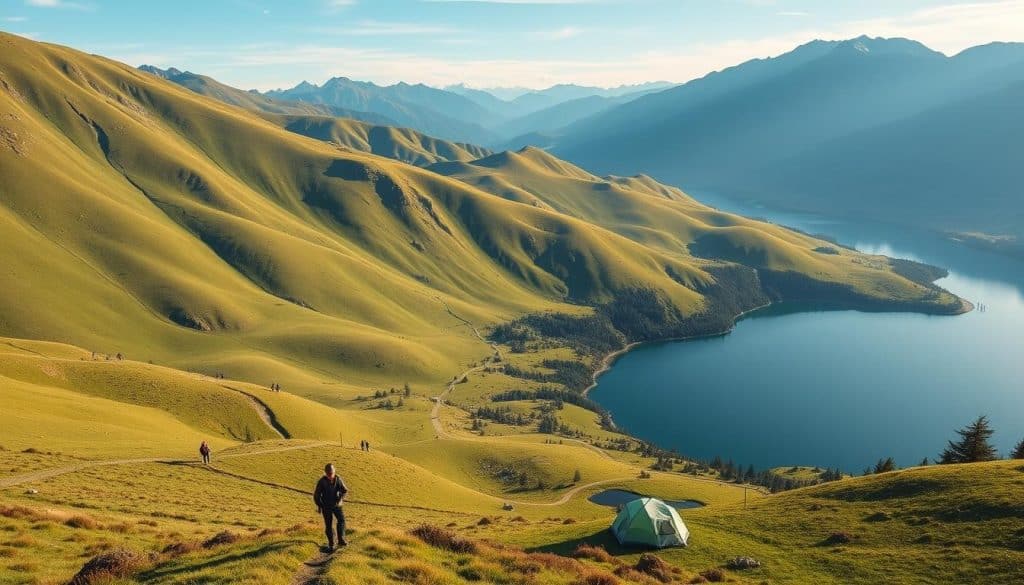
How Park Fees Support Conservation
National park fees are more than just an entrance cost; they directly support conservation efforts. As you visit these beautiful places, understanding the impact of your fees can enhance your appreciation of the parks.
Where Your Money Goes
The National Park Service is transparent about how it uses the revenue generated from entrance fees and other park fees. By law, at least 80% of entrance fee revenue must stay within the park where it was collected. This ensures that your money directly benefits the places you enjoy.
So, where exactly does your money go? Here are some key areas:
- Critical infrastructure maintenance, including trail repairs, restroom facilities, visitor centers, and road improvements.
- Visitor services such as ranger programs, emergency response capabilities, and accessibility improvements.
- Conservation projects, including wildlife management, invasive species control, and habitat restoration efforts.
The impact of these fees is significant. The National Park Service faces a maintenance backlog exceeding $12 billion, making fee revenue an essential supplement to congressional appropriations. Without the revenue from park fees, many parks would be forced to reduce services, limit access, or allow facilities to deteriorate further.
Let’s take a closer look at how these fees are allocated with an example:
| Category | Percentage of Fees | Examples of Projects |
|---|---|---|
| Infrastructure Maintenance | 40% | Trail repairs, road improvements, facility upgrades |
| Visitor Services | 30% | Ranger programs, emergency response, accessibility improvements |
| Conservation Projects | 30% | Wildlife management, invasive species control, habitat restoration |
Understanding the connection between fees and park improvements helps visitors appreciate the value they receive from their entrance payments. As highlighted in the National Park Service’s statement, “Your Fee Dollars at Work,” the revenue generated from fees is crucial for addressing the maintenance backlog and supporting conservation efforts.
By paying your entrance fees, you’re not just gaining access to the park; you’re contributing to the preservation of these incredible landscapes for future generations. So, the next time you visit a national park, remember that your fees are at work, maintaining the beauty and integrity of these natural wonders.
Recent Changes to National Park Fees
The way we visit national parks is changing, with recent adjustments to fees and payment methods. As a nature enthusiast, I’ve seen firsthand how these changes can impact our experience and access to these beautiful places.
Let’s dive into some of the key developments that have been shaping the national park landscape.
The 2018 Fee Proposal Controversy
In 2017, Secretary of the Interior Zinke proposed a significant hike in entrance fees for 17 of the most visited national parks. The plan was to increase fees from $25 to $75 to address a backlog of maintenance across all national parks. However, this proposal faced overwhelming public opposition, with over 110,000 comments posted on the NPS website, and a staggering 98% of them protesting the change.
Many felt that such a drastic increase would make visiting national parks inaccessible to lower-income families, who are already underrepresented among park visitors. As a result, the proposal was met with widespread criticism, and on April 12, 2018, Secretary Zinke released a statement revising the plan to implement more modest fee increases across more parks rather than dramatic hikes at the most popular destinations.
Cashless Payment Systems
In an effort to streamline operations and reduce costs, many national parks have transitioned to cashless payment systems. As of 2023, 22 national parks no longer accept cash for entrance fees. While this change aims to save on cash processing and handling fees, it has also sparked controversy and legal challenges. Critics argue that it discriminates against visitors without access to credit or debit cards, highlighting ongoing tensions about accessibility.
In response to these concerns, legislation was proposed in September 2023 to require national parks to continue accepting cash payments. This debate underscores the challenge of balancing park funding needs with the mission to keep parks accessible to all Americans.
Understanding these recent changes helps visitors anticipate potential future adjustments and plan accordingly for their national park visits. As we move forward, it’s clear that the conversation around national park fees and payment systems will continue to evolve.
Conclusion: Is the Cost Worth the Experience?
With the costs of visiting national parks varying greatly, it’s essential to consider whether the experience justifies the cost. As you plan your visit to these incredible destinations across the United States, remember that the value lies not just in the monetary costs but in the experiences and memories created.
National parks offer a unique blend of natural beauty and recreational activities. When evaluating whether the cost is “worth it,” consider the unique experiences, natural wonders, and lifetime memories these protected lands provide. For many visitors, the experience is priceless, regardless of the costs involved.
For budget-conscious travelers, there are ways to reduce costs. Options like the America the Beautiful Pass, visiting during free entrance days, and choosing more affordable parks can make a visit more accessible. The most expensive parks often provide the most remote and pristine wilderness experiences, with their high costs helping to limit visitor numbers and preserve natural resources.
- Spreading costs across multiple days can maximize value, as a 7-day entrance pass costs the same whether used for one day or the full week.
- Supporting national parks through entrance fees contributes to the preservation of America’s natural and cultural heritage for future generations.
- Each visitor must decide for themselves whether the experience justifies the expense, but most who make the investment report that the memories and experiences far outweigh the costs.
In conclusion, visiting national parks represents one of the best values in American travel when compared to other vacation options. As you consider your next trip to a park in the United States, weigh the costs against the experiences and memories you’ll create.
FAQ
Are entrance fees the same for all national parks?
No, entrance fees vary significantly from one national park to another, with some parks charging per person and others per vehicle.
What are some additional costs to consider when visiting a national park?
Beyond entrance fees, costs can include transportation, accommodations, food, and activities or tours within the park.
How can I save money when visiting an expensive national park?
Consider purchasing an America the Beautiful Pass, visiting during off-peak seasons, and opting for alternative lodging options outside the park.
Are there any national parks that offer free entrance?
Yes, some national parks offer free entrance on certain days of the year or with specific passes, and some parks are always free.
How do national park fees support conservation efforts?
Fees collected from visitors are used for maintenance, conservation projects, and improving visitor services within the national parks.
Can I pay with credit or debit cards at national parks?
Many national parks are adopting cashless payment systems, but it’s always a good idea to have some cash on hand, especially for smaller purchases or at parks with limited payment processing capabilities.
Are there budget-friendly national parks to visit?
Yes, parks like North Cascades National Park and Congaree National Park offer affordable options for visitors, with lower entrance fees and camping costs.
How do seasonal price variations affect the cost of visiting a national park?
Visiting during peak season can be more expensive due to higher demand for accommodations and services, while off-season visits can offer savings.