

With over 40 million Americans hitting the trails each year, hiking has become a beloved pastime across the country.
As someone who’s laced up their boots and hit the hiking trails in numerous states, I can attest to the diverse natural beauty that America has to offer.
From the rugged mountains to the serene national parks, each region provides a unique hiking experience that caters to different preferences and skill levels.
The question of the state that stands out as the ultimate hiking destination is subjective, as it depends on various factors such as trail diversity, scenic beauty, and accessibility.
In this comprehensive guide, we’ll explore the top hiking spots across the United States, evaluating states based on their trails, parks, and overall hiking experience.
Key Takeaways
- Top states for hiking based on trail diversity and scenic beauty
- Factors to consider when evaluating hiking destinations
- Personal anecdotes and insider tips for an enhanced hiking experience
- Overview of the most popular national parks for hikers
- Criteria used to rank the best states for hiking
The Ultimate Guide to America’s Top Hiking Destinations
With its varied terrain and breathtaking natural beauty, America has become a hiker’s paradise. The country’s diverse landscapes, from the rugged peaks of the Rocky Mountains to the serene trails of the Appalachian Mountains, offer hikers a wide range of experiences.
Why Hiking Has Become America’s Favorite Outdoor Activity
Hiking has seen a significant surge in popularity across the United States in recent years. Several factors contribute to this trend. Firstly, the physical and mental health benefits of hiking are well-documented. Hiking is an excellent way to stay physically active, improving cardiovascular health and strengthening muscles. It also offers mental health benefits, such as reducing stress and improving mood.
The influence of social media has also played a crucial role in hiking’s growing popularity. Platforms like Instagram and Facebook have made it easier for hikers to share their experiences and discover new trails. The visually stunning landscapes and scenic views captured in these posts inspire others to explore America’s great outdoors.
- The growing awareness of outdoor activities’ health benefits
- Increased accessibility of trails and outdoor spaces
- The impact of social media on discovering new hiking spots
The COVID-19 pandemic further accelerated the trend, as people sought safe outdoor activities. This shift not only increased trail usage but also highlighted the importance of preserving these natural spaces for future generations.
How We Evaluated the Best Hiking States
To evaluate the best hiking states, we considered several key factors. These included the diversity of terrain, trail accessibility, natural beauty, weather conditions, and infrastructure. Our goal was to provide a comprehensive assessment that would cater to both experienced hikers and beginners.
We looked at the variety of landscapes within each state, from mountain peaks to coastal trails. The availability and condition of trails were also crucial, as was the overall natural beauty of the areas. Weather conditions and the time of year that hiking is feasible were considered, ensuring that our recommendations would be useful year-round.
Our evaluation was based on both expert opinions and the experiences of average hikers. This dual approach allowed us to create a balanced list that reflects both the unique features of each state’s hiking trails and the practical considerations for those planning to hike.
| Evaluation Criteria | Description |
|---|---|
| Diversity of Terrain | Variety of landscapes within the state |
| Trail Accessibility | Ease of access to trails and their condition |
| Natural Beauty | Scenic views and unique natural features |
What Makes a State Great for Hiking?
The best states for hiking are those that provide a rich tapestry of landscapes, trails, and scenic views. As an avid hiker, you’re likely looking for places that offer more than just a walk in the woods. You want diverse terrain, accessible trails, and breathtaking views. Let’s break down the key factors that make certain states stand out for hiking enthusiasts.
Diversity of Terrain and Landscapes
A state that’s great for hiking typically has a diverse range of landscapes, including mountains, forests, deserts, and coastlines. This diversity offers hikers a variety of experiences, from summiting peaks to exploring valleys. For instance, a state with both mountainous regions and coastal areas can provide hikers with a range of elevation changes and ecosystems to explore. The varied terrain also means that hikers can experience different types of trails, such as those that wind through forests or across desert landscapes.
- Mountainous regions with peaks and valleys
- Coastal areas with shoreline trails
- Deserts with unique rock formations
- Forests with dense canopies and wildlife
Trail Accessibility and Infrastructure
Good trail infrastructure is crucial for a great hiking experience. This includes well-maintained paths, clear signage, and accessible trailheads. States that invest in their trail networks tend to have more hiker-friendly environments. For example, trails with clear signage and well-marked paths make it easier for hikers to navigate, reducing the risk of getting lost. Additionally, accessible trailheads with amenities like parking and restrooms enhance the overall hiking experience.
Natural Beauty and Scenic Views
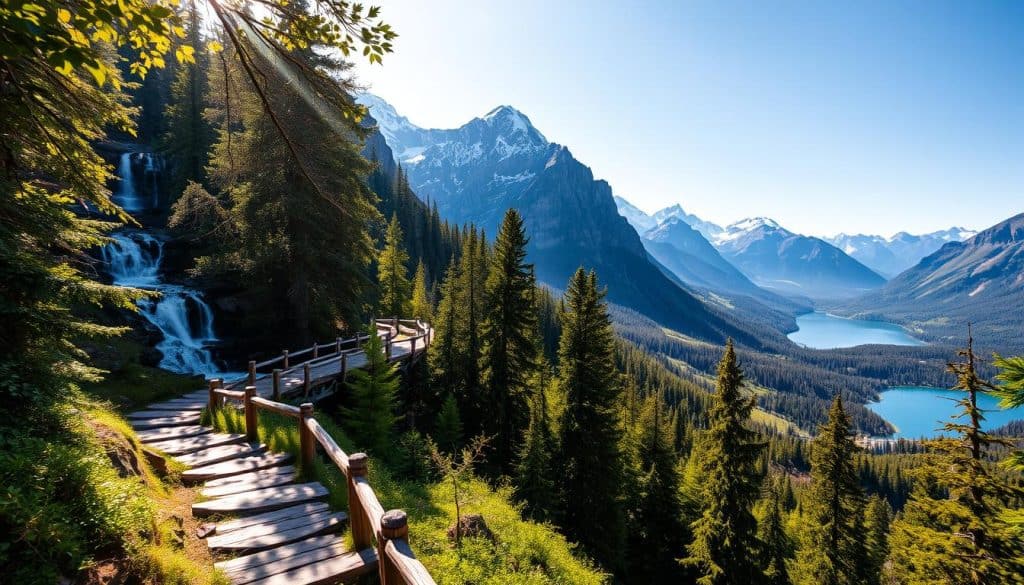
One of the main draws for hikers is the promise of scenic views and natural beauty. States that offer stunning vistas, picturesque lakes, or unique rock formations tend to be more popular among hikers. The scenic payoff is a major factor in a state’s hiking reputation, with hikers often seeking out destinations that promise breathtaking views or unique landscapes.
“The mountains are calling, and I must go.” – John Muir
Weather Conditions and Hiking Seasons
The length of the hiking season and weather conditions also play a significant role in determining a state’s hiking appeal. States with mild winters and cool summers can offer year-round hiking opportunities, while those with more extreme weather conditions may have shorter hiking seasons. Understanding the local climate and weather patterns is essential for hikers to plan their trips safely and effectively.
By considering these factors, we can evaluate which states stand out as the best for hiking. In the following sections, we’ll explore some of the top states for hiking and what makes them so special.
California: The Golden State of Hiking Diversity
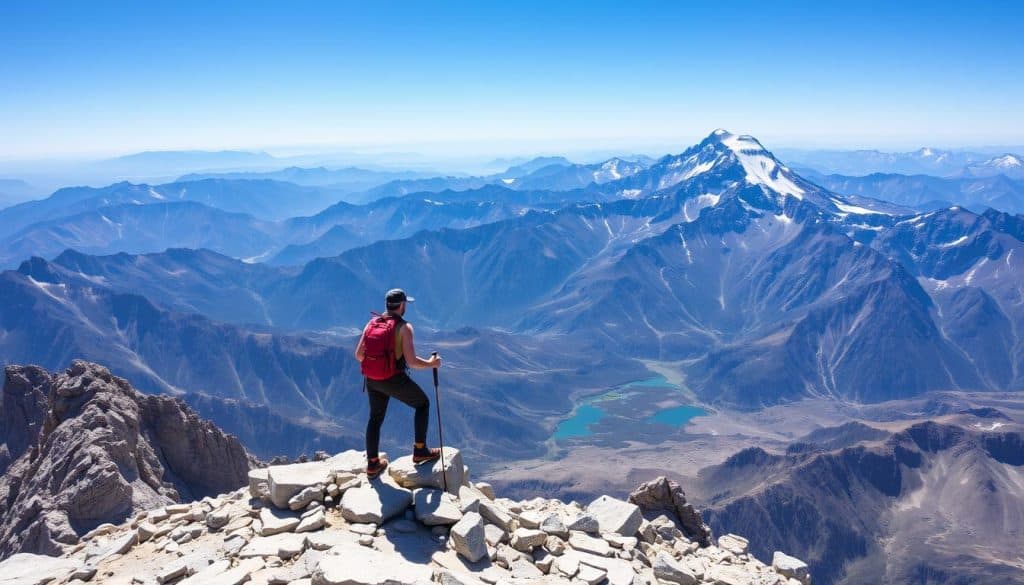
From the rugged Sierra Nevada mountains to the arid Mojave Desert, California offers a hiking experience like no other state. As you explore the Golden State, you’ll discover a diverse range of hiking trails that cater to all skill levels and preferences.
From Desert to Alpine: California’s Varied Hiking Landscapes
California’s diverse geography is a hiker’s dream come true. You can hike through the scorching hot desert landscapes of Death Valley National Park or experience the breathtaking views from the peaks of the Sierra Nevada. The state is home to nine national parks, including Yosemite, Joshua Tree, and Sequoia National Park, each offering unique hiking experiences.
One of the most significant advantages of hiking in California is the vast range of trails available. From easy, family-friendly hikes to challenging mountain ascents, there’s something for everyone. You can explore the national forest areas, such as the Los Padres National Forest, or tackle a section of the Pacific Crest Trail, which spans over 1,700 miles through the state.
Must-Hike Trails in California’s National Parks
California’s national parks are a treasure trove of hiking opportunities. In Yosemite National Park, you can hike to Yosemite Falls, one of North America’s tallest waterfalls, or explore the Mist Trail, which offers stunning views of the valley below. Joshua Tree National Park is famous for its unique rock formations and offers a range of hiking trails, including the popular Hidden Valley Nature Trail.
Other must-hike trails include the Mount Whitney Trail, which takes you to the highest point in the contiguous United States, and the Badwater Basin Trail in Death Valley National Park, which allows you to hike on the lowest point in North America.
Urban Hiking Opportunities in California’s Major Cities
California’s major cities also offer a range of urban hiking opportunities. In San Francisco, you can hike through the scenic Lands End trail, which offers stunning views of the Golden Gate Bridge and the Pacific Ocean. In Los Angeles, Griffith Park provides a range of hiking trails with spectacular views of the city and the Hollywood Sign.
San Diego’s urban hiking trails, such as those in Balboa Park, offer a chance to explore the city’s natural beauty and enjoy the local flora and fauna. These urban hiking opportunities make California a great place to live and visit, with a blend of natural beauty and urban convenience.
Colorado: Rocky Mountain Hiking Paradise
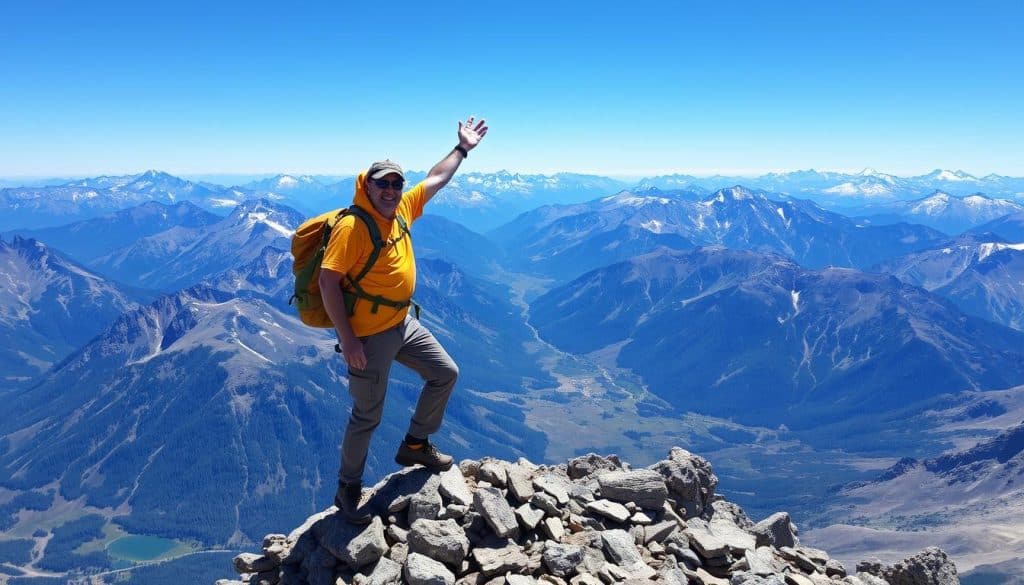
As a seasoned hiker, I can attest that Colorado offers some of the most spectacular and diverse hiking experiences in the United States. With over 50 mountain peaks exceeding 14,000 feet, known as “14ers,” Colorado is a haven for peak baggers and adventure seekers alike.
Conquering Colorado’s Famous 14ers
Colorado’s 14ers are a major draw for hikers, with peaks like Longs Peak, Pikes Peak, and Mount Elbert offering challenging climbs and breathtaking views. However, hiking at high elevations requires careful preparation and safety considerations.
Before tackling a 14er, hikers should be aware of the risks associated with high-altitude hiking, including altitude sickness and unpredictable weather conditions. Proper acclimatization, sturdy gear, and a well-planned itinerary are essential for a successful and safe hike.
Rocky Mountain National Park’s Premier Hiking Experiences
Rocky Mountain National Park is another crown jewel of Colorado’s hiking scene, boasting hundreds of miles of trails that cater to hikers of all skill levels. From the scenic Emerald Lake trail to the more challenging Keyhole Route on Longs Peak, the park offers diverse hiking experiences.
One of the park’s most iconic hikes is to Sky Pond, a picturesque lake surrounded by towering peaks and alpine meadows. The trail to Sky Pond is approximately 8.5 miles round trip, with a moderate elevation gain.
Year-Round Hiking Opportunities in Colorado
Colorado’s hiking season extends beyond the summer months, with opportunities for winter snowshoeing, spring wildflower viewing, and autumn foliage hiking. Many trails remain accessible during the winter with the right gear and preparation.
In the winter, hikers can explore Colorado’s trails on snowshoes, experiencing a serene and peaceful landscape. Popular winter hiking spots include the Maroon Bells and the San Juan Mountains.
Colorado’s diverse terrain, extensive trail network, and varied hiking opportunities make it a top destination for hikers. Whether you’re a seasoned peak bagger or a casual day hiker, Colorado has something to offer.
Washington: Evergreen Hiking Wonderland
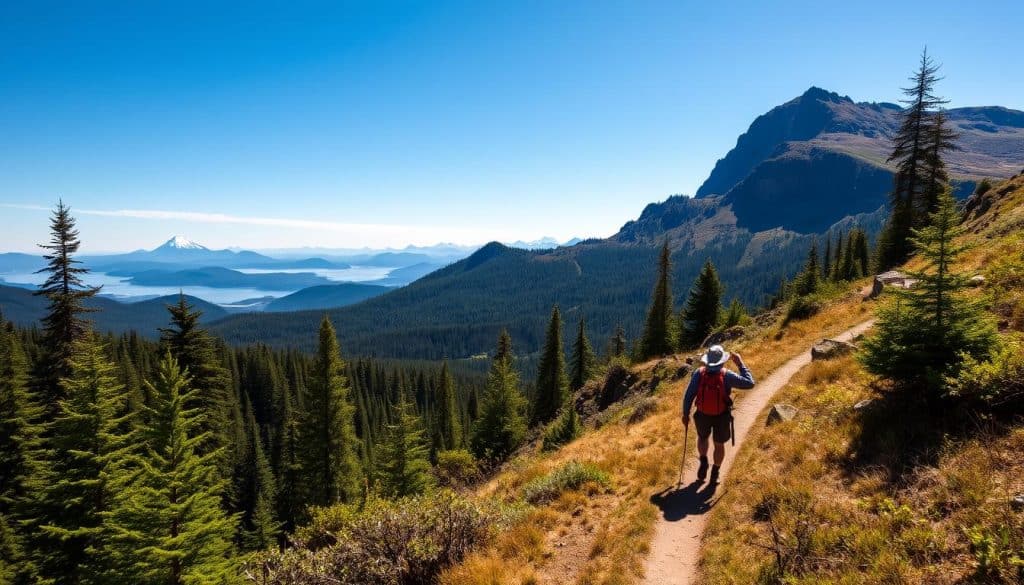
The Evergreen State, Washington, offers an unparalleled hiking experience with its varied terrain and breathtaking views. From the rugged peaks of the Cascade Range to the lush rainforests of the Olympic Peninsula, Washington is a hiker’s paradise.
Exploring the Cascades and Olympic Mountains
The Cascade Range is home to some of Washington’s most iconic mountains, including Mt. Rainier and Mt. Baker. The trail options here are vast, ranging from easy day hikes to multi-day backpacking trips. The North Cascades National Park offers over 400 miles of trail, providing endless opportunities for exploration.
In the Olympic Mountains, hikers can explore the temperate rainforests of the Olympic National Park, where waterfalls and wildflowers are abundant. The trail to the summit of Mt. Olympus is a challenging but rewarding hike.
Rainforest Trails and Coastal Hikes
Washington’s Olympic Peninsula is home to some of the world’s largest temperate rainforests. The Hoh Rainforest trail is a must-hike, with its lush canopy and massive spruce and fir trees. For those looking for a coastal hiking experience, the Pacific Ocean and Puget Sound offer scenic trails with stunning views of the surrounding landscape.
The trail along the coast offers a unique hiking experience, with opportunities to see marine wildlife and enjoy the ocean views. The water and shoreline provide a serene backdrop for a day hike or a longer backpacking trip.
Mount Rainier: The Crown Jewel of Washington Hiking
Mt. Rainier is Washington’s hiking crown jewel, with numerous trails that offer something for every skill level. The Wonderland Trail, a 93-mile trail that circumnavigates the mountain, is a classic hiking adventure. For a shorter hike, the Burroughs Mountain trail offers stunning views of the surrounding landscape and waterfalls.
The Paradise area on Mt. Rainier is another popular hiking destination, with trails that range from easy to challenging. The wildflower displays in the summer are particularly noteworthy, making it a great destination for nature lovers.
Washington’s national forest and national park areas are teeming with trails, offering views of lakes, waterfalls, and surrounding mountains. Whether you’re a seasoned hiker or just starting out, Washington has something to offer.
Utah: Red Rock Hiking Adventures
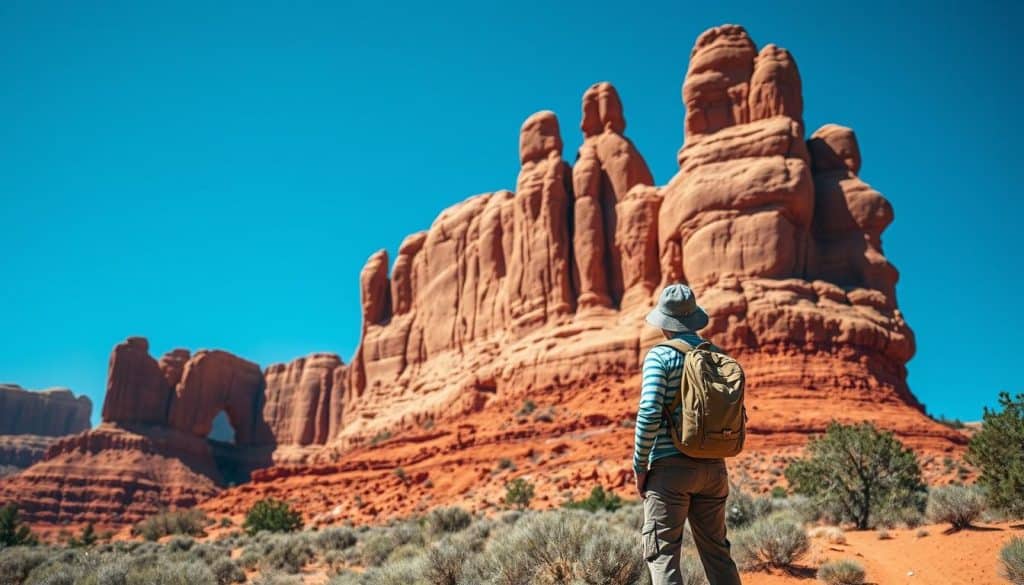
Utah is a hiker’s paradise, boasting some of the most spectacular red rock landscapes in the United States. With its diverse terrain and breathtaking natural beauty, Utah stands out as a premier hiking destination. The state’s unique landscapes range from rugged canyons to vast desert expanses, offering trails for all skill levels.
The Mighty Five: Utah’s National Park Hiking Trails
Utah is home to five national parks, each offering unique hiking experiences. Zion National Park is famous for its challenging trails like Angels Landing and The Narrows. Arches National Park boasts over 2,000 natural arches, with Delicate Arch being a must-hike destination. Bryce Canyon National Park features distinctive hoodoos and scenic views. Capitol Reef National Park offers a mix of desert and mountain terrain, while Canyonlands National Park is divided into three districts: Island in the Sky, The Needles, and The Maze.
These parks provide a range of hikes from easy day trails to multi-day backpacking trips. For example, the Emerald Pools trail in Zion is a favorite among families, while the Chesler Park trail in The Needles district of Canyonlands offers a more challenging experience.
Grand Staircase-Escalante: Southern Utah’s Hidden Gem
For those looking for a less crowded alternative, Grand Staircase-Escalante National Monument is a treasure trove of hiking adventures. This vast area features winding trails that cross canyons, desert floor, and sandstone formations. Hikes like Peek-a-Boo and Spooky Slot Canyons, as well as Coyote Gulch, offer breathtaking views and unique rock formations.
The monument’s diverse terrain includes rugged canyons and sweeping desert landscapes, making it an ideal destination for those seeking adventure off the beaten path.
Desert Hiking Safety and Seasonal Considerations
When hiking in Utah’s desert environments, safety is paramount. It’s essential to manage water intake, take heat precautions, and be aware of the risk of flash floods. The best times to hike in Utah are during the spring and fall when temperatures are milder.
Always check the weather forecast before heading out, and consider the condition of the trail and your own physical abilities when planning your hike. With proper preparation, Utah’s desert landscapes can be a rewarding and exhilarating experience.
Montana: Big Sky Country’s Epic Trails
Montana, known as “Big Sky Country,” offers some of the most spectacular hiking trails in the United States. With its vast, open landscapes and spectacular mountain ranges, Montana is a paradise for hikers seeking solitude and untouched natural beauty.
Glacier National Park: Montana’s Hiking Crown Jewel
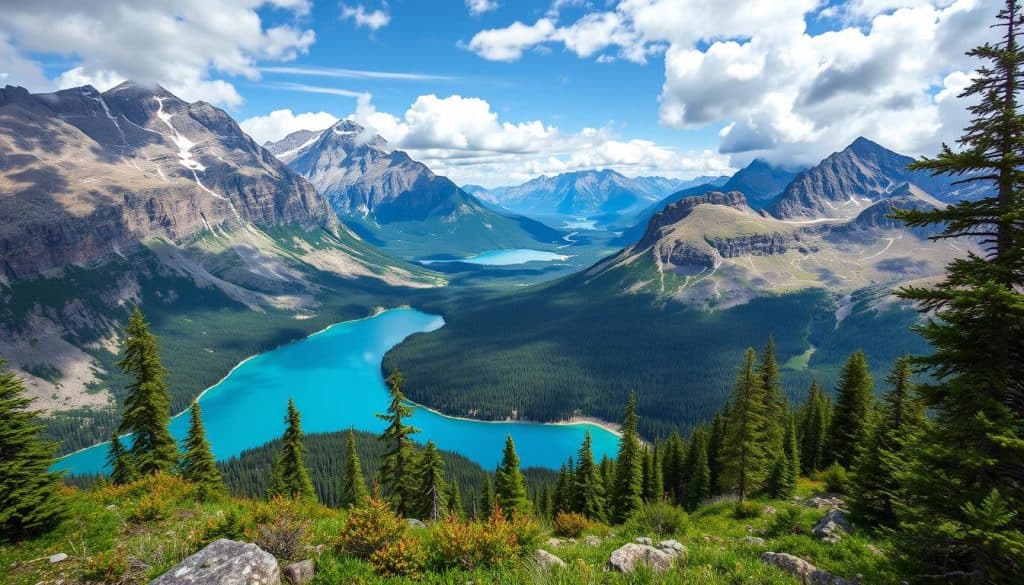
Glacier National Park is Montana’s premier hiking destination, boasting over 700 miles of trails that cater to hikers of all skill levels. The park is home to some of the most iconic hikes in the country, including the Highline Trail, Grinnell Glacier, and Hidden Lake Overlook.
The Highline Trail, also known as the Highline Loop, is a 14-mile one-way trail that offers breathtaking views of the surrounding mountains and valleys. For those seeking a more challenging hike, Grinnell Glacier is a must-visit, with its stunning glacier and turquoise lakes.
Lesser-Known Montana Hiking Treasures
Beyond Glacier National Park, Montana has much to offer hikers. The Beartooth Mountains, Absaroka Range, and the Bob Marshall Wilderness are just a few of the lesser-known hiking areas that provide endless opportunities for exploration.
Montana’s portion of Yellowstone National Park is another hiking destination worth exploring, with its unique geothermal features and abundant wildlife. The state’s relatively short but spectacular summer season means that hikers can enjoy the trails without the crowds typically found in more popular destinations.
Oregon: Diverse Landscapes for Every Hiker
Oregon’s unique blend of coastal, forest, and desert landscapes provides hikers with an unparalleled variety of trails and experiences. Whether you’re looking for a leisurely stroll along the beach, a challenging mountain hike, or an adventure through the high desert, Oregon has something for everyone.
Coastal, Forest, and Desert Hiking Options
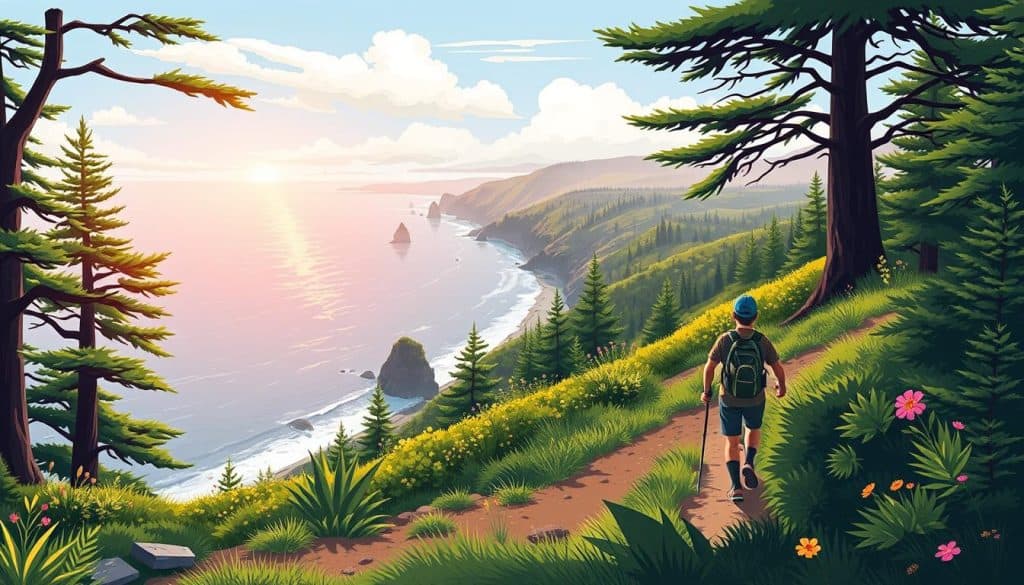
Oregon’s coastline offers some of the most spectacular hiking opportunities, with the Oregon Coast Trail being a highlight. This trail stretches for 382 miles along the Pacific Ocean, offering breathtaking views of the coastline and access to secluded beaches. For those who prefer forest hiking, areas like the Mount Hood National Forest and Willamette National Forest provide numerous trails through lush, dense forests.
In contrast, the high desert in eastern Oregon offers a unique hiking experience, with Smith Rock State Park being a standout destination. Known for its stunning rock formations and challenging trails, Smith Rock is a must-visit for any serious hiker.
Crater Lake and Columbia River Gorge Hiking Highlights
One of Oregon’s most famous natural wonders is Crater Lake, a deep, crystal-clear lake located in the heart of Crater Lake National Park. The park offers several hiking trails, including the Garfield Park Trail, a 3.5-mile loop that provides stunning views of the lake. For more information on national parks like Crater Lake, you can visit our guide to the best national parks on the West.
The Columbia River Gorge is another hiking paradise, with numerous trails that lead to spectacular waterfalls, including Multnomah Falls and Eagle Creek. These hikes offer not only stunning views but also a chance to experience the region’s natural beauty up close.
Arizona: Grand Canyon State’s Spectacular Trails
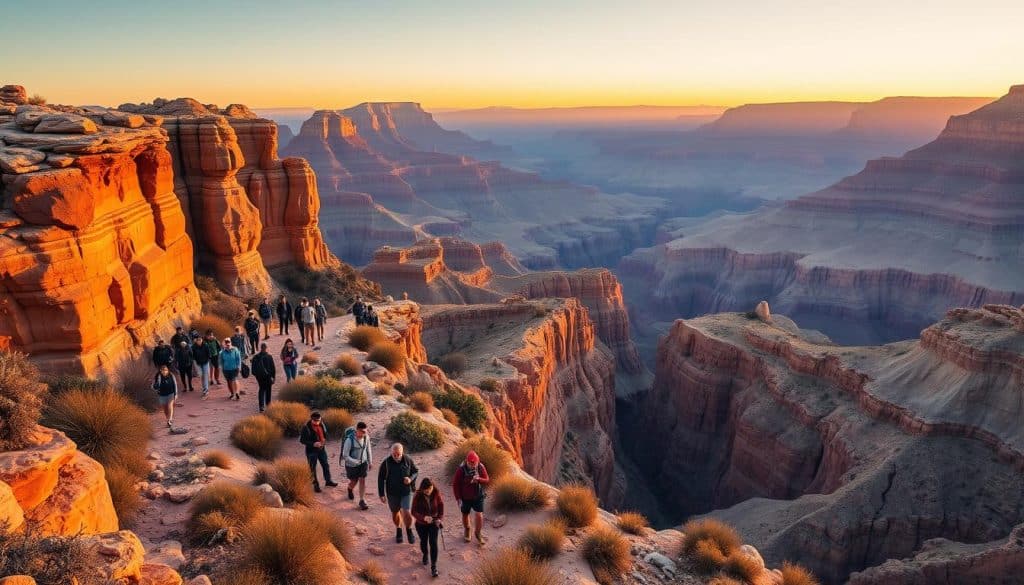
Arizona, known as the Grand Canyon State, is a hiker’s paradise with its diverse landscapes and iconic trails. The state offers a wide range of hiking experiences, from the Grand Canyon to Sedona’s red rock formations.
Grand Canyon Hiking: Rim to River Adventures
The Grand Canyon is Arizona’s hiking crown jewel, offering trails for all skill levels. The Bright Angel Trail and South Kaibab Trail are two of the most popular trails, providing views of the canyon from the rim to the river below.
These trails are challenging due to their steep elevation changes and varying terrain. Hikers can expect to spend anywhere from four to six hours completing the South Kaibab Trail, which is considered a moderate hike.
Desert Hiking in Sedona and Beyond
Sedona is another hiking destination in Arizona, known for its red rock formations and scenic trails. Trails like Cathedral Rock, Devil’s Bridge, and Bell Rock offer hikers the opportunity to experience the unique rock formations up close.
Arizona’s desert landscapes also provide a unique hiking experience. Hikers should be aware of the potential dangers, including rattlesnakes and extreme heat. It’s essential to take necessary precautions, such as hiking early in the morning or later in the evening, and staying hydrated.
Other notable hiking destinations in Arizona include Saguaro National Park, the Superstition Mountains, and the Painted Desert. Urban hiking opportunities are also available around Phoenix, with trails like Camelback Mountain and Piestewa Peak offering challenging hikes with rewarding views.
The best time to go hiking in Arizona is during the winter and spring months when the weather is cooler. Summer hikes should be undertaken early in the morning or late in the evening to avoid the heat.
Alaska: America’s Last Frontier for Wilderness Hiking
Alaska stands as America’s last great wilderness frontier, offering hikers unparalleled opportunities to explore untouched natural beauty. With its vast and diverse landscapes, from glaciers and mountains to tundras and forests, Alaska is a wonderland for nature-loving hikers.
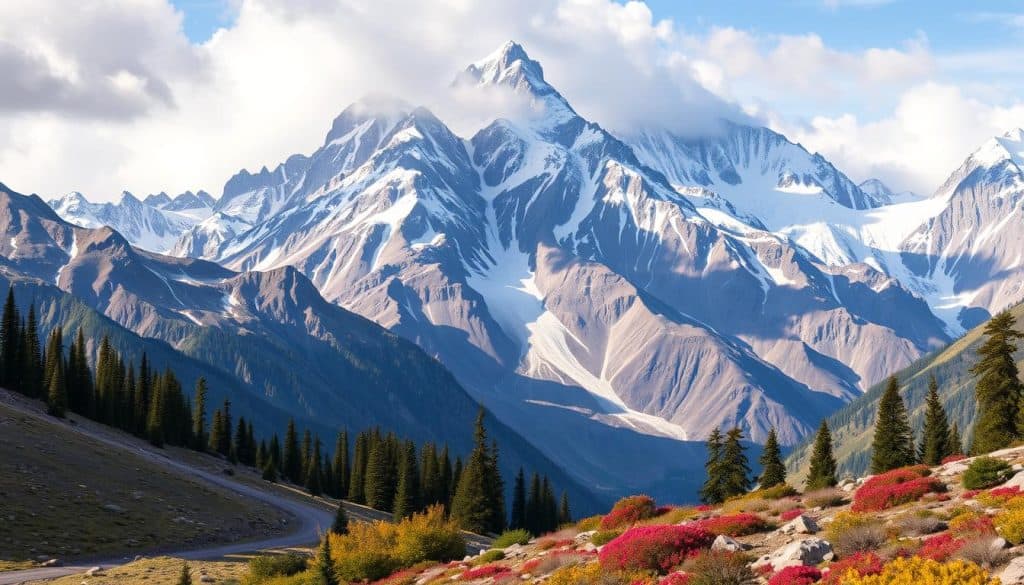
Denali National Park’s Pristine Hiking Experiences
Denali National Park is Alaska’s premier hiking destination, offering a range of trails for different skill levels. The Savage River Loop Trail, a two-mile round trip, is one of the best ways to experience the park’s natural beauty. For more experienced hikers, off-trail hiking options provide a true wilderness adventure.
The park’s diverse terrain and lack of infrastructure make it an ideal location for those seeking solitude and a genuine wilderness experience.
Glacier Hiking and Wildlife Encounters
Alaska is also renowned for its glacier hiking opportunities, particularly in Kenai Fjords National Park and Wrangell-St. Elias National Park. Hiking on glaciers is a unique experience that allows you to witness the breathtaking beauty of these natural wonders up close.
However, hiking in Alaska also means encountering its diverse wildlife, including brown bears. It’s essential to be prepared and knowledgeable about safety considerations when hiking in bear country.
Other spectacular hiking destinations in Alaska include the Chugach Mountains, Kenai Peninsula, and Inside Passage, each offering unique landscapes and hiking experiences.
The extremely seasonal nature of Alaska hiking means that the best time to visit is during the summer months when the days are long, and the weather is more favorable. Hiking under the midnight sun is a surreal experience that adds to Alaska’s allure.
Despite its challenges, Alaska offers a hiking experience unlike any other state. Its vast wilderness, diverse landscapes, and abundant wildlife make it a must-visit destination for serious hikers and nature enthusiasts.
Wyoming: Yellowstone and Grand Teton Hiking Paradise
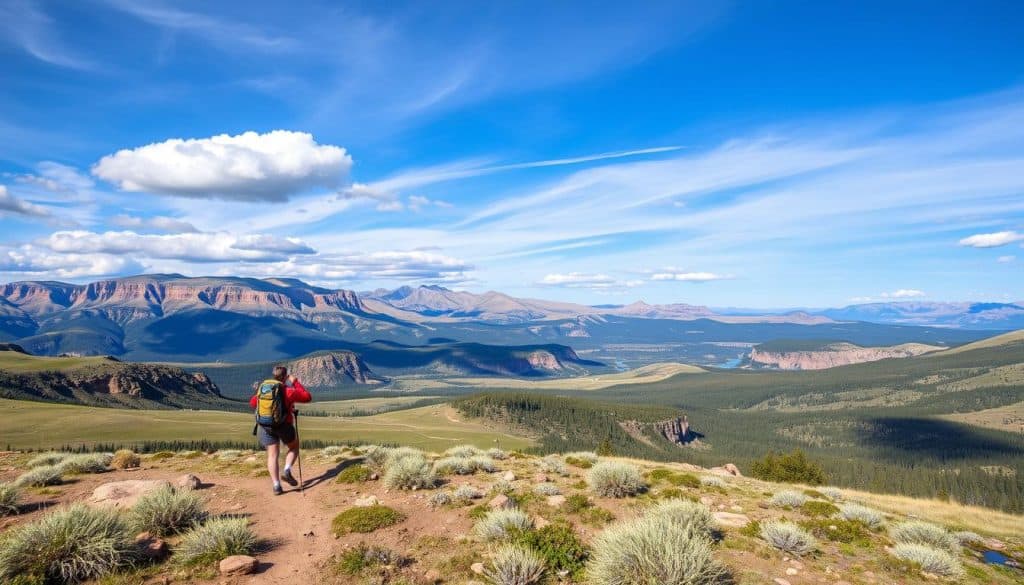
With its vast wilderness and iconic national parks, Wyoming offers an unparalleled hiking experience. As one of the least populous states, Wyoming is a haven for outdoor enthusiasts seeking adventure and solitude.
Geothermal Wonders of Yellowstone
Yellowstone National Park is a treasure trove of geothermal wonders, offering hikers a chance to explore its unique features up close. The park’s diverse terrain includes geysers, hot springs, and thermal features that are unlike anywhere else on Earth.
Some of the must-hike trails in Yellowstone include the Mammoth Hot Springs trail, which takes you through a stunning limestone complex, and the Grand Prismatic Overlook trail, offering breathtaking views of the largest hot spring in the United States.
The Mount Washburn trail is another highlight, providing panoramic views of the surrounding landscape and potential wildlife sightings, including grizzly bears and wolves.
Majestic Trails of Grand Teton
Grand Teton National Park is renowned for its dramatic mountain vistas and diverse hiking trails. The Teton Crest Trail is a standout, offering hikers a chance to traverse some of the most spectacular mountain scenery in the United States.
Other notable hikes include the Cascade Canyon trail, which takes you through a lush forest and into a stunning canyon, and the Lake Solitude trail, offering serene views of a picturesque lake surrounded by towering peaks.
As you hike through Grand Teton, keep an eye out for wildlife, including elk, moose, and bears, which call the park home.
Wyoming’s hiking trails offer more than just scenic views; they provide a gateway to experiencing the state’s natural beauty and diverse wildlife. Whether you’re exploring the geothermal wonders of Yellowstone or the majestic mountains of Grand Teton, Wyoming is a hiker’s paradise.
Maine: New England’s Premier Hiking Destination
With its rugged coastline and majestic mountains, Maine stands out as a premier hiking destination. As the only East Coast state on our list, Maine offers a unique blend of coastal and mountain trails that cater to hikers of all levels.
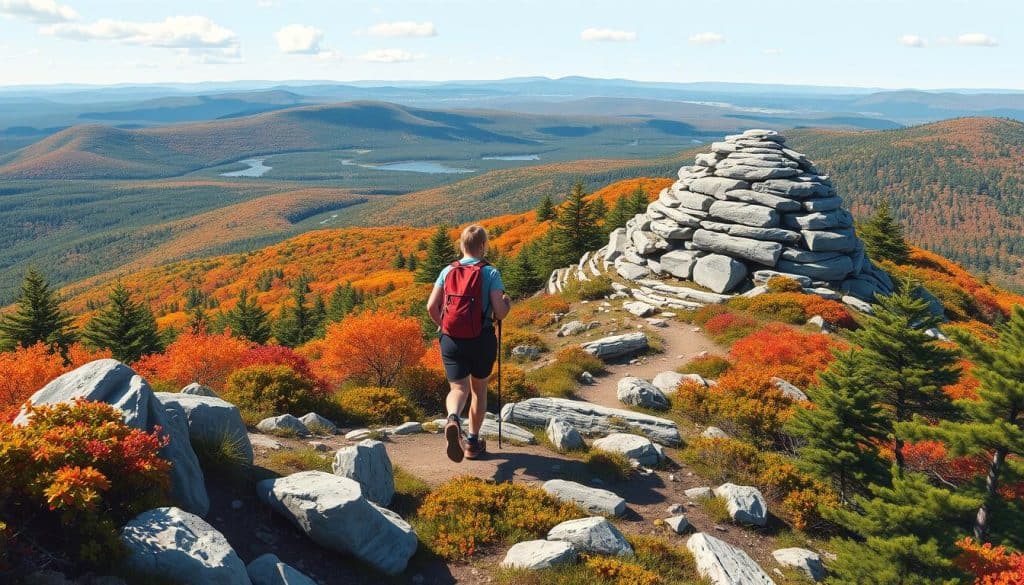
Acadia National Park: Coastal Hiking Heaven
Acadia National Park is a crown jewel of Maine’s hiking scene, offering trails that wind through dramatic coastal landscapes. The Beehive Trail, with its cliff walks and scenic ledges, is a must-hike, despite its challenging elevation gain. Other notable hikes include the Precipice Trail and the Ocean Path, which offer breathtaking views of the Atlantic coastline.
Hiking along Maine’s rugged Atlantic coastline is an experience unlike any other, with dramatic cliffs, hidden coves, and ocean views that stretch as far as the eye can see. For those looking to explore beyond Acadia, the Appalachian Trail offers a more rustic hiking experience.
The Appalachian Trail’s Northern Terminus: Mount Katahdin
For thru-hikers, Mount Katahdin marks the northern terminus of the Appalachian Trail, a challenging yet rewarding hike that offers panoramic views from its summit. The trail is part of the 100-Mile Wilderness, a remote and rugged section of the Appalachian Trail that tests hikers’ endurance and resolve.
Beyond Mount Katahdin, Maine offers numerous other hiking destinations, including Baxter State Park, the Mahoosuc Range, and Grafton Notch. Each of these locations provides a unique hiking experience, from dense forests to mountain peaks.
Maine’s fall foliage is another significant draw for hikers, with the state’s forests transforming into a kaleidoscope of colors in the autumn. This seasonal spectacle makes fall an ideal time for hiking in Maine, with comfortable temperatures and scenic views.
In conclusion, Maine offers East Coast hikers a wilderness experience that’s comparable to western states but with its own unique character. Whether you’re hiking along the coast, summiting peaks, or exploring the woods, Maine is a hiker’s paradise.
Idaho: The Underrated Hiking Gem
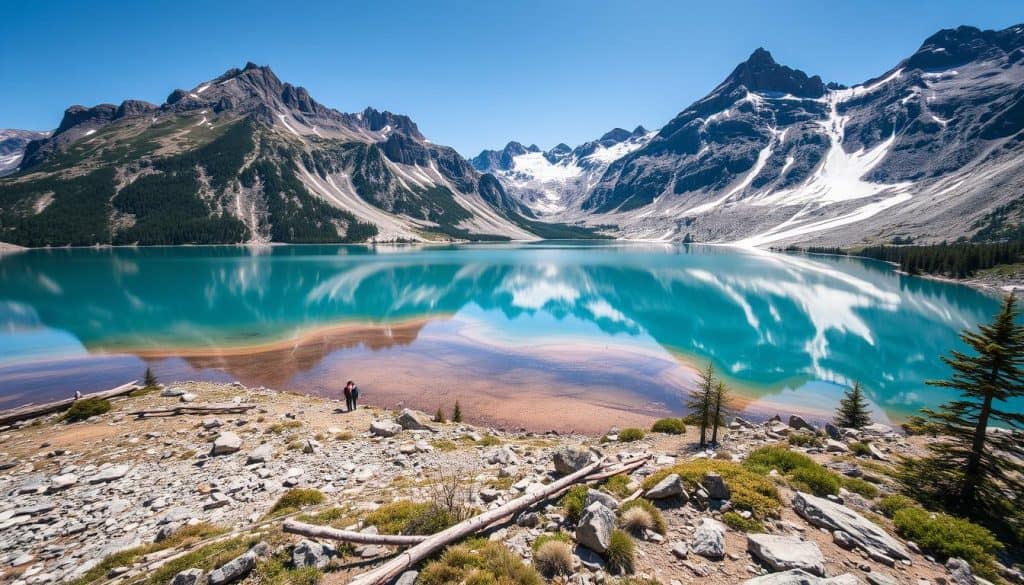
Tucked away in the northwestern United States, Idaho boasts some of the most spectacular and least crowded hiking trails in the country. As an avid hiker, I’ve had the pleasure of exploring Idaho’s vast wilderness areas, and I can attest to its natural beauty and diverse terrain.
Idaho’s mountain ranges offer a hiker’s paradise, with trails that cater to all skill levels. From the rugged peaks of the Sawtooth Wilderness to the scenic waterfalls along the Snake River, there’s no shortage of breathtaking views. You can hike for miles without encountering the crowds that often plague more popular destinations.
Sawtooth Wilderness: Idaho’s Alpine Hiking Paradise
The Sawtooth Wilderness is a crown jewel of Idaho’s hiking scene, offering numerous trails that wind through alpine meadows and alongside pristine lakes. Hikes such as those to Alice Lake, Sawtooth Lake, and the Baron Lakes are must-do experiences, with their stunning views and serene surroundings.
The Sawtooth Wilderness is characterized by its jagged peaks and crystal-clear water, making it an ideal destination for hikers seeking an immersive alpine experience. With its diverse terrain and picturesque landscapes, this area is a true gem for outdoor enthusiasts.
Off-the-Beaten-Path Idaho Hiking Adventures
Beyond the Sawtooth Wilderness, Idaho offers a wealth of other hiking opportunities. Hells Canyon, one of the deepest gorges in the world, provides trail experiences with breathtaking views. The Seven Devils Mountains and the Selkirk Range offer additional hiking adventures, with their rugged landscapes and minimal crowds.
Idaho is also home to the Craters of the Moon National Monument, a unique volcanic landscape that offers a surreal hiking experience. And, with waterfalls like Shoshone Falls, often referred to as the “Niagara of the West,” there’s no shortage of natural beauty to explore. Whether you’re planning day trips or longer backpacking adventures, Idaho has something for every hiker.
Vermont: Green Mountain Hiking Excellence
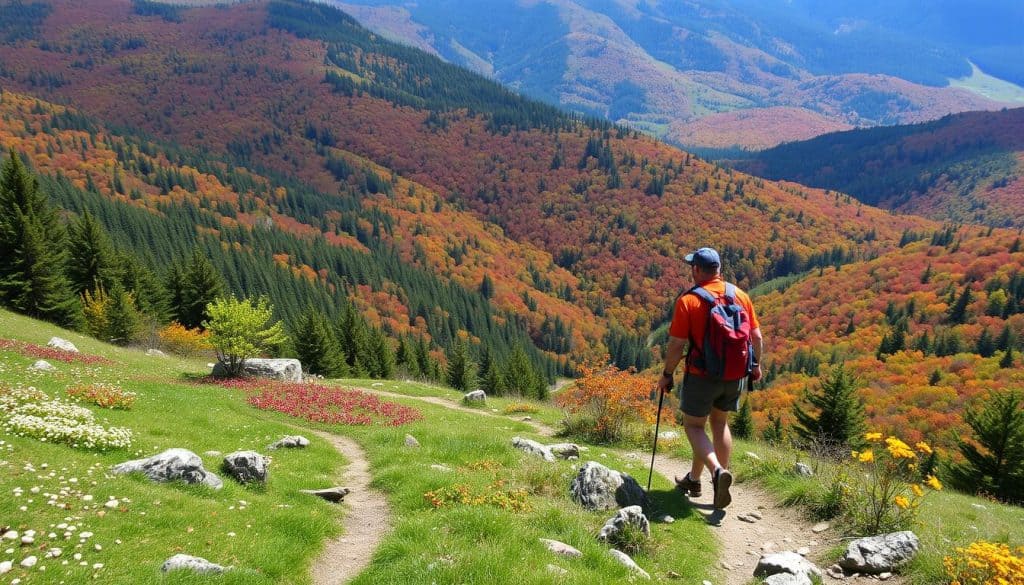
Vermont, known as the Green Mountain State, is a haven for hikers seeking diverse and picturesque trails. Despite its smaller size, Vermont offers an impressive array of hiking opportunities that cater to all skill levels.
The Long Trail and Appalachian Trail Sections
The Long Trail, America’s oldest long-distance hiking trail, runs the length of Vermont, offering over 270 miles of continuous hiking. Notably, the Long Trail coincides with the Appalachian Trail for about 100 miles, creating a unique section where hikers can experience the best of both trails. Popular destinations include Mount Mansfield, Camel’s Hump, and Stratton Mountain, each offering breathtaking views and challenging hikes.
For those looking to explore a section of the Appalachian Trail, Vermont’s segment provides a taste of the trail’s renowned beauty and difficulty. The overlap with the Long Trail means hikers can enjoy well-maintained paths and scenic vistas.
Fall Foliage Hiking Experiences
Vermont is renowned for its spectacular fall foliage, considered among the best in the world. The state’s vibrant colors attract hikers from everywhere, making it an ideal time for fall trips. Trails such as those in Smugglers’ Notch State Park and around Mount Philo offer stunning views of the surrounding landscape. A loop trail hike during this season can be particularly rewarding, with the foliage creating a picturesque backdrop.
Whether you’re a seasoned hiker or just looking for a leisurely walk, Vermont’s state parks and forest trails provide an accessible and enjoyable hiking experience. The combination of natural beauty, well-maintained trails, and hiker-friendly communities makes Vermont an excellent choice for your next hiking adventure.
New Hampshire: White Mountain Hiking Challenges
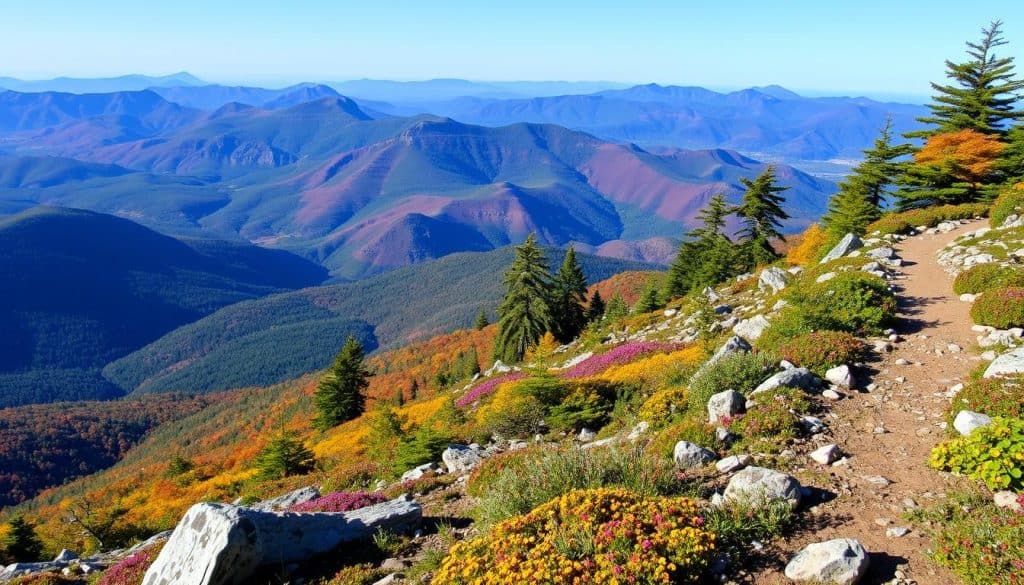
New Hampshire’s White Mountains offer some of the most challenging and rewarding hiking experiences on the East Coast. As a hiker, you’re likely drawn to the rugged terrain and breathtaking views that these mountains provide.
Presidential Range and Mount Washington Trails
The Presidential Range is a crown jewel of the White Mountains, featuring some of the most spectacular hiking trails in the region. At the heart of this range is Mount Washington, known for its extreme weather conditions and challenging trails. The Presidential Traverse is a 23-mile loop that takes you across multiple peaks, offering panoramic views and an unforgettable hiking experience.
For those looking to tackle individual peaks, the range offers several options, including the popular Mount Adams and Mount Jefferson trails. These hikes vary in difficulty and elevation gain, but all promise spectacular views from the top.
Franconia Ridge and Other Classic White Mountain Hikes
Beyond the Presidential Range, the White Mountains boast other iconic hikes, such as the Franconia Ridge Loop. This 9-mile loop is considered one of New England’s most spectacular hikes, with its rugged terrain and stunning views of the surrounding landscape.
Other notable mentions include Mount Monadnock, Mount Chocorua, and the Kinsmans, each offering unique hiking experiences. New Hampshire’s section of the Appalachian Trail is also worth mentioning, known for its challenging terrain and rewarding views. For experienced hikers, winter mountaineering opportunities abound, offering a serene and challenging way to experience the White Mountains.
What is the Best State in America to Go Hiking In? The Verdict
The quest for the best hiking state in America is subjective, but based on our analysis, some clear front-runners emerge. As we’ve explored the diverse landscapes and trails across the country, it becomes evident that different states cater to different preferences when it comes to hiking and outdoor adventures.
Let’s take a closer look at the top contenders. California stands out for its incredible diversity, offering everything from coastal trails to mountain peaks. Colorado impresses with its numerous high-altitude peaks, including the famous “Fourteeners.” Washington boasts lush forests and rugged mountain landscapes, while Utah mesmerizes with its red rock formations.
Our analysis considered various factors, including the diversity of terrain, trail accessibility, natural beauty, and weather conditions. The top states were scored based on these criteria, resulting in the following top 10: California (95), Colorado (92), Washington (90), Utah (88), Montana (86), Oregon (84), Vermont (82), New Hampshire (80), Arizona (78), and Wyoming (76).
While it’s challenging to declare a single “best” state, we can group these destinations into tiers based on their overall hiking quality. California, Colorado, and Washington consistently rank at the top due to their exceptional trails, diverse landscapes, and well-developed infrastructure for hikers.
- Top Tier: California, Colorado, Washington
- Second Tier: Utah, Montana, Oregon
- Third Tier: Vermont, New Hampshire, Arizona, Wyoming
It’s worth noting that the “best” state ultimately depends on personal preferences. For example, those seeking high-altitude hikes might prefer Colorado, while fans of diverse landscapes might lean towards California. As the hiking community continues to grow, up-and-coming destinations may soon challenge the current top spots.
As someone who’s had the privilege of exploring many of these trails, I can attest that each state has its unique charm. While it’s difficult to pick a single favorite, my personal experiences have shown me that the best hiking experiences often come from unexpected places.
In conclusion, while we can’t definitively say which state is the absolute best for hiking, our analysis highlights the top contenders and the unique strengths of each. Whether you’re a seasoned hiker or just starting out, America’s diverse parks and mountains offer countless opportunities for adventure.
Conclusion: Your Perfect Hiking State Awaits
As we conclude our journey through America’s best hiking states, it’s clear that the perfect trail awaits every kind of hiker. Throughout this article, we’ve explored the diverse landscapes and hiking opportunities that make the United States a paradise for hikers and outdoor enthusiasts.
Our exploration has shown that states like California, Colorado, and Washington offer some of the most spectacular trails in the country. From the rugged peaks of the Rocky Mountains to the sun-kissed deserts of the Southwest, each region has its unique charm and attractions. Whether you’re a seasoned hiker or just starting out, there’s a state that’s perfect for you.
The key to finding your ideal hiking destination lies in understanding your preferences, experience level, and hiking goals. Are you looking for a challenging summit hike or a leisurely stroll through nature? Do you prefer the solitude of remote trails or the convenience of urban hiking opportunities? By considering these factors, you can choose a state that meets your needs and provides the best hiking experience.
When planning your trips, remember to research the local trails, check the weather conditions, and prepare accordingly. Don’t be afraid to explore hiking opportunities in your home state, as great trails exist everywhere. By being mindful of your impact on the environment and respecting local regulations, you can help preserve these natural treasures for future generations.
As we look to the future, it’s clear that hiking will continue to play a vital role in American culture. However, we must also acknowledge the challenges facing our trails and parks, from climate change to increasing visitation. By adopting responsible hiking practices and supporting conservation efforts, we can ensure that these incredible resources remain available for years to come.
So why wait? Start planning your next hiking adventure today and experience the natural beauty of America firsthand. Whether you’re exploring a new state or revisiting a favorite place, the great outdoors is full of endless possibilities and best hikes waiting to be discovered.
FAQ
Which national park has the most spectacular hiking trails?
Grand Canyon National Park in Arizona is renowned for its breathtaking trails, including the famous Bright Angel Trail and South Kaibab Trail, which offer stunning views of one of the world’s most iconic natural wonders.
Are there hiking trails suitable for beginners?
Yes, many national parks and state parks offer trails for hikers of all skill levels, including beginners. For example, California’s national parks have numerous easy to moderate trails that are perfect for those just starting out.
What is the elevation gain like on typical hiking trails?
Elevation gain varies greatly depending on the trail and location. For instance, hiking trails in Colorado’s Rocky Mountains often involve significant elevation gain, with some peaks reaching over 14,000 feet.
How do I prepare for hiking in desert terrain?
When hiking in desert terrain, such as in Utah’s or Arizona’s national parks, it’s essential to bring plenty of water, wear protective clothing, and be aware of the risks of dehydration and heat exhaustion.
Can I hike in national parks during the winter?
Yes, many national parks are open year-round, but winter conditions can make some trails impassable. It’s crucial to check park regulations and trail conditions before heading out, especially in places like Montana’s Glacier National Park.
What are some must-see waterfalls on hiking trails?
The United States is home to many breathtaking waterfalls along hiking trails. For example, Oregon’s Multnomah Falls is a popular destination, and Washington’s Olympic National Park offers numerous waterfall hikes.
How do I choose the right hiking trail for my skill level?
When selecting a hiking trail, consider factors such as trail length, elevation gain, terrain difficulty, and weather conditions to ensure the hike is suitable for your skill level and experience.