
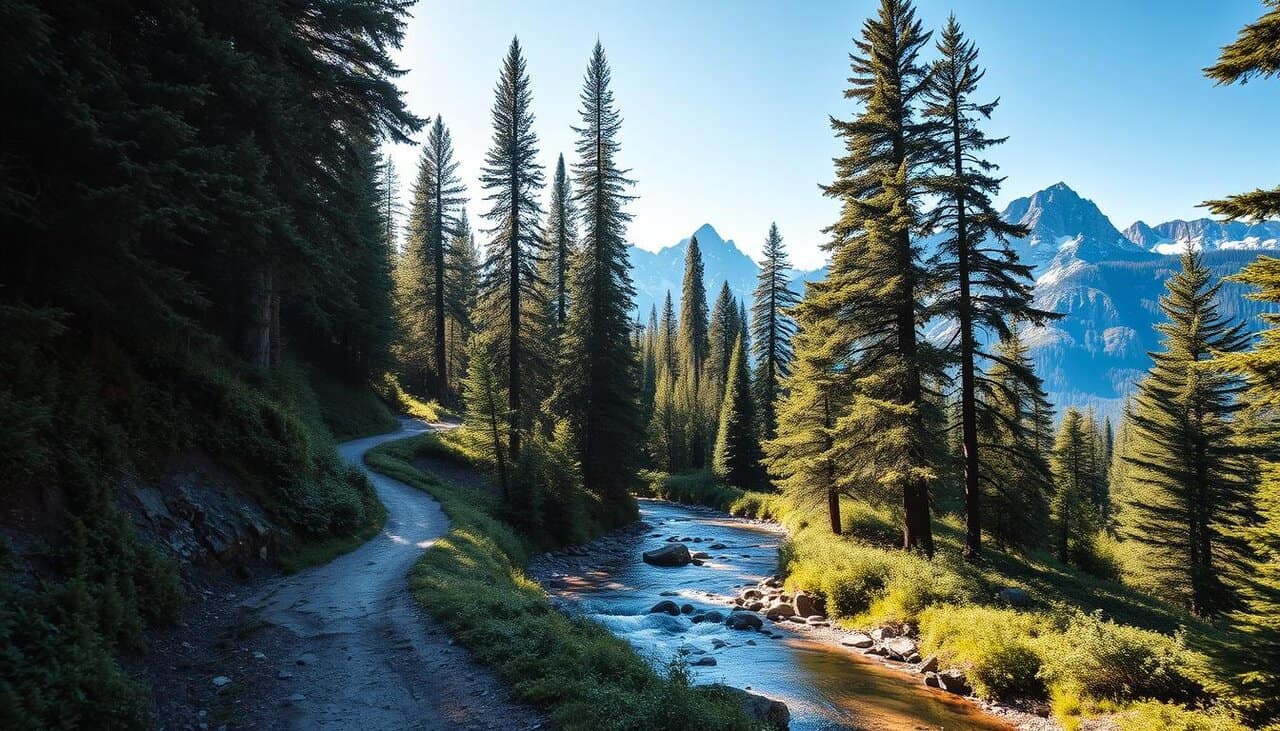
As an avid hiker, I’ve experienced firsthand the diverse beauty of America’s trails throughout the year. With over 400 national parks and numerous state and local parks, the United States offers endless opportunities for hiking enthusiasts. But, have you ever wondered when the best time is to hit the trails?
The answer isn’t straightforward, as the ideal season varies greatly depending on the region and personal preferences. Weather conditions, for instance, play a significant role in determining the quality of a hiking experience. From the scorching summer heat to the freezing winter snow, each time of year brings its unique challenges and advantages.
As we explore the best season for hiking in the USA, we’ll delve into the characteristics of each time of year, helping you decide when to plan your next adventure.
Key Takeaways
- The USA offers diverse hiking opportunities throughout the year.
- Regional variations significantly impact the hiking experience.
- Personal preferences play a crucial role in determining the best hiking season.
- Each season has its unique advantages and challenges for hikers.
- Understanding the weather and trail conditions is key to a successful hike.
Understanding Hiking Seasons Across the USA
As an experienced hiker, I’ve come to realize that the USA’s hiking seasons are far from straightforward. The country’s diverse geography and climate mean that the traditional four seasons don’t always apply when it comes to hiking. In fact, there are 12 hiking seasons that experienced hikers recognize, each with its unique characteristics: Frostbite, Frozen, Blue Bird, Frozen Mud, Oh Dear Lord, Rush Hour, The Storms, The Scorch, Wildfires, Peepers, The Closet, and The Wait.
Beyond the Traditional Four Seasons
The hiking seasons don’t always align perfectly with the calendar seasons. For instance, early spring is often associated with “mud season,” while the Southwest experiences a “monsoon season” in late summer. These micro-seasons are crucial for hikers to understand, as they significantly impact trail conditions and overall hiking experiences.
Weather patterns, wildlife activity, and plant life cycles create distinct hiking experiences beyond the traditional four seasons. For example, the spring season brings blooming wildflowers, while autumn is known for its vibrant foliage. Understanding these variations can help hikers plan their trips more effectively.
Regional Variations in Hiking Conditions
The same calendar month can offer completely different hiking experiences across different regions of the USA. For instance, while it’s snowy in the mountains of Colorado in April, it’s already warm in the deserts of Arizona. Regional climate patterns create unique hiking windows across the country, making it essential for hikers to research their destination thoroughly.
| Region | Season | Hiking Conditions |
|---|---|---|
| Northeast | Spring | Muddy trails, melting snow |
| Southwest | Summer | Hot temperatures, monsoon storms |
| Pacific Northwest | Fall | Mild temperatures, foliage |
To plan your next hiking trip effectively, consider visiting this resource for information on the best time to visit national parks for hiking.
As we can see, understanding the various hiking seasons and regional variations is key to a successful and enjoyable hiking experience in the USA.
Spring: The Season of Renewal
Spring’s awakening brings a fresh perspective to hiking, as melting snow reveals new paths and the landscape transforms with blooming wildflowers. As the season progresses, the trails come alive with the sounds of nature and the scent of blooming flora.
Advantages of Spring Hiking
Spring offers numerous advantages for hikers. The moderate temperatures and vibrant new growth create ideal conditions for hiking. In early spring, hikers can enjoy fewer crowds on the trails, making for a more peaceful and immersive experience. As the season advances, the blooming wildflowers and flowing waterfalls add to the natural beauty, making every hike a memorable one.
Challenges of Spring Trails
Despite its many advantages, spring hiking also presents some challenges. Muddy trails and unpredictable weather patterns can make navigation difficult. In some regions, potential flooding can pose a significant risk to hikers. It’s essential to check trail conditions and weather forecasts before embarking on a hike. For more information on preparing for seasonal hiking challenges, you can visit this resource.
Best Spring Hiking Destinations
Some of the best spring hiking destinations in the USA include the C&O Canal Towpath and the Oregon Coast Trail. These trails showcase the beauty of spring, with their blooming wildflowers and scenic landscapes. As animals become more active after winter, hikers can also enjoy wildlife viewing opportunities. Regional variations in spring hiking conditions mean that hikers can find suitable trails across different parts of the country, from the desert Southwest to the Pacific Northwest.
By understanding the advantages and challenges of spring hiking, you can make the most of this beautiful season and enjoy the great outdoors.
Summer: Peak Season Adventures
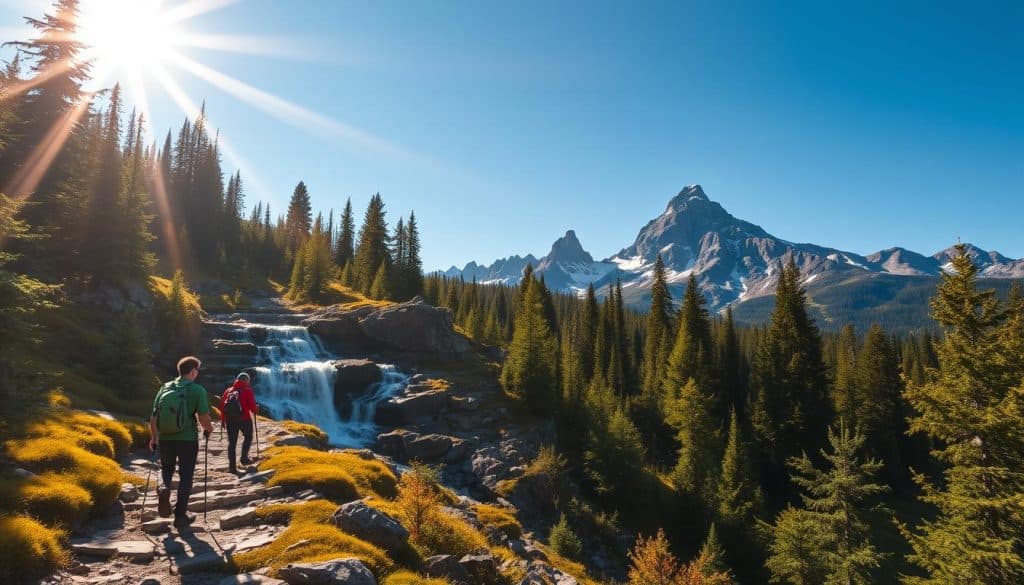
For many outdoor enthusiasts, summer is the ideal time to explore the vast and varied hiking trails across the United States. The season offers a unique combination of long daylight hours, warm weather, and access to high-elevation trails that are often snowbound during other times of the year.
Benefits of Summer Hiking
Summer hiking has several advantages. The warm weather allows hikers to access alpine areas and enjoy swimming opportunities in mountain lakes and streams. With the snow melted, higher elevations become accessible, revealing breathtaking vistas and unique landscapes. Moreover, the minimal gear required for summer hikes makes it an attractive season for those who prefer a more straightforward hiking experience.
Summer Hiking Challenges
Despite its benefits, summer hiking comes with its own set of challenges. Extreme heat and afternoon thunderstorms are common in many regions, requiring hikers to be prepared for changing weather conditions. Additionally, popular trails can become crowded, and insect activity can be a nuisance. To make the most of your summer hike, it’s essential to start early, stay hydrated, and be aware of the potential for sudden weather changes.
Top Summer Trails Across America
America offers a diverse range of hiking trails during the summer. From the rugged mountain ranges of the Rockies and the Sierra Nevada to the scenic coastal trails of California and the Pacific Northwest, there’s no shortage of exciting hikes. Some of the top summer hiking destinations include the best national parks in the USA, such as Yellowstone, Yosemite, and the Grand Canyon.
| Region | Popular Trails | Notable Features |
|---|---|---|
| Rocky Mountains | Maroon Bells, Colorado | Scenic mountain lakes, rugged peaks |
| Pacific Northwest | Hurricane Hill, Washington | Lush forests, coastal views |
| California | John Muir Trail | Diverse landscapes, mountain scenery |
Fall: The Colorful Hiking Experience
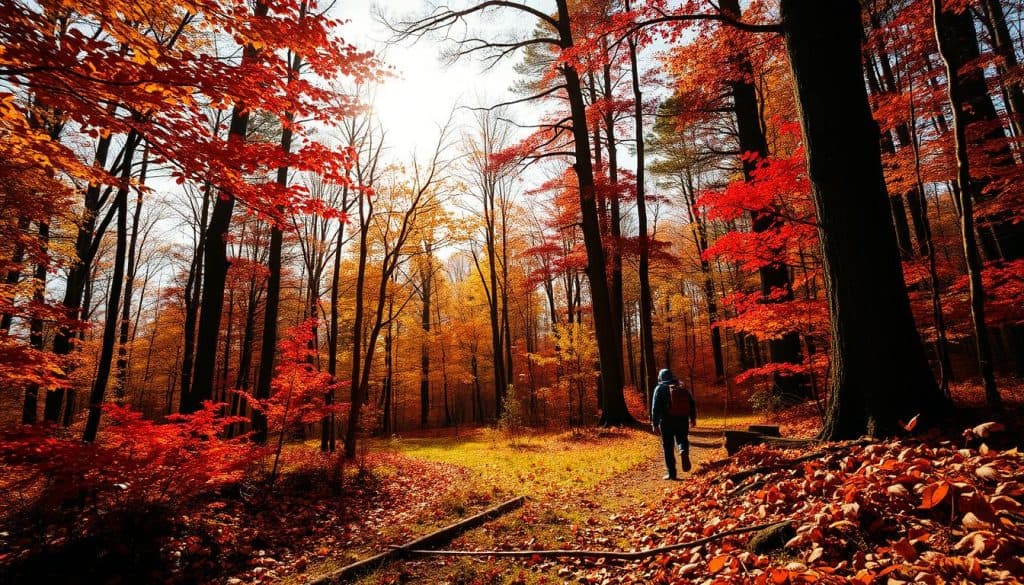
As autumn sets in, the USA’s hiking trails transform into a kaleidoscope of colors, making it an ideal time for hiking. The fall season offers a unique combination of comfortable weather, fewer crowds, and spectacular foliage, making it a favorite among many hikers.
Why Fall is a Hiker’s Paradise
Fall is considered a hiker’s paradise due to its stable weather patterns, fewer insects, and stunning visual landscapes. The comfortable temperatures make it ideal for long hikes on various trails. Moreover, the fall foliage creates a picturesque backdrop, with trees displaying a vibrant array of colors.
Navigating Fall Hiking Conditions
While fall offers many advantages for hikers, it also presents some challenges. Shorter daylight hours and unpredictable temperature swings require hikers to be prepared. It’s essential to layer clothing appropriately for the variable weather conditions and plan hikes around the earlier sunsets. Additionally, being aware of hunting seasons in certain areas is crucial for safety.
Must-Visit Fall Hiking Destinations
Some of the most spectacular fall hiking experiences can be found on the Appalachian Trail and in the Ozark Highlands. These destinations offer breathtaking views of the autumn colors and a range of trails for different skill levels. Whether you’re looking for a leisurely hike or a more challenging adventure, fall is an excellent time to explore the mountainous regions of the USA.
For those planning to enjoy the fall foliage, it’s worth noting that while many people visit the mountains to see the changing leaves, they often don’t venture far from the parking areas. This means that even popular trails can be less crowded than expected, offering a more serene hiking experience.
Winter: The Quiet Wilderness
Winter brings a unique tranquility to the trails, making it an ideal time for those seeking solitude in nature. I actually think this is one of the best times to hike – the trails aren’t as crowded, and the snow on the ground gives the woods a special kind of quiet feeling.
The Magic of Winter Hiking
There’s something magical about hiking in the winter. The pristine snow-covered landscapes, the absence of crowds, and the crystal-clear visibility make for an unforgettable experience. The woods are quieter, with many animals hibernating, and the snow crunches underfoot, creating a serene atmosphere that’s hard to find during other seasons.
Winter Hiking Safety Considerations
While winter hiking can be incredibly rewarding, it also comes with its own set of challenges. Extreme cold, shorter days, and potentially hazardous conditions require careful planning and preparation. Make sure you’re equipped with the right gear for winter conditions, including warm clothing, crampons, and an ice axe if necessary. Be aware of the temperatures and potential hazards like snow avalanches.
Best Winter Trails in America
From desert trails to snow-covered mountain paths, America offers a diverse range of trails for winter hiking. Some of the best destinations include the national parks, such as Yellowstone and Yosemite, which offer unique winter landscapes. For more information on the best national parks to visit in winter, check out the linked resource.
What is the Best Season for Hiking in USA?
Hiking in the USA is a year-round activity, but determining the best season depends on several factors, including personal comfort and hiking objectives. As someone who has hiked extensively across the country, I can attest that the answer varies greatly depending on where you’re hiking and what you’re looking for in a hiking experience.
Factors That Determine the “Best” Season
The “best” hiking season is influenced by a variety of factors, including temperature extremes, trail conditions, and the presence of wildlife or crowds. For instance, if you’re someone who prefers milder temperatures, spring or fall might be your ideal seasons for hiking. On the other hand, if you’re comfortable with colder weather and don’t mind potential snow, winter can offer a serene and less crowded hiking experience.
As noted by outdoor enthusiasts, “The best time to hike is when the trails are less crowded and the weather is favorable.” This quote emphasizes the importance of considering personal preferences when determining the best hiking season.
Personal Preferences and Hiking Goals
Your personal preferences and hiking goals play a significant role in determining the best season for you. Are you looking for a challenging hike with solitude, or are you more interested in exploring national parks with family and friends? For example, if you’re interested in photography, the fall season might be ideal due to the vibrant foliage. Conversely, if you’re looking for a more secluded experience, you might find that the shoulder season offers the tranquility you’re seeking.
Ultimately, the best season for hiking in the USA is one that aligns with your personal comfort, hiking objectives, and the region you’re planning to explore. By considering these factors, you can choose a time that enhances your hiking experience and connects you with nature in a meaningful way.
Essential Seasonal Hiking Preparations
Before you hit the trail, it’s essential to adapt your hiking preparations to the current season. The changing seasons bring different challenges and hazards, making it crucial to be prepared.
Gear Considerations for Each Season
Your hiking gear should be adjusted according to the season. For instance, hydration is key in the summer, while insulation is critical in the winter. In the spring, you may need waterproof gear due to melting snow and wet conditions. In the fall, layers are essential as the temperature can fluctuate significantly throughout the day.
To make your gear more versatile, consider adapting your existing equipment to suit the season rather than buying new gear. For example, you can add or remove layers to adjust to changing temperatures.
Wildlife and Natural Hazards by Season
Different seasons bring different wildlife and natural hazards. For example, in bear country, it’s vital to carry bear spray and make noise while hiking to avoid surprising bears. In the summer, be prepared for encounters with snakes and other wildlife that are more active during this time. In the winter, snow and ice can be significant hazards, requiring proper footwear and potentially crampons or ice axes for safety.
- Be aware of the seasonal wildlife behaviors.
- Use bug spray in seasons when insects are prevalent.
- Check the weather forecast before heading out and be prepared for changing conditions.
Conclusion
From the snowy peaks of winter to the vibrant colors of fall, each season brings its own magic to the hiking trails across America. As we’ve explored, the diverse geography of the United States ensures that there’s always a great trail to discover, regardless of the time of year. Whether you’re trekking through the summer heat or navigating the snow-covered paths of winter, each season offers a unique hiking experience.
To make the most of your hiking adventures, consider exploring the best months to visit national parks, as highlighted in our guide on the best months to visit national. This will help you plan your hikes according to the season and make the most of your time on the trails.
As you step outside your comfort zone and experience hiking in all seasons, you’ll discover that proper preparation is key to enjoying the trails in any weather condition. By embracing the changing seasons and the unique gifts they bring, you’ll deepen your connection to the natural world and foster a greater appreciation for the outdoors.
FAQ
When are trails usually less crowded?
If you’re looking to avoid crowds, consider hiking during the spring or fall. These periods offer mild temperatures and fewer people on the trails compared to the peak summer months.
How do I prepare for hiking in different elevations?
When hiking at higher elevations, make sure to pack layers for changing weather conditions, bring plenty of water, and be aware of potential altitude sickness. It’s also essential to check the trail conditions and weather forecast beforehand.
What gear should I bring for hiking in bear country?
When hiking in areas with bears, it’s crucial to carry bear spray and know how to use it. Making noise while hiking can also help avoid surprising bears. Check local regulations for any specific requirements.
How can I protect myself from bugs while hiking?
To minimize bug bites, wear insect repellent containing DEET, picaridin, or oil of lemon eucalyptus. Wearing protective clothing like long sleeves and pants can also help.
Are there any specific hiking activities to enjoy during the winter?
Winter offers a range of hiking experiences, from snowshoeing to ice climbing. Make sure to have the right gear and experience level before attempting any winter hiking activities.
How do I stay safe while hiking in snowy or icy conditions?
When hiking in snowy or icy conditions, use crampons and trekking poles for added stability. Stay informed about weather and trail conditions, and consider hiking with a partner or group.
Can I hike during the night, and what precautions should I take?
Night hiking can be a unique experience, but it requires extra precautions. Bring a reliable light source, such as a headlamp, and be aware of your surroundings. Let someone know your hiking plans and expected return time.