
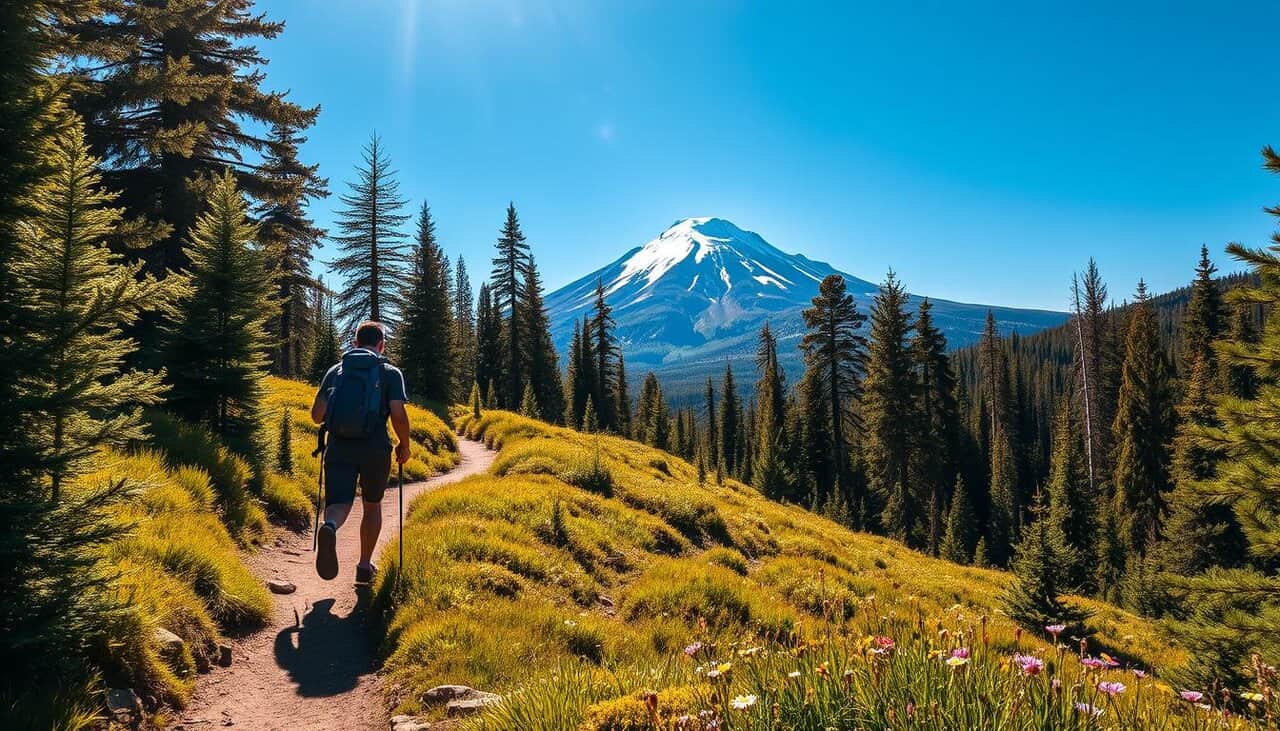
With over 93 million Americans hiking each year, the United States offers a diverse range of trails for every season.
I recall my last hiking trip in the national parks, where the weather patterns and crowd levels significantly impacted my experience.
The country’s varied landscapes mean that the best time for hiking depends on the region, elevation, and personal preferences.
Factors like wildlife activity and seasonal phenomena, such as fall colors or spring wildflowers, also play a crucial role in determining the optimal hiking time.
This guide will help you navigate the diverse trails across the country and make the most of your hiking experience.
Key Takeaways
- America’s diverse landscapes offer year-round hiking opportunities.
- The ideal hiking season varies by region and elevation.
- Weather patterns, crowd levels, and wildlife activity impact hiking experiences.
- National parks have unique microclimates and visitation patterns.
- Climate change is affecting traditional hiking seasons across the country.
Understanding Seasonal Hiking in the United States
With its broad diversity of terrain and climate, the US provides fantastic hiking opportunities every month of the year. As you plan your hiking adventures, it’s essential to understand how seasonal changes impact your experience on the trails.
The Diversity of American Landscapes and Climates
The United States is home to a wide range of landscapes and climates, from the tropical environments of Hawaii to the arid deserts of the Southwest, and from the temperate rainforests of the Pacific Northwest to the deciduous forests of the Northeast. This diversity means that hikers can experience different seasons and weather conditions depending on the region they are in.
| Region | Typical Climate | Best Hiking Season |
|---|---|---|
| Northeast | Cold winters, mild summers | Fall |
| Southwest | Hot deserts, mild winters | Spring, Fall |
| Pacific Northwest | Mild temperatures, high rainfall | Summer |
How Seasonal Changes Affect Hiking Experiences
Seasonal changes can dramatically alter the hiking experience. For instance, snow cover can make trails more challenging in the winter, while heat and humidity can make summer hikes feel more strenuous. Understanding these changes is crucial for planning and safety. As noted by experienced hikers, “The key to a successful hike is preparation, and that includes understanding the seasonal conditions of your trail.” You can find more information on preparing for hikes in different seasons on our page about the best time to visit national parks for.
Seasonal changes also affect the difficulty level of trails, with factors like mud, snow, or extreme heat making trails easier or more challenging. Being aware of these changes can help you choose the right trail for your skills and preferences.
Spring Hiking: Witnessing Nature’s Rebirth
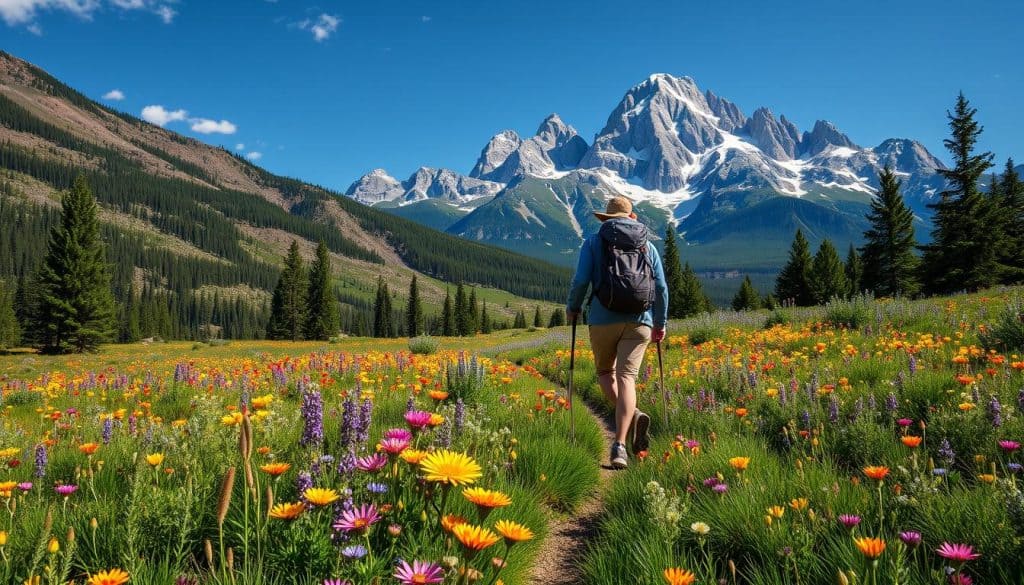
Spring is a season of renewal, and for hikers, it presents a unique opportunity to witness nature’s rebirth across America’s diverse landscapes. As the snow melts and flowers begin to bloom, the trails come alive with vibrant colors and renewed energy.
Best Spring Hiking Destinations
The United States offers numerous exceptional spring hiking destinations. Some of the top recommendations include theGreat Smoky Mountains National Park, known for its vibrant wildflowers, and thePacific Northwest, where the spring landscape is dotted with blooming trillium and ferns. In Wyoming, areas likeGrand Teton National Parkoffer trails with minimal elevation gain and spectacular scenery. By early May, most snow has melted, and the pre-summer season means fewer crowds.
Spring Hiking Challenges and Considerations
While spring hiking can be incredibly rewarding, it also comes with its challenges. The unpredictable nature of spring weather means hikers must be prepared for sudden rainstorms and temperature swings. Additionally, “mud season” can make trails difficult and potentially damaging. It’s essential to have the rightgear, includingwaterproof bootsandlayering systems, to navigate these conditions. Spring also brings increased wildlife activity, including bears emerging from hibernation, so hikers should be aware of their surroundings and take necessary safety precautions.
As you plan your spring hikes, consider the condition of the trails and the potential for high water levels or lingering snow at higher elevations. Late spring also brings the first wave of biting insects in many regions, requiring appropriate protection. With proper planning and gear, spring can be an ideal time to enjoy the great outdoors.
Summer Adventures: Peak Season on the Trails
The summer months bring a unique set of challenges and opportunities for hikers across the United States. As the days get longer and warmer, the trails become more accessible, but they also attract larger crowds.
Prime Summer Hiking Destinations
Some of the best summer hiking destinations in the USA include the mountainous regions of Colorado, Wyoming, and Montana. For example, you can explore the best hikes in US national parks, such as Glacier National Park or Yellowstone National Park. These areas offer numerous trails with breathtaking views and diverse wildlife.
Dealing with Heat, Crowds, and Afternoon Storms
Summer hiking requires careful planning to navigate the challenges of heat, crowds, and unpredictable weather. To beat the heat, consider starting your hike early in the morning or opting for trails at higher elevations, which tend to be cooler. Be prepared for crowds by choosing less popular trails or hiking on weekdays. Additionally, keep an eye on the weather forecast to avoid being caught in afternoon thunderstorms.
To make the most of your summer hiking experience, be sure to:
- Stay hydrated by bringing enough water for your hike.
- Wear appropriate clothing, such as lightweight, breathable fabrics.
- Plan your hike around the heat of the day, opting for early morning or late afternoon starts.
- Be aware of your surroundings, watching for signs of heat-related illnesses or other hazards like snakes and poison ivy.
By being prepared and flexible, you can enjoy the many rewards of summer hiking while minimizing its challenges.
Fall Hiking: Spectacular Colors and Comfortable Temperatures
Fall is a magical time for hiking, with comfortable temperatures and spectacular foliage. As the summer heat dissipates, the autumn season brings a palette of vibrant colors to the landscapes across the USA, making it an ideal time to hit the trails.
Top Fall Foliage Hiking Trails
The United States offers numerous breathtaking hiking trails that showcase the beauty of fall foliage. One of the most renowned destinations is the Great Smoky Mountains, where the diverse tree species create a kaleidoscope of colors. The Cliff Walk in Newport, Rhode Island, is another favorite, especially in September when the crowds have thinned out and the air is cooler.
Other notable mentions include the White Mountains in New Hampshire and the Blue Ridge Parkway in North Carolina and Virginia. These trails offer not only stunning views but also a range of hiking experiences suitable for various skill levels.
Why Autumn Offers Perfect Hiking Conditions
Autumn brings several advantages for hikers. The comfortable temperatures and reduced humidity make long hikes more enjoyable. The lower sun angle creates excellent lighting conditions for photography and reduces the risk of heat-related issues. Additionally, the clearer air improves visibility, making it ideal for summit hikes and scenic viewpoints.
Fall hiking also means fewer crowds at popular destinations, particularly after Labor Day and before the peak foliage season. Many regions experience a “second summer” in early fall, with warm days and cool nights creating perfect hiking weather. Furthermore, the fall season offers unique sensory experiences, including the sound of crunching leaves, the smell of autumn forests, and the taste of wild edibles like apples and berries.
Winter Hiking: Solitude in Snow-Covered Landscapes
Winter transforms the familiar landscapes into a serene and often solitary hiking experience. As the snow blankets the trails, the great outdoors takes on a new dimension, offering both challenges and rewards for those who venture out.
Winter Wonderland Hiking Destinations
The United States offers numerous breathtaking winter hiking destinations. For instance, the Beartooth Mountains in Montana are a must-visit in February. These snow-capped peaks straddling the Montana/Wyoming border offer a majestic landscape that is both challenging and awe-inspiring.
Other notable mentions include the snow-covered forests of the Pacific Northwest and the frozen lakes of the Northeast. Each region provides a unique winter hiking experience, shaped by its distinct climate and geography.
Safety Considerations and Special Equipment
Winter hiking demands a different set of skills and gear compared to other seasons. Essential equipment includes microspikes for traction, snowshoes for flotation, and a proper layering system to manage extreme temperatures. Navigation tools are also crucial, as snow can significantly alter trail conditions and landmarks.
It’s also important to be aware of the unique safety considerations of winter hiking, such as shorter daylight hours, avalanche risks, and the need for emergency preparedness. Understanding how to read winter trail conditions and being mindful of hydration and nutrition needs are equally vital.
As you gain experience, you’ll learn to adjust your hiking plans according to the snow conditions, sun exposure, wind patterns, and elevation changes. Starting with well-marked, lower-elevation trails and progressively building your skills will help you navigate more challenging winter adventures.
What is the Best Season for Hiking in USA? Regional Considerations
The best season for hiking in the USA varies significantly across different regions, each with its unique climate and geographical features. As a hiker, understanding these regional differences is key to planning a successful and enjoyable trip.
Northeast and Midwest
In the Northeast and Midwest, spring and fall are generally considered the best hiking seasons. During these periods, the weather is mild, and the crowds are smaller compared to the peak summer months. The fall season, in particular, offers spectacular foliage, making it a popular time for hiking.
Southeast and Gulf Coast
The Southeast and Gulf Coast regions have a more temperate climate, allowing for year-round hiking. However, the summer months can be quite hot and humid, with frequent afternoon thunderstorms. The cooler months from October to April are often preferred for hiking in these areas.
Southwest and Desert Regions
In the Southwest and desert regions, the best hiking season is typically from October to April, when temperatures are more moderate. For example, visiting Anza-Borrego Desert State Park in Southern California in November offers a unique hiking experience, with warm sand and clear desert skies. 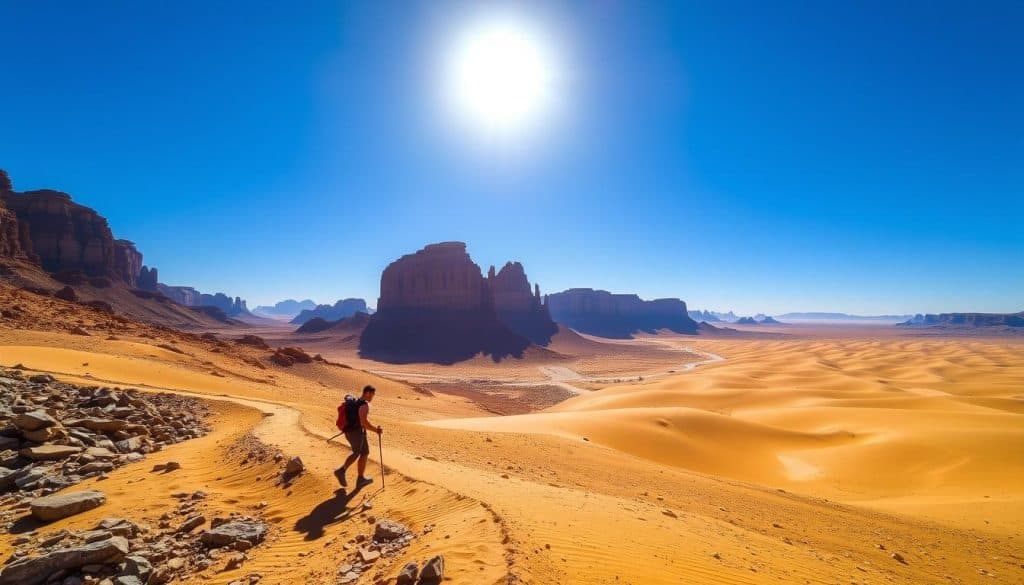
Northwest and Mountain States
The Northwest and Mountain States offer a diverse range of hiking experiences. At higher elevations, the hiking season is compressed due to snow cover, with many trails becoming accessible only in late June or July. The Pacific Northwest, however, provides year-round hiking opportunities at lower elevations, with rain being a more significant consideration than snow. Summer brings spectacular wildflower displays, while fall offers stable weather and beautiful color changes.
| Region | Best Hiking Season | Notable Features |
|---|---|---|
| Northeast and Midwest | Spring, Fall | Mild weather, fall foliage |
| Southeast and Gulf Coast | October to April | Cooler temperatures, fewer storms |
| Southwest and Desert | October to April | Moderate temperatures, unique landscapes |
| Northwest and Mountain States | Varies by elevation | Wildflowers, fall colors, snow-covered peaks |
National Parks by Season: When to Visit America’s Greatest Treasures
From the snow-covered landscapes of winter to the vibrant blooms of spring, national parks showcase the beauty of every season. As I explore these natural wonders, I’m struck by the unique experiences each time of year offers.
Spring National Park Highlights
Spring brings new life to the national parks, with wildflowers blooming in Great Smoky Mountains National Park and baby animals taking their first steps in Yellowstone. It’s a great time for hiking and wildlife viewing.
Summer National Park Highlights
Summer is peak season for national parks, with long days and warm weather ideal for camping, hiking, and exploring. Grand Canyon National Park and Yosemite National Park are particularly popular during this time.
Fall National Park Highlights
Autumn foliage transforms many national parks, such as Acadia National Park, into vibrant landscapes. The comfortable temperatures make it an ideal time for hiking and scenic drives.
Winter National Park Highlights
Winter brings a serene beauty to the national parks, with snow-covered landscapes and frozen waterfalls creating a magical atmosphere. Parks like Olympic National Park offer a range of winter activities, from snowshoeing to cross-country skiing.
Each season offers a unique perspective on America’s national parks. By planning your visit according to the season, you can experience the full range of what these incredible destinations have to offer.
Conclusion: Embracing Year-Round Hiking Opportunities
Hiking in the USA is a year-round adventure, with diverse landscapes and climates creating different experiences across seasons. Whether you’re chasing wildflower blooms in spring or enjoying the solitude of winter trails, each season offers unique opportunities. Experienced hikers plan their adventures around these seasonal specialties, exploring national parks and other scenic areas. By embracing the changing weather and temperature, you can discover new joys on familiar trails and deepen your connection with nature. This approach opens up a lifetime of diverse outdoor experiences.
FAQ
When is the ideal time to hike in the Great Smoky Mountains?
The ideal time to hike in the Great Smoky Mountains is during spring (March to May) and fall (September to November), when temperatures are mild and crowds are smaller compared to the peak summer months.
What gear should I bring for hiking in different seasons?
For spring and fall hikes, pack layers for changing temperatures, waterproof gear, and sturdy boots. In summer, bring sun protection, hydration, and lightweight clothing. For winter hikes, wear insulated, waterproof boots, and bring crampons and trekking poles if necessary.
Are there any hiking trails suitable for beginners in national parks?
Yes, many national parks offer trails suitable for beginners, such as the Allegheny National Forest in Pennsylvania or the Cuyahoga Valley National Park in Ohio. These parks have well-marked trails and relatively easy terrain.
How do I avoid crowds on popular hiking trails?
To avoid crowds, consider hiking during the shoulder season (April-May or September-October), or start your hike early in the morning. You can also explore lesser-known trails or visit national parks during the week instead of on weekends.
What are some safety considerations for winter hiking?
When hiking in winter, be prepared for changing weather conditions, and bring necessary gear such as crampons, trekking poles, and warm clothing. Always check the weather forecast and trail conditions before heading out, and let someone know your itinerary.
Can I hike in the desert regions during the summer?
While it’s possible to hike in desert regions during the summer, it’s not recommended due to the extreme heat. If you do decide to hike, start very early in the morning, bring plenty of water and sun protection, and be aware of the signs of heat exhaustion.