
Imagine embarking on a hike that pushes you to your limits, immersing you in breathtaking landscapes, and leaving you with unforgettable memories. With thousands of hiking trails across the globe, finding the one world renown trek can be daunting.
As an avid hiker, I’ve always been fascinated by the diversity of hiking experiences available. From the towering Himalayas to the rugged Patagonian wilderness, each trail offers a unique adventure and experience. But what makes one hike stand out from the rest?
In this article, we’ll explore the most spectacular trails worldwide, examining factors that elevate a hike from great to legendary. We’ll compare famous routes like Everest Base Camp with lesser-known gems, considering natural beauty, cultural significance, technical challenge, and accessibility to compile a list best hikes.
Key Takeaways
- Explore the world’s most breathtaking hiking trails
- Understand what makes a hike legendary
- Discover hidden gems and famous routes
- Learn about the factors that elevate a hiking experience
- Get ready for your next adventure
The Quest for the Ultimate Hiking Experience
Embarking on a journey to discover the world’s most extraordinary hiking trails is a thrilling adventure in itself. As photographer Ansel Adams once said, “The world is incomprehensibly beautiful – an endless prospect of magic and wonder.” With diverse landscapes to explore across the globe, from the Himalayas in Nepal to the red dunes of Namibia, and from Costa Rica’s rainforests to Iceland’s glaciers, choosing the right trail can be overwhelming.
The diversity of hiking trails around the world offers something for every kind of adventurer. To help navigate this vast array of options, we’ve developed a comprehensive evaluation methodology.
How We Evaluated the World’s Greatest Hikes
Our evaluation combines objective criteria with subjective experiences from seasoned hikers and local guides. We’ve analyzed factors such as elevation gain, technical difficulty, trail conditions, accessibility, and required permits to provide a balanced view of each hiking experience.
- Assessing the trail’s unique features, such as dramatic elevation changes or diverse ecosystems.
- Considering both famous bucket-list trails and hidden gems.
- Evaluating the cultural or historical significance of each trail.
What Makes a Hike Truly Exceptional
What elevates a hiking trail from good to truly exceptional? Often, it’s the combination of dramatic natural landscapes and cultural significance, creating a multi-dimensional experience. Unique features like diverse ecosystems within a single trek or cultural landmarks that can’t be experienced elsewhere also play a significant role.
| Feature | Description | Impact on Hiking Experience |
|---|---|---|
| Dramatic Landscapes | Breathtaking natural beauty | Enhances the overall experience |
| Cultural Significance | Historical or cultural importance | Adds depth to the journey |
| Diverse Ecosystems | Variety of flora and fauna | Increases the trail’s appeal |
“The journey of a thousand miles begins with a single step.” This timeless wisdom reminds us that every great adventure, including a hike, starts with a decision to take that first step into the unknown.
As we continue our exploration of the world’s greatest hikes, we’ll delve into the specifics of what makes each trail unique and worth experiencing.
Legendary Hikes of Asia
The allure of Asia’s mountains has captivated hikers for centuries, with trails that range from the challenging Everest Base Camp trek to the serene paths of Japan’s Kumano Kodo. Asia offers a diverse range of hiking experiences that combine breathtaking natural beauty with deep cultural immersion.
Everest Base Camp Trek, Nepal
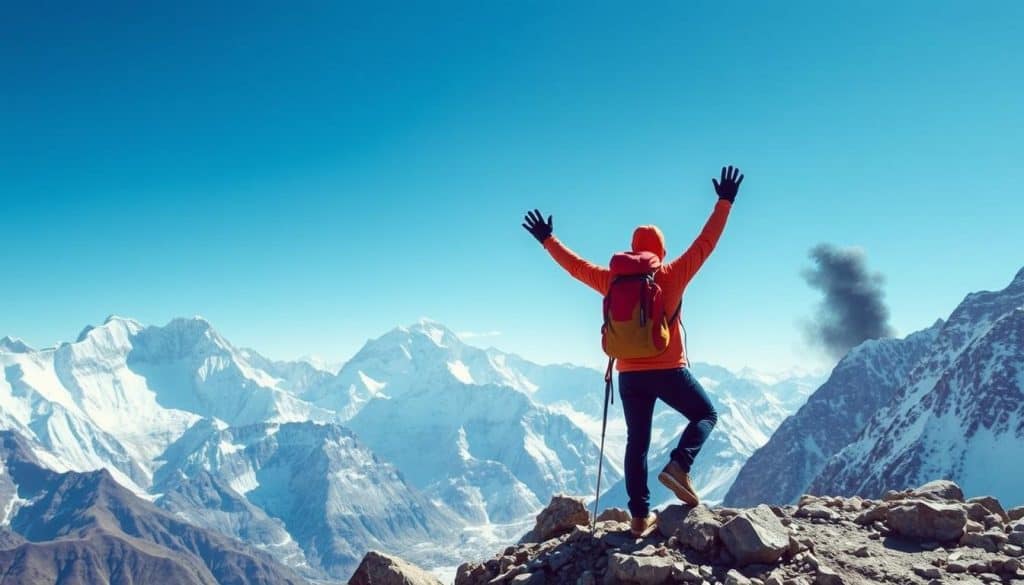
The Everest Base Camp trek is one of the most iconic hikes in the world, taking you through the Khumbu region in Nepal. You’ll begin in Lukla and trek through rhododendron forests, high-altitude pastures, and glaciers on your quest to reach Everest Base Camp (5,380m). On the way back, you’ll climb to the summit of Kala Patthar (5,550m), a challenging trekking peak, for breathtaking views of the Himalayas. For more information on trekking trails to Everest, visit Himalayan Glacier.
Annapurna Sanctuary Trek, Nepal
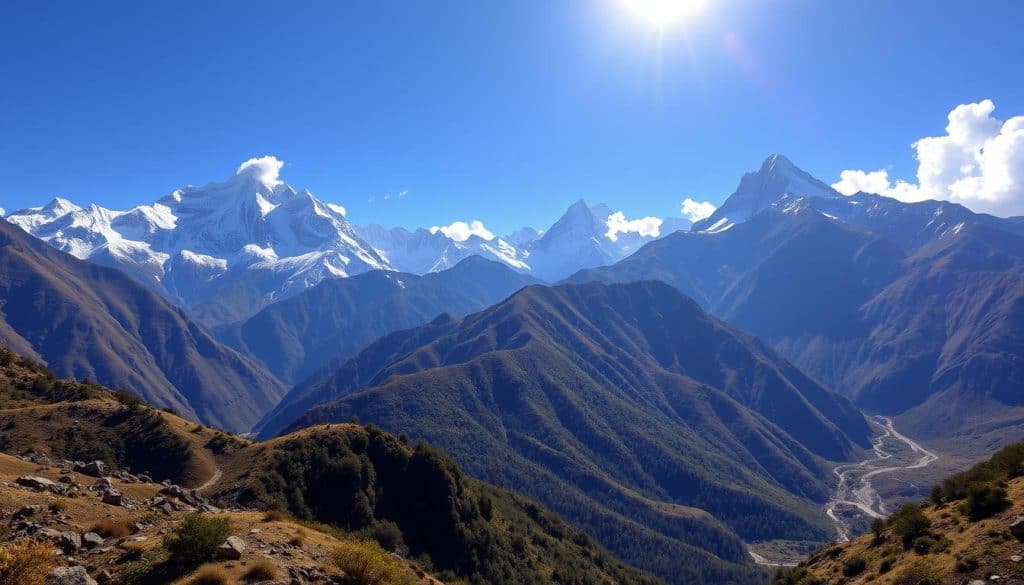
The Annapurna Sanctuary Trek provides a more accessible yet equally spectacular Himalayan experience. The trek takes you through a natural sanctuary surrounded by an amphitheater of 8,000m+ peaks, creating a truly unique hiking experience. You’ll trek through lush forests and traditional villages, immersing yourself in the local culture and natural beauty.
The Markha Valley Trek, India
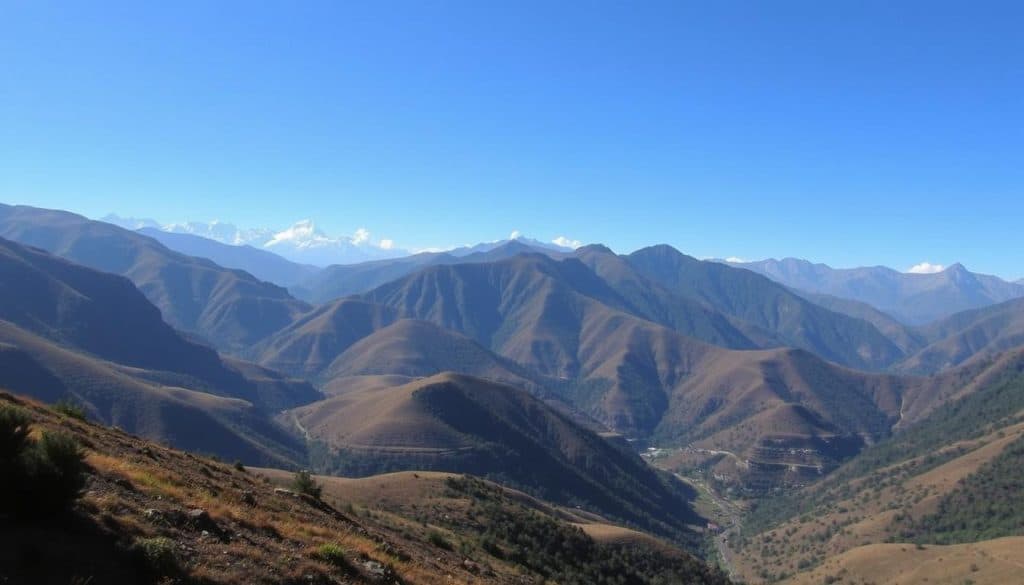
India’s Markha Valley Trek offers a unique high-altitude desert experience. The trek combines dramatic mountain landscapes with cultural immersion in traditional Ladakhi villages and ancient Buddhist monasteries. You’ll traverse challenging terrain, but the scenic beauty and cultural richness make it a rewarding experience.
The Jordan Trail, Jordan
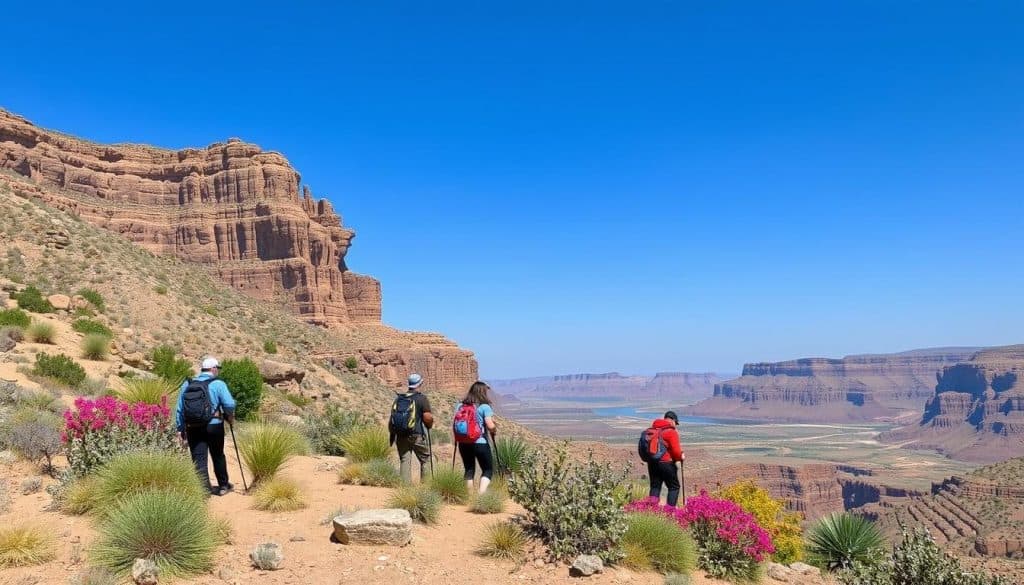
The Jordan Trail represents one of Asia’s most ambitious long-distance hiking routes, spanning 675km. The trail traverses diverse landscapes, from the Mediterranean-like forests of the north to the iconic red sands of Wadi Rum. This trek offers a unique blend of natural beauty and historical significance.
The Kumano Kodo, Japan
Japan’s ancient Kumano Kodo pilgrimage routes provide a distinct Asian hiking experience. The trails blend centuries of spiritual history with misty forests, mountain passes, and traditional villages. This trek is not just about hiking; it’s a journey through Japan’s rich cultural heritage.
What makes Asian treks particularly special is their combination of extreme natural beauty with deep cultural experiences. Hikers can engage with ancient traditions and ways of life that have remained relatively unchanged for centuries. Moreover, water management becomes crucial on many Asian treks, particularly in high-altitude environments where proper hydration can make the difference between success and altitude sickness.
Breathtaking Trails of South America
From the majestic Andes mountain range to the lush Amazon rainforest, South America’s diverse landscapes create a hiker’s paradise. The continent is home to some of the world’s most spectacular and historically significant trails, offering hikers a unique blend of natural beauty and cultural heritage.
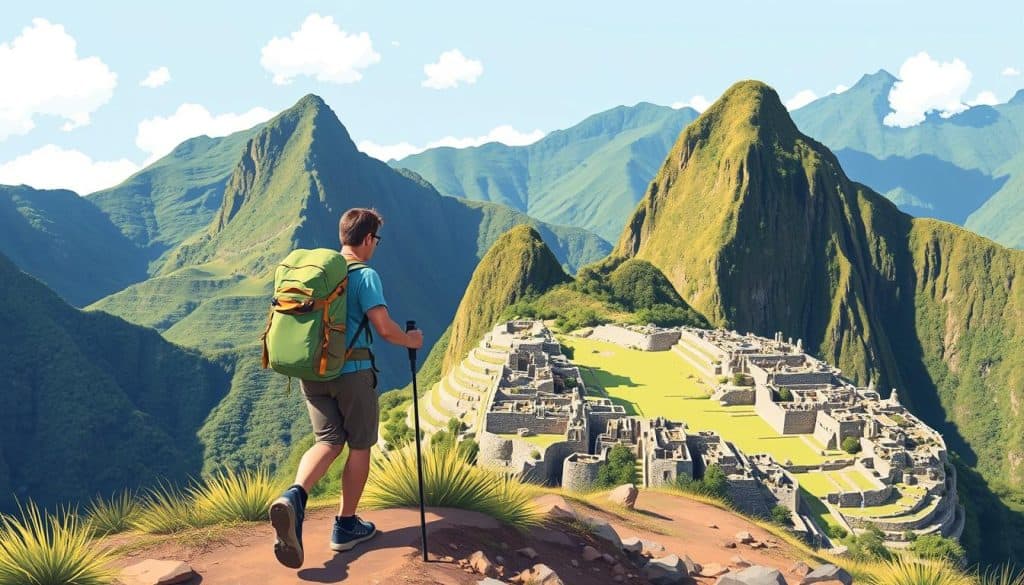
The Inca Trail to Machu Picchu, Peru
The Inca Trail is South America’s most famous hike, a four-day journey through atmospheric Cloud Forest, high passes, and history. Intriguing ruins of the ancient civilization of the Incas dot the trail, where you can walk amongst the relics of an ancient world. For many, the highlight will always be arriving at the Sun Gate, the fantastic finale and the moment you first see iconic Machu Picchu spread out beneath you.
The classic 4-day Inca Trail combines ancient history with natural beauty, taking hikers through cloud forests, high mountain passes, and numerous Incan ruins before the breathtaking reveal of Machu Picchu through the Sun Gate. This trek is not just a hike; it’s an immersive experience into the history and culture of the Incas.
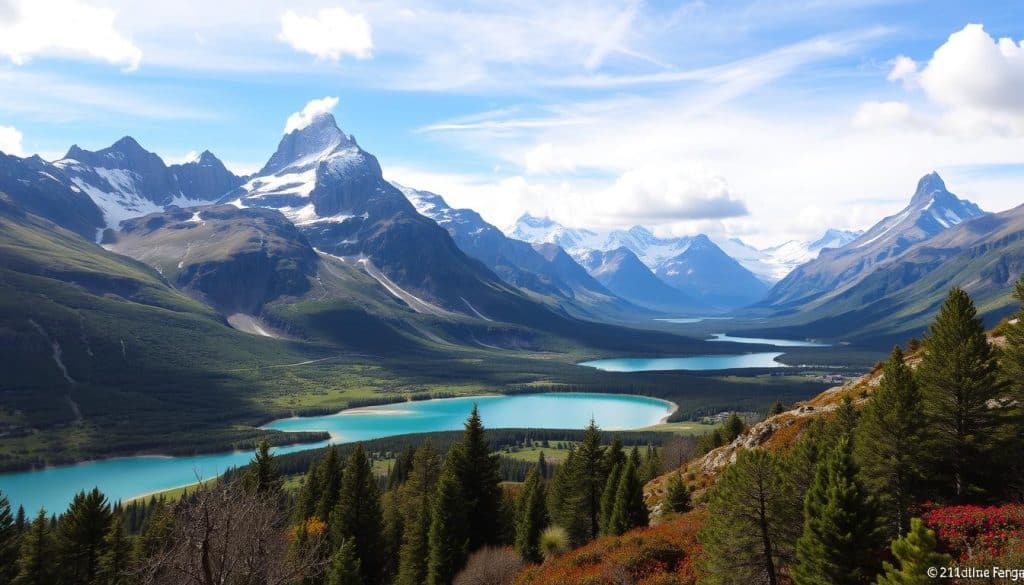
Torres del Paine W-Trek, Chile
Chile’s Torres del Paine W-Trek represents the quintessential Patagonian experience, with its dramatic granite spires, turquoise lakes, massive glaciers, and notoriously unpredictable weather creating a wild, untamed hiking environment. This trek is a challenging yet rewarding experience, offering breathtaking views of the mountain range and the surrounding landscape.
The W-Trek is a route that takes you through some of the most spectacular landscapes on Earth, from the towers of Paine to the Grey Glacier. It’s a day hike that feels like a journey through a different world, with its unique flora and fauna.
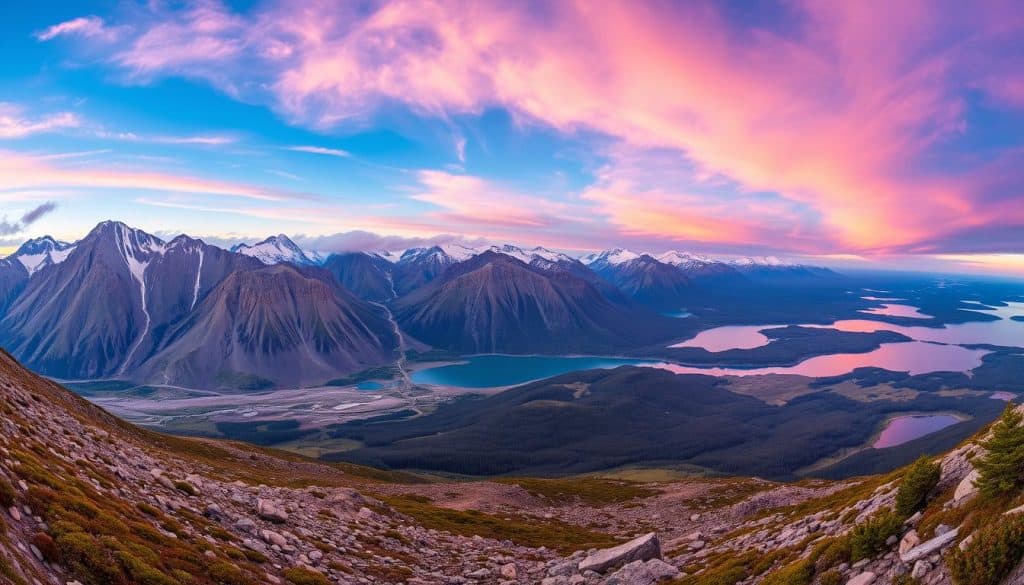
The Greater Patagonian Trail
The lesser-known but incredibly ambitious Greater Patagonian Trail stretches nearly 1,900 miles through Chile and Argentina, representing one of the world’s newest and most challenging long-distance hiking trail routes. This trek is for the truly adventurous, offering a diverse range of landscapes and experiences.
South America’s trails are particularly special because they combine natural wonders with pre-Columbian history, allowing hikers to walk ancient pathways that have been used for centuries. The diversity within relatively short distances is exceptional, from high-altitude Andean passes to lush cloud forests and arid plateaus, all potentially experienced within a single trek.
Epic European Adventures
From the Alps to the Mediterranean, Europe’s hiking trails offer a unique blend of natural beauty, cultural richness, and adventure. Whether you’re a seasoned hiker or just starting out, the continent’s diverse landscapes and well-developed trails provide something for everyone.
Tour du Mont Blanc, France/Italy/Switzerland
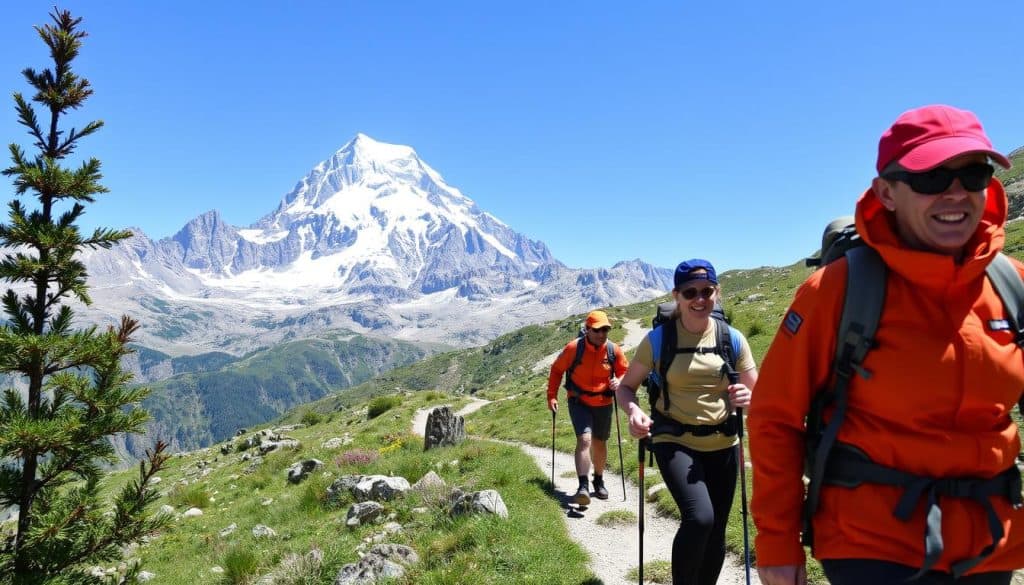
The Tour du Mont Blanc is a 105-mile loop around the highest peak in the Alps, offering breathtaking views of glaciers, alpine meadows, and picturesque villages. Over the course of the trek, you’ll gain around 10,600 meters as you hike through France, Italy, and Switzerland.
The GR20, Corsica
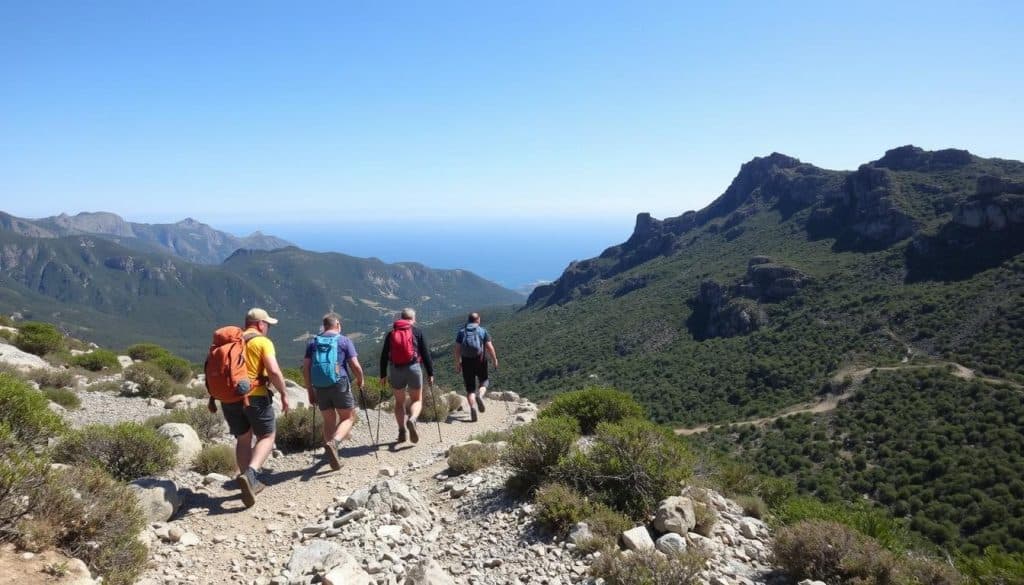
Corsica’s GR20 is renowned for its challenging terrain and stunning mountain scenery. This trek is not for the faint of heart, with significant elevation gain and technical sections that require scrambling skills.
The Dolomites’ Alta Via II, Italy
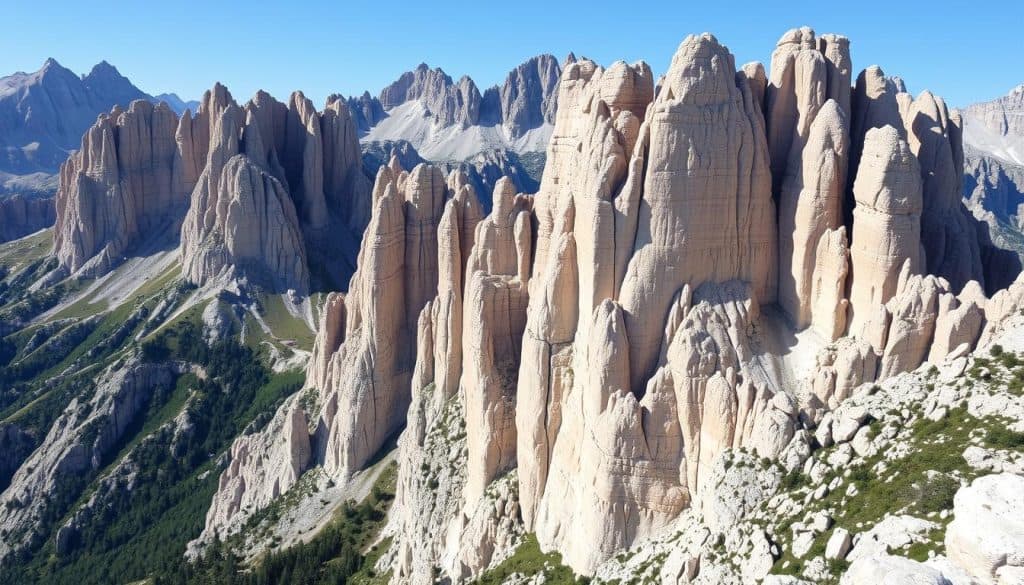
The Dolomites’ Alta Via II showcases some of Europe’s most distinctive mountain scenery. The region’s unique limestone formations create a landscape unlike anything else on the continent, making this trek a must for any serious hiker.
The Walker’s Haute Route, France & Switzerland
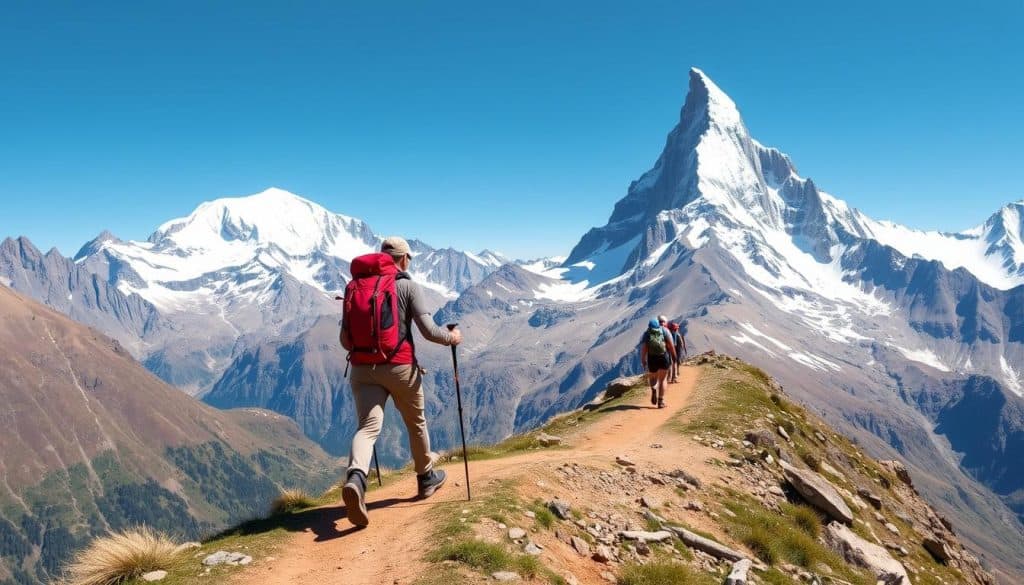
The Walker’s Haute Route represents the ultimate Alpine traverse, connecting two of Europe’s most iconic mountains through a challenging high-level route. This trek offers breathtaking views of glaciers and mountain peaks.
Tatranská Magistrala, Slovakia
Slovakia’s Tatranská Magistrala offers a glimpse into Eastern Europe’s only true alpine environment. This trek provides a less crowded alternative to the more famous Western European trails, with stunning views of the Tatra Mountains.
What makes European hiking particularly special is the blend of natural beauty with cultural experiences. From staying in historic mountain refuges to passing through villages with centuries of Alpine tradition, every step of the journey is filled with discovery and wonder.
African Mountain Challenges
The African continent boasts some of the most impressive and challenging mountain hikes globally, attracting adventurers from around the world. Africa offers some of the world’s most iconic mountain challenges, with Mount Kilimanjaro standing as the continent’s highest peak and one of the most accessible of the Seven Summits.
Mount Kilimanjaro (Machame Route), Tanzania
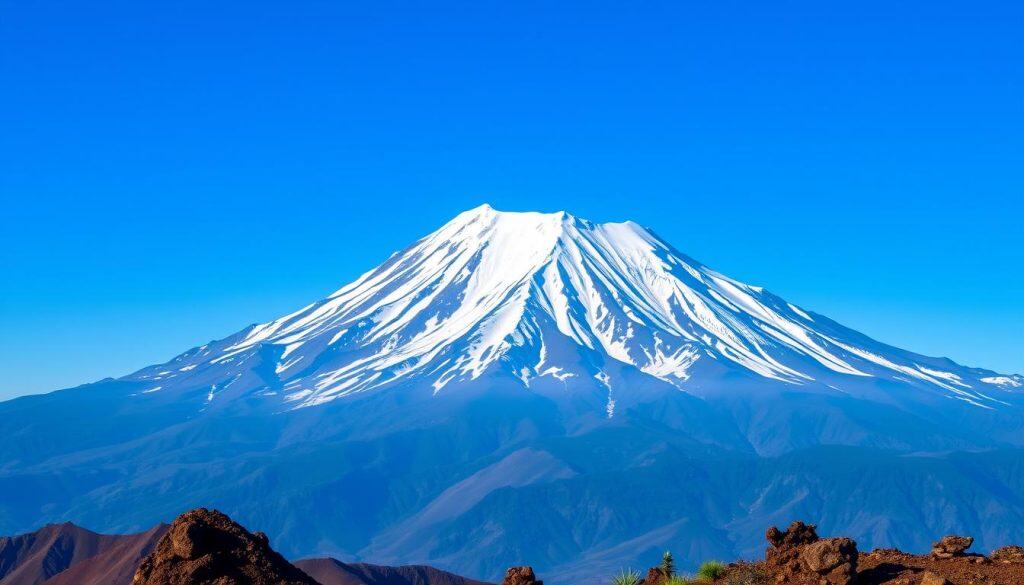
At 5,895 metres, Mount Kilimanjaro is Africa’s highest mountain, and can be climbed without prior mountaineering knowledge. The Machame Route, known as the “Whiskey Route,” is a harder trek than the Marangu Trail, or “Coca-Cola route.” On this route, you’ll trek through rainforest, cross volcanic rock, climb over Barranco Wall, and camp at Barafu Base Camp before the summit push.
The view from the top – and the sense of achievement – is unbeatable. The Machame Route provides the perfect balance of challenge and success rate, taking hikers through five distinct ecological zones from rainforest to arctic-like conditions at the summit. Summit day typically begins in darkness, with hikers setting out around midnight to reach the top at sunrise.
Mount Toubkal, Morocco
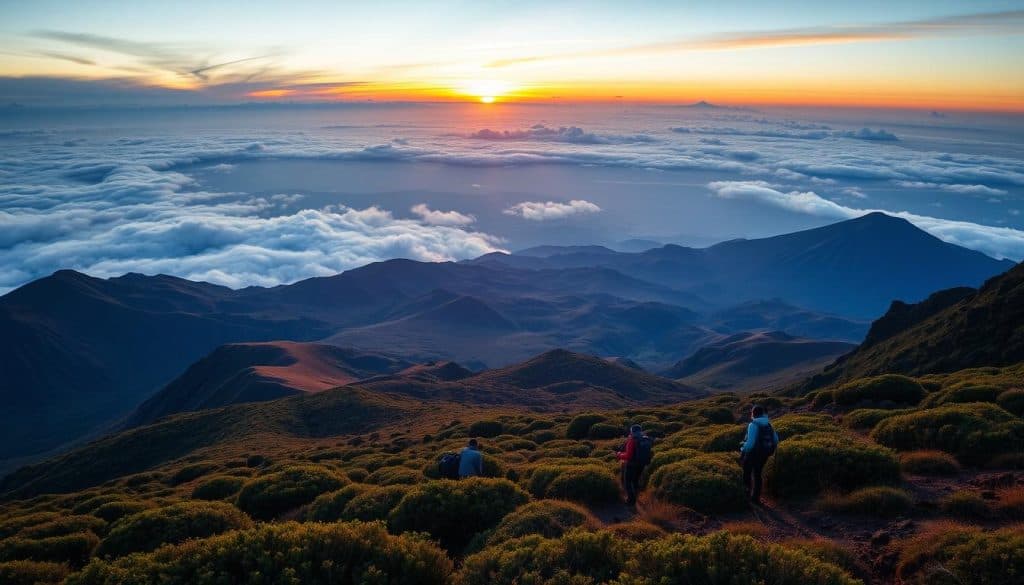
Mount Toubkal, located in Morocco’s Atlas Mountains, offers an excellent introduction to high-altitude hiking. Its 4,167m summit is accessible to fit hikers without technical mountaineering skills. The mountain provides a great hike for those looking to experience high-altitude trekking.
The Drakensberg Grand Traverse, South Africa
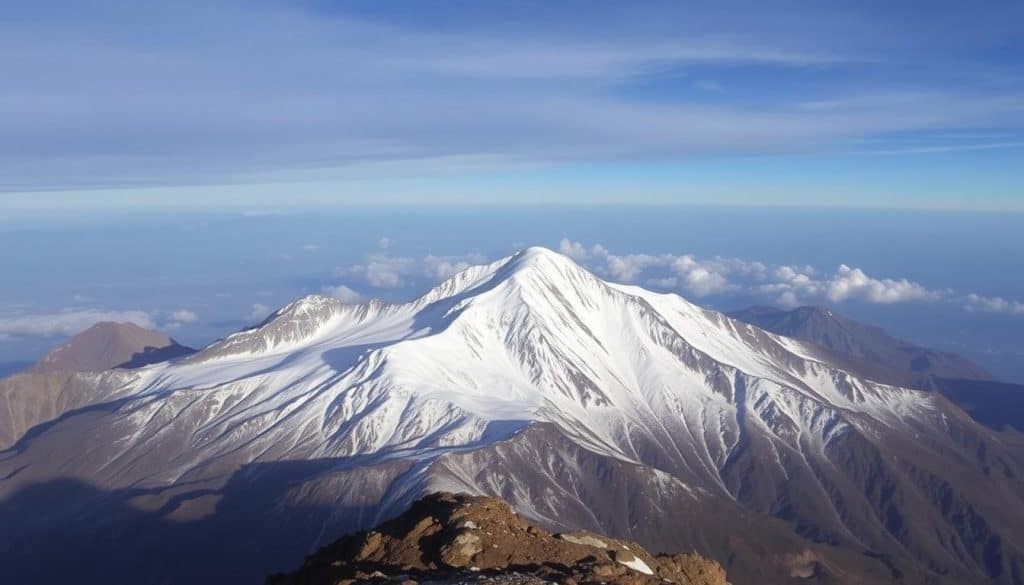
The Drakensberg Grand Traverse represents one of Africa’s most challenging long-distance treks, with 34 ridgelines and a cumulative elevation gain exceeding that of Mount Everest. This trek is a true test of endurance and offers breathtaking views, making it a must for serious hikers. A guide is recommended for this challenging hike.
Mount Kenya via Chogoria, Kenya
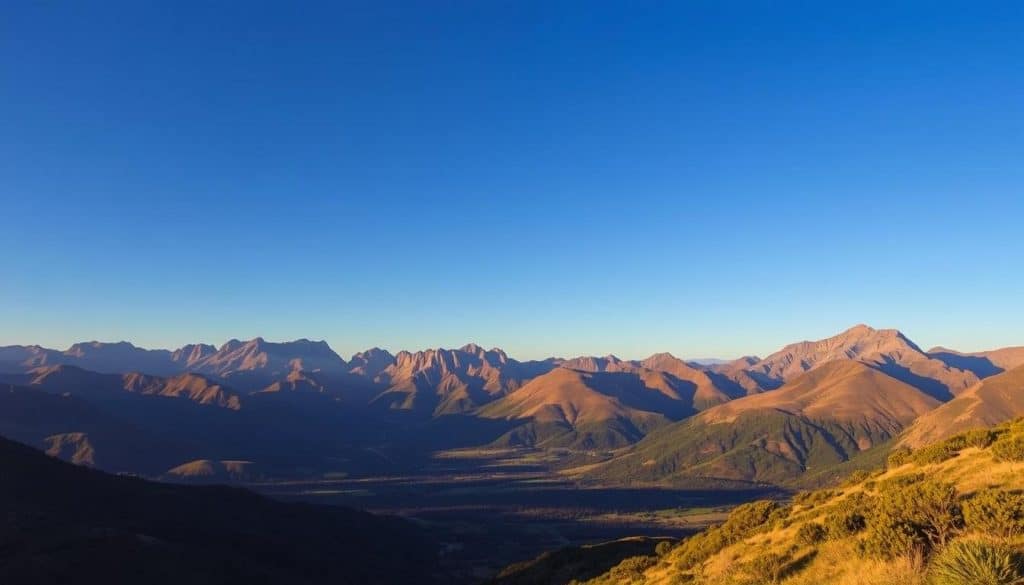
Mount Kenya, Africa’s second-highest mountain, offers a more technical challenge than Kilimanjaro. The Chogoria route provides dramatic scenery and a true wilderness experience. Climbers can expect a challenging day on the mountain as they ascend to the summit. A guide is essential for navigating this route.
North American Wilderness Treks
For those who crave the great outdoors, North America’s wilderness treks are unbeatable. The continent offers a diverse range of hiking experiences, from the epic 2,650-mile Pacific Crest Trail to shorter but equally spectacular routes through national parks and protected lands.
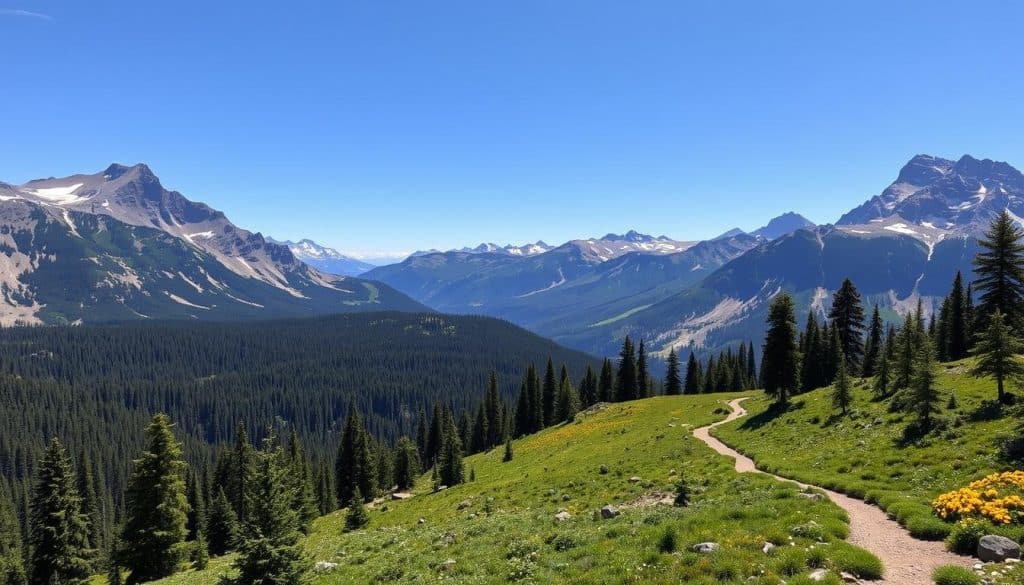
Pacific Crest Trail, USA
The Pacific Crest Trail represents the ultimate North American thru-hiking challenge, traversing the entire west coast from Mexico to Canada through some of the continent’s most spectacular mountain ranges and ecosystems. This 2,650-mile journey is not for the faint of heart, but the rewards are immense, with breathtaking views and diverse wildlife.
Chilkoot Trail, Alaska
Alaska’s historic Chilkoot Trail combines natural beauty with gold rush history, following the footsteps of prospectors who struggled over the “golden stairs” in pursuit of Klondike riches. To hike this trail, you’ll need to obtain a Chilkoot Trail permit, which helps manage the trail’s fragile environment.
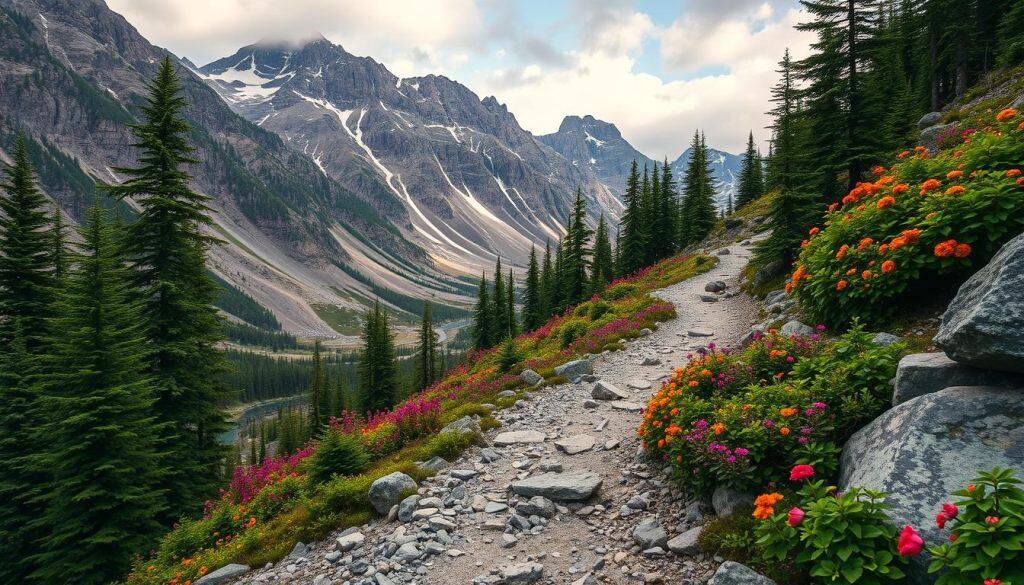
Backbone Trail, California
California’s Backbone Trail provides a surprising wilderness experience within sight of Los Angeles, traversing the Santa Monica Mountains with dramatic ocean views and Mediterranean ecosystems. The trail zigs and zags across the mountains, offering a unique hiking experience. For a guided tour, consider hiring a guide through the Santa Monica Mountains Trails Council.
North America’s vast network of protected public lands, including national parks, national forests, and wilderness areas, preserves millions of acres for recreational use. This makes it an ideal destination for hikers and adventurers. Water management becomes crucial on many North American trails, particularly in arid western regions where reliable sources may be many miles apart.
The continent offers exceptional diversity of hiking experiences, from desert canyons with dramatic rock formations to alpine meadows, ancient forests, and coastal trails – often with well-maintained infrastructure and clear waymarking.
Oceania’s Natural Wonders
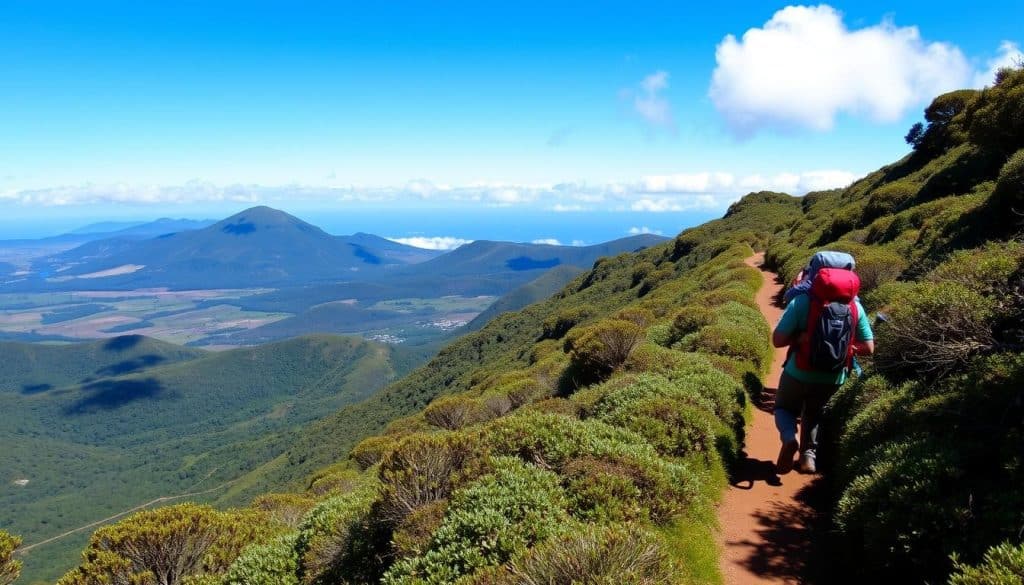
Oceania’s varied landscapes make it an ideal destination for hikers from around the globe. New Zealand, in particular, is renowned for its well-maintained trails and diverse natural beauty.
Rakiura Track, New Zealand
The Rakiura Track on Stewart Island is one of New Zealand’s ten Great Walks and a true gem. This 3-day hike takes you through a variety of landscapes, including isolated beaches, bays, and forests of towering rimu trees.
You can choose from multiple huts and campsites, ranging from $5 to $60 per night. The track is well-maintained, with efforts made to prevent mud bogs from forming.
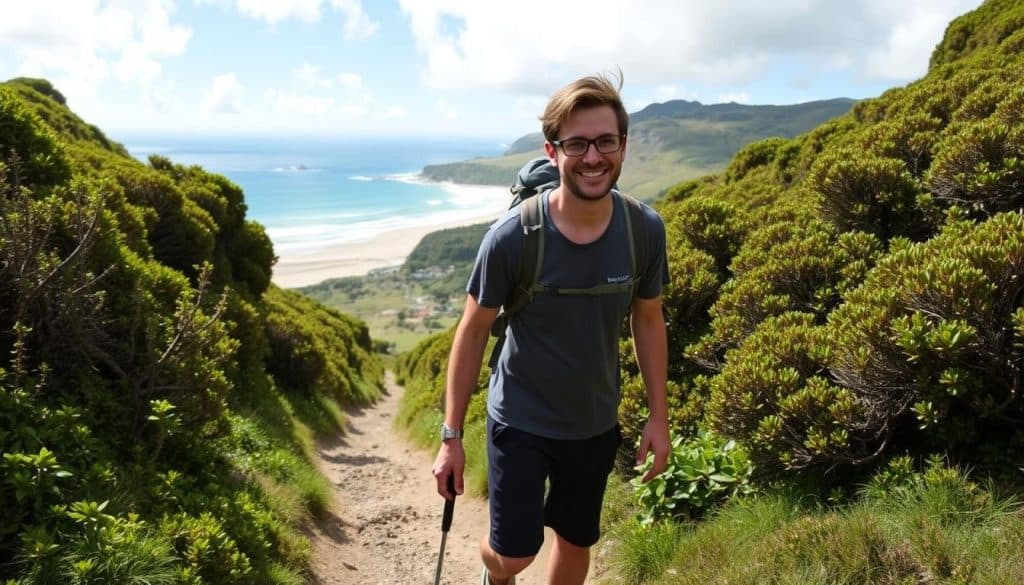
Mount Aspiring Heli-Hike, New Zealand
For a more adventurous experience, consider the Mount Aspiring Heli-Hike. This unique hiking experience combines helicopter transportation with hike to reach remote alpine environments.
You’ll be treated to breathtaking views of glaciers, mountains, and valleys. The abundance of water in New Zealand creates numerous streams, rivers, and lakes along the way.
Both of these experiences showcase the natural beauty of New Zealand’s national park system. With its diverse landscapes and well-maintained trails, Oceania is a paradise for hikers.
Whether you’re looking for a leisurely day hike or a multi-day trek, there’s something for everyone.
Middle Eastern Desert Journeys
The Middle East offers some of the world’s most unique desert hiking experiences, combining dramatic landscapes with ancient history and traditional Bedouin culture. As you embark on these adventures, you’ll traverse vast expanses of sand dunes, navigate through canyons, and witness breathtaking rock formations.
One of the most compelling aspects of desert hiking in this region is the opportunity to experience the rich cultural heritage of the Bedouin communities. Your journey will be defined by the warmth of the desert hospitality and the tranquility of the star-filled night skies.
Petra & Wadi Rum Trek, Jordan

The Petra & Wadi Rum Trek in Jordan is an unforgettable hiking experience that takes you through the heart of the desert. Over eight days, you’ll trek across the stunning landscapes of Wadi Rum, surrounded by towering rock formations and vast expanses of sand dunes. As you make your way towards the ancient city of Petra, you’ll camp under the stars, enjoying the warmth of Bedouin hospitality.
This adventure is not just about the breathtaking natural beauty; it’s also a journey through history and culture. You’ll experience the traditional Bedouin way of life and witness the majestic rock formations that have been shaped by millennia of wind and water erosion.
The Sinai Trail, Egypt
The Sinai Trail represents one of the most ambitious new hiking routes in the region, spanning 340 miles through the desert landscapes of the Sinai Peninsula. This epic trek takes you through territories managed by eight different Bedouin tribes, offering a unique cultural experience.
As you hike through the Sinai, you’ll encounter dramatic landscapes, from rugged mountains to vast desert expanses. The journey is not just about the physical challenge; it’s also an opportunity to engage with the local Bedouin communities and learn about their traditions and way of life.
What is the #1 Hike in the World? The Ultimate Ranking
From the towering peaks of the Himalayas to the dramatic landscapes of Patagonia, one hike stands supreme. After exploring the world’s most spectacular trails across every continent, we’ve narrowed down our contenders for the title of #1 hike in the world based on scenic beauty, cultural significance, physical challenge, and overall experience.
Top 5 Contenders for the World’s Greatest Hike
The competition is fierce, with numerous treks that could be considered the best. Here are our top 5 contenders:
- The Inca Trail to Machu Picchu, offering a mix of ancient history and dramatic Andean landscapes.
- The Everest Base Camp Trek, providing unparalleled views of the world’s highest mountains and immersion in Sherpa culture.
- The Tour du Mont Blanc, representing Europe’s strongest candidate with challenging hiking and spectacular Alpine scenery.
- Torres del Paine’s W-Trek, showcasing Patagonia’s dramatic landscapes in a relatively accessible format.
- Other notable mentions that, while not in the top spot, offer unique experiences and breathtaking views.
| Hike | Location | Distance | Duration |
|---|---|---|---|
| Inca Trail | Peru | 26 miles | 4 days |
| Everest Base Camp Trek | Nepal | 39 miles | 12-14 days |
| Tour du Mont Blanc | France/Italy/Switzerland | 103 miles | 7-10 days |
| Torres del Paine W-Trek | Chile | 46 miles | 4-5 days |
The Crowning Achievement: Our #1 Pick
After careful consideration, we believe the Everest Base Camp Trek deserves recognition as the #1 hike in the world. It offers the most profound combination of natural grandeur, cultural richness, physical challenge, and spiritual significance. As one hiker noted,
“The journey to Everest Base Camp is more than just a hike; it’s a pilgrimage that changes your perspective on mountains and potentially on life itself.”
The Everest Base Camp Trek is not just about reaching a destination; it’s about the experience. It provides unparalleled views of the world’s highest mountains and an immersion in Sherpa culture that’s hard to find elsewhere. While the “best” trek is subjective, this journey represents the quintessential hiking experience.
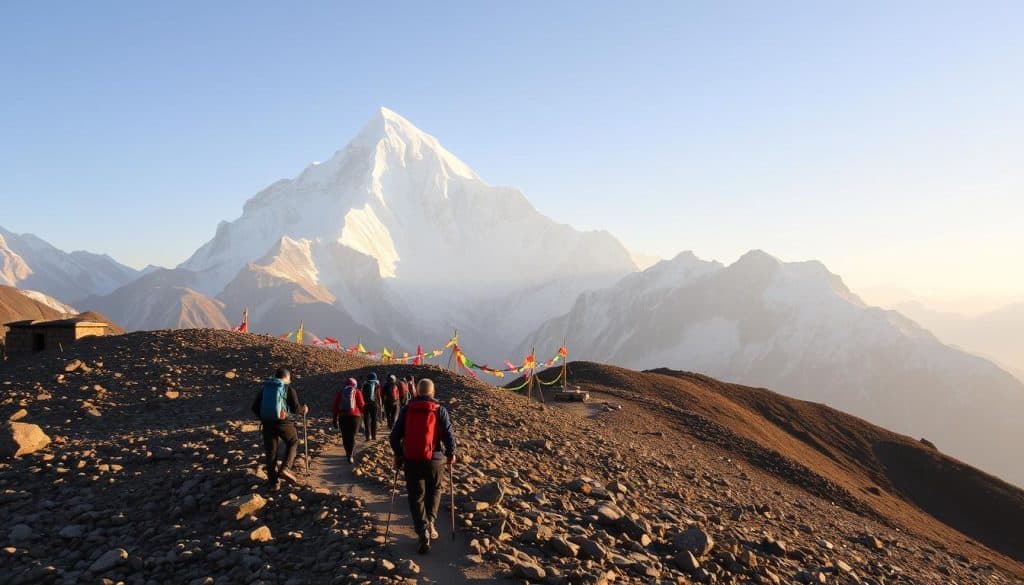
Factors That Elevate a Great Hike to Legendary Status
A hike becomes legendary when it offers a unique blend of natural beauty, cultural significance, and challenge that resonates with hikers. What transforms a great hiking trail into a truly legendary experience involves a complex interplay of factors that create lasting impressions and life-changing moments on the trail.
Diverse Landscapes and Natural Beauty
Natural beauty stands as perhaps the most fundamental element, with the most legendary hikes featuring dramatic mountain peaks, pristine lakes, unique geological formations, or ecosystems that can’t be experienced elsewhere. The diversity of landscapes within a single trek significantly enhances the hiking experience, creating a journey through changing worlds.

Cultural Significance and Historical Context
Cultural significance adds profound depth to a hiking experience, whether following ancient pilgrimage routes, trade paths used for centuries, or trails that connect to indigenous histories and living traditions. Historical context creates emotional resonance on trails that follow in the footsteps of explorers, mountaineers, or ancient civilizations.
Technical Challenge and Accessibility
The ideal balance of technical challenge varies by hiker, but legendary status often requires some degree of difficulty that creates a sense of achievement without being unnecessarily dangerous or exclusive. For instance, exploring the world’s top national parks can offer a mix of challenge and accessibility. You can find more about these incredible destinations on top national parks.
| Factor | Description | Impact on Hike |
|---|---|---|
| Natural Beauty | Dramatic landscapes and unique ecosystems | Creates lasting impressions |
| Cultural Significance | Ancient routes and historical contexts | Adds depth and emotional resonance |
| Technical Challenge | Balanced difficulty level | Sense of achievement |
Preparing for World-Class Treks
The journey to a world-class trek begins long before you hit the trail, with months of preparation and planning. As you prepare for your adventure, you’ll need to consider several key factors to ensure a successful journey.
Essential Gear for International Hiking
When it comes to international hiking, having the right gear is crucial. You’ll need high-quality layering systems for variable weather, proper footwear with adequate break-in time, and reliable water purification systems. Make sure to research the specific gear requirements for your destination.
- Layering systems for variable weather
- Proper footwear with adequate break-in time
- Reliable water purification systems
Physical Training and Mental Preparation
Physical training should begin at least 3-6 months before your trek, focusing on cardiovascular endurance, leg strength, and hiking with a loaded pack on varied terrain. Mental preparation is equally important, developing resilience for difficult days and patience for unexpected delays.
Permits, Guides, and Logistical Considerations
Many premier hiking destinations require permits secured months in advance. Consider hiring a guide to enhance your experience, especially if local regulations require it. Logistical considerations include transportation to remote trailheads and emergency evacuation plans. For more information on planning your trip, check out the best time to visit national parks for.
When to Hike: Optimal Seasons for the World’s Best Trails
Planning a world-class hiking adventure requires careful consideration of the timing to ensure optimal conditions. The timing of your hike can significantly impact your experience, with factors such as weather, crowd levels, and natural phenomena playing a crucial role.
Northern Hemisphere Hiking Calendar
In the Northern Hemisphere, the prime hiking season generally spans from June through September. However, specific conditions vary by location, altitude, and latitude. For instance, European Alpine trails like the Tour du Mont Blanc and Haute Route are at their best from mid-July to mid-September when mountain passes are snow-free and huts are operational.
- Pre-monsoon (April-May) is ideal for Himalayan treks, offering clearer mountain views and flowering rhododendron forests.
- Post-monsoon (October-November) provides more stable weather for Himalayan treks, though conditions are colder.
Southern Hemisphere Hiking Calendar
The Southern Hemisphere offers a different hiking calendar, with premier destinations like Patagonia and New Zealand experiencing their best conditions during the northern winter, from December through March. This makes them ideal for northern hikers looking to extend their hiking season.
- Consider the shoulder seasons for a balance of good weather, fewer crowds, and lower prices.
- Be aware that shoulder seasons come with increased weather uncertainty.
When planning your hike or trek, make sure to research the specific conditions for your destination and consider factors like water availability, especially in desert regions. Timing is crucial, and being prepared will ensure a successful and enjoyable hiking experience.
Emerging Hiking Destinations Worth Watching
While iconic hikes will always be popular, there’s a growing interest in exploring new hiking destinations. As the hiking world continues to expand, trails in previously inaccessible regions are now opening up to adventurers.
The Trans-Bhutan Trail
The Trans-Bhutan Trail is a 250-mile hiking route that has been revitalized after falling into disuse in the 1950s. This historic trail offers a unique cultural experience, allowing hikers to traverse the Himalayan kingdom on foot. You can expect to share hearty meals like ema datshi, a stew of cheese and chilies, with the welcoming locals. The trail passes through sweeping valleys, cramped passes, and into villages, providing a deep dive into Bhutan’s distinct culture and unspoiled natural beauty.
The Transcaucasian Trail
The ambitious Transcaucasian Trail aims to connect over 1,800 miles of hiking routes through the Greater and Lesser Caucasus Mountains. Spanning across Georgia, Armenia, and Azerbaijan, this trail promises breathtaking landscapes and cultural experiences that are rarely encountered by international hikers. The development of this trail is focused on sustainable tourism, designed to benefit remote communities while preserving the natural and cultural heritage of the region.
Conclusion: The Journey Beyond the Destination
As we reflect on the most incredible hiking adventures globally, it’s evident that the spirit of hiking is about embracing the journey, with all its challenges and rewards. The most profound hiking experiences transform us not just through the destinations they reach, but through the journey itself – the challenges overcome, perspectives gained, and connections formed along the way.
While we’ve identified the Everest Base Camp Trek as our choice for the world’s greatest hike, we acknowledge that the “best” trek is ultimately the one that resonates most deeply with your personal interests, abilities, and aspirations. The world’s premier hiking experiences often share common elements – they challenge us physically and mentally, connect us with natural and cultural heritage, and provide perspectives impossible to gain through any other form of travel.
The growing global network of long-distance trails provides endless opportunities for exploration and discovery in our one world, inspiring the next generation of hikers to experience these transformative journeys for themselves.
FAQ
What makes a hike truly exceptional?
A hike is considered exceptional due to its unique combination of natural beauty, cultural significance, and technical challenge. Factors such as diverse landscapes, historical context, and accessibility also play a crucial role.
How do I prepare for a world-class trek like the Everest Base Camp or Inca Trail?
To prepare, focus on building your physical endurance through training, and mentally prepare yourself for the challenges you’ll face. Ensure you have the essential gear, and research the necessary permits, guides, and logistical considerations.
What is the best time to hike popular trails like the Tour du Mont Blanc or Pacific Crest Trail?
The best time to hike depends on the location. For Northern Hemisphere trails, summer is usually the best season, while for Southern Hemisphere trails, the optimal time is during their summer months. Research the specific trail’s calendar to plan your trip.
Are guides necessary for hiking challenging trails like the GR20 or Mount Kilimanjaro?
While not always necessary, guides can be incredibly helpful, especially for challenging trails. They provide valuable insights into the terrain, culture, and history, and can enhance your overall experience.
How do I choose the right gear for international hiking adventures?
When selecting gear, consider the climate, terrain, and cultural context of your destination. Invest in high-quality, versatile equipment that can withstand various conditions, and research the specific needs for your chosen trail.
What are some emerging hiking destinations worth considering?
Emerging destinations like the Trans-Bhutan Trail and Transcaucasian Trail offer unique cultural and natural experiences. These trails are being developed to promote sustainable tourism and provide opportunities for hikers to explore new regions.
How can I ensure a safe and enjoyable hiking experience?
To ensure a safe and enjoyable experience, research your trail thoroughly, prepare physically and mentally, and bring the necessary gear. Stay informed about local conditions, and consider hiring a guide or joining a guided tour if needed.