

Did you know that over 4 million visitors explore this stunning destination every year? With its towering peaks, breathtaking landscapes, and diverse wildlife, it’s no wonder this place is a top choice for nature lovers. From the highest paved road in North America to serene alpine lakes, there’s something here for everyone.
In this guide, you’ll discover everything you need to plan your perfect trip. Learn about must-see spots like Trail Ridge Road, which offers jaw-dropping views, and Bear Lake, a family-friendly hike with stunning scenery. We’ll also share tips on timed entry reservations, weather conditions, and how to make the most of your visit.
Whether you’re planning a summer adventure or a winter escape, this guide has you covered. Get ready to explore one of the most iconic destinations in the U.S. and create memories that will last a lifetime.
Key Takeaways
- Over 4 million visitors explore this destination annually.
- Trail Ridge Road is the highest paved road in North America.
- Timed entry reservations are required during peak seasons.
- Bear Lake is a must-visit spot for its easy hike and scenic views.
- Plan for afternoon thunderstorms in the summer months.
Discover the Majesty of Rocky Mountain National Park
From alpine tundras to glistening lakes, this place is a nature lover’s dream. With over 100 peaks, it’s a destination that offers unparalleled beauty and adventure. Whether you’re hiking, driving, or horseback riding, the landscapes here will leave you in awe.
Overview of Natural Landscapes and Park History
The park spans 415 square miles, featuring montane meadows, alpine tundras, and shimmering lakes. Its diverse ecosystems are home to over 280 bird species and 60 mammals, including elk and moose. Established in 1915, it has been a cherished destination for over a century.
Early explorers were drawn to this area for its breathtaking vistas and abundant wildlife. Conservation efforts have preserved its beauty, making it a haven for visitors today. The Continental Divide runs through the park, adding to its geological significance.
Interesting Facts and Scenic Vistas
Did you know the park’s highest point, Longs Peak, stands at 14,259 feet? Over one-third of the area lies above the tree line, offering unique views of the alpine environment. Trail Ridge Road, the highest continuous paved road in the U.S., reaches 12,183 feet and spans 48 miles.
Here are some key features of the park:
| Feature | Details |
|---|---|
| Highest Peak | Longs Peak (14,259 feet) |
| Trail Ridge Road | 12,183 feet elevation, 48 miles long |
| Hiking Trails | Over 350 miles |
| Wildlife | 280 bird species, 60 mammals |
Whether you’re exploring in summer or winter, the park’s beauty is ever-changing. Plan your visit to experience its majesty firsthand.
Plan Your Trip: Essential Visitor Information
Planning your visit to this iconic destination? Here’s what you need to know. From entrance fees to timed entry reservations, we’ve got you covered. Whether you’re visiting in summer or winter, preparation is key to making the most of your trip.
Park Entrance Fees and Timed Entry Reservations
To enter the area, you’ll need a valid pass. Daily fees are $30 per vehicle, while a weekly pass costs $35. During peak season (May to October), a timed entry reservation is required. This system helps reduce congestion and ensures a better experience for everyone.
Reservations can be made through recreation.gov. About 60% of permits are released a month in advance, with the remaining 40% available the day before. Plan ahead to secure your spot, especially for popular areas like Bear Lake.
Visitor Center Resources and Mobile Apps
Once inside, make your first stop a visitor center. Locations like Beaver Meadows and Fall River offer maps, guides, and expert advice. Rangers can provide updates on trail conditions, weather, and wildlife sightings.
For real-time information, download the official National Park Service app. It includes interactive maps, self-guided tours, and alerts about park closures or emergencies. Staying informed ensures a safe and enjoyable visit.
“The timed entry system has made a huge difference in managing crowds and preserving the park’s natural beauty.”
Finally, prepare for variable weather. Afternoon thunderstorms are common in summer, while winter brings snow and icy conditions. Dress in layers and check forecasts before heading out. With these tips, you’re ready to explore this stunning destination with confidence.
Explore Scenic Trails and Outdoor Adventures
With over 300 miles of trails, this destination offers endless opportunities for adventure. Whether you’re seeking a challenging hike or a leisurely stroll, there’s something for everyone. From towering peaks to serene lakes, the landscapes here are nothing short of breathtaking.
Must-See Trails, Including Trail Ridge Road
One of the highlights is the Trail Ridge Road, the highest continuous paved road in the U.S. Stretching 48 miles, it offers panoramic views of the alpine tundra. This route is perfect for drivers and adventurers alike, providing access to some of the most stunning vistas in the area.
For hikers, the Bear Lake Trail is a must. This family-friendly hike features crystal-clear waters and surrounding peaks. It’s an ideal spot for photography and wildlife viewing, especially in the early morning hours.
Year-Round Activities and Adventure Opportunities
Adventure doesn’t stop when the seasons change. In summer, enjoy hiking, horseback riding, and fishing. The warmer months are perfect for exploring the park’s diverse ecosystems and spotting wildlife like elk and moose.
Come winter, the area transforms into a snowy wonderland. Snowshoeing, cross-country skiing, and sledding are popular activities. Always check the weather conditions and dress in layers to stay warm and safe.
“Always carry a map, plenty of water, and let someone know your plans before heading out on a trail.”
Planning your route is key to a successful adventure. Use the visitor centers for updated trail conditions and safety tips. With proper preparation, you’ll make the most of your time in this incredible destination.
Get Up Close with Real Wildlife
Wildlife enthusiasts will find endless opportunities to connect with nature in this stunning area. From majestic elk to playful marmots, the diverse animal population offers unforgettable encounters. Whether you’re a seasoned observer or a first-time visitor, these tips will help you make the most of your experience.
Wildlife Viewing Tips and Safety Precautions
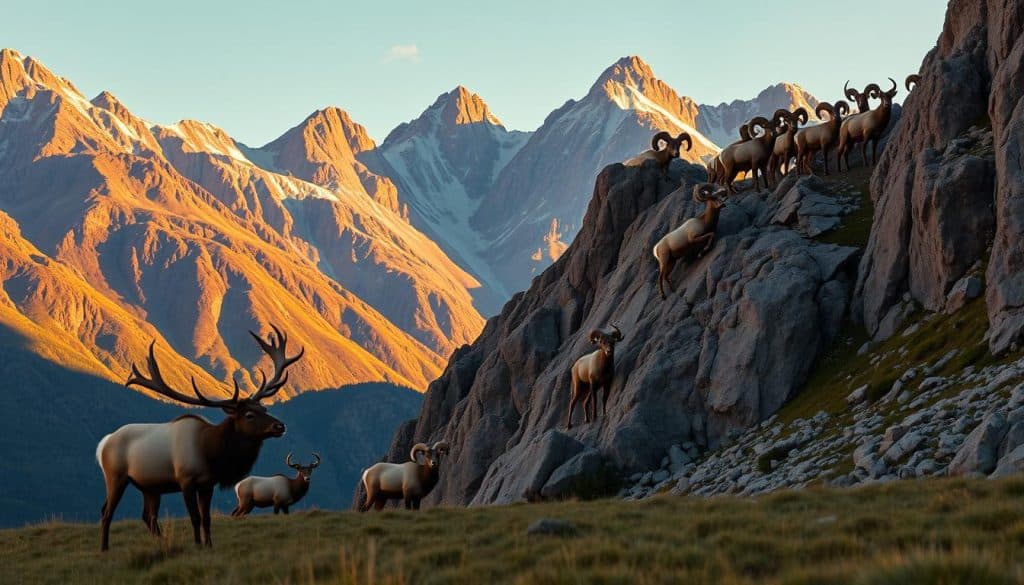
Spotting wildlife is one of the highlights of any visit. Elk are commonly seen in meadows, especially during the fall rutting season. Bighorn sheep often gather near Sheep Lakes from May to August, while moose prefer willow thickets along the Colorado River.
To ensure a safe and respectful experience, keep these tips in mind:
- Maintain a distance of at least 75 feet from most animals and 120 feet from larger species like moose and bears.
- Use binoculars or a zoom lens for close-up views without disturbing the animals.
- Stay on designated trails and avoid feeding or approaching wildlife.
Early mornings and late afternoons are the best times for wildlife viewing. Animals are most active during these hours, and the lighting is ideal for photography. Ranger-led programs are also a great way to learn more about the area’s inhabitants.
“Observing wildlife in their natural habitat is a privilege. Always prioritize their safety and well-being.”
Interesting behaviors add depth to your visit. For example, elk bugling during the rut is a remarkable sound, while pikas gather plants to store for winter. These small details enrich your understanding of the ecosystem.
By following these guidelines, you’ll enjoy a memorable and responsible wildlife experience. Whether you’re watching elk graze or spotting a marmot sunbathing, these moments will stay with you long after your visit.
Rocky Mountain National Park Visitor Essentials
Your visit to this iconic destination will be smoother with the right resources and planning. From visitor centers to nearby attractions, we’ve got you covered. Whether you’re a first-time visitor or a seasoned explorer, these essentials will ensure a stress-free and enjoyable experience.
Services, Amenities, and Accessibility Information
The park offers a range of services to make your trip comfortable. Visitor centers like Beaver Meadows and Fall River provide maps, guides, and expert advice. Rangers can help you plan your day and share updates on trail conditions and weather.
Accessibility is a priority here. Many trails, restrooms, and facilities are designed to accommodate visitors with mobility challenges. Wheelchair-accessible paths and parking spots are available at popular spots like Bear Lake. For more details, check the official National Park Service website.
Don’t forget to download the official mobile app. It offers interactive maps, self-guided tours, and real-time alerts. Staying informed ensures you make the most of your time in the park.
Highlights of Estes Park and Nearby Attractions
Just outside the park, Estes Park is a charming town with plenty to explore. From cozy lodges to unique shops, it’s the perfect place to unwind after a day of adventure. Dining options range from casual cafes to fine restaurants, offering something for every taste.
For a memorable experience, visit the Estes Park Aerial Tramway. It offers stunning views of the surrounding mountains and valleys. If you’re traveling with kids, the Estes Park Ride-A-Kart and local wildlife exhibits are great options.
Here are some tips for exploring Estes Park:
- Book accommodations early, especially during peak seasons.
- Check local event calendars for festivals and activities.
- Support local businesses by shopping at independent stores.
“Estes Park is the perfect complement to your park adventure, offering relaxation and entertainment just minutes away.”
For more information, contact the RMNP Information Line at (970) 586-1206. Planning ahead ensures a seamless and enjoyable trip for you and your family.
Insider Tips for Navigating Park Roads and Timed Entry
Planning your trip to this iconic destination requires understanding the timed entry system and park roads. With over 4 million visitors annually, knowing how to navigate these systems ensures a smooth and enjoyable experience. Here’s everything you need to know to make the most of your visit.

Understanding the Timed Entry System and Bear Lake Corridor
The timed entry system is essential for managing crowds during peak seasons. From late May to mid-October, you’ll need a reservation to enter the park. There are two types of permits: one for the Bear Lake Corridor and another for the rest of the park.
For the Bear Lake Corridor, permits are valid from 5 a.m. to 6 p.m. This area includes popular spots like Bear Lake and requires early planning. The general park permit allows entry from 9 a.m. to 2 p.m., excluding the Bear Lake area. Reservations can be made on recreation.gov, with 60% released a month in advance and 40% available the day before.
Strategies for Avoiding Congestion and Planning Your Route
To avoid crowds, aim for early morning or late afternoon entry. The Bear Lake Corridor is busiest between 7 a.m. and 9 a.m., so arriving before or after this window can save time. Use the visitor centers for updated trail conditions and recommendations on less-crowded routes.
Here are some tips to plan your day effectively:
- Book your timed entry permit as soon as possible, especially for weekends and holidays.
- Check the National Park Service app for real-time updates on parking availability.
- Plan your route in advance, focusing on less popular trails if you’re visiting during peak hours.
For the best hiking experience, consider visiting during the optimal hiking seasons, when crowds are smaller, and the weather is pleasant.
“Planning ahead is key to avoiding congestion and making the most of your time in the park.”
If your plans change, you can modify or cancel your reservation up to the day before your visit. Always check the official website for the latest updates on permits and park conditions. With these tips, you’ll navigate the park roads and timed entry system like a pro.
Plan for Changing Seasons and Weather Conditions
Weather in this iconic destination can shift dramatically, so planning ahead is crucial. From snowy winters to sunny summers, each season offers unique experiences and challenges. Understanding these variations ensures you’re prepared for whatever the day brings.
Preparing for Winter, Spring, and Summer Variations
Winter transforms the area into a snowy wonderland, perfect for skiing and snowshoeing. Temperatures can drop below freezing, so pack warm layers, waterproof boots, and traction devices for icy trails. Check trail conditions and road closures before heading out.
Spring brings melting snow and blooming wildflowers, but trails may still be muddy or snowy at higher elevations. Waterproof gear and sturdy footwear are essential. Summer is ideal for hiking, with daytime temperatures in the 70s. However, afternoon thunderstorms are common, so start early and carry rain gear.
Best Times to Visit Based on Your Activity Interests
For hiking and backpacking, June to September is the best time. Most trails are open, and the weather is pleasant. Wildlife enthusiasts should visit in fall for the elk rut, a spectacular natural event. Winter sports like skiing and snowshoeing are best from January to March.
Shoulder seasons (May and October) offer fewer crowds and mild weather. Use the park’s webcams and trail condition reports to plan your trip. Whether you’re chasing wildflowers or snow-covered peaks, timing your visit ensures a memorable experience.
“Being prepared for changing weather is the key to enjoying your time in the park.”
Conclusion
Exploring this breathtaking destination offers unforgettable experiences for every visitor. From its towering peaks to serene alpine lakes, the area’s natural beauty is unmatched. Whether you’re hiking scenic trails or spotting diverse wildlife, there’s something here for everyone.
Planning your trip is key to a smooth experience. Remember to secure your timed entry reservation during peak seasons to avoid delays. Early mornings are ideal for visiting popular spots like Bear Lake, ensuring you beat the crowds.
With over 300 miles of trails, the area invites you to explore its wonders year-round. Pack for changing weather and check trail conditions before heading out. Whether you’re here for a day or a week, every moment promises adventure and discovery.
Thank you for reading! Use this guide to plan your visit and make the most of your time in this iconic destination. Start your journey today and create memories that will last a lifetime.
FAQ
What are the entrance fees for visiting the park?
The entrance fees vary depending on the type of pass you choose. A standard vehicle pass costs and is valid for seven days. Annual passes are also available for , offering unlimited access for a year.
Do I need a timed entry reservation to visit?
Yes, a timed entry reservation is required from late May through October. This system helps manage visitor numbers and ensures a better experience. Reservations can be made online through the official website.
What are the best trails to explore in the park?
Some must-see trails include the Bear Lake Loop, Emerald Lake Trail, and the iconic Trail Ridge Road. Each offers unique scenic vistas and varying levels of difficulty to suit all hikers.
What wildlife can I expect to see in the park?
You might spot elk, mule deer, bighorn sheep, and even black bears. Always maintain a safe distance and follow wildlife viewing guidelines to protect both yourself and the animals.
Are there visitor centers and mobile apps available?
Yes, there are several visitor centers offering maps, exhibits, and ranger programs. The official mobile app provides real-time information, trail maps, and updates on park conditions.
What should I know about the Bear Lake Corridor?
The Bear Lake Corridor is a popular area requiring a separate timed entry reservation during peak seasons. Arrive early to avoid congestion and make the most of your visit.
How should I prepare for changing weather conditions?
Weather can change rapidly, so dress in layers and bring essentials like water, sunscreen, and rain gear. Check forecasts before heading out and be prepared for sudden shifts, especially at higher elevations.
What are the best times to visit for specific activities?
Summer is ideal for hiking and wildlife viewing, while winter offers snowshoeing and cross-country skiing. Spring and fall provide quieter visits with stunning seasonal changes.
Can I visit Estes Park and nearby attractions?
Absolutely! Estes Park is a charming town with shops, restaurants, and additional outdoor activities. It’s a great base for exploring the surrounding area and enhancing your trip.
What strategies can help me avoid congestion?
Plan your visit during weekdays or early mornings to avoid crowds. Use the timed entry system efficiently and consider exploring less-trafficked areas of the park for a more serene experience.