

As I prepared for my solo hike on the Appalachian Trail, friends and family couldn’t help but ask: “Are you hiking alone?” Their concern was palpable, and I understood their fears. The Appalachian Trail, spanning 2,200 miles from Georgia to Maine, is a significant undertaking, even for experienced hikers.
Many people share the concerns of my loved ones. In fact, solo travel is becoming increasingly popular, with over 40% of U.S. national park visitors traveling. This raises an important question: how can solo hikers stay safe on the trail?
With proper preparation and knowledge, solo hiking can be a life-changing adventure. This article will explore the realities, risks, and rewards of solo hiking on the Appalachian Trail, providing insights into safety concerns and essential precautions.
Key Takeaways
- Solo hiking on the Appalachian Trail requires careful planning and preparation.
- Understanding the risks and taking necessary precautions can minimize safety concerns.
- The Appalachian Trail offers a unique opportunity for personal growth and self-discovery.
- Thousands of hikers, including solo travelers, successfully complete the trail each year.
- Proper gear, knowledge, and experience are essential for a safe and enjoyable solo hiking experience.
The Reality of Solo Hiking on the Appalachian Trail
Despite the term ‘solo hiking,’ the Appalachian Trail is often bustling with people, especially during peak seasons. As I reflect on my own experience, I realize that the trail offers a unique blend of solitude and community.
When you start your journey in March or April, you’re not alone; you’re part of a larger group of hikers known as the “hiker bubble.” This phenomenon occurs when thousands of hikers begin their journey around the same time, creating a community of travelers moving along the trail together.
The Hiking Community on the AT
The Appalachian Trail has a vibrant community of hikers. Approximately 3,000 people attempt to thru-hike the trail each year, with 76% starting in March or April from Springer, Georgia, heading northbound to Katahdin, Maine. As the Appalachian Trail Conservancy publishes data on trail registrants, it becomes clear that the trail is bustling with activity during peak season.
As of mid-March 2022, there were 3,005 northbound hikers registered, while only 91 planned to hike southbound. This concentration of hikers creates a unique social environment where solo hikers can easily find companionship when desired.
The “Hiker Bubble” Phenomenon
The “hiker bubble” is a remarkable phenomenon that occurs on the Appalachian Trail. As thousands of hikers start their journey around the same time, a community forms, and solo hikers soon find themselves hiking in a group. In fact, nearly 70% of hikers start their journey solo, but almost everyone ends up making friends and hiking together.
As you hike, you’ll encounter numerous trail communities along the way, with over 50 communities offering resupply options, hostels, and other amenities. Additionally, “trail angels” provide assistance, rides, meals, and support to hikers, further enhancing the sense of community.
As one hiker noted, “The trail has a way of bringing people together.” This sentiment is echoed by many who have experienced the camaraderie and support that the Appalachian Trail community offers.
Common Dangers on the Appalachian Trail
Hiking the Appalachian Trail can be a thrilling adventure, but it’s crucial to understand the common dangers that hikers face. As you venture into the woods, you’ll encounter various risks that can be mitigated with proper knowledge and preparation.
Wildlife Encounters: Bears and Snakes
One of the most significant concerns for hikers on the Appalachian Trail is wildlife encounters, particularly with black bears and timber rattlesnakes. Black bears are common in the area, but they tend to avoid humans during the day. However, at night, they can be attracted to food supplies, making proper food storage crucial. Hanging bear bags or using bear canisters can significantly reduce the risk of a bear encounter. Timber rattlesnakes, on the other hand, are generally not aggressive and will warn you if you approach them. Being aware of your surroundings and watching your step can help prevent snake encounters.
Health Risks: Ticks and Disease
While wildlife encounters are a concern, the greatest health risk on the Appalachian Trail comes from tiny creatures: ticks. Lyme disease-carrying ticks are prevalent in the Northeast and Virginia sections of the trail. To minimize the risk, hikers can treat their clothing with permethrin and conduct daily body checks for ticks. It’s also essential to be aware of other health concerns like hypothermia, norovirus, and giardia, and take preventative measures.
For more information on hiking in national parks and trails, you can visit Enjoy National Parks for guides and tips.
Human-Related Risks
Unfortunately, the Appalachian Trail is not immune to human-related risks. Over the past 47 years, there have been 11 reported deaths on the trail. While this number is relatively low, it’s still crucial for hikers to be aware of their surroundings and trust their instincts. The hiking community often shares information about suspicious individuals through word-of-mouth and online platforms, which can help hikers stay safe.
In conclusion, while there are dangers on the Appalachian Trail, they can be mitigated with proper knowledge, preparation, and awareness. By understanding the risks and taking necessary precautions, hikers can have a safe and enjoyable experience on the trail.
Is it safe to walk the Appalachian Trail alone?
The allure of the Appalachian Trail is undeniable, but for those considering hiking it alone, safety is a paramount concern. As someone who has experienced the trail firsthand, I understand the mix of excitement and apprehension that comes with planning a solo hike.
Statistical Safety of the AT
To address the central question directly, let’s examine the statistical safety record of the Appalachian Trail. Over the last 47 years (1974-2021), there have been 11 reported fatalities on the trail. Considering that thousands of hikers traverse the trail annually, this number represents a very low risk. To put this into perspective, you’re more likely to be involved in a fatal car accident on your way to the trailhead than on the trail itself.
A closer look at the data reveals that the Appalachian Trail is remarkably safe. The trail’s community plays a significant role in this safety record. Hikers share information about suspicious individuals through various channels, creating an informal security network. As one hiker noted, “There’s an unspoken awareness that we’ve all got each other’s backs, and everyone is looking out for potential trouble.”
| Safety Aspect | Appalachian Trail | Urban Environment |
|---|---|---|
| Violent Crimes per 1,000 People | 0.0023 (11 fatalities in 47 years among thousands of hikers) | 4.7 (average rate in US cities) |
| Community Support | Strong, with hikers sharing information and looking out for each other | Variable, often dependent on neighborhood dynamics |
Comparing Solo vs. Group Hiking Safety
When it comes to safety, solo hiking and group hiking have their respective advantages and disadvantages. Solo hikers often have more flexibility to adjust their pace and plans, potentially avoiding risky situations. On the other hand, group hiking provides safety in numbers but may create a false sense of security or lead to group decision-making errors.
The “hiker bubble” phenomenon creates a middle ground where solo hikers are independent but rarely truly alone. This communal aspect of the trail can be reassuring. As
“The trail has a way of making you feel connected to others, even when you’re hiking alone.”
This sentiment highlights the unique balance between independence and community on the Appalachian Trail.
Ultimately, personal awareness, preparation, and good judgment are more important factors in safety than whether one hikes alone or in a group. By understanding the risks and taking necessary precautions, solo hikers can have a safe and fulfilling experience on the Appalachian Trail.
Safety Considerations for Solo Female Hikers
With the right mindset and preparation, solo female hikers can find the Appalachian Trail to be a safe and empowering journey. As a proponent of women pursuing their outdoor adventures, I also believe in being aware of and planning for potential risks.
Specific Concerns for Women
Solo female hikers may face additional concerns or unwanted attention on the Appalachian Trail. While it’s essential to acknowledge these risks, it’s equally important not to let fear dictate our decisions. Some of the concerns include:
- Unwanted attention from other hikers or trail users
- Isolated camping areas or road crossings
- Interactions with strangers in trail communities
Being aware of these potential issues allows us to take necessary precautions and stay safe.
Practical Safety Measures
Experienced female thru-hikers have shared various practical safety measures that can enhance safety on the trail. For instance, using carabiners as makeshift locks on tents can deter potential intruders. Other measures include:
- Carrying personal protection items like pepper spray and multi-tools
- Maintaining regular communication schedules with family and friends
- Using GPS devices with SOS capabilities for emergency situations
By taking these precautions and trusting our instincts, we can minimize risks and have a fulfilling hiking experience.
Essential Safety Gear and Preparations
Solo hiking on the Appalachian Trail requires careful planning and the right safety equipment. As you prepare for your journey, it’s essential to balance the need for preparedness with the weight and bulk of your pack.
Communication Devices and Navigation Tools
Having reliable communication devices and navigation tools is crucial. I recommend carrying a satellite messenger like Garmin inReach or SPOT, which can send SOS messages in emergency situations. For navigation, a combination of paper maps, a compass, and a GPS device or smartphone with downloadable trail data is ideal. These tools ensure you stay on track even without cell service.
For instance, I uploaded detailed GPX files to my Garmin GPS device to guide me along the trail. This preparation proved invaluable when I encountered sections with no cell service.
Protection Items
Personal protection items such as pepper spray, whistles, and multi-tools can enhance your safety. However, it’s crucial to be aware of the legal considerations when carrying these items across different states. For example, some states have restrictions on pepper spray, so it’s essential to research the regulations for each state you’ll be hiking through.
First Aid and Emergency Supplies
A comprehensive first aid kit is a must-have for long-distance hiking. It should include treatments for common trail injuries and ailments, such as blisters, sprains, and allergic reactions. Additionally, consider packing emergency supplies like a water filter or purification tablets to prevent waterborne illnesses, and a lightweight emergency shelter in case of unexpected weather conditions.
Before you head out, make sure you know how to use your gear properly. It’s not just about having the right equipment, but also about having the knowledge to use it effectively.
For more information on planning your hike, you can check out resources like best time to visit national parks for, which can help you prepare for your Appalachian Trail adventure.
Trail Safety Practices
As you embark on the Appalachian Trail, understanding and implementing trail safety practices is crucial for a successful and enjoyable hike. I’ve learned that being prepared and aware of your surroundings can significantly reduce the risks associated with hiking such a long and challenging trail.
Food Storage and Bear Safety
Proper food storage is critical to avoid attracting wildlife, particularly bears, to your campsite. I’ve found that using bear canisters or hanging bear bags is effective in keeping your food safe. The Pacific Crest Trail (PCT) method for suspending food is also a reliable technique. It’s essential to cook and eat away from your sleeping area to minimize the risk of attracting bears and other wildlife.
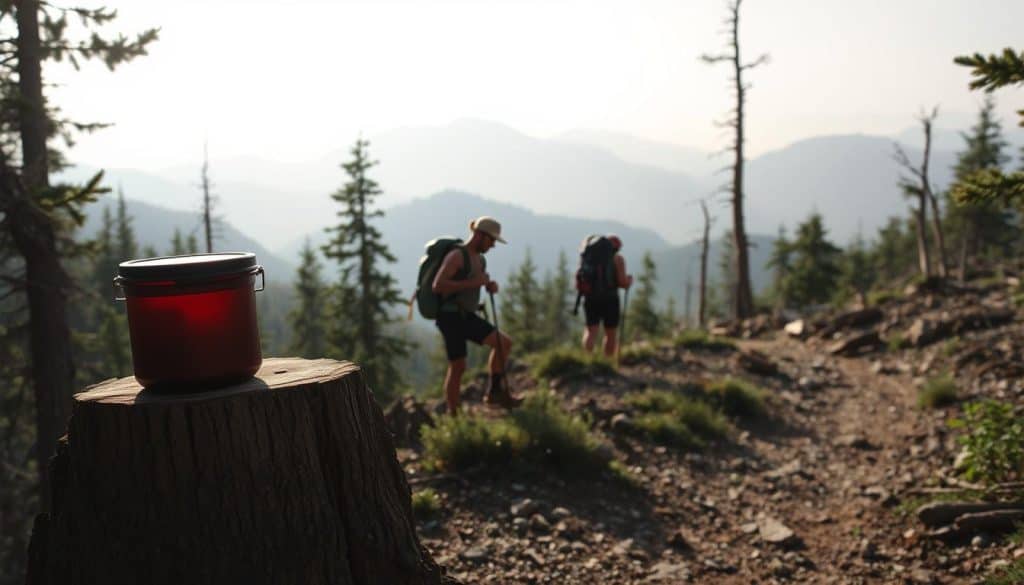
Always store your food and trash properly to avoid attracting bears. In most states, black bears emerge from hibernation between February and April, coinciding with the hiking season on the Appalachian Trail.
Shelter Selection and Camping Safety
When it comes to shelter selection, hikers often gravitate towards the designated shelters along the Appalachian Trail. However, unless there’s a storm, I recommend pitching a tent outside. Shelters can sometimes harbor mice, insects, and increase the risk of norovirus. When selecting a camping spot, stay away from dead trees (“widowmakers”) and low areas that could flood. Consider the proximity to water sources, but be mindful of the potential for flooding.
Choosing a safe camping spot is crucial for a good night’s rest and to minimize risks. Look for a spot that is level, dry, and has enough space to set up your tent without being too close to water sources.
Hygiene and Disease Prevention
Maintaining good hygiene is vital to preventing the spread of illnesses like norovirus. It’s essential to sanitize your hands after touching communal items such as bear ropes, food storage boxes, and picnic tables. Filtering, boiling, or using a Steripen to sanitize water from rivers and streams is also a must. By adopting these hygiene practices, you can significantly reduce the risk of getting sick on the trail.
“Consistent application of these safety practices becomes second nature over time and significantly reduces risks on the trail.” By being mindful of your food storage, shelter selection, and hygiene practices, you can have a safer and more enjoyable hike on the Appalachian Trail.
Building Skills and Experience Before Your Hike
Building your endurance and mastering wilderness skills are essential steps before tackling the Appalachian Trail. As you prepare for this significant adventure, it’s crucial to assess your current level of physical fitness and wilderness knowledge.
Physical Preparation
To prepare your body for the demands of the Appalachian Trail, start a progressive physical training program. Focus on building cardiovascular endurance and leg strength, and practice hiking with a loaded pack. This will help you build the stamina needed for long days on the trail.
Wilderness Skills to Master
In addition to physical preparation, it’s vital to master critical wilderness skills. These include map reading, compass navigation, weather prediction, and basic first aid. By mastering these skills, you’ll be better equipped to handle the challenges you’ll face on the trail.
Practice Hikes and Shakedowns
Before committing to a thru-hike, consider conducting shakedown hikes or shorter practice trips. These trips allow you to test your gear, assess your physical readiness, and refine your wilderness skills. Try hiking a section of the trail with a friend over a three-day weekend to get a real sense of the adventure ahead.
By building your skills and experience gradually, you’ll be more confident and safer on the trail, making your hiking experience more enjoyable. Start preparing today, and you’ll be ready to take on the Appalachian Trail with confidence.
Creating a Safety Plan for Solo Hiking
As you prepare for your solo Appalachian Trail adventure, crafting a comprehensive safety plan should be at the top of your checklist. A well-thought-out plan not only enhances your safety but also significantly reduces risks associated with solo hiking.
Communication Schedules with Family/Friends
Establishing a regular communication schedule with family and friends is vital. This includes deciding on check-in times and the information to share, such as your location, condition, and next destination. I made sure to inform my contacts along the AT about my itinerary and expected check-in times. Having multiple contact people who understand your itinerary and know what to do if you miss a scheduled check-in is also crucial.
Emergency Protocols
Outlining emergency protocols for different scenarios is a critical component of your safety plan. This includes procedures for injuries, illnesses, severe weather conditions, and encounters with wildlife or threatening individuals. For instance, I have plans to avoid camping near roads and alone with a single stranger, and to maintain regular check-ins. Knowing how to respond in emergencies can make a significant difference.
Town Stops and Resupply Strategy
The Appalachian Trail has 50 officially recognized towns that offer support to hikers, including resupply options and amenities. Effectively using these towns for rest and as safety checkpoints is key. I planned my town stops to balance rest and resupply needs with the physical demands of pack weight. Strategies for safely navigating these stops include being mindful of transportation options, accommodation choices, and maintaining awareness in unfamiliar environments.
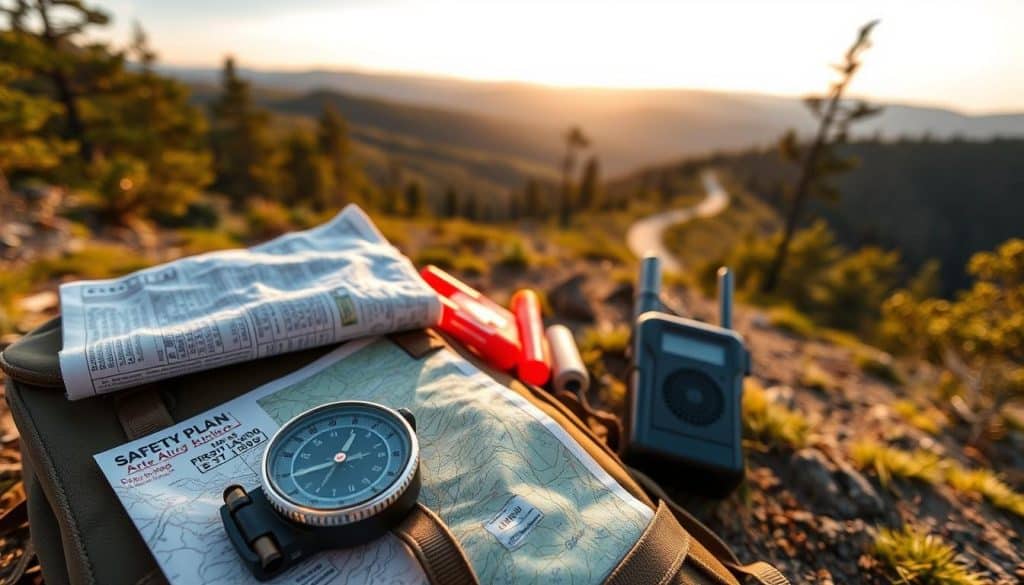
A good safety plan enhances your hiking experience by providing peace of mind and a framework for handling unexpected situations. By considering communication schedules, emergency protocols, and town stops, you can enjoy your solo hike on the Appalachian Trail with confidence.
Conclusion: Balancing Adventure with Safety
Solo hiking on the Appalachian Trail can be a transformative experience with proper preparation. Throughout this article, we’ve explored various safety considerations for solo hikers, from understanding the risks associated with wildlife encounters and human-related threats to the importance of preparation and knowledge.
The Appalachian Trail is more than just a hiking path; it’s a community where hikers support one another through challenges. While risks exist, they can be managed effectively with the right mindset and preparation. Solo hikers can find both solitude and connection on the trail, making it a unique experience.
To make the most of your hiking journey, it’s crucial to start with shorter solo experiences, build your confidence, and then consider longer sections or a thru-hike. With the right safety measures in place, the rewards of solo hiking—personal growth, independence, and a deep connection with nature—often outweigh the challenges.
Ultimately, whether it’s safe to walk the Appalachian Trail alone depends on your preparation, circumstances, and individual choices. We hope this information inspires you to consider your own hiking journey, equipped with the knowledge to make informed decisions.
FAQ
What are the most significant dangers on the Appalachian Trail?
The most significant dangers include encounters with wildlife like bears and snakes, health risks from ticks and diseases, and human-related risks such as crime or accidents.
How can I stay safe while hiking alone on the Appalachian Trail?
To stay safe, make sure to carry essential safety gear like communication devices and protection items, follow trail safety practices such as proper food storage, and build a safety plan that includes communication schedules and emergency protocols.
Are there specific concerns for solo female hikers on the Appalachian Trail?
Yes, solo female hikers may face specific concerns such as a higher risk of harassment or assault. To mitigate these risks, consider taking practical safety measures like carrying personal alarms and being aware of your surroundings.
What kind of experience and skills should I have before hiking the Appalachian Trail alone?
Before hiking the Appalachian Trail alone, you should have significant hiking experience, wilderness skills such as navigation and first aid, and be physically prepared for the demands of long-distance hiking.
How can I prepare for emergencies while hiking solo on the Appalachian Trail?
To prepare for emergencies, develop a safety plan that includes communication schedules with family or friends, emergency protocols such as knowing what to do in case of an injury, and a resupply strategy that includes regular town stops.
What are some essential items to include in my hiking pack for safety?
Essential safety items to include in your pack are communication devices like a cell phone or satellite phone, protection items such as bear spray, and first aid and emergency supplies like bandages and a first aid kit.
How can I minimize my risk of encountering bears on the Appalachian Trail?
To minimize your risk of encountering bears, follow proper food storage practices, make noise while hiking to avoid surprising bears, and be aware of your surroundings, especially in areas known to have bear activity.