

Did you know that the stunning Glacier National Park and America’s first national park, Yellowstone, are relatively close, yet far enough to make for an epic adventure? The driving distance between these two natural wonders is approximately 372-408 miles, depending on the entrances you use.
This translates to a 6-8 hour drive without stops, making it an ideal road trip for those who love exploring the great outdoors. As someone who’s made this journey, I can attest that the scenic views and attractions along the way make it well worth the trip. You can check out some of the best stops on this route on this page.
Key Takeaways
- The distance between Glacier National Park and Yellowstone National Park ranges from 372-408 miles.
- The driving time between the two parks is approximately 6-8 hours without stops.
- This journey makes for an epic road trip with numerous scenic views and attractions.
- The exact distance and time may vary depending on the park entrances used.
- Breaking the journey into multiple days can enhance your appreciation of the landscapes.
The Distance Between Glacier National Park and Yellowstone
If you’re planning to visit both Glacier National Park and Yellowstone, understanding the distance and travel time between them is crucial. The journey between these two awe-inspiring national parks can be done in one long day, but consider adding at least one stop to make your adventure more enjoyable.
Exact Mileage Between Park Entrances
The exact mileage between Glacier National Park and Yellowstone depends on the specific entrances you’re using. Typically, the distance ranges from approximately 440 to 470 miles, depending on your route. For instance, driving from the west entrance of Glacier National Park to the west entrance of Yellowstone is about 445 miles.
| Starting Point | Destination | Distance (miles) |
|---|---|---|
| Glacier National Park (West Entrance) | Yellowstone (West Entrance) | 445 |
| Glacier National Park (East Entrance) | Yellowstone (North Entrance) | 460 |
Average Driving Time Without Stops
The average driving time between Glacier National Park and Yellowstone ranges from 6.5 to 8 hours without stops, depending on your chosen route and traffic conditions. Road conditions, seasonal traffic patterns, and construction can significantly impact your travel time. For example, during peak season, you should expect more traffic, potentially increasing your journey time.
While it’s technically possible to make this journey in one day, most experienced travelers recommend breaking it up with at least one overnight stop. This not only makes the experience more enjoyable but also allows you to appreciate the scenic views and attractions along the way.
Best Routes for Your Glacier to Yellowstone Road Trip
As you travel from Glacier National Park to Yellowstone, you’ll witness some of America’s most stunning natural beauty. The journey between these two iconic parks is not just about the destinations, but also the incredible landscapes and experiences along the way.
The Direct Route via I-90 and US-89
For those looking to reach Yellowstone quickly, the most direct route from Glacier National Park is via I-90 and US-89. This route spans approximately 440 miles and takes around 7 hours of driving time without stops. While it’s the fastest way to get to Yellowstone, there are plenty of interesting stops along the way that are worth exploring.
Some notable stops on this route include Ousel Falls Park, known for its beautiful waterfall and short hiking trails, and Hebgen Lake, which offers fishing, boating, and other outdoor activities. For adventure seekers, Gallatin River rafting is a thrilling experience with many outfitters offering guided raft trips.
| Stop | Activity | Location |
|---|---|---|
| Ousel Falls Park | Hiking, Waterfall Viewing | Near Big Sky, MT |
| Hebgen Lake | Fishing, Boating, Hiking | Near West Yellowstone, MT |
| Gallatin River | Rafting | Near Big Sky, MT |
Scenic Alternatives for Nature Lovers
For nature enthusiasts, there are several scenic alternative routes that add a touch of adventure to the journey. One such route is Highway 2 along the southern border of Glacier National Park, offering stunning mountain views and charming small towns.
Another option is the scenic byway through Helena National Forest, which provides opportunities for impromptu hiking and wildlife viewing. The route through Flathead National Forest is also noteworthy, showcasing some of Montana’s most pristine wilderness areas and crystal-clear lakes.
These scenic routes not only add variety to your road trip but also create unforgettable memories. Whether you’re driving through Glacier National Park or approaching Yellowstone, the diverse landscapes and natural beauty of Montana will leave you in awe.
Ideal Time to Visit Both National Parks
The ideal time to visit Glacier and Yellowstone depends on what you’re looking for in your national park experience. Both parks offer unique experiences throughout the year, but the timing of your visit can significantly impact your adventure.
Peak Season Considerations
Visiting during peak season, from May to September, means you’ll have access to all the roads and facilities in both parks. Summer, particularly July and August, is the best time for wildlife viewing in Yellowstone, with abundant opportunities to see animals in their natural habitats. However, this is also the busiest time, so be prepared for crowds and potential delays in your travel schedule. If you’re planning to drive the Going-to-the-Sun Road in Glacier National Park, keep in mind that it’s usually fully open by late June or early July, depending on snow conditions.
Off-Season Benefits and Limitations
If you prefer fewer crowds and don’t mind cold weather, visiting during the off-season (October-April) can be a great option. You’ll experience a serene landscape, and some areas of the parks take on a magical quality when snow-covered. However, many roads and facilities are closed during this time, including the Going-to-the-Sun Road in Glacier, which typically closes around October 15. Limited services and challenging weather conditions are also significant factors to consider. For a balance, the shoulder seasons (May and September-October) offer fewer crowds while still providing reasonable access to most park features. As noted on other national park visitation guides, September and October are particularly good for fall foliage.
Some key benefits of visiting during the off-season include:
- Dramatically reduced crowds, allowing for a more peaceful experience
- The opportunity to see the parks in their winter splendor
- Potential cost savings on accommodations and tours
On the other hand, limitations include:
- Road closures, particularly the Going-to-the-Sun Road in Glacier
- Limited services, such as fewer open lodges and restaurants
- Challenging weather conditions, including snow and cold temperatures
How Many Days Do You Need for Glacier and Yellowstone?
Planning a trip to both Glacier National Park and Yellowstone requires careful consideration of how many days you’ll need to truly experience these natural wonders. The distance between the two parks, combined with the wealth of attractions within each, means that time is a crucial factor in planning your adventure.
Minimum Recommended Time
I’d recommend spending at least 7 days in the area. This duration allows you to cover the main highlights of both parks without feeling overly rushed. With 7 days, you can explore the major attractions, take a few short hikes, and enjoy the scenic drives that both parks offer. However, having a bit more time can significantly enhance your experience.
Ideal Itinerary Length for a Comprehensive Experience
For a truly comprehensive experience, I suggest an itinerary of 9-10 days. This extended timeframe allows for a deeper exploration of each park’s diverse regions. You can visit Glacier’s Many Glacier and Two Medicine areas, as well as Yellowstone’s various geyser basins and valleys.
A longer itinerary also provides buffer days for weather issues, allows for more hiking opportunities, and reduces the overall stress of your vacation. Additionally, you’ll have the chance to include worthwhile stops between the parks and potentially add Grand Teton National Park to your journey. From my personal experience, the extra days made a significant difference in my appreciation of these magnificent landscapes.

7-Day Glacier to Yellowstone Road Trip Itinerary
Embarking on a 7-day road trip from Glacier to Yellowstone National Park is an adventure of a lifetime. This journey offers a mix of breathtaking landscapes, diverse wildlife, and iconic American landmarks.
Days 1-2: Exploring Glacier National Park Highlights
Your adventure begins in Glacier National Park, where you’ll spend the first two days exploring its highlights. Drive along the scenic Going-to-the-Sun Road, visit Logan Pass, and enjoy hiking trails such as Trail of the Cedars or Hidden Lake Trail. Don’t miss the picturesque Lake McDonald and Many Glacier areas for stunning views and potential wildlife sightings.
Some of the top experiences include:
- Watching the sunrise over the mountains
- Hiking to hidden lakes and alpine meadows
- Spotting grizzly bears, mountain goats, and bighorn sheep
Day 3: The Journey Between Parks
On Day 3, you’ll embark on the journey to Yellowstone National Park. The drive takes you through scenic landscapes and charming towns. Consider stopping at Butte, Montana, to stretch your legs and grab a bite to eat. As you enter Yellowstone, get ready to be awestruck by the geysers, hot springs, and diverse wildlife.
Days 4-6: Yellowstone’s Must-See Attractions
Days 4-6 are dedicated to exploring Yellowstone’s must-see attractions. Start with the Upper Geyser Basin to witness the eruption of Old Faithful and explore the colorful Grand Prismatic Spring. Visit the Grand Canyon of the Yellowstone for breathtaking views. For wildlife enthusiasts, Hayden Valley and Lamar Valley are prime spots for spotting bears, wolves, and bison.
A sample itinerary for these days includes:
- Day 5: Early sunrise at Hayden Valley, followed by a visit to Yellowstone Lake and the Grand Canyon of the Yellowstone
- Day 6: Exploring the upper loop through Tower Junction, Lamar Valley, and Mammoth Hot Springs
This 7-day itinerary provides a comprehensive experience of both Glacier and Yellowstone National Parks, offering a mix of natural beauty, wildlife, and adventure.
Must-Visit Attractions in Glacier National Park
My visit to Glacier National Park was a highlight of my travels, and I’m eager to guide you through its must-visit attractions. As you explore this stunning national park, you’ll be treated to breathtaking mountain vistas, pristine lakes, and an abundance of wildlife.
Going-to-the-Sun Road and Logan Pass
One of the most iconic experiences in Glacier National Park is driving the Going-to-the-Sun Road, a scenic route that spans 50 miles and crosses the Continental Divide at Logan Pass. Along the way, you’ll have access to numerous viewpoints, hiking trails, and opportunities to spot wildlife. Be sure to stop at Logan Pass, where you can take in the panoramic views and explore the surrounding area.
Some of the top attractions in this area include the Hidden Lake Overlook and the Highline Trail, both of which offer spectacular views and unique hiking experiences.
Many Glacier and Two Medicine Areas
The Many Glacier and Two Medicine areas are two of the most scenic regions within Glacier National Park. Many Glacier is known for its picturesque hotels and abundant wildlife viewing opportunities, while Two Medicine offers a more secluded experience with stunning lake views and hiking trails. Be sure to explore the Trail of Cedars and take in the breathtaking views of Two Medicine Lake.
Best Hiking Trails and Viewpoints
Glacier National Park is a hiker’s paradise, with trails ranging from easy day hikes to more challenging multi-day backpacking trips. Some of the top hiking trails include the Siyeh Pass Trail and the Piegan Pass Trail, both of which offer spectacular mountain views and unique hiking experiences.
| Trail Name | Difficulty | Distance |
|---|---|---|
| Hidden Lake Overlook | Easy | 4.5 miles |
| Highline Trail | Moderate | 7.6 miles |
| Siyeh Pass Trail | Challenging | 10.3 miles |
For more information on planning your trip to Glacier National Park and other national parks, check out our guide on the best national parks trips.
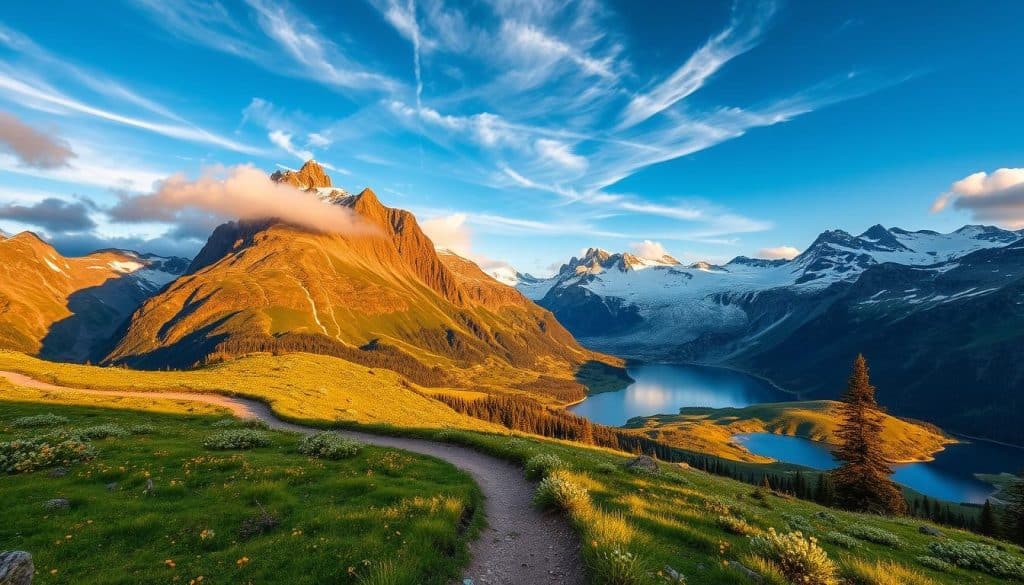
Yellowstone’s Top Sights and Experiences
From the majestic geothermal wonders to the breathtaking wildlife, Yellowstone offers an unforgettable adventure. As you explore this incredible national park, you’ll have the chance to witness some of the most unique and awe-inspiring natural phenomena on the planet.
Geothermal Wonders: Old Faithful and Grand Prismatic
Yellowstone is home to an incredible array of geothermal features, including the iconic Old Faithful and the stunning Grand Prismatic Spring. Old Faithful is a must-see attraction, with its regular eruptions drawing visitors from around the world. The Grand Prismatic Spring, on the other hand, is a kaleidoscope of colors, created by the presence of microorganisms and the reflection of light. It’s a truly breathtaking sight that will leave you in awe.
Grand Canyon of the Yellowstone
The Grand Canyon of the Yellowstone River is another highlight of the park, offering breathtaking views and a glimpse into the region’s geological history. The canyon is a testament to the power of erosion and the beauty of the natural world. As you stand at the edge of the canyon, you’ll be struck by the sheer scale and majesty of this natural wonder.
Wildlife Viewing in Lamar and Hayden Valleys
Yellowstone is renowned for its abundant and diverse wildlife, and the Lamar and Hayden Valleys are among the best places to spot iconic species such as wolves, bears, and bison. Lamar Valley, in particular, is known as the “American Serengeti” due to its rich wildlife populations. To make the most of your wildlife viewing experience, consider hiring a trained guide from Good Trip Adventures. They can help you better spot and understand the animals in their natural habitat. Early morning and late evening are the best times for viewing wildlife, and using spotting scopes and binoculars can enhance your experience. As you watch the sunset over Hayden Valley, you’ll have the chance to see these incredible creatures in their natural environment.
Where to Stay During Your Road Trip
As you plan your road trip from Glacier to Yellowstone, one of the most crucial decisions you’ll make is where to stay along the way. Your accommodation choice can significantly impact your overall experience, so it’s essential to consider your options carefully.
Accommodation Options in and Around Glacier
For those starting their journey at Glacier National Park, there are various lodging options to suit different preferences and budgets. You can choose to stay within the park itself or in nearby towns like Columbia Falls or Whitefish. Inside the park, options range from historic lodges like the Lodge at Waterton to more rustic campgrounds. Outside the park, you’ll find a wider range of hotels and vacation rentals.
Some popular choices near Glacier include:
- Luxury hotels in Whitefish
- Budget-friendly motels in Columbia Falls
- Campgrounds within the park for a more immersive experience
Lodging Choices Near Yellowstone
When it comes to Yellowstone National Park, the lodging options are just as varied. Inside the park, iconic lodges like Old Faithful Inn, Lake Yellowstone Hotel, and Canyon Lodge offer unique experiences. However, these popular choices fill up quickly, so it’s crucial to book 12-18 months in advance.
| Lodge | Location | Amenities |
|---|---|---|
| Old Faithful Inn | Inside Yellowstone | Luxury, Dining, Geysers View |
| Lake Yellowstone Hotel | Inside Yellowstone | Elegant, Lake Views, Fine Dining |
| Canyon Lodge | Inside Yellowstone | Comfortable, Convenient, Multiple Dining Options |
If you’re looking for alternatives, gateway towns like West Yellowstone, Gardiner, and Cooke City offer a range of hotels and vacation rentals. These options can provide more flexibility and sometimes better value, though you’ll need to consider the commute into the park.
Extending Your Trip: Adding Grand Teton National Park
Extending your trip to include Grand Teton National Park will give you the opportunity to experience some of the most spectacular mountain landscapes in the United States. This national park is nestled between Glacier and Yellowstone, making it an ideal addition to your itinerary.
Distance from Yellowstone to Grand Teton
Grand Teton National Park is conveniently located just south of Yellowstone National Park. The distance between the two parks is approximately 31 miles, with the drive typically taking around 45 minutes to an hour, depending on traffic and how many stops you make along the way. You can access Grand Teton via the John D. Rockefeller Memorial Parkway, which connects the two parks.
Must-See Attractions in Grand Teton
Grand Teton National Park is renowned for its stunning mountain vistas, pristine lakes, and abundant wildlife. Some of the top attractions include:
- Cascade Canyon Trail, a moderate hike offering breathtaking views of the Teton Range
- Schwabacher Landing, known for its serene waters reflecting the majestic mountains
- Oxbow Bend, a picturesque spot for photography, especially during sunrise or sunset
- Mormon Row, historic barns set against the dramatic backdrop of the Tetons
- Jenny Lake, a beautiful glacial lake with numerous hiking trails and scenic viewpoints
As you explore Grand Teton, consider taking a boat tour on Jenny Lake or hiking to Hidden Falls and Inspiration Point. For the more adventurous, the Delta Lake hike offers a challenging yet rewarding experience. In the evening, head to Glacier View Turnout to witness a spectacular sunset over the mountains.
If you’re interested in learning more about other national parks in the region, you might want to check out thebest national parks in Idaho.
| Attraction | Description |
|---|---|
| Cascade Canyon Trail | A moderate 9.4-mile hike with stunning views of the Teton Range |
| Schwabacher Landing | A serene spot for photography, especially during early morning or late evening |
| Jenny Lake | A beautiful glacial lake with numerous hiking trails and scenic viewpoints |
As you plan your visit, keep in mind that Grand Teton National Park offers a range of experiences, from leisurely drives and boat tours to more challenging hikes. With its breathtaking mountain scenery and abundant wildlife, Grand Teton is sure to leave a lasting impression on your national parks journey.
Essential Tips for Your Glacier to Yellowstone Adventure
As you prepare for your Glacier to Yellowstone adventure, there are several essential tips to keep in mind. With my experience traveling between these two stunning national parks, I’m excited to share valuable insights to make your journey smoother and more enjoyable.
Wildlife Safety and Bear Awareness
When exploringGlacier National Parkand Yellowstone, wildlife safety is paramount. Be aware of your surroundings, especially in areas with dense vegetation or near water sources. Keep a safe distance from wildlife, and never feed them. In bear country, make noise while hiking, carry bear spray, and know how to use it. Understanding and respecting wildlife habitats will ensure a safe and enjoyable experience for both you and the animals.
Packing Recommendations for Varying Climates
The climate can vary significantly between Glacier and Yellowstone, so it’s crucial to pack accordingly. Bring layers for cooler mornings and evenings, as well as waterproof gear for unexpected rain showers. Comfortable hiking shoes and sun protection are also must-haves. Be prepared for changing weather conditions to make the most of your trip.
Navigating Limited Cell Service and Remote Areas
One of the challenges you’ll face on your journey is limited cell service, particularly in Yellowstone’s interior and Glacier’s remoteareas. To navigate this, download offlinemapsand consider purchasing a physicalmapas a backup. Planning your route in advance and letting someone know your itinerary can also enhance your safety. While cellservicemay be scarce, being prepared will ensure you stay on track.
| Tip | Description | Benefit |
|---|---|---|
| Download Offline Maps | Access maps without cell service | Stay on track in remote areas |
| Carry Physical Maps | Backup navigation tool | Enhanced safety |
| Plan Your Route | Research and map out your journey | Reduced risk of getting lost |
By following thesetips, you’ll be well-prepared for your Glacier to Yellowstone adventure, ensuring a memorable and enjoyable experience.
Conclusion: Making the Most of Your National Parks Journey
The journey between Glacier and Yellowstone is more than just a road trip; it’s an immersive experience into the heart of America’s natural beauty. As you travel through these incredible landscapes, you’ll encounter diverse ecosystems, from Glacier’s towering peaks to Yellowstone’s geothermal wonders.
Planning is key to making the most of your trip. Consider the ideal time to visit, the route you take, and where you’ll stay. Flexibility is also crucial, allowing for spontaneous stops and adjustments due to weather.
This adventure connects you with America’s conservation heritage, highlighting the importance of preserving these natural wonders. As you embark on this journey, you’ll create unforgettable memories and perhaps, like me, find your appreciation for America’s natural beauty transformed.
FAQ
What’s the distance between Glacier National Park and Yellowstone National Park?
The distance between the west entrance of Glacier National Park and the west entrance of Yellowstone National Park is approximately 440 miles, with an average drive time of 7 hours without stops.
What’s the best route for a road trip from Glacier to Yellowstone?
The most direct route is via I-90 and US-89, but consider taking scenic alternatives like Going-to-the-Sun Road for breathtaking views.
How many days should I plan for a trip to both Glacier and Yellowstone?
For a comprehensive experience, plan for at least 7-10 days to explore both parks without feeling rushed.
What’s the ideal time to visit Glacier and Yellowstone?
Peak season (May-September) offers warm weather and access to all park facilities, but consider visiting during shoulder season for fewer crowds.
What are the must-see attractions in Glacier National Park?
Don’t miss Going-to-the-Sun Road, Logan Pass, Many Glacier, and Two Medicine Areas for stunning mountain vistas and hiking opportunities.
What are the top sights to see in Yellowstone?
Be sure to visit Old Faithful, Grand Prismatic Spring, and the Grand Canyon of the Yellowstone for an unforgettable experience.
Can I add Grand Teton National Park to my Glacier to Yellowstone road trip?
Yes, Grand Teton is just south of Yellowstone, and the scenic drive between the two parks is about an hour, making it an easy addition to your itinerary.
What are some essential tips for visiting these national parks?
Be prepared for variable weather, practice wildlife safety, and pack layers for changing climates to ensure a safe and enjoyable trip.
What’s the best way to navigate the parks with limited cell service?
Download maps and guides before your trip, and consider renting a GPS device or bringing a paper map to stay on track.