
Imagine embarking on a road trip that takes you through some of the most breathtaking landscapes in the United States. For many travelers, visiting Glacier National Park and Yellowstone National Park is a once-in-a-lifetime adventure.
But is it possible to experience both parks in a single journey? The answer is yes, and with some planning, you can have an unforgettable adventure.
Combining these two iconic destinations requires some logistics planning, but the reward is well worth the effort. In this guide, we’ll explore the feasibility of visiting both parks in one trip and provide you with practical insights to make the most of your experience.
Key Takeaways
- Determine the optimal time to visit both Glacier and Yellowstone National Parks.
- Understand the distance between the two parks and plan your transportation.
- Create a sample itinerary to maximize your experience.
- Address common concerns about visiting both parks in one trip.
- Plan an unforgettable journey through two of America’s most spectacular natural treasures.
Planning Your Glacier and Yellowstone Adventure
If you’re considering visiting Glacier and Yellowstone National Parks, you’re likely wondering if it’s feasible to explore both in a single trip. The good news is that with careful planning, you can have a comprehensive and enjoyable experience across both parks.
Visiting bothGlacier National ParkandYellowstone National Parkin one trip is absolutely feasible. Although they are separated by approximately 370-450 miles, depending on your route, which translates to about 6-8 hours of driving time, the journey is well worth it. This distance and time can be managed with thoughtful planning, allowing you to maximize your experience.
Is It Feasible to Visit Both Parks?
The feasibility of visiting both parks largely depends on your available vacationtime. A minimum of 6-7daysis recommended to cover the essentials, though 8-10 days would provide a more relaxed pace, allowing you to truly appreciate the diverse landscapes and attractions. Combining thesenational parksoffers a comprehensive Montana/Wyoming experience, showcasing diverse landscapes from alpine mountains to geothermal wonders. This dual-park adventure is particularly appealing to travelers who want to maximize their westernparksexperience.
By planning your trip carefully, you can make the most of your visit and find that visiting both Glacier and Yellowstone is not onlyfeasiblebut also incredibly rewarding.
Best Time to Visit Both National Parks
When planning a trip to Glacier National Park and Yellowstone, timing is everything. The summer months offer long days, but they also bring challenges like crowds and unpredictable weather.
Seasonal Considerations
The weather patterns in Glacier and Yellowstone can vary significantly. Glacier typically experiences cooler temperatures than Yellowstone, even during summer. You should be prepared for sudden changes in weather, as afternoon thunderstorms are common in both parks during the summer months.
Understanding these seasonal variations is key to planning your trip effectively.
Weather and Road Conditions
 Going-to-the-Sun Road, may still have snow and ice into June. In contrast, lower elevations in Yellowstone can be quite warm during summer days. It’s essential to check the current road conditions before heading out each day, as they can change rapidly.
| Park | Weather Condition | Best Time for Activities |
|---|---|---|
| Glacier National Park | Cooler temperatures, potential snow until June | Morning for hiking and outdoor activities |
| Yellowstone | Warmer temperatures, afternoon thunderstorms | Morning for hiking and outdoor activities |
By understanding the time of year and its impact on your visit, you can better plan your trip to both parks.
Can You Do Glacier and Yellowstone in One Trip?
Visiting both Glacier and Yellowstone in one trip sounds like an adventure of a lifetime, but is it feasible? Many travelers wonder if they can explore these two magnificent national parks in a single journey. The answer is yes, but it requires some planning.
Distance and Travel Time Between Parks
The distance between Glacier National Park and Yellowstone National Park is approximately 440 miles (708 km), and the drive typically takes around 7-8 hours depending on traffic and the route taken. To help plan your trip, here’s a summary of the travel details:
| Starting Point | Destination | Distance (miles) | Travel Time (hours) |
|---|---|---|---|
| Glacier National Park | Yellowstone National Park | 440 | 7-8 |
| West Glacier, MT | West Yellowstone, MT | 440 | 7-8 |
For those looking to make the most of their trip, considering the scenic routes between the parks can enhance the overall experience. You can explore more about the best times to visit these parks on our page about the best time to visit Montana national.
Logistical Challenges and Solutions
One of the biggest logistical challenges is transportation planning. It’s essential to plan your flights and car rentals in advance. Consider flying into Kalispell (near Glacier) and out of Bozeman or Jackson (near Yellowstone) to avoid backtracking. Rental car arrangements also require careful planning, as one-way rentals between different cities often incur additional fees.
To make your trip smoother, remember that accommodation reservations should be made 6-12 months in advance, especially for in-park lodging. Additionally, be aware that entry requirements differ between parks; Glacier now requires vehicle reservations for certain areas during peak season. It’s also wise to download offline maps and have physical maps as backups for navigation due to spotty cell service throughout both Glacier National Park and Yellowstone National Park.
Transportation Options for Your Two-Park Journey
To make the most of your trip to Glacier and Yellowstone, understanding your transportation options is key. Both parks are located in areas with limited public transportation, making certain modes of travel more practical than others.
Flying In and Out: Airport Options
The first step in planning your transportation is deciding how to arrive at and depart from your destinations. For Glacier National Park, the nearest major airport is Glacier Park International Airport (FCA) in Kalispell, Montana. For Yellowstone, you have a couple of options: Bozeman Yellowstone International Airport (BZN) in Montana or Jackson Hole Airport (JAC) in Wyoming, depending on your entry point to the park.
Rental Car Considerations
A rental car is essential for this two-park journey as public transportation between and within the parks is extremely limited. Here are some key considerations:
- A rental car gives you the flexibility to create your own itinerary and stop at attractions along the way.
- Reserve your vehicle well in advance, especially for summer travel when rental car availability can be scarce and prices surge.
- Consider an SUV or vehicle with higher clearance for better visibility and comfort on mountain roads.
- Be aware that one-way rental fees can add $200-500 to your total, but the convenience often justifies this expense.
- Some travelers opt to rent an RV or campervan to combine transportation and accommodation.
By carefully selecting your transportation options, you can ensure a smooth and enjoyable trip to both Glacier National Park and Yellowstone National Park, making the most of your travel option.
4 Scenic Routes from Glacier to Yellowstone
The drive from Glacier National Park to Yellowstone National Park is a thrilling experience that offers a mix of natural beauty and cultural richness. As you embark on this journey, you’ll have the opportunity to explore some of Montana’s most stunning landscapes and charming towns.
Glacier to Yellowstone via Bitterroot Valley
The Bitterroot Valley route is a scenic drive that takes you through a picturesque valley surrounded by mountains. This route is known for its beautiful scenery, including the Bitterroot River and surrounding peaks. You’ll pass through quaint towns like Hamilton and Missoula, where you can stop to enjoy local cuisine and explore outdoor recreation opportunities.
Glacier to Yellowstone via Seeley-Swan Valley
For a more secluded drive, consider the Seeley-Swan Valley route. This route offers a tranquil experience with its serene lakes and dense forests. It’s an ideal choice if you’re looking to escape the crowds and enjoy nature’s tranquility. The valley is dotted with small communities where you can experience rural Montana life.
Glacier to Yellowstone via Missoula
If you prefer a route with a mix of urban and natural attractions, driving via Missoula is a great option. Missoula is a vibrant college town with a rich cultural scene, including numerous art galleries and restaurants. From there, you can continue your journey to Yellowstone, stopping at various points of interest along the way.
Glacier to Yellowstone via Rocky Mountain Front
The Rocky Mountain Front route is particularly noteworthy, spanning 378 miles from St. Mary to Gardiner. As “If you want to hit Montana’s open roads and see the stunning landscape that is the Rocky Mountain Front”, this route is ideal. It showcases the dramatic meeting point of the Great Plains and the Rocky Mountains, with towering limestone cliffs rising abruptly from the prairie. Highlights along this route include St. Mary, Browning, Choteau, Augusta, Helena, and Bozeman. Be sure to stop and explore the local shops, eateries, and easily accessible hikes and lakes in the area.
Each of these routes offers a unique experience, so you can choose the one that best fits your interests and schedule. Whether you’re drawn to the natural beauty of the Bitterroot Valley, the tranquility of Seeley-Swan Valley, the cultural attractions of Missoula, or the dramatic landscapes of the Rocky Mountain Front, your journey from Glacier to Yellowstone is sure to be an unforgettable adventure.
Must-Visit Stops Between the Parks
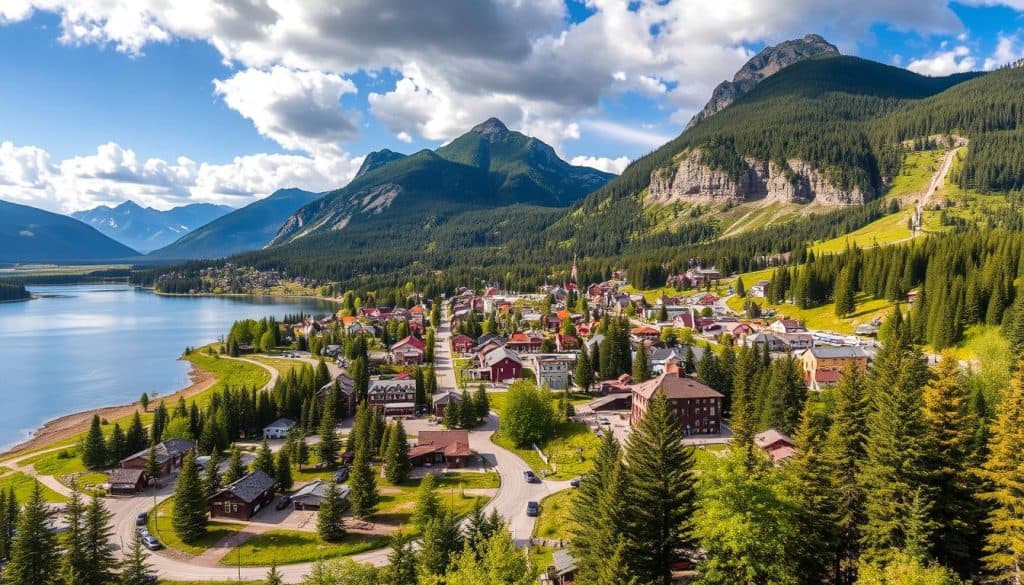
Traveling from Glacier National Park to Yellowstone National Park offers a unique blend of natural beauty, charming towns, and exciting activities. As you drive along the way, you’ll have the opportunity to explore some of Montana’s hidden gems.
Charming Towns Worth Exploring
Southwestern Montana is home to towns like Virginia City, Anaconda, and Philipsburg, where you can experience the region’s rich history. Watch vaudeville plays, pan for sapphires, and enjoy the local charm that these towns have to offer.
Natural Attractions and Activities Along the Way
The route between Glacier and Yellowstone is dotted with natural attractions and activities. Visit the CSKT Bison Range near Moiese to see free-roaming bison, elk, and pronghorn. Enjoy swimming, boating, and fruit-picking at Flathead Lake, the largest natural freshwater lake west of the Mississippi.
- Relax at natural hot springs like Fairmont Hot Springs Resort and Norris Hot Springs.
- Explore the spectacular limestone caverns at Lewis and Clark Caverns State Park.
- Try your hand at world-class fly fishing on the Madison River between Ennis and West Yellowstone.
For more national park trip ideas and inspiration, check out our guide on the best national parks trips.
Glacier National Park Highlights
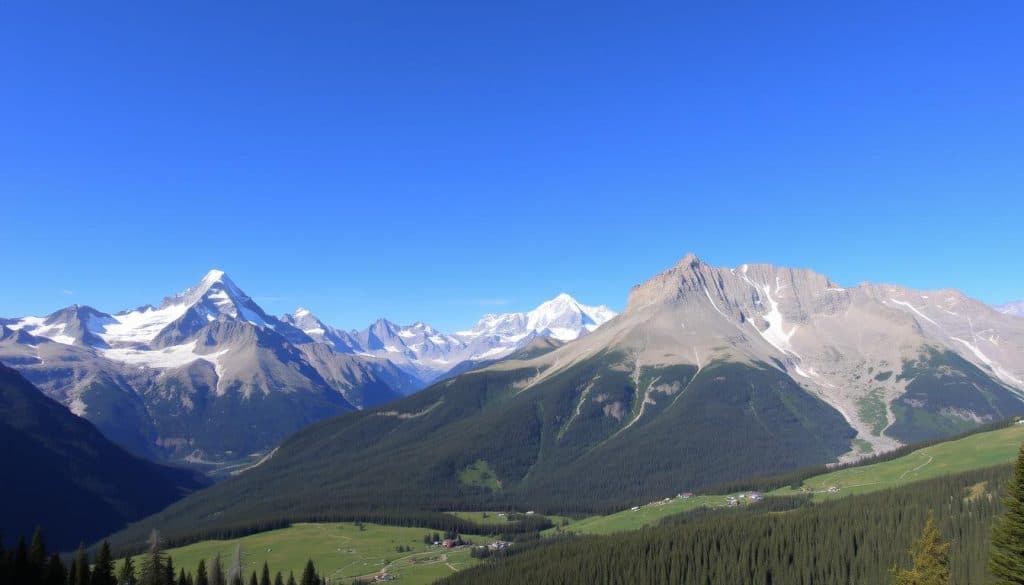
With its majestic mountains and pristine lakes, Glacier National Park is a paradise for nature lovers and adventure seekers alike. As you explore this incredible destination, you’ll discover a wealth of exciting experiences that showcase its natural beauty.
Going-to-the-Sun Road
One of the most iconic experiences in Glacier National Park is driving the Going-to-the-Sun Road, a 50-mile scenic route that traverses the park’s rugged terrain. This road offers breathtaking views of glaciers, alpine lakes, and towering mountain peaks.
Must-See Areas in Glacier
Glacier National Park is home to many breathtaking areas, including the Many Glacier region, known for its picturesque lakes and hiking trails. Other must-see areas include Logan Pass, the highest point on Going-to-the-Sun Road, and the serene Lake McDonald.
Best Hikes in Glacier National Park
For those who love to hike, Glacier National Park offers numerous trails with spectacular views. Some of the best hikes include the Highline Trail from Logan Pass, which follows the Continental Divide; the Grinnell Glacier Trail in Many Glacier, a challenging but rewarding hike to one of the park’s most accessible glaciers; and the Avalanche Lake trail, a family-friendly hike through cedar-hemlock forest to a picturesque lake.
Other notable hikes include the Hidden Lake Overlook, a relatively easy hike with outstanding views and frequent mountain goat sightings, and Iceberg Lake, a longer hike to a cirque lake often filled with floating ice chunks.
Yellowstone National Park Highlights
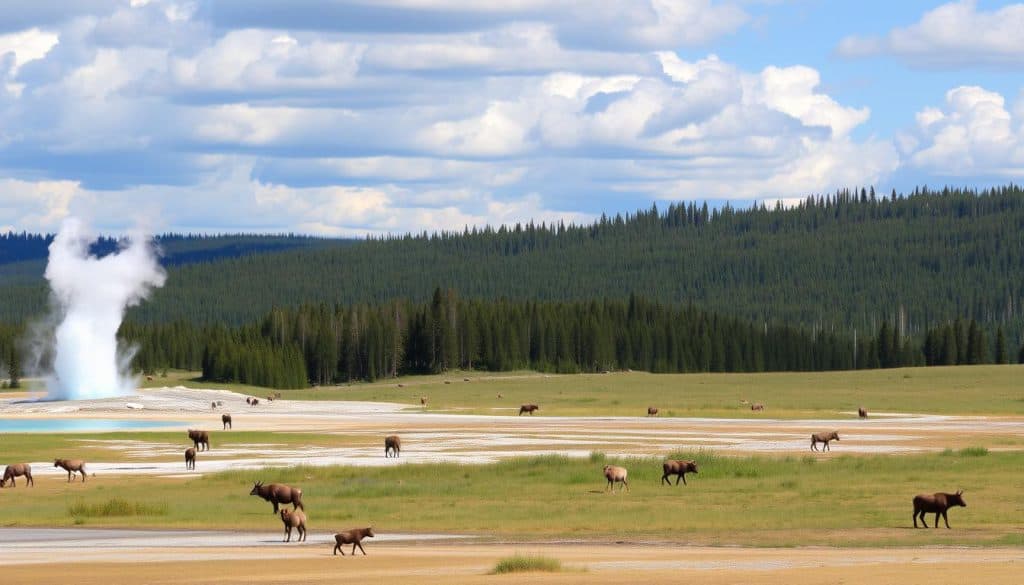
Yellowstone National Park is a treasure trove of natural wonders, from geothermal features to diverse wildlife and breathtaking landscapes. As you plan your visit, there are several must-see attractions and activities to add to your itinerary.
Geothermal Features and Geysers
Yellowstone is renowned for its geothermal features, including the iconic Old Faithful and the vibrant Grand Prismatic Spring. These natural wonders are a result of the park’s unique geology, sitting atop a volcanic hotspot. The Grand Prismatic Spring, for instance, is the largest hot spring in the United States, displaying a kaleidoscope of colors due to the presence of microorganisms and minerals.
Wildlife Viewing Opportunities
Yellowstone offers abundant opportunities for wildlife viewing, with a diverse range of species calling the park home. From grizzly bears and wolves to elk and bison, the park is a wildlife enthusiast’s paradise. The Grand Canyon of the Yellowstone is a great spot for bear sightings, so be sure to keep a safe distance and enjoy the view.
Must-Visit Areas in Yellowstone
In addition to its geothermal features and wildlife, Yellowstone boasts numerous must-visit areas. The Grand Canyon of the Yellowstone River is a highlight, with its stunning views and hiking trails. Other areas include Mammoth Hot Springs, with its travertine formations, and Yellowstone Lake, offering scenic boating opportunities.
Best Hikes in Yellowstone
For those who love to hike, Yellowstone has plenty to offer. Trails like the Mount Washburn Trail provide a moderately challenging hike with rewarding views from the top. Other notable trails include the Fairy Falls Trail, which leads to a picturesque waterfall, and the Storm Point Trail, offering a leisurely day hike with beautiful lake views.
- Mount Washburn Trail: A 6.4-mile round-trip hike with 360-degree views and potential bighorn sheep sightings.
- Fairy Falls Trail: Leads to a 200-foot waterfall and includes a spur to the Grand Prismatic Spring Overlook.
- Uncle Tom’s Trail: A steep descent into the Grand Canyon of the Yellowstone for an up-close view of Lower Falls.
- Storm Point Trail: An easy 2.3-mile loop along Yellowstone Lake with beautiful shoreline views.
- Bunsen Peak: A moderate 4.6-mile round-trip climb with panoramic views near Mammoth Hot Springs.
Sample 8-Day Itinerary for Both Parks
Embarking on a journey to explore both Glacier and Yellowstone National Parks in one trip is an adventure of a lifetime. This 8-day itinerary is designed to help you make the most of your trip, ensuring that you experience the best of what these two incredible parks have to offer.
Days 1-3: Exploring Glacier National Park
Begin your adventure in Glacier National Park, where you’ll spend the first three days immersing yourself in its breathtaking landscapes. Drive along the scenic Going-to-the-Sun Road, hike to the foot of glaciers, and enjoy the serene beauty of the park’s alpine lakes. Be sure to visit the Many Glacier Hotel and take a boat tour on Swiftcurrent Lake.
On your second day, consider hiking the Trail of the Cedars or the more challenging Grinnell Glacier Trail. As the day comes to a close, enjoy the stunning views of the surrounding mountains and perhaps spot some wildlife, such as grizzly bears or mountain goats.
Day 4: Travel Day with Scenic Stops
On the fourth day, embark on the journey from Glacier to Yellowstone National Park. Take a scenic route, such as the one via Bitterroot Valley, and make stops at charming towns and natural attractions along the way. This travel day is an opportunity to experience the diverse landscapes of Montana and enjoy the picturesque views.
Days 5-8: Exploring Yellowstone National Park
Upon arriving in Yellowstone, spend the next four days exploring its geothermal wonders and abundant wildlife. On Day 5, focus on the Old Faithful area, watching the iconic geyser erupt and exploring the Upper Geyser Basin boardwalks to see features like Morning Glory Pool and Castle Geyser.
Day 6 is perfect for rising early to witness wildlife in Hayden Valley at dawn, followed by a visit to the Grand Canyon of the Yellowstone, with stops at Artist Point and Lookout Point. On Day 7, explore the Mammoth Hot Springs area and take a scenic drive through Lamar Valley, known for its excellent wildlife viewing opportunities.
On your final day in Yellowstone, visit the Norris Geyser Basin and the Grand Prismatic Spring in the Midway Geyser Basin. End your trip with a sunset wildlife safari in Lamar or Hayden Valley, where you might spot bison, bears, or wolves.
Extending Your Trip: Adding Grand Teton National Park
Grand Teton National Park offers a unique blend of natural beauty and outdoor adventure that complements a trip to Glacier and Yellowstone.
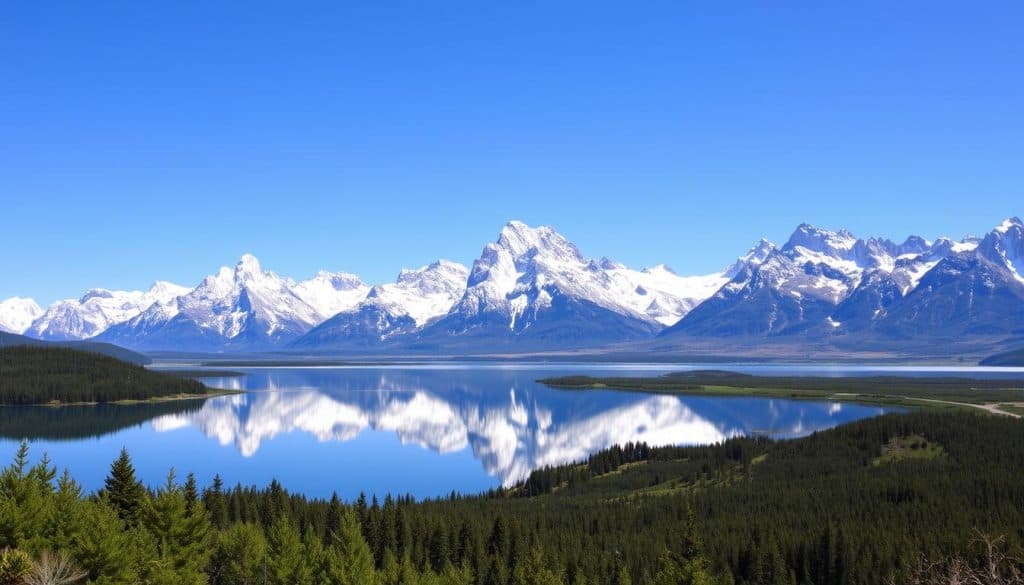
Is It Worth Adding a Third Park?
Adding Grand Teton National Park to your itinerary can be a great decision, as it provides a distinct experience with its stunning mountain vistas and serene lakes. The park’s proximity to Yellowstone makes it an ideal addition to your trip.
With Grand Teton, you’ll experience a mix of hiking, wildlife viewing, and scenic drives that enhance your overall national park adventure.
Quick 2-Day Grand Teton Itinerary
Here’s a suggested 2-day itinerary for Grand Teton National Park:
Day 1: Begin at Jenny Lake, where you can take a shuttle boat across the lake and hike to Hidden Falls and Inspiration Point. Continue into Cascade Canyon for breathtaking views of the Grand Teton.
Day 2: Start early at Schwabacher Landing for sunrise, then visit Mormon Row to photograph the iconic Moulton Barn against the Teton backdrop. End your day with dinner at Teton Village and take the aerial tram for panoramic sunset views.
By incorporating Grand Teton National Park into your trip, you’ll create unforgettable memories with its serene lakes and majestic mountain landscapes.
Where to Stay During Your Two-Park Adventure
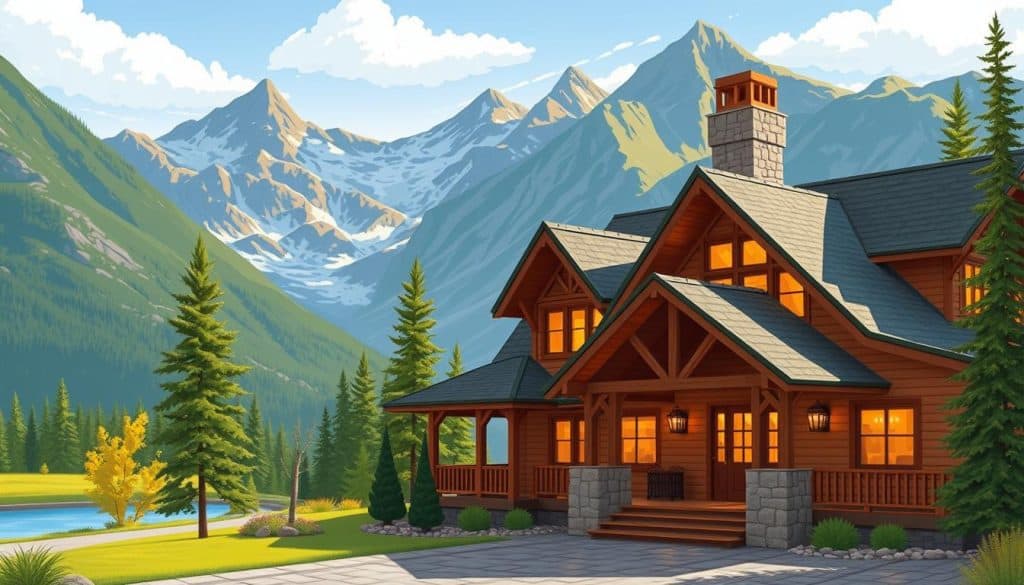
When planning your trip to Glacier and Yellowstone National Parks, finding the right accommodations is crucial for a comfortable and enjoyable journey. You have various options to consider, both within and around the parks.
Accommodations in and near Glacier
Glacier National Park offers several lodging options, ranging from historic hotels to modern lodges. Staying within the park allows you to immerse yourself in the natural beauty of Glacier. Consider booking at one of the park’s lodges, such as the iconic Many Glacier Hotel, for an unforgettable experience.
Accommodations in and near Yellowstone
Yellowstone National Park also provides a variety of accommodations, from budget-friendly options like the Canyon Lodge to luxury hotels such as the Old Faithful Inn. Booking your stay in or near Yellowstone ensures you’re always close to the park’s geothermal wonders and wildlife viewing opportunities.
Lodging Options Between the Parks
If you’re looking for places to stay along the way, consider Missoula, which offers a range of lodging options from budget chain hotels to boutique properties like the Mercantile Hotel. Other charming towns like Helena and Philipsburg also provide unique overnight experiences, with historic hotels and bed and breakfasts.
What to Pack for Both Parks
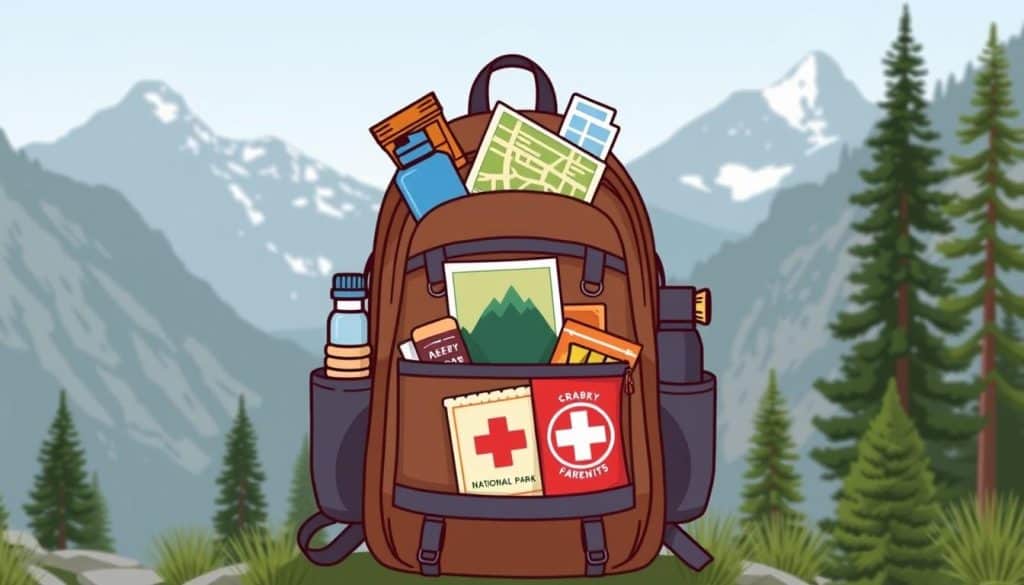
As you prepare for your adventure to Glacier and Yellowstone, packing the right gear is crucial for a safe and enjoyable trip. Both parks offer unique experiences, and being prepared is key to making the most of your visit.
Essential Gear and Clothing
When it comes to hiking in Glacier and Yellowstone, there are several essentials you shouldn’t leave behind. Bear spray is at the top of the list, as it is a critical safety item for hiking in both parks. Make sure to purchase it upon arrival, as it cannot be transported on commercial flights, and learn how to use it properly before hitting the trails.
Other important items include binoculars for wildlife viewing, with 8×42 or 10×42 models offering a good balance of magnification and field of view. A detailed topographic map or hiking app with downloadable offline maps is also crucial, especially for Glacier’s more remote trails where cell service is nonexistent.
Park-Specific Items
For Glacier National Park, consider bringing trekking poles to provide stability on steep trails and river crossings. For Yellowstone National Park, pack a small towel and swimsuit for potential soaks in legitimate swimming areas like the Boiling River or Firehole Swimming Area. To plan your trip effectively, check out our guide on the best time to visit Montana’s national.
By packing these essentials and being mindful of the specific needs of each park, you’ll be well-prepared for an unforgettable adventure in Glacier and Yellowstone.
Wildlife Safety and Viewing Tips
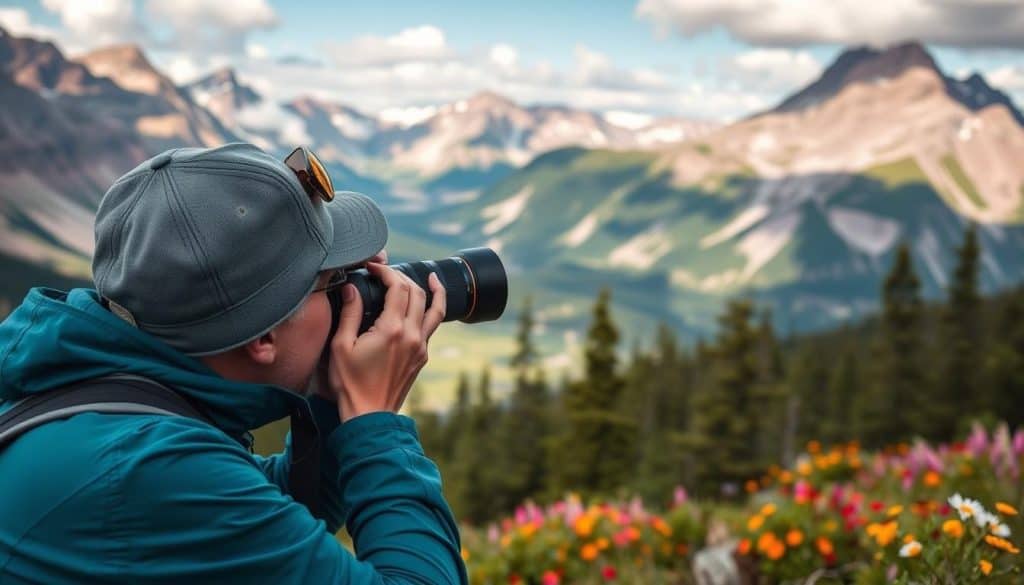
As you venture into the breathtaking landscapes of Glacier National Park and Yellowstone National Park, understanding wildlife safety becomes crucial for a memorable and safe trip. The key to enjoying these incredible destinations is knowing how to interact with the wildlife that calls these places home.
Bear Safety Guidelines
When exploring Glacier National Park and Yellowstone National Park, bear safety is a top priority. Always maintain a safe distance from bears and other wildlife. Learn more about safely viewing wildlife by keeping at least 100 yards (the length of a football field) between you and bears or wolves, and 25 yards from other animals like bison, elk, and moose.
Responsible Wildlife Viewing
To ensure a safe and enjoyable experience for both you and the wildlife, follow these guidelines:
- Use binoculars or spotting scopes for close-up views rather than approaching animals.
- Never feed any wildlife, as this can harm their health and alter natural behaviors.
- Practice ethical wildlife viewing and photography by using telephoto lenses and never pursuing or blocking an animal’s path.
- Recognize signs of stress in animals, such as raised fur or direct staring, and increase your distance if you observe these behaviors.
By following these simple yet crucial guidelines, you can help protect both yourself and the incredible wildlife of Glacier National Park and Yellowstone National Park, ensuring a safe and memorable trip.
Park Reservations and Entry Requirements

Getting into Glacier and Yellowstone National Parks involves more than just showing up; there are specific entry requirements to be aware of. As you plan your trip, understanding these requirements is crucial for a smooth and enjoyable experience.
Glacier National Park Entry Permits
In 2024, Glacier National Park introduced a reservation system for certain areas during peak summer hours. If you plan to enter the west entrance of Glacier’s popular Going-to-the-Sun Road, or visit the North Fork and Many Glacier areas, you’ll need to secure a reservation in advance. This system aims to manage the high volume of visitors and preserve the park’s natural beauty.
Yellowstone National Park Access Information
Unlike Glacier, Yellowstone National Park does not currently require timed entry reservations. However, it’s wise to be prepared for potential changes in policy as visitation numbers continue to rise. Standard entrance fees apply: $35 per private vehicle for a 7-day pass, or consider the America the Beautiful Annual Pass for $80 if you plan to visit multiple national parks within a year.
Yellowstone has five entrance gates, with the West Entrance being the busiest and the North Entrance open year-round to regular vehicles. To avoid long entrance gate lines during peak summer season, plan to enter the park before 8 AM or after 3 PM. Always check the park’s website before your visit for any temporary closures or restrictions due to wildlife activity, construction, or weather events.
Practical Tips for Your Dual-Park Adventure
To make the most of your trip to Glacier and Yellowstone, consider these practical tips. Visiting both national parks in one trip is an exciting adventure that requires some preparation to ensure a smooth and enjoyable journey.
Cell Service and Navigation
Cell service can be limited in both Glacier National Park and Yellowstone National Park, making navigation challenging. Download offline maps on your GPS device or smartphone to help navigate the parks. It’s also a good idea to carry a paper map as a backup.
For more information on navigating national parks, you can visit this resource for additional tips.
Food and Supplies Along the Route
Plan your food and supplies in advance, as services can be limited, especially in rural areas between the parks. Stock up on essentials like water, snacks, and fuel before entering the parks. Some towns along the way offer amenities, but it’s wise to be prepared.
- Stock up on water and snacks.
- Fuel up your vehicle before entering the parks.
- Identify towns along your route that offer amenities.
Weather Preparedness
Weather conditions in both parks can be unpredictable, especially during summer. Be prepared for conditions like afternoon thunderstorms and significant temperature swings.
- Check forecasts daily before heading out.
- Carry rain gear and layers for temperature changes.
- Be aware of potential hazards like lightning and flash flooding.
Conclusion: Making the Most of Your Epic National Park Journey
Embarking on a trip that includes both Glacier and Yellowstone National Parks is a chance to experience the best of the American West. This adventure offers an unparalleled opportunity to witness diverse natural wonders, from alpine mountains to geothermal marvels.
As you travel between these two iconic destinations, you’ll discover Montana’s hidden treasures – charming small towns, scenic byways, and authentic western experiences that many visitors miss. The journey rewards travelers with a comprehensive understanding of the region’s geological history, ecosystem diversity, and cultural significance.
To make the most of your trip, allow flexibility in your itinerary for unexpected discoveries, wildlife encounters, and weather changes. Consider this journey not as a one-time checklist experience but as an introduction to a region you’ll likely want to revisit. Many travelers find themselves returning to explore these national parks in greater depth or during different seasons, creating lifelong memories.
As you plan your journey, remember that the true essence of this adventure lies not just in the destinations, but in the experiences you have along the way. With careful planning and an open mind, your visit to Glacier and Yellowstone will be an unforgettable adventure, leaving you with a deeper appreciation for the natural beauty of the United States.
FAQ
What’s the best time to visit Glacier National Park and Yellowstone National Park?
The best time to visit both parks is during the summer months (June to August) when the weather is warm and the roads are open. However, if you prefer fewer crowds, consider visiting during the shoulder season (April to May or September to October).
How long does it take to drive from Glacier National Park to Yellowstone National Park?
The driving distance between Glacier National Park and Yellowstone National Park is approximately 440 miles and takes around 7-8 hours, depending on the route you take and the number of stops you make along the way.
What are the must-see attractions in Glacier National Park?
Some of the top attractions in Glacier National Park include Going-to-the-Sun Road, Many Glacier, Lake McDonald, and the scenic hiking trails.
What kind of wildlife can I expect to see in Yellowstone National Park?
Yellowstone is known for its diverse wildlife, including grizzly bears, bison, elk, wolves, and moose. Be sure to keep a safe distance and follow park guidelines for wildlife viewing.
Are there any guided tours available for both parks?
Yes, there are various guided tour options available for both Glacier and Yellowstone National Parks, ranging from hiking tours to wildlife safaris and scenic drives.
What’s the best way to get around the parks?
The best way to get around both parks is by car, as public transportation options are limited. Consider renting a car or shuttle service to make the most of your trip.
Can I camp in both Glacier and Yellowstone National Parks?
Yes, both parks offer camping options, ranging from backcountry sites to developed campgrounds. Be sure to reserve your campsite in advance, especially during peak season.
What are some essential items to pack for my trip?
Be sure to pack layers, sturdy hiking boots, sunscreen, bear spray, and a first-aid kit, as well as a map and guidebook to help navigate the parks.
Are there any specific safety precautions I should take in the parks?
Yes, be sure to follow park guidelines for wildlife safety, stay on designated trails, and be prepared for changing weather conditions.