
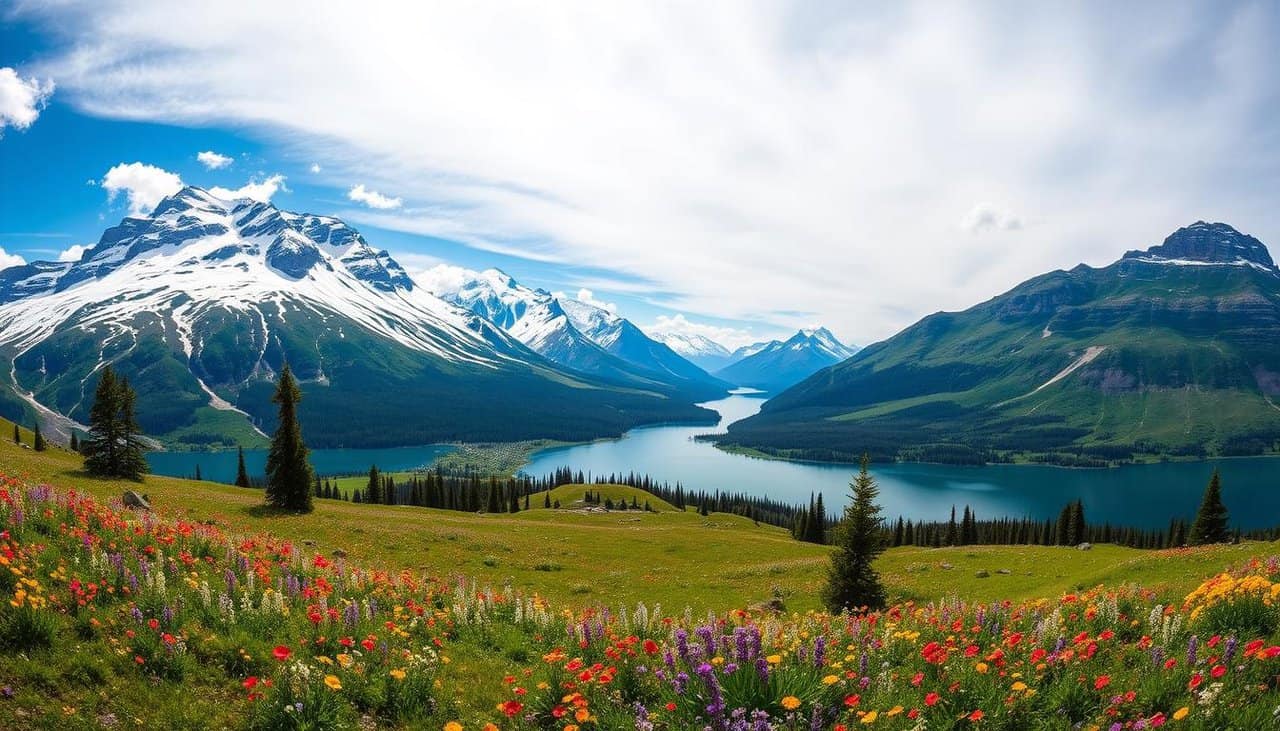
Did you know Montana has over 3.4 million acres of protected land? It’s a top spot for outdoor lovers in the U.S. You’ll find amazing views, diverse wildlife, and lots of activities. Whether hiking, camping, or enjoying nature, Montana’s national parks have something for everyone.
This guide will show you the stunning mountains, lakes, and trails in Big Sky Country. You’ll visit famous parks like Glacier and Yellowstone. Get ready to explore the wild beauty of Montana!
Key Takeaways
- Montana boasts over 3.4 million acres of protected parkland.
- Discover breathtaking landscapes in the best national parks in Montana.
- Recreational activities abound, from hiking to camping.
- Experience the rich history and natural wonders through a comprehensive Montana national parks guide.
- Prepare for adventure in the diverse environments of Big Sky Country.
Overview of National Parks in Montana
National parks in Montana are great for adventure, learning, and protecting nature. They are key places for different ecosystems and are very beautiful. Knowing the montana national parks ranking helps travelers find the best spots in the state. Let’s explore what makes these areas special.
Importance of National Parks
National parks are vital for saving the environment and keeping species alive. In Montana, these parks are not just beautiful but also homes for many animals. They offer many benefits, including:
- Chances for outdoor recreation and tourism
- Educational programs for people of all ages
- Natural laboratories for scientific research
Unique Features of Montana’s Parks
Montana has some of the most amazing national parks, each with its own charm. From stunning mountains to clear lakes, there’s always something new to discover. Some key features include:
- Diverse Wildlife: Parks are home to rare species and healthy ecosystems.
- Stunning Landscapes: Unique geological formations provide stunning vistas.
- Rich History: Many parks contain historical artifacts and cultural landmarks.
| Park Name | Notable Features | Activities |
|---|---|---|
| Glacier National Park | High Peaks, Glacial Lakes | Hiking, Camping, Wildlife Watching |
| Yellowstone National Park | Geothermal Features, Historic Sites | Photography, Fishing, Hiking |
| Lewis and Clark Caverns State Park | Stalactite and Stalagmite Formations | Cave Tours, Hiking |
Glacier National Park: The Crown Jewel
Glacier National Park is a top choice among Montana’s national parks. It draws visitors with its stunning views and diverse wildlife. With its mountains, lakes, and forests, it has something for everyone. If you love exploring Montana’s national parks, Glacier is a must-see.
Iconic Landscapes
The park’s landscapes are perfect for photographers. Its mountains and valleys change with the seasons. The Going-to-the-Sun Road offers amazing views, and hidden lakes provide peace.
Your trip here will show you why Glacier is a top park in Montana. It’s a place of unforgettable beauty.
Wildlife and Biodiversity
Glacier is a haven for wildlife lovers. Look out for grizzly bears, mountain goats, and birds. These animals live in their natural home, offering a rare glimpse into their world.
Seeing wildlife here makes exploring Montana’s parks even more special. It shows the park’s importance in protecting endangered species.
Popular Trails and Activities
Glacier offers over 700 miles of hiking trails for all levels. Popular paths lead to stunning views and unforgettable photos. For bike lovers, the Going-to-the-Sun Road and Many Glacier area offer exciting rides.
Visiting during the best hiking seasons makes your trip even better. Check out this resource about hiking seasons for more information.
Yellowstone National Park: A Natural Wonder
Yellowstone National Park in Montana is known for its stunning beauty and natural wonders. It was the first national park in the United States and a UNESCO World Heritage Site. People from all over the world visit this place, attracted by its geothermal features and rich history.
Geothermal Features
The geothermal features of Yellowstone National Park are truly amazing. Places like Old Faithful and the Grand Prismatic Spring show the unique geology of this area. With over half of the world’s active geysers here, you can see the earth’s power up close. These sights make Yellowstone a must-see on any Montana national parks list.
Historic Significance
Yellowstone is also important in American history. It has been sacred to tribes like the Shoshone and Crow for many years. The stories and traditions tied to this land make your visit even more meaningful. This history makes Yellowstone one of the top rated Montana national parks.
Best Times to Visit
Knowing when to visit Yellowstone is key. Spring and fall are best for fewer crowds and more wildlife. You can see the park change with the seasons, from wildflowers in spring to fall colors. Planning your trip right will make your visit unforgettable.
| Season | Highlights | Tips |
|---|---|---|
| Spring | Wildflowers bloom, wildlife emerges. | Dress in layers for changing weather. |
| Summer | Full access to all areas, ranger-led programs. | Arrive early to avoid crowds. |
| Fall | Vibrant foliage, active animals preparing for winter. | Check for road closures due to weather. |
| Winter | Snowy landscapes, less crowded. | Prepare for cold weather and limited access. |
Flathead Lake and Its Surroundings
Flathead Lake is the largest natural freshwater lake west of the Mississippi River. It draws in nature enthusiasts and adventure seekers. The area is surrounded by beautiful views and rich wildlife, offering many recreational activities.
Recreational Opportunities
There are many things to do here, like fishing, boating, and hiking. Kayaking or canoeing on the lake is a memorable experience. The lake’s diverse ecosystem makes it a top spot in the Montana national parks guide.
Scenic Views and Campgrounds
Exploring the lake’s natural beauty, you’ll see the stunning Mission Mountains. Many campgrounds are along the shore, letting you enjoy the peaceful surroundings. To fully experience it, plan your visit during less busy times.
For tips on when to visit, check out this link: ideal times for national parks.
Lewis and Clark National Historic Trail
The Lewis and Clark National Historic Trail takes you back in time. It shows the epic journey through the western U.S. In Montana, the trail spans over 800 miles. It’s a great way to see montana national parks and learn about the historic expedition.
This trail adds to the montana national parks ranking. It highlights must-see spots that show the state’s rich history.
Historical Context
Walking the Lewis and Clark National Historic Trail, you follow in the footsteps of explorers. They bridged cultures and territories. Their journey mapped the landscape and opened up Montana for future explorers.
The trail tells the story of Lewis and Clark’s trials and triumphs. It lets you connect with their epic journey.
Key Landmarks Along the Trail
Along the trail, you’ll find landmarks that offer unique insights and experiences. These sites make your journey both educational and fun. Key spots include:
- Three Forks: This is where the Missouri River is formed, a crucial point in the expedition.
- The Gates of the Mountains: A stunning natural landmark where the expedition faced challenging waters.
- Fort Benton: Considered the birthplace of Montana, it served as an important trading post during the 19th century.
| Landmark | Description | Significance |
|---|---|---|
| Three Forks | Site of the convergence of three rivers | Starting point of the expedition’s journey |
| The Gates of the Mountains | Dramatic canyon formation along the Missouri River | Notable navigation challenge faced by Lewis and Clark |
| Fort Benton | Historic trading post | Cultural hub and supply point in the 1800s |
Beartooth Highway: Scenic Byway of Adventure
The Beartooth Highway is a stunning journey through Montana’s landscapes. It’s a top choice for those exploring Montana’s national parks. This scenic route links Red Lodge to Yellowstone National Park, offering views of mountains and alpine lakes. You’ll see varied terrain and vibrant wildflowers, making it a standout among Montana’s national parks.
Highlights of the Drive
Driving the Beartooth Highway, you’ll see many highlights. The route is famous for:
- Beartooth Pass: At over 10,900 feet, this overlook offers panoramic views.
- Alpine Lakes: Glacial lakes like Beartooth Lake are perfect for relaxation and photos.
- Diverse Wildlife: Look out for deer, elk, and bears along the way.
Stops Worth Making
Plan to stop at key spots to make your trip better. Here are some recommendations:
- Vista Point: A favorite for photos and enjoying the view.
- The Top of The World Store: Stock up or get tips from locals.
- Fishing at Beartooth Lake: A great spot for fishing in a peaceful setting.
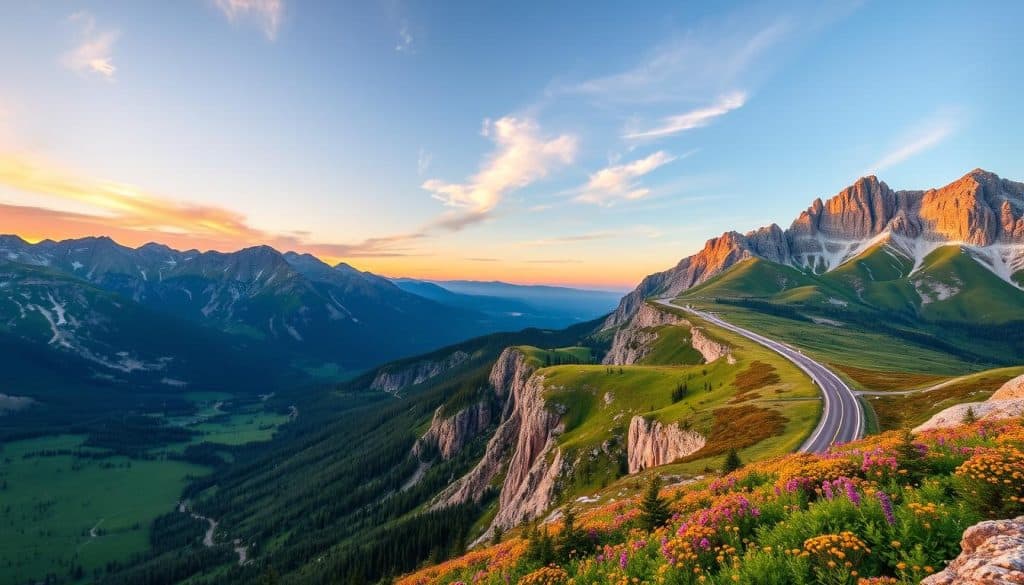
For more information on this amazing drive, check out the Montana national parks guide. Enjoy your trip on this scenic route and discover all that Montana’s national parks have to offer.
Discovering the Missouri River Breaks
The Missouri River Breaks is a stunning landscape in Montana’s best national parks. It features rugged breaks and deep canyons, offering breathtaking views. The Missouri River has carved unique geological formations over centuries, showing nature’s power and beauty.
Unique Geological Formations
Visitors will see towering cliffs and rugged terrain in the Missouri River Breaks. These formations give insight into the region’s geological history. The area supports diverse wildlife and plants, making it a key place to explore.
Outdoor Activities Available
Outdoor lovers will find many activities here. You can kayak or fish in the Missouri River. Hiking trails lead through pristine wilderness, where you can learn about Native American history and see stunning views.
Exploring the Missouri River Breaks reminds us of its importance. Its beauty and outdoor activities make it a standout among Montana’s national parks. It invites you to connect with nature deeply.
Parks Management and Conservation Efforts
Montana’s national parks need careful care, mainly from the National Park Service. This group works hard to keep the parks’ natural and cultural treasures safe. Their goal is to keep the parks healthy and protect the animals that live there.
The Role of the National Park Service
The National Park Service works on plans to keep Montana’s parks safe for the future. They manage resources carefully, making sure the parks stay natural. At the same time, they make sure visitors can enjoy the beauty of the parks.
Community Involvement in Conservation
Local people are key in taking care of Montana’s parks. They work with the National Park Service on projects like teaching about nature and cleaning up parks. This helps spread the word about taking care of the environment and makes people proud to live here.
| Conservation Initiative | Description | Impact on Parks |
|---|---|---|
| Wildlife Habitat Protection | Preservation of natural habitats for diverse species | Enhanced biodiversity and ecosystem health |
| Educational Programs | Workshops and outreach to raise awareness | Increased community engagement in conservation |
| Volunteer Cleanups | Community-led efforts to keep parks clean | Improved park aesthetics and visitor experience |
Tips for Visiting National Parks in Montana
Planning your trip to Montana’s national parks is key to a great experience. Being prepared is crucial. Start by getting the right gear. Good hiking boots and hydration packs are must-haves for long hikes.
Also, pack clothes for different weather. The mountains can change quickly.
Best Gear for Your Adventure
A good backpack is essential for exploring Montana’s parks. Choose one that holds all your essentials. Don’t forget a compass and map for navigation.
Check out a montana national parks guide for park-specific tips.
Safety Precautions to Keep in Mind
When you’re in the parks, safety comes first. Know the local wildlife rules and what to do if you see a bear. Always stay on trails to protect yourself and nature.
By following these tips, you’ll have a safe and memorable trip. For a detailed plan, see the ultimate guide to visiting Glacier National.
FAQ
What are the best national parks in Montana to visit?
The top spots include Glacier National Park, Yellowstone National Park, and Flathead Lake. They offer stunning views, diverse wildlife, and lots of outdoor fun.
When is the best time to visit the top-rated Montana national parks?
Late spring and early fall are the best times. The weather is nice, the plants are in bloom, and there are fewer people around.
Are there any must-see Montana national parks for first-time visitors?
Yes! Glacier National Park is a must for its stunning views and Going-to-the-Sun Road. Yellowstone is also a must-see for its unique hot springs and rich history.
Is there a comprehensive Montana national parks guide available?
Absolutely! You can find detailed guides in books and online. They include maps, trail info, and tips for enjoying your visit.
What activities can I enjoy while exploring Montana national parks?
Enjoy hiking, camping, wildlife watching, fishing, and scenic drives. Each park has its own special activities, so check them out!
Are there any renowned historical sites in the popular national parks in Montana?
Yes! The Lewis and Clark National Historic Trail and sites in Yellowstone offer a deep dive into American West history.
How can I ensure a safe visit to the best national parks in Montana?
Know the park rules, carry bear spray, stay on trails, and be ready for weather changes. Also, follow wildlife rules for your safety and theirs.
Which Montana national parks feature the most stunning scenic drives?
Glacier National Park and the Beartooth Highway have incredible scenic drives. They show off Montana’s stunning views with many lookout points.
Are there guided tours available for visiting the top-rated Montana national parks?
Yes, many tour operators offer guided tours. They provide insights into the parks’ features, wildlife, and history. It’s a great way to learn more while exploring.
What wildlife can I expect to see while visiting Montana’s national parks?
Expect to see grizzly bears, elk, bighorn sheep, and eagles. Keep an eye out, especially in Yellowstone and Glacier National Park, known for their diverse wildlife.