

Did you know that over 4.5 million visitors explore this breathtaking area every year? Nestled at the intersection of the Mojave Desert, the Colorado Plateau, and the Great Basin, this destination offers landscapes that feel like they belong to another planet. Visitors often describe it as “Awestruck, delighted, intense, and otherworldly.”
This guide is your ultimate resource for planning, exploring, and enjoying everything this iconic area has to offer. Whether you’re looking for a leisurely stroll along a scenic trail or an adrenaline-pumping canyoneering adventure, you’ll find it here. With its diverse ecosystems and unique geographic features, this place is a haven for outdoor enthusiasts.
From practical tips on permits and reservations to seasonal advice and safety guidelines, this guide has you covered. Let’s dive into the essentials to make your visit unforgettable.
Key Takeaways
- Over 4.5 million visitors explore this area annually, making it a top destination.
- It’s located at the intersection of three major geographic regions, offering unique landscapes.
- Activities range from easy hikes to challenging canyoneering adventures.
- Plan ahead with permits, reservations, and seasonal tips for the best experience.
- This guide provides everything you need to make the most of your visit.
Planning Your Trip to Zion National Park
Planning a trip to this iconic destination requires careful preparation to make the most of your adventure. Whether you’re hiking, canyoneering, or simply soaking in the views, early planning ensures a smooth and memorable experience.
Researching Permits and Reservations
Securing permits early is crucial for popular activities like hiking Angels Landing or exploring The Narrows. These trails are in high demand, and permits often sell out quickly. Check the official website for reservation details and availability.
Camping options, such as Watchman and South Campgrounds, also require advance reservations. For a more remote experience, Lava Point Campground offers primitive sites on a first-come, first-served basis. Plan ahead to secure your spot.
Don’t forget about other activities like river rafting or canyoneering, which may require additional permits. Researching these in advance will save you time and hassle during your visit.
What to Pack for Every Season
Weather in this area can vary significantly throughout the year. Layered clothing is essential to stay comfortable during your adventures. Here’s a quick checklist to help you prepare:
- Spring/Fall: Light jackets, hiking boots, and a reusable water bottle.
- Summer: Sunscreen, hats, and breathable clothing to beat the heat.
- Winter: Warm layers, gloves, and sturdy footwear for icy trails.
Always bring essentials like a first-aid kit, snacks, and a map. Staying prepared ensures you can focus on enjoying the stunning landscapes and unique activities this area offers.
Discovering Iconic Landscapes and Trails
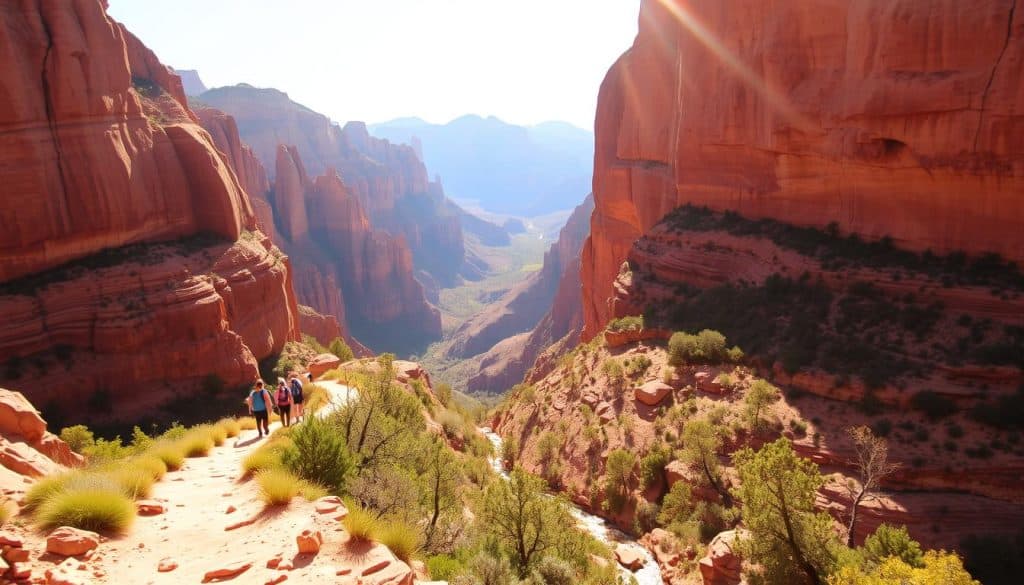
The trails here are legendary, drawing adventurers from around the world. Whether you’re seeking heart-pounding climbs or serene walks, this area offers something for everyone. From towering cliffs to winding canyons, every step reveals a new view.
Exploring Famous Hikes
Two hikes stand out as bucket-list experiences: Angels Landing and The Narrows. Angels Landing is known for its steep ascent and 21 switchbacks called Walter’s Wiggles. The reward? Panoramic views of the canyon that are worth every step.
The Narrows, on the other hand, takes you through the Virgin River, surrounded by towering canyon walls. It’s a unique hiking trail that combines water and rock, offering a one-of-a-kind adventure. Both require permits, so plan ahead to secure your spot.
Hidden Gems Within the Area
While the famous trails get most of the attention, lesser-known paths offer solitude and equally stunning views. The Canyon Overlook Trail is a short, easy hike with breathtaking vistas. For a longer adventure, try the East Mesa Trail to Observation Point, which offers a quieter alternative to crowded routes.
Exploring these hidden gems lets you experience the area’s natural beauty without the crowds. It’s a chance to connect with nature on a deeper level.
| Trail | Distance | Difficulty | Highlights |
|---|---|---|---|
| Angels Landing | 5.4 miles | Challenging | Panoramic canyon views |
| The Narrows | Varies | Moderate | River hike through canyon walls |
| Canyon Overlook | 1 mile | Easy | Stunning vistas |
| East Mesa Trail | 7 miles | Moderate | Quiet, scenic route |
Whether you choose a famous trail or a hidden gem, each hike offers a unique way to experience this incredible area. Plan your visit to include a mix of both for a richer adventure.
Outdoor Adventures: Hiking, Canyoneering, and More
Adventure awaits in one of the most diverse outdoor playgrounds in the U.S. Whether you’re a seasoned explorer or a first-time visitor, this area offers activities that cater to every skill level. From scenic hikes to adrenaline-pumping canyoneering, there’s something for everyone.

Choosing the Right Trail for Your Skill Level
Selecting the right trail is key to a safe and enjoyable experience. Beginners might enjoy the Canyon Overlook Trail, a short hike with stunning views. For those seeking a challenge, Angels Landing offers a thrilling climb with rewarding panoramas.
If you’re up for a unique adventure, consider canyoneering. Routes like The Subway and Orderville Canyon combine scrambling, climbing, and even swimming. These advanced trails require permits, so plan ahead to secure your spot.
Here’s a quick guide to help you choose:
- Beginner: Stick to shorter, well-marked trails like the Riverside Walk.
- Intermediate: Try moderate hikes such as the Emerald Pools Trail.
- Advanced: Tackle technical routes like The Narrows or canyoneering adventures.
Guided tours are a great option for beginners or those new to canyoneering. Tours like the Rock Drop Canyoneering Tour or Powell’s Way Full Day Trip provide expert guidance and all necessary equipment. These tours ensure you can focus on the experience while staying safe.
Remember, preparation is essential. Bring the right gear, stay hydrated, and always check weather conditions. Matching your activity to your skill level ensures a memorable and safe adventure in this incredible area.
Seasonal Tips: Best Times to Visit and Navigation Through Weather
Timing your visit can make all the difference in your experience. The weather and crowds vary dramatically throughout the year, so planning around these factors ensures a safer and more enjoyable trip. Whether you’re hiking, exploring trails, or simply soaking in the views, understanding seasonal patterns is key.
How Weather Impacts Trail and Activity Conditions
Weather plays a major role in shaping your adventure. Summer temperatures often exceed 100°F, making early morning or late afternoon hikes more comfortable. However, July and August bring thunderstorms and flash flood risks, especially in narrow canyons like The Narrows. Always check real-time conditions before heading out.
Winter offers a quieter experience but comes with its own challenges. Daytime highs in the 50s and 60s are pleasant, but nighttime lows can drop below freezing. Snow and ice may close roads like Kolob Terrace, so plan accordingly. Spring and fall strike a balance with mild temperatures, though spring runoff can close trails temporarily.
Maximizing Your Visit in Off-Peak Seasons
Visiting during off-peak times like January or early fall offers a more relaxed experience. Crowds are thinner, and you’ll have more space to enjoy the scenery. Fall is particularly appealing, with cooler temperatures and vibrant foliage. Plus, trails are less crowded, making it easier to find parking and shuttle availability.
Here are some tips to make the most of your off-peak visit:
- Check weather forecasts: Be prepared for sudden changes, especially in winter or spring.
- Arrive early: Even in off-peak seasons, popular spots can fill up quickly.
- Pack layers: Weather can vary significantly throughout the day.
For more insights on the best times to visit national parks, explore our detailed guide. By planning around the weather and crowds, you’ll create a memorable and stress-free adventure.
Accommodations and Dining in Greater Zion
Finding the perfect place to stay can elevate your trip from good to unforgettable. Whether you’re looking for rustic camping, luxurious glamping, or a cozy hotel, the Greater Zion area has something for everyone. Springdale, the gateway town, is a popular choice for its mix of convenience and charm.
Where to Stay: Camping, Glamping, and Hotels
Springdale offers a variety of lodging options to suit every preference and budget. For those who love the outdoors, camping is a fantastic choice. Inside the park, you’ll find campgrounds like Watchman and South, which provide easy access to trails and scenic views. If you prefer a more comfortable experience, glamping sites in the area combine nature with modern amenities.
Hotels and resorts in Springdale are ideal for travelers seeking comfort and convenience. Many are within walking distance of shuttle stops, making it easy to explore the park. For a unique stay, consider boutique hotels or vacation rentals that offer a local touch. RV parks are also available, perfect for road-trippers who want to bring their home on wheels. Discover the best RV parks near the for a seamless outdoor adventure.
Here’s a quick breakdown of your options:
- Camping: Watchman and South Campgrounds are great for tent and RV camping.
- Glamping: Enjoy the outdoors with added comforts like beds and electricity.
- Hotels: From budget-friendly motels to luxury resorts, there’s something for everyone.
- RV Parks: Perfect for travelers who want flexibility and convenience.
Booking early is key, especially during peak seasons. Spring and fall are particularly busy, so secure your spot well in advance. Staying in Springdale not only puts you close to the park but also offers access to local dining and shopping. Whether you’re after rural charm or modern amenities, you’ll find the perfect base for your adventure.
Navigating Park Logistics and Safety Guidelines
Navigating the logistics of this popular area ensures a smoother and safer experience. With millions of visitors each year, understanding the shuttle system, parking options, and safety measures is essential. Proper planning not only enhances your trip but also keeps you and the environment protected.
Understanding Shuttle Operations and Parking Passes
The shuttle system is a lifeline for exploring the park efficiently. From early February through late November, shuttles run between the visitor center and key stops like the Temple of Sinawava. Each ride takes about 40 minutes, offering a convenient way to access trails without the hassle of parking.
Parking is limited, especially during peak seasons. Lots at the visitor center and museum fill up quickly, often by mid-morning. To avoid frustration, arrive early or consider parking in nearby Springdale. Remember, receipts from Springdale parking do not serve as park entrance passes.
Staying Safe on Challenging Trails
Safety is paramount when tackling challenging trails. Always check weather conditions before heading out, as flash floods can occur unexpectedly. For hikes like Angels Landing or The Narrows, permits are required, and preparation is key. Bring plenty of water, wear sturdy footwear, and stay on marked paths.
In case of emergencies, know where to find help. Rangers are stationed at key points, and the visitor center provides up-to-date safety information. As the park emphasizes, “Leave No Trace” principles ensure the preservation of this natural wonder for future generations.
| Trail | Safety Tips |
|---|---|
| Angels Landing | Use chains for support, avoid hiking in wet conditions. |
| The Narrows | Check water levels, wear waterproof gear. |
| Emerald Pools | Stay on marked trails, avoid slippery rocks. |
By mastering the park’s logistics and adhering to safety guidelines, you can enjoy a seamless and memorable adventure. Plan ahead, stay informed, and embrace the beauty of this iconic destination responsibly.
Conclusion
Your journey to this iconic destination begins with careful planning and a sense of adventure. From securing permits to choosing the right trails, every step ensures a memorable experience. Whether you’re hiking, canyoneering, or simply soaking in the views, this guide has you covered.
Use this resource as your checklist to prepare for an unforgettable trip. Plan ahead for seasonal changes, pack wisely, and explore both famous trails and hidden gems. With proper preparation, you’ll make the most of every moment.
Now is the time to embrace the breathtaking beauty and excitement that await. Start planning today and get ready to create memories that will last a lifetime.
FAQ
Do I need a permit to hike in the park?
Yes, some trails require permits, especially for activities like canyoneering or overnight hikes. Always check the official website for details.
What should I pack for a trip to the area?
Bring layers for changing weather, sturdy hiking shoes, plenty of water, and sun protection. The right gear depends on the season and your planned activities.
Are there beginner-friendly trails?
Absolutely! Trails like the Pa’rus Path and Riverside Walk are perfect for beginners. They offer stunning views without being too challenging.
When is the best time to visit?
Spring and fall are ideal for mild weather and fewer crowds. Summer can be hot, while winter offers a quieter experience with possible snow.
How does weather affect trail conditions?
Weather can impact trail accessibility and safety. Rain may cause flash floods, and snow can make some paths slippery. Always check forecasts before heading out.
Where can I stay near the park?
Options range from campgrounds and glamping sites to hotels in nearby towns like Springdale. Book early, especially during peak seasons.
How does the shuttle system work?
The shuttle operates during busy months to reduce traffic. It’s free and stops at major trailheads and viewpoints. Parking passes are required for private vehicles.
What safety tips should I follow on challenging trails?
Stay hydrated, stick to marked paths, and avoid hiking during extreme weather. Let someone know your plans and carry a map or GPS device.