

Did you know that Yellowstone National Park was established in 1872, making it the first national park in the world? This iconic destination spans three states—Wyoming, Montana, and Idaho—and is a treasure trove of natural wonders. From the famous Old Faithful geyser to its diverse wildlife, this park offers an unforgettable adventure for every visitor.
Whether you’re a history buff, a nature enthusiast, or someone seeking travel tips, this guide has you covered. You’ll discover the park’s fascinating geology, its rich history, and insider advice to make your trip seamless. With over 3,400 square miles of breathtaking landscapes, Yellowstone National Park is a must-visit destination that promises to leave you in awe.
Ready to explore? Let’s dive into what makes this national park a true American gem.
Key Takeaways
- Established in 1872, it’s the first national park in the world.
- Located across Wyoming, Montana, and Idaho.
- Home to iconic geysers like Old Faithful.
- Offers diverse wildlife and stunning natural landscapes.
- Perfect for history, geology, and adventure lovers.
Introduction to Yellowstone National Park
Step into a world where nature’s wonders unfold in every direction. Spanning over 3,468 square miles, this iconic destination is a treasure trove of geothermal marvels, diverse wildlife, and breathtaking landscapes. It’s not just a place to visit—it’s an experience that stays with you forever.
Overview and Significance
This area is more than just a scenic escape. It’s a living testament to the power of nature and the importance of conservation. Established in 1872, it holds the title of the world’s first national park, setting a precedent for protecting natural wonders globally.
From its vast forests to its shimmering lakes, every corner tells a story. The park is home to over 10,000 hydrothermal features, including geysers, hot springs, and mud pots. These geothermal wonders are a reminder of the volcanic forces that shaped this land.
“Yellowstone is not just a park; it’s a sanctuary for life in all its forms.”
What Makes It Unique
What sets this destination apart is its incredible diversity. You’ll find everything from towering waterfalls to sprawling meadows. The wildlife here is equally impressive, with bison, elk, and grizzly bears roaming freely.
It’s also a place of cultural significance. Over 26 Native American tribes have historical ties to the area, adding layers of heritage to its natural beauty. Whether you’re a history buff or an outdoor enthusiast, there’s something here for everyone.
| Feature | Details |
|---|---|
| Geothermal Features | Over 10,000, including 500 active geysers |
| Wildlife Species | 67 mammals, 285 birds, and 16 fish species |
| Cultural Ties | 26 associated Native American tribes |
Visiting this park isn’t just about sightseeing—it’s about connecting with nature and understanding its importance. Whether you’re marveling at Old Faithful or hiking through its trails, you’ll leave with a deeper appreciation for the natural world.
History and the Birth of America’s First National Park
Long before it became a protected area, this land was home to ancient cultures and explorers. Its story is one of resilience, vision, and the enduring power of nature. From Native tribes to early adventurers, this land has always captivated those who set foot on it.
Early Native and Explorer Insights
For over 11,000 years, Native American tribes lived in harmony with this land. They used its resources for food, tools, and spiritual practices. Tribes like the Shoshone, Crow, and Blackfeet have deep historical ties to the area.
In the early 1800s, explorers like John Colter and Jim Bridger ventured into this rugged terrain. Their accounts of geothermal wonders and wildlife sparked curiosity. These stories laid the groundwork for future expeditions and the eventual protection of the area.
“This land is not just a place; it’s a testament to the enduring relationship between humans and nature.”
Legislation and Establishment in 1872
The journey to federal protection began with the Washburn-Doane Expedition in 1870. Their reports inspired Congress to act. In March 1872, President Ulysses S. Grant signed the Yellowstone National Park Protection Act into law. This marked the birth of the world’s first national park.
Key figures like Ferdinand V. Hayden played a crucial role. His geological surveys provided the scientific basis for the park’s creation. The act aimed to preserve the land for public enjoyment and protect its natural wonders.
| Milestone | Details |
|---|---|
| Native American Presence | Over 11,000 years of history |
| Explorer Accounts | John Colter, Jim Bridger, and others |
| Legislation | Signed into law in March 1872 |
Today, the National Park Service manages this land with the same vision of preservation. From its early challenges to modern conservation efforts, this area remains a symbol of America’s commitment to protecting its natural heritage.
Geology and Natural Wonders
Beneath the surface of this iconic destination lies a geological marvel that has shaped its landscape for millions of years. From towering geysers to bubbling hot springs, the area is a living testament to Earth’s dynamic forces. Its unique features are a result of volcanic activity and geothermal energy, making it a hotspot for both visitors and scientists.
The Yellowstone Caldera and Volcanic Roots
At the heart of this region lies the Yellowstone Caldera, one of the world’s largest supervolcanoes. Formed by massive eruptions over 600,000 years ago, the caldera spans 34 by 45 miles. Though dormant, it remains active, with magma chambers just a few miles below the surface.
This volcanic activity fuels the park’s geothermal features. Earthquakes, ground uplift, and subsidence are common, reflecting the caldera’s dynamic nature. Scientists monitor these changes closely, providing insights into volcanic behavior and potential risks.
“The Yellowstone Caldera is a window into the Earth’s interior, offering clues about its past and future.”
Thermal Features and Geyser Systems
The area is home to over 10,000 thermal features, including geysers, hot springs, and mud pots. Old Faithful, the park’s most famous geyser, erupts every 90 minutes, reaching heights of up to 185 feet. Its predictability has made it a must-see for visitors.
Other notable features include Mammoth Hot Springs, known for its terraced limestone formations, and the Norris Geyser Basin, the hottest in the park. Each thermal feature is unique, offering a glimpse into the Earth’s geothermal energy.
| Feature | Details |
|---|---|
| Old Faithful | Erupts every 90 minutes, up to 185 feet |
| Mammoth Hot Springs | Terraced limestone formations |
| Norris Geyser Basin | Hottest basin with diverse thermal features |
Exploring these geothermal wonders is a highlight for many visitors. Whether you’re marveling at the eruptions of Old Faithful or soaking in the beauty of Mammoth Hot Springs, the experience is unforgettable. The park’s geology not only shapes its landscape but also provides valuable insights into Earth’s processes.
Iconic Geysers and Hot Springs Highlights
The area is a geothermal wonderland, home to some of the most spectacular natural features on Earth. From towering geysers to vibrant hot springs, the region’s thermal activity is a sight to behold. Over half of the world’s geysers are found here, making it a must-visit destination for nature enthusiasts.
One of the most famous attractions is Old Faithful, known for its predictable eruptions. Every 90 minutes, this geyser shoots water up to 185 feet into the air, captivating visitors with its power and precision. Its reliability has made it a symbol of the area’s geothermal wonders.
Beyond Old Faithful, the region boasts a variety of hot springs, each with its unique charm. The Mammoth Hot Springs feature terraced limestone formations, while the Norris Geyser Basin is the hottest in the area. These thermal features are not just beautiful—they’re a reminder of the Earth’s dynamic forces.
“The geothermal activity here is a window into the Earth’s interior, offering a glimpse of its raw power.”
These features play a vital role in defining the character of the area. They attract millions of visitors annually, offering unforgettable experiences and a deeper connection to nature. Whether you’re marveling at the eruptions of Old Faithful or soaking in the beauty of the hot springs, the area’s geothermal wonders are sure to leave you in awe.
Old Faithful: Nature’s Timeless Spectacle
Few natural wonders capture the imagination like Old Faithful. This iconic geyser has become a symbol of nature’s precision and power, drawing millions of visitors each year. Its predictable eruptions and stunning displays make it a must-see attraction.
Eruption Patterns and Global Fame
Old Faithful’s eruptions are a marvel of nature. Every 90 minutes, it shoots water up to 185 feet into the air. This predictability has made it a favorite among visitors and a key feature for the national park service to highlight.
The science behind its eruptions is fascinating. Underground water is heated by magma, creating pressure that forces the water upward. This process repeats like clockwork, making Old Faithful one of the most reliable geothermal features in the world.
“Old Faithful is more than a geyser; it’s a reminder of the Earth’s dynamic energy.”
Its fame extends beyond the park. Old Faithful has been featured in countless documentaries, photos, and travel guides. It’s a symbol of the area’s natural beauty and a testament to the importance of preserving such wonders.
Historically, Old Faithful played a key role in establishing the area’s reputation. Early explorers marveled at its eruptions, and their accounts helped inspire the creation of the world’s first protected area. Today, it remains a cornerstone of the region’s identity.
Visitors can plan their trips around its eruption schedule, ensuring they don’t miss this incredible sight. Whether you’re standing by the geyser or watching from a distance, the experience is unforgettable.
Old Faithful’s story is deeply connected to the broader geothermal features of the region. It’s part of a network of over 10,000 thermal features, each with its unique charm. Together, they create a landscape that’s both awe-inspiring and humbling.
Vibrant Wildlife and Ecological Diversity
Home to some of the most iconic wildlife in North America, this area is a haven for nature lovers. From roaming bison to soaring eagles, the region offers unparalleled wildlife encounters. Its diverse habitats support a rich array of species, making it one of the premier destinations for animal enthusiasts.
Bison, Elk, and Grizzlies
The area boasts the largest bison herd in the United States, with thousands of these majestic creatures roaming freely. Elk are also abundant, especially during the fall rut season when bulls compete for harems. Grizzly bears, a symbol of the wild, can be spotted in spring and fall, adding to the thrill of your visit.
Wolves, reintroduced in 1995, are another highlight. Winter is the best time to observe these elusive predators. Whether you’re in west yellowstone or the Lamar Valley, wildlife sightings are almost guaranteed.
Birds, Mammals, and Aquatic Life
Birdwatchers will delight in the over 285 species that call this area home. From bald eagles to sandhill cranes, the skies are alive with activity. Lesser-known mammals like pronghorn antelope, the second fastest land animal, also thrive here.
Aquatic life is equally diverse. The rivers and lakes support 16 fish species, making it a paradise for anglers. The mammoth hot springs and surrounding areas are teeming with life, showcasing the region’s ecological richness.
“This area is not just a park; it’s a living ecosystem where every species plays a vital role.”
With over 4.5 million visitors annually, the region continues to inspire and educate. Guided tours enhance your experience, offering insights into the area’s wildlife and conservation efforts. Whether you’re in montana or exploring the mammoth region, every visit promises unforgettable encounters with nature.
Outdoor Adventures and Recreational Activities
Discover a world of adventure where every trail leads to new wonders. From serene lakes to rugged backcountry, this area offers endless opportunities for outdoor enthusiasts. Whether you’re camping under the stars, casting a line in pristine waters, or hiking through breathtaking landscapes, there’s something for everyone.
Camping, Boating, and Fishing
Camping here is an experience like no other. With 12 campgrounds and over 300 backcountry sites, you can choose between family-friendly spots or secluded retreats. The park service ensures these areas are well-maintained, offering amenities like picnic tables and fire rings.
Boating and fishing are equally rewarding. The area’s rivers and lakes are home to diverse species, making it a paradise for anglers. Whether you’re kayaking on a tranquil lake or fishing in a rushing stream, always follow local regulations to protect the ecosystem.
Backcountry and Day Hikes
With nearly 1,000 miles of trails, hiking is a must-do activity. From easy walks to challenging treks, there’s a path for every skill level. Popular routes like the Lamar Valley Trail offer stunning views and wildlife sightings, including bison and elk.
For those seeking solitude, backcountry hikes provide a chance to connect with nature. Always carry bear spray, check trail conditions, and let someone know your plans. The park service provides detailed maps and safety tips to ensure a smooth adventure.
“The great outdoors is not just a place to visit; it’s a place to respect and protect.”
Whether you’re exploring with a guide or venturing out on your own, this area promises unforgettable experiences. Plan ahead, stay safe, and immerse yourself in the beauty of this remarkable state.
Exploring Majestic Hiking Trails and Scenic Vistas
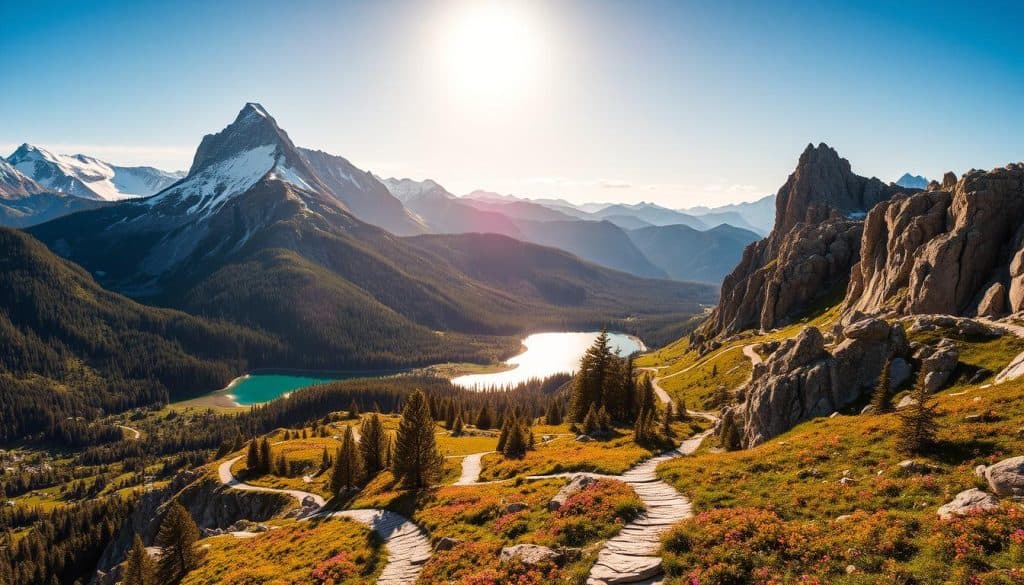
Lace up your boots and get ready to explore some of the most stunning trails in the region. Whether you’re a beginner or an experienced hiker, the area offers routes that cater to every skill level. From iconic viewpoints to hidden gems, each trail promises unforgettable views and a chance to connect with nature.
Popular Routes for All Skill Levels
For those seeking iconic views, the Fairy Falls Trail is a must. This 8-mile loop takes you past the vibrant Grand Prismatic Spring and ends at a stunning 200-foot waterfall. If you’re up for a challenge, the Avalanche Peak Trail offers a steep climb with panoramic rewards.
Families and beginners will enjoy the Lone Star Geyser Trail, a 2.4-mile path leading to a geyser that erupts every three hours. For wildlife enthusiasts, the Lamar River Trail is a 5-mile route where bison and elk are often spotted.
Hidden Paths and Overlook Points
If you’re looking to escape the crowds, the Observation Peak Trail is a hidden gem. This 9.6-mile hike rewards you with sweeping views of the surrounding landscapes. Another lesser-known route is the Osprey Falls Trail, a 7.4-mile trek that descends to a secluded waterfall.
For a unique experience, explore the Bunsen Peak Trail. This 4.6-mile hike offers panoramic views of the Northern Range and is perfect for catching a sunrise or sunset. Nearby, the Grand Teton National area also offers trails worth exploring if you’re extending your trip.
“Every trail tells a story, and every step brings you closer to nature’s wonders.”
To make the most of your hike, plan ahead. Early mornings or late afternoons are ideal for avoiding crowds and spotting wildlife. Always carry a map, stay on marked trails, and respect the natural environment. Whether you’re chasing waterfalls or summiting peaks, the region’s trails are waiting to be discovered.
Winter Adventures and Seasonal Experiences
Winter transforms this iconic destination into a serene wonderland, offering unique adventures. From snow-covered trails to steaming geysers, the colder months bring a magical charm you won’t find any other time of year. Whether you’re gliding through snowy landscapes or marveling at frozen waterfalls, the season promises unforgettable experiences.
Snowmobiling and Guided Snowcoach Tours
Snowmobiling is a thrilling way to explore the area’s winter beauty. With hundreds of miles of trails, you can glide past frozen lakes and snow-dusted forests. Guided tours ensure safety while providing insights into the region’s history and wildlife.
For a more relaxed experience, snowcoach tours are ideal. These heated vehicles take you deep into the heart of the park, offering views of iconic spots like Mammoth Hot Springs and the famous geyser basins. Both options provide a unique perspective on the winter landscape.
“Winter here is a season of quiet beauty, where every snowflake tells a story.”
When planning your trip, dress in layers to stay warm. Temperatures can drop below zero, especially at higher elevations. Check road closures and make reservations early, as winter access is limited. The serene beauty of the season is worth the extra preparation.
Visitor Information and Tips for a Smooth Trip
Planning your visit to this iconic region starts with understanding the essentials. From entrance fees to safety guidelines, being prepared ensures a seamless and enjoyable experience. Whether you’re a first-time visitor or a seasoned explorer, these tips will help you make the most of your journey.
Entrance Fees, Licensing, and Regulations
To access this breathtaking region, you’ll need to pay an entrance fee. The current fee structure supports conservation efforts and park maintenance. A 7-day pass for a private vehicle costs $35, while an annual pass is $70. For hikers and cyclists, the fee is $20 per person.
Permits are required for specific activities like backcountry camping or fishing. Always check the latest regulations to avoid fines. Respecting the rules helps preserve this natural wonder for future generations.
“Preparation is the key to a successful and safe visit.”
Weather, Safety, and Planning Essentials
Weather in this region can be unpredictable. Summers are warm, but nights can drop to freezing. Winters bring heavy snow, so dress in layers and carry emergency supplies. Always check the forecast before heading out.
Safety is a top priority. Stay on marked trails, keep a safe distance from wildlife, and carry bear spray. The park’s vast size—over 3,400 square miles—means cell service is limited. A map and compass are essential tools.
For a stress-free trip, plan ahead. Book accommodations early, especially during peak seasons. Use resources like the Montana national parks guide to understand seasonal changes and maximize your visit.
| Category | Details |
|---|---|
| Entrance Fees | $35 for 7-day vehicle pass, $70 annual pass |
| Permits | Required for camping, fishing, and special activities |
| Weather Tips | Dress in layers, check forecasts, prepare for extremes |
| Safety | Stay on trails, carry bear spray, respect wildlife |
With the right preparation, your visit to this remarkable region will be unforgettable. Take the time to plan, stay informed, and embrace the adventure that awaits.
Lodging, Camping, and Dining Options
From rustic campsites to cozy lodges, your accommodation options are as diverse as the landscape. Whether you’re planning a summer adventure or a winter escape, there’s something for every traveler. Let’s explore where to stay and dine to make your trip unforgettable.
Inside the area, you’ll find a mix of historic lodges and modern facilities. The Old Faithful Inn, a National Historic Landmark, offers a unique stay with its log architecture and proximity to the famous geyser. For a more contemporary experience, the Canyon Lodge and Cabins provide over 500 rooms and sustainable amenities.
Camping enthusiasts can choose from 12 developed campgrounds with over 2,150 sites. Popular spots like Grant Village and Mammoth Hot Springs are ideal for families. For a more secluded experience, backcountry camping offers over 300 sites, perfect for those seeking solitude.
Dining options cater to every taste, from casual cafeterias to full-service restaurants. At Lake Yellowstone Hotel, enjoy fine dining with lake views. For quick bites, the Old Faithful Lodge offers cafeteria-style meals. Many facilities also accommodate dietary needs, ensuring everyone finds something delicious.
“Your stay here is more than just a place to sleep—it’s part of the adventure.”
When planning your trip, consider seasonal availability. Summer is peak season, so book early. In november, fewer facilities are open, but the Snow Lodge remains a cozy winter option. Check the south area for gateway communities with additional lodging and dining choices.
Here’s a quick comparison of lodging options:
| Option | Highlights |
|---|---|
| Old Faithful Inn | Historic, near geysers |
| Canyon Lodge | Modern, sustainable |
| Grant Village | Family-friendly, lakeside |
Balancing comfort and adventure is key. Whether you’re camping under the stars or relaxing in a lodge, your stay in the first national park will be a highlight of your journey. Plan ahead, explore your options, and make the most of this incredible destination.
Yellowstone National Park: What to Expect During Your Visit
Your journey to this iconic destination begins with understanding what to expect during your visit. From geothermal wonders to diverse wildlife, this region offers a mix of awe-inspiring sights and unique challenges. Whether you’re a first-time visitor or a seasoned explorer, preparation is key to making the most of your adventure.
Typical Visitor Experience
Millions of people visit this area annually, especially during the summer months. Crowds peak in June, July, and August, so plan accordingly. Early mornings and late afternoons are ideal for avoiding congestion at popular spots like Old Faithful and the Grand Prismatic Spring.
Winter visits, particularly in december, offer a quieter experience. Snow-covered landscapes and steaming geysers create a magical atmosphere. However, limited road access and colder temperatures require extra preparation.
Key Attractions and Seasonal Variations
The area is divided into distinct zones, each offering unique experiences. The northeast region is known for its wildlife-rich Lamar Valley, while the geyser basins in the central area are a must-see. Seasonal changes bring different highlights, from wildflower blooms in spring to vibrant fall foliage.

Diverse Experiences Across Park Zones
Each zone caters to different interests. Hikers will love the trails in the Canyon area, while families can enjoy the boardwalks around Mammoth Hot Springs. Wildlife enthusiasts should head to the Lamar Valley, where bison, wolves, and elk are frequently spotted.
Packing and Preparation Advice
Weather here can be unpredictable. Pack layers, sturdy footwear, and essentials like water and snacks. In winter, bring warm clothing and traction devices for icy paths. Always carry bear spray and follow safety guidelines to ensure a smooth trip.
Common Challenges and Solutions
Limited cell service and long travel times between attractions can be challenging. Download offline maps and plan your itinerary in advance. Crowds can be overwhelming during peak season, so consider visiting less popular areas or arriving early.
Busy Peaks and Peaceful Retreats
Popular spots like Old Faithful and the Grand Canyon of the Yellowstone are often crowded. For a quieter experience, explore the Bechler region or the northeast corner. These areas offer stunning scenery with fewer visitors.
“Preparation is the key to a successful and memorable visit. Plan ahead, stay informed, and embrace the adventure.”
| Season | Highlights | Tips |
|---|---|---|
| Summer | Wildlife, geysers, hiking | Arrive early to avoid crowds |
| Winter | Snowscapes, fewer visitors | Dress warmly, check road conditions |
Conservation Efforts and Park Management
Protecting this iconic region requires a blend of history, innovation, and community effort. Over the years, conservation practices have evolved to address challenges and ensure the area’s natural beauty endures. From wildlife recovery to habitat restoration, these efforts are a testament to the dedication of those who manage this treasured landscape.
History and Ongoing Efforts
Conservation here began in the late 19th century, transitioning from military oversight to modern management strategies. Early efforts focused on protecting wildlife and geothermal features, setting the stage for today’s comprehensive approach. Today, over 1,300 employees and volunteers work tirelessly to maintain the region’s ecological balance.
Innovative programs, like the microhydro generator at Mammoth Hot Springs, save energy and reduce greenhouse gas emissions. Smart irrigation systems have cut water use by 30%, conserving millions of gallons annually. These initiatives highlight the commitment to sustainability.
Success Stories and Challenges
Wildlife recovery is a major success story. The reintroduction of wolves in 1995 restored balance to the ecosystem, while bison herds thrive under careful management. However, challenges like poaching and over-visitation persist, requiring constant vigilance.
Collaborative efforts between federal agencies and local communities are key. Programs like Delaware North’s GreenPath® recycle over 55% of waste, diverting it from landfills. Free water-filling stations reduce plastic bottle use, showcasing practical solutions to environmental issues.
Innovative Programs and Visitor Responsibility
Innovation drives conservation forward. LEED-certified buildings, like the Old Faithful Visitor Education Center, set standards for sustainable design. Xanterra’s environmental management system ensures contractors meet waste diversion goals during construction projects.
Visitors play a crucial role in conservation. Responsible behavior, like staying on trails and properly disposing of waste, supports these efforts. By respecting the environment, everyone contributes to preserving this natural wonder for future generations.
| Program | Impact |
|---|---|
| Microhydro Generator | Saves $95,000 annually, reduces emissions |
| Smart Irrigation | Conserves 3.5 million gallons of water yearly |
| GreenPath® Recycling | Diverts 55% of waste from landfills |
“Conservation is not just a responsibility; it’s a legacy we leave for future generations.”
From the north to the entrance park, every corner of this region benefits from these efforts. Whether you visit in april or any other month, you’ll see the results of this dedication in the thriving wildlife, pristine landscapes, and sustainable practices. Together, we can ensure this iconic destination remains a source of wonder for years to come.
Planning Your Journey and Insider Travel Tips
Planning your trip to this iconic destination starts with understanding the best times to visit and what to pack. Whether you’re exploring the geothermal wonders or hiking through scenic trails, a little preparation goes a long way. Here’s everything you need to know to make your adventure seamless and memorable.
Seasonal Considerations and Best Times to Visit
Timing is everything when visiting this region. Summer, from June to August, is the peak season. The weather is warm, and all facilities are open. However, crowds can be overwhelming, especially at popular spots like the caldera and geyser basins.
For a quieter experience, consider visiting in late spring or early fall. The weather is still pleasant, and you’ll have more space to enjoy the views. Winter offers a unique charm, with snow-covered landscapes and steaming hot springs. Just be prepared for limited road access and colder temperatures.
Essential Packing and Preparation Advice
Packing smart is key to a comfortable trip. Here’s a quick checklist to get you started:
- Layered clothing: Weather can change quickly, so pack for all conditions.
- Sturdy footwear: Essential for hiking and exploring uneven terrain.
- Bear spray: A must for safety in wildlife-rich areas.
- Reusable water bottle: Stay hydrated while reducing plastic waste.
Don’t forget to check road conditions and make reservations early. Popular accommodations and activities often book up months in advance. If you’re extending your trip, consider exploring nearby attractions like teton national park for even more adventure.
“Preparation is the key to a successful and enjoyable trip. Plan ahead, stay informed, and embrace the journey.”
By following these tips, you’ll be ready to make the most of your visit. Whether you’re marveling at the geothermal features or spotting wildlife, a well-planned trip ensures an unforgettable experience.
Surrounding Attractions and Hidden Gems
Beyond the iconic landscapes, the surrounding region offers a wealth of hidden gems waiting to be explored. From towering peaks to charming local towns, there’s so much to discover just a short drive away. Whether you’re extending your trip or planning a day excursion, these nearby attractions will enrich your adventure.
Nearby National Parks and Local Culture
Just south of the area lies Grand Teton National Park, a stunning destination known for its jagged mountain ranges and pristine lakes. The Teton Range offers incredible hiking opportunities, with trails like Cascade Canyon providing breathtaking views. Wildlife enthusiasts will love spotting moose, elk, and bears in this diverse forest ecosystem.
For a deeper dive into local culture, visit the nearby town of Jackson Hole. This charming community is famous for its western heritage, art galleries, and vibrant dining scene. Don’t miss the iconic antler arches at the town square, a perfect photo opportunity.
Unique Local Experiences
Explore the teton national area further by taking a scenic drive along the John D. Rockefeller Jr. Memorial Parkway. This route connects the two parks and offers panoramic views of the surrounding wilderness. For a more immersive experience, consider a guided wildlife tour or a boat ride on Jenny Lake.
If you’re interested in history, visit the historic Mormon Row in Grand Teton. These well-preserved homesteads provide a glimpse into the lives of early settlers. It’s a peaceful spot to reflect on the region’s rich past.
“The beauty of this region lies not just in its landmarks but in the stories and cultures that shape it.”
Practical Travel Tips
When planning your day trips, consider the distance between attractions. The drive from the area to Grand Teton takes about an hour, so start early to make the most of your day. Pack snacks, water, and layers, as weather can change quickly in the mountains.
For multi-day excursions, book accommodations in advance, especially during peak seasons. Nearby towns like Cody and Gardiner offer cozy lodges and unique stays. Remember to respect local communities and follow Leave No Trace principles to preserve these beautiful areas.
| Attraction | Highlights |
|---|---|
| Grand Teton National Park | Mountain ranges, wildlife, hiking trails |
| Jackson Hole | Western heritage, art galleries, dining |
| John D. Rockefeller Jr. Memorial Parkway | Scenic drive, panoramic views |
By exploring these surrounding attractions, you’ll gain a deeper appreciation for the region’s natural and cultural diversity. Whether you’re hiking in the grand teton area or strolling through a historic town, every moment adds to your unforgettable journey.
Conclusion
From steaming geysers to sprawling wildlife habitats, this iconic destination offers a journey like no other. Its rich history, geothermal wonders like the Norris Geyser Basin, and diverse wildlife make it a must-visit year-round. Whether you’re marveling at the vibrant hot springs or spotting bison in the wild, every moment here is unforgettable.
Use this guide as your go-to resource for planning. From practical tips to hidden gems, it’s designed to help you make the most of your adventure. Pack smart, respect the environment, and embrace the spirit of exploration.
Ready to start your journey? Dive into additional resources and begin planning today. This incredible destination is waiting to inspire you with its natural beauty and timeless charm.
FAQ
What makes Yellowstone so special?
It’s home to unique geothermal features like geysers and hot springs, diverse wildlife, and stunning landscapes. It’s also the first national park in the world, established in 1872.
When is the best time to visit?
The summer months (June to August) are popular for warm weather and full access to trails. Winter offers snow-based activities like snowmobiling and fewer crowds.
How often does Old Faithful erupt?
Old Faithful erupts approximately every 90 minutes, making it one of the most predictable geysers in the world.
Can I see wildlife in the park?
Absolutely! You might spot bison, elk, grizzly bears, and even wolves. Always keep a safe distance and follow park guidelines.
Are there camping options inside the park?
Yes, there are several campgrounds and backcountry sites. Reservations are recommended, especially during peak seasons.
What should I pack for my trip?
Bring layers for changing weather, sturdy hiking shoes, a reusable water bottle, and bear spray if you plan to explore trails.
Are there guided tours available?
Yes, you can join ranger-led programs, snowcoach tours in winter, or private guided adventures for a deeper experience.
What are the entrance fees?
A 7-day pass costs per vehicle, per motorcycle, or per person on foot or bike. Annual passes are also available.
Can I visit nearby attractions?
Definitely! Grand Teton National Park and the town of West Yellowstone are great additions to your itinerary.
How can I help with conservation efforts?
Follow Leave No Trace principles, stay on designated trails, and support organizations dedicated to preserving the park’s natural beauty.