

Did you know that Wind Cave National Park is home to one of the longest cave systems in the world, with over 150 miles of explored passages? This incredible destination offers a unique blend of underground wonders and stunning prairie landscapes, making it a must-visit for nature lovers and adventurers alike.
Established in 1903, this park protects two distinct worlds. Below the surface, you’ll find rare formations like boxwork and frostwork, while above ground, you can explore rolling prairies filled with wildlife. Whether you’re hiking, taking a cave tour, or simply soaking in the natural beauty, there’s something for everyone.
From its rich history to its diverse ecosystems, Wind Cave National Park is a treasure waiting to be discovered. Let’s dive into what makes this place so special and why it should be on your travel bucket list.
Key Takeaways
- Explore one of the longest cave systems in the world, with over 150 miles of passages.
- Discover rare underground formations like boxwork and frostwork.
- Enjoy above-ground activities, including hiking and wildlife spotting on the prairie.
- Learn about the park’s rich history, dating back to its establishment in 1903.
- Experience a unique blend of underground and surface attractions in one location.
Introduction to Wind Cave National Park
Discover a place where rare geological wonders and vast grasslands coexist in harmony. This unique destination offers a blend of underground exploration and above-ground serenity, making it a must-visit for nature enthusiasts.
What Makes This Park Unique
One of the most fascinating aspects of this location is its “breathing” cave phenomenon. Changes in atmospheric pressure cause air to flow in and out, creating a natural wonder that feels alive. This feature is just one of the many reasons it stands out among other destinations.
Below the surface, you’ll find rare formations like boxwork and frostwork, which are unlike anything else in the world. Above ground, the rolling prairies are home to diverse wildlife, including bison, elk, and prairie dogs. This dual landscape offers something for everyone, whether you’re an avid explorer or a casual visitor.
A Brief Overview for Your Visit
Planning your trip is easy, thanks to the park’s user-friendly amenities. Guided tours are available to help you navigate the cave’s intricate passages, while hiking trails offer stunning views of the prairie. Be sure to check the schedule for seasonal activities and events.
For those looking to extend their stay, camping options are available from April through October. Whether you’re here for a day or a week, you’ll leave with unforgettable memories of this remarkable place. To learn more about other incredible destinations, check out our guide to the best national parks in New Mexico.
History and Cultural Significance
Long before it became a protected area, this place held spiritual significance for the Lakota people. For centuries, they regarded it as a sacred site, weaving it into their legends and traditions. One such story tells of the cave being a gateway to the spirit world, a place where the earth itself breathes.
European-American explorers arrived in the late 19th century, drawn by the area’s natural beauty and resources. The Bingham brothers were among the first to document the cave’s unique features. Later, Alvin McDonald became a key figure, mapping extensive passages and sharing its wonders with the world.
Native American Heritage and Legends
The Lakota people believed the cave was a sacred space, connected to their creation stories. They saw the “breathing” phenomenon as a sign of the earth’s living spirit. These legends add a layer of cultural depth to the site, making it more than just a geological marvel.
The Discovery and Early Exploration
In the 1880s, the Bingham brothers stumbled upon the cave while searching for gold. Their discovery sparked interest, leading to further exploration. Alvin McDonald, a young guide, spent years mapping the cave’s intricate passages, leaving behind detailed journals that still inspire visitors today.
The area’s abundant wildlife, including bison, and its vast prairie landscapes made it a natural resource hub. Over time, historical trails evolved into the paths we use today, blending the past with the present. This rich history offers valuable information for anyone eager to learn more about this iconic destination.
Exploring Wind Cave National Park
Step into a world where underground marvels meet sprawling grasslands. This destination offers a one-of-a-kind experience, blending intricate cave systems with vibrant surface ecosystems. Whether you’re an adventurer or a nature lover, there’s something here for you.
Cave Tours and Visitor Experiences
Guided tours are the best way to explore the underground wonders. Knowledgeable staff lead you through narrow passages and vast chambers, revealing rare formations like boxwork and frostwork. These tours often sell out, so booking in advance is essential.
There are several tour options to choose from, each offering a unique perspective. The Natural Entrance Tour takes you through the cave’s iconic opening, while the Fairgrounds Tour delves deeper into its intricate levels. For a more adventurous experience, the Wild Cave Tour lets you crawl through untouched passages.
Above ground, you’ll encounter native wildlife, including playful prairie dogs. These surface activities complement the underground exploration, making your visit unforgettable.
Highlights of the Cave’s Natural Wonders
The cave’s interior is a masterpiece of natural artistry. Stalactites, stalagmites, and other formations create a surreal landscape. The constant temperature of 54°F ensures a comfortable experience year-round.
Here’s a quick overview of the available tours:
| Tour Name | Duration | Distance | Stairs |
|---|---|---|---|
| Garden of Eden | 1 hour | 1/4 mile | 150 |
| Natural Entrance | 1 hour 15 minutes | 2/3 mile | 300 |
| Fairgrounds | 1 hour 30 minutes | 2/3 mile | 450 |
| Wild Cave | Up to 4 hours | 2/3 mile | N/A |
Whether you’re exploring the cave or enjoying the surface, this destination promises an adventure like no other. Plan ahead, and you’ll leave with memories to last a lifetime.
Hiking and Scenic Trails
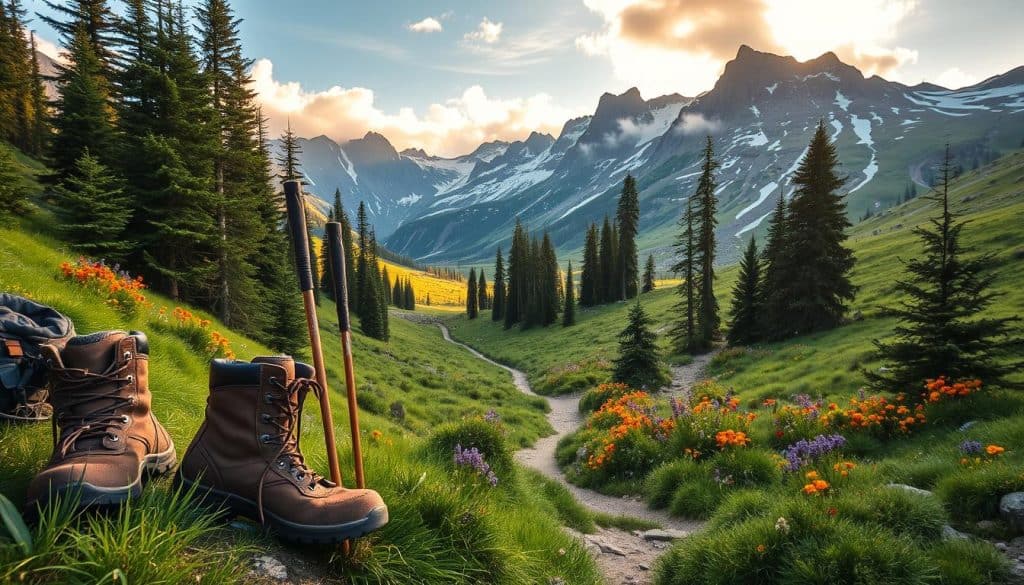
With over 30 miles of trails, this destination offers hikers a chance to explore diverse landscapes. From rolling prairies to forested hills, the paths cater to all skill levels. Whether you’re looking for a leisurely stroll or a challenging hike, there’s something for everyone.
Popular Trails and What to Expect
One of the most popular routes is the Rankin Ridge Trail, a 1-mile loop that offers stunning panoramic views. For a longer adventure, the Centennial Trail stretches 6 miles, taking you through varied terrain and scenic overlooks.
If you’re short on time, the Prairie Vista Trail is a great option. This 1-mile path is perfect for families and casual hikers. Along the way, you’ll spot native wildlife and enjoy the beauty of the open grasslands.
Safety Tips for Hikers
Before hitting the trails, make sure you’re prepared. Bring plenty of water, especially during the warmer months. Wear sturdy shoes and dress in layers to adapt to changing weather conditions.
Be aware of your surroundings, as wildlife like bison and prairie dogs roam freely. Stick to marked paths and carry a map, as cell service is limited. Planning ahead ensures a safe and enjoyable experience for every visitor.
Trails are accessible year-round, but conditions can vary. Check the road conditions and trail updates before your visit. With proper preparation, you’ll make the most of your time on these scenic routes.
Camping, Visitor Amenities, and Infrastructure
Experience the perfect blend of nature and comfort with modern camping facilities. Whether you’re planning a weekend getaway or an extended stay, the Elk Mountain Campground offers everything you need for a memorable outdoor adventure.
Elk Mountain Campground and Facilities
Nestled in a picturesque pine forest, the Elk Mountain Campground operates year-round. It’s equipped with modern amenities, including updated fee systems that accept credit and debit cards. This makes planning your trip hassle-free and convenient.
During the summer months, the campground comes alive with campfire programs and seasonal services. These activities provide a great way to connect with nature and fellow campers. If you’re visiting in quieter periods, you’ll still enjoy the serene beauty of the surroundings.
The visitor center is a hub of information and education. Here, you’ll find exhibits showcasing the area’s natural history and unique features. It’s a great starting point for your adventure, offering detailed maps and expert advice.
Practical details like payment methods and seasonal variations are designed to enhance your experience. Whether you’re pitching a tent or parking an RV, the infrastructure supports a comfortable and engaging stay. Plan ahead to make the most of your time in this stunning location.
Wildlife and Natural Ecosystems
South Dakota’s Black Hills are home to some of America’s most iconic species. This region’s dual ecosystems—rolling grasslands and dense forests—create a thriving habitat for diverse wildlife. From majestic bison to playful prairie dogs, every visit offers a chance to connect with nature.
Meeting the Bison and Other Iconic Species
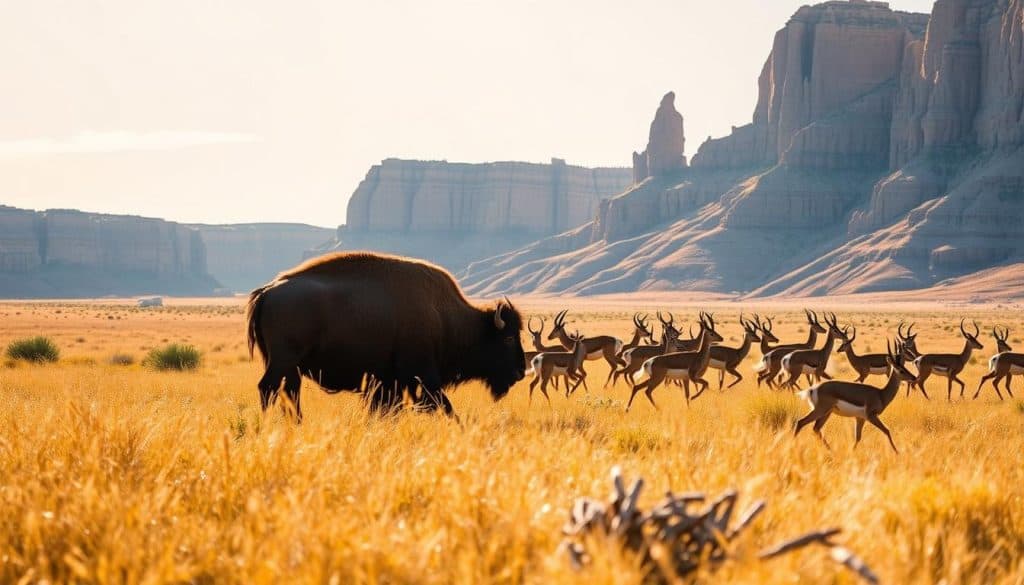
One of the highlights of this area is its free-roaming bison herd. Descendants of the 14 bison reintroduced in 1913, these animals symbolize the success of conservation efforts. You’ll often spot them grazing on the open prairies, especially during the cooler months.
Elk, pronghorn, and prairie dogs are also common sightings. Dawn and dusk are the best times to observe these creatures in their natural habitat. For bird enthusiasts, the area is a haven for species like burrowing owls and other birds of prey.
Protecting Endangered Species
Conservation is a top priority here. The area plays a vital role in protecting endangered species like the black-footed ferret and whooping crane. These efforts ensure that future generations can enjoy the same natural wonders.
Seasonal patterns influence wildlife activity. For example, elk are most active during the rut from mid-September through October. Understanding these cycles enhances your experience and appreciation for the ecosystem.
By visiting, you’re supporting these conservation initiatives. It’s a chance to witness the beauty of South Dakota’s Black Hills while contributing to their preservation.
Geology and Unique Cave Formations
Uncover the secrets of ancient rock formations that tell a story millions of years in the making. This area is a geological wonder, shaped by natural forces over time. Below the surface, you’ll find rare formations like boxwork and frostwork, which are unlike anything else on Earth.
Boxwork, Frostwork, and Other Formations
The boxwork here is more abundant than in all other caves combined. These delicate, honeycomb-like structures are made of calcite and are a true marvel of nature. Frostwork, another rare formation, resembles delicate ice crystals, adding to the cave’s unique beauty.
Other formations, like stalactites and stalagmites, are rare due to the dry climate. However, the calcite rafts found floating on the surface of Calcite Lake are a fascinating sight. These thin sheets of calcite form on water and sink when they become too heavy.
The Science Behind the Cave’s Formation
The cave’s formation began over 300 million years ago. Acidic water dissolved the Mississippian Limestone, creating intricate passageways. The Black Hills uplift, occurring between 40 and 60 million years ago, further shaped the cave’s structure.
Water drainage started around 40 to 50 million years ago and continues today. This process has left behind the stunning formations you see now. The visitor center offers exhibits that explain these geological processes in detail, making it a must-visit for science enthusiasts.
This area is not just a local treasure but a state-level geological marvel. Its unique features make it a living museum of natural history, offering insights into the Earth’s ancient past.
Practical Tips for Visit Planning
Planning your visit to this unique destination requires a bit of preparation to make the most of your time. From securing tickets to packing the right gear, a little forethought ensures a seamless and enjoyable experience.
Ticket Purchasing and Tour Scheduling
Popular tours often sell out several hours in advance, so booking early is key. Tickets can be purchased online at Recreation.gov, or on-site using credit or debit cards. Plan your day around tour times, as they fill up quickly, especially during peak seasons.
Here’s a quick guide to tour options:
- Garden of Eden Tour: 1 hour, 1/4 mile, 150 stairs.
- Natural Entrance Tour: 75 minutes, 2/3 mile, 300 stairs.
- Fairgrounds Tour: 90 minutes, 2/3 mile, 450 stairs.
- Wild Cave Tour: Up to 4 hours, 2/3 mile, crawling required.
Arrive early to avoid long lines, especially on busy weekends. The visitor center opens at 8 AM, giving you plenty of time to prepare for your adventure.
What to Pack and When to Visit
Packing the right gear ensures comfort throughout your day. Wear sturdy shoes for exploring rocky areas and dress in layers to adapt to changing weather. A light jacket is recommended, as the cave maintains a constant temperature of 53°F.
If you’re staying overnight, the campground offers a serene setting surrounded by pine trees. It’s open from April through October, with modern amenities like updated fee systems. Backcountry camping is also an option, but permits are required.
For the best experience, visit during spring or fall when crowds are smaller, and wildlife is active. Summer months are busiest, so plan accordingly to avoid long waits.
By following these tips, you’ll make the most of your time and create unforgettable memories in this stunning location.
Conclusion
This remarkable site offers a perfect blend of natural wonders and cultural heritage. From the rare geological formations to the rolling prairies, every corner tells a story. The Lakota people’s spiritual connection adds depth to its history, making it more than just a scenic destination.
Whether you’re exploring underground marvels or spotting elk on the surface, there’s something for everyone. Modern amenities and guided tours make your visit seamless, while the serene landscapes invite you to relax and reconnect with nature.
Plan your trip today and experience this unique place for yourself. For more tips on choosing the best time to visit, check out our guide to the best times to explore Montana’s parks. You’ll leave with memories that last a lifetime.
FAQ
What makes this park unique?
The park is home to one of the world’s longest and most complex caves, featuring rare formations like boxwork. Above ground, you’ll find a mix of prairie and forest ecosystems, along with iconic wildlife like bison and prairie dogs.
Are there guided tours available?
Yes, you can join ranger-led tours to explore the underground wonders. These tours vary in difficulty and length, so you can choose one that fits your comfort level.
What wildlife can I expect to see?
You might spot bison, elk, pronghorn, and prairie dogs roaming the grasslands. The park is a haven for wildlife enthusiasts and photographers alike.
Is camping available in the park?
Yes, the Elk Mountain Campground offers sites for tents and RVs. It’s a great way to immerse yourself in the park’s natural beauty.
What should I pack for my visit?
Bring sturdy hiking shoes, layers for changing weather, water, and a camera. If you’re joining a cave tour, a light jacket is recommended as temperatures underground are cooler.
When is the best time to visit?
Summer is popular for warm weather and wildlife sightings, but spring and fall offer fewer crowds and pleasant conditions. Winter visits are quieter but some facilities may be limited.
Are there hiking trails for beginners?
Absolutely! Trails like the Rankin Ridge Nature Trail are short and easy, perfect for families or those looking for a leisurely walk with scenic views.
How do I purchase tickets for cave tours?
Tickets are available at the visitor center on a first-come, first-served basis. Arrive early, especially during peak seasons, to secure your spot.
What are the park’s operating hours?
The park is open year-round, but hours for the visitor center and cave tours vary by season. Check the official website for current details.
Can I bring my pet to the park?
Pets are allowed in certain areas above ground but not in the caves or on most trails. Always keep them on a leash and clean up after them.