
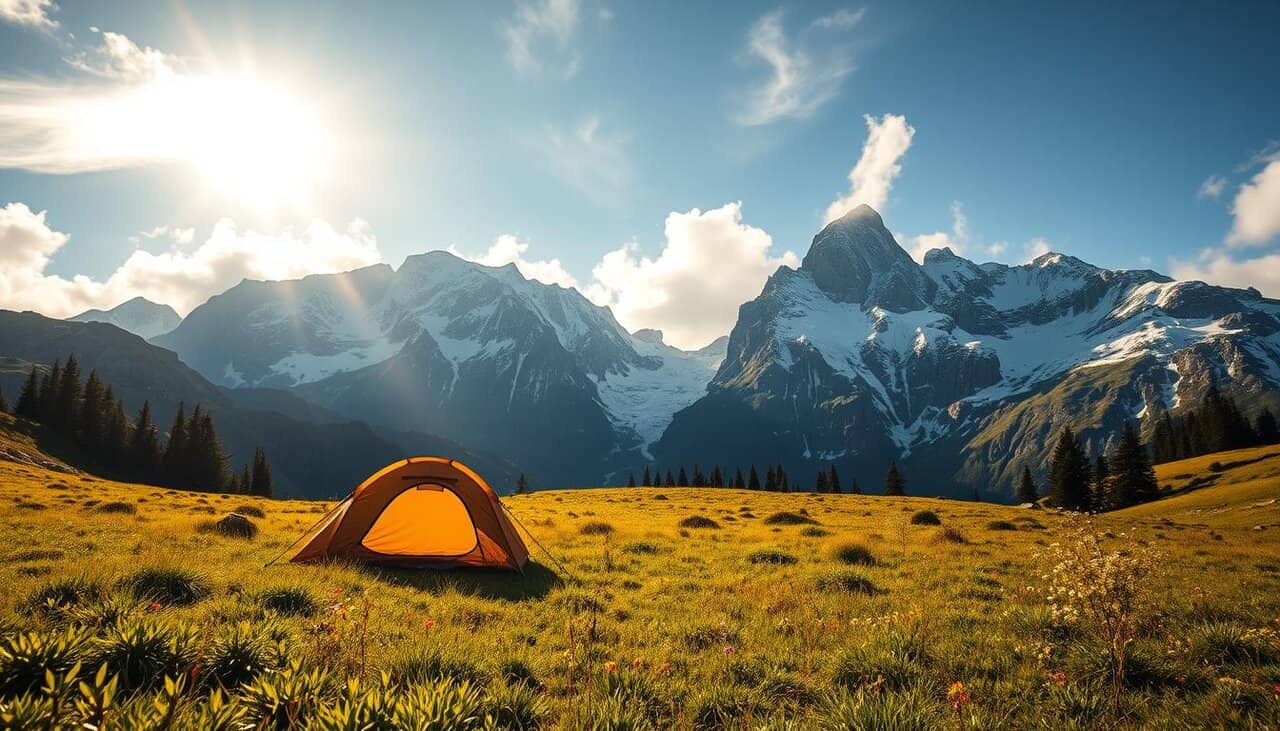
As I reflect on my last camping trip, I’m reminded of the allure of wild camping, where the freedom to pitch a tent in the open countryside is a siren’s call to many outdoor enthusiasts.
But with great freedom comes great responsibility, and the impact of camping in undesignated areas has sparked a heated debate. As we explore the great outdoors, we’re faced with the question: can our love for nature and adventure be balanced with the need to preserve it?
The answer lies in understanding the complex dynamics at play. For many, wild camping is not just a recreational activity but a way to connect with camping in its purest form.
Key Takeaways
- The concept of wild camping and its appeal to outdoor enthusiasts.
- The tension between enjoying nature and the regulations that limit camping areas.
- The varying legal status of wild camping around the world.
- The environmental, legal, and social aspects of wild camping bans.
- The need to balance the desire for freedom in nature with preservation efforts.
Understanding Wild Camping and Its Restrictions
As we explore the concept of wild camping, it’s essential to understand what it entails and the restrictions that come with it. You might be wondering what wild camping is and how it differs from camping at designated campsites.
What Constitutes Wild Camping
Wild camping refers to camping in the wilderness or remote areas without the facilities and infrastructure found in designated campsites. This type of camping allows you to immerse yourself in nature, away from the crowds and noise of traditional campsites. When you go wild camping, you’re typically expected to be self-sufficient and follow certain guidelines to minimize your impact on the land.
Legal Status Around the World
The legality of wild camping varies significantly around the world, depending on the country’s laws and cultural attitudes toward public access and recreation. For instance, countries like Scotland have a “right to roam,” allowing wild camping in many areas as long as campers follow the Scottish Outdoor Access Code. In contrast, countries like England and Wales generally consider wild camping without the landowner’s permission as trespassing. On the other hand, Finland and Sweden have “everyman’s rights” that permit camping on most land.
Environmental Concerns Behind Wild Camping Bans
As we venture into the great outdoors, it’s essential to consider the impact of our camping habits on the environment. When we set up tents in unregulated areas, we risk damaging delicate ecosystems. The consequences of wild camping can be far-reaching, affecting not just the land but also the wildlife that inhabits it.
Habitat Destruction and Wildlife Disruption
Wild camping can lead to habitat destruction, especially in fragile environments such as wetlands, grasslands, and forests. Trampling vegetation and creating fire pits can disrupt local flora and fauna. For instance, a study on the environmental impact of holidays, including wild camping, highlighted the potential for significant ecological damage when campers disregard environmental guidelines.
Waste Management Issues
Another pressing concern is waste management. When camping outside of designated areas, individuals may not have access to proper waste disposal facilities. This can lead to human waste, food scraps, and non-biodegradable items contaminating water sources and harming wildlife.
Fire Hazards in Natural Areas
Improper fire management by wild campers has led to devastating wildfires in various regions. The risk of fire hazards is particularly high in dry conditions, and the consequences can be catastrophic for both the nature and local communities.
| Environmental Impact | Causes | Consequences |
|---|---|---|
| Habitat Destruction | Trampling vegetation, creating fire pits | Disruption of local ecosystems |
| Waste Management Issues | Lack of proper waste disposal facilities | Contamination of water sources, harm to wildlife |
| Fire Hazards | Improper fire management | Devastating wildfires, loss of biodiversity |

The cumulative impact of many campers, even when individual impacts seem minor, can cause significant environmental degradation over time. It’s crucial to be mindful of our actions when camping on land to preserve its beauty for future generations.
Why Is Wild Camping Banned? Legal and Social Factors
Wild camping bans are not just about environmental concerns; they also involve complex legal and social issues. The debate around wild camping is multifaceted, involving landowners, campers, and local communities.
Land Ownership Rights and Trespassing
At the heart of the issue is the concept of land ownership and trespassing laws. Although trespassing is considered a civil offense rather than a criminal one, it can become a criminal matter if damage is caused or if the trespasser refuses to leave when asked to do so by the landowner or their representative. Understanding these laws is crucial for campers to avoid legal issues.
Safety Concerns for Campers and Communities
Safety is another significant factor. Campers often venture into remote areas without easy access to emergency services, posing risks to themselves. Additionally, communities near popular wild camping spots face issues such as fire hazards and sanitation problems, which can be mitigated with proper regulations and permission systems.
Balancing Public Access and Conservation
The challenge lies in balancing the right to access natural areas for recreation with the need to conserve these environments. Different jurisdictions have implemented various measures, including legislation and permit systems, to manage this balance while respecting landowners’ rights.

Responsible Alternatives to Wild Camping
Embracing responsible camping practices can be a great way to enjoy the outdoors while preserving it for future generations. As outdoor enthusiasts, we’re always looking for ways to connect with nature, and camping is one of the best ways to do so.
Designated Camping Areas and Permits
One of the best alternatives to wild camping is using designated backcountry camping areas. These areas offer solitude and a chance to immerse yourself in nature, all while camping legally. Many national parks, including Dartmoor National Park, have permit systems in place to manage the number of campers and reduce environmental impact. For instance, in Dartmoor National Park, you’re allowed to wild camp in certain areas for one or two nights, as long as you follow a ‘no impact’ approach.
To make the most of these areas, it’s essential to understand the rules and regulations. You can check the National Park’s website for an interactive map that shows where camping is permitted.
Practicing Leave No Trace Principles
Regardless of where you camp, following Leave No Trace principles is crucial. This means being mindful of your impact on the environment and taking steps to minimize it. Simple practices like packing out what you pack in, using biodegradable soap, and avoiding campfires in sensitive areas can make a big difference.
| Leave No Trace Principles | How to Apply |
|---|---|
| Plan Ahead and Prepare | Research your campsite and understand the rules and regulations. |
| Travel and Camp on Durable Surfaces | Stick to designated trails and campsites to avoid damaging the environment. |
| Dispose of Waste Properly | Pack out all trash and human waste. |
By adopting these practices and exploring designated camping areas, you can enjoy the beauty of nature while helping to preserve it.
Conclusion
The controversy surrounding wild camping highlights the delicate balance between our desire to connect with nature and the need to protect it.
While many are drawn to the freedom of wild camping, bans in many areas emphasize the importance of conservation and respecting land ownership rights.
Regulations, though sometimes frustrating, serve to protect both the environment and the rights of various stakeholders.
By practicing responsible camping and supporting balanced access policies, we can help ensure continued access to nature for recreation.
Ultimately, the future of wild camping depends on mutual respect and understanding among all parties involved.
FAQ
What are the main reasons behind the ban on wild camping in certain areas?
The primary reasons include environmental concerns such as habitat destruction, wildlife disruption, and waste management issues, as well as land ownership rights and safety concerns for both campers and local communities.
Are there any national parks where wild camping is allowed?
Yes, some national parks like Dartmoor National Park in the UK permit wild camping under certain conditions. However, it’s essential to check the specific rules and regulations of each park before setting up camp.
How can campers minimize their impact on the environment while enjoying outdoor recreation?
Campers can adopt Leave No Trace principles, which include disposing of waste properly, minimizing campfire impacts, and respecting wildlife. Using designated camping areas with permits is also a responsible alternative to wild camping.
What is the role of landowners in determining wild camping policies?
Landowners play a significant role as they have the right to decide who can access their land. Many landowners restrict wild camping due to concerns over trespassing, damage to their property, and potential liabilities.
Can campers access all areas within a national park for recreation?
No, access is often restricted to certain areas to protect sensitive habitats and ensure public safety. It’s crucial to familiarize yourself with the park’s rules and regulations before heading out.
What are some alternatives to wild camping for those who still want to connect with nature?
Designated campsites with facilities offer a more controlled environment that minimizes the risk of environmental damage. These sites often require permits and may have rules to follow, ensuring a more sustainable form of outdoor recreation.