
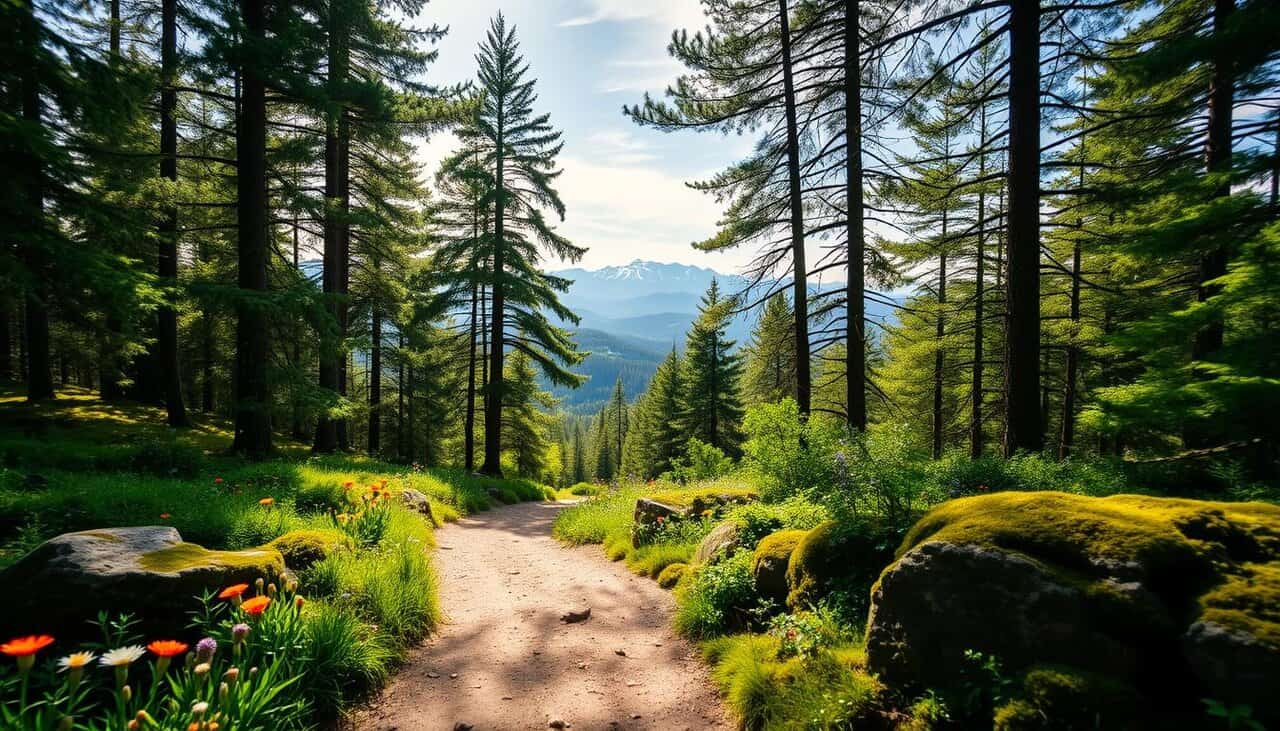
I still remember the first time I experienced the joy of hiking in Germany. The country’s vast network of trails, picturesque landscapes, and rich cultural heritage left me in awe. It turns out, I’m not alone in my enthusiasm – hiking, or “Wandern” in German, is a national pastime, with 68 percent of Germans hitting the trails every year.
This isn’t just a casual weekend activity; it’s a way of life. Germans hike an astonishing 370 million times per year, covering a vast 200,000-kilometer trail network. The median distance walked is 12.5 kilometers, with most people walking for two to four hours. This deep connection to nature is a fundamental aspect of German culture.
Key Takeaways
- Hiking is Germany’s most popular outdoor activity, with over two-thirds of the population participating.
- Germans commit to substantial hikes, averaging 12.5 kilometers and lasting between 2-6 hours.
- The country boasts an extensive network of well-maintained trails, stretching over 200,000 kilometers.
- Hiking is deeply ingrained in German culture and represents a significant aspect of national identity.
- The activity plays a crucial role in shaping Germans’ relationship with nature and health.
The German Hiking Culture: Facts and Figures
Germany’s affinity for hiking is more than just a pastime; it’s a cultural phenomenon deeply ingrained in the country’s identity. As we explore the facts and figures surrounding this beloved activity, it becomes clear why hiking is such a significant part of German life.
Most Popular Outdoor Activity
Hiking stands out as Germany’s most popular outdoor activity, with a substantial following across the country. It’s an activity that appeals to people of all ages, making it a unifying element in German culture.
Trail Network
The German trail network is truly impressive, offering extensive paths that cater to hikers of all skill levels. With well-marked trails and stunning landscapes, it’s no wonder that hiking is a favorite pastime for many.
For more insights into Germany’s hiking culture, you can read about hiking in Germany as a national.
Economic Impact
The economic impact of hiking in Germany is substantial. Germans spend €7.8 billion ($9.3 billion) every year on hiking trips, with an additional €3.7 billion on gear. The gastronomy sector benefits significantly, capturing nearly 60% of all hiking-related expenditures.
| Sector | Expenditure (€ billion) | Percentage |
|---|---|---|
| Gastronomy | 4.524 | 58% |
| Accommodation | 2.5 | 32% |
| Gear | 3.7 | – |
The hiking economy supports thousands of jobs across the country, from trail maintenance to hospitality and retail positions in hiking destinations. It’s clear that hiking is not just a leisure activity but a significant economic driver for tourism in Germany.
Why Do Germans Hike So Much? Understanding the Motivation
Germans have a profound love for hiking, and this enthusiasm is rooted in a mix of historical, cultural, and environmental factors. As we explore the reasons behind this widespread activity, it becomes clear that hiking serves multiple purposes in German culture.
Connection with Nature and Landscapes
One of the primary motivations for hiking in Germany is the desire to connect with nature and appreciate the country’s diverse landscapes. Germany’s varied terrain, from the Alps to the forests of Bavaria, offers hikers a range of environments to explore. This connection with nature is not just about recreation; it’s a way for people to rejuvenate and find balance in their busy life.

Health and Physical Activity Benefits
Hiking is also recognized for its health benefits, contributing to physical activity and overall well-being. Regular hiking can improve cardiovascular health, boost mental health, and enhance physical fitness. In a world where sedentary lifestyles are increasingly common, hiking offers a refreshing alternative that promotes an active way of life.
Social and Cultural Aspects of Hiking
Beyond individual benefits, hiking plays a significant role in German social and cultural life. It’s a common activity among friends and families, fostering social bonds and creating shared experiences. The tradition of German hiking clubs further underscores the communal aspect of hiking, with many local associations organizing group excursions that strengthen community ties and celebrate the country’s rich culture. As the concept of “Wanderlust” illustrates, this cultural appreciation for hiking has not only shaped German identity but has also influenced how people around the world think about travel and exploration.
The Historical Roots of German Hiking Tradition
To understand why Germans hike so much, it’s essential to explore the historical context that has fostered this love for nature and exploration. The country’s diverse landscapes, ranging from dense forests to majestic mountain ranges, have played a significant role in shaping its hiking culture.
From Medieval Pilgrims to Romantic Movement
The history of hiking in Germany dates back to medieval times when pilgrims would travel long distances on foot to reach sacred sites. This early tradition of walking for spiritual purposes laid the groundwork for the modern hiking culture.
The Romantic movement further emphasized the importance of nature and the emotional response it evokes, encouraging people to explore and appreciate the beauty of the German countryside.
Development of Hiking Infrastructure
Over time, Germany has developed an extensive network of trails and hiking infrastructure, making it easier for people to explore the country‘s natural beauty.
The development of this infrastructure has been crucial in promoting hiking as a popular outdoor activity, with many trails now classified and maintained to cater to different levels of hikers.
The Concept of “Wanderlust” and Its Global Influence
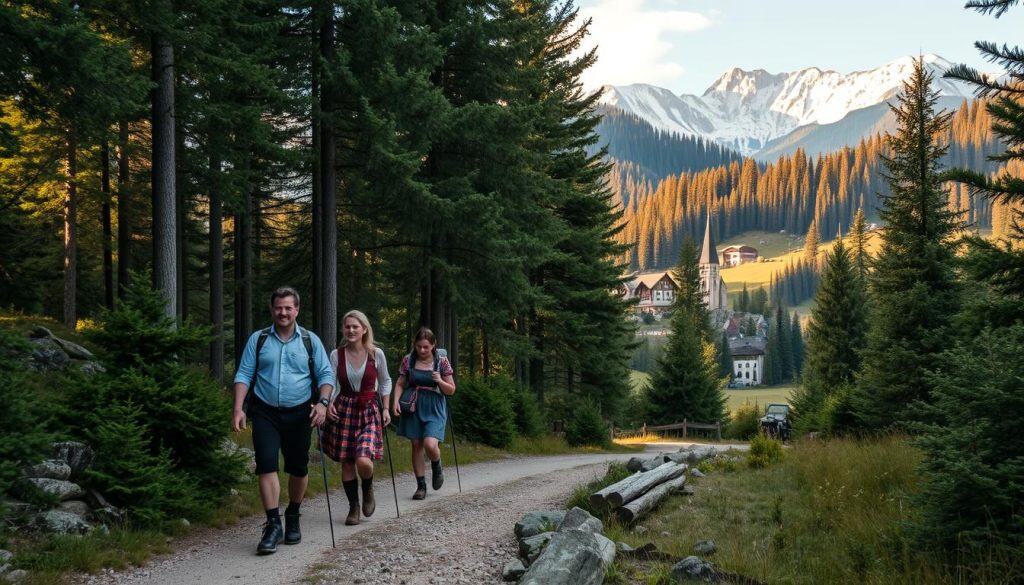
The German concept of “Wanderlust” represents one of the country‘s most significant cultural exports, now recognized globally as the innate human desire to explore and travel.
Originally connected to the pleasure of hiking, the term has evolved to encompass a broader yearning for distant places and experiences. This philosophy has influenced outdoor recreation movements worldwide, with German approaches to nature appreciation being adopted by hiking organizations globally.
Conclusion: Hiking as a Way of German Life
Hiking is not just a recreational activity in Germany; it’s a way of life. With approximately 40 million people going hiking, which is about every second person, it’s clear that this activity has become an integral part of German culture. As Manuel Andrack, a German hiking expert, puts it, “Banally it is the joy of moving about, of being out in nature in the fresh air… You just feel so much better!”
The significance of hiking in Germany can be seen in its ability to connect people with their cultural heritage, landscapes, and each other. The country’s impressive trail network, which includes everything from mountain peaks to coastal paths, allows hikers to experience the region’s diversity intimately.
Beyond its cultural significance, hiking in Germany also offers numerous benefits, including improved physical and mental health. The German approach to hiking, with its emphasis on proper equipment and well-marked trails, provides a model for sustainable outdoor recreation worldwide.
As people become more environmentally conscious, the German hiking tradition represents a responsible way to experience nature while minimizing impact. With younger generations embracing this activity and incorporating modern twists, the future of German hiking culture looks secure.
Ultimately, understanding why Germans hike so much is to understand a fundamental aspect of German culture—one that values direct experience of nature, appreciation of regional diversity, and physical wellbeing. As hiking continues to gain popularity, it’s clear that this tradition will remain a vital part of German life for years to come.
FAQ
What makes hiking so appealing to people in Germany?
The country’s diverse landscapes, ranging from mountains to forests, offer a wide range of hiking trails that cater to different skill levels and preferences.
How extensive is Germany’s hiking trail network?
Germany boasts an impressive network of hiking trails, with over 200,000 kilometers of marked paths, making it one of the most comprehensive trail systems in the world.
What role does hiking play in German culture?
Hiking is deeply ingrained in German culture, with many people embracing it as a way to connect with nature, improve their physical health, and socialize with others.
How has the concept of "Wanderlust" influenced hiking globally?
The German concept of “Wanderlust,” or the desire to explore and wander, has had a significant impact on the global hiking community, inspiring people to venture out and discover new destinations.
What are some of the most popular hiking regions in Germany?
The country’s mountainous regions, such as the Alps and the Black Forest, are particularly popular among hikers, offering breathtaking scenery and challenging trails.
How does hiking contribute to the local economy in Germany?
Hiking tourism generates significant revenue for local communities, supporting businesses such as hotels, restaurants, and outdoor gear shops.
Are there hiking trails suitable for beginners in Germany?
Yes, many hiking trails in Germany are designed for beginners, offering gentle terrain and scenic views, making it an accessible activity for people of all ages and skill levels.