
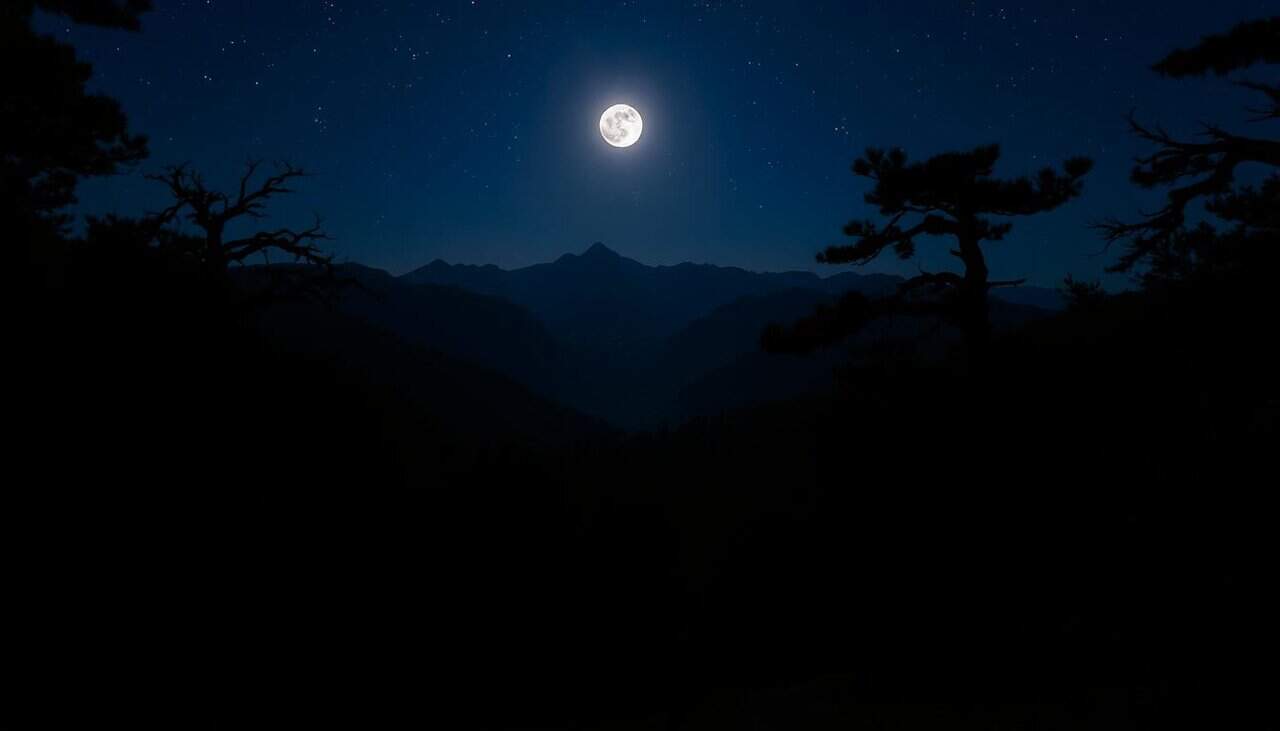
In the mist-covered peaks and deep valleys of the Appalachian Mountains, a centuries-old superstition has been passed down through generations.
It’s said that whistling at night can summon evil spirits or bring bad luck.
This taboo is deeply rooted in the region’s folklore, with stories of shapeshifting creatures and supernatural entities that roam the mountains under the cover of darkness.
As we explore this mysterious tradition, we’ll uncover the origins and practical reasons behind it, and how it continues to influence behavior in the region today.
Key Takeaways
- Understanding the historical context of whistling superstition in the Appalachian region.
- Exploring the supernatural beliefs associated with nighttime whistling.
- Uncovering the cultural influences that shaped this distinctive tradition.
- Examining how this superstition continues to impact local behavior.
- Discovering the practical reasons behind this long-standing taboo.
The Forbidden Melody: Understanding the Whistling Taboo
The Appalachian Mountains hold a deep-rooted tradition that warns against whistling at night, a taboo that has been passed down through generations. This prohibition is not just a casual superstition; it’s a serious rule with potentially dire consequences for those who break it.
The Nighttime Warning
According to legend, whistling at night in the Appalachian Mountains attracts evil spirits that can follow you home. The warning has been passed down from generation to generation, particularly in the mountains of North Carolina. One user, @ashleeinc, shared the story of her friend Jane, who grew up in the Appalachian foothills. Jane lived with her grandmother, who enforced two strict rules: be home by dusk and never whistle at night. When Jane asked why, her grandmother cryptically replied, “It calls them to you.”
The nighttime warning specifically targets the hours after dusk when darkness envelops the mountains and the boundary between the natural and supernatural worlds is believed to thin. Elders in Appalachian communities frame these warnings as critical survival knowledge, emphasizing that “stories weren’t just stories; they were lessons.”
Generational Wisdom or Superstition?
The persistence of this belief over time suggests it serves as both generational wisdom and a mechanism for keeping family members safe in isolated mountain communities. Stories of those who have broken this taboo serve as cautionary tales, reinforcing the rules and ensuring their continuation through time.
| Reasons for the Taboo | Generational Significance | Consequences of Breaking the Rule |
|---|---|---|
| Attracts evil spirits | Passed down through generations | Potentially dire consequences |
| Thin boundary between natural and supernatural worlds at night | Emphasized as critical survival knowledge | Attracting malevolent entities |
| Cryptic warnings from elders | Serves as generational wisdom | Following you home |
As we explore this taboo, it becomes clear that the prohibition against whistling at night is multifaceted, influenced by a mix of cultural, historical, and practical factors. Whether viewed as superstition or wisdom, this tradition continues to be an integral part of Appalachian culture.
What Lurks in the Appalachian Darkness
The Appalachian Mountains have always been shrouded in mystery, with tales of supernatural entities lurking in the darkness. As we explore the folklore surrounding these mountains, it becomes clear that the fear of whistling at night is deeply rooted in the belief that certain entities are attracted to the sound.
You might wonder what kind of entities could be lurking in the darkness, waiting to respond to a whistle. The stories passed down through generations provide a glimpse into a world where the living are not alone in the mountains.
The Entities That Answer the Call
In the heart of Appalachian folklore are stories of entities that are drawn to the sound of whistling. These are not just mere stories; they are warnings passed down through generations to keep people safe. The entities are often described as having an otherworldly presence, with abilities that allow them to mimic human sounds, including whistling.
One such entity is the Wendigo, a creature from Native American traditions that is said to possess an insatiable hunger for human flesh. Its ability to mimic human voices, including whistling, makes it a feared creature in the mountains.
Wendigos and Other Mountain Creatures
Beyond the Wendigo, Appalachian folklore is rich with stories of other creatures that inhabit the mountains. These include “haints” or restless spirits, the “old woman of the mountain,” and various shape-shifters. Each of these entities has its own story and role in the folklore, serving as cautionary tales about the dangers of the wilderness.
| Entity | Description |
|---|---|
| Wendigo | A cannibalistic monster with antlers and sharp claws, known for mimicking human sounds. |
| Haints | Restless spirits that roam the mountains, often associated with tragic events or untimely deaths. |
| Old Woman of the Mountain | A mysterious figure said to inhabit the mountains, sometimes depicted as a wise woman or a malevolent spirit. |
These stories not only reflect the region’s deep connection to nature and the wilderness but also serve as a reminder of the dangers that lie within the Appalachian darkness. They have become an integral part of the local culture, influencing the way people interact with the natural world around them.
Why Can’t You Whistle in the Appalachian Mountains? Origins and Explanations
Delving into the heart of Appalachian folklore, we uncover the roots of a long-standing superstition that warns against the seemingly innocuous act of whistling. The Appalachian region, with its rich cultural heritage, offers a fascinating blend of traditions and beliefs that have evolved over centuries.
Native American Influences
The indigenous peoples of the Appalachian region, including the Cherokee and Shawnee tribes, played a significant role in shaping the local folklore. Their spiritual beliefs emphasized living in harmony with nature and respecting the spirits that inhabited the land. Whistling, in their culture, could be seen as a disruption to this delicate balance between the human and spirit worlds.The reverence for nature and the desire to maintain harmonywere central to their worldview, influencing the development of the whistling taboo.
European Settler Contributions
European settlers, particularly those of Scots-Irish descent, brought with them their own set of superstitions and folklore. The belief that whistling could attract bad luck or even evil spirits was prevalent in their culture. As these settlers interacted with Native American tribes, their beliefs merged, reinforcing the taboo against whistling. This blending of cultures contributed to the diverse and rich folklore of the Appalachian region. The isolated nature of these communities allowed these traditions to evolve independently, creating unique regional variations.
Practical Reasons Behind the Belief
Beyond the supernatural explanations, there were practical reasons for discouraging whistling, especially at night. In the quiet mountain communities, whistling could disturb neighbors or attract predators. Moreover, in the stillness of the night, sound carries differently, and whistling could reveal one’s location to unwanted attention. The prohibition on whistling also served as a rule to maintain quiet during nighttime hours when rest was crucial after long days of physical labor.
| Reason | Description |
|---|---|
| Native American Influence | Respect for nature spirits and maintaining balance |
| European Settler Influence | Superstitions about whistling attracting bad luck |
| Practical Reasons | Maintaining quiet, avoiding predators, and ensuring rest |

As we explore the origins of the whistling taboo in the Appalachian Mountains, it becomes clear that this superstition is a complex interplay of cultural influences and practical survival strategies. Understanding these roots provides a deeper appreciation for the region’s folklore and the people who have cherished these traditions over the years.
Modern Encounters and Persistent Beliefs
The whistling taboo in the Appalachian Mountains continues to be a topic of fascination and fear among people who have experienced it firsthand. This phenomenon is not just a relic of the past; it remains a living, breathing part of the culture that influences people’s behavior even when they’re far removed from their Appalachian roots.
Contemporary Experiences
Many people, like Jane, the TikToker mentioned earlier, have shared their personal encounters with the whistling taboo. These stories often follow a similar pattern: a person, sometimes out of curiosity or skepticism, whistles at night, and then experiences strange occurrences that can’t be easily explained. Jane’s story, where she was met with an eerie echo of her whistle, is a chilling example of how these experiences can leave a lasting impact.
Such contemporary experiences highlight the persistence of this belief across generations. Even in today’s technology-driven world, where people are more connected than ever, the fear of whistling at night remains a powerful force.

How the Tradition Lives On
The tradition of avoiding whistling at night lives on through various means, including social media platforms like TikTok, where stories and experiences are shared widely. This not only keeps the tradition alive among those with Appalachian heritage but also introduces it to new generations and people outside the region.
| Factors Contributing to the Persistence of the Whistling Taboo | Description |
|---|---|
| Cultural Heritage | The whistling taboo is deeply rooted in Appalachian culture and history. |
| Personal Experiences | Firsthand accounts of strange occurrences after whistling at night reinforce the belief. |
| Social Media | Platforms like TikTok help spread stories and experiences, keeping the tradition alive. |
As people continue to share their stories and experiences, the legend of the whistling taboo remains vibrant, a testament to the enduring power of cultural traditions in a rapidly changing world.
Conclusion
The whistling taboo in the Appalachian Mountains is a complex cultural phenomenon that has endured for generations. At its core, this tradition is about more than just a simple rule; it’s a rich tapestry of stories and beliefs that have been passed down through the years.
As we’ve explored, the taboo against whistling at night serves multiple purposes in Appalachian culture. It connects people to their heritage and reinforces respect for the natural world and its mysteries. The stories surrounding this tradition continue to shape behavior and create a shared identity among Appalachian people across time.
In conclusion, understanding and respecting this tradition is crucial for visitors to the Appalachian region. Whether you’re a skeptic or a believer, the whistling taboo is a fascinating aspect of Appalachian folklore that offers valuable insights into the human experience. As we navigate our lives during the day and at night, we can appreciate the importance of these rules and the things they represent in our connection to nature.
FAQ
Is whistling at night really a bad idea in Appalachian Mountains?
Many people in the Appalachian region believe that whistling at night can summon unwanted entities or spirits, making it a potentially hazardous activity.
What’s the origin of this whistling taboo?
The origins are rooted in a mix of Native American influences, European settler contributions, and practical reasons related to the region’s history and cultural heritage.
Are there any stories or legends associated with whistling in the Appalachian Mountains?
Yes, there are stories about creatures like wendigos and other mountain entities that are said to be attracted to whistling, particularly at night.
Do people still believe in this superstition today?
Many people in the region still adhere to this belief, and some share contemporary experiences that reinforce the tradition.
Is there a logical explanation behind the whistling taboo?
Some practical reasons, such as avoiding attracting unwanted attention or signaling one’s presence to potential threats, may have contributed to the development of this belief over time.
Can whistling during the day also be considered problematic?
While the warning is more commonly associated with nighttime whistling, some people may still view whistling during the day as unwise, especially in certain contexts or locations within the mountains.