

Imagine waking up to the sound of birds chirping, surrounded by nature’s serenity, with nothing but the horizon in sight. For many, wild camping embodies the essence of adventure and a deep connection with the outdoors.
As I reflect on my own experiences, I realize that wild camping offers a unique way to experience the world, far removed from the confines of traditional accommodations. The concept varies significantly across different countries, with some embracing it through “right to roam” laws, while others enforce strict regulations.
This guide will explore the best destinations for wild camping, examining their regulations, natural landscapes, and what makes them special for outdoor enthusiasts.
Key Takeaways
- Top countries for wild camping with unique landscapes and regulations
- Understanding “right to roam” laws and their implications
- Practical considerations for a successful wild camping experience
- Exploring beyond Europe for wild camping adventures
- Tips for respecting local environments and regulations
The Freedom of Wild Camping: An Introduction
Wild camping, to me, is about more than just setting up a tent in the wilderness; it’s an immersive experience that reconnects you with the natural world. While many European countries have laws prohibiting wild camping, there are still numerous destinations where you can pitch a tent and enjoy the great outdoors.
Countries like Sweden, Norway, Ireland, Estonia, Latvia, and Spain offer the freedom to wild camp on state land, though it’s crucial to respect private property. This freedom allows for a unique adventure, letting you sleep under the stars in untouched landscapes.
What Makes Wild Camping Special
Wild camping is special because it offers an escape from the structured environment of campsites. It allows you to be one with nature, to wake up to the sound of birds chirping, and to fall asleep under a canopy of stars. The experience is not just about camping; it’s about embracing the freedom to roam and explore new territories.
Understanding Wild Camping Rules and Etiquette
To enjoy wild camping responsibly, it’s essential to follow certain rules and etiquette. This includes leaving no trace, respecting private property, and being mindful of the environment. Key principles include:
- Leaving the campsite as you found it, taking all trash with you.
- Understanding the legal framework for wild camping in each country.
- Respecting private property and seeking permission when necessary.
- Avoiding sensitive ecosystems and protected areas.
- Maintaining noise discipline to respect wildlife and other campers.
By adhering to these guidelines, you can ensure a positive experience for yourself and others, preserving the beauty of nature for future generations.
Nordic Countries: The Wild Camping Paradise
The Nordic region is renowned for its generous wild camping laws and breathtaking landscapes. Imagine waking up to the sound of birds chirping in a lush forest or falling asleep under the starry sky in the vast wilderness.
Sweden: The Land of Allemansrätten
Sweden’s Allemansrätten, or “right to roam,” allows you to camp almost anywhere in the countryside. You can pitch your tent in the beautiful forests, near lakes, or on the mountains. However, be sure to follow the guidelines: keep your campfire controlled, respect private property, and leave no trash behind.
Norway: Spectacular Landscapes and Freedom to Roam
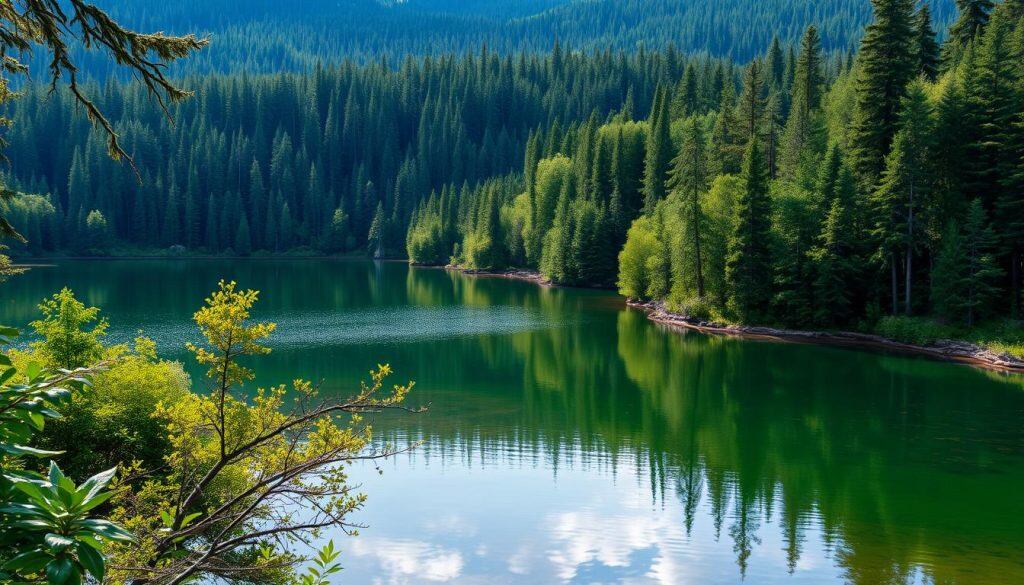
Norway’s concept of “freedom to roam” (allemannsretten in Norwegian) is quite generous for nature enthusiasts. It allows you to hike or set up a tent almost anywhere in the wilderness. Wild camping is one of the best ways to experience Norway’s stunning landscapes, and it’s a favorite pastime for both locals and tourists.
When setting up a tent, the main rule is to pitch it at least 150-200 meters from the nearest cabin or house. Additionally, you must camp in “utmark,” which means unfenced land, so avoid gardens, fields, farms, or any areas with activity and stick to the open wilderness.
- Norway’s allemannsretten offers some of the most generous wild camping rights in the world.
- The dramatic fjords provide spectacular wild camping opportunities.
- You can only stay in the same spot for two nights before moving at least 50 meters away.
- The midnight sun during summer months creates a magical camping experience.
- Norway’s extensive network of hiking trails makes it easy to find remote camping spots.

Scotland: The UK’s Wild Camping Haven
Scotland is renowned for its liberal wild camping laws, making it a haven for outdoor enthusiasts. The country’s breathtaking landscapes, from rugged mountains to serene lochs, offer a diverse range of environments for wild campers to explore.
Isle of Rum: Ultimate Solitude
The Isle of Rum, part of the Inner Hebrides, is a haven for those seeking solitude. With its diverse landscapes, including rugged mountains and beautiful beaches, Rum offers a unique wild camping experience. Visitors can explore the island’s natural beauty, including its wildlife and historical sites.
The Lake District: England’s Hidden Gem
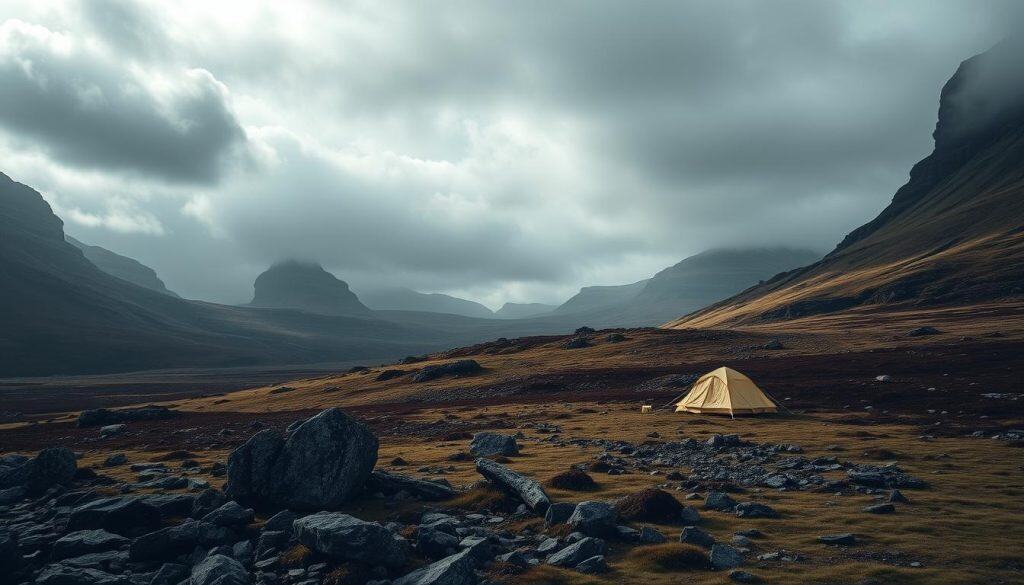
While wild camping is not officially permitted in the Lake District without landowner permission, a tradition of discreet camping exists. To camp responsibly, follow guidelines: pitch after dusk, stay one night, and avoid water sources and visible areas. The National Trust and Lake District National Park Authority provide guidelines to minimize impact.
- Wild camping in the Lake District requires careful planning and adherence to guidelines.
- Pitch your tent after dusk and leave before dawn to minimize visibility.
- Stay away from water sources, paths, and visible areas to preserve the landscape.
Mediterranean Escapes for Wild Campers
The Mediterranean offers a diverse landscape for wild campers, from serene beaches to dense forests. This region is a haven for those seeking adventure and a connection with nature.
Sardinia, Italy: Beaches and Forests
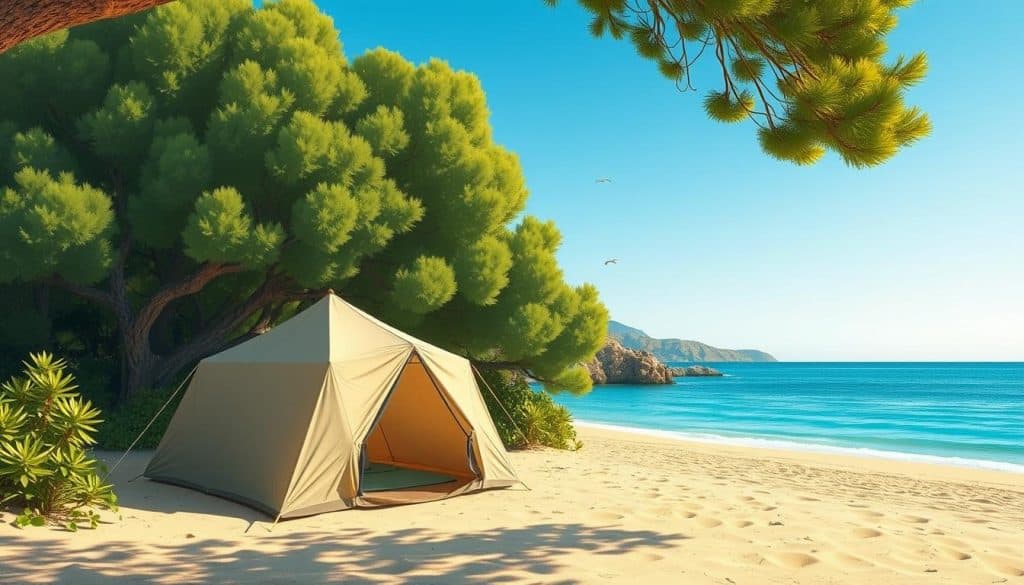
Sardinia, Italy, is a paradise for wild campers, offering a mix of stunning beaches and lush forests. The island’s rugged terrain and beautiful landscapes make it an ideal destination for those looking to escape the crowds.
With its clear waters and pristine beaches, Sardinia provides a unique wild camping experience. Campers can enjoy the island’s natural beauty, from the forests of the Gennargentu National Park to the secluded beaches along its coastline.
Spain: Diverse Landscapes for Adventurers
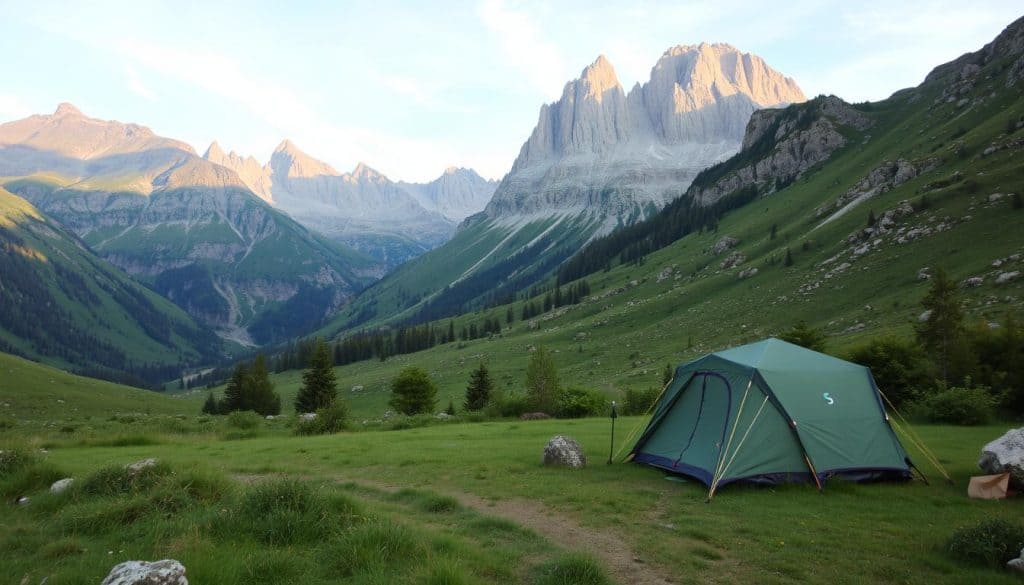
Spain offers wild campers incredibly diverse landscapes, from the Pyrenees mountains to Mediterranean beaches. However, finding suitable tent camping spots can be challenging due to rocky terrain and thorny vegetation.
The Boadella Reservoir at Darnius is one of Spain’s hidden gems for wild camping, offering free parking areas where both locals and visitors gather to enjoy water activities and relaxation. While tent camping faces obstacles due to private land ownership, van and campervan camping is generally more tolerated, especially in coastal areas.
Spain’s extensive network of “aires” (designated overnight parking areas) provides a legal alternative to wild camping for those traveling by campervan, with many offering basic facilities in scenic locations.
Eastern European Wild Camping Destinations
The untamed landscapes of Eastern Europe beckon to wild campers, promising unforgettable experiences. This region is home to diverse natural beauty, from the rugged mountains of Romania to the serene beaches of Latvia.
Romania: The Făgăraș Mountains
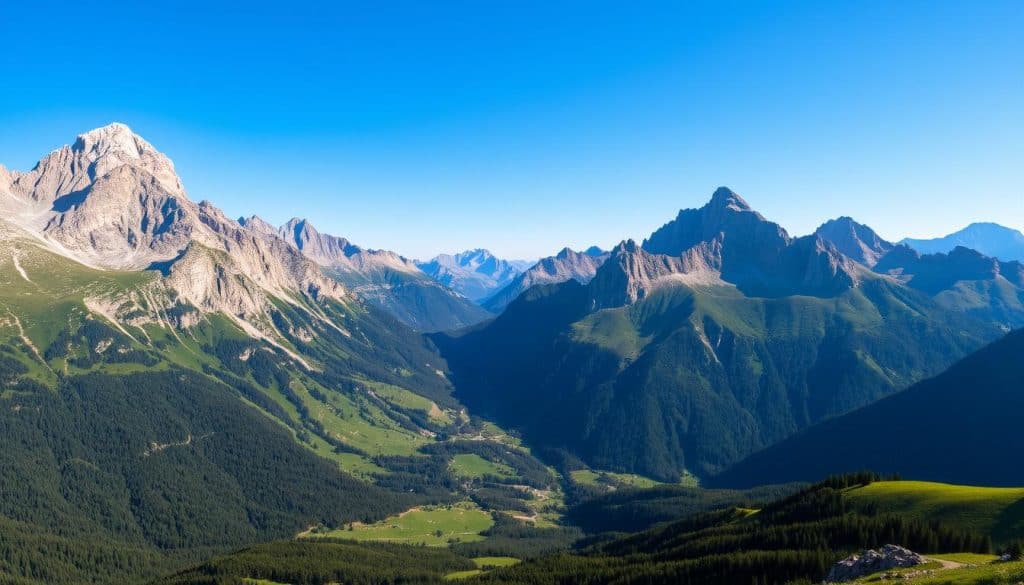
The Făgăraș Mountains in Romania offer a wild camping experience like no other, with their dramatic peaks and picturesque valleys. This less-trodden path for wild campers is gaining popularity due to its untouched natural beauty and the adventure it offers.
Latvia: Forests and Baltic Beaches
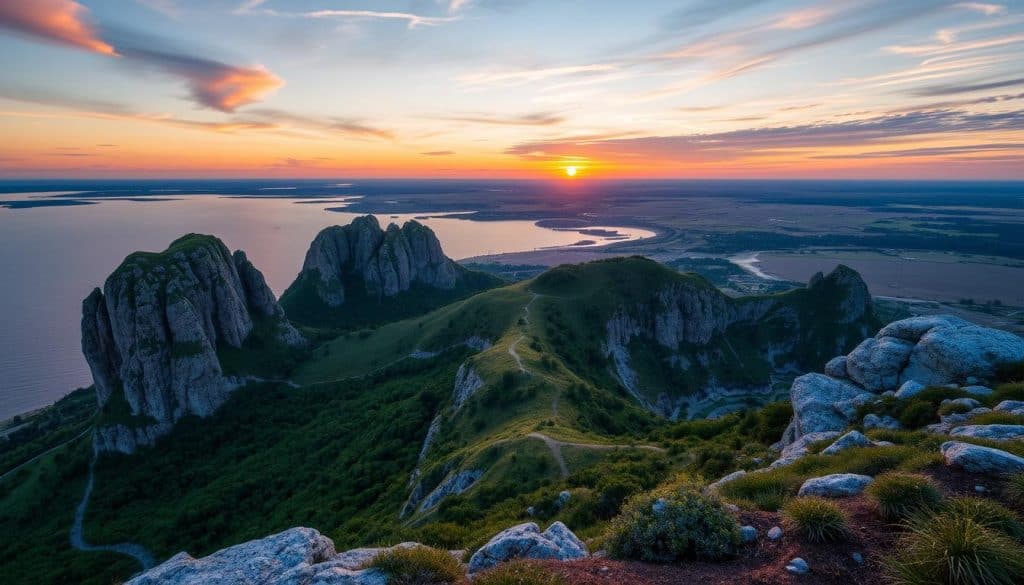
Latvia provides a unique wild camping experience, with its extensive state forests and rural beaches being open to campers, while national parks and nature reserves are off-limits. The area around Cape Kolka, where the Gulf of Riga meets the Baltic Sea, is particularly popular during the summer months for its stunning sunrises and sunsets.
- Latvia’s dual permission system allows camping in state forests and on rural beaches but prohibits it in national parks and nature reserves.
- Cape Kolka is a premier destination, featuring forested shores leading to a sandy spit that’s popular with locals.
- Campers must avoid fragile sand dune ecosystems when camping on rural beaches.
Which country is best for wild camping? Comparing Top Destinations
Choosing the best country for wild camping depends on several factors, including legal considerations, natural beauty, and infrastructure. As you weigh your options, it’s essential to consider what matters most to you as a camper.
Legal Considerations
Understanding the legal framework surrounding wild camping is crucial. Countries like Sweden and Norway offer generous freedom to camp under their “Right to Roam” laws, making them ideal for wild campers. In contrast, some Mediterranean countries have stricter regulations, requiring campers to be more strategic in their planning. For instance, in Sardinia, Italy, while the scenery is breathtaking, the availability of camper van service facilities is limited, necessitating careful planning for water and other essentials.
Key Legal Considerations:
- Understanding local laws and regulations regarding wild camping
- Identifying areas where camping is permitted or restricted
- Planning accordingly to avoid legal issues
Natural Beauty and Diversity
The natural beauty and diversity of a destination can greatly enhance your wild camping experience. Nordic countries like Sweden and Norway are not only legally camper-friendly but also offer vast, untouched landscapes. Scotland, with its rugged terrains and picturesque lochs, provides another compelling option. On the other hand, destinations like Romania offer a more rugged and less developed experience, appealing to those seeking adventure and solitude.
Accessibility and Infrastructure
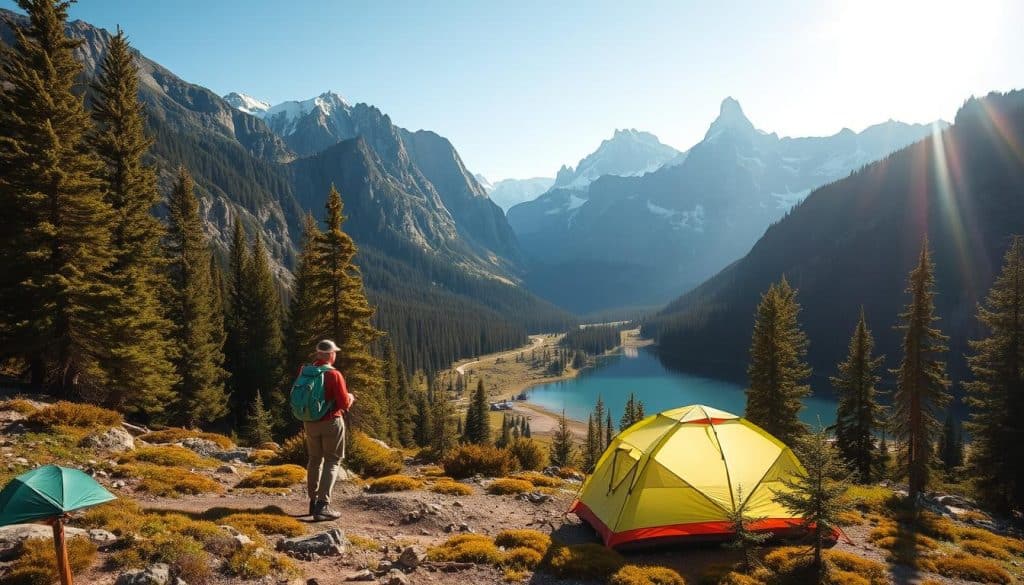
Accessibility and the availability of infrastructure are vital for a comfortable and enjoyable wild camping experience. Scotland stands out for its well-maintained paths and detailed maps, making it relatively easy for campers to navigate. Digital resources like Park4Night and iOverlander have also revolutionized the way campers find suitable spots and plan their trips. Meanwhile, Eastern European destinations, while more challenging, offer a raw and unspoiled experience for those willing to venture off the beaten path.
Some of the top destinations offer a great balance of these factors. For example:
- Sweden and Norway for their combination of freedom and infrastructure
- Scotland for its accessibility and natural beauty
- Romania for a more rugged and adventurous experience
Essential Tips for Wild Camping Abroad
As you plan your wild camping trip abroad, several key considerations can make or break your adventure. Wild camping, or camping in the wilderness without the amenities of a designated campsite, requires a mix of preparation, respect for nature, and understanding of local regulations.
Packing and Preparation
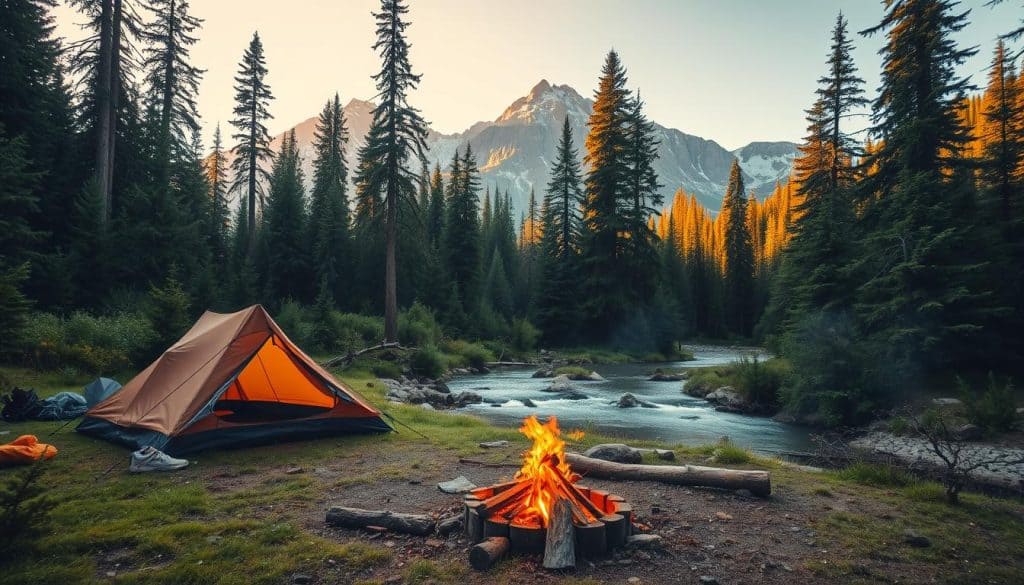
Proper packing is the foundation of a successful wild camping trip. This includes not just the right gear, such as a sturdy tent and appropriate clothing, but also knowledge of the area you’ll be camping in. Researching your destination is crucial; understand the climate, potential hazards, and any legal restrictions on camping. For instance, some countries have specific rules about where you can camp, and understanding these can save you from legal issues or safety risks.
Respecting Nature and Local Regulations
Respecting the environment and local regulations is paramount. The principle of “Leave No Trace” is a universal guideline that encourages campers to leave the natural environment as they found it. This means packing out all trash, avoiding damage to vegetation, and being mindful of wildlife. Additionally, familiarize yourself with local regulations regarding campfires, as these can vary significantly due to factors like climate change.
| Aspect | Consideration | Action |
|---|---|---|
| Environmental Impact | Minimize footprint | Pack out trash, avoid vegetation damage |
| Local Regulations | Understand legal restrictions | Research local laws, respect campfire bans |
| Cultural Sensitivity | Be aware of local customs | Research local expectations, behave respectfully |
By being prepared and respectful, you not only ensure a successful trip but also contribute to the preservation of the natural beauty and cultural integrity of the places you visit.
Conclusion: Your Perfect Wild Camping Adventure Awaits
With the right preparation and mindset, your perfect wild camping adventure is just around the corner. As we’ve explored, the ideal destination depends on your personal preferences, whether that’s the legal freedom of Nordic countries, the dramatic landscapes of Norway and Scotland, the warm weather of the Mediterranean, or the remote wilderness of Eastern Europe.
For beginners, Sweden and Scotland offer a great balance of permissive regulations and accessible terrain. More experienced campers might find greater rewards in challenging landscapes like Romania’s Carpathians or Sardinia’s remote beaches. Regardless of your choice, thorough preparation and respect for local regulations are key.
As you embark on your adventure, remember that the journey is just as rewarding as the destination. The morning after a perfect night of wild camping, as you leave no trace behind, you’ll understand why this is considered the purest form of outdoor adventure. It’s about finding your temporary home in the wilderness and enjoying the freedom of the open road, making it a truly unique experience.
FAQ
What are the rules for wild camping in Nordic countries?
In Nordic countries like Sweden and Norway, you’re generally allowed to pitch your tent almost anywhere in the countryside due to the “right to roam” or “Allemansrätten.” However, be sure to follow local guidelines and respect private property.
Can I wild camp in national parks?
It depends on the national park’s rules. Some national parks allow wild camping in designated areas, while others may require you to stay at a campsite. Always check the park’s regulations before setting up your tent.
How do I choose a good spot for wild camping?
Look for a flat area with good drainage, ideally near a water source. Be mindful of the environment and other campers, and try to minimize your impact on the landscape.
What should I pack for a wild camping trip?
Essentials include a sturdy tent, sleeping bag, warm clothing, and a portable stove. Don’t forget to bring a map, compass, and first-aid kit, as well as a water filter or purification tablets.
How can I respect local regulations and nature while wild camping?
Follow the principles of “leave no trace” by taking your trash with you, keeping noise levels down, and avoiding sensitive habitats. Familiarize yourself with local rules and customs to avoid any issues.
Are there any specific safety concerns I should be aware of when wild camping abroad?
Yes, research the local wildlife, weather conditions, and potential hazards like steep slopes or fast-flowing water. Make sure you have the necessary insurance and emergency contacts.
Can I wild camp on beaches?
In some areas, wild camping on beaches is allowed, but be sure to check local regulations. Be respectful of other beach users and take care to leave the area as you found it.
How long can I stay at one wild camping spot?
The length of stay varies depending on local rules. In some places, you’re limited to one night, while in others, you can stay longer. Always check the local guidelines to avoid any issues.