
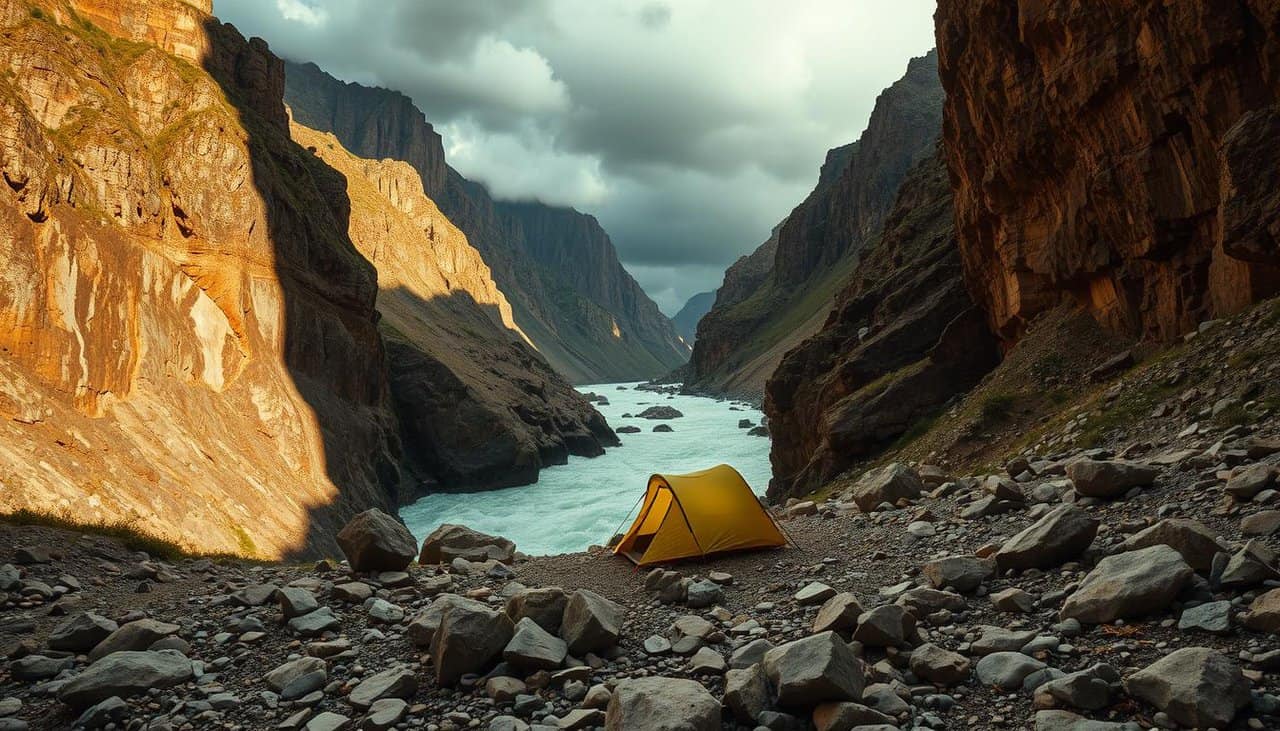
Camping can be a great way to unwind and connect with nature, but choosing the wrong spot can turn your adventure into a disaster. I’ve learned this the hard way, after a night spent in a low-lying area that turned into a swamp due to unexpected rain.
Some spots may seem ideal at first glance, but can pose serious risks or discomforts. For instance, areas near water sources might be prone to flooding, or spots under trees could be hazardous due to falling branches.
As you plan your next camping trip, it’s essential to evaluate your surroundings carefully to avoid common mistakes. Understanding the worst places to set up camp is crucial for a safe and enjoyable experience.
Key Takeaways
- Be cautious of low-lying areas that can flood
- Avoid setting up camp under trees with dead branches
- Choose a spot with good drainage
- Keep a safe distance from water sources
- Evaluate the terrain for potential hazards
The Importance of Choosing the Right Camping Spot
When heading out into the wilderness, the first crucial decision you make is where to pitch your tent. This decision can significantly impact your camping experience, affecting both your safety and comfort.
Safety Considerations
Ensuring your campsite is safe is paramount. You should avoid areas that could pose a risk, such as low-lying areas that might flood or spots under trees with dead branches. Following basic safety rules can make a big difference in your camping experience.
For instance, Rule n°1 advises avoiding the entrance to the campsite to minimize disturbances from other campers. Rule n°2 suggests taking a good look around to avoid noisy or crowded areas.
Comfort Factors
Comfort while camping is not just about having a good sleeping bag; the ground beneath your tent plays a significant role in your sleep quality. Noise considerations are also crucial – staying away from campsite entrances and communal areas can ensure a peaceful night’s sleep.
The position of the sun is another factor to consider. While morning sun can warm your tent, it can also make it uncomfortably hot if you’re not careful. Privacy is another comfort factor; finding a balance between being secluded and being close to facilities is key.
Where Not to Pitch a Tent? Dangerous Locations to Avoid
As you prepare for your camping trip, it’s essential to know where not to pitch your tent. The wrong location can turn a pleasant camping experience into a hazardous one. I’ve learned from my camping adventures that choosing the right spot is crucial for a safe and enjoyable trip.
Near Water Bodies and Low-Lying Areas
Camping near water bodies can be serene, but it comes with risks. Low-lying areas are prone to flooding, which can be deadly. Flash floods can occur without warning, catching campers off guard. It’s crucial to check the weather forecast and understand the terrain before setting up your tent near a water body.
Moreover, areas near water bodies can be prone to moisture accumulation, making them ideal breeding grounds for insects. This can lead to a disturbing camping experience due to the constant buzzing and biting.
Under Trees and Overhanging Branches
While trees can provide shade and shelter, camping under them can be dangerous, especially if they have overhanging branches. Dead branches can fall without warning, causing injuries or damage to your tent. It’s essential to inspect the trees above your potential campsite for any signs of decay or weakness.
Additionally, trees can attract lightning during thunderstorms, putting you at risk of being struck. Understanding the risks associated with camping under trees can help you make a safer choice.
Near Cliffs and Rockfall Zones
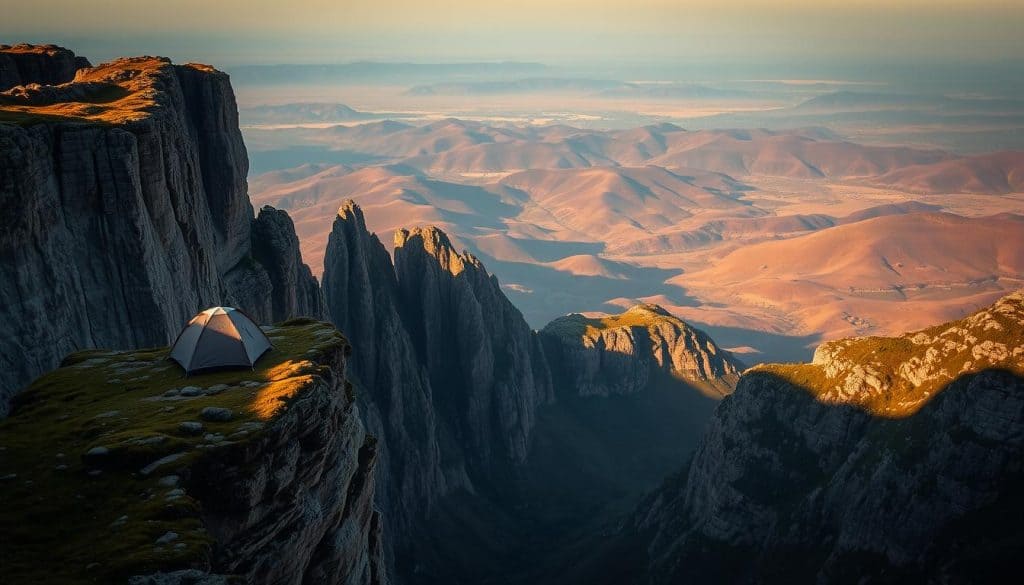
Camping near cliffs can be particularly hazardous due to the risk of rockfall. As mentioned in the data, falling rocks can crush your tent in the middle of the night, regardless of whether you’re inside or not. The danger is very real, and it’s not just large rocks that pose a threat; even small rocks can cause significant damage or injury.
- Cliffs and rocky outcroppings create serious rockfall hazards that can be triggered by wind, temperature changes, or wildlife movement above your camping area.
- The danger of rockfall increases significantly at night when you’re unable to see or hear smaller rocks beginning to shift above your tent.
- Even small rocks falling from height can puncture tent materials or cause serious injuries to campers sleeping below.
For a safer camping experience, consider exploring alternatives like the best RV parks near Zion National, which offer well-managed and safe environments.
| Location | Hazard | Precaution |
|---|---|---|
| Near Water Bodies | Flooding, Moisture | Check weather, terrain |
| Under Trees | Branch fall, Lightning | Inspect trees, avoid during storms |
| Near Cliffs | Rockfall | Avoid rockfall zones, watch for loose rocks |
Environmental Concerns When Choosing a Campsite
When heading out to pitch a tent, it’s crucial to consider the environmental impact of your campsite. As campers, we have a responsibility to preserve the natural beauty of the outdoors for future generations.
Fragile Ecosystems and Protected Areas
Many of our favorite camping spots are located within fragile ecosystems or protected areas. These regions are often home to unique and sensitive wildlife, and human activity can have a significant impact on their well-being. For example, Gates of the Arctic National Park is a pristine wilderness area that requires careful planning and responsible camping practices to preserve its natural state.
To minimize your impact, it’s essential to understand the regulations in place and follow best practices for camping in these areas. This includes maintaining a safe distance from water sources, staying on designated trails, and avoiding sensitive habitats.
Leave No Trace Principles for Camping
The Leave No Trace principles provide a framework for minimizing our impact on the environment when camping. By following these guidelines, campers can help preserve the natural beauty of the outdoors.
- Maintain a safe distance from water sources – at least 200 feet – to protect water quality and preserve access for wildlife.
- Properly manage waste by burying human waste in catholes that are 6-8 inches deep and 200 feet from water, trails, and camp.
- Use established fire rings when available, keep fires small, and ensure they’re completely extinguished before leaving camp.
- Disperse your impact by moving your tent location daily if staying multiple nights in pristine areas.
- Respect wildlife by selecting campsites away from their habitats and travel corridors, storing food properly, and observing animals from a distance.
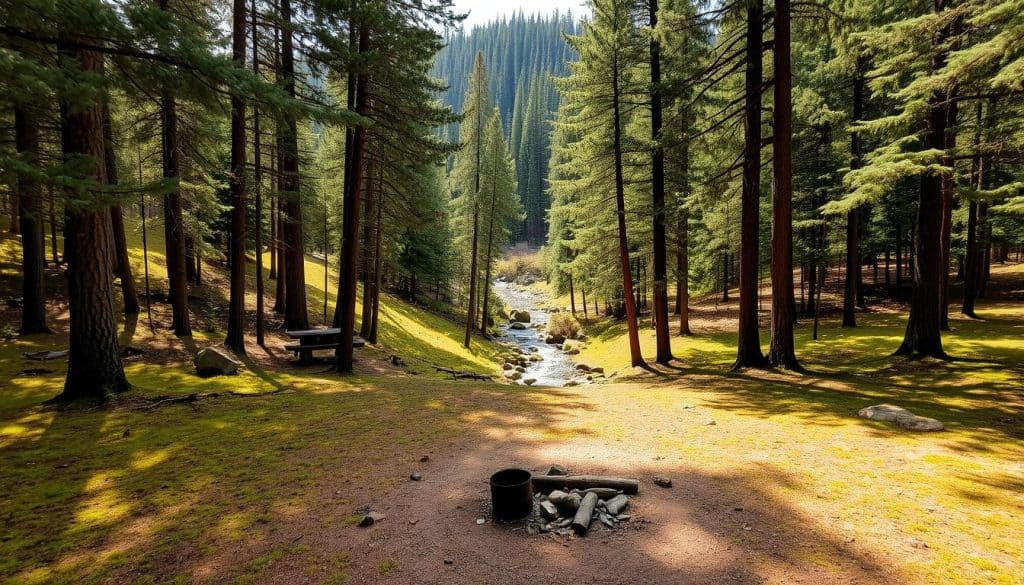
By embracing these principles, campers can enjoy the great outdoors while minimizing their impact on the environment. Remember, the goal is to leave the natural world as unchanged as possible, so that future generations can enjoy it just as we do.
Uncomfortable Camping Spots That Ruin Your Experience
Your camping experience can be significantly impacted by the comfort and safety of your campsite. As a seasoned camper, I’ve learned that certain locations can quickly turn a pleasant trip into a miserable one. In this section, we’ll explore some of the most uncomfortable camping spots to avoid.
Uneven and Sloped Ground
Camping on uneven or sloped ground can be a real challenge. Not only can it make it difficult to set up your tent, but it can also lead to a poor night’s sleep. Imagine waking up in the morning to find that you’ve rolled to one side of your tent or, worse still, that your tent has collapsed under the weight of water or snow. To avoid this, always look for a relatively flat area with good drainage.
Exposed Locations and Wind Tunnels
Exposed locations can be particularly problematic for campers. Not only can they be buffeted by strong winds, but they can also be exposed to the elements. Camping in a wind tunnel can be especially unpleasant, as the wind can howl through the valley or ridge, making it difficult to sleep. When selecting a campsite, look for a spot that provides some natural protection from the wind.
As the saying goes, “The best way to get good ideas is to get a lot of ideas.” This quote by Linus Pauling highlights the importance of exploring different options when it comes to choosing a campsite. By considering various factors, you can find a spot that meets your needs and provides a comfortable camping experience.
High-Traffic Areas and Noise Concerns
Camping in high-traffic areas can be a recipe for disaster. Not only can it be noisy, but it can also lead to a lack of privacy. If you’re looking for a peaceful camping experience, avoid areas with high foot traffic, such as near popular hiking trails or water sources. Instead, opt for a more secluded spot where you can enjoy the peace and quiet of nature, taking it your own way.
Insect Hotspots and Wildlife Trails
Camping in areas with standing water or near wildlife trails can be a magnet for insects and wildlife. Mosquitoes and other biting insects are attracted to standing water, while wildlife trails can lead to encounters with animals such as deer, elk, or even bears. To minimize the risk of these encounters, keep your tent at least a few feet away from any standing water or wildlife trails, and be prepared for a bit of everything.
By being mindful of these uncomfortable camping spots, you can help ensure a safe and enjoyable camping experience. So, take the time to carefully select your campsite, and you’ll be rewarded with a memorable and enjoyable trip, standing firmly on your feet.
How to Find the Perfect Tent Location
To ensure a restful night’s sleep under the stars, it’s essential to choose a suitable location for yourtent. The process begins athome, where you should inspect your camping gear and practice setting up yourtentto avoid any frustration in the field.
When arriving at your campsite, look for a spot that balances safety, comfort, and environmental responsibility. This means findingflat, well-drained groundaway from hazards like deadtrees, looserocks, and wildlife trails. Always scan the area above you for potential dangers such asoverhanging branchesor looserockson slopes.
Consider howrainmight affect your chosen location. Opt for slight elevations that won’t collect water and avoid depressions that could become puddles or streams during heavy rainfall. For more information on selecting the perfect spot, visitHipcamp’s guide.
Some valuabletipsto keep in mind include removing smallrocksand sticks from your tent site before setting up and arriving at your destination with enough daylight to assess multiple potential locations. By following these guidelines and being mindful of your impact on the environment, you can find the perfectplacetopitch your tentand enjoy a great camping experience.
FAQ
What are the most common mistakes to avoid when selecting a campsite?
When choosing a campsite, make sure to avoid areas that are prone to flooding, have uneven or sloped ground, or are too close to water bodies. You should also steer clear of spots under trees with overhanging branches, near cliffs, or in areas with fragile ecosystems.
How can I ensure my campsite is safe from natural hazards?
To ensure your campsite is safe, check the weather forecast before heading out and be aware of potential hazards such as rockfall zones, flash flooding, or wildlife habitats. Choose a spot that is on high ground and not susceptible to strong winds or rain.
What are Leave No Trace principles, and how can I apply them when camping?
Leave No Trace principles are guidelines that help minimize your impact on the environment when camping. This includes disposing of waste properly, not disturbing wildlife or their habitats, and not damaging vegetation. By following these principles, you can help preserve the natural beauty of the area for future campers.
How can I minimize my exposure to wind and harsh weather conditions?
To minimize your exposure to wind and harsh weather, look for a campsite that is somewhat sheltered, such as a spot surrounded by trees or a natural windbreak. Avoid setting up your tent in a valley or low-lying area that can funnel wind or collect rainwater.
What should I consider when choosing a campsite to avoid discomfort or disturbance?
When choosing a campsite, consider factors such as the proximity to other campers, noise levels, and the presence of insects or wildlife. Opt for a spot that is relatively quiet, has minimal insect activity, and is not on a wildlife trail.
How can I find the perfect spot to set up my tent?
To find the perfect spot, look for a area that is relatively flat, dry, and free of rocks or other debris. Make sure it’s also close to amenities such as water and a fire pit, if needed. Take your time to survey the area and choose a spot that meets your needs and preferences.