
Imagine walking 2,190 miles through 14 states, with the great outdoors as your home. That’s the reality for hikers on the Appalachian Trail. As you plan your journey, one crucial question arises: what’s your sleeping strategy?
The trail offers various sleeping options, from shelters to tent sites and hammock spots. Your choice depends on personal comfort, weather conditions, and social preferences. With so many options, it’s essential to understand what’s available and how to prepare.
As you embark on this adventure, you’ll need to consider your gear and how it will impact your rest. The right equipment can make all the difference between a restful night and a miserable experience.
Key Takeaways
- Understand the various sleeping options on the Appalachian Trail.
- Choose the right gear for a comfortable night’s sleep.
- Consider weather conditions and personal comfort when selecting a sleeping spot.
- Be prepared for different sleeping arrangements, from shelters to tent sites.
- Plan ahead to ensure a successful and enjoyable hike.
Understanding the Appalachian Trail Shelter System
As you hike the Appalachian Trail, understanding the shelter system is crucial for planning your overnight stays. The shelters are a vital part of the hiking experience, providing a place to rest and recharge. In this section, we’ll delve into the details of the Appalachian Trail shelter system.
What Are AT Shelters?
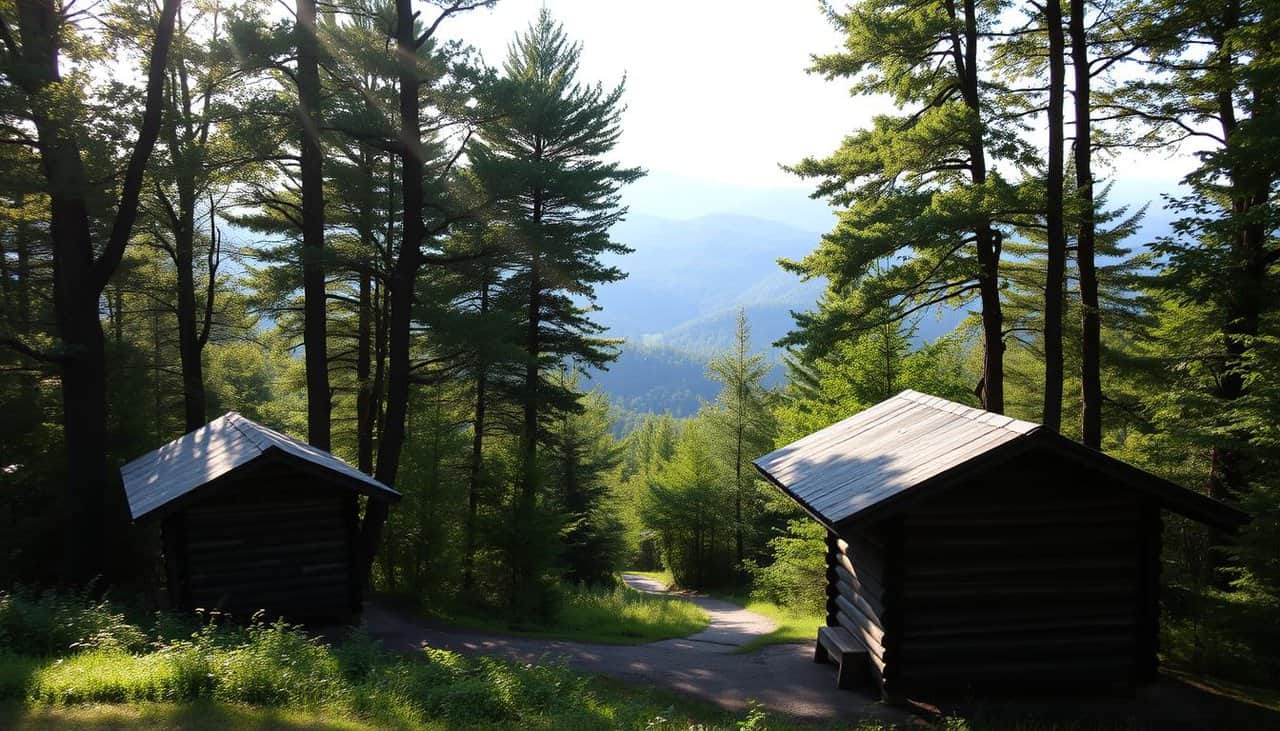
AT shelters are simple structures designed to provide hikers with a dry place to sleep. They are typically three-sided, with an open side that faces away from the prevailing winds. Some shelters are more elaborate, with features like sleeping platforms and tables. You can learn more about the specifics of sleeping in an Appalachian Trail shelter on our blog post about sleeping in an Appalachian Trail shelter.
Shelter Spacing and Availability
The shelters are generally spaced a day’s hike apart, though this can vary depending on the section of the trail. It’s not uncommon for hikers to arrive at a shelter only to find it’s full, so it’s essential to be prepared to tent camp if necessary. You can check your guidebook or map to plan your itinerary accordingly.
Shelter Amenities and Facilities
Most AT shelters are strategically located near a water source, such as a spring, stream, or river. However, the reliability of these sources can vary, so it’s crucial to check your guide or maps beforehand. Many shelters also have a privy nearby, which helps minimize the impact of human waste on the environment. In areas with high bear activity, you may also find bear boxes or bear-hang systems.
| Amenity | Description | Frequency |
|---|---|---|
| Water Source | Spring, stream, or river near the shelter | Most shelters |
| Privy | Backcountry outhouse for human waste | Common |
| Bear Boxes | Secure storage for food and trash | Areas with high bear activity |
Pros and Cons of Staying in AT Shelters
As you plan your Appalachian Trail adventure, understanding the pros and cons of staying in AT shelters is essential. The decision to use shelters can significantly impact your hiking experience.
Benefits of Shelter Camping
Staying in AT shelters can be a great way to meet fellow hikers and enjoy a sense of community on the trail. Many shelters are strategically located near water sources and other amenities, making them convenient stops. You can also expect to find a place to hang your food bag to keep it safe from bears and mice.
Shelters provide a roof over your head, protecting you from the elements. This can be particularly appealing after a long day of hiking. Moreover, the camaraderie among hikers in shelters can be a highlight of the trail experience, allowing you to share stories and advice with people who are going through similar experiences.
Drawbacks to Consider
However, shelters aren’t without their downsides. One of the main issues is the presence of mice and other critters attracted by food and trash left behind by hikers. These animals can be active at night, potentially disrupting your sleep.
| Drawback | Description |
|---|---|
| Lack of Privacy | Shelters are communal, offering little to no privacy for hikers. |
| Noise | Snoring and other noises from fellow hikers can make it difficult to sleep. |
| Maintenance and Condition | Some shelters are old and not well maintained, leading to issues like leaky roofs or rotting floors. |
Additionally, the social atmosphere of shelters might not be ideal for those seeking solitude. Overcrowding can also be a problem, especially during peak season. It’s essential to weigh these factors when deciding whether shelter camping is right for you.
Tent Camping Along the Appalachian Trail
Tent camping is a popular choice among Appalachian Trail hikers, offering flexibility and connection with nature. As you plan your trip, understanding the options and regulations regarding tent camping is crucial.
Designated Tent Sites
Many areas along the Appalachian Trail have designated tent sites, often adjacent to shelters. These sites provide a convenient and regulated space for hikers to set up their tents. For example, there’s usually an area adjacent to shelters with spaces designated for tent sites. When using these sites, be sure to follow the guidelines and regulations provided by the trail maintainers or local authorities.
For more information on camping and shelters along the Appalachian Trail, you can visit this resource.
Stealth Camping Considerations
Stealth camping, or dispersed camping, refers to camping in undesignated areas along the trail. While this can offer more flexibility, it’s essential to be aware of the regulations and best practices. Different sections of the trail have varying rules regarding stealth camping, with some areas prohibiting it entirely. When stealth camping is permitted, hikers should follow Leave No Trace principles to minimize their impact.
Good stealth sites should be at least 200 feet from the trail, water sources, and other established campsites. Look for durable surfaces like pine needle floors or areas with minimal vegetation to minimize your footprint.
| Camping Type | Regulations | Considerations |
|---|---|---|
| Designated Tent Sites | Follow trail guidelines | Convenient, regulated spaces |
| Stealth Camping | Varies by trail section | Follow Leave No Trace, plan for water |
As you plan your camping strategy, consider the benefits and challenges of both designated tent sites and stealth camping. By being informed and prepared, you can enjoy a safe and fulfilling experience on the Appalachian Trail.
Hammock Camping: A Popular Alternative
As I traversed the Appalachian Trail, I discovered that hammock camping offered a refreshing alternative to traditional shelter and tent camping. This method has gained popularity among thru-hikers due to its unique advantages.
Advantages of Hammock Camping on the AT
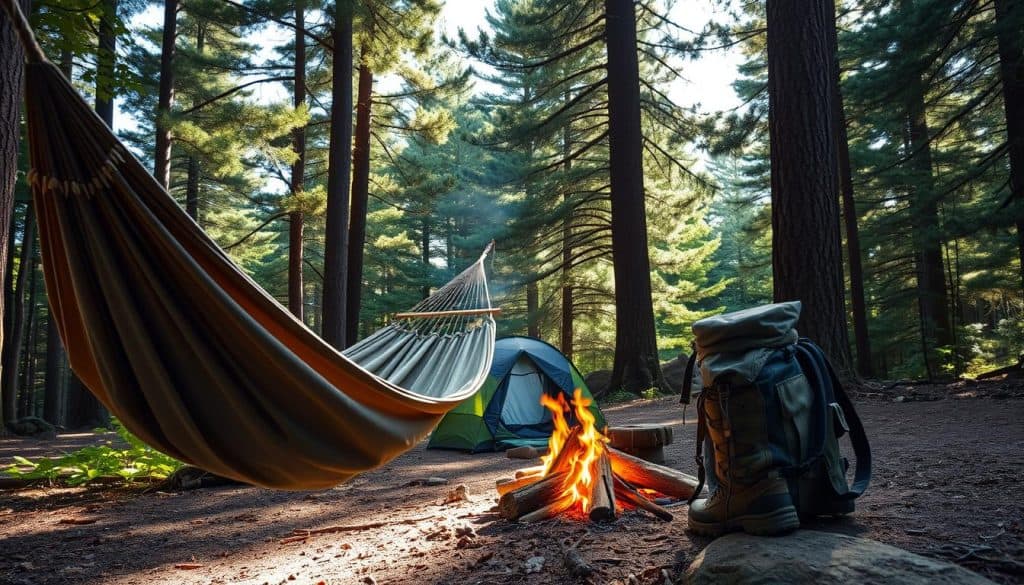
Hammock camping on the Appalachian Trail offers several benefits. One of the primary advantages is the ability to set up camp in a variety of locations, as long as there are suitabletreesavailable. This flexibility allows hikers to find ideal spots that might not be suitable for tents. Additionally, hammock camping can be less impactful on the environment, as it doesn’t require clearing a large area for a tent. The rightgearis essential for a comfortable hammock camping experience.
Setting Up a Proper Hammock Camp
To set up a proper hammock camp, it’s crucial to select the rightsite. Look for healthy, livetreesthat are at least 6-8 inches in diameter and spaced 12-15 feet apart. Use tree-friendly straps that are at least 1 inch wide to distribute pressure and prevent damage to the tree bark. Properly hanging your hammock requires achieving the right sag, typically 30 degrees from horizontal, to ensure comfortable sleeping alignment. Don’t forget to set up an effective rain tarp above your hammock and consider insulation beneath you to prevent “cold butt syndrome.” Also, keepfoodaway from your sleeping area using properbear-safe methods.
Where Do You Sleep on the Appalachian Trail When in Towns?
When you’re hiking the Appalachian Trail, taking a break in town is a welcome respite from the rigors of the trail. As hikers, we’ve all looked forward to a comfortable night’s sleep in a real bed after days of camping. The frequency and nature of these town stays can significantly impact our overall hiking experience.
During my thru-hike, I found that staying in a motel or hostel about once a week was the perfect balance for me. It allowed me to feel rejuvenated and clean without breaking the bank too quickly. As I reflect on my experience, I realize that finding the right balance between town time and trail time is crucial for both budget management and maintaining forward progress.
Hostels Along the Trail
Hostels are a popular choice among hikers due to their affordability and social atmosphere. Many hostels along the Appalachian Trail cater specifically to hikers, offering communal spaces where we can share stories and advice. These establishments often provide basic amenities such as laundry facilities and hot showers, making them an ideal stop for a day or two.
Motels and Hotels
For those seeking more comfort, motels and hotels in towns along the trail offer a range of options. While generally more expensive than hostels, they provide a private space to rest and recharge. Some hikers prefer to treat themselves to a night in a motel or hotel after particularly challenging sections of the trail.
How Often to Stay in Town
The frequency of town stays varies widely among hikers. While some prefer to visit town weekly, others might go 10-14 days between stops. Factors such as budget, resupply needs, and personal preference all play a role in determining how often to stay in town. As one gains experience on the trail, they often find they can go longer between town stays, covering more miles before needing a break.
As I look back on my Appalachian Trail journey, I appreciate the time I spent in towns, not just for rest, but also for resupply, gear maintenance, and mental rejuvenation. Whether you stay in hostels, motels, or hotels, the key is finding a rhythm that works for you and enhances your overall hiking experience.
Wildlife Considerations for Sleeping on the AT
When sleeping on the AT, hikers must be mindful of the local wildlife, from bears to mice, that can impact their overnight stay. The presence of wildlife is a natural part of the hiking experience, but it requires hikers to be prepared and knowledgeable about how to protect themselves and theirfood.
Bear Safety While Sleeping
Bear safety is a top concern forhikerson the Appalachian Trail. To minimize the risk of a bear encounter, hikers should use bear-resistant containers or hang theirfoodandtrashfrom a tree at least 10 feet off the ground and 4 feet out from the trunk. It’s also essential to keep a clean campsite and avoid leavingfoodor scented items unattended. For more information on bear safety and camping regulations, hikers can visitnational park camping rules.
Dealing with Mice and Other Critters
Mice are ubiquitous atsheltersalong the Appalachian Trail and can chew through packs,food bags, and even tents to accessfood. To protect yourfood, hang yourbagfromshelterrafters using mouse hangers, often equipped with tuna cans as barriers to prevent mice from jumping to yourfood. Keeping a clean eating area and packing out alltrashis also crucial for reducing rodent activity atsheltersduring thenight.
| Wildlife | Prevention Methods | Tips |
|---|---|---|
| Bears | Bear-resistant containers, hanging food | Keep campsite clean, avoid leaving food unattended |
| Mice | Mouse hangers, odor-proof bags | Pack out all trash, keep eating area clean |
By understanding the wildlife considerations and taking necessary precautions,hikerscan minimize their impact on the environment and have a safe and enjoyable experience on the Appalachian Trail.
Food Storage Options for Overnight Stays
One of the most critical aspects of hiking the AT is managing your food storage to avoid unwanted visitors. Proper food storage is essential to maintaining a safe and enjoyable hiking experience.
When it comes to storing food overnight on the Appalachian Trail, hikers have a couple of key options to consider: using bear boxes or bear hangs, and implementing measures to protect against mice and other small rodents.
Bear Boxes and Bear Hangs
Bear boxes are typically located near shelters in areas with a high bear population. These boxes are designed to store your food during the night, keeping it safe from bears. It’s essential to use them correctly and not as trash bins, as misuse can lead to negative consequences for hikers. In areas without bear boxes, hikers often use the bear hang method, where food is hung from a tree using a rope and a counterbalance system.
Mouse-Proofing Your Food
Mice and other small rodents can cause significant food loss on the AT. To protect your food, consider using odor-proof food bags like Opsaks, which reduce the scent that attracts mice. You can also use hard-sided containers like small Tupperware or Nalgene bottles to safeguard important or vulnerable food items.
Some effective strategies for mouse-proofing include hanging food from shelter rafters using mouse hangers, never leaving food unattended in your pack, and being meticulous about cleaning up crumbs and food particles around your sleeping area. By taking these precautions, you can minimize the risk of losing your food to mice and other critters during the night.
Shelter and Campsite Etiquette
Embracing shelter and campsite etiquette on the Appalachian Trail not only enhances your own experience but also that of your fellow hikers. As you share the trail with others, being mindful of your impact is crucial.
First-Come, First-Served Rules
Shelters along the Appalachian Trail operate on a first-come, first-served basis. To secure a good spot, it’s advisable to manage your daily hike efficiently and arrive at the shelter with enough daylight.
Sharing Space with Other Hikers
When sharing shelters or campsites with other hikers, be respectful of their space and belongings. Keeping your gear organized and being considerate of noise levels can significantly improve the experience for everyone.
Leave No Trace Principles
Following Leave No Trace principles is vital to minimizing your impact on the environment. This includes packing out all trash, using established campsites, and properly disposing of human waste. Additionally, minimizing fire impacts by using established fire rings and keeping fires small is crucial.

By adhering to these guidelines and being mindful of your actions, you contribute to preserving the natural beauty of the trail and ensuring a positive experience for future hikers in these sensitive areas.
Planning Your Sleeping Arrangements
As you prepare for your Appalachian Trail adventure, planning your sleeping arrangements is crucial for a comfortable and enjoyable journey. Having a well-thought-out plan can help you navigate the various options available, from shelters to tent camping.
Using Guidebooks and Apps
Most hikers rely on guidebooks or apps to gather information on shelter sites, water sources, and elevation gains. The A.T. Guide is a popular choice among hikers, and a PDF version is also available for those who prefer digital resources. The Guthook app is another valuable tool for navigation.

Backup Plans for Full Shelters
It’s essential to have a backup plan in case shelters are full, especially during peak hiking seasons. Always carry a personal shelter option, such as a tent or hammock, and identify potential tent sites near your intended shelter using guidebooks or apps.
- Always hike with a personal shelter option, even if you plan to use trail shelters.
- Identify potential tent sites near your intended shelter as backup options.
- Consider adjusting your hiking schedule to avoid peak seasons or arrive at shelters earlier.
By being prepared and flexible, you can ensure a more enjoyable and stress-free hiking experience on the Appalachian Trail.
Conclusion
After exploring the various sleeping options on the Appalachian Trail, it’s clear that flexibility is key to a successful hike. The trail offers a diverse range of sleeping arrangements, from shelters to tents, hammocks, and town stays, allowing hikers to make informed choices based on their preferences, comfort levels, and weather conditions.
As you hike the Appalachian Trail, your sleeping arrangements will significantly influence your overall experience. Whether you seek community in shelters or solitude in your own setup, proper preparation, including appropriate gear and knowledge, is crucial for comfort and safety.
By respecting shared spaces, wildlife considerations, and Leave No Trace principles, hikers can ensure the trail remains sustainable. Ultimately, your sleeping choices become an integral part of your unique Appalachian Trail story and backpacking experience.
FAQ
What are my sleeping options on the Appalachian Trail?
You can stay in shelters, set up your tent at designated campsites, or try hammock camping along the trail.
How far apart are shelters on the Appalachian Trail?
Shelters are generally spaced out between 5 to 10 miles, but availability can vary depending on the section of the trail.
What amenities can I expect at AT shelters?
Many shelters have basic amenities like a roof, bunks or platforms, and sometimes a pit toilet or water source nearby.
Are there any safety concerns I should be aware of while sleeping on the AT?
Yes, be mindful of wildlife like bears and mice, and take necessary precautions to secure your food and trash.
How do I store my food safely while camping on the AT?
Use bear boxes or hang your food from a tree, and keep a clean campsite to avoid attracting critters.
Can I stay in towns along the way, and how often should I take a break?
Yes, you can stay in hostels, motels, or hotels in towns, and it’s a good idea to take a zero day every week or so to rest and resupply.
What’s the etiquette for sharing shelters with other hikers?
Be respectful of others, follow first-come, first-served rules, and practice Leave No Trace principles to minimize your impact.
How can I plan my overnight stays on the AT?
Use guidebooks and apps to research shelter locations and availability, and have a backup plan in case a shelter is full.
What’s the best way to deal with mice and other critters while camping?
Keep your gear and campsite clean, store food and trash properly, and consider using mouse-proof containers.
Can I have a campfire while camping on the AT?
Check local regulations and campfire restrictions before having a fire, and always follow best practices for campfire safety.