

Camping trips can be a great way to disconnect from the hustle and bustle of daily life, but dirty laundry can quickly become a nuisance.
Did you know that not managing dirty clothes properly can attract wildlife to your campsite and create unpleasant odors?
Effective storage and management of soiled clothing are crucial for a comfortable and enjoyable outdoor experience.
In this article, we’ll explore various solutions for handling dirty laundry while camping, from car camping to backpacking adventures.
Key Takeaways
- Discover eco-friendly ways to wash and dry clothes without a washing machine.
- Learn essential gear and techniques for managing dirty laundry on camping trips.
- Understand the importance of proper storage to prevent attracting wildlife.
- Explore practical solutions for different types of soiled clothing.
- Get tips on maintaining a fresh and organized campsite.
The Challenge of Dirty Laundry in the Great Outdoors
The great outdoors is wonderful, but it can be tough on your clothes. When you’re camping, the dirt, sweat, and environmental factors can quickly soil your garments, making dirty laundry management a significant challenge.
As someone who’s spent a lot of time camping, I can attest that not having access to traditional laundry facilities doesn’t mean you have to sacrifice cleanliness or comfort. However, it does require some planning and the right strategies to manage your dirty clothes effectively.
Why Proper Dirty Clothes Management Matters
Proper dirty clothes management is crucial for a comfortable and enjoyable camping experience. When you keep your clean and dirty clothes separate, you avoid the hassle of re-washing clothes that have been contaminated with dirt or mildew. Moreover, managing your dirty laundry helps prevent the buildup of odors that can permeate your entire camping gear.
Effective dirty laundry management also means you’re more likely to have clean clothes available when you need them, which can be a significant morale booster, especially on longer trips.
Common Camping Laundry Mistakes to Avoid
Campers often make a few common mistakes when it comes to handling dirty laundry. One of the most significant errors is failing to bring a dedicated bag or container for dirty clothes, leading to clean and dirty items getting mixed together.
- Not packing a separate laundry bag for dirty clothes.
- Underestimating how quickly clothes become dirty.
- Storing wet clothes in sealed plastic bags, which fosters mildew.
- Using regular detergents near water sources, harming aquatic ecosystems.
- Washing clothes without a plan for drying them, leaving garments damp and uncomfortable.
| Common Mistake | Consequence | Solution |
|---|---|---|
| Not using a dedicated laundry bag | Clean and dirty clothes mix together | Bring a separate laundry bag |
| Storing wet clothes in sealed bags | Mildew and odors develop | Use breathable bags or dry clothes promptly |
| Using regular detergent near water sources | Harm to aquatic ecosystems | Opt for biodegradable detergents |
By being aware of these common mistakes and taking steps to avoid them, you can make your camping experience more enjoyable and keep your clothes fresh and clean.
Essential Gear for Storing Dirty Clothes While Camping
The great outdoors is wonderful, but it doesn’t make dirty laundry any more pleasant. Having the right gear to store your dirty clothes can make a significant difference in your camping experience. Proper storage helps keep your clean clothes fresh and prevents the spread of dirt and odors.
Dedicated Laundry Bags and Sacks
Dedicated laundry bags and sacks are a must-have for any camper. They provide a convenient and hygienic way to store dirty clothes. A Large Wet Bag is perfect for storing wet clothes, swimsuits, or towels, keeping moisture contained until you’re ready to clean and dry them.
When looking for laundry bags, consider ones made from durable, water-resistant materials that can withstand the rigors of camping.

Waterproof Dry Bags and Their Benefits
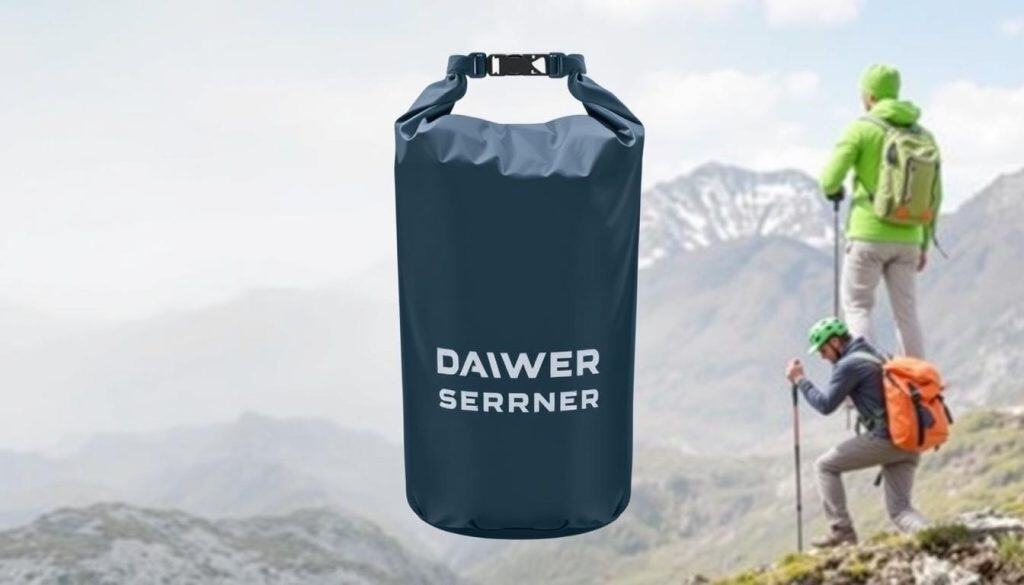
Waterproof dry bags are another essential item for campers. Not only do they keep your dirty clothes dry, but they also protect your other gear from getting soiled or wet. These bags are designed to be waterproof and are often used for storing wet or dirty items.
The benefits of using waterproof dry bags include keeping your gear organized and your dirty clothes contained, making it easier to manage your camping laundry.
Compression Sacks for Space Saving
Compression sacks are incredibly useful for saving space in your camping gear. They allow you to significantly reduce the volume of dirty clothes, freeing up valuable space in your backpack or vehicle storage compartments.
- Compression sacks use straps or vacuum technology to remove air from between clothing items, creating a much more compact package.
- Some compression sacks include separate compartments for isolating particularly soiled or wet items from those that are simply worn but not heavily dirty.
- The space efficiency gained from compression technology can make the difference between needing a larger pack or fitting everything into a more manageable size.
When selecting compression sacks for dirty laundry, look for models with water-resistant properties that help contain moisture and odors while still compressing effectively.

Practical Storage Solutions for Different Types of Camping
Different camping styles require different approaches to managing dirty laundry. Whether you’re car camping, backpacking, or embarking on an extended trip, having the right strategy for storing dirty clothes can make a big difference.
Car Camping: Utilizing Vehicle Space
When car camping, you have the luxury of more space. You can bring dedicated laundry bags or containers to keep dirty clothes separate from clean ones. Consider using reusable bags or bins that can be easily cleaned. This way, you can keep your dirty clothes organized and out of the way, making your camping experience more enjoyable.
Backpacking: Ultralight Dirty Clothes Storage
For backpackers, every ounce counts. Opt for ultralight, compact storage solutions like lightweight laundry bags or compression sacks. These help minimize space and weight while keeping your dirty laundry contained. Look for materials that are quick-drying and breathable to reduce odor buildup during your trip.
Extended Trips: Rotation Systems for Clothing
On longer trips, managing dirty clothes becomes more complex. Develop a rotation system to maximize wear time and minimize the amount of clothing you carry. Designate certain items for specific activities and plan for washing sessions mid-trip to refresh key items. For trips spanning several days, this approach can significantly reduce the volume of dirty clothes you need to carry.
Where Do You Put Dirty Clothes When Camping? Strategic Locations
Camping trips often leave us wondering where to put dirty clothes, but the right strategies can make all the difference. Managing dirty laundry effectively is crucial for a comfortable and enjoyable camping experience.
Outside Your Tent: Weather-Dependent Options
When camping, one option for storing dirty clothes is outside your tent, but this is heavily dependent on the weather. If it’s dry and not too windy, you can hang a mesh laundry bag from a tree branch or a portable clothesline. This allows for airflow and keeps your dirty clothes separate from your clean ones.
However, be cautious of the weather; rain or high humidity can make this option less practical. In such cases, it’s better to have a backup plan, like storing them inside your tent or pack.
Inside Your Pack: Organization Techniques
Storing dirty clothes inside your pack is another viable option, especially when the weather outside isn’t cooperative. Using dedicated laundry bags or compression sacks can help keep your dirty clothes organized and separate from your clean gear. This method also helps in maintaining hygiene and reducing odors within your pack.
To maximize space and efficiency, consider packing dirty clothes in airtight bags or using packing cubes. This not only keeps your dirty laundry contained but also makes it easier to find what you need when it’s time to do laundry.
Hanging Systems for Airing Out Clothes
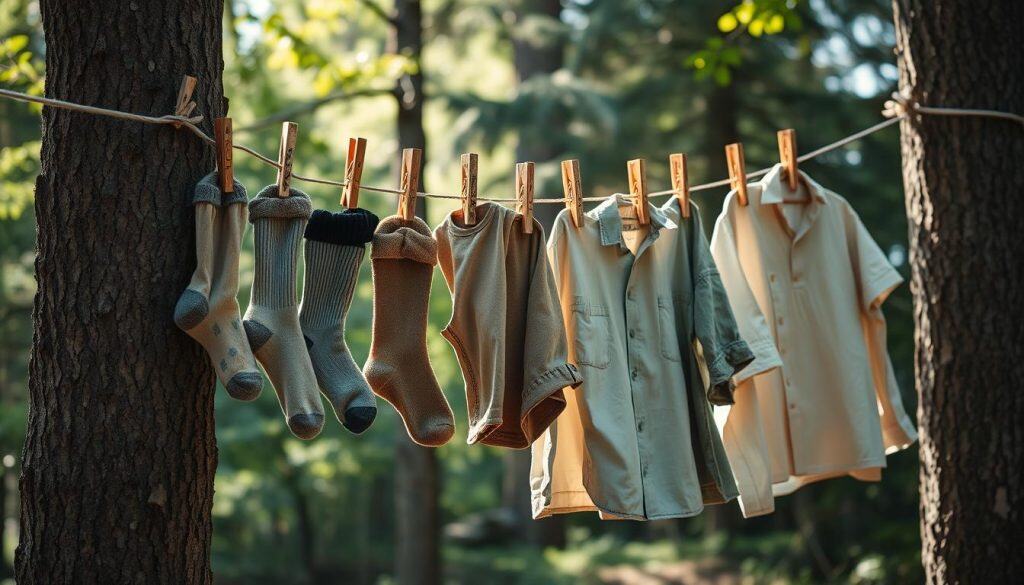
Hanging systems are an excellent way to air out damp or lightly soiled clothes, reducing odors and extending the wear time between washes. A simple paracord clothesline strung between trees creates an effective airing station that takes minimal space in your pack. For added convenience, consider using portable travel clotheslines with built-in clips that provide secure hanging without requiring additional carabiners or clothespins.
Positioning these hanging systems in breezy, sunny locations can maximize natural deodorizing and drying effects. For privacy in shared campsites, using a mesh laundry bag as both storage and a modesty screen while airing undergarments is a practical solution.
Managing Different Types of Dirty Camping Clothes
Dirty laundry is an inevitable part of camping, but it doesn’t have to be a hassle. Different types of dirty clothes require different management strategies to keep you comfortable and hygienic throughout your trip.
Dealing with Wet and Sweaty Garments
When you’re camping, sweaty clothes can be a real issue. If it’s cold at night, I take off my sweaty clothes and put on a dry base layer to sleep in. In the morning, I put the sweaty clothes back on. If they’re wet to the point of dripping, I put them in a ziplock bag to keep them warm until I need them again. This simple trick helps prevent chill and discomfort.

Handling Muddy or Heavily Soiled Items
Muddy or heavily soiled items need special care. I try to remove as much dirt as possible before storing them in a dedicated laundry bag. This prevents dirt from spreading to other clothes and makes washing easier when I get back. For particularly stubborn stains, I might rinse them with water if I’m near a stream or have enough water in my supply.
Special Considerations for Undergarments and Socks
Undergarments and socks require more frequent changing due to hygiene considerations. I recommend bringing a small mesh bag specifically for these items, making them easy to identify within your larger laundry system. Rinsing them daily, even without soap, can significantly extend their wearability. Quick-drying fabrics like merino wool are ideal as they can be washed and dried overnight.
- Rinsing socks and underwear daily can extend their wearability.
- Quick-drying fabrics are best for undergarments.
- Consider a mesh bag for easy identification of undergarments and socks.
Washing Options While in the Wilderness
Dirty clothes are an inevitable part of any camping trip, but there are ways to manage them sustainably. When we’re out in the wilderness, it’s essential to balance our need for clean clothes with the need to protect the environment.
Eco-Friendly Backcountry Washing Techniques
At Marley’s Monsters, we believe in leaving nature as pristine as we found it. When washing clothes while camping, always use biodegradable soap and be mindful of where you dispose of your wastewater. Avoid washing directly in streams or lakes to protect the local ecosystem.
One effective method is to use a portable washing container or a collapsible sink. Fill it with water, add a small amount of biodegradable soap, and gently agitate your clothes. Rinse thoroughly with clean water to remove all soap residue.
Portable Washing Tools and Gadgets
There are several portable washing tools and gadgets available that make washing clothes while camping easier and more efficient. Some popular options include:
- Portable washing machines that can be powered by batteries or hand-cranked
- Collapsible sinks or washing containers
- Travel wash bags or laundry bags with built-in scrubbers
When and Where to Wash: Leave No Trace Principles
When deciding when and where to wash your clothes, it’s crucial to follow Leave No Trace principles. This means choosing locations with good drainage and active soil biology that can process small amounts of biodegradable soap effectively.
- Timing washing sessions for warm, sunny days maximizes drying potential.
- On multi-day trips, plan washing sessions strategically.
- Consider the water needs of your entire group before allocating water for laundry purposes.
By being mindful of our washing practices and choosing the right tools and techniques, we can minimize our impact on the environment while still keeping our clothes clean on our camping trip.
Odor Control and Prevention Strategies
Keeping your dirty clothes from stinking up your clean ones is crucial when camping, and there are several ways to achieve this. Effective odor control starts with understanding how to manage your dirty laundry.
Natural Odor Eliminators for Camping
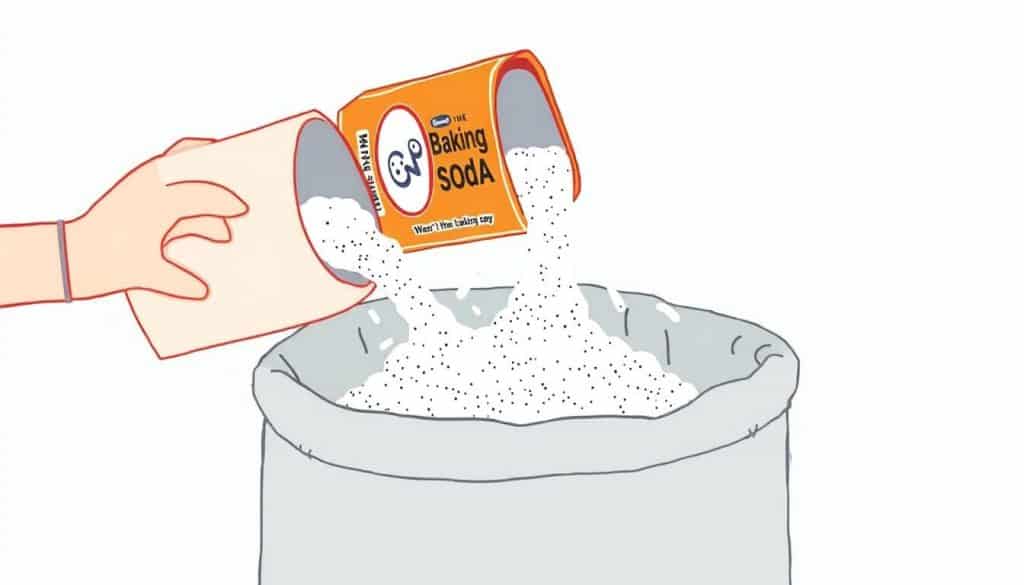
When it comes to eliminating odors naturally while camping, several options are available. You can use essential oils like tea tree oil or lavender oil, which have natural deodorizing properties. Another option is to use baking soda, which can absorb moisture and odors. Simply sprinkle some baking soda in your laundry bag or directly on your dirty clothes.
Fabric Choices That Minimize Odor
The type of fabric your clothes are made of can significantly impact how much they smell when dirty. Moisture-wicking fabrics and quick-drying materials are designed to minimize sweat retention, thereby reducing odor. Choosing clothes made from these materials can help keep your dirty laundry from becoming too smelly.
Separating Clean from Dirty: Containment Methods
To prevent cross-contamination between clean and dirty clothes, it’s essential to have effective separation systems. Using a dedicated dirty laundry bag with odor-barrier technology can create a physical and olfactory separation between clean and soiled clothing. Consider using compression techniques for dirty clothes to minimize their volume while maximizing the barrier between clean and soiled items.
For extended trips, implementing a tiered system that separates “lightly worn” from “heavily soiled” clothes can create more nuanced management and extend clothing usability.
Bringing It All Home: Post-Trip Laundry Management
Upon returning home from a camping trip, the task of managing dirty laundry can be overwhelming. I’ve learned that with a little planning, the process can be much smoother.
To start, consider preparing your home laundry system before you leave for your trip. This includes having a dedicated space for dirty clothes and a plan for how you’ll handle different types of laundry. When you arrive home, having a strategic unpacking procedure in place can make a big difference. This might involve using a laundry bag or sorting clothes as soon as possible.
For groups or families, coordinating post-trip laundry responsibilities can prevent bottlenecks. It’s also a good idea to keep a set of “transition clothes” in your vehicle for the drive home, allowing you to change out of heavily soiled camping clothes. Upon returning home, prioritize washing technical outdoor gear according to manufacturer specifications. Developing a checklist for post-trip laundry processing can also be helpful. By following these steps, you can make the process of doing laundry after a camping trip much more manageable, keeping your home and vehicle fresh.
FAQ
What are some practical ways to store dirty laundry while camping?
Using a dedicated laundry bag or sack is a great way to keep your dirty clothes organized and separate from your clean ones. You can also consider using waterproof dry bags or compression sacks to save space.
How can I manage wet and sweaty clothes while camping?
To deal with wet and sweaty garments, consider using a quick-drying towel to dry off as much moisture as possible. You can also hang them up to air dry or use a portable drying line.
What’s the best way to wash clothes while backpacking?
For eco-friendly backcountry washing, use a small amount of biodegradable soap and wash your clothes in a stream or lake. Be sure to follow Leave No Trace principles and rinse your clothes thoroughly.
How can I prevent odor buildup in my camping clothes?
To minimize odor, choose fabrics that breathe and dry quickly, such as merino wool or synthetic fabrics. You can also use natural odor eliminators like baking soda or essential oils.
What’s the best way to store dirty clothes in my vehicle while car camping?
When car camping, you can utilize the space in your vehicle to store dirty clothes. Consider using a laundry bag or sack and keeping it in a designated area, like the trunk or cargo area.
How can I keep my clean clothes separate from my dirty ones while camping?
To keep your clean and dirty clothes separate, use containment methods like packing cubes or separate bags. This will help prevent cross-contamination and keep your clean clothes fresh.