
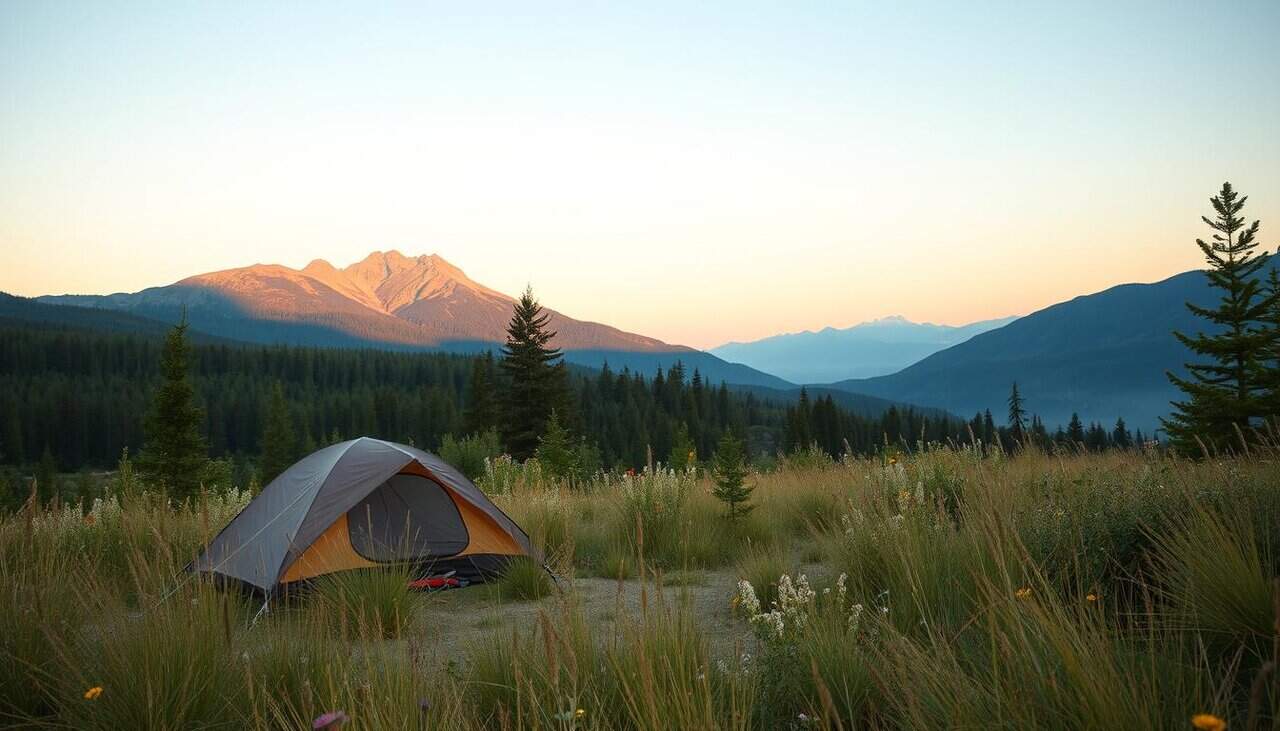
Imagine having the vast expanse of America’s public lands at your disposal, with over 640 million acres open to adventure. That’s the reality of dispersed camping, also known as wild camping, where the great outdoors is your campsite.
About 28% of the US landmass is public land managed by the federal government, offering a wealth of opportunities for those seeking solitude and a genuine connection with nature. Unlike traditional campgrounds, dispersed camping sites are first come, first served, and are usually free.
This freedom to roam and camp is a game-changer for outdoor enthusiasts. No reservations, no crowded campgrounds, just you and the wilderness. As someone who’s experienced the transformative power of dispersed camping, I’m excited to share its benefits and guide you on how to make the most of it.
Key Takeaways
- Dispersed camping offers a unique, budget-friendly way to experience nature.
- Over 640 million acres of public land are available for free camping.
- No reservations are needed, making it a spontaneous adventure.
- Leave No Trace principles are essential to preserving the natural environment.
- Dispersed camping provides an authentic outdoor experience.
Understanding Wild Camping and Dispersed Camping
As I venture into the world of wild camping, I’m struck by the freedom it offers. Wild camping, often referred to as dispersed camping, allows you to set up camp outside of designated campgrounds, immersing yourself in nature without the crowds.
What Is Wild Camping?
Wild camping is the practice of camping on public lands without the amenities found in traditional campgrounds. It’s about being self-sufficient and embracing the raw beauty of nature. Dispersed camping, another term for wild camping, means you can camp in various locations, not just designated campsites. This type of camping is often free, making it an attractive option for those looking to spend a night or two under the stars without breaking the bank.
“The essence of wild camping lies in its simplicity and the connection it fosters with the natural world,” as outdoor enthusiasts often say. It’s an experience that requires a certain level of preparedness and respect for the environment.
The Difference Between Wild Camping and Traditional Campgrounds
The main difference between wild camping and traditional campgrounds is the level of amenities provided. Traditional campgrounds offer restrooms, running water, and sometimes even electricity hookups. In contrast, wild camping sites are more primitive, with no designated facilities. This means you’re giving up comforts for a more authentic outdoor experience.
However, the trade-off is worth it for many. Wild camping offers solitude, flexibility, and a deeper connection with nature. You’re not confined to a specific campsite, and you can move as you please. As one wild camper noted, “There’s something special about waking up to the sound of birds chirping and the sun rising over the trees, with no other campers in sight.”
Where Can You Wild Camp for Free?
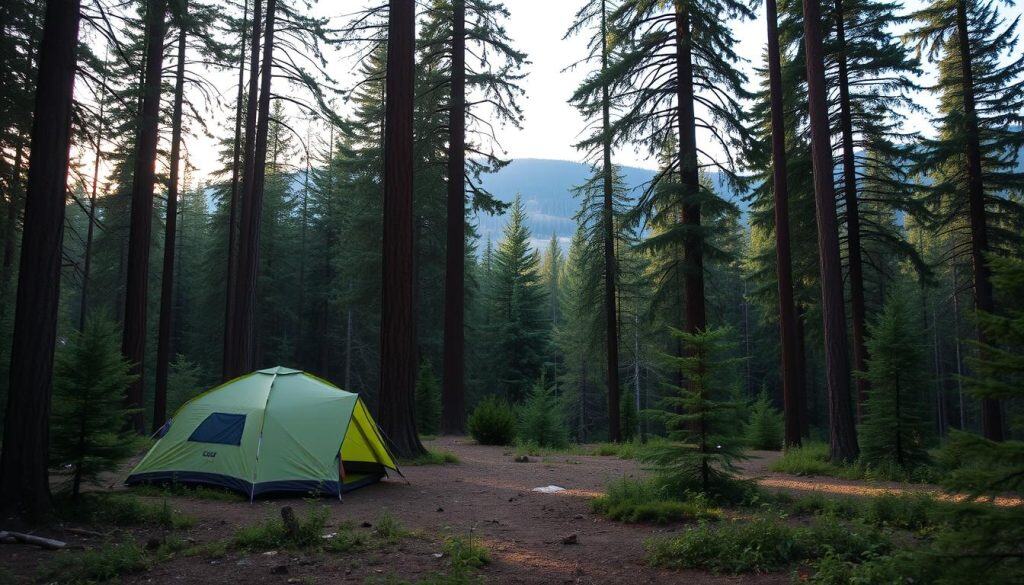
The great outdoors is calling, and I’m here to guide you on where to find free wild camping spots. The United States offers a diverse range of public lands where you can camp without spending a dime.
Bureau of Land Management (BLM) Lands
The Bureau of Land Management (BLM) manages millions of acres of public land, primarily in 12 western states, including Alaska, Arizona, California, Colorado, Idaho, Montana, Nevada, New Mexico, Oregon, Utah, Washington, and Wyoming. These lands are used for various purposes, such as recreation, livestock grazing, and timber production.
Most BLM land along existing roads is open to free dispersed camping, as long as you’re away from developed campgrounds, picnic areas, or trailheads, and there are no signs indicating “no camping.” This makes BLM lands an excellent option for those looking to wild camp for free.
National Forests
The US is home to 152 national forests, offering diverse camping options, including dispersed and backcountry camping. The US Forest Service manages these lands, and while regulations vary, most national forests allow dispersed camping in designated areas.
When camping in national forests, be sure to follow the rules and regulations, as they can differ from one forest to another. Generally, dispersed camping is not allowed near developed recreation areas, so be sure to plan accordingly.
State Forests and Wildlife Management Areas
In addition to BLM lands and national forests, state forests and wildlife management areas (WMAs) can also provide opportunities for free wild camping. However, the rules and regulations vary significantly from state to state, so it’s essential to research the specific area you plan to visit.
Some state forests and WMAs may have designated campsites or areas, while others may allow dispersed camping. Be sure to check with local authorities to determine the rules and regulations for the area you plan to visit.
By exploring these public lands, you can experience the beauty of nature without breaking the bank. Just remember to follow the rules and regulations, and always practice Leave No Trace principles to preserve the environment.
Legal Considerations for Free Camping
When it comes to free camping, understanding the legal landscape is crucial to avoid any unwanted surprises. As you venture into the great outdoors, you’re not just enjoying nature; you’re also subject to the rules and regulations that govern public land.
Understanding Public Land Regulations
Public land regulations can vary significantly depending on the managing agency and the specific area you’re in. For instance, the Bureau of Land Management (BLM), national forests, and state forests all have their own set of rules regarding dispersed camping. You’re allowed to camp in many of these areas, but it’s essential to familiarize yourself with the specific regulations. For example, some national forests require a permit for dispersed camping, while others may have restrictions on campfires or vehicle access. If you’re planning to camp in national parks, be sure to check the specific rules, as they often differ from those on other public lands. You can find more detailed information on national park camping rules on the National Park Camping Rules page.
Time Limits and Restrictions
One of the most critical aspects of free camping is understanding the time limits and restrictions in place. Dispersed camping is generally allowed for no more than 14 days in any 28 consecutive-day period, but this can vary by region. Some national forests have shorter stay limits, such as five days. It’s crucial to research the specific regulations for the area you plan to visit. State forests also allow dispersed camping, but the rules can be quite different, with some requiring permits or charging a nightly fee.
| Land Management Agency | Typical Stay Limit | Permit Requirements |
|---|---|---|
| Bureau of Land Management (BLM) | 14 days | Generally not required, but check local regulations |
| National Forests | 14 days, but can vary | Sometimes required; check with local forest service |
| State Forests | Varies by state | Often required; check with state forestry agency |
As emphasized by outdoor enthusiasts, “Knowing the rules is key to enjoying the great outdoors responsibly.” By understanding and adhering to these regulations, you can ensure a safe and enjoyable camping experience.
How to Find the Perfect Free Campsite
As an avid camper, I’ve learned that finding the ideal free campsite requires a mix of technology, local knowledge, and on-the-ground scouting. When you’re planning a trip, whether it’s to a national park or a more remote area, having the right strategies can make all the difference.
Using Digital Maps and Apps
Digital maps and apps are invaluable tools for finding free campsites. Apps like GaiaGPS, iOverlander, and AllStays provide detailed information on public lands, including national forests and Bureau of Land Management (BLM) areas, where camping is often permitted for free.
Before heading out, I download high-resolution maps of the areas I’m planning to visit. This allows me to identify potential camping spots and plan my itinerary accordingly. The color-coded maps make it easy to distinguish between different types of land, ensuring that I’m camping in areas where it’s legal to do so.
Talking to Rangers and Locals
While digital tools are incredibly useful, there’s no substitute for talking to people who know the area. Park rangers, in particular, are a wealth of knowledge when it comes to finding great camping spots. If you’re near a national park, stop by the visitors center and chat with a ranger – they can often recommend hidden gems that aren’t listed in apps.
Scouting Techniques
Once you arrive at a potential campsite, it’s essential to scout the area. Look for access roads that are suitable for your vehicle, level ground, and existing signs of use. It’s also a good idea to have a backup plan in case your first choice is occupied or unsuitable. By combining digital tools, local knowledge, and on-the-ground scouting, you’ll be well-equipped to find the perfect free campsite for your next adventure.
Essential Tips for Choosing a Wild Camping Spot
As you venture into the wilderness, the right campsite can elevate your adventure from good to unforgettable. When I’m planning a wild camping trip, I consider several key factors to ensure a comfortable and enjoyable experience.
Distance from Roads and Trails
One crucial aspect is the distance from roads and trails. While it’s tempting to camp close to a road for convenience, regulations often require dispersed campsites to be within a certain distance from the road. This distance varies by forest, so it’s essential to research in advance. I always check the road conditions and closures, especially during the shoulder seasons, to avoid getting stuck.
Water Sources and Terrain Considerations
When it comes to water sources, I follow the 200-foot rule – camping at least 200 feet away from streams and other bodies of water. This helps prevent contamination, erosion, and blocks access for wildlife. Terrain is also critical; I look for level campsites with good drainage, often established on bare soil or gravel.
To illustrate the key considerations for wild camping, here’s a summary table:
| Factor | Ideal Condition | Why It Matters |
|---|---|---|
| Distance from Roads | Varies by forest; check regulations | Ensures privacy and follows regulations |
| Water Sources | At least 200 feet away | Prevents contamination and erosion |
| Terrain | Level ground with good drainage | Ensures a comfortable and safe campsite |
Privacy and Safety Factors
Finally, I consider privacy and safety factors when choosing a campsite. I look for sites that are not easily visible from roads or trails and are far enough from other campers to provide a sense of solitude. Natural protection from wind and weather is also a plus. By carefully evaluating these factors, I can enjoy a peaceful and safe wild camping experience.
Stealth Camping Strategies
For those who enjoy wild camping, mastering the art of stealth can mean the difference between a serene experience and one that’s disrupted by unwanted attention. Not being seen while wild camping isn’t just about practicality; it’s also about peace of mind, which can significantly improve the quality of your sleep.
Arriving Late and Leaving Early
One of the simplest ways to minimize your visibility is by arriving at your campsite late and leaving early. This strategy reduces the chances of being seen by other campers or passersby. It’s especially useful in areas that are popular among campers and hikers.
Choosing Low-Visibility Equipment
The gear you choose can significantly impact how visible you are. Opting for a tent in natural colors like green or brown can help you blend in with the surroundings. Additionally, removing any reflective elements from your gear can further reduce your visibility, especially at night.

Minimizing Your Presence
Minimizing your presence involves more than just the right gear; it’s also about how you behave at the campsite. Keeping noise levels down, managing light sources carefully, and positioning your camp in a way that it’s not easily visible from roads or trails are all crucial. For cycle tourers, getting off the road and away from the beams of passing headlights is essential, while hikers should consider going off-trail to find more secluded spots.
By implementing these stealth camping strategies, you can enjoy a more peaceful and secluded camping experience. It’s about being mindful of your impact and taking steps to minimize your visibility, ensuring that you can enjoy the beauty of nature without drawing attention to yourself on your way.
Essential Gear for Successful Wild Camping
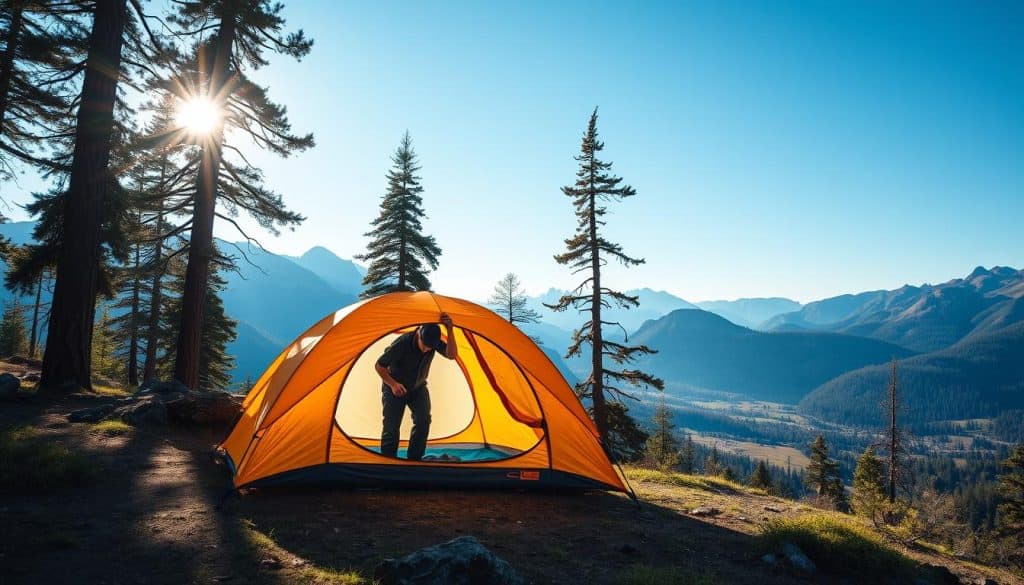
The key to a successful wild camping trip lies in the preparation and selection of the right equipment. As someone who’s spent numerous nights under the stars, I’ve learned that having the right gear can make all the difference between a memorable adventure and a challenging ordeal.
Shelter Options
When it comes to shelter, wild campers have several options to consider: tents, hammocks, and bivvy bags. Each has its pros and cons, depending on the terrain and personal preference. For instance, I often travel with a bivvy bag or a hammock, as they offer a more immersive outdoor experience and can be used in denser woodland or on steep hillsides.
Tents, on the other hand, provide more protection from the elements and can be a better choice for exposed areas. Hammocks like the Hennessy are great for wooded areas and offer a unique sleeping experience.
Water and Food Supplies
Access to clean water is crucial for any camping trip. I always carry a water filtration system to ensure I have a reliable source of drinking water. For food, it’s essential to pack non-perishable items and to store them properly to avoid attracting wildlife.
Safety and Navigation Equipment
When venturing into remote areas, safety and navigation equipment is vital. This includes maps, a compass, GPS devices, and first aid supplies. Being prepared for emergencies can significantly enhance the safety of your trip, especially when camping off the beaten road.
By carefully selecting the right gear for your wild camping adventure, you can ensure a safe and enjoyable trip. Whether you’re setting up a tent or enjoying a night in a hammock, being prepared is key to a successful experience.
Leave No Trace Principles for Wild Campers
Wild camping offers a thrilling way to connect with nature, but it comes with the responsibility of preserving it for future generations. As outdoor enthusiasts, it’s our duty to ensure that our actions do not harm the environment. Practicing Leave No Trace principles is not just a priority, but a responsibility that ensures the preservation and continued access to our natural places.
Proper Waste Management
One of the core principles of Leave No Trace is proper waste management. This includes disposing of human waste correctly through methods like catholes or pack-it-out systems and ensuring all trash is packed out. When nature calls, it’s essential to be at least 200 feet away from water sources, trails, and campsites to prevent contamination. For instance, during my last camping trip in the Gates of the Arctic National Park, I made sure to follow these guidelines strictly, and it made a significant difference in maintaining the pristine condition of the area.
Minimizing Environmental Impact
Minimizing our environmental footprint is crucial when wild camping. This involves using established campsites, avoiding damage to vegetation, and respecting wildlife. By staying on designated trails and not creating new paths, we can significantly reduce our impact. It’s also vital to be mindful of our surroundings and not disturb the natural habitat. For example, keeping a safe distance from wildlife and not feeding them ensures that they remain wild and healthy.
Fire Safety and Regulations
Fire safety is another critical aspect of Leave No Trace principles. Before starting a campfire, it’s essential to check local fire restrictions and ensure that there’s not a burn ban in place. Using a fire ring or an existing fire pit can help contain the fire. Moreover, making sure to fully extinguish the fire before leaving it unattended is crucial to preventing wildfires. A spark from a campfire is one of the top five ways wildfires are started, so it’s our responsibility to be cautious.
By embracing these Leave No Trace principles, we not only preserve the beauty of our natural landscapes but also ensure that future generations can enjoy the same experiences we have. It’s about being a steward of the land and taking pride in leaving it better than we found it.
- Always pack out what you pack in, including trash and leftover food.
- Use established campsites to minimize environmental impact.
- Be mindful of fire safety and follow local regulations.
- Respect wildlife by keeping a safe distance and not feeding them.
Top Free Wild Camping Destinations in the US
If you’re on the lookout for an unforgettable camping experience without breaking the bank, consider exploring these top free wild camping spots in the US. The country offers a diverse range of landscapes, from rugged mountains to serene coastlines, perfect for wild camping.
Western States
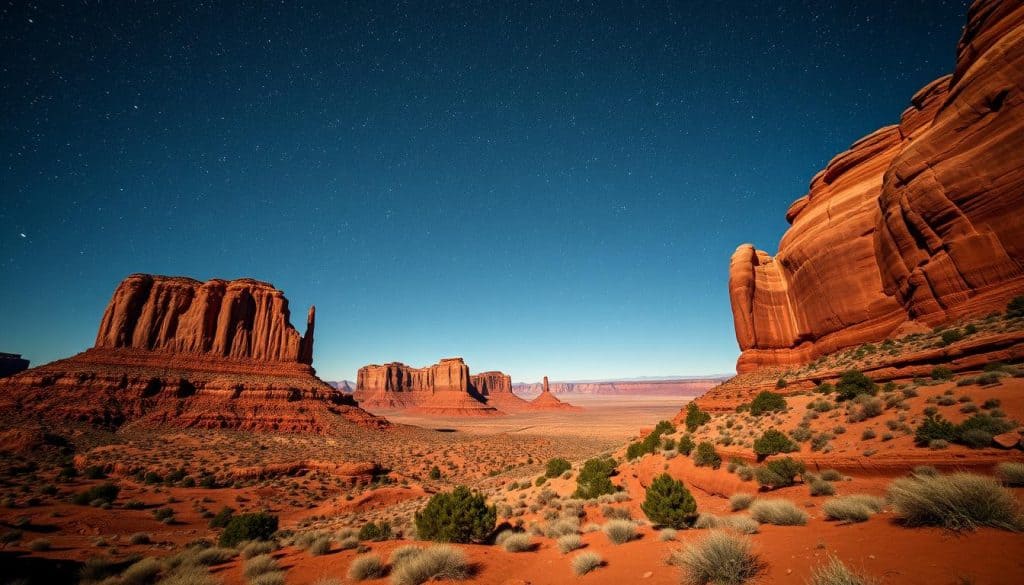
The Western United States is a haven for wild campers, with states like Utah, Colorado, and California offering numerous free camping opportunities. In Utah, areas near Arches and Bryce Canyon National Parks are particularly popular, with spots like Valley of the Gods providing breathtaking vistas. Colorado’s San Juan National Forest is another gem, offering dispersed camping sites amidst stunning mountain scenery. California’s Alabama Hills, near Lone Pine, is a favorite among campers, with its unique rock formations and picturesque views.
Pacific Northwest
The Pacific Northwest is renowned for its lush forests and rugged coastlines, making it an ideal destination for wild camping. In Washington, the Olympic National Forest offers a range of camping experiences, from secluded forest sites to coastal camping. Oregon’s Siuslaw National Forest is another hotspot, with campsites often tucked away in dense forests or perched on hilltops overlooking the ocean.
Other Notable Regions
Beyond the Western States and Pacific Northwest, other regions in the US offer fantastic free wild camping opportunities. The Southwest and Mountain West are home to numerous national forests and public lands where camping is allowed. Exploring these lesser-known areas can lead to discovering hidden gems and experiencing the natural beauty of America without the crowds.
Pros and Cons of Wild Camping
Embracing the wild side of camping can be incredibly rewarding, but it’s crucial to weigh the advantages and disadvantages. As someone who’s experienced the thrill of dispersed camping, I’m here to share a balanced view to help you decide if it’s right for you.
Advantages of Dispersed Camping
One of the most significant benefits of wild camping is the freedom it offers. With first-come, first-served dispersed campsites, you can plan a trip on a whim, saving money on campsite fees. You’ll likely have more privacy than in developed campgrounds, and the solitude allows for a deeper connection with nature. For instance, I’ve had nights where I’ve been the only camper for miles, surrounded by nothing but the sounds of the wilderness.
The flexibility of wild camping also allows you to expand your outdoor experience. You can try new camping skills, explore new trails, and enjoy the thrill of being in a truly natural setting. The lack of structured campsites means you’re not confined to a specific area, giving you the freedom to roam and discover hidden gems.
| Benefits | Description |
|---|---|
| Cost Savings | Save money on campsite fees with free dispersed campsites. |
| Privacy and Solitude | Enjoy a more secluded camping experience away from crowds. |
| Flexibility | Plan trips spontaneously with no need for advance reservations. |
Challenges and Drawbacks
However, wild camping isn’t without its challenges. One of the main drawbacks is the lack of amenities. You’ll need to be self-sufficient, managing your own water supplies, waste, and bathroom needs. Some popular spots can fill up quickly during peak season, and without reservations, you might find yourself scrambling for a site.
Remote camping spots often mean a lack of cell signal, so it’s essential to pre-download trail maps and weather forecasts. Being prepared for emergencies is also crucial, as help can be far away. Despite these challenges, many find that the benefits of wild camping far outweigh the drawbacks.
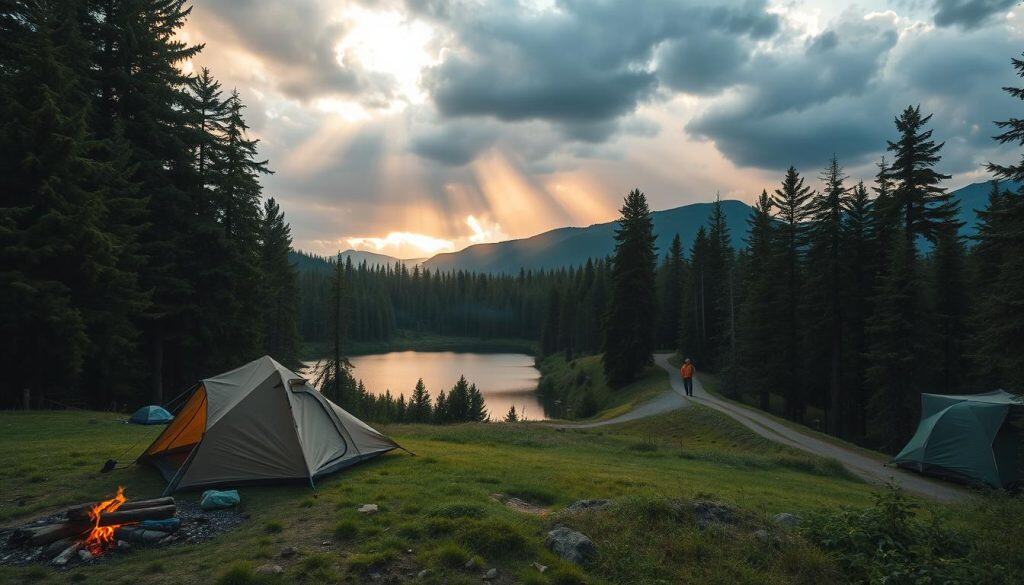
In my experience, the pros of wild camping have outweighed the cons. The sense of adventure and connection with nature makes it a truly unique experience. By understanding both the benefits and challenges, you can make an informed decision about whether wild camping is right for you.
Safety Considerations When Wild Camping
Safety is paramount when you’re out in the wilderness, away from the amenities of a traditional campsite. When you’re wild camping, you’re not just leaving behind the comforts of home; you’re also taking on the responsibility of being self-sufficient and prepared for any situation that might arise.
As someone who’s experienced the thrill of dispersed camping, I can attest that being aware of your surroundings and potential hazards is crucial. You’ll need to be mindful of wildlife, weather conditions, and have a plan in place for emergencies.
Wildlife Awareness
One of the significant risks when wild camping is encountering wildlife. Dispersed campsites are often located in areas that are home to various animals, including bears. To minimize the risk of an encounter gone wrong, it’s essential to store your food properly, keep bear spray handy, and ensure your dog is under voice control. Understanding local wildlife risks and keeping a safe distance from animals are also critical.
Weather Preparedness
Weather conditions can change rapidly when you’re out in the wilderness. Checking forecasts before you leave and being prepared for changing conditions can be a lifesaver. Knowing when to abort a trip due to bad weather is also crucial. Bringing appropriate gear, such as waterproof clothing and a reliable tent, can help you weather the storm.
“The clearest way into the Universe is through a forest wilderness.” – John Muir
Emergency Planning
Being prepared for emergencies is vital when you’re camping in remote areas. This includes sharing your itinerary with someone at home, carrying first aid supplies, and having backup plans in place. Since remote camp spots often mean a lack of cell signal, pre-downloading trail maps and weather forecasts is a good idea. Having a plan for emergencies, such as knowing how to start a fire or having a means of communication, can make all the difference.
| Emergency Essentials | Description |
|---|---|
| First Aid Kit | A basic first aid kit should include bandages, antiseptic wipes, pain relievers, and any medications you may need. |
| Communication Device | A satellite phone or a two-way radio can be crucial in case of an emergency. |
| Fire Starters | Matches, lighters, or firestarters can help you start a fire for warmth, cooking, or signaling for help. |
By being aware of the potential hazards and taking steps to mitigate them, you can have a safe and enjoyable camping experience. Remember, the key to safe wild camping is being self-sufficient and prepared for the unexpected.
Conclusion
With the knowledge and tips shared in this article, you’re now ready to embark on your own wild campingadventureand make unforgettable memories. As you’ve learned, wild camping offers a uniquewayto connect with nature and experience the world around you.
Throughout this guide, we’ve explored the benefits and considerations of wild camping, from understanding public land regulations to practicing Leave No Trace principles. We’ve discussed how to find the perfect free campsite, essential gear for successful wild camping, and safety considerations to keep in mind.
As you start your wild camping journey, remember that preparation is key. You’ll need to plan carefully, choosing the right gear and spots that suit your needs. But with practice, you’ll develop the skills needed to spend a comfortable night under the stars, anywhere in the world.
Wild camping has enriched my outdoor experiences and opened up a world of adventure. I encourage you to give it a try, starting with easier locations and gradually venturing to more remote areas. Always respect the land, follow regulations, and leave nothing behind but bubbles.
Now, go out and enjoy your public lands! Discover new places, and don’t be afraid to try new things. And when you find that perfect spot, drop us a comment and share your story.
FAQ
What is dispersed camping, and how does it differ from traditional camping?
Dispersed camping refers to camping outside of developed campsites, often on public lands managed by agencies like the Bureau of Land Management (BLM) or U.S. Forest Service. Unlike traditional camping, dispersed camping typically doesn’t offer amenities like toilets or picnic tables.
Are there any time limits for dispersed camping on public lands?
Time limits vary depending on the land management agency and location. For example, BLM lands often have a 14-day limit, while national forests may have different rules. It’s essential to check local regulations before setting up camp.
How do I find free camping spots on public lands?
You can use digital maps and apps, such as those provided by the BLM or Forest Service, to locate dispersed camping areas. Additionally, talking to rangers and locals can provide valuable insights into secluded camping spots.
What are some essential gear items for successful wild camping?
Essential gear includes shelter options like tents or hammocks, water and food supplies, and safety and navigation equipment. The specific gear you’ll need may vary depending on your location and the length of your trip.
How can I minimize my impact on the environment while wild camping?
Following Leave No Trace principles is crucial. This includes proper waste management, minimizing environmental impact, and adhering to fire safety and regulations.
What safety considerations should I be aware of when wild camping?
Safety considerations include being aware of wildlife, preparing for weather conditions, and having an emergency plan in place. It’s also essential to let someone know your itinerary and expected return time.
Can I camp anywhere on national forest land?
While dispersed camping is often allowed in national forests, there may be restrictions in certain areas, such as near developed recreation sites or sensitive habitats. Always check with local forest service offices for specific guidelines.
How do I choose a safe and private wild camping spot?
Consider factors like distance from roads and trails, access to water sources, and terrain. Choosing a spot with natural screening, like trees or rocks, can also enhance privacy.