

Imagine standing at the edge of the Grand Prismatic Spring, surrounded by the vibrant colors of nature, or witnessing a majestic bison roam freely across the vast landscape. Yellowstone National Park, America’s first national park, is a treasure trove of geothermal wonders, diverse wildlife, and breathtaking scenery.
Spanning over 3,400 square miles across three states, Yellowstone is a destination that offers something unique in every season. Whether you’re looking for peak wildlife viewing or a serene winter wonderland, the best time to visit depends on your preferences and what you want to experience.
As you plan your trip, understanding the park’s seasonal rhythms is key to making the most of your adventure. From the warmest temperatures and full accessibility of summer to the magical snow-covered landscapes of winter, each season brings its own unique charm.
Key Takeaways
- Yellowstone National Park offers diverse experiences across different seasons.
- The best time to visit depends on your preferences for weather, crowds, and activities.
- Summer brings peak wildlife viewing and full accessibility.
- Winter offers a serene landscape with limited access but fewer visitors.
- Spring and fall are excellent “sweet spots” with moderate weather and fewer crowds.
Yellowstone Through the Seasons: An Overview
The changing seasons bring distinct advantages and challenges to exploring Yellowstone National Park. As you plan your visit, understanding these seasonal variations is crucial for making the most of your time in the park.
Park Accessibility Year-Round
Yellowstone National Park is open year-round, but the accessibility of its roads and facilities varies significantly with the seasons. During the summer months, all 251 miles of roads are open, providing visitors with full access to the park’s attractions. However, from November through mid-April, most park roads are closed due to snow, limiting access to specific routes.
Weather Patterns and Elevation Considerations
The park’s high elevation, ranging from 6,000 to 11,000 feet, significantly influences its weather patterns. This elevation creates microclimates that can produce extreme temperature variations and sudden weather changes, regardless of the season. For instance, summer days can be pleasant, with temperatures averaging 70-80°F, but nights can still drop to 40-50°F. Understanding the relationship between elevation and weather is crucial for trip planning, as higher elevations experience colder temperatures and more precipitation.
Visitor Statistics by Season
Visitor statistics show dramatic seasonal fluctuations, with nearly a million visitors per month during the summer compared to just a fraction of that number during the winter months. If you’re looking for a more serene experience, consider visiting during the shoulder season. For more information on visiting other national parks, you can check out the best time to visit Montana’s national parks on this page.
| Season | Weather Conditions | Park Accessibility | Visitor Numbers |
|---|---|---|---|
| Summer | Pleasant days (70-80°F), cool nights (40-50°F) | All roads open | Nearly 1 million visitors/month |
| Winter | Cold temperatures, significant snowfall | Limited road access | Significantly fewer visitors |
| Spring/Fall | Variable temperatures, potential for snow | Variable road access | Fewer visitors than summer |
Summer in Yellowstone (June-August)
Summer transforms Yellowstone into a vibrant world of geothermal wonders and wildlife. As the warmest season, it’s the peak time to visit Yellowstone National Park, offering visitors the longest days and full access to its roads, trails, and facilities.
Peak Season Benefits
Visiting Yellowstone during the summer months means enjoying the park’s full range of amenities and activities. All park services and facilities operate at full capacity, including lodging, dining, visitor centers, and ranger-led programs. This makes summer the most convenient season for accessing everything Yellowstone has to offer. As I recall my own visit, the abundance of options made planning a breeze.
Weather and Conditions
Summer weather in Yellowstone is generally pleasant, with daytime temperatures ranging from 70-80°F (21-27°C). However, higher elevations can remain cool, and afternoon thunderstorms are not uncommon. July is one of the warmest months, with temperatures sometimes reaching as high as 90°F (32°C), making it ideal for viewing the park’s geothermal features with clearer visibility due to less steam.
Summer Crowds and How to Navigate Them
With nearly one million visitors per month, summer crowds can be significant. To navigate these crowds effectively, consider visiting popular attractions early in the morning or later in the evening. Exploring less-frequented areas or hiring a guide can also enhance your experience. “The key to enjoying Yellowstone in the summer is flexibility,” as park rangers often advise.
Wildlife Viewing Opportunities
Summer is a great time for wildlife viewing, with the bison rut in August being a highlight. Witnessing the dramatic displays of strength among bison bulls is a memorable experience. The warmer months also bring out other wildlife, making it an ideal time for nature enthusiasts and photographers. With patience and the right guidance, visitors can have unforgettable wildlife encounters.
Fall in Yellowstone (September-October)
Visiting Yellowstone in the fall offers a mix of comfortable temperatures and fewer crowds, making it an ideal time for outdoor activities. As the summer heat dissipates, the park transforms into a kaleidoscope of autumn colors, creating a picturesque backdrop for your adventures.
Autumn Colors and Changing Landscapes
The fall season brings a dramatic change to Yellowstone’s landscape. The aspen and cottonwood trees turn brilliant shades of gold and yellow, creating stunning photo opportunities against the backdrop of mountains and meadows. This transformation is not just visually appealing; it’s also a signal that the park is preparing for the winter months.

Weather Expectations and Preparation
During the fall, Yellowstone’s weather becomes increasingly variable. September can still offer relatively warm days, with temperatures ranging from 60-70°F (15-21°C), while October brings cooler temperatures and an increased possibility of snow, especially at higher elevations. Visitors should be prepared for changing weather conditions by packing layers and staying informed about park conditions.
Wildlife Activity During Fall
Fall is a great time for wildlife watching in Yellowstone. As the animals prepare for winter, many become more active during the day. Elk and moose enter their rutting season, with bulls bugling and competing for mates, while bears actively forage for berries to gain weight before hibernation. The cooler temperatures make it easier to spot these animals as they roam the park.
- Elk and moose rutting season offers a unique wildlife viewing experience.
- Bears forage for berries to prepare for hibernation.
- Cooler temperatures make wildlife more active during the day.
Reduced Crowds and Accessibility
One of the significant advantages of visiting Yellowstone in the fall is the reduced number of visitors after Labor Day. Popular attractions like Old Faithful and other hot springs are less crowded, allowing for a more peaceful experience. While park accessibility remains good through most of the fall, visitors should monitor road conditions as October progresses, as early snowstorms can cause temporary or seasonal closures, particularly at higher elevations.
Winter in Yellowstone (November-March)
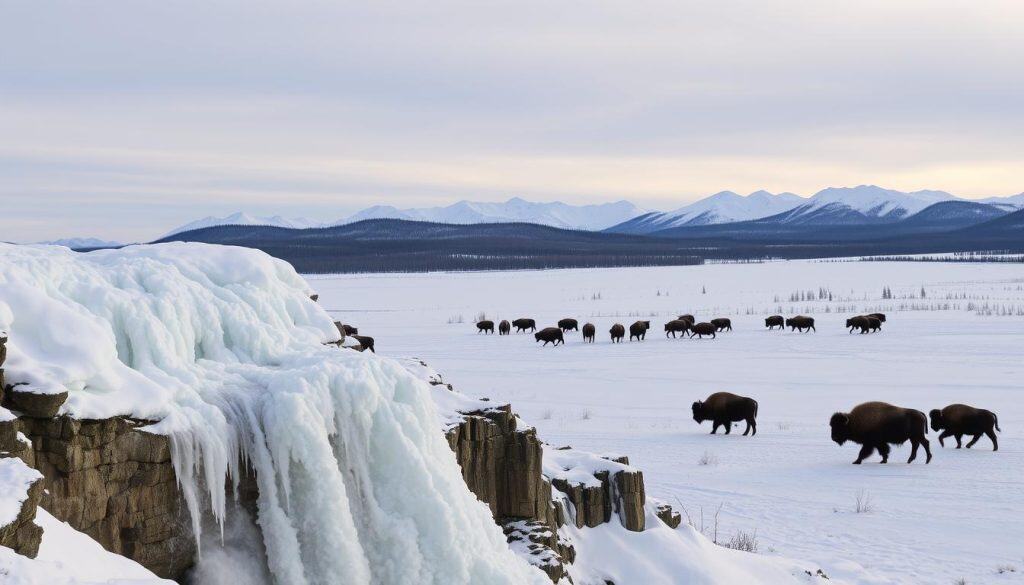
When the snow falls, Yellowstone becomes an entirely different park, one that’s peaceful, pristine, and full of winter wonder. The transformation is nothing short of magical, turning the national park into a serene landscape that’s far removed from the summer crowds.
Frozen Wonderland Experience
Winter in Yellowstone transforms the park into a frozen wonderland, with snow-covered landscapes, steaming geysers, and a peaceful atmosphere. The average temperatures drop below 20°F (-6°C), and snowfall can reach several feet, creating dramatic scenery unlike any other time of year. This season offers a completely different perspective of Yellowstone National Park, making it an exciting time to visit.
Winter Access and Transportation Options
Park access becomes limited as most roads close to regular vehicles by early November. However, the 52-mile northern road between Gardiner and Cooke City/Silver Gate remains plowed and drivable. To explore beyond this road, visitors can use guided snowcoach and snowmobile tours operating from mid-December through mid-March from the North, West, and South entrances. These tours offer a unique way to experience Yellowstone’s winter landscape. For more information on winter activities in national parks, you can check out other great winter destinations.
Cold Weather Wildlife Viewing
Winter creates exceptional wildlife watching opportunities as animals like bison, elk, and wolves concentrate in lower elevation valleys where food is more accessible. The Lamar Valley is an especially productive area for wildlife viewing, making it a must-visit for visitors during this season.
Winter Activities and Tours
Winter activities in Yellowstone include guided wildlife tours, snowshoeing, cross-country skiing, and photography excursions. These activities offer intimate experiences with the park’s natural wonders without the summer crowds. Seeing iconic features like Old Faithful in winter provides a completely different experience, with the added bonus of having the viewing area almost to yourself.
Spring in Yellowstone (April-May)
The spring season, spanning April and May, is a time of dramatic change in Yellowstone, as the park awakens from its winter slumber. This period is characterized by a mix of winter’s lingering presence and the emergence of new life, creating a dynamic and captivating environment.
Renewal and Thaw
As the icy grip of winter loosens, the park undergoes a significant transformation. The spring thaw reveals bare ground at lower elevations, while higher areas remain blanketed with snow, creating a fascinating contrast.
Weather Variability
Spring weather in Yellowstone is notoriously unpredictable, with temperatures fluctuating wildly between below freezing and the 60s°F (15-20°C). Visitors must be prepared for a range of conditions, from snowstorms to sunny days, often within the same trip.
Wildlife Viewing
Spring offers some of the best wildlife watching opportunities in the park. As grizzly bears emerge from hibernation and bison give birth to calves, the park comes alive with new activity. This is an ideal time for observing wildlife, as animals become more active and visible.
Pre-Season Advantages
Visiting Yellowstone in the spring provides several advantages, including reduced crowds at popular attractions like Old Faithful and other hot springs, lower rates for accommodations, and a more peaceful experience overall. For more information on visiting national parks during different times of the year, you can check out resources like this guide.
When to go to Yellowstone for Wildlife Watching
As America’s first national park, Yellowstone is renowned for its abundant wildlife, and understanding the seasonal patterns can greatly enhance your viewing experience. Planning your visit according to the time of year can make all the difference in spotting the animals you want to see.
Wildlife watching is one of the primary reasons many visitors plan a trip to Yellowstone National Park. Each season offers unique opportunities to observe different species in their natural habitats. In the spring (April-May), you can witness bears emerging from hibernation and newborn bison calves taking their first steps.
During the summer months (June-August), the park is teeming with life. The longer daylight hours provide ample opportunities for wildlife viewing, although animals often retreat to higher elevations during the midday heat. The Lamar Valley and Hayden Valley are excellent locations for spotting bison and other wildlife during this time.
Fall (September-October) brings the dramatic elk rut, with bugling bulls and bears actively foraging for berries at mid-elevations. As the seasons change, many animals become more active as they prepare for the coming winter.
In the winter (November-March), many animals congregate in lower elevation areas like the Lamar Valley, making it an ideal time for observing wolves, bison, and elk against the snow-covered landscape. The cold weather also brings animals to the geothermal areas, providing unique viewing opportunities.
To maximize your wildlife watching experience, it’s essential to be patient, equipped with proper gear such as binoculars and spotting scopes, and to maintain a safe distance from the animals. Guided tours with experienced naturalists can also significantly enhance your chances of spotting wildlife and understanding their behaviors.
By understanding the seasonal patterns and best locations for wildlife viewing in Yellowstone, you can plan a trip that meets your wildlife watching goals. Whether you’re interested in bears, wolves, or bison, Yellowstone National Park offers an unforgettable experience for all wildlife enthusiasts.
FAQ
What’s the best time to visit Yellowstone for wildlife watching?
The best time for wildlife watching in Yellowstone is during the spring (April-May) and fall (September-October), when animals are more active and visible. Lamar Valley is particularly known for its abundant wildlife, including bison, bears, and wolves.
Are geothermal features like Old Faithful accessible year-round?
Most geothermal features, including Old Faithful, are accessible year-round, but some boardwalks and trails may be closed due to snow and ice during the winter months.
How do I prepare for unpredictable weather in Yellowstone?
Be prepared for changing weather conditions by packing layers, bringing waterproof gear, and staying informed about weather forecasts. Yellowstone’s weather can be unpredictable, especially at higher elevations.
What’s the best way to avoid crowds in Yellowstone?
Visiting during the shoulder season (April-May or September-October) can help you avoid crowds. Additionally, exploring lesser-known areas and taking early morning or late evening hiking trails can also reduce your chances of encountering large crowds.
Can I see bison, bears, and wolves in Yellowstone?
Yes, Yellowstone is home to an abundance of wildlife, including bison, bears, and wolves. Keep a safe distance and be aware of your surroundings to maximize your wildlife viewing opportunities.
Are there any winter activities available in Yellowstone?
Yes, Yellowstone offers a range of winter activities, including guided snowmobile tours, cross-country skiing, and snowshoeing. Some areas of the park are only accessible by snowmobile or snowcoach during the winter months.
How do I plan a trip to Yellowstone?
Plan your trip by deciding on the best time to visit, booking accommodations and tours in advance, and preparing for variable weather conditions. Consider visiting during the spring or fall for a more relaxed experience.